Ranzan

Ranzan brings kaiseki to Redwood City's Main Street, positioning itself as one of the Bay Area's more serious Japanese fine-dining addresses outside San Francisco proper. Ranked #484 on Opinionated About Dining's North America list in 2024 and #559 in 2025, it operates on a structured lunch-and-dinner format across six days, with chef Jason Zhan directing a cuisine rooted in seasonal Japanese tradition.
Pearl is the En Primeur Club membership app — saves, bookings, and concierge access live there. Same editors, same standards.
- Address
- 921 Main St, Redwood City, CA 94063
- Phone
- (650) 362-3660
- Website
- ranzan-ca.com
- Directions
- Get directions
 Saves & bookings on Pearl
A Kaiseki Counter in the Peninsula's Quieter Register
Ranzan is a Redwood City restaurant serving Authentic Kaiseki Ryori at a $$. Redwood City is not where most diners instinctively look when planning a serious Japanese meal in the Bay Area. That expectation, shaped by decades of concentration in San Francisco's Japantown corridor and the omakase counters of SoMa and the Tenderloin, makes the address at 921 Main Street a deliberate counterpoint. The building sits on a commercial strip that belongs more to everyday Peninsula life than to the kind of destination-dining theatre associated with Benu or Atelier Crenn further north. That gap between setting and ambition is precisely what defines Ranzan's character.
Kaiseki as a format has always carried an inherent tension between physical environment and sensory precision. The Japanese tradition demands that the room, the vessels, and the sequencing of courses operate as a single composed whole, the spatial logic matters as much as what arrives on the plate. In Kyoto, where kaiseki developed as a formal progression linked to the tea ceremony, the architecture of the dining room was never incidental. Restrained materials, considered proportions, and the deliberate absence of visual noise were part of the discipline. Ranzan operates within that inheritance, even at a considerable remove from its source.
The Space as Editorial Statement
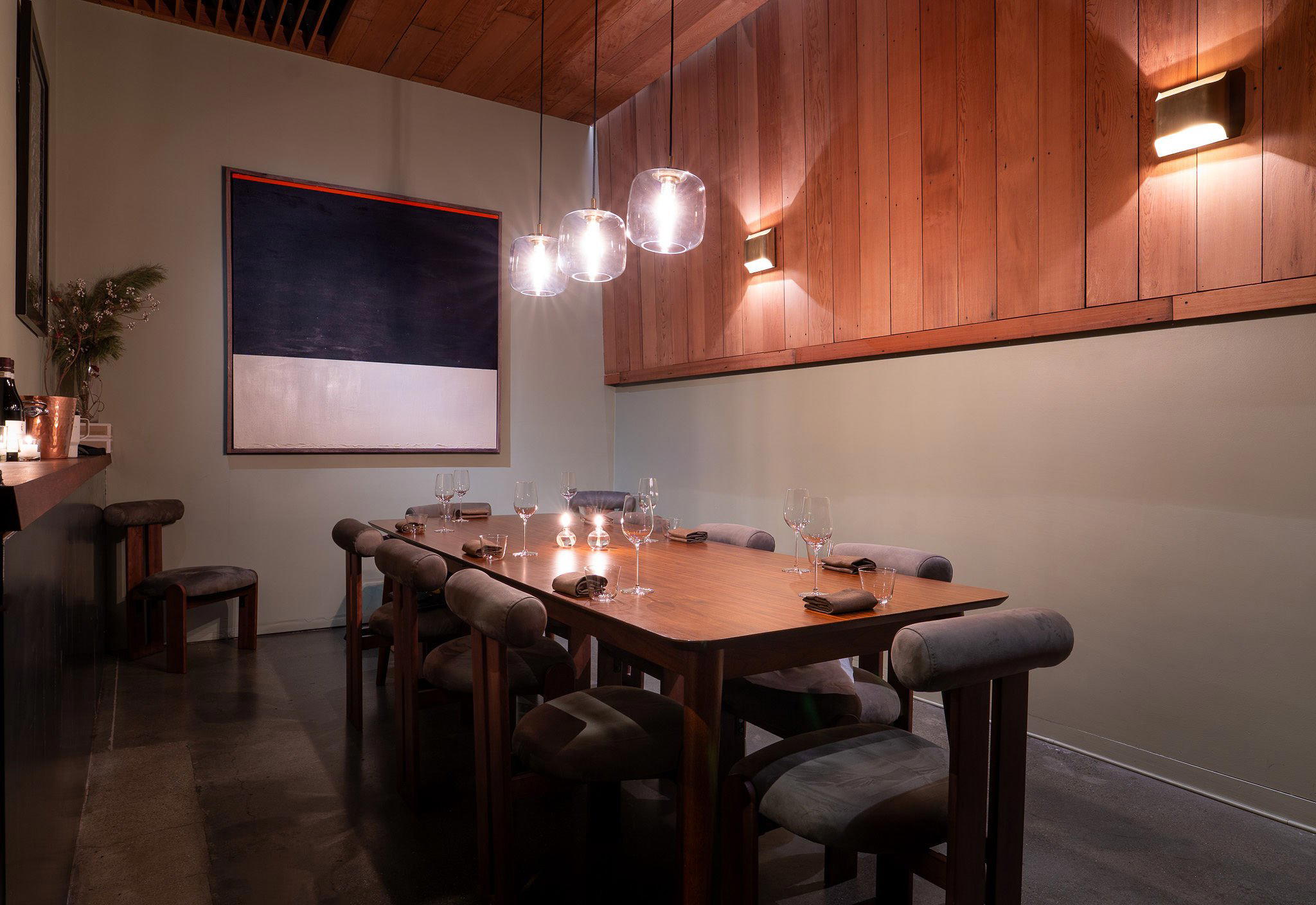
What the interior at Ranzan communicates, more than any single dish or course structure, is a particular stance on what fine dining should feel like in a mid-Peninsula commercial context. American kaiseki spaces face a structural challenge that their Japanese counterparts do not: the surrounding urban fabric rarely supports the transition from street-level ordinariness to the meditative atmosphere the format requires. The better American practitioners resolve this through architectural compression, a narrow entryway that slows arrival, materials that absorb rather than reflect sound, lighting calibrated to direct attention downward toward the table rather than outward toward the room. The sequence of arrival and seating is doing formal work that matters to how the meal registers.
This is where Ranzan diverges from the Bay Area's loudest fine-dining rooms. Lazy Bear performs Progressive American with communal-table energy and an open kitchen designed for social visibility. Saison builds its Californian identity partly around a dramatic hearth that the room is arranged to face. Quince leans into a formal Italian-influenced room with white-tablecloth ritual. These are spaces where the container announces itself. Kaiseki, at its most considered, does the opposite: the room withdraws so the progression of courses can speak without competition.
Where Ranzan Sits in the Bay Area Japanese Fine-Dining Tier
The Opinionated About Dining (OAD) list placed Ranzan at #484 in North America in 2024 and #559 in 2025. The directional shift between those two rankings is worth reading carefully: OAD rankings are demand-driven and reflect sustained dining attention rather than a single inspection cycle. A movement from 484 to 559 across one year does not necessarily signal a decline in kitchen quality; it can reflect the expansion of the ranked pool or increased competition within the Japanese fine-dining tier specifically, which has grown considerably in North American cities over the same period.
Within the Bay Area, the OAD placement positions Ranzan as a credentialed address without placing it at stronger examples from the regional hierarchy. For context, the Bay Area's most-decorated tasting-menu rooms, including Benu, carry Michelin recognition alongside OAD placement. Ranzan's OAD standing signals meaningful peer recognition, placing it in a different competitive tier than the Michelin-starred circuit while still holding it clearly above the generalist Japanese restaurant category. Nationally, the form sits in a bracket that includes destination-level tasting rooms like Alinea in Chicago, Le Bernardin in New York City, and The French Laundry in Napa, though kaiseki specifically represents a narrower subset of that national fine-dining field.
Chef Jason Zhan leads the kitchen. North American kaiseki practitioners typically carry training that traces back to Japanese houses, directly through apprenticeship or indirectly through formative stages, and that lineage shapes how seasonal produce is read, how courses are sequenced, and how the transition from lighter to more substantial preparations is managed across the meal.
The Format and What It Asks of the Diner
Kaiseki is a structured progression, not a menu from which you select. The form typically moves through a prescribed sequence: an opening course to establish mood, a series of small preparations using different cooking techniques, a rice course, and a closing. The diner's role is reception rather than navigation. This is a different posture than the à la carte model that still dominates most American fine dining, and it has specific implications for how to approach an evening at Ranzan.
That consistency matters for kaiseki specifically, because the form's credibility depends on every course in a sequence holding its own; a single weak preparation disrupts the composition in a way that an à la carte meal, where courses are evaluated independently, does not.
Comparable Bay Area addresses operating at the $$$$ tier include Atelier Crenn, Lazy Bear, and Quince. Ranzan is closed Mondays and serves lunch and dinner Tuesday through Sunday. The Peninsula location means it draws from both South Bay and San Francisco diners, and functions as a genuine alternative to driving into the city for structured Japanese fine dining. For those also exploring the broader Northern California fine-dining circuit, Single Thread Farm in Healdsburg offers a different but adjacent approach to Japanese-influenced seasonal tasting menus at the high end.
Planning a Visit
| Detail | Ranzan | Lazy Bear | Benu | Quince |
|---|---|---|---|---|
| Cuisine | Kaiseki | Progressive American | French-Chinese | Italian Contemporary |
| Location | Redwood City | San Francisco (Mission) | San Francisco (SoMa) | San Francisco (Financial District) |
| Lunch service | Yes (Tue–Sun) | No | No | No |
| OAD ranked | Yes (#559, 2025) | Yes | Yes | Yes |
| Michelin starred | Not confirmed | Yes | Yes (3 stars) | Yes |
Reservations are essential. The Redwood City address is accessible by Caltrain (Redwood City station is close to Main Street), making it reachable from both San Francisco and San Jose without a car. Those extending the trip south toward Los Angeles might also note Providence as a comparable-tier address, while Emeril's in New Orleans represents a different American regional fine-dining tradition worth benchmarking against.
What to Order at Ranzan
Kaiseki does not operate on an à la carte basis, so the question of what to order resolves differently than at most restaurants. The kitchen sets the sequence, and the diner's decision is essentially whether to dine at lunch or dinner, two service windows that typically differ in length and depth of progression, with evening kaiseki running longer and incorporating a wider range of technique. Seasonal availability drives what arrives at the table; in kaiseki, that is not a marketing position but a structural constraint, the discipline requires reading the season honestly, and the kitchen's credibility depends on it.
The Quick Read
Comparable venues nearby, for context on price, style, and recognition.
| Venue | Cuisine | Price | Notes |
|---|---|---|---|
| RanzanThis venue — the venue you are viewing | Redwood City, Authentic Kaiseki Ryori | $$$$ | Not listed |
| Sancho's Taqueria | Oak Knoll, Authentic Mexican Taqueria | $ | Not listed |
| Old Port Lobster Shack | Not listed | $$ | Downtown Redwood City, New England Lobster Shack |
| Mistral | Not listed | $$$ | Redwood Shores, Mediterranean-Influenced California Cuisine |
| Milagros | Eclectic Mexican | $$ | Not listed |
| Brochette Dumpling and Grill | Not listed | $$ | Redwood City, Chinese, Japanese, and Korean Fusion |
Recognition history
Dated appearances from independent guides and award organizations, with the underlying list record or original source where available.
Opinionated About Dining Top Restaurants in North America Recommended
Opinionated About Dining
Opinionated About Dining Top Restaurants in North America Ranked #559
Opinionated About Dining
Opinionated About Dining Top Restaurants in North America Ranked #484
Opinionated About Dining
Continue exploring
More in Redwood City
Restaurants in Redwood City
Browse all →
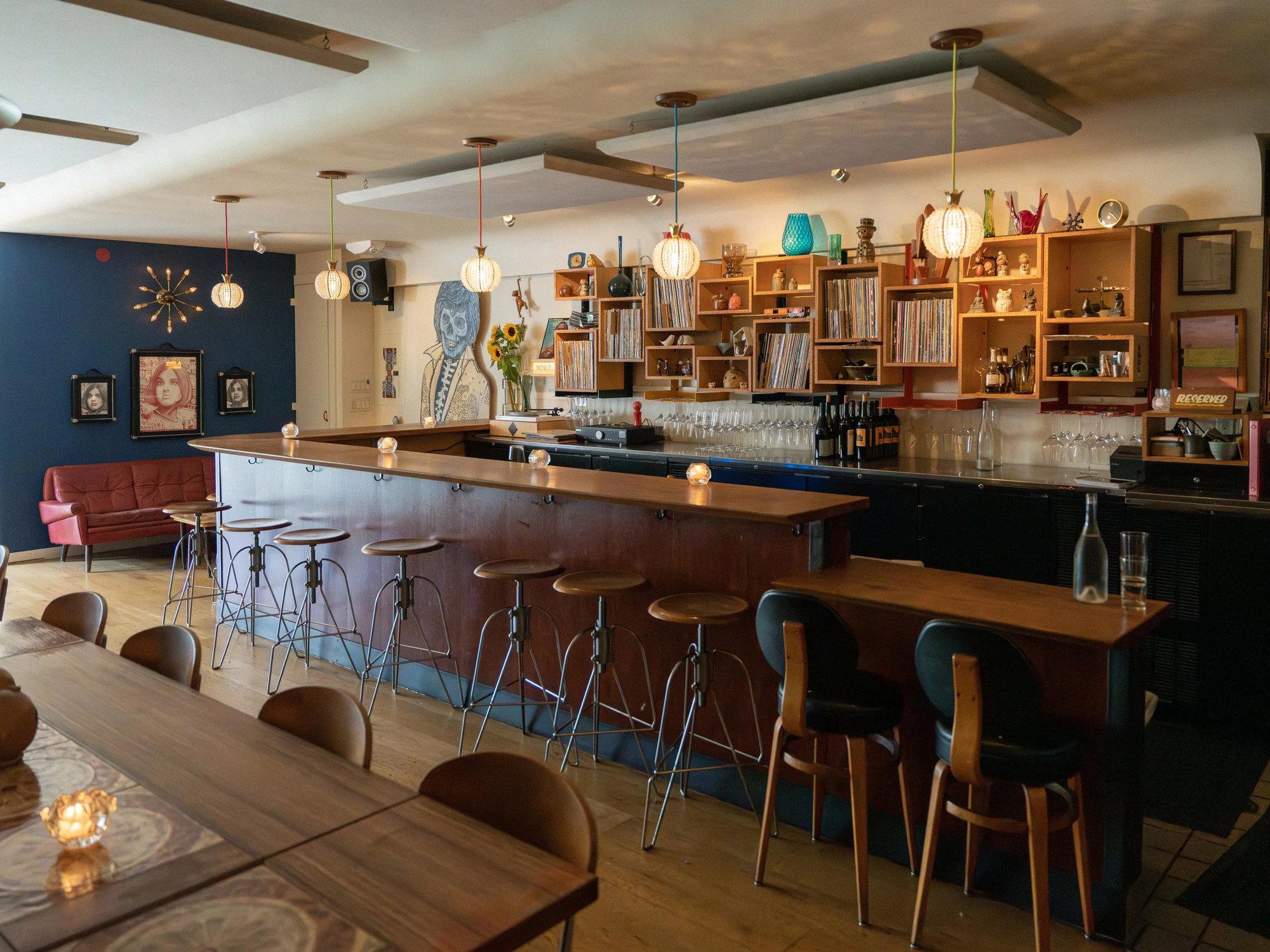
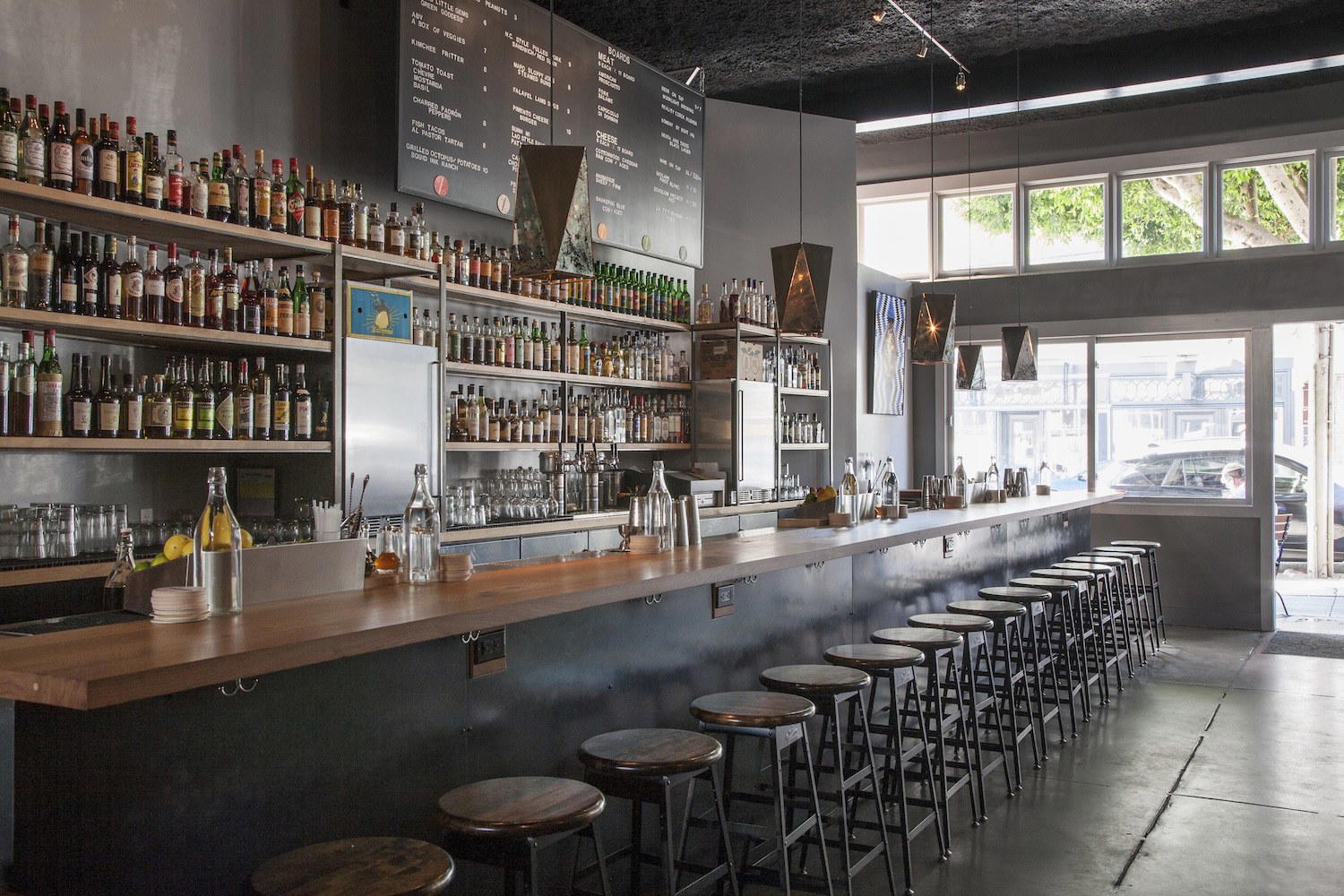
Bars in Redwood City
Browse all →
Hotels in Redwood City
Browse all →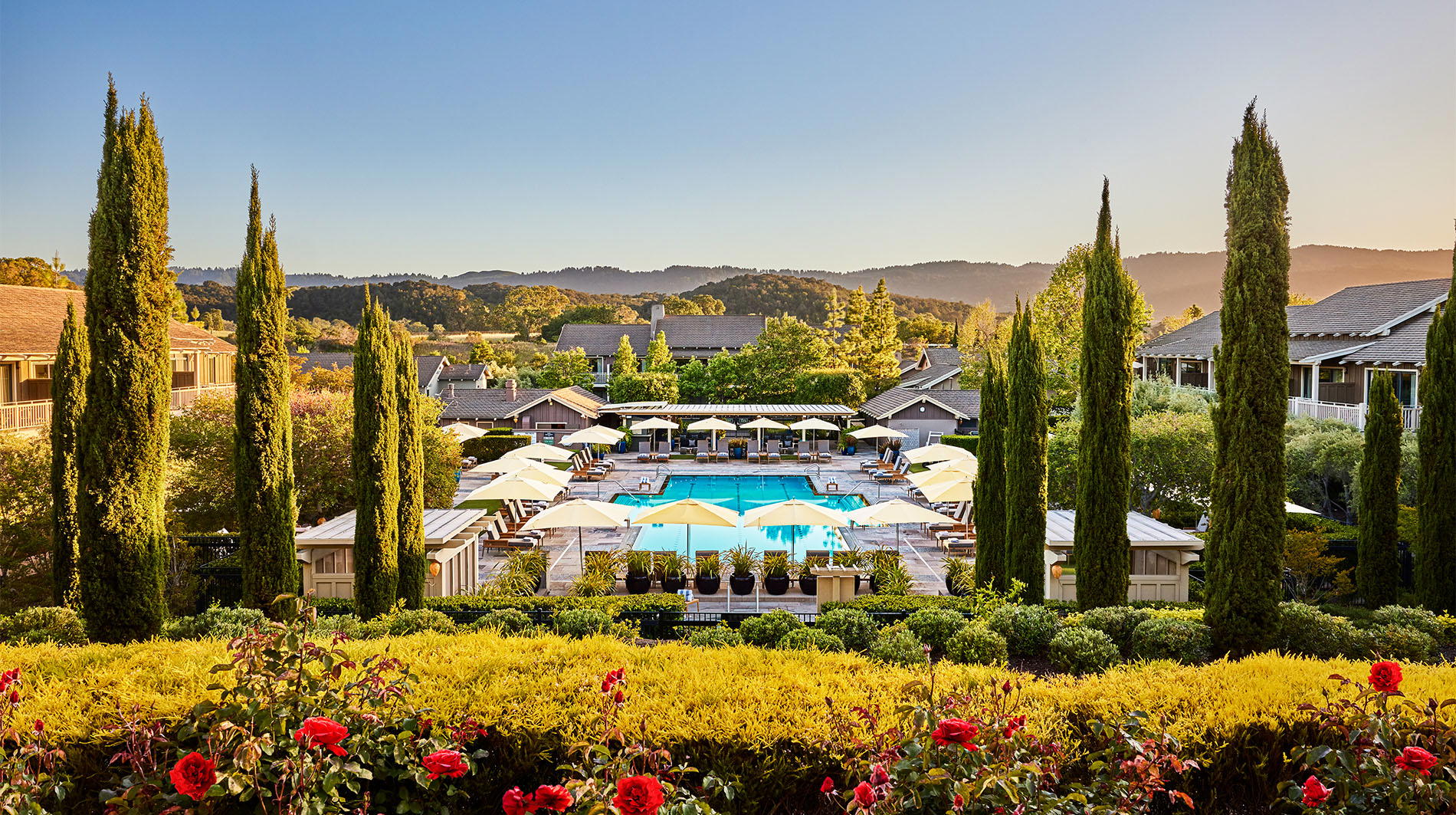
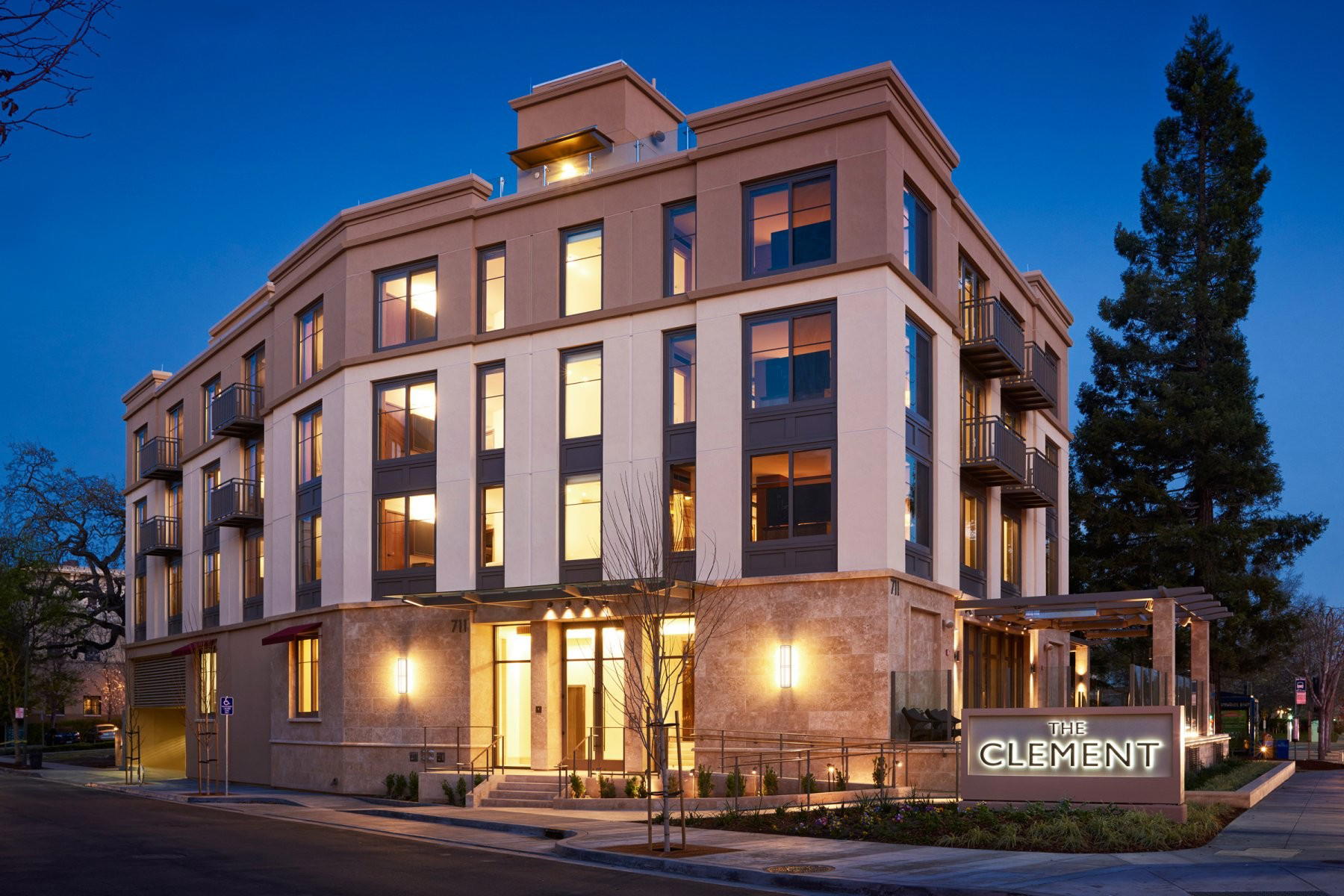
Wineries in Redwood City
Browse all →
At a Glance
- Elegant
- Quiet
- Intimate
- Sophisticated
- Date Night
- Special Occasion
- Celebration
- Open Kitchen
- Sake Program
- Local Sourcing
Current opening hours
- Monday
- Closed
- Tuesday
- 11:30 AM–3 PM, 5:30–10 PM
- Wednesday
- 11:30 AM–3 PM, 5:30–10 PM
- Thursday
- 11:30 AM–3 PM, 5:30–10 PM
- Friday
- 11:30 AM–3 PM, 5:30–10 PM
- Saturday
- 11:30 AM–3 PM, 5:30–10 PM
- Sunday
- 11:30 AM–3 PM, 5:30–10 PM
Hours can change for holidays and private events. Last verified .
Warm, inviting lighting with natural materials and uncluttered design that supports the meal; quiet, focused atmosphere conducive to slow dining.