Milagros
Milagros on Middlefield Road sits within Redwood City's quietly expanding dining corridor, where Latin-inflected kitchens have established a consistent foothold on the Peninsula. The address places it alongside a comparable set that includes both neighborhood staples and more recently arrived concepts, making it a reference point for understanding how this mid-Peninsula city is shaping its own culinary identity.
Pearl is the En Primeur Club membership app — saves, bookings, and concierge access live there. Same editors, same standards.
- Address
- 1099 Middlefield Rd, Redwood City, CA 94063
- Phone
- +16503694730
- Website
- milagrosrc.com
- Directions
- Get directions
 Saves & bookings on Pearl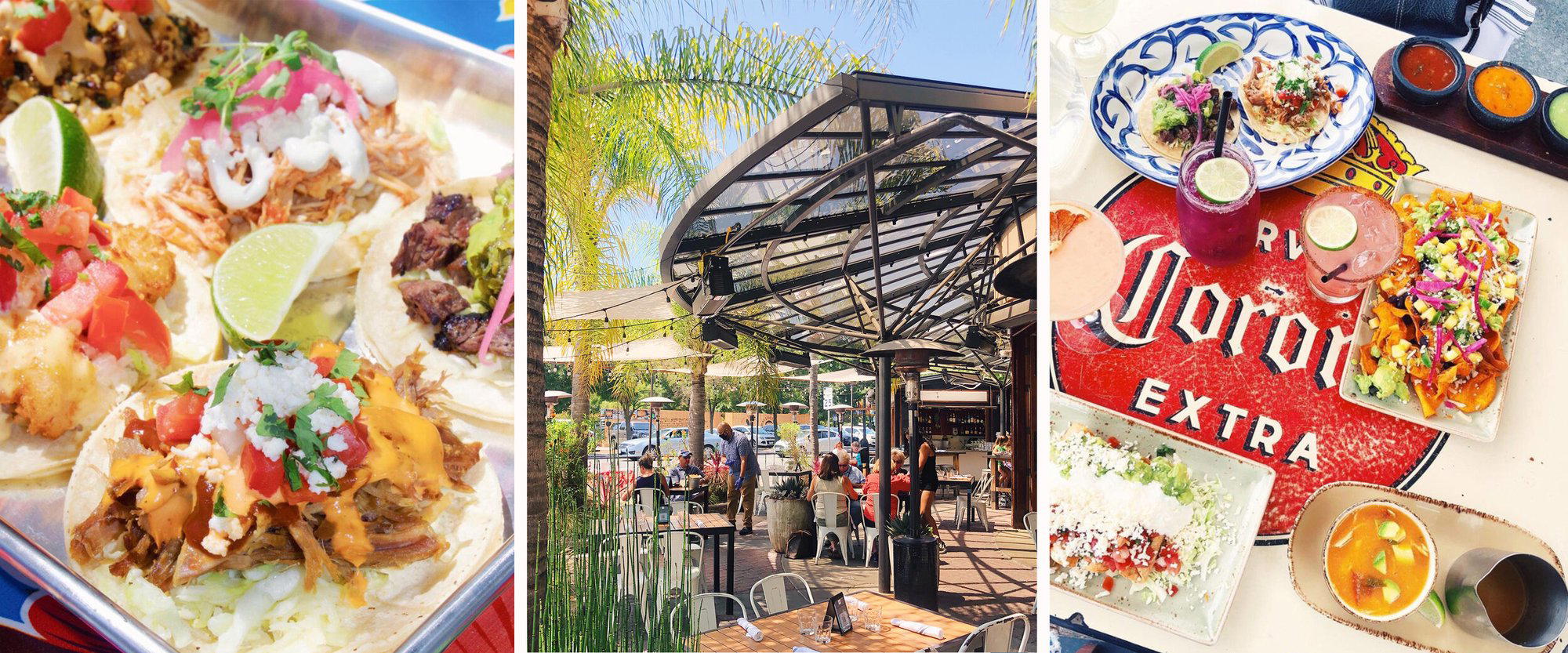
Latin Cooking on the Peninsula: Where Milagros Fits
In that context, Latin-rooted restaurants have emerged as one of the more coherent threads in the city's restaurant fabric, from the coastal Peruvian register of LV Mar to the community-anchored formats found further along Middlefield Road.
Milagros at 1099 Middlefield Rd occupies a stretch of that corridor that suits a casual walk-in meal. Middlefield is the kind of street where the restaurant mix reflects the actual residential character of the neighborhood rather than curated concepts positioned for an imagined audience.
The Cultural Architecture of the Name
The word milagros carries specific weight in Latin American cultural life. In Mexican and broader Mesoamerican religious tradition, milagros are small devotional charms, typically cast in metal, offered at shrines as votive prayers or acts of thanks. They represent body parts, animals, hearts, houses, concrete stands-ins for what the supplicant is asking for or grateful for. The tradition crosses into food culture through the idea that meals, especially shared ones, carry something beyond nutrition. Whether or not a restaurant named Milagros plays this reference deliberately is a separate question, but the word itself arrives at the table with that cultural weight already attached.
That tradition of cooking as devotional practice, or at least as something culturally embedded rather than purely commercial, is part of what distinguishes the strongest Latin kitchens from those that borrow aesthetic markers without the underlying substance. The Peninsula has enough examples of the latter to make the former worth identifying when it appears. Nearby, Broadway Masala represents a parallel dynamic in South Asian cooking, where the question of cultural rootedness versus surface adaptation is equally present.
Middlefield Road as a Dining Corridor
To understand where Milagros sits, it helps to read Middlefield Road as a whole rather than as a collection of individual stops. The street runs through neighborhoods that have historically housed the Peninsula's Latin American communities, and that residential foundation has shaped which restaurants open, survive, and earn local loyalty. This is not the same dynamic as, say, a destination dining street in a tourist-heavy city, where reputation is built through critical coverage and social amplification. On Middlefield, longevity tends to signal something more direct: that the cooking is consistent, the pricing reflects what the community can sustain, and the format serves how people actually eat.
That pattern differs substantially from the Michelin-tracked end of Bay Area dining, where restaurants like Lazy Bear in San Francisco or Single Thread Farm in Healdsburg are shaped by a completely different set of forces: long booking windows, tasting menus, and a national critical apparatus that positions them against peers like The French Laundry in Napa or, at the farthest remove, rooms like Alinea in Chicago and Le Bernardin in New York City.
A kitchen earning loyalty from a residential Latin American community over years is accomplishing something that a tasting menu room positioned for visiting critics is not even attempting. The same logic applies when looking at the broader comparable set of community-rooted restaurants that have found their footing on the Peninsula, including Angelicas and Brochette Dumpling and Grill, each of which occupies a specific niche within Redwood City's restaurant mix without positioning itself against the awards-circuit tier.
How Latin American Cooking Reads on the Peninsula
Latin American cuisine in Northern California exists along a spectrum that runs from taqueria-format staples to the kind of refined South American cooking found at places like LV Mar, which brings Peruvian coastal techniques to a Peninsula audience accustomed to paying San Francisco prices. The middle of that spectrum, where Mexican regional cooking, Central American preparations, and Cal-Mex hybrid formats coexist, is where most of the eating actually happens, and where neighborhood restaurants like Milagros tend to find their footing.
That middle register is where cultural specificity matters most. The distance between a generic burrito format and cooking that reflects a specific regional Mexican tradition is substantial, and it is largely invisible to casual observation. The tells are in the chile selection, the masa quality, the use of fresh herbs, and whether the salsas are made in-house or sourced from a distributor. These are not fine-dining distinctions; they are markers of whether a kitchen is working from a real culinary tradition or approximating one. For comparison, consider how MAZRA uses Middle Eastern culinary specificity as its defining characteristic, carving out a position that generic formats in the same cuisine cannot occupy.
Planning a Visit
Milagros is located at 1099 Middlefield Rd in Redwood City, a walkable address within the Middlefield corridor that is accessible by car with street and lot parking typical of the area. Milagros is open Mon-Thu 11:30 AM-9 PM, Fri-Sat 11:30 AM-10 PM, and Sun 11:30 AM-9 PM. It is casual and walk-in-friendly.
Cost Snapshot
Comparable venues nearby, for context on price, style, and recognition.
| Venue | Cuisine | Price | Notes |
|---|---|---|---|
| MilagrosThis venue — the venue you are viewing | Eclectic Mexican | $$ | Not listed |
| Brochette Dumpling and Grill | Not listed | $$ | Redwood City, Chinese, Japanese, and Korean Fusion |
| Broadway Masala | Not listed | $$ | Downtown Redwood City, Authentic Indian Regional Cuisine |
| Mistral | Not listed | $$$ | Redwood Shores, Mediterranean-Influenced California Cuisine |
| Pizzeria Cardamomo | Not listed | $$ | downtown, Authentic Italian Sourdough Pizza |
| Vesta | Not listed | $$ | Downtown Redwood City, Neapolitan-Style Pizza & Italian Small Plates |
Continue exploring
More in Redwood City
Restaurants in Redwood City
Browse all →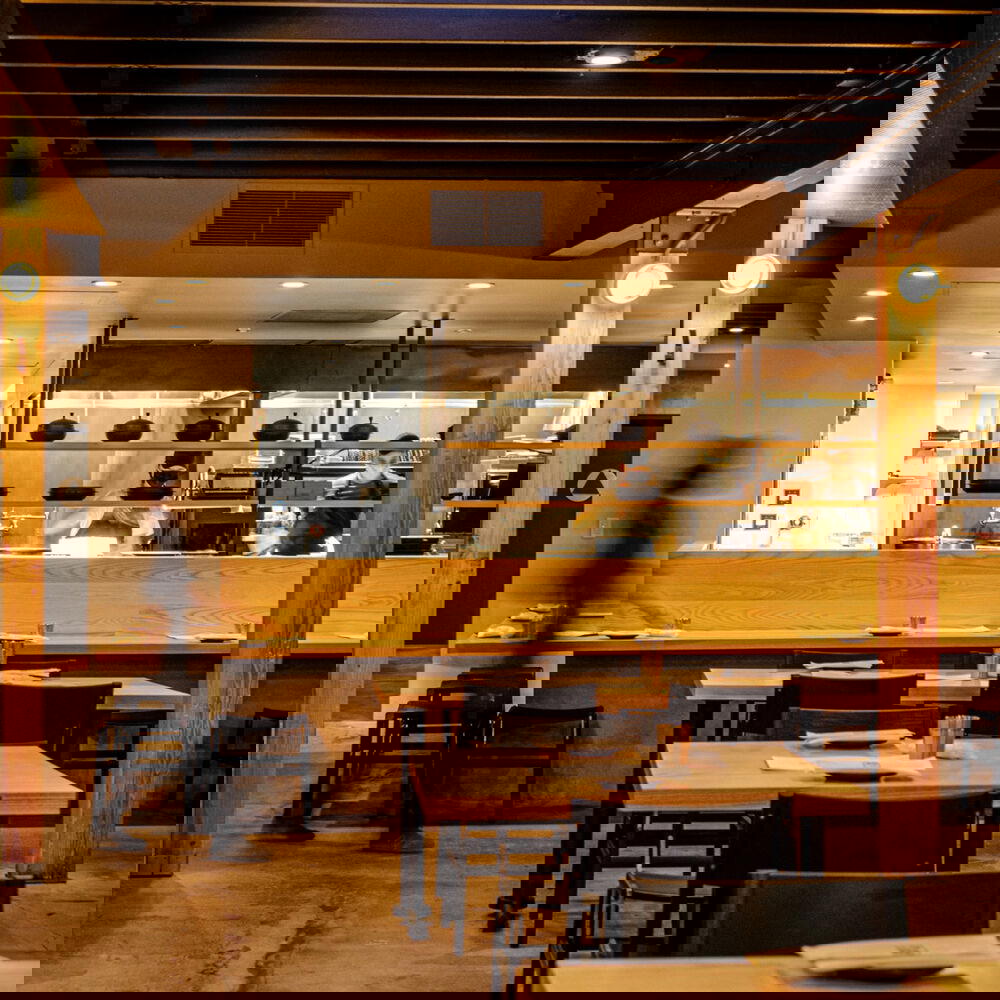
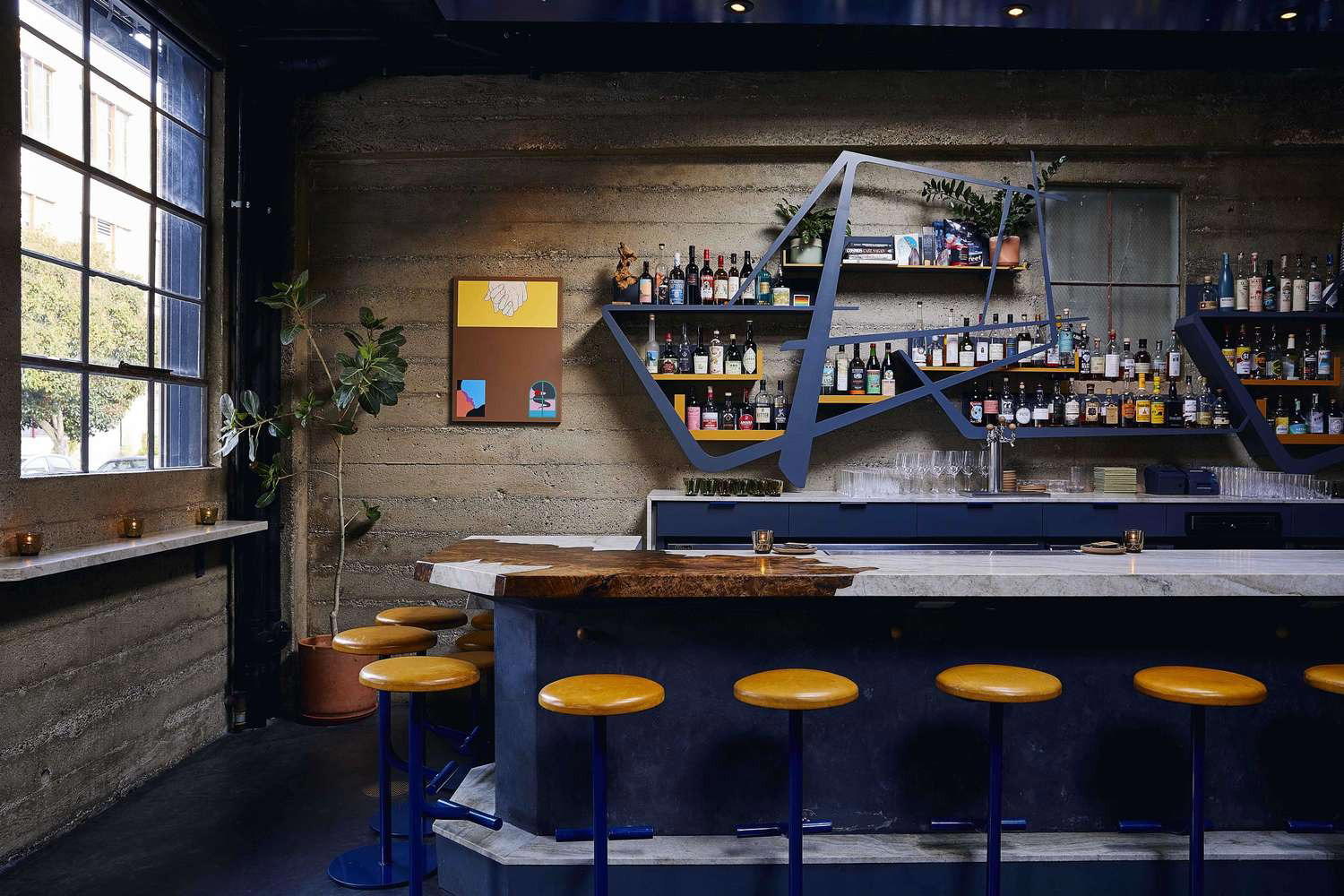
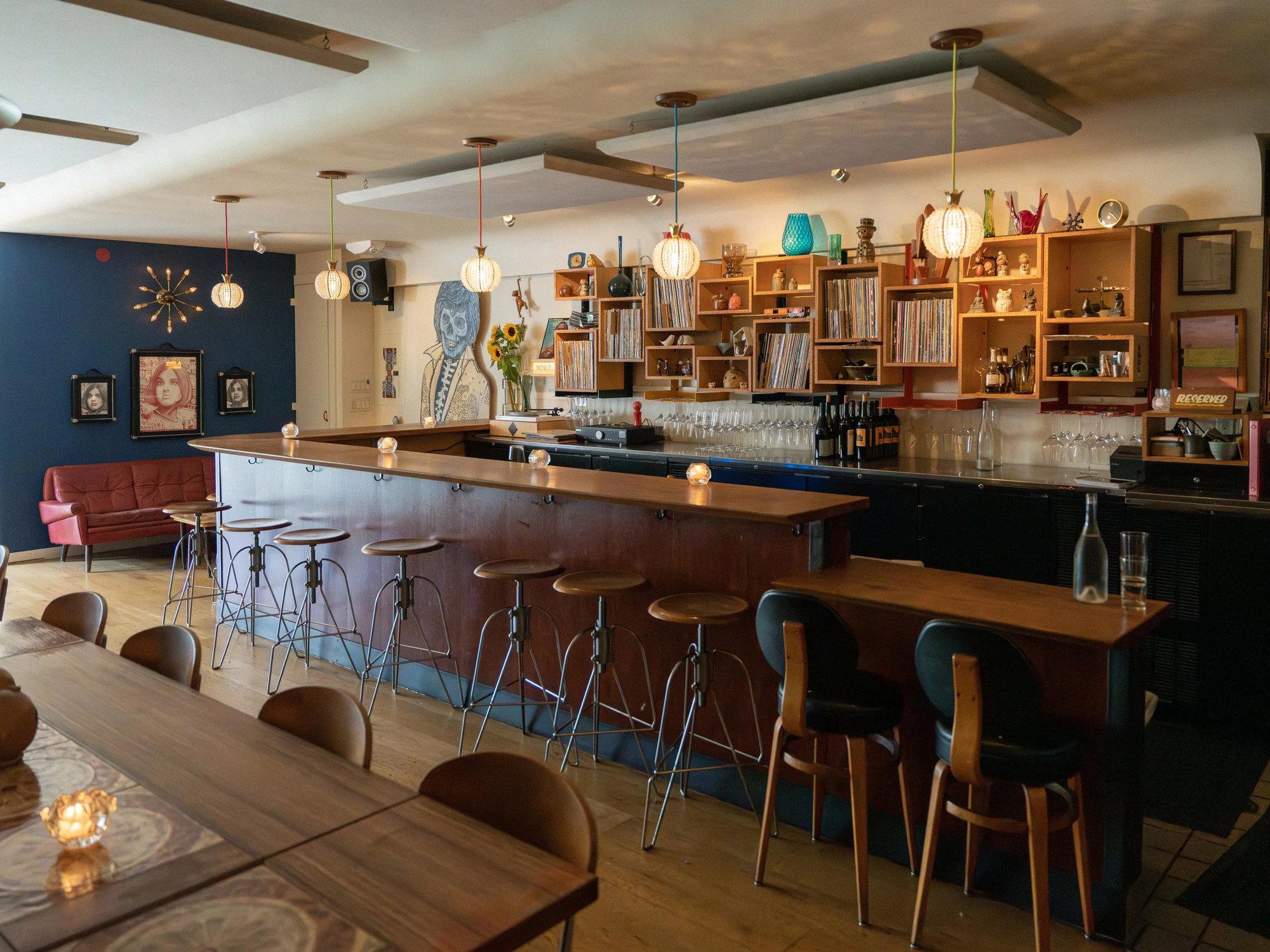
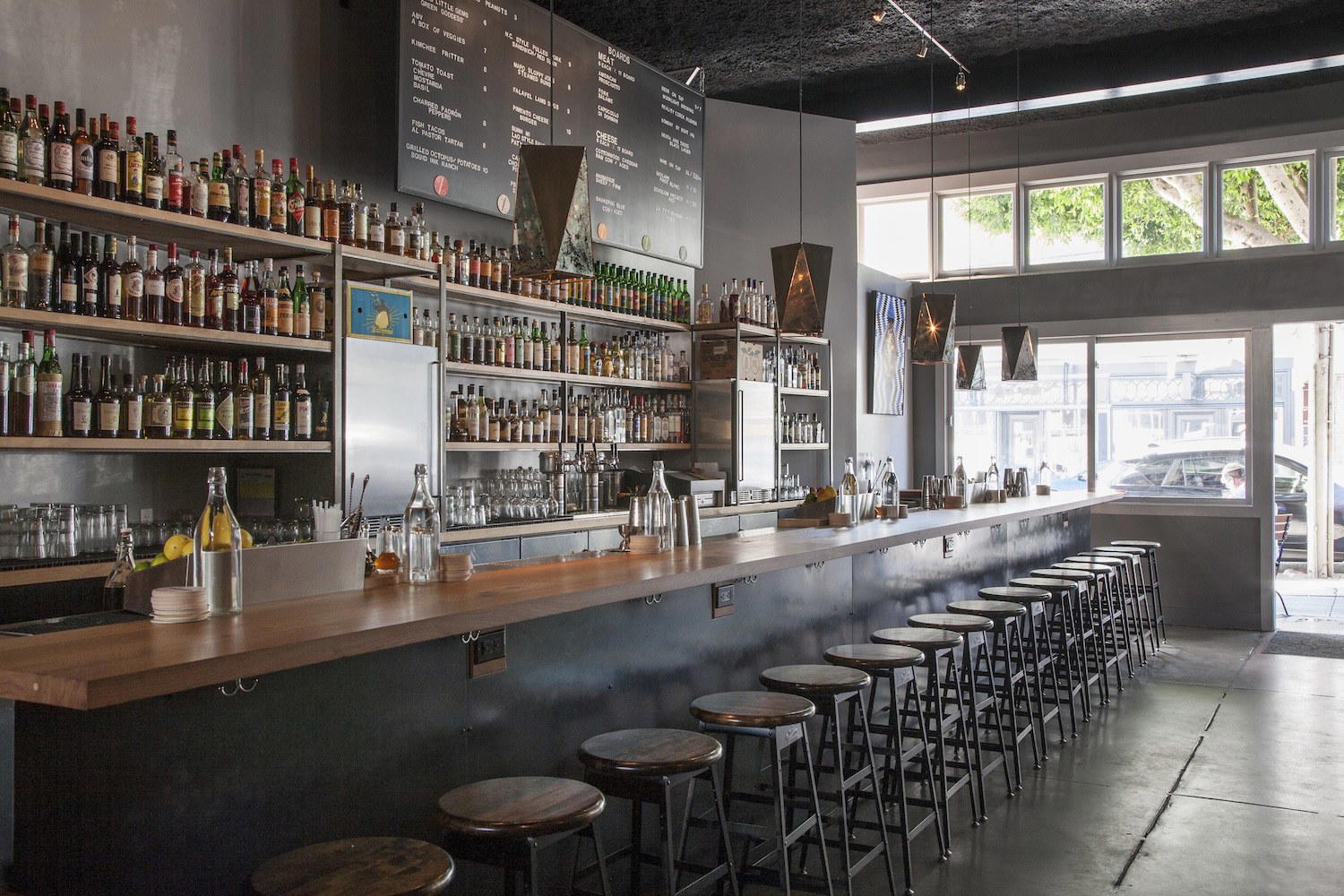
Bars in Redwood City
Browse all →
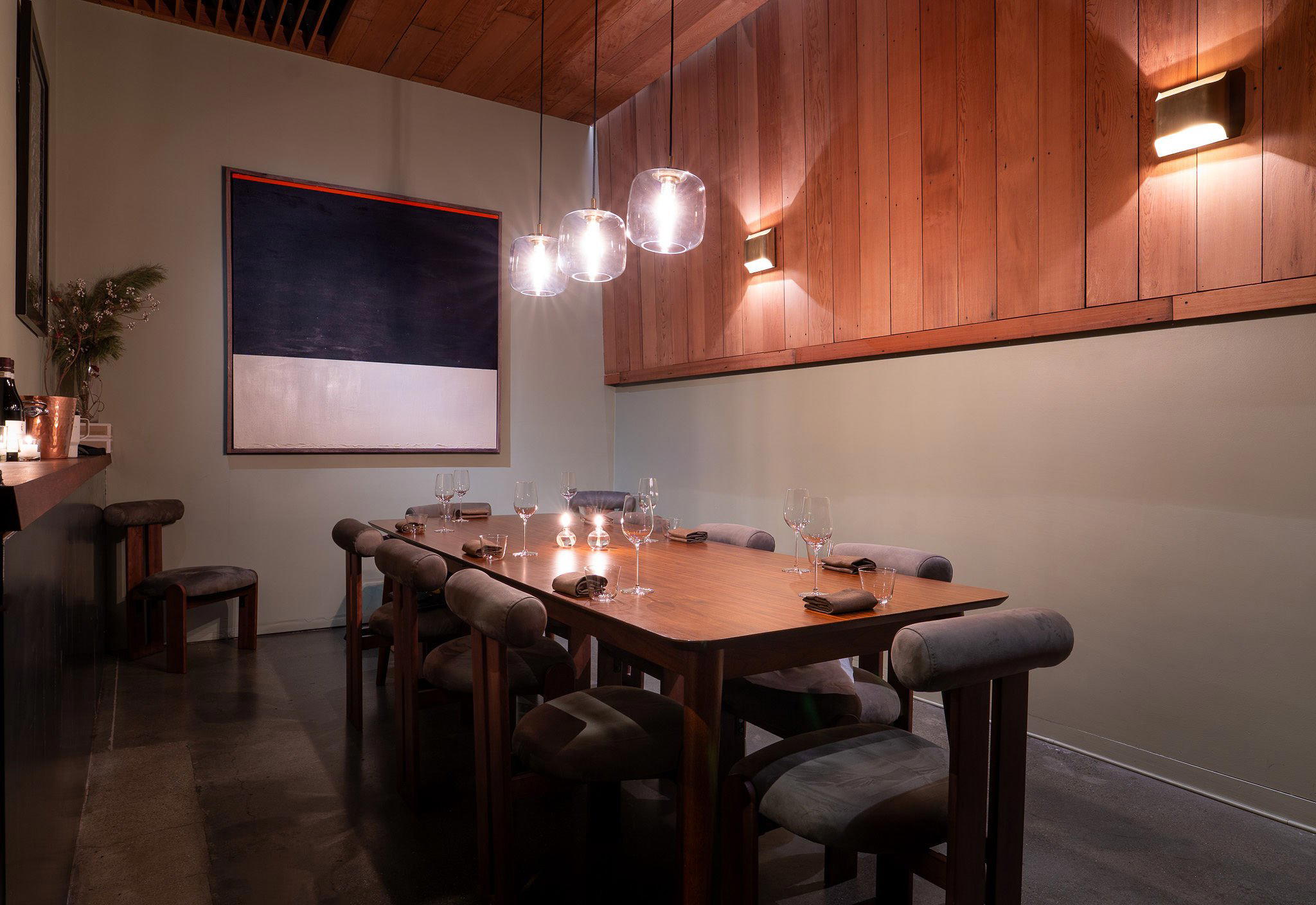
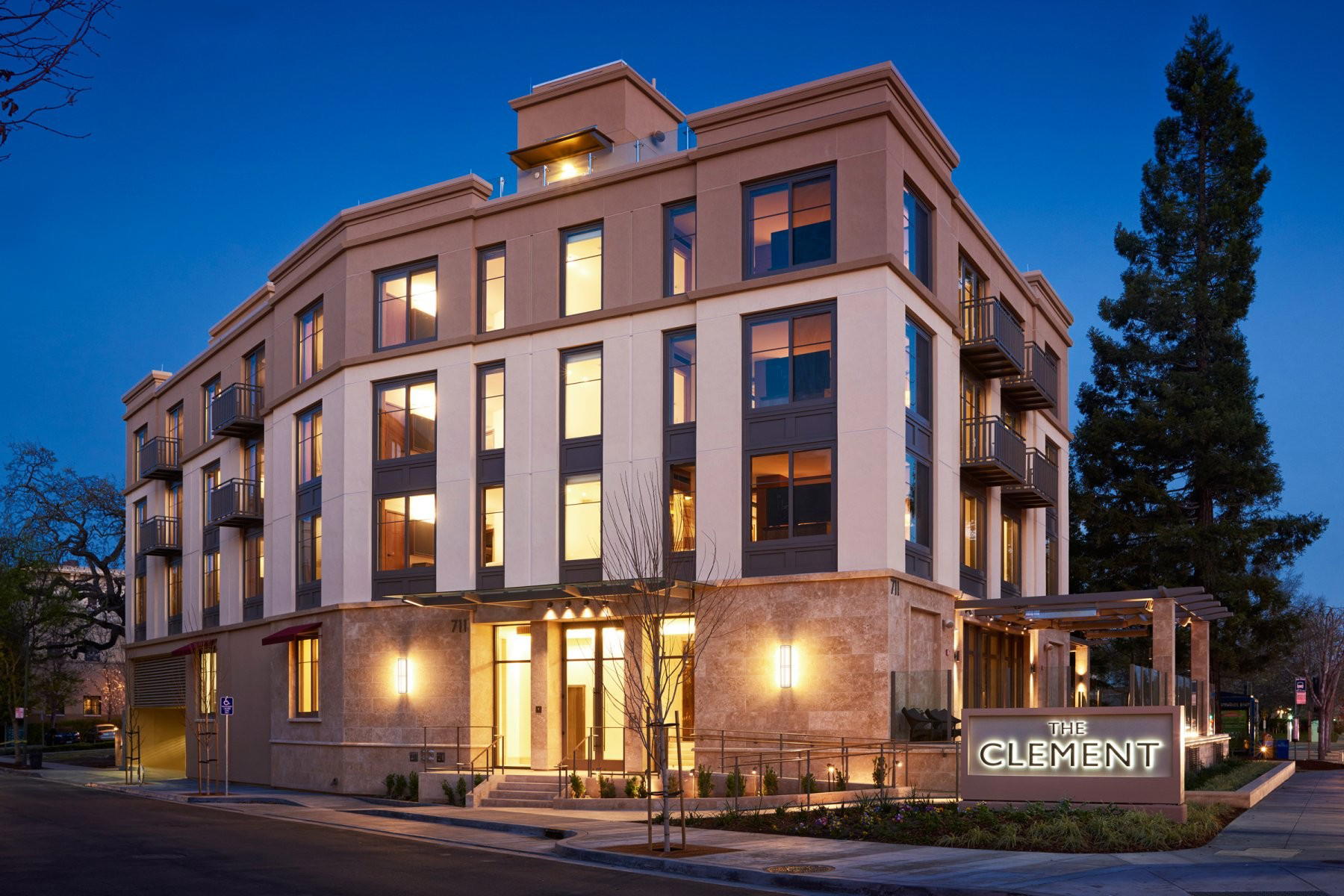
Hotels in Redwood City
Browse all →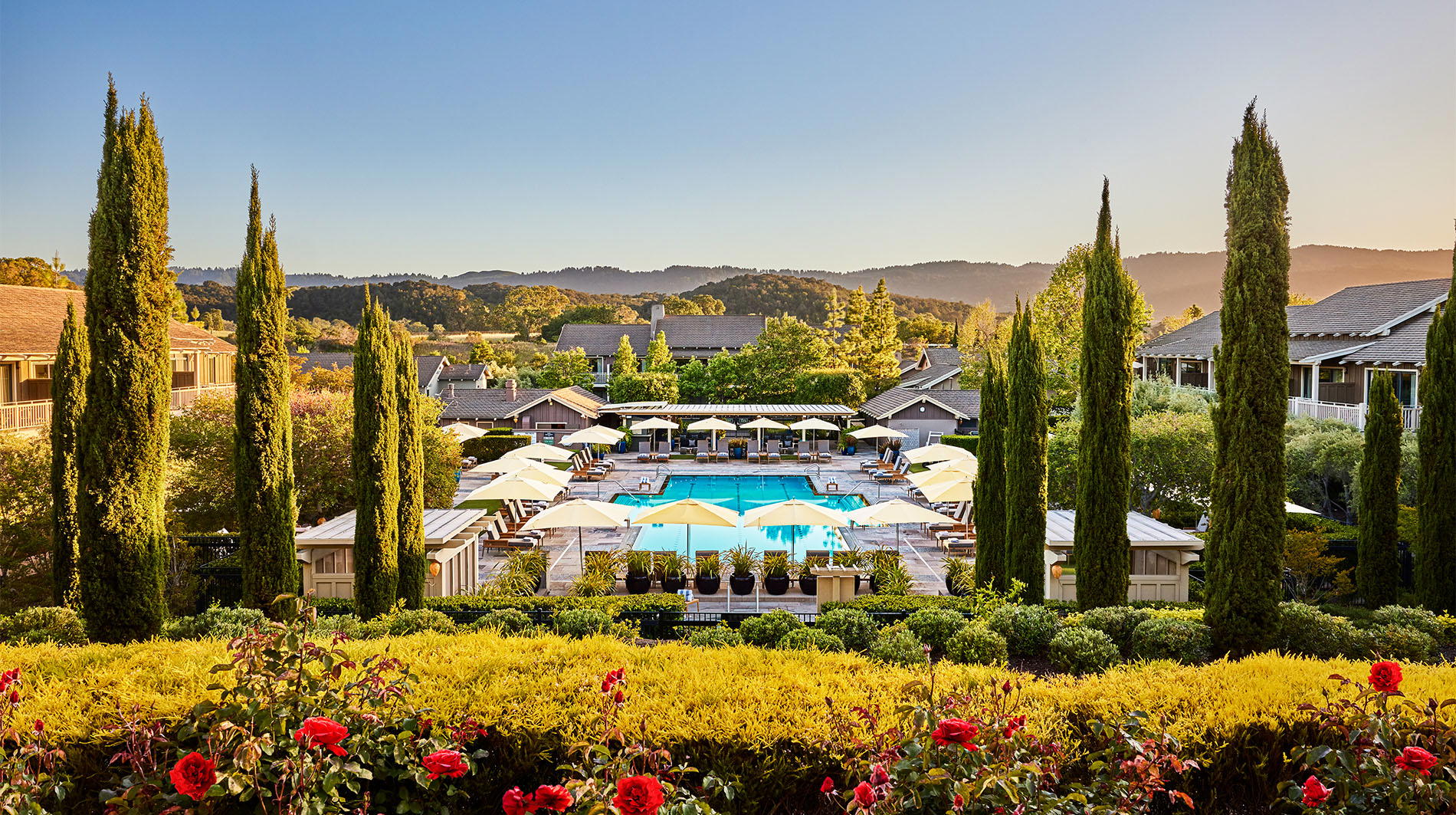
Wineries in Redwood City
Browse all →
At a Glance
- Lively
- Cozy
- Group Dining
- Family
- Casual Hangout
- Brunch
- Open Kitchen
- Terrace
- Private Dining
- Craft Cocktails
- Local Sourcing
- Organic
Current opening hours
- Monday
- 11:30 AM–9 PM
- Tuesday
- 11:30 AM–9 PM
- Wednesday
- 11:30 AM–9 PM
- Thursday
- 11:30 AM–9 PM
- Friday
- 11:30 AM–10 PM
- Saturday
- 11:30 AM–10 PM
- Sunday
- 11:30 AM–9 PM
Hours can change for holidays and private events. Last verified .
Lively indoor-outdoor atmosphere with welcoming patio, bar areas, and nice night ambiance per guest reviews.