Rancho Santa Fe Bistro
Rancho Santa Fe Bistro occupies a quiet corner of Paseo Delicias, the village's main promenade, in one of Southern California's most private enclaves. The kitchen leans into the region's agricultural depth, with San Diego County's farms, coastal waters, and year-round growing season providing the raw material. For dining in Rancho Santa Fe, it sits alongside a small comparable set that includes Mille Fleurs and Thyme In the Ranch.
- Address
- 6024 Paseo Delicias C, Rancho Santa Fe, CA 92067
- Phone
- +18587561221
- Website
- ranchosantafebistro.com
- Directions
- Get directions
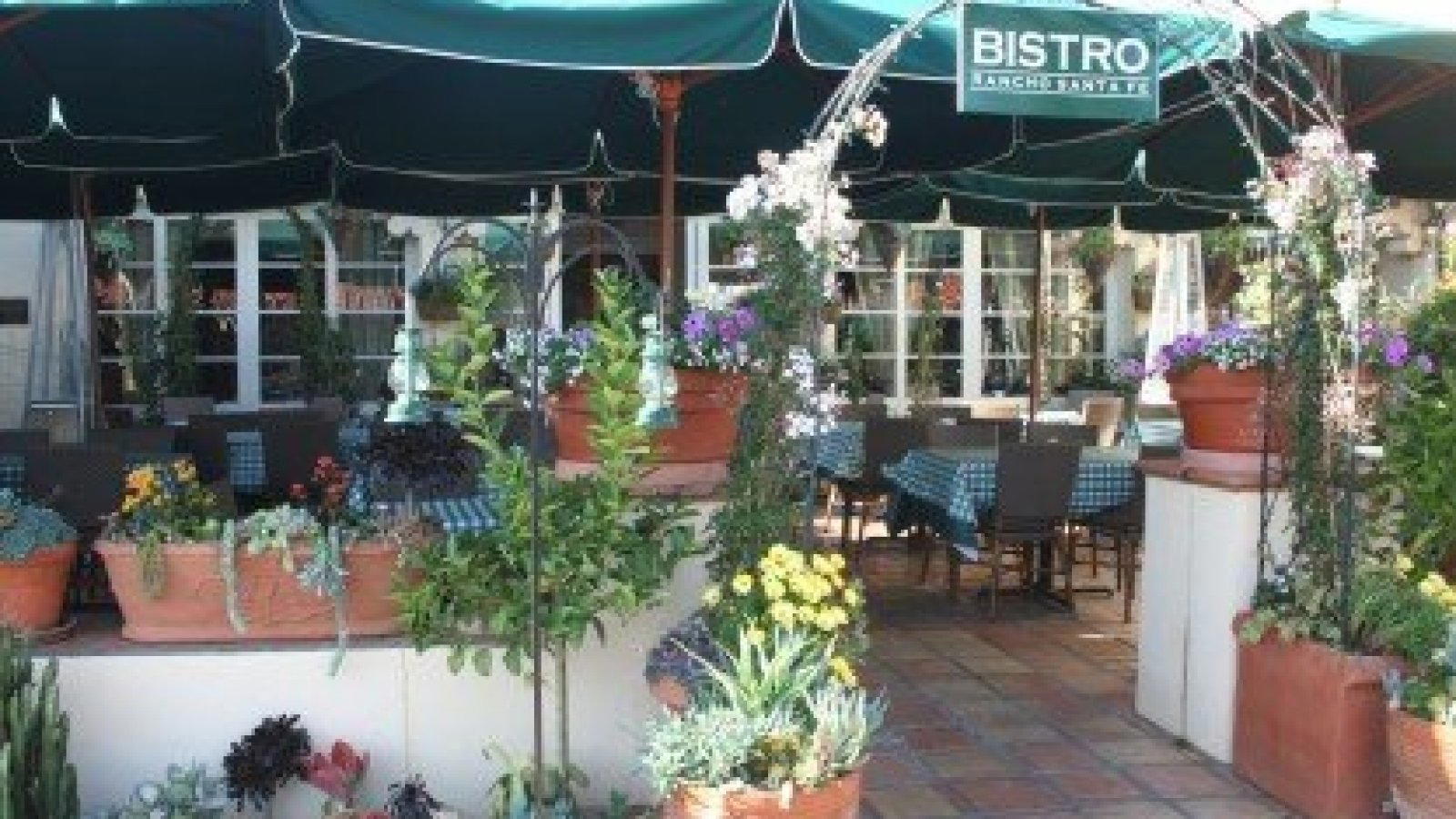
Where Paseo Delicias Slows Down
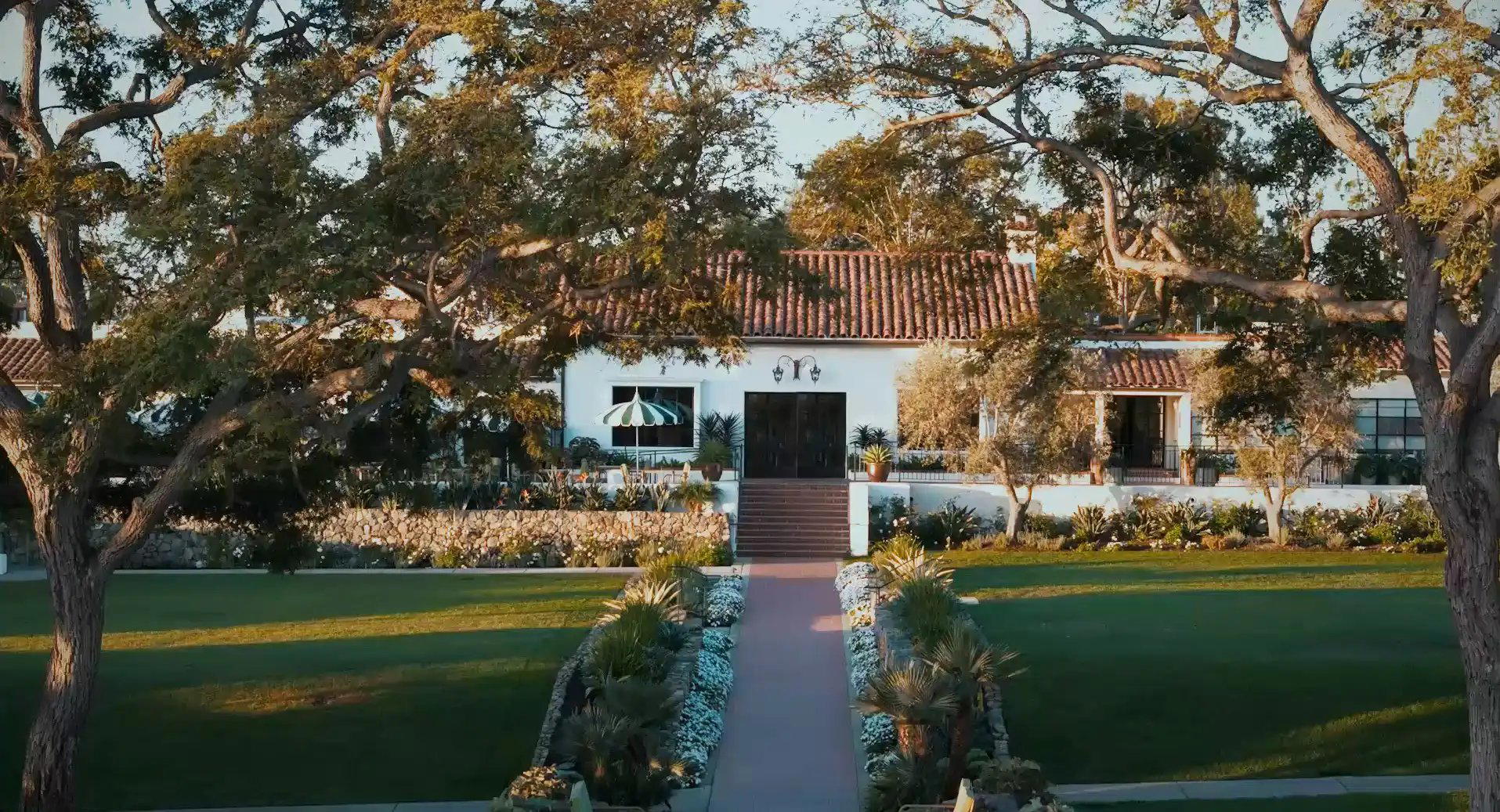
Rancho Santa Fe's commercial center is deliberately understated. Paseo Delicias runs only a few blocks, flanked by low-slung Spanish Colonial buildings shaded by eucalyptus planted over a century ago by the Santa Fe Railway. Rancho Santa Fe Bistro sits along that promenade at 6024 Paseo Delicias, Rancho Santa Fe, CA 92067, in a format that fits the village's general register: contained, unpretentious from the outside, and oriented toward residents who know the neighborhood well enough not to need a marquee. Walking toward it, the architecture tells you more about California's landed class than any menu description could.
That physical setting matters for understanding what kind of restaurant this is. Rancho Santa Fe is not a dining destination in the way that Del Mar or La Jolla draws weekend food traffic from San Diego. The village's population is small, its visitors are mostly guests at properties like Rancho Valencia Resort & Spa, and the restaurants that survive long-term here do so by earning repeat trust from a local clientele rather than by cycling through tourists. That dynamic shapes every kitchen decision in a neighborhood like this, from sourcing to format to pacing.
San Diego County's Agricultural Argument
Southern California's case for ingredient-led cooking is stronger than its national reputation suggests. San Diego County contains some of the state's most productive small-farm land, particularly in the inland valleys east and north of the city. Avocados, citrus, stone fruit, specialty herbs, and cut flowers move out of Fallbrook, Valley Center, and Escondido year-round. Closer to the coast, the Pacific delivers spiny lobster, white sea bass, and rockfish through fisheries that operate outside the intensity of the Monterey or Santa Barbara markets. A bistro format in Rancho Santa Fe has direct access to that supply chain in a way that urban San Diego restaurants, competing for the same product at greater volume, sometimes do not.
The farm-to-table argument is now familiar enough that the phrase has nearly lost meaning. What distinguishes the better examples of the model from the performative ones is specificity: named farms, named fishermen, menus that change when supply does rather than on a fixed seasonal schedule. In Rancho Santa Fe, that specificity is also a competitive signal. The dining comparable set here, which includes Mille Fleurs and Thyme In the Ranch alongside Pony Room's more casual American-Mexican register, covers a range of price points and formats. A bistro sitting in that set needs to make its own case through the plate, not through design ambition or tasting-menu length.
The Bistro Format in a California Context
The bistro as a format has always been about edited constraint: shorter menus, sharper ingredient focus, service that is attentive without ceremony. In France, that constraint is imposed by tradition and kitchen size. In California, the same format becomes a curatorial statement, because the abundance of available ingredients means that leaving things off the menu is as deliberate as putting them on. The leading California bistros operate closer to Blue Hill at Stone Barns' ingredient-first discipline than to the European original, even when they don't use the same vocabulary.
Further up the California coast, Single Thread Farm in Healdsburg and The French Laundry in Napa represent the apex of that farm-anchored approach at tasting-menu scale. In San Diego County, Addison holds the region's Michelin flag. Rancho Santa Fe Bistro operates at a different register from those addresses, one where the format itself signals a different set of priorities: daily cooking over theatrical production, neighborhood reliability over destination dining.
That positioning is not a limitation. Particularly interesting cooking in American cities right now happens in the bistro and neighborhood-restaurant tier precisely because the pressure to perform for a destination audience is absent. Compare that to flagship environments like Le Bernardin in New York City, Alinea in Chicago, or Atomix in New York City, where every element is staged for an out-of-neighborhood audience. The tradeoffs run in both directions.
Planning Your Visit
Rancho Santa Fe is most easily reached by car from San Diego, roughly 30 miles north via I-5 and then inland on Via de la Valle or Del Dios Highway. The village has limited public transit, and most diners arriving from outside the area combine a meal here with time at one of the nearby resort properties. Parking along Paseo Delicias is available and generally unhurried, which reflects the pace of the village itself. Given the small size of the local dining scene and the neighborhood's preference for regulars, contacting the restaurant directly for reservations is advisable, particularly for weekend evenings when the resident population tends to dine out.
Providence in Los Angeles for Southern California seafood at full formal scale, Lazy Bear in San Francisco for a communal tasting format built on Northern California produce, Emeril's in New Orleans and Bacchanalia in Atlanta for how the farm-sourcing model translates into Southern cooking traditions, and The Inn at Little Washington for a mid-Atlantic version of the same argument. Each of those represents a different regional answer to the same underlying question about what cooking looks like when the supply chain is treated as a creative partner rather than a procurement function. Rancho Santa Fe Bistro operates in that broader American conversation, at the scale its village setting demands.
Side-by-Side Snapshot
Comparable venues nearby, for context on price, style, and recognition.
| Venue | Cuisine | Price | Notes |
|---|---|---|---|
| Rancho Santa Fe BistroThis venue — the venue you are viewing | Coastal Californian Bistro | $$$ | Not listed |
| Thyme In the Ranch | American Café & Bakery | $$ | Rancho Santa Fe |
| Rancho Valencia Resort & Spa | Coastal Ranch Cuisine | $$$$ | Rancho Santa Fe |
| Mille Fleurs | Classic French Fine Dining | $$$$ | Rancho Santa Fe |
| Pony Room | Coastal Ranch Progressive American | $$$$ | Rancho Santa Fe |
| Presidio Social Club | California Comfort Cuisine | $$$ | Presidio |
Continue exploring
More in Rancho Santa Fe
Restaurants in Rancho Santa Fe
Browse all →
Bars in Rancho Santa Fe
Browse all →
At a Glance
- Cozy
- Elegant
- Date Night
- Brunch
- Terrace
- Extensive Wine List
Current opening hours
- Monday
- 11 AM–11 PM
- Tuesday
- 11 AM–11 PM
- Wednesday
- 11 AM–11 PM
- Thursday
- 11 AM–11 PM
- Friday
- 11 AM–11 PM
- Saturday
- 11 AM–11 PM
- Sunday
- 11 AM–11 PM
Hours can change for holidays and private events. Last verified .
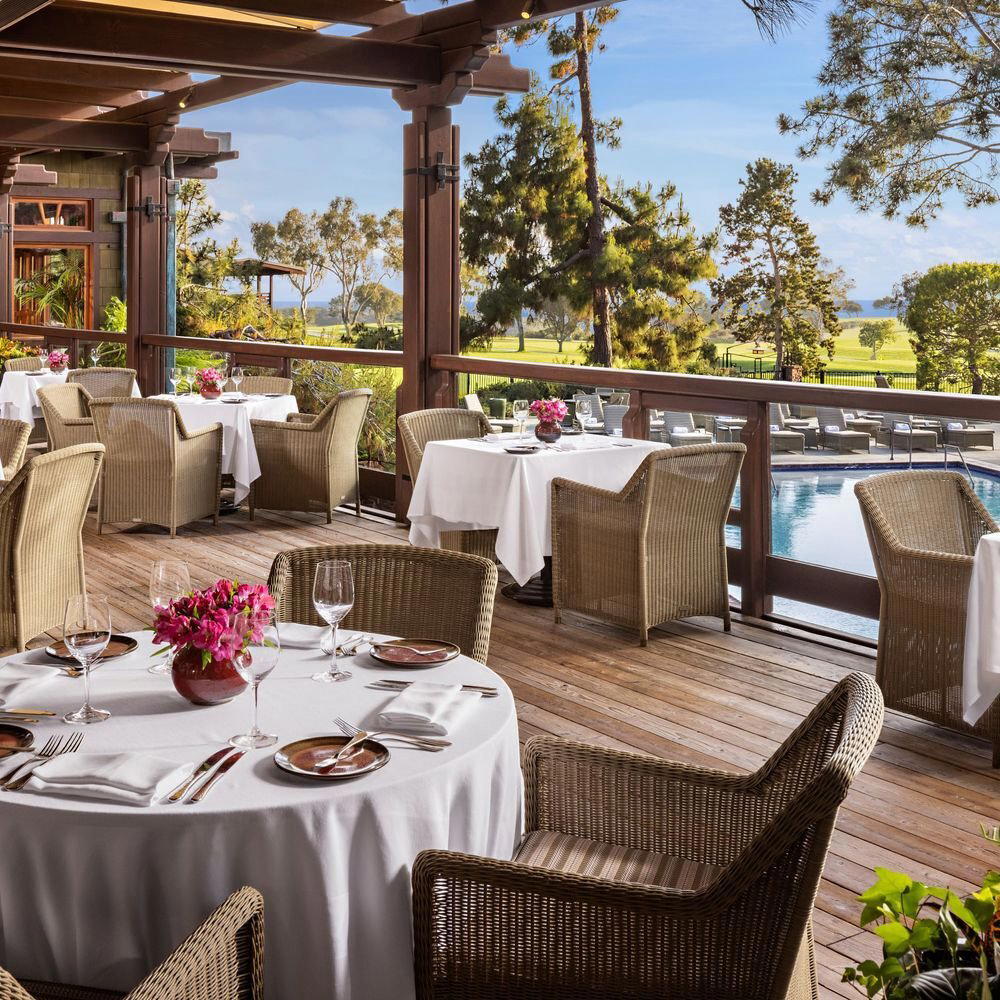
Cozy patio dining with old-world European charm and attentive service.