Qiao Lin Hotpot
Hotpot in Seattle's downtown core, where the communal cooking format carries the full weight of its Sichuan and Chinese regional origins. Qiao Lin Hotpot at 1510 7th Ave brings a tradition built on shared broth, personal pacing, and table-side ritual to a city whose Chinese dining scene has grown considerably more specific in recent years.
Pearl is the En Primeur Club membership app — saves, bookings, and concierge access live there. Same editors, same standards.
- Address
- 1510 7th Ave, Seattle, WA 98101
- Phone
- +12064207028
- Website
- qiaolinhotpot.com
- Directions
- Get directions
 Saves & bookings on Pearl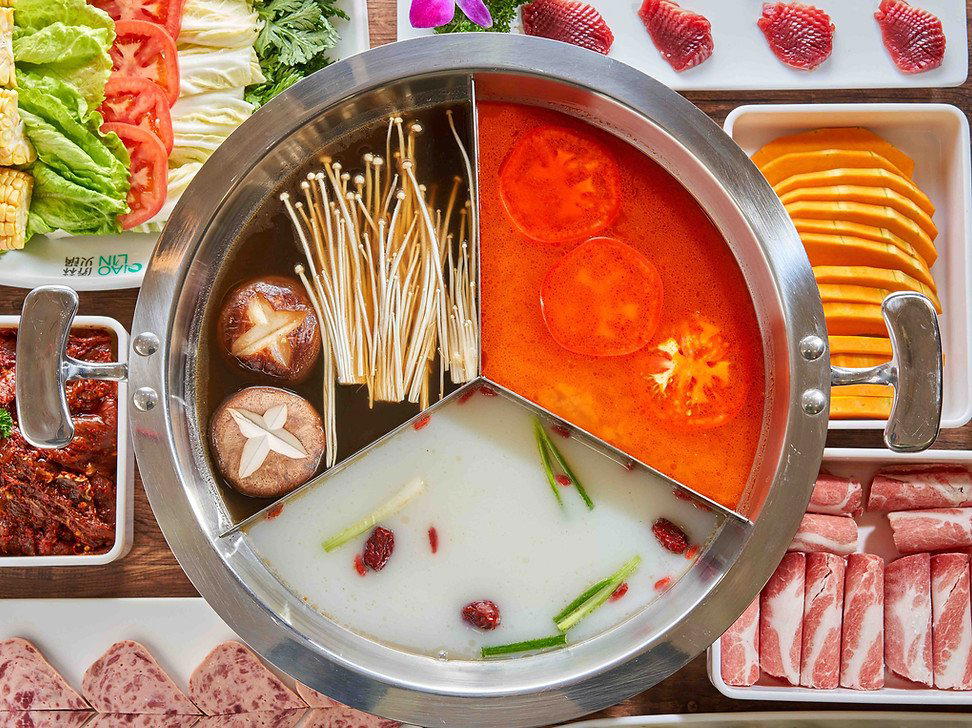
Hotpot as Cultural Form, Not Just Dining Format
There is a reason hotpot restaurants fill to capacity on cold weekday evenings across every major Chinese city and diaspora community in North America. The format is not a novelty or a performance. It is one of the oldest communal dining structures in Chinese culinary culture, with roots traceable to Mongolian and Sichuan traditions that spread over centuries into regional variants covering everything from the numbing mala broth of Chongqing to the mild, herb-forward soups of Cantonese households. The basic mechanic, a simmering pot at the center of the table, shared by everyone eating, encodes a specific social contract: meals happen together, at the same pace, negotiated ingredient by ingredient.
Seattle's Chinese dining community has deepened considerably over the past decade. The city has moved beyond generalist Cantonese-American formats toward more regionally specific operations, and hotpot has followed that pattern. Qiao Lin Hotpot, at 1510 7th Ave in downtown Seattle, sits within that current: a restaurant whose format is inseparable from its cultural context, and whose location in the urban core places it alongside a downtown dining tier that includes venues like Canlis (New American) and Joule (New Asian), restaurants operating in entirely different idioms but within the same competitive geography.
The Physical Logic of the Hotpot Table
Walking into a functioning hotpot restaurant in the dinner hours is a specific sensory experience the format guarantees without any kitchen theatrics. The steam rises from individual or split pots, conversations happen across the table between dips and waits, and the smell of broth, whether Sichuan peppercorn-heavy or cleaner and lighter, settles into the room in a way that no plated-food restaurant replicates. The architecture of the evening belongs to the diners rather than to a kitchen timeline. That is the proposition, and it is a durable one.
Hotpot's communal structure also makes it one of the more flexible formats for groups with different dietary needs, since the table shares the cooking medium while individual portions are controlled by each person. This is not an accident of the format; it reflects the meals' origins in contexts where feeding a varied group efficiently was a practical necessity, not a design feature added later.
Downtown Seattle's Dining Position
The 7th Avenue address places Qiao Lin within walking distance of a concentrated strip of downtown dining that draws both office-area lunch traffic and evening visitors from the broader metro. The blocks around 7th Avenue remain active enough to sustain dinner-focused operations across multiple price tiers, which gives a hotpot restaurant a workable positioning: it occupies a different occasion than the white-tablecloth tier of the neighborhood and a different price signal than fast-casual.
How Hotpot Sits in the Broader American Dining Conversation
Hotpot inverts that entirely. The kitchen's role is in sourcing and preparation of raw and blanched components; the cooking itself happens at the table, managed by the diners. Neither model is superior; they answer different questions about what a meal is supposed to be.
This distinction matters when thinking about how to evaluate hotpot restaurants. The criteria are different from those applied to, say, Lazy Bear in San Francisco or Providence in Los Angeles. Broth quality, ingredient sourcing, the freshness and variety of proteins and vegetables on offer, and the range of dipping sauces carry more weight than plating or kitchen technique in a conventional sense.
Cuisine Lens
Comparable venues nearby, for context on price, style, and recognition.
| Venue | Cuisine | Price | Notes |
|---|---|---|---|
| Qiao Lin HotpotThis venue — the venue you are viewing | Authentic Chongqing Spicy Hotpot | $$ | Not listed |
| Ping's Dumpling House | Authentic Qingdao-Style Chinese Dumplings | $ | Japantown |
| Wild Ginger McKenzie | Pan-Asian: China & Southeast Asia | $$ | South Lake Union |
| Bamboo Garden Vegetarian Cuisine | Vegetarian Chinese | $ | Lower Queen Anne |
| Miyabi 45th | Handmade Soba Noodles | $$ | Wallingford |
| Kushibar | Japanese Street Food & Kushiyaki | $$ | Belltown |
Continue exploring
More in Seattle
Restaurants in Seattle
Browse all →
Bars in Seattle
Browse all →
Hotels in Seattle
Browse all →


At a Glance
- Lively
- Trendy
- Group Dining
- Casual Hangout
- Open Kitchen
- Sake Program
Current opening hours
- Monday
- 11:30 AM–10 PM
- Tuesday
- 11:30 AM–10 PM
- Wednesday
- 11:30 AM–10 PM
- Thursday
- 11:30 AM–10 PM
- Friday
- 11:30 AM–12 AM
- Saturday
- 11:30 AM–12 AM
- Sunday
- 11:30 AM–10 PM
Hours can change for holidays and private events. Last verified .
Lively and energetic atmosphere centered around interactive hotpot dining with flavorful, spicy broths.