
Purple Laurel belongs to Bangkok’s tighter circle of award-noted dining rooms, with a 2026 one-diamond listing from the Black Pearl Restaurant Guide. Read it through the city’s ingredient culture: Bangkok rewards kitchens that understand market freshness, regional Thai produce, and the tension between polished dining rooms and street-level flavor memory.
 Request Booking on Pearl
Pearl is the En Primeur Club membership app — saves, bookings, and concierge access live there. Same editors, same standards.
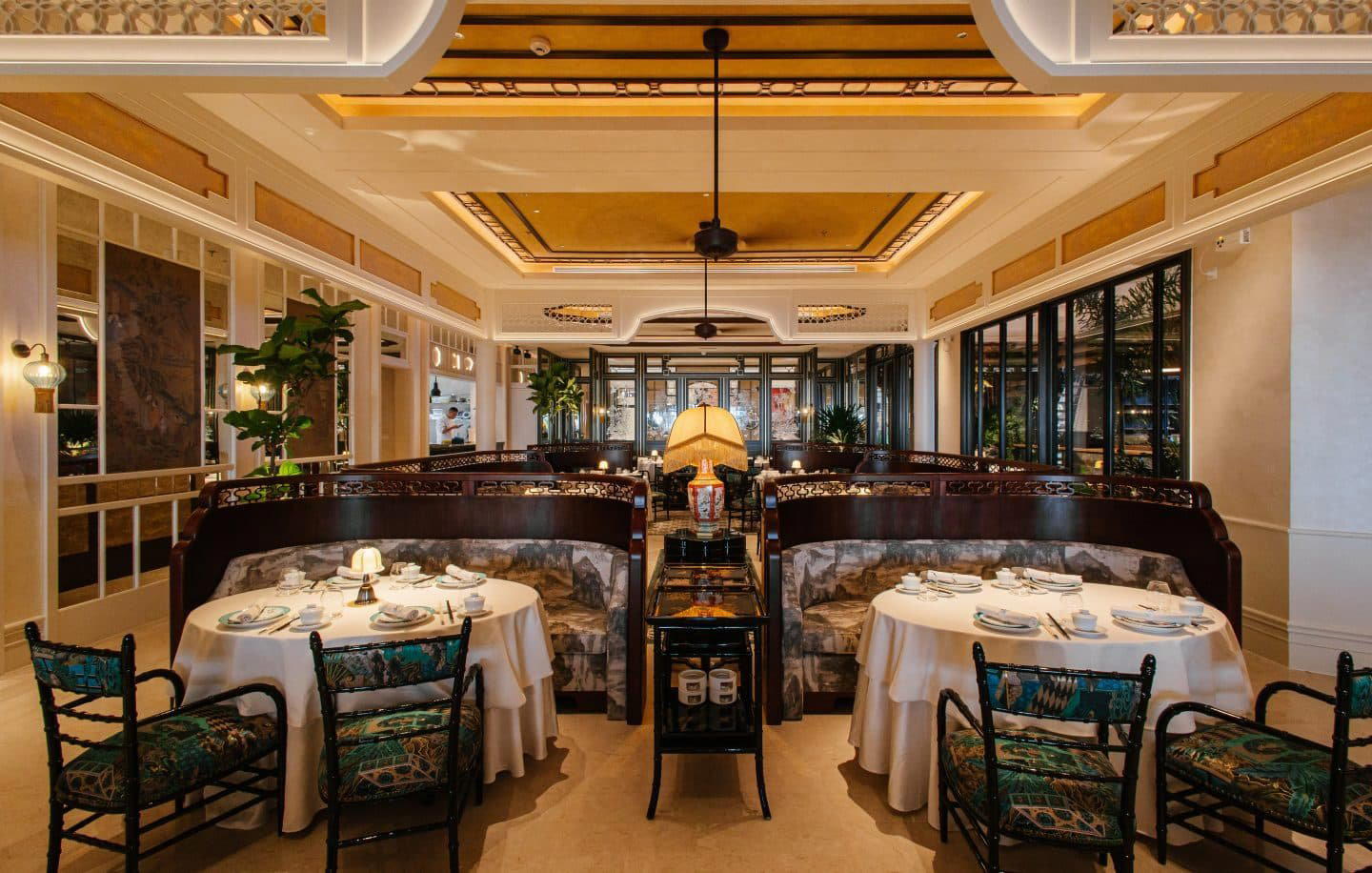
Bangkok announces itself through ingredients before it announces itself through dining rooms: wet-market herbs, river fish, coconut, grilled smoke, fermented heat, and fruit cut at the point of ripeness. In that city, a serious restaurant is judged less by ceremony than by how intelligently it handles supply, seasoning, and restraint. Purple Laurel enters that conversation with a Black Restaurant Guide 2026 one-diamond listing, a useful signal in a city where recognition has to compete with a dining culture that already has strong internal standards.
The more interesting question is not whether a Bangkok restaurant can look polished. Many can. The harder test is whether polish flattens the food. Thailand’s capital has a deep habit of eating across registers: breakfast noodles, mall desserts, family-run regional cooking, tasting-menu rooms, cocktail bars, and late-night counters all exist within a few BTS stops of one another. A restaurant working at the award-noted end of that spectrum has to respect that local diners understand acid, heat, sweetness, bitterness, and texture with little patience for decorative cooking.
Bangkok's ingredient intelligence is the real benchmark
Ingredient sourcing matters in Bangkok because Thai cooking is unusually sensitive to freshness and sequence. Herbs bruise quickly, seafood changes character by the hour, curry pastes depend on aromatics that cannot be treated as garnish, and fruit can shift from sharp to syrupy in a single day. In a Western dining capital, luxury often announces itself through imported labels. In Bangkok, credibility comes from knowing when local produce should lead and when a refined room should stay out of its way.
That is the frame in which Purple Laurel is most useful to read. The one-diamond Black recognition places it inside a curated, quality-conscious bracket, but the city around it supplies the more demanding jury. Bangkok diners can move from a formal meal to 100 Mahaseth (Thai, Isan) for nose-to-tail regional cooking, 80/20 (Thai contemporary) for a modern Thai register, or Acqua Restaurant Bangkok for an Italian reference point. The point is not hierarchy; it is range. Bangkok’s serious dining scene is compressed, opinionated, and unusually fluent across price tiers and formats.
That range explains why sourcing is more than a supplier note. It shapes the way a kitchen earns authority. A Bangkok restaurant that leans into local produce has access to extraordinary immediacy, but it also inherits expectations formed outside formal dining: herbs should cut cleanly, spice should have architecture, sweetness should be controlled, and texture should do work. Award recognition helps identify restaurants operating above the casual field, yet the city’s everyday food culture keeps the bar grounded.
A polished room in a city that distrusts empty polish
The vibe around this tier of Bangkok dining is adult rather than theatrical. The city has enough spectacle already: neon-lit drinking rooms, hotel rooftops, dessert cafés, and market corridors that run on speed and appetite. A one-diamond restaurant sits in a different rhythm, where pacing, sourcing, and consistency carry more weight than novelty. Purple Laurel’s listed recognition gives it a clear trust signal, but the absence of public noise around chef biography or format keeps the focus where it should be: the table, the ingredients, and the city’s standards.
Bangkok is also a useful corrective to imported luxury language. The capital does not need another dining room pretending distance from the street makes it more serious. The stronger local model is porous: formal kitchens learn from regional cooking, bar programs borrow from market fruit and tea culture, and dessert culture moves between malls and specialist shops. For that wider map, After You Dessert Cafe shows how casual sweetness became part of the city’s mainstream dining grammar, while #FindTheLockerRoom reflects the cocktail side of Bangkok’s appetite for coded formats and controlled entrances.
Travelers planning around food should treat Purple Laurel as one piece of a broader Bangkok itinerary rather than a standalone monument. Use Our full Bangkok restaurants guide to build the dining arc, then cross-check where the evening fits with Our full Bangkok bars guide, Our full Bangkok hotels guide, Our full Bangkok experiences guide, and Our full Bangkok wineries guide. Bangkok rewards sequencing: a formal dinner makes more sense when the rest of the day has included street-level eating, a sharp drink, or a neighbourhood walk rather than a sealed hotel-to-restaurant transfer.
How Purple Laurel fits a wider Thailand food map
Bangkok’s dining conversation is national, not only metropolitan. The capital absorbs techniques, produce, and cravings from across Thailand, then reframes them through malls, hotels, shophouses, and tasting rooms. That broader geography matters when judging any Bangkok restaurant with awards attention. A polished dining room is strongest when it understands that Thai food authority is distributed across provinces, markets, and family businesses, not concentrated only in capital-city rooms.
For that reason, the wider EP Club map is useful context: 266/1 Siam Square Soi 3 in Pathum Wan captures Bangkok’s central eating density, while A Pong Mae Sunee in Phuket, รà¹à¸²à¸à¸à¸±à¸¡ à¸à¸²à¸à¸¹ à¸à¸´à¹à¸à¸¢à¹à¸²à¸ à¹à¸à¸à¸¸à¸à¹à¸à¸à¸¢à¸²à¸à¸à¸³ in Mueang Khon Kaen, à¸à¹à¸§à¸¢à¹à¸à¸µà¹à¸¢à¸§à¸«à¸¡à¸µà¹à¸à¸´à¸ สาà¸à¸² à¸à¸à¸à¸¡à¸´à¸à¸£à¸ าภà¸à¸¸à¸à¸£-หà¸à¸à¸à¸à¸²à¸¢ in Mueang Udon Thani, à¸à¹à¸§à¸¢à¹à¸à¸µà¹à¸¢à¸§à¹à¸à¹à¸¡à¸°à¸£à¸°à¸à¹à¸²à¸à¸à¸±à¸ in Mueang Nakhon Pathom, and สุà¸à¹à¸à¹à¸¥à¸à¸à¹ in Ban Fang point toward the provincial depth behind the capital’s appetite. Even overseas Japanese-leaning counters such as Jōdo Saké Bar in Los Angeles and Onigiri Time in Pasadena underline the same editorial lesson: format matters, but sourcing and cultural fluency decide whether a concept has weight.
The restaurant is best approached as a Bangkok restaurant with external recognition and a city-level test in front of it. The Black one-diamond listing supplies the credential. The more meaningful measure is how the kitchen’s ingredient choices speak within a capital that already knows what freshness, balance, and regional memory should taste like.
How It Compares
Comparable venues nearby, for context on price, style, and recognition.
| Venue | Cuisine | Price | Notes |
|---|---|---|---|
| Purple LaurelThis venue — the venue you are viewing | Modern Jiangnan Chinese Fine Dining | $$$$ | Not listed |
| Mei Jiang | Fine Cantonese Dining | $$$$ | Khlong Ton Sai |
| Chef Man | Cantonese & Dim Sum | $$$ | Sathon |
| Chakki | Traditional Cantonese Noodles | $$ | Thanon Phaya Thai |
| Jok Khlong San | Porridge Shop | $$ | Bang Wa |
| Antonio's | Traditional Southern Italian | $$$$ | Khlong Toei Nuae |
Recognition history
Dated appearances from independent guides and award organizations, with the underlying list record or original source where available.
Black Pearl 1 Diamond
Black Pearl
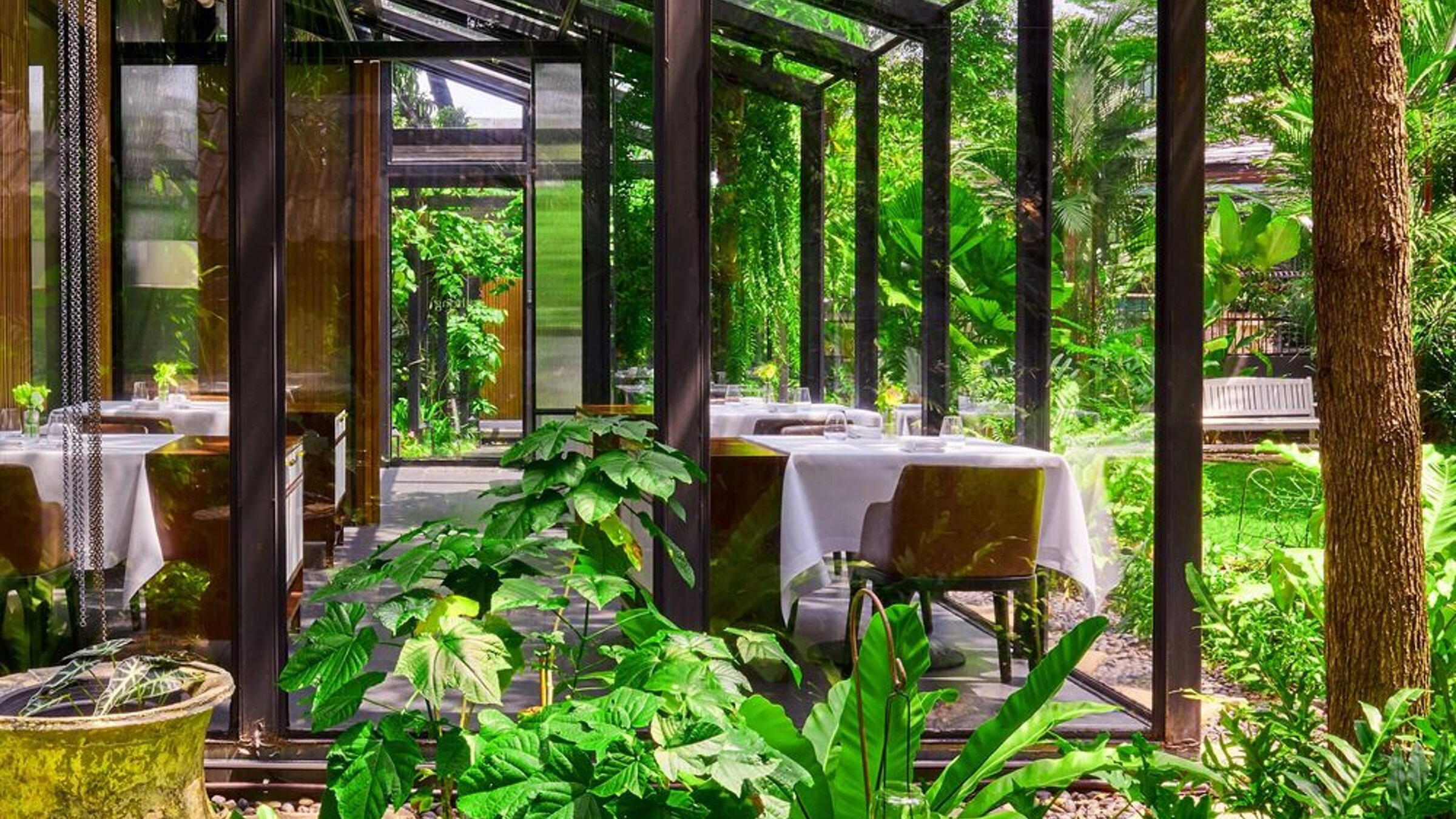
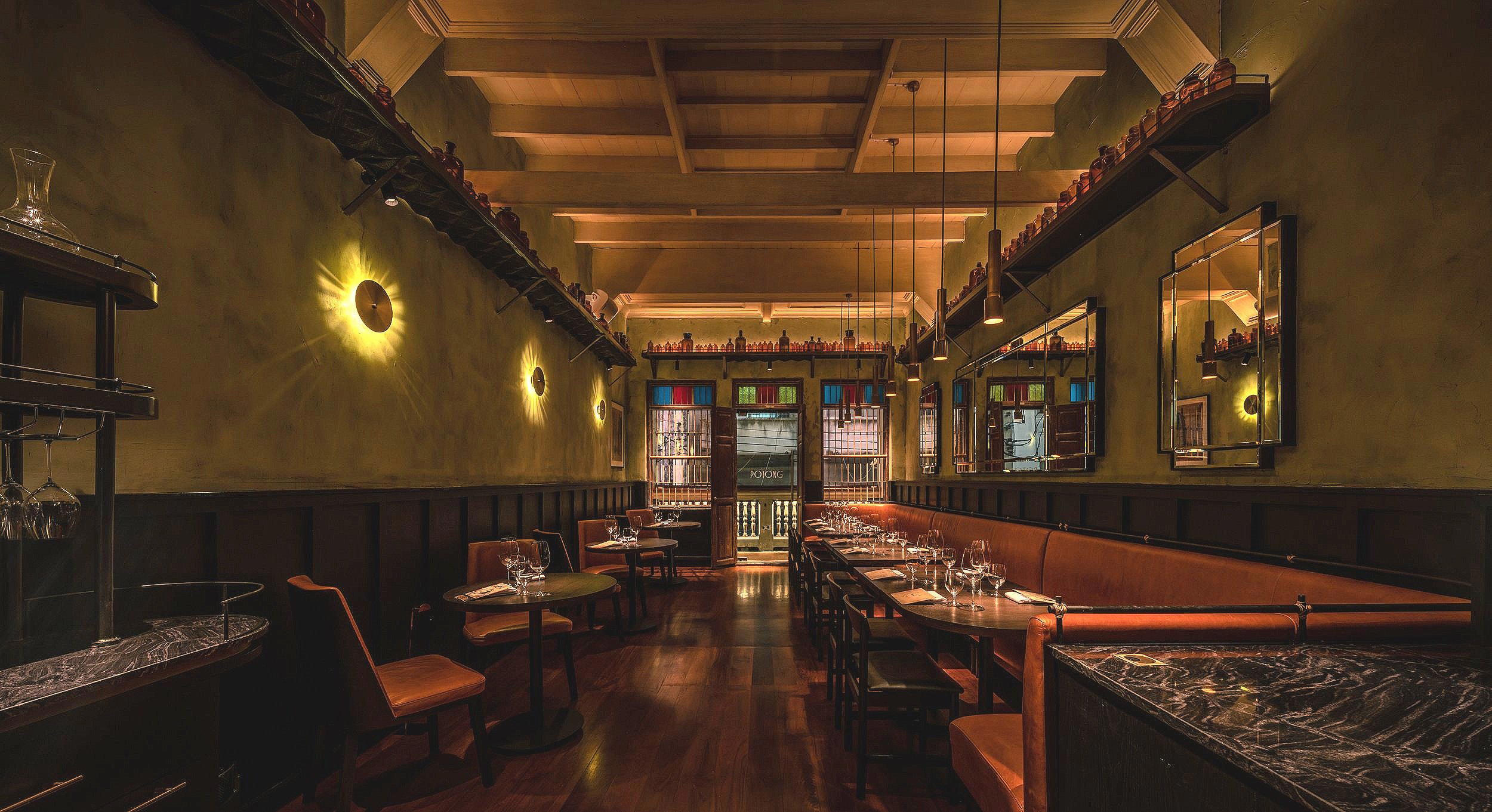
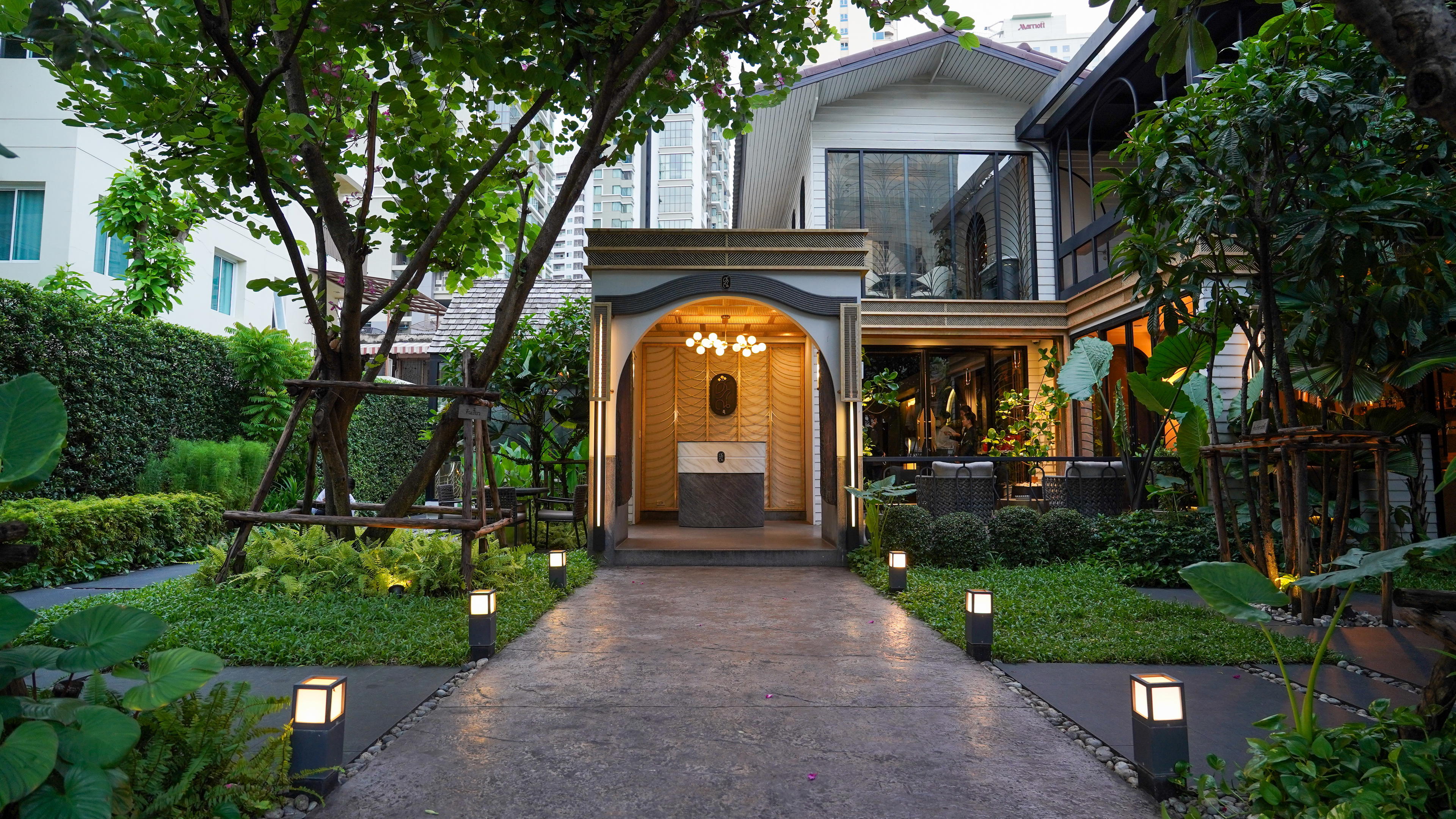
At a Glance
- Elegant
- Sophisticated
- Modern
- Ornate
- Special Occasion
- Business Dinner
- Group Dining
- Date Night
- Standalone
- Design Destination
- Extensive Wine List
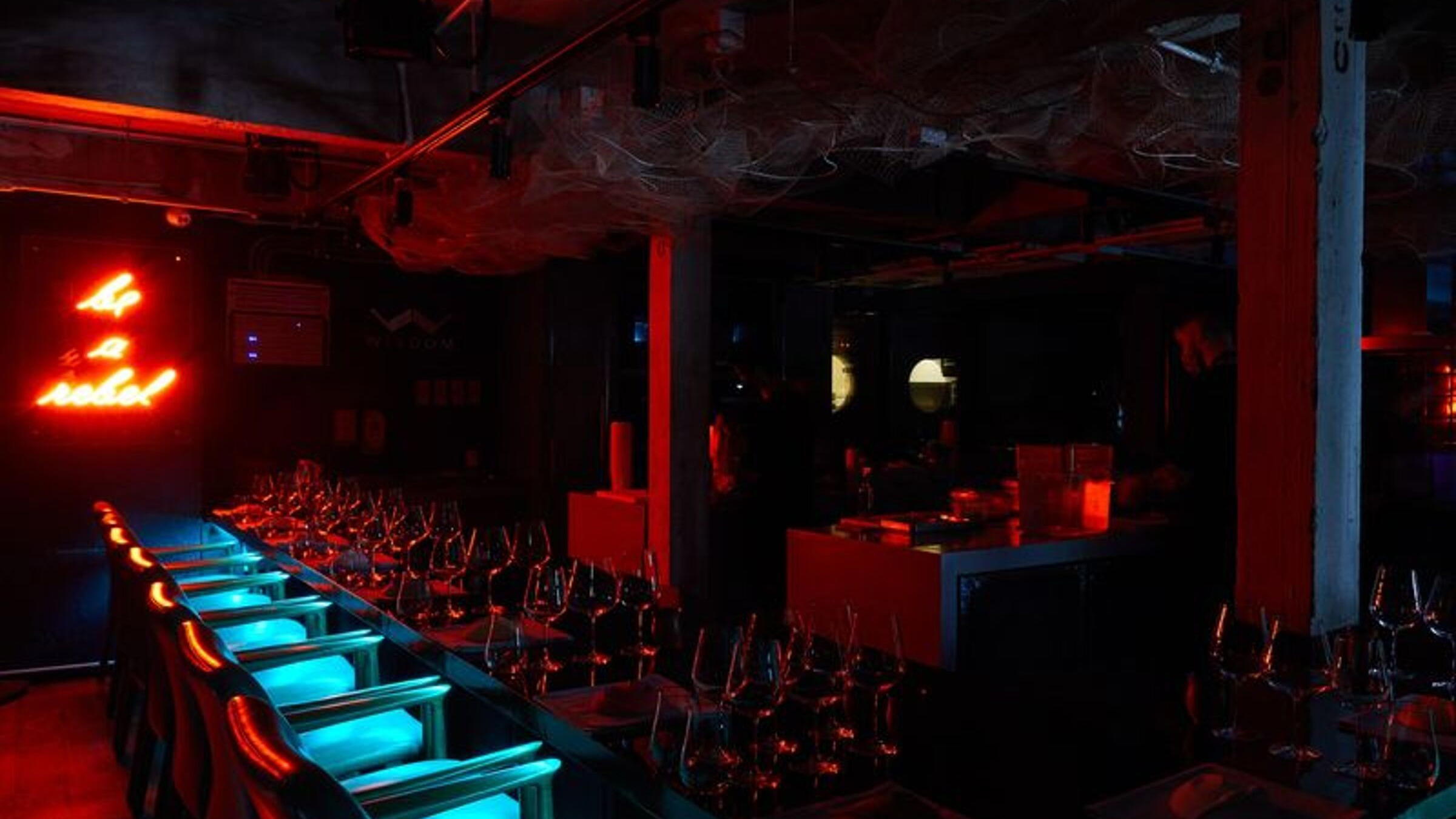
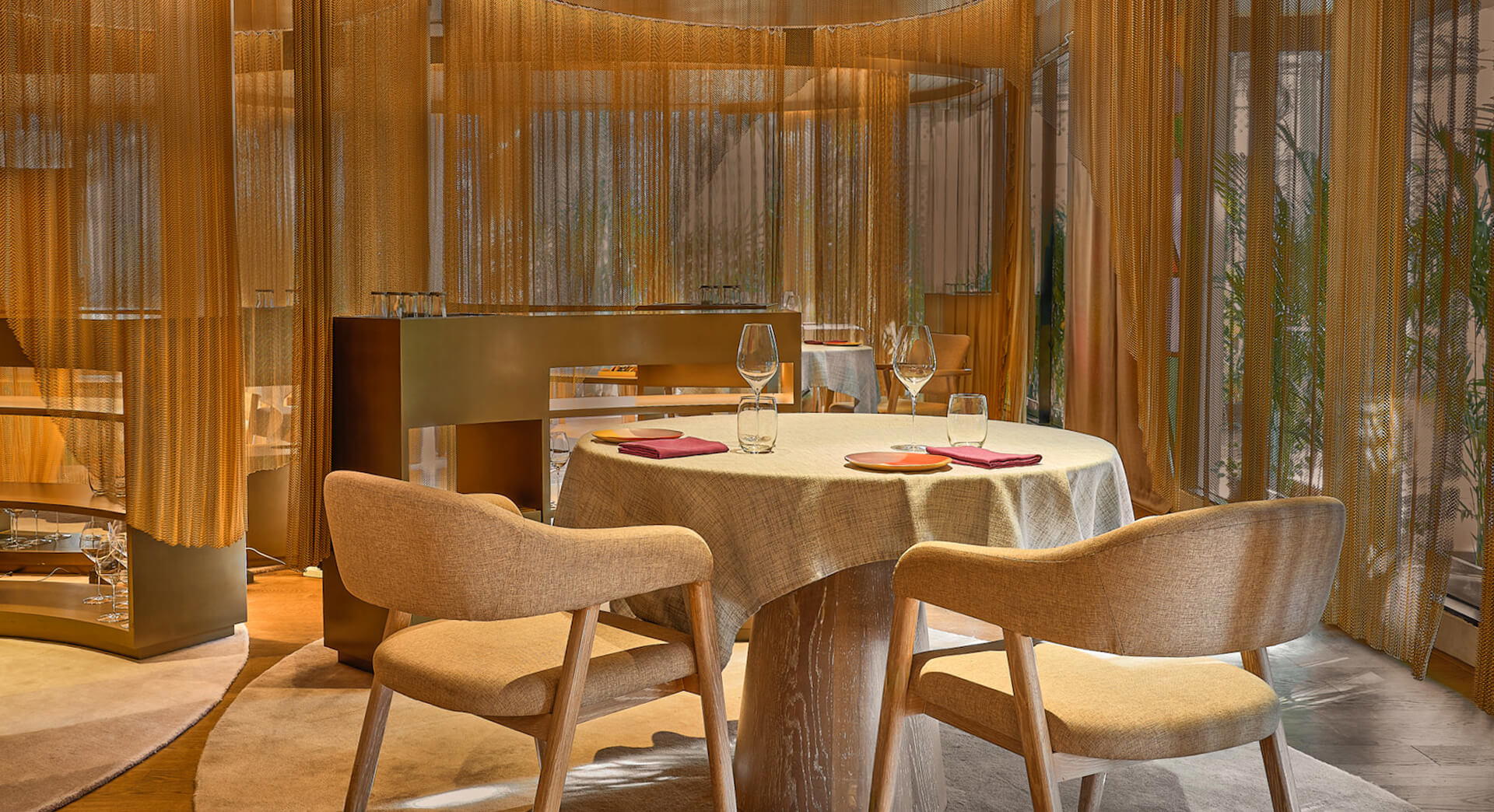
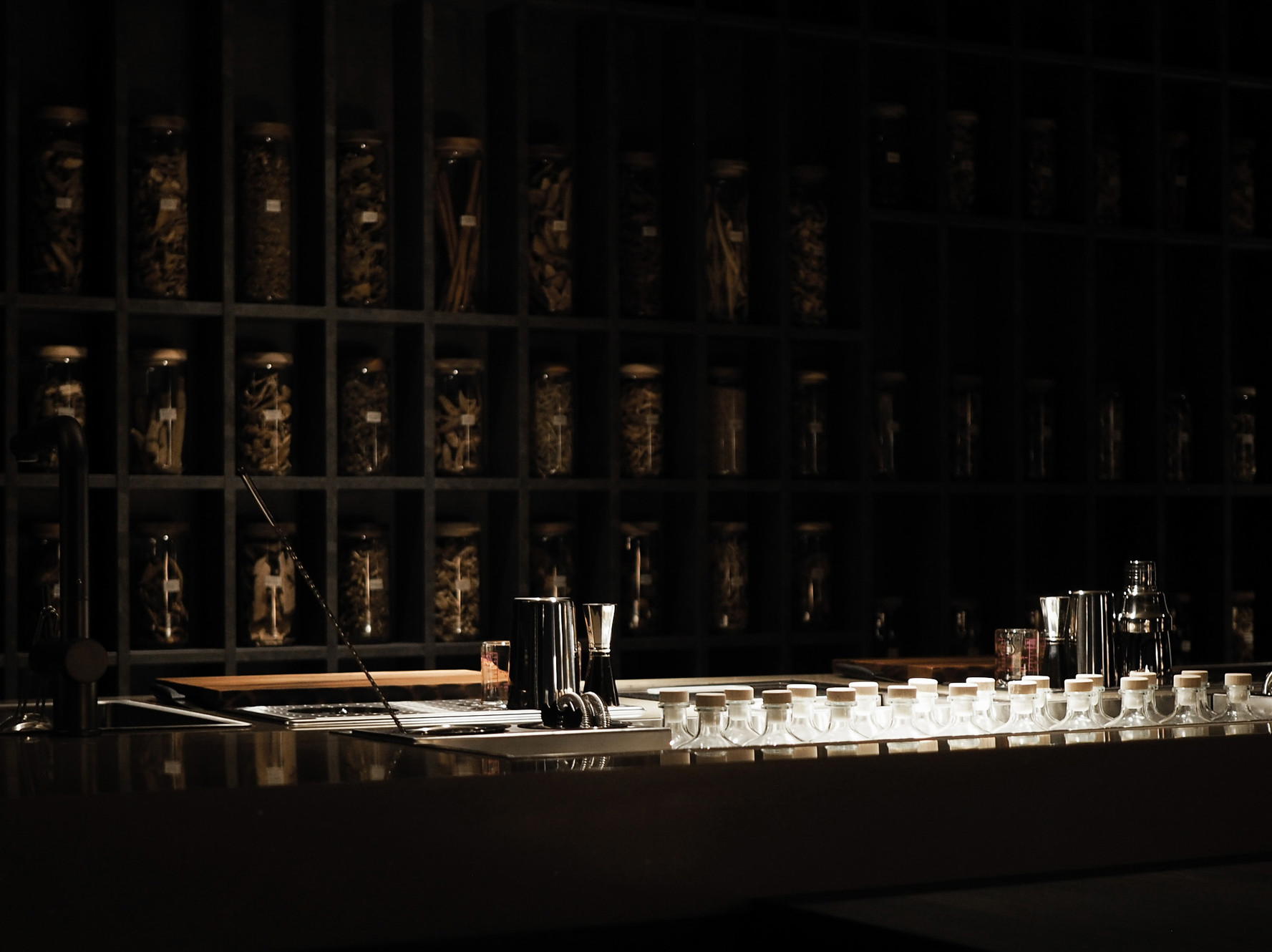
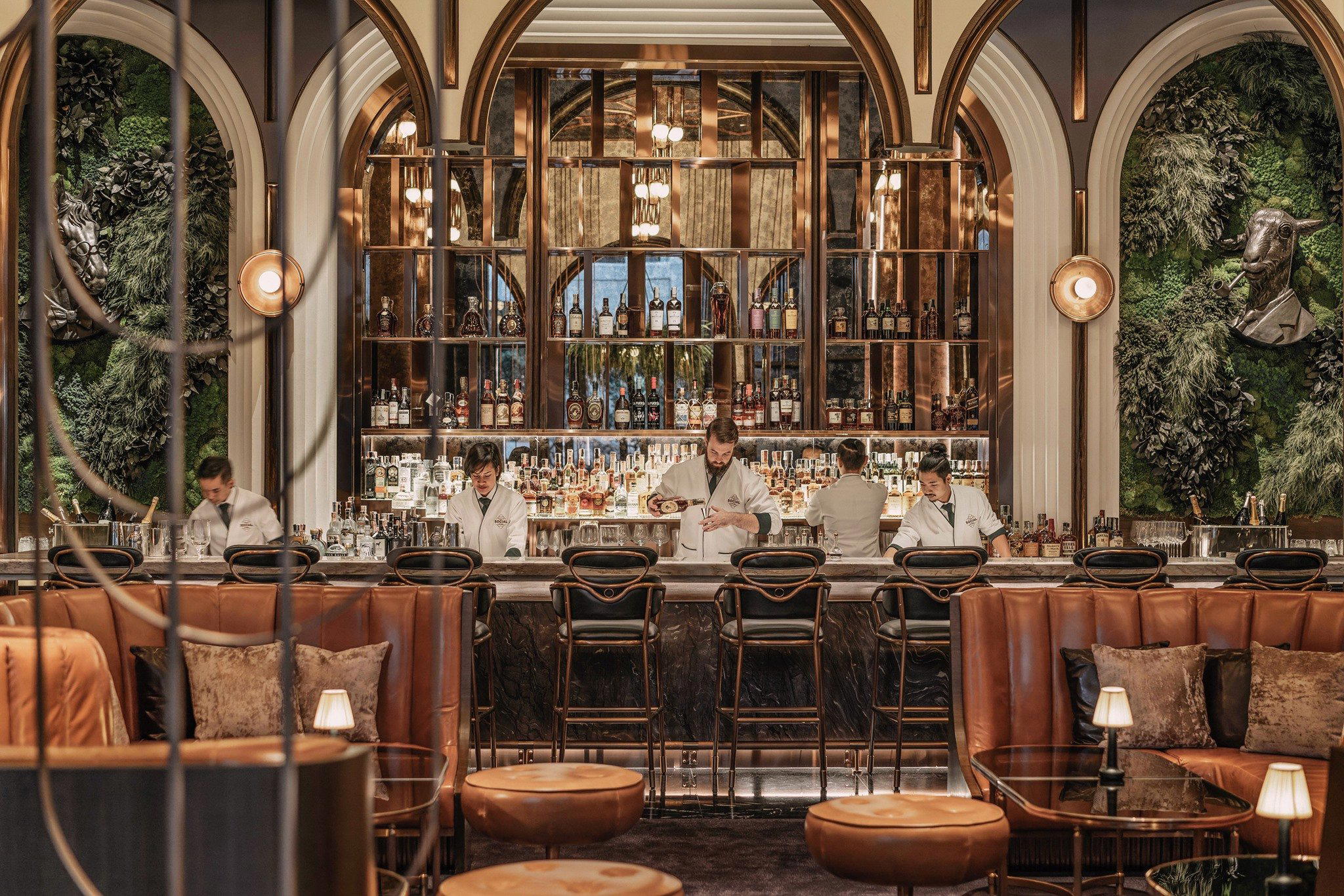
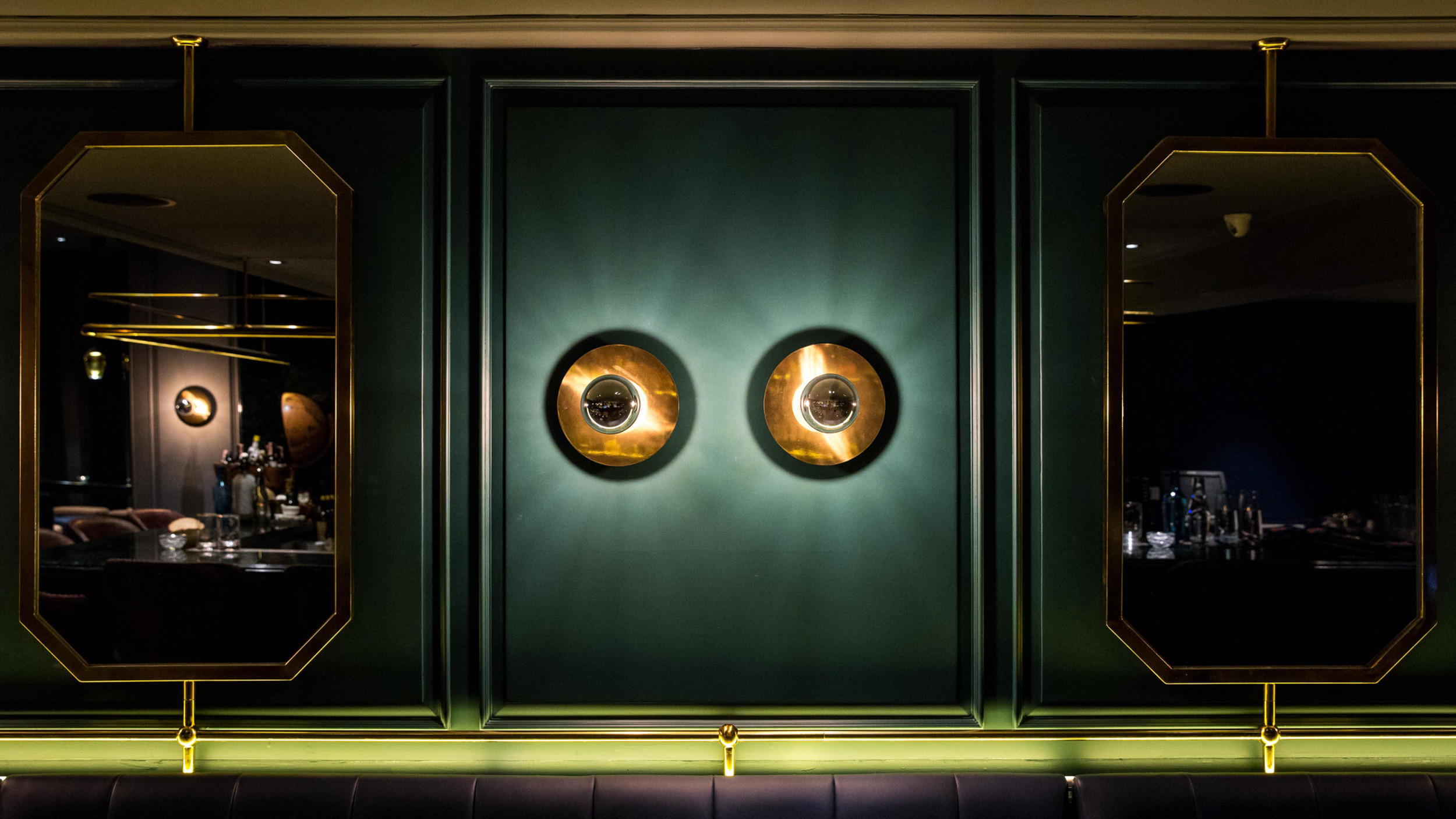
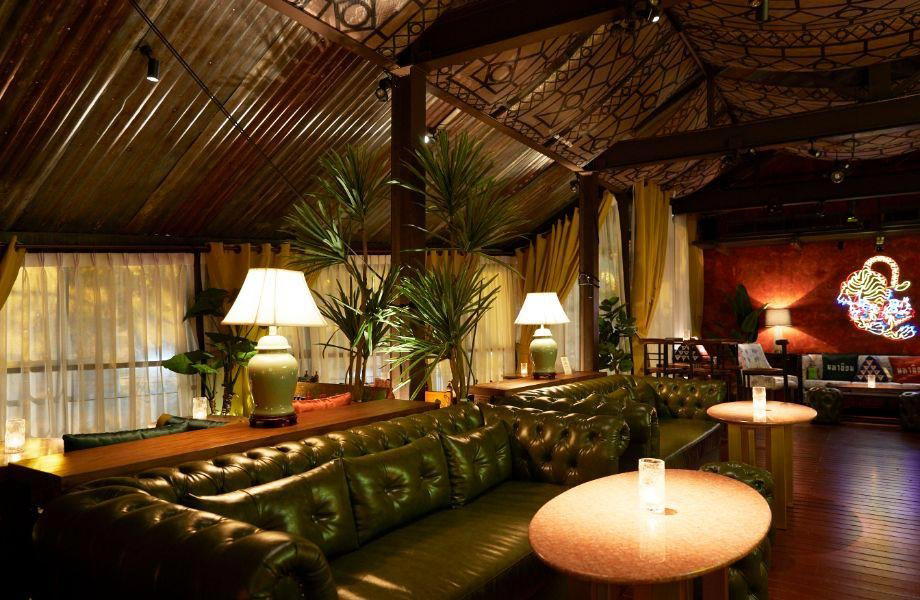
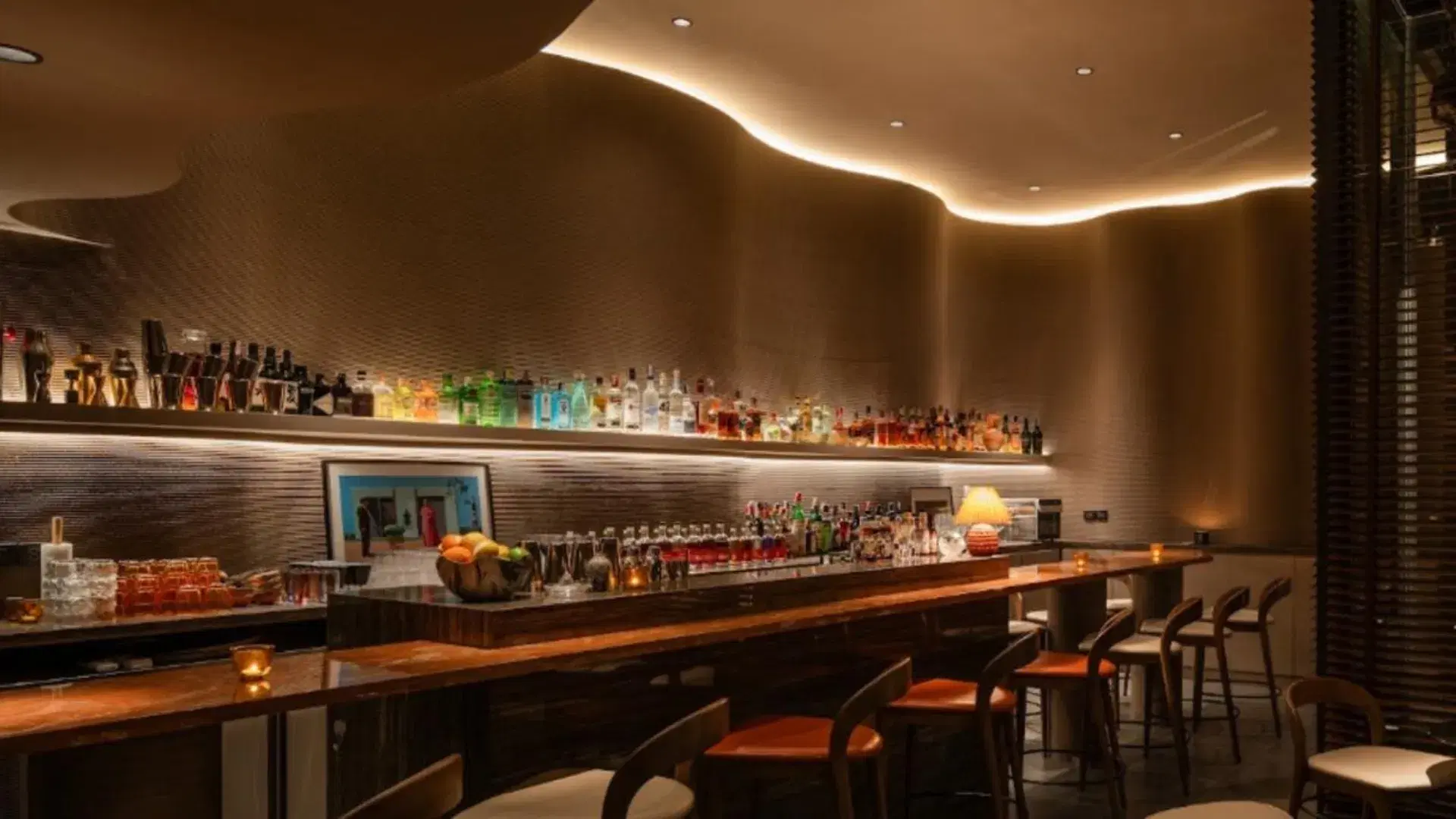
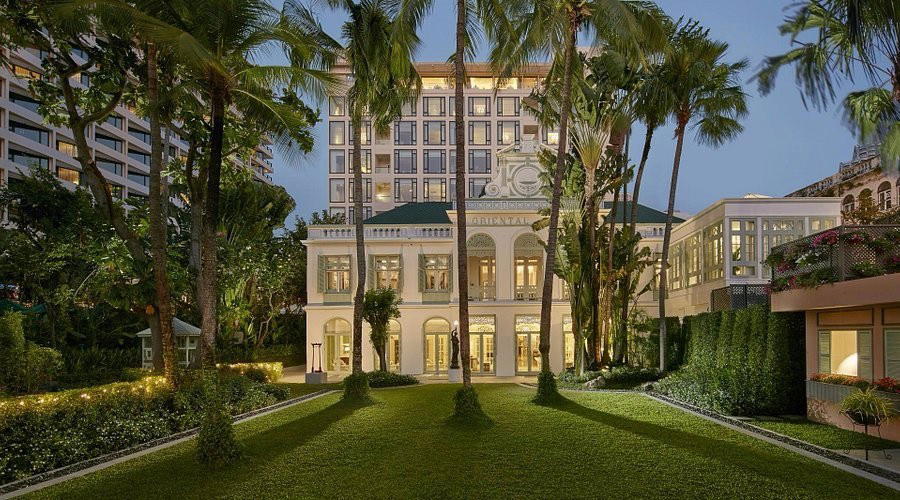
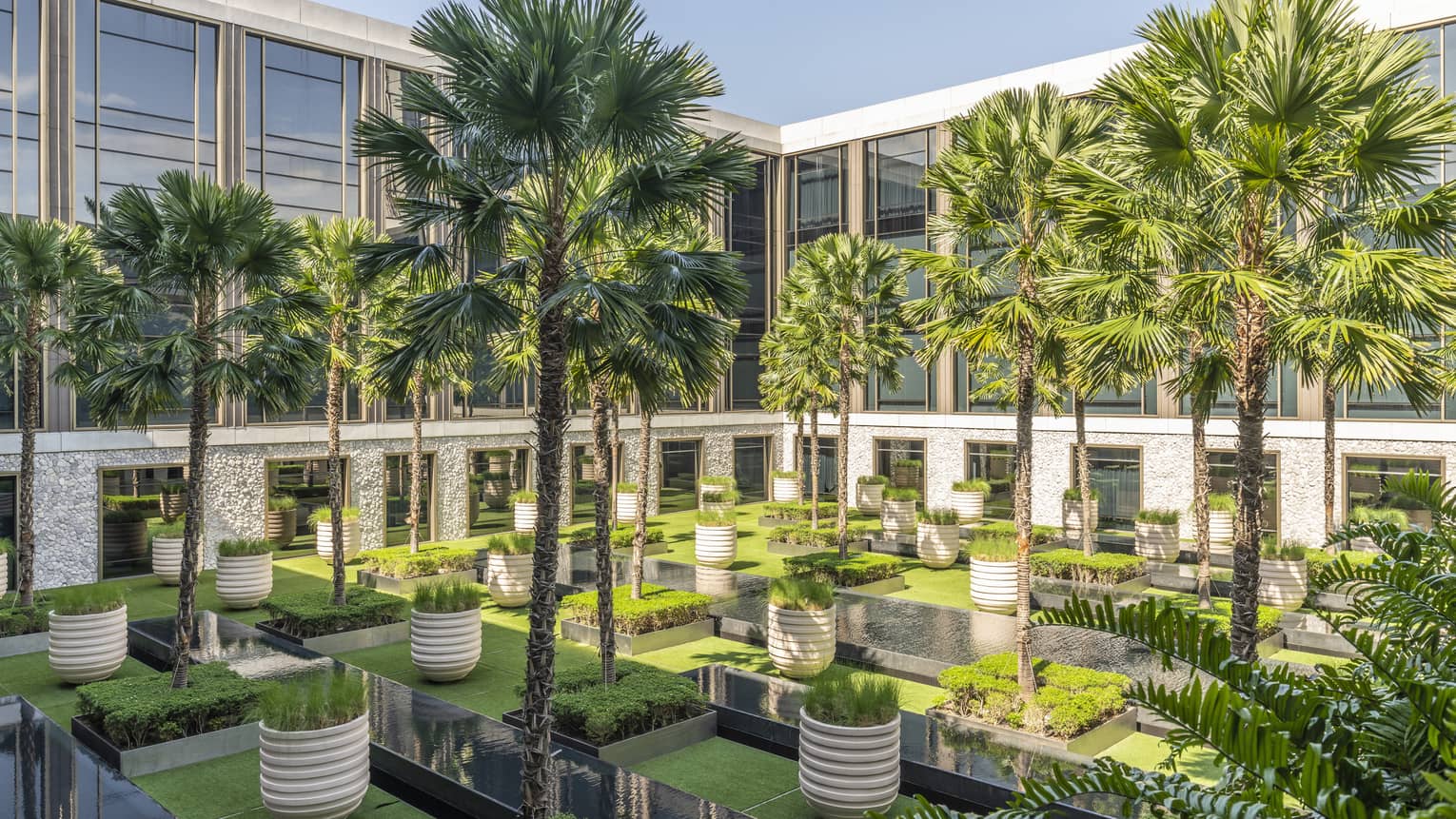
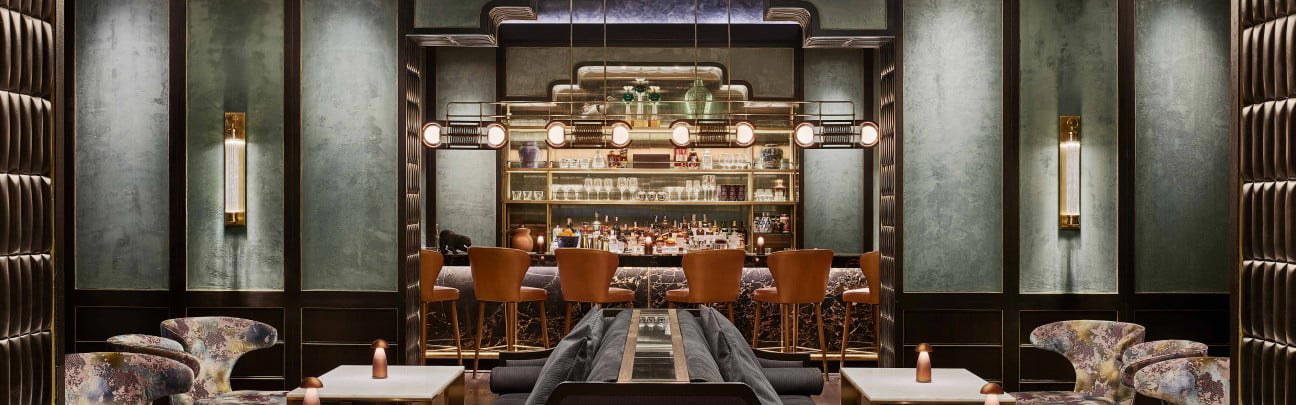
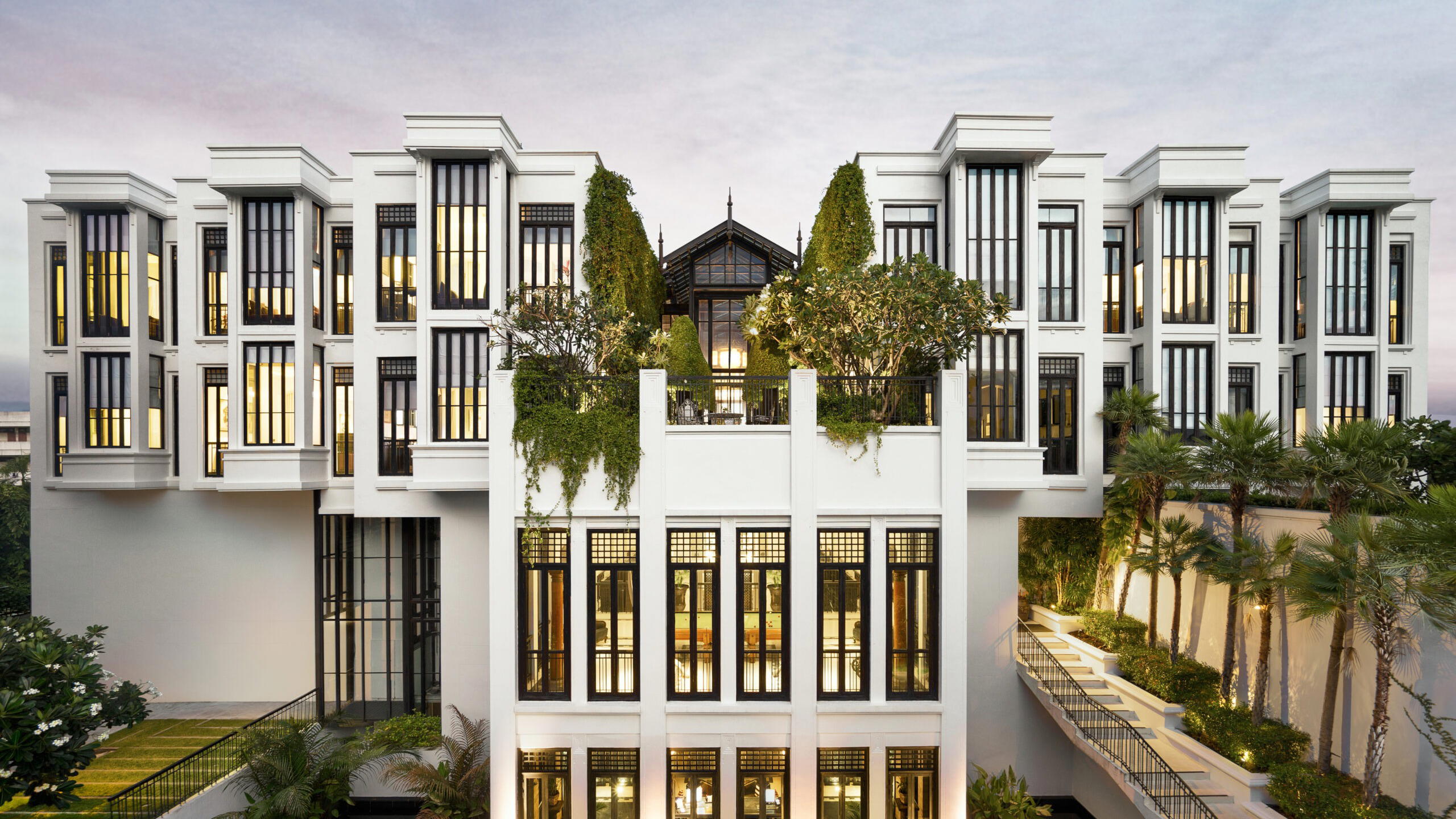
Luxurious, modern, and elegant, with a classic Chinese feel and strong emphasis on visually striking plating.