Waldorf Astoria Costa Rica Punta Cacique


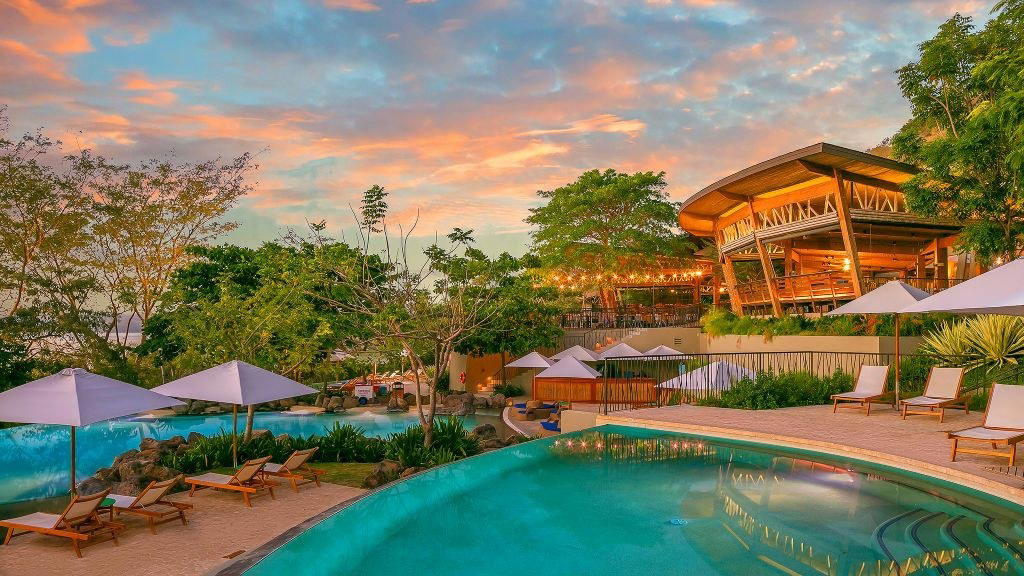
The Waldorf Astoria brand's first luxury resort in Central America, Punta Cacique sits on cliffside terrain above the Pacific in Guanacaste, thirty minutes from Liberia International Airport. Six dining venues draw on locally curated menus, while the spa ranks among Latin America's largest by scale. For those positioning a Costa Rica stay around genuine recovery rather than activity-stacking, this is the tier to consider.
Pearl is the En Primeur Club membership app — saves, bookings, and concierge access live there. Same editors, same standards.
- Address
- km 3 Ruta Nacional 159, Playa Penca, Punta Cacique
- Directions
- Get directions
 Saves & bookings on Pearl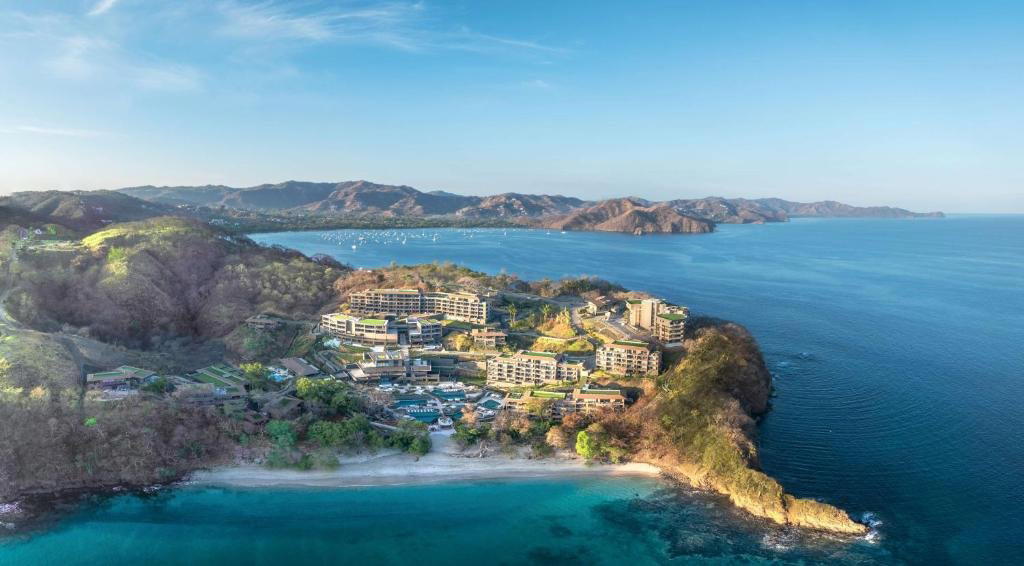
Where the Pacific Cliffs Define the Retreat
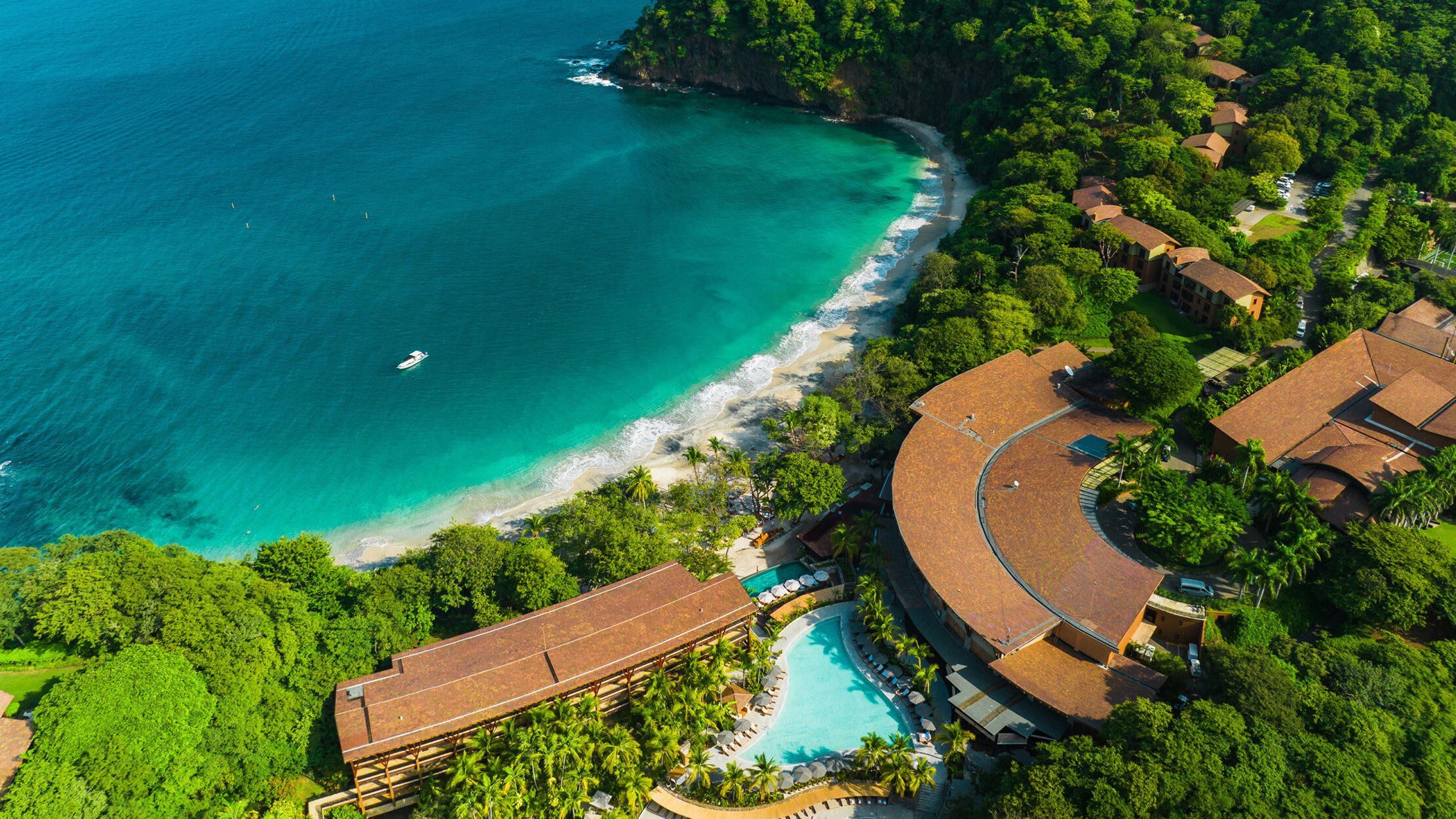
Guanacaste's premium resort corridor has consolidated around two operating philosophies in recent years: the all-inclusive volume model aimed at maximising beach access and amenity count, and a smaller cohort of cliff-sited, low-density properties that price against recovery and place rather than throughput. The Waldorf Astoria Costa Rica Punta Cacique lands firmly in the second category. Set on the refined headland of Punta Cacique above Playa Penca, the property looks out over Pacific water on multiple exposures — a geographic position that shapes the entire wellness argument for staying here. The horizon is unobstructed. The air moves differently at elevation. These are not incidental details; they are the structural rationale for the retreat format the property offers.
As the Waldorf Astoria brand's first luxury resort in Central America, the property carries the weight of a regional debut. That framing matters less to the returning guest than what it signals operationally: the infrastructure investment, the staffing model, and the spa scale that a brand-defining opening demands are all present here in a way that incremental expansions rarely achieve. The opening was designed to set a regional benchmark, and the spa program in particular reflects that ambition.
The Spa as the Central Argument
Among Latin American resort spas ranked by treatment floor area and programming depth, Punta Cacique's facility places near the upper end of the regional scale. This is not a hotel spa attached as an amenity afterthought. The scope positions it alongside destination spa resorts in the region — properties where the wellness program is the primary reason to book rather than a secondary draw. For Guanacaste specifically, where competing luxury properties including Four Seasons Resort at Peninsula Papagayo and Nekajui, a Ritz-Carlton Reserve offer strong spa programming, Punta Cacique's scale creates a distinct tier position.
Costa Rica's wellness tradition draws from a specific set of local reference points: volcanic mineral traditions from the Central Valley, botanical medicine rooted in biodiversity-rich highland zones, and the philosophical frame of pura vida, a phrase that has been commercialised to the point of saturation in tourism marketing, but which at its most grounded describes a genuine orientation toward ease, presence, and ecological connection. The better Guanacaste wellness programs anchor treatments in these specifics rather than importing generic luxury spa menus wholesale. A spa of this scale, at this brand tier, is positioned to do the former.
Six Dining Venues and a Locally Curated Philosophy
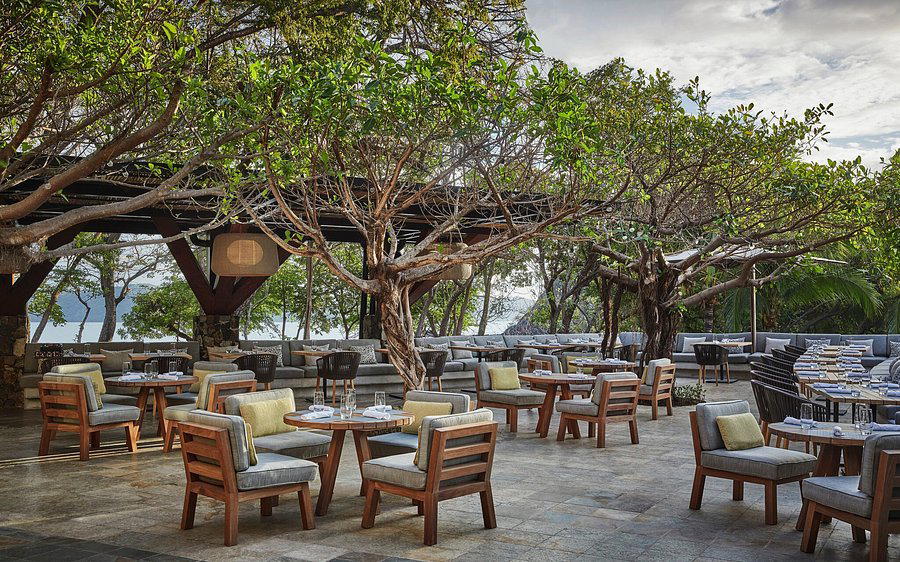
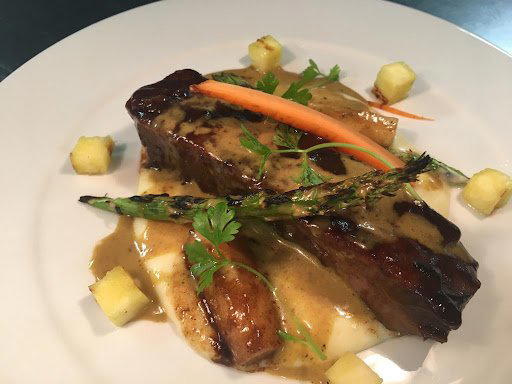
The resort operates six distinct dining experiences, each built around locally curated menus. The number itself is notable: at properties with fewer keys, a six-venue food and beverage program implies a deliberate commitment to variety of pace rather than volume-driven occupancy. A guest can move from a lighter, produce-forward breakfast format to a more structured evening dining setting without leaving the property, a practical advantage for those who arrive seeking genuine decompression rather than daily excursions.
Costa Rica's culinary raw material in Guanacaste is particular. The dry Pacific lowlands produce different ingredients than the Caribbean coast or the central highlands: dry-season concentrations of flavour in local produce, Pacific seafood from nearby fishing communities, and a Nicoya Peninsula food tradition that has received significant attention in longevity research circles, given the region's classification as a Blue Zone. The menus that draw most deliberately on these inputs tend to outperform imported luxury food-and-beverage templates when it comes to a sense of place. Six venues creates room to express multiple registers of that local material.
For comparison context within the Guanacaste corridor, the Andaz Costa Rica Resort at Peninsula Papagayo has built its dining identity around Pacific-facing design and local sourcing, while El Mangroove, Autograph Collection has carved out a reputation for mangrove-adjacent atmosphere with a more boutique scale.
Getting Here and Positioning the Stay
Liberia International Airport (LIR) serves as the primary entry point, with a transfer of approximately thirty minutes to Punta Cacique along Route 159. The drive from Liberia is direct on dry-season roads and manageable in the wet season with appropriate vehicle or transfer arrangements. This positioning, thirty minutes from an international airport with direct connections to major North American and European hubs, places it in a more accessible bracket than some of the region's more remotely sited luxury properties. For travellers combining Guanacaste with a broader Costa Rica itinerary, the northern Pacific coast connects logically to the Central Valley or to other coastal zones. The Costa Rica Marriott Hotel Hacienda Belen in Belen and the Residence Inn by Marriott San Jose Alajuela El Coyol in Alajuela cover the San José airport transit node for those building multi-stop itineraries.
Guanacaste's dry season runs roughly from November through April, delivering the reliable sun and low humidity that maximises outdoor programming and oceanfront dining. The green season, May through October, brings afternoon rains that clear quickly, reduced crowds, and a landscape that shifts dramatically in colour and texture. For a wellness-focused stay, the green season argument is underrated: fewer guests, cooler morning temperatures for outdoor activity, and a natural rhythm that aligns more honestly with a recovery intention than peak-season social energy.
The Broader Costa Rica Luxury Context
Costa Rica's premium accommodation spread has widened significantly over the past decade, moving well beyond the adventure-lodge category that defined early luxury positioning. Properties now cover the full range from design-led coastal boutiques like Hotel Nantipa in Santa Teresa and Casa Chameleon at Las Catalinas to rainforest-integrated formats like Arenas Del Mar in Aguirre and Hacienda AltaGracia in Pérez Zeledón, which anchors a southern highlands alternative to the Guanacaste model. The mountain wellness register is also present at properties like El Silencio Lodge and Spa in Bajos del Toro and Hotel Belmar in Monteverde.
Against that breadth, the Waldorf Astoria's Punta Cacique entry addresses a specific gap: a branded international luxury flag with full-scale amenity depth in a cliff-sited Pacific position. The brand's track record in other markets, from Aman New York-tier urban wellness to classical resort formats, provides a reference frame for guests who calibrate expectations across global properties. The Central America debut is a considered entry into a market that has been moving upward in price tier and amenity expectation for several years. See our full Guanacaste hotels and restaurants guide for a broader view of how the region's options compare.
Recognition history
Dated appearances from independent guides and award organizations, with the underlying list record or original source where available.
Esquire Best New Hotels
Esquire
Virtuoso Luxury Hotel Partner
Virtuoso


At a Glance
- Elegant
- Scenic
- Sophisticated
- Ornate
- Honeymoon
- Romantic Getaway
- Family Vacation
- Wellness Retreat
- Beachfront
- Infinity Pool
- Destination Spa
- Panoramic View
- Pool
- Spa
- Fitness Center
- Room Service
- Concierge
- Wi Fi
- Kids Club
- Beach Access
- Waterfront
- Pool
- Spa
- Fitness Center
- Room Service
- Concierge
- Wi Fi
- Kids Club
- Beach Access
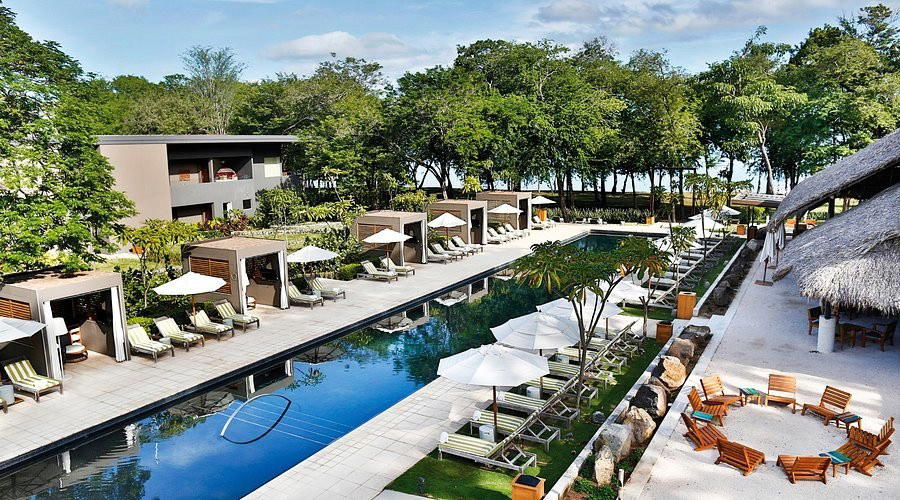
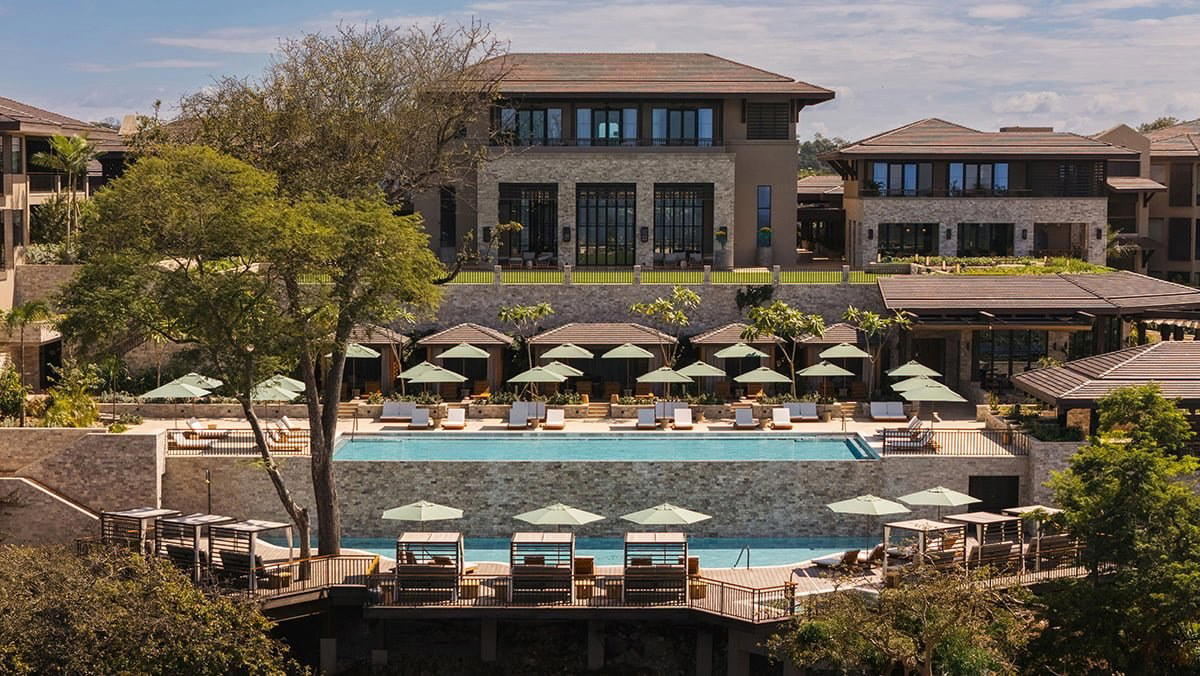
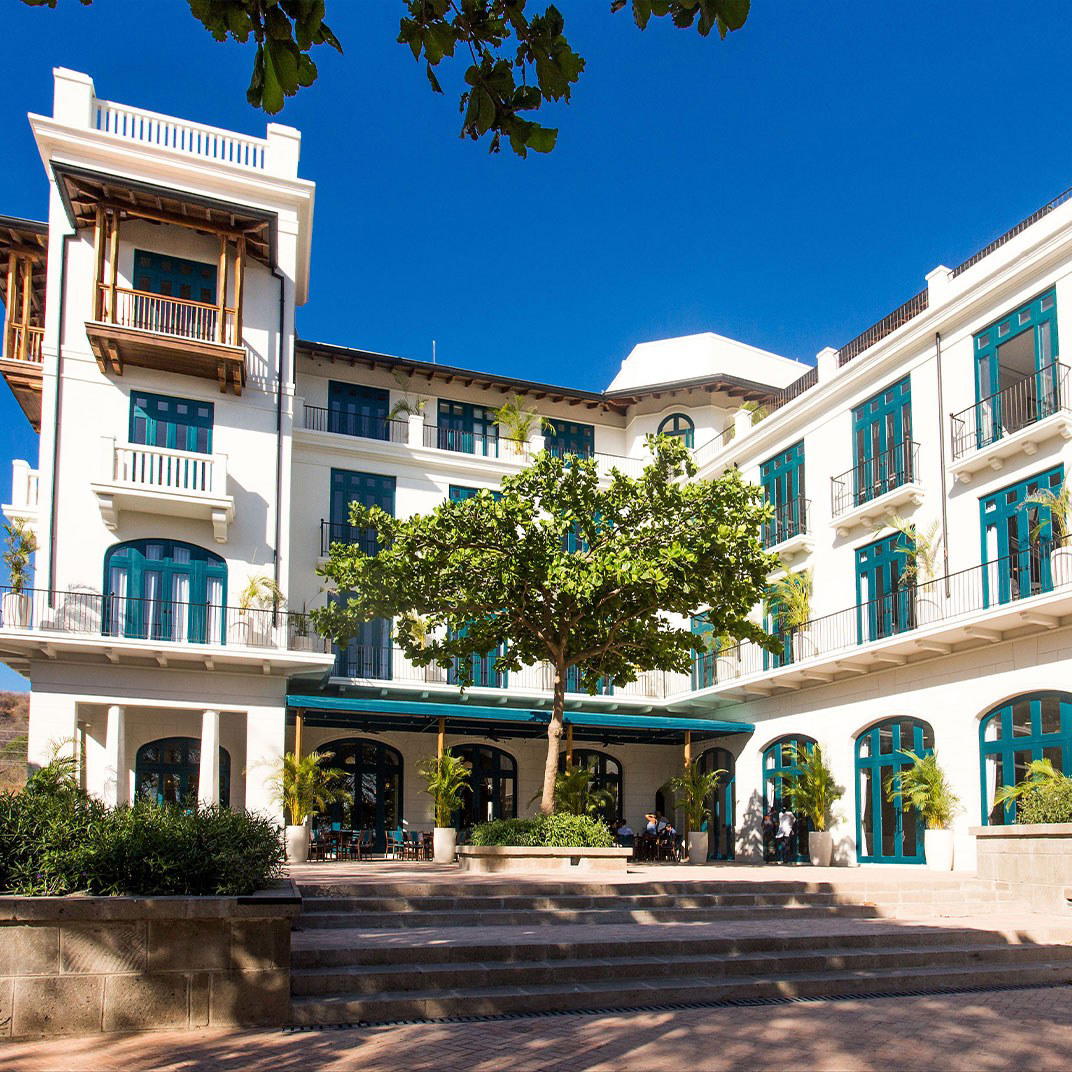
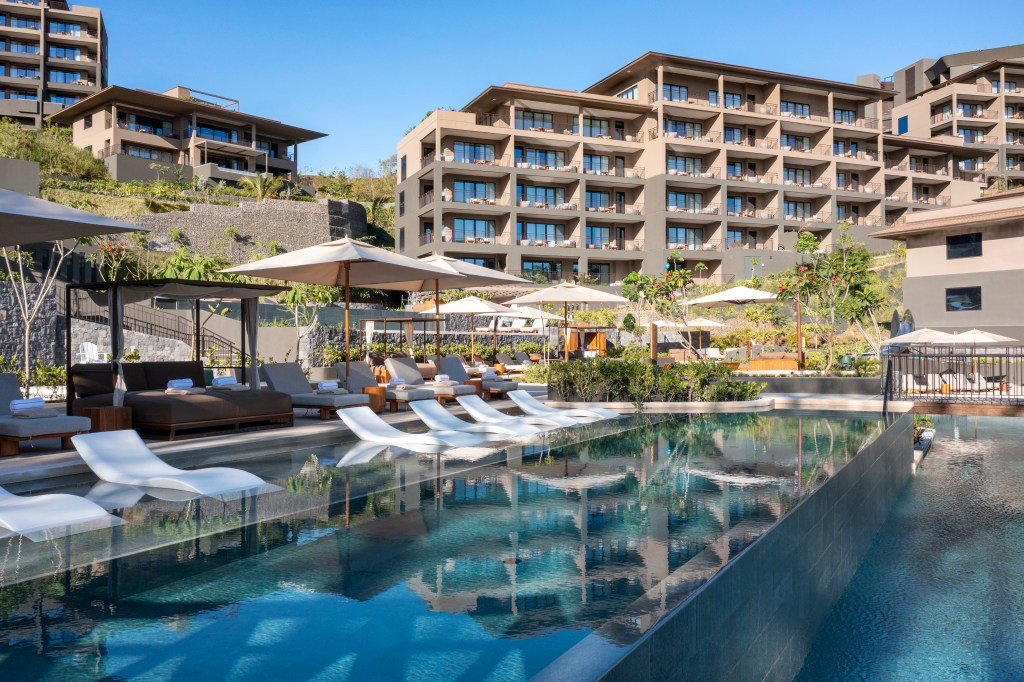
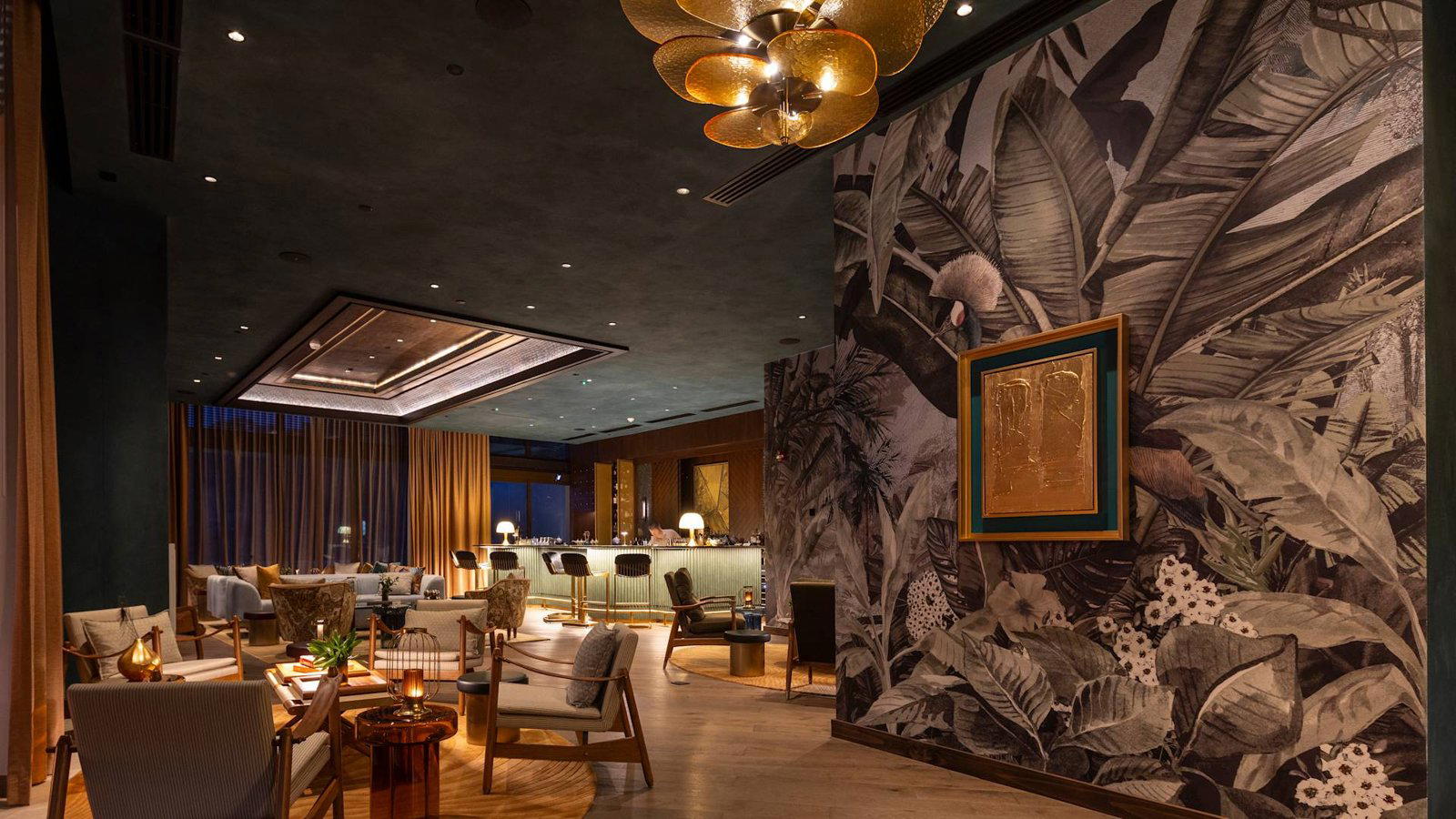
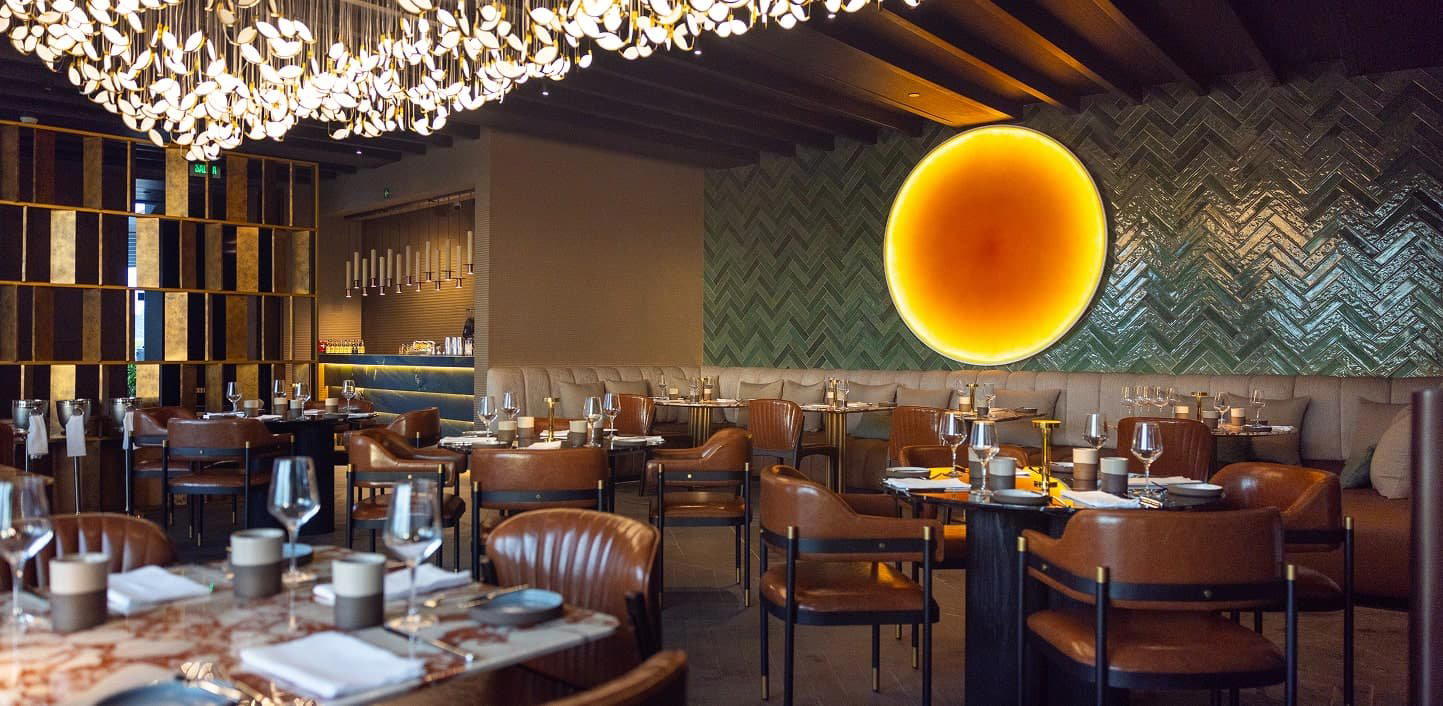
Serene and sophisticated with natural light from floor-to-ceiling windows, neutral tones, and ocean-facing terraces creating a calming, luxurious tropical atmosphere.