Nekajui, a Ritz-Carlton Reserve








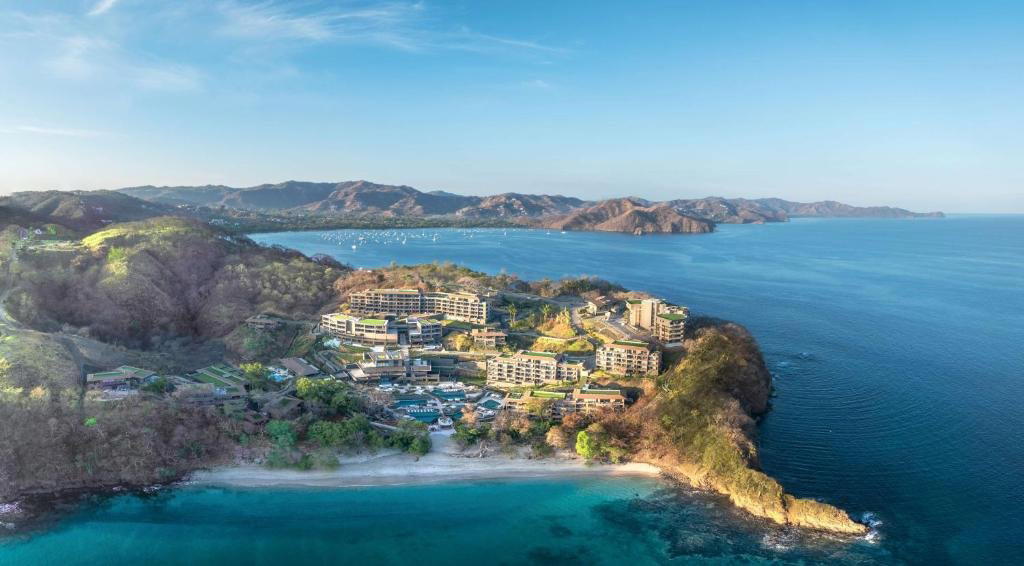
Among Papagayo Peninsula's top-tier luxury properties, Nekajui sets itself apart as a Ritz-Carlton Reserve — the brand's most selective sub-brand — with 107 rooms, suites, and treetop tents perched on a clifftop above the Pacific.
Pearl is the En Primeur Club membership app — saves, bookings, and concierge access live there. Same editors, same standards.
- Address
- End of the 253 National Route, Peninsula Papagayo, Provincia de Guanacaste, Liberia, 50104
- Phone
- +506 4081 1221
- Website
- ritzcarlton.com
- Directions
- Get directions
 Saves & bookings on Pearl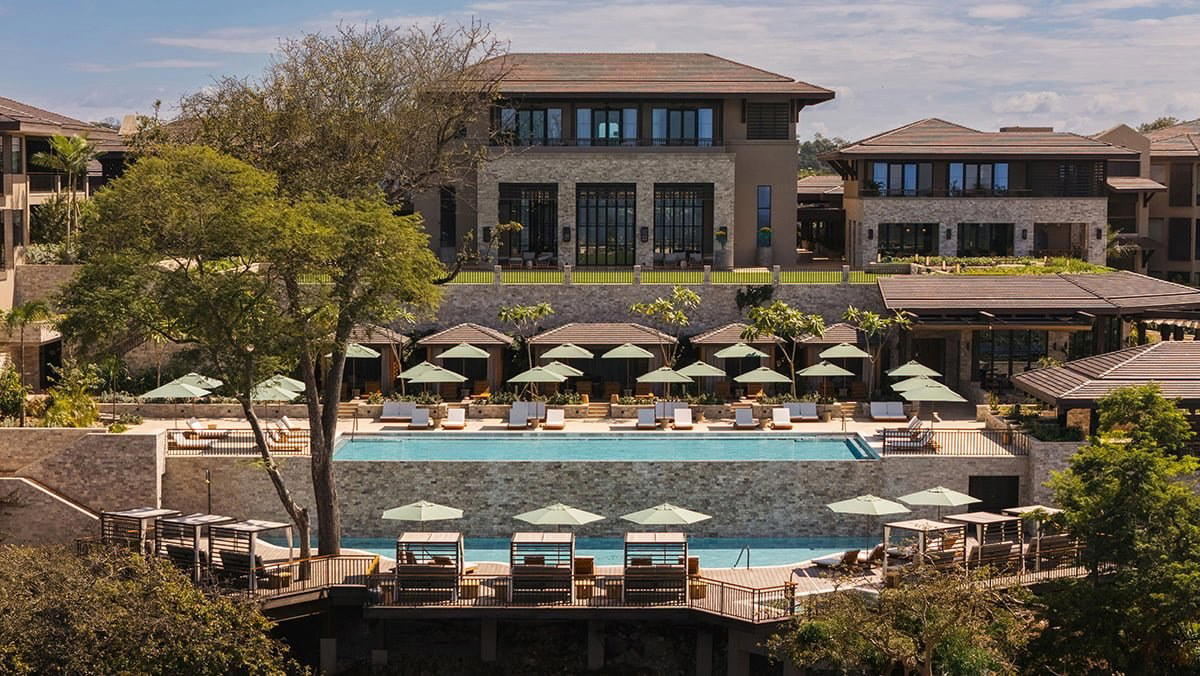
What the Address Delivers
Peninsula Papagayo is one of Central America's most deliberately curated stretches of coastline. Guanacaste's dry Pacific coast means reliably low rainfall from December through April, and the peninsula's protected land status keeps development tightly controlled — which is precisely why the properties here feel different from resort corridors elsewhere in Costa Rica. The road to Nekajui, a Ritz-Carlton Reserve runs to the end of National Route 253, past dry tropical forest and Pacific inlet views, arriving at a clifftop position that shapes everything about the experience: the sightlines, the descent to the beach, and the sense of remove from the outside world.
That position is not incidental. The cliff elevation gives the resort's accommodations unobstructed Pacific views and separates the property from beach-level noise in a way that flat-plot resorts cannot replicate. The beach club sits at the base of the hillside, connected to the main lodge via a funicular — a logistical solution that also functions as a daily ritual, the descent framing the shift between the refined jungle canopy and the water's edge. On the same peninsula, the Four Seasons Resort at Peninsula Papagayo and the Andaz Costa Rica Resort at Peninsula Papagayo occupy different plot positions; Nekajui's clifftop geometry is its own competitive distinction.
The Reserve Tier and What It Implies
Ritz-Carlton Reserve is the brand's most selective format globally, applied to a small number of properties in locations where the natural setting itself is considered part of the product. The implications are practical: service ratios are higher, design is more site-specific, and the overall programming is oriented toward immersion rather than resort amenity volume. At Nekajui, this plays out in the name itself, drawn from the Chorotega word for "lush garden", and in decisions like the wooden suspension bridge that connects some accommodations across a jungle ravine, prioritizing atmosphere over convenience.
For context on how Nekajui sits within the wider Guanacaste accommodation picture, the full Guanacaste guide maps the region's options across price tiers and property types.
Accommodation and What Distinguishes Each Format
The property's 107 keys span rooms, suites, villas, and Treetop Tents, a range that covers meaningfully different experiences rather than simple size gradations. The Treetop Tents introduce canvas construction into a five-star context, which is a deliberate positioning choice: the format signals that the surrounding jungle is the point, not an amenity to be screened out. Canvas walls shift how the property sounds and feels at night, bringing the Reserve's "immersion" premise into the room itself.
Some villa and suite categories are accessed via the suspension bridge across the ravine, which creates a physical separation from the central lodge. This is not a design flourish, it genuinely changes the texture of a stay, adding a navigational rhythm that reinforces the sense of occupying protected jungle rather than a manicured resort campus. Elsewhere in Costa Rica, properties like Hacienda AltaGracia, Auberge Resorts Collection and El Silencio Lodge & Spa operate on a similar immersion-in-nature premise at smaller scale; Nekajui's 107 keys make it substantially larger while maintaining that orientation.
Dining: Local Ingredients, Peruvian Framework
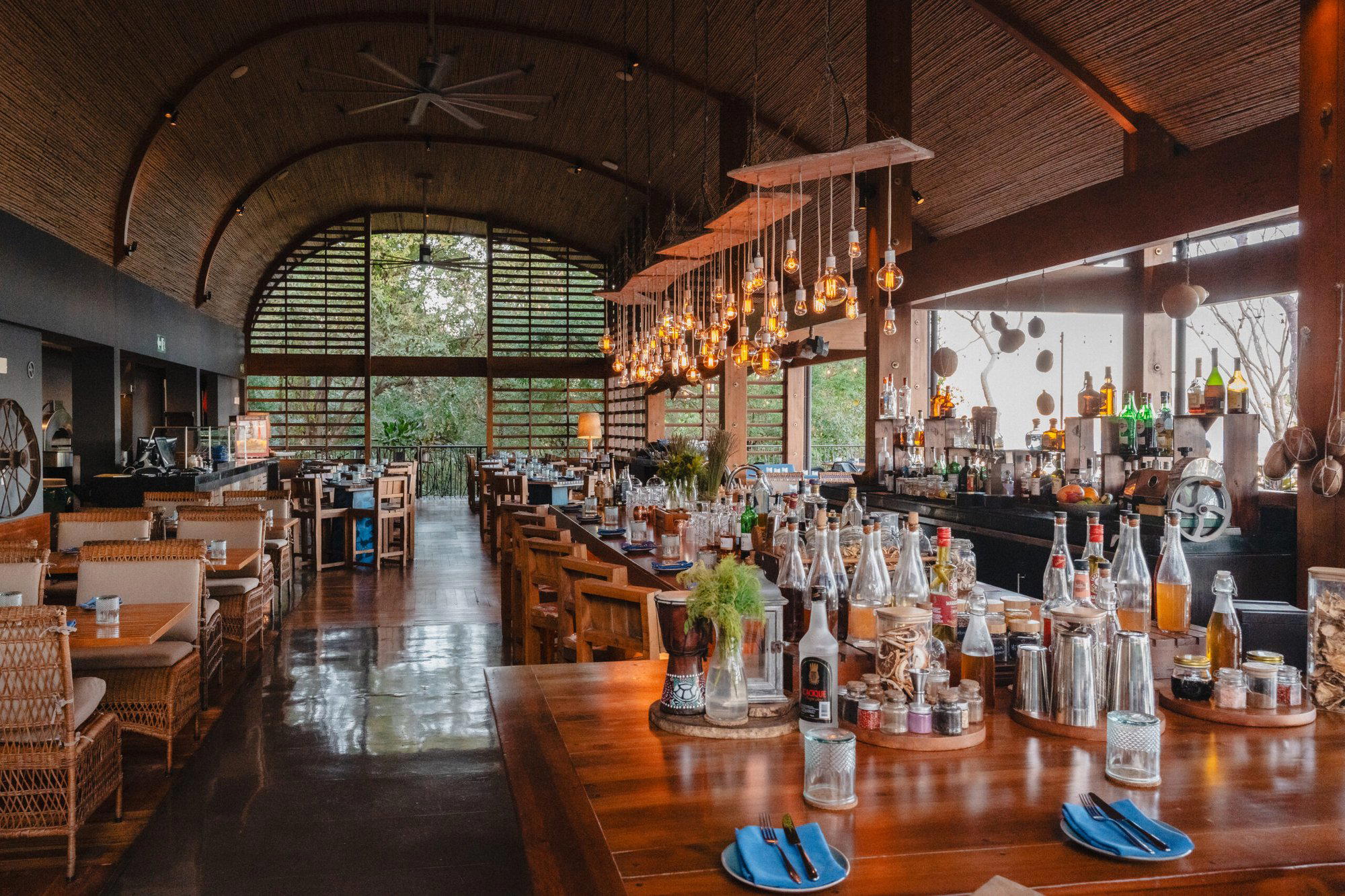
The dining program reflects a pattern common to high-end Pacific coast resorts in Latin America: multiple outlets covering different atmospheres and meal registers, with a culinary identity anchored in one flagship format. At Nekajui, modern Peruvian cuisine serves as the editorial center of the dining program, a format that has become a regional standard-bearer for applying serious technique to Pacific seafood and locally sourced produce. The approach brings Peruvian culinary architecture, ceviche tradition, aji-based heat, coastal protein focus, into contact with Guanacaste's own ingredients.
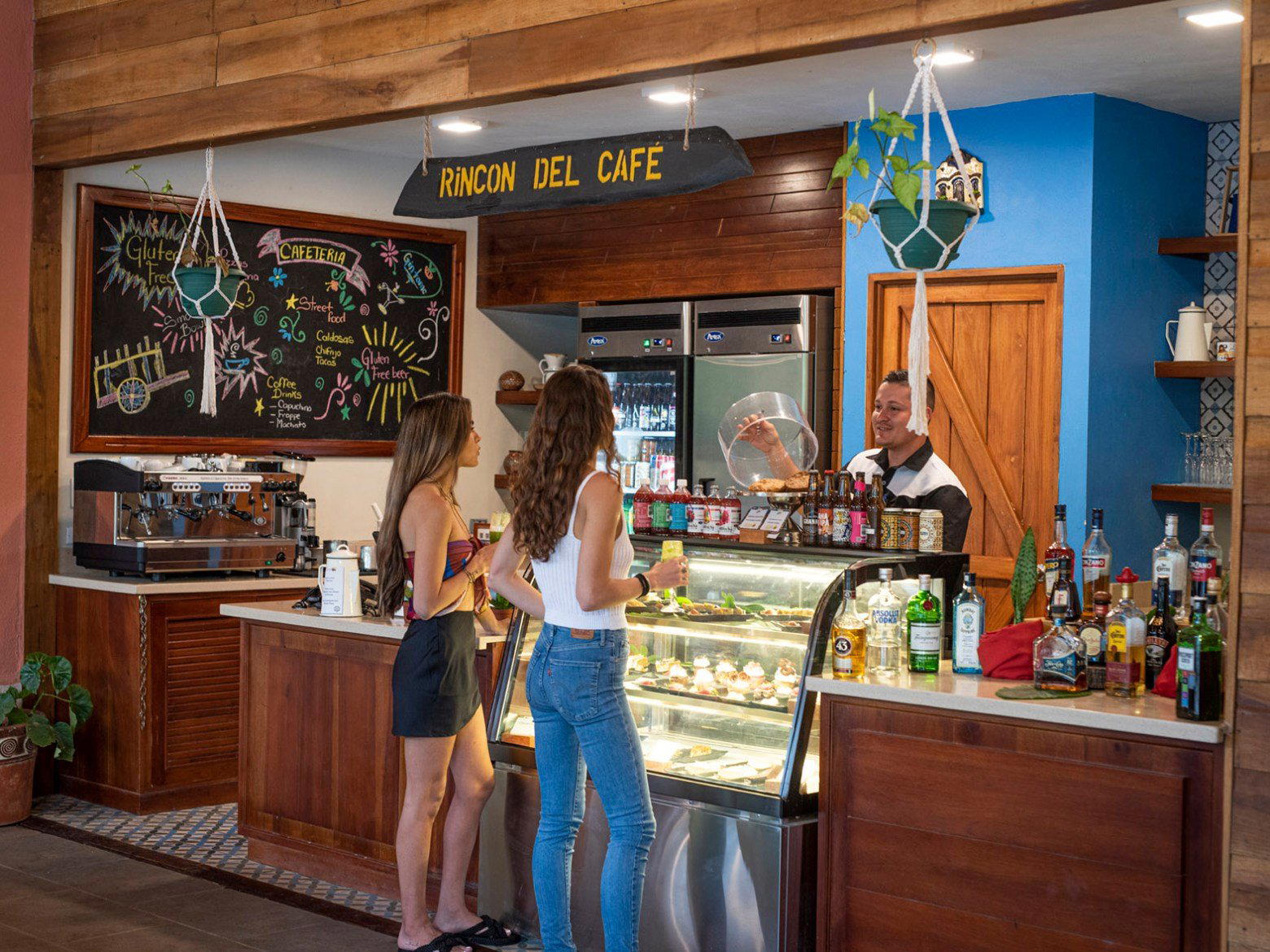
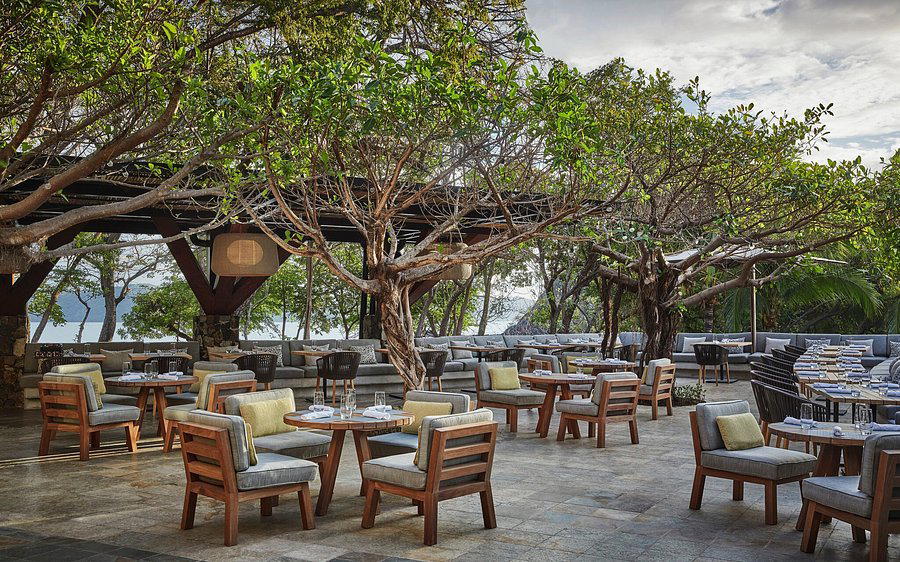
Beyond the flagship, the property offers artisanal coffee rituals and private treetop dining, the latter placing guests within the jungle canopy for a meal rather than adjacent to it. This kind of format distinction matters at a property where the natural setting is the primary offer: eating among the tree cover rather than overlooking it from a terrace is a different proposition. For comparison, El Mangroove, Autograph Collection on the peninsula takes a different culinary approach centered on the mangrove estuary environment; Nekajui's elevation and canopy position shape an entirely different dining register.
Spa, Wellness, and Outdoor Programming
The spa complex covers 27,000 square feet, a footprint that places it among the larger wellness facilities in Central America. The program is framed around "ancient ways of living" and the land's natural rhythms, language that, at this scale of facility, typically translates to treatments drawing on indigenous and regional traditions rather than a standardized international spa menu. The Chorotega cultural reference in the property's name suggests those traditions are woven into the programming rather than deployed as surface decoration.
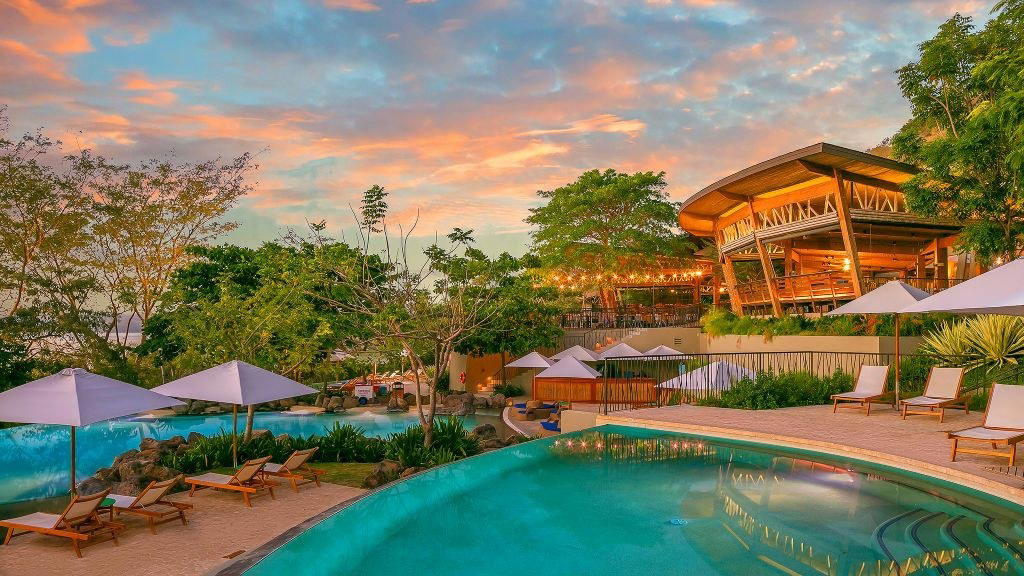
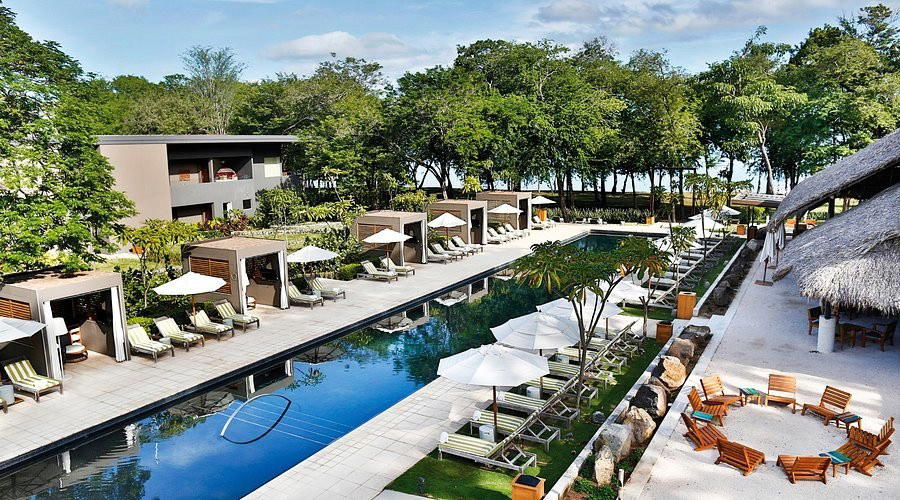
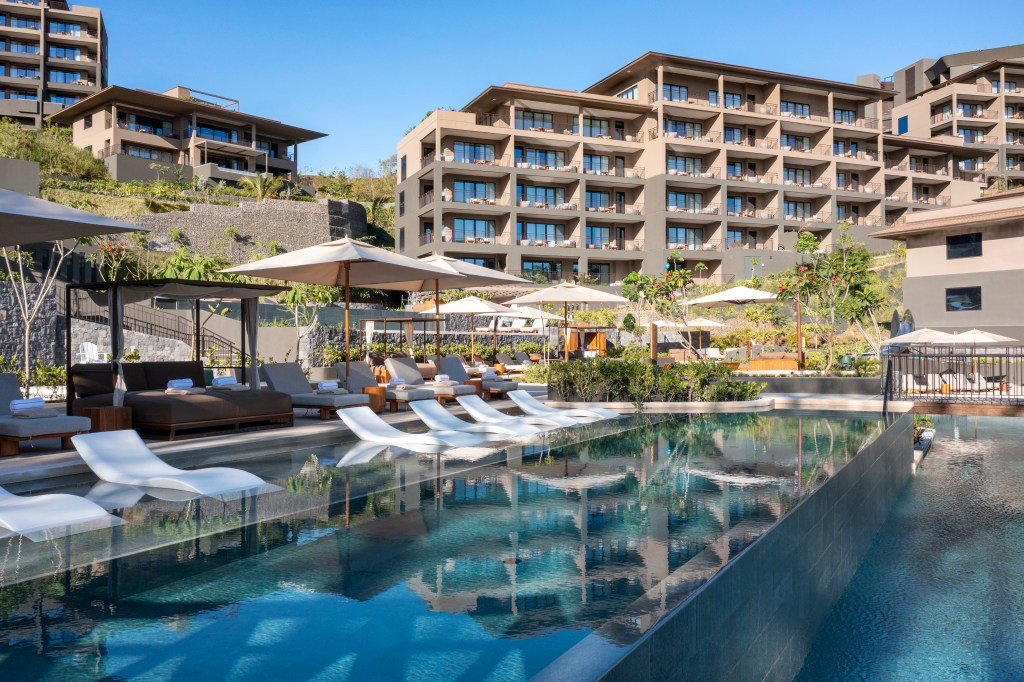
The outdoor activity roster extends well beyond the property's boundaries. A racquet club and a 72-hole Arnold Palmer-designed golf course address the activity expectations of guests in this price tier, while surfing, sailing, and guided excursions by land and sea connect the property to Guanacaste's wider natural assets. The Papagayo Gulf's conditions make it one of Costa Rica's more reliable zones for sailing and water sports year-round, and a resort at this level functions as a base for accessing those conditions with appropriate logistics and equipment. Multiple pool environments within the property serve guests who prefer structured relaxation within the grounds, each designed for a distinct atmosphere rather than a single resort-wide pool scene.
Planning a Stay
Nekajui sits at the end of National Route 253 on the Papagayo Peninsula, approximately 25 kilometres from Liberia's Daniel Oduber Quirós International Airport, Guanacaste's main international gateway, served by direct flights from major North American hubs. The dry season runs roughly December through April, when the Papagayo winds are active and ocean conditions are clearest; the wet season brings greener jungle but also rougher surf and afternoon rain. Both periods have advocates: the dry season delivers the Pacific coast at its most cinematic, while the wet season sees the forest at its densest and most inhabited by wildlife.
Guests comparing the Papagayo Peninsula's leading properties will find the Waldorf Astoria Costa Rica Punta Cacique as another recent entrant at the luxury tier, alongside the established Four Seasons and Andaz. Those seeking smaller-scale alternatives elsewhere in Costa Rica can cross-reference properties including Hotel Nantipa in Santa Teresa, Esh Hotel & Spa in Nosara, Casa Chameleon at Las Catalinas, Azura Resort in Sámara, or Hotel Belmar in Monteverde for a cloud forest contrast. For the full regional picture, our Guanacaste guide provides property-by-property context across the province.
How Nekajui, a Ritz-Carlton Reserve compares with similar nearby venues.
| Venue | Awards |
|---|---|
| Nekajui, a Ritz-Carlton Reserve | Michelin 2 Keys |
Recognition history
Dated appearances from independent guides and award organizations, with the underlying list record or original source where available.
AFAR Best New Hotels
AFAR · AFAR 40 Best New Hotels 2026
Forbes Recommended
Forbes
TIME 2026 TIME World's Greatest Places
TIME
Town & Country Hotel Awards
Town & Country
Virtuoso Luxury Hotel Partner
Virtuoso
Architectural Digest 2025 Architectural Digest Great Design Hotel Award Winners
Architectural Digest
Esquire Best New Hotels
Esquire
Michelin 2 Keys
Michelin
Continue exploring
More in Guanacaste
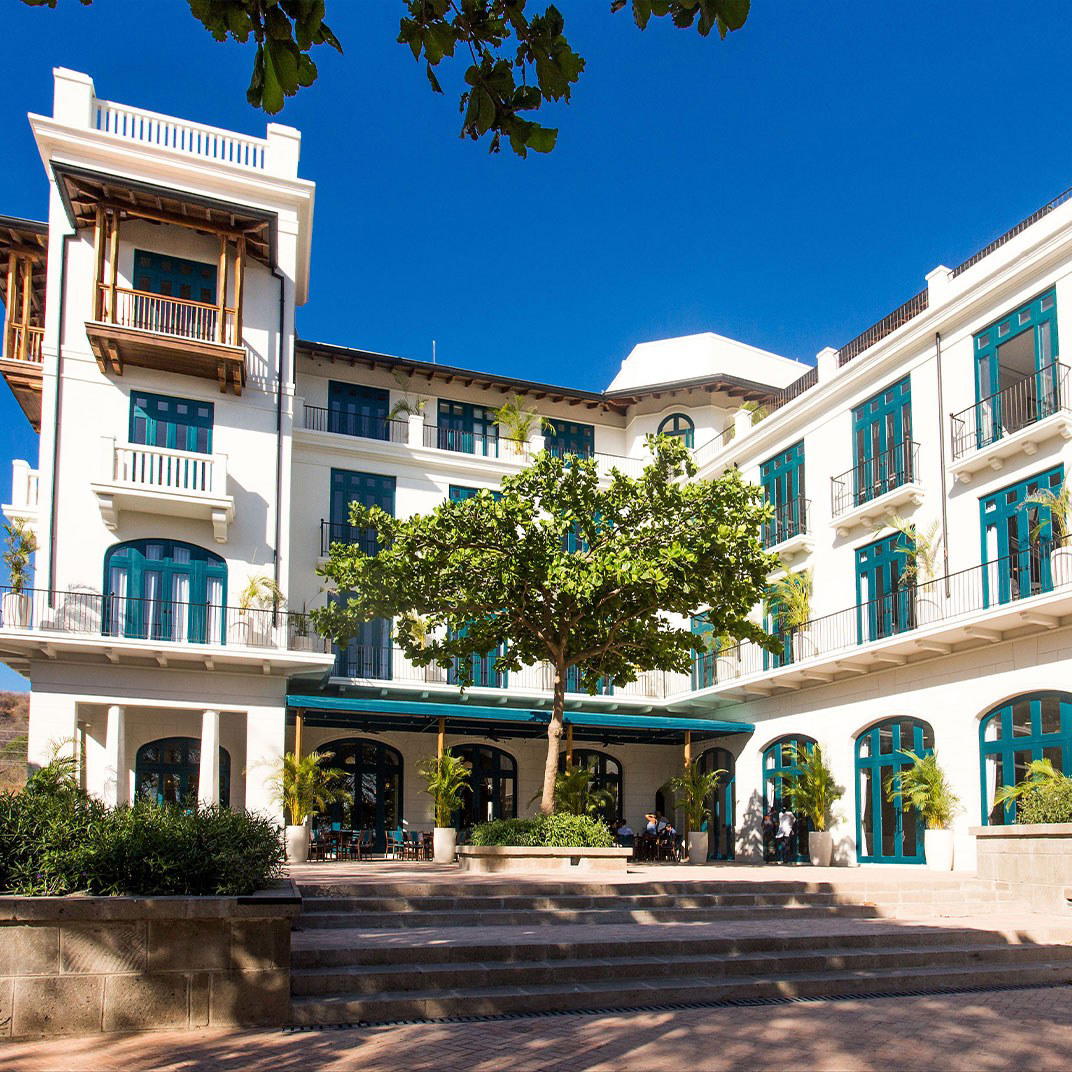
Hotels in Guanacaste
Browse all →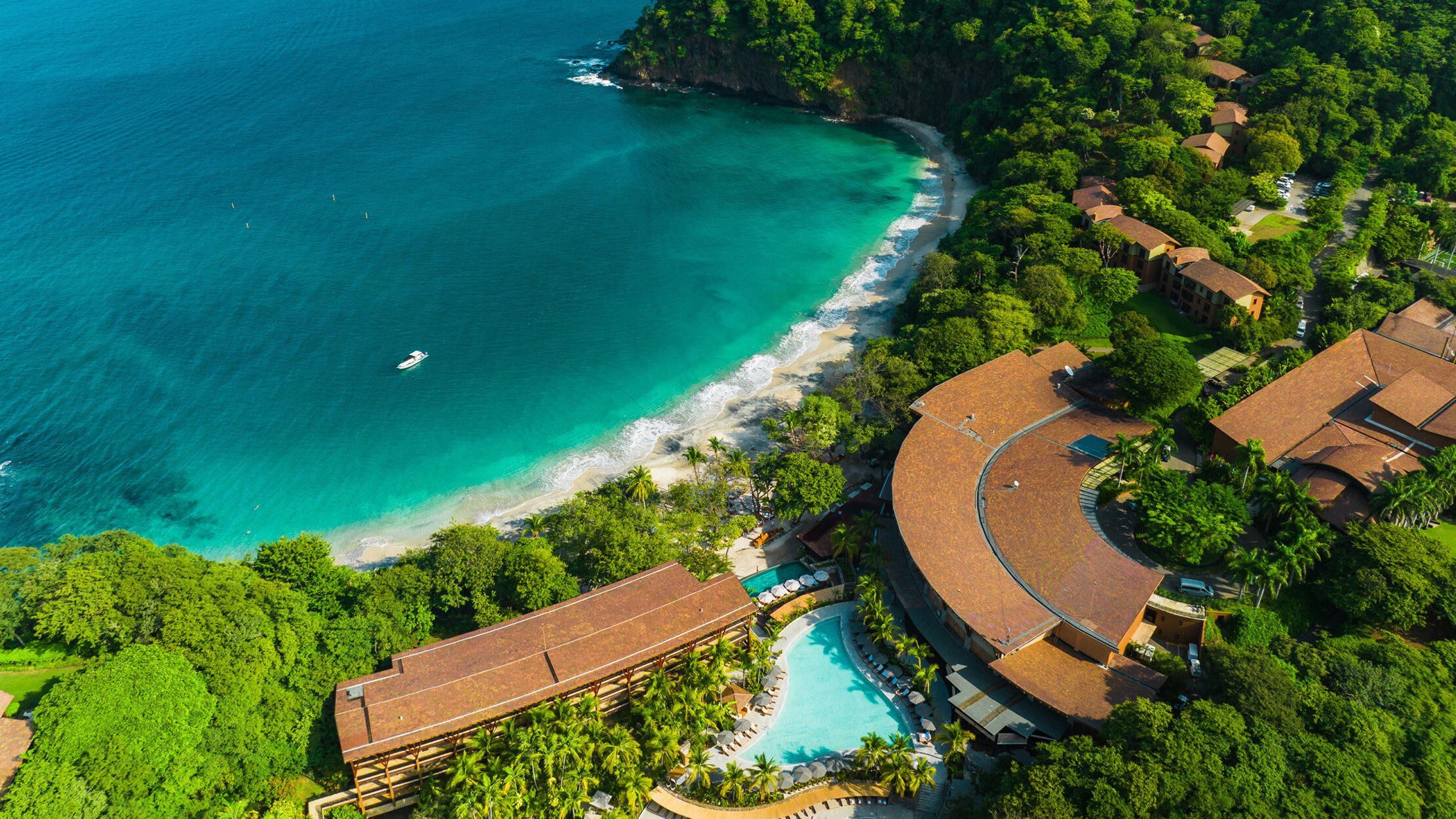
Bars in Guanacaste
Browse all →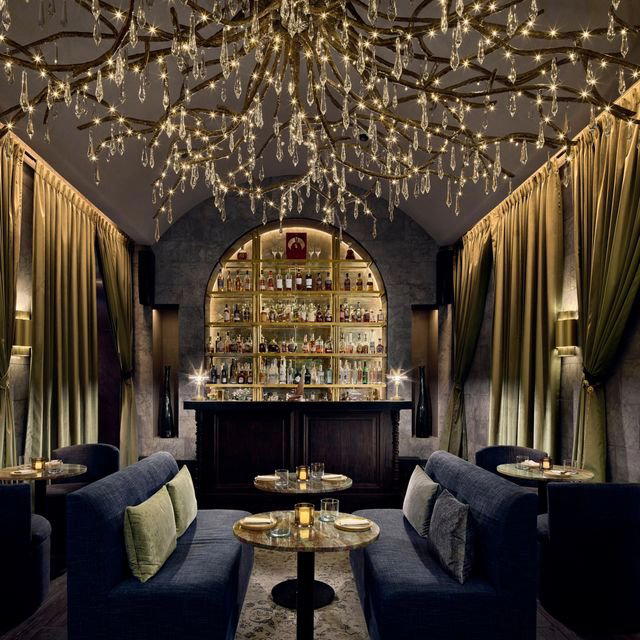


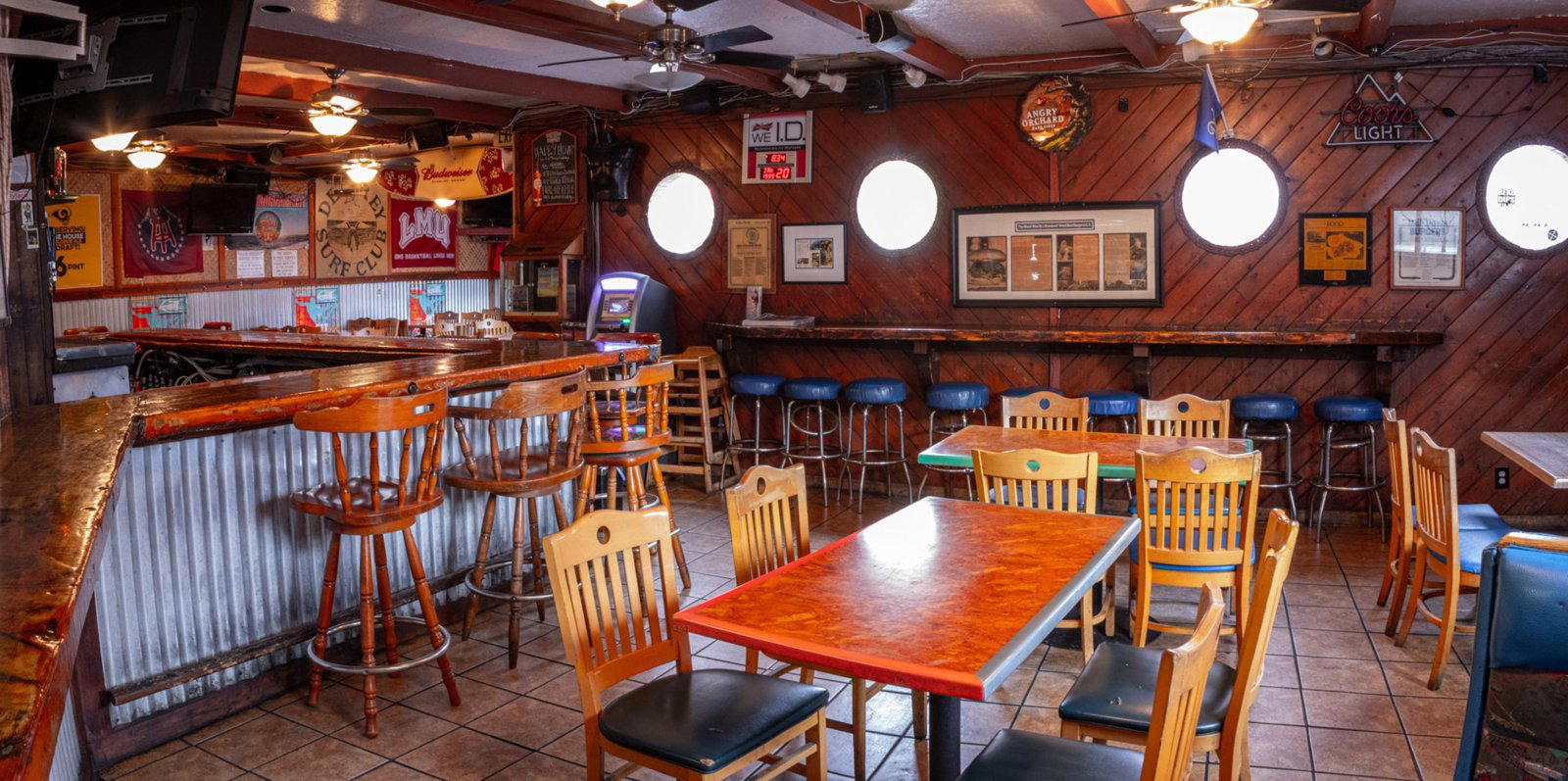
Restaurants in Guanacaste
Browse all →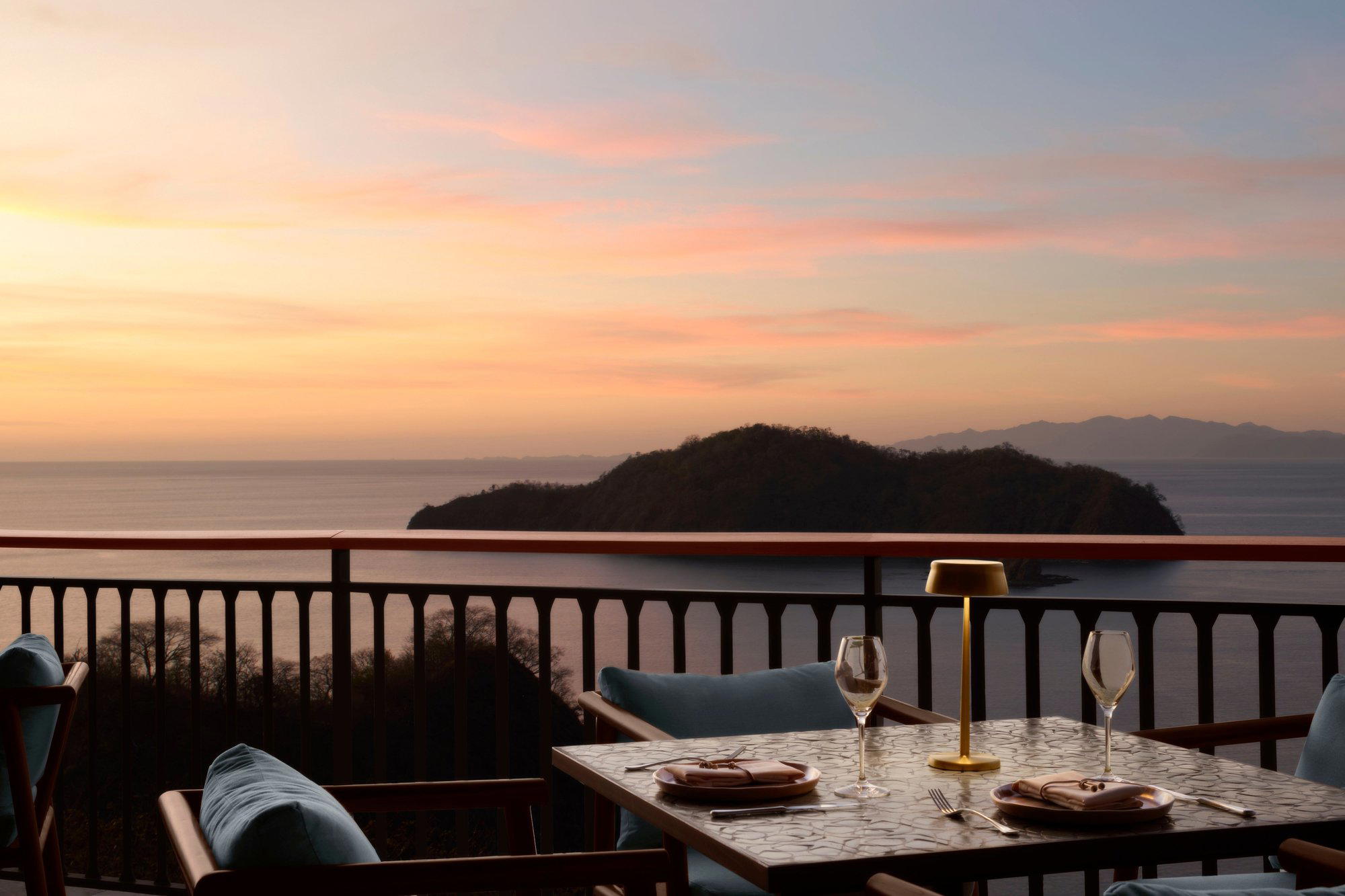
At a Glance
- Romantic
- Elegant
- Scenic
- Sophisticated
- Ornate
- Honeymoon
- Romantic Getaway
- Wellness Retreat
- Family Vacation
- Infinity Pool
- Private Villa
- Butler Service
- Beachfront
- Destination Spa
- Wi Fi
- Pool
- Spa
- Fitness Center
- Room Service
- Concierge
- Valet Parking
- Kids Club
- Beach Access
- Golf Course
- Mountain
- Wi Fi
- Pool
- Spa
- Fitness Center
- Room Service
- Concierge
- Valet Parking
- Kids Club
- Beach Access
- Golf Course
Serene treetop wellness atmosphere with panoramic ocean views, natural light through floor-to-ceiling glass, and immersive connection to surrounding rainforest and sea.