Avra Dallas

Avra Dallas brings the Greek-Mediterranean tradition of ingredient-forward cooking to the Crescent Court, positioning itself in a Dallas fine dining tier where seafood and olive oil-driven menus remain a relative rarity. The format follows the Avra model established in New York and Beverly Hills: whole fish, raw bar, and shareable mezze built around quality imports rather than culinary spectacle.
Pearl is the En Primeur Club membership app — saves, bookings, and concierge access live there. Same editors, same standards.
- Address
- 300 Crescent Ct #120, Dallas, TX 75201
- Phone
- (214) 294-8888
- Website
- theavragroup.com
- Directions
- Get directions
 Saves & bookings on Pearl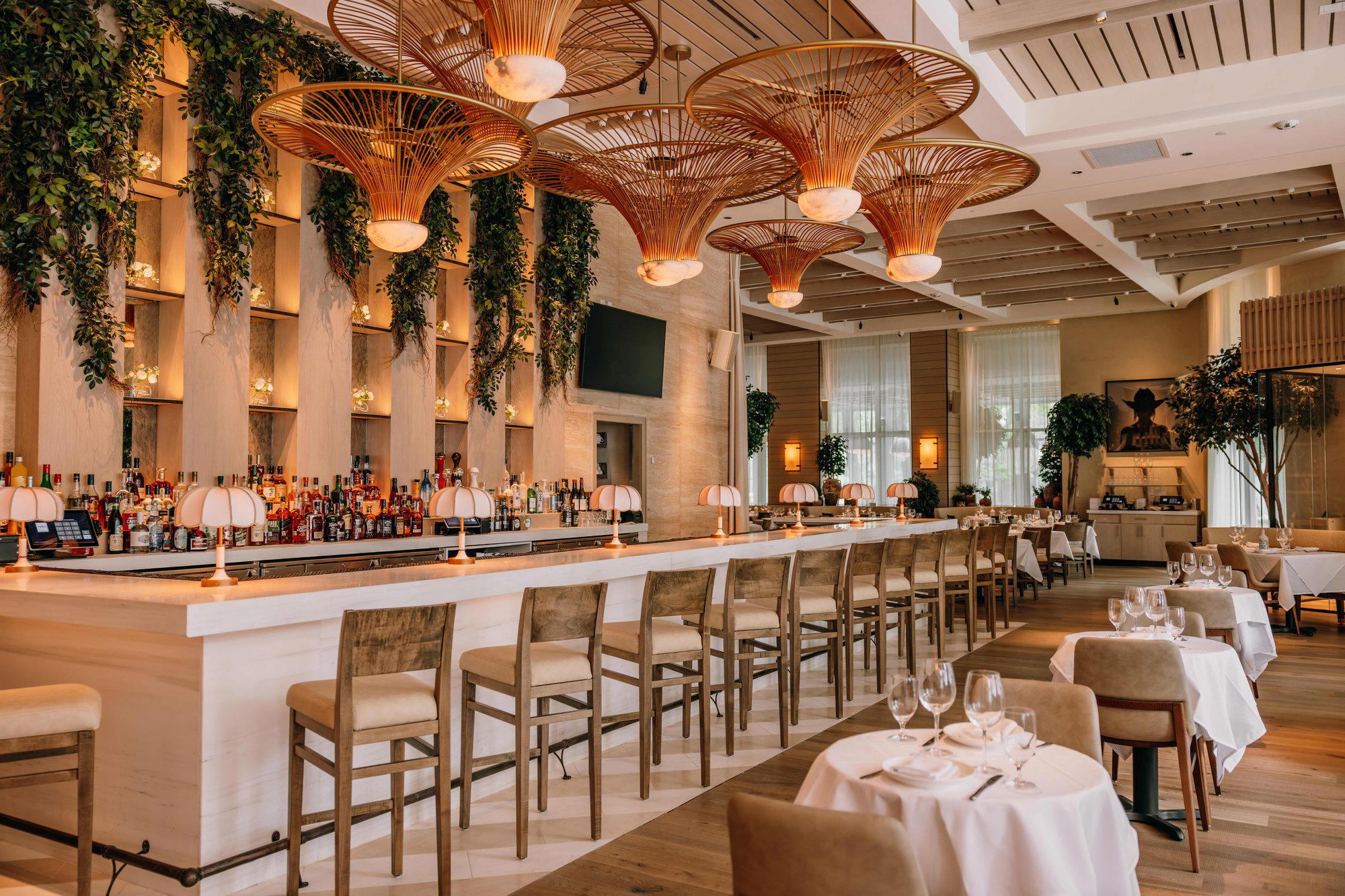
The Olive Oil Argument at the Centre of the Plate
Greek cuisine in American fine dining has long occupied an awkward middle position: too familiar to read as exotic, too ingredient-dependent to translate well when sourcing is compromised. The Avra group, with locations in New York and Beverly Hills before arriving in Dallas, has built its reputation on the quality of the olive oil, the fish, and the imported pantry items. At 300 Crescent Court in Dallas's Uptown district, that argument now has a Texas address.
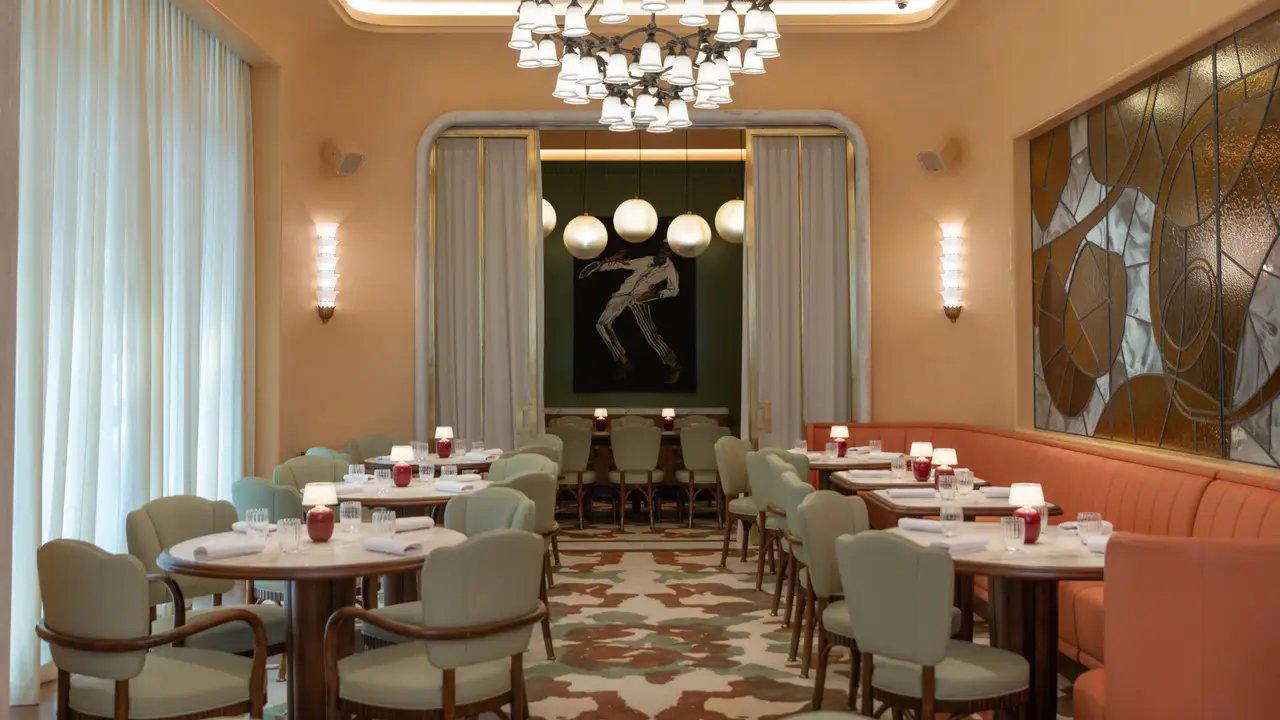
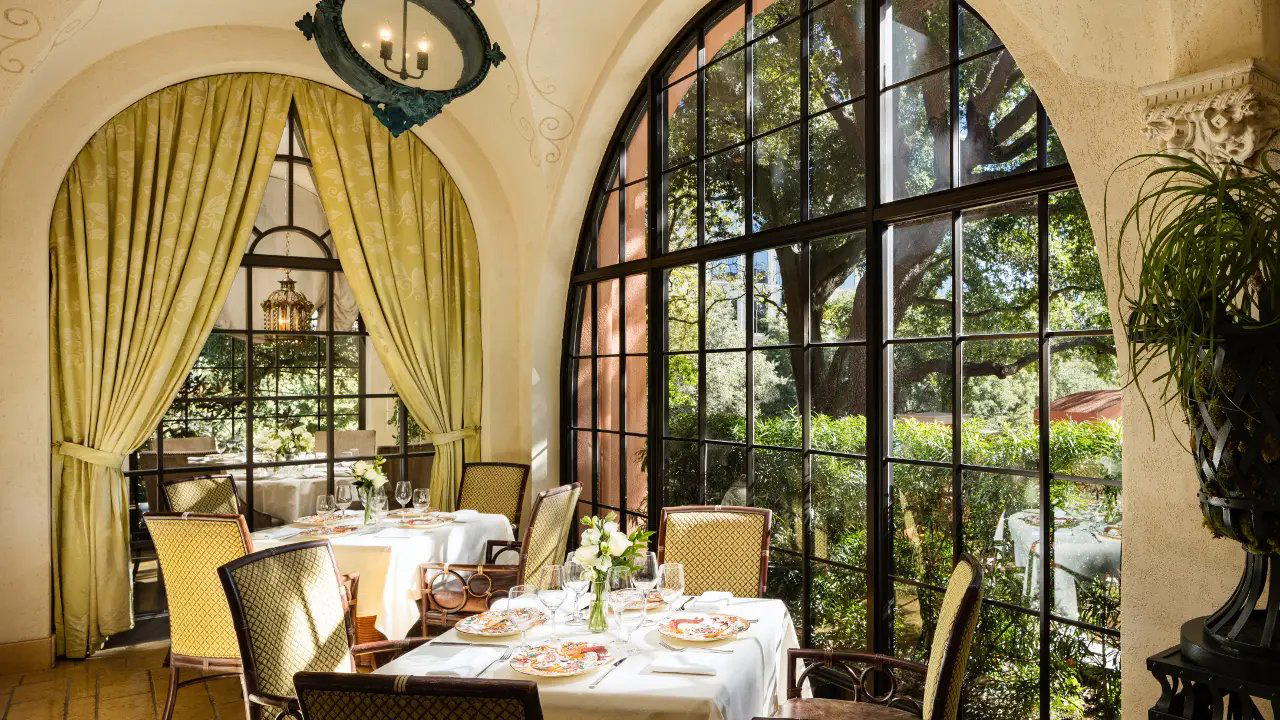
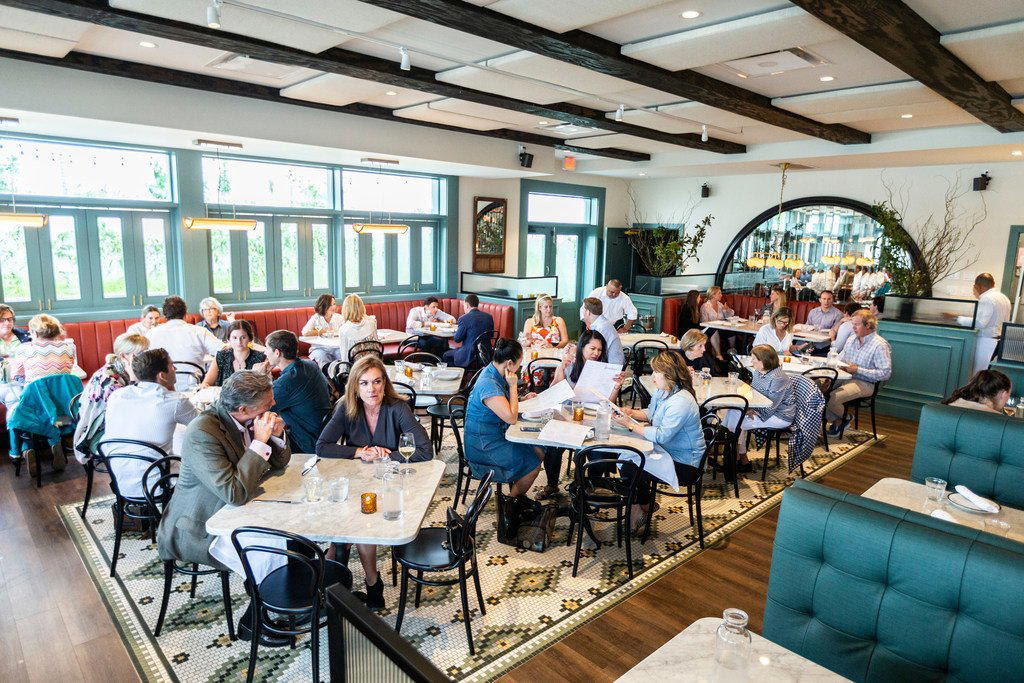
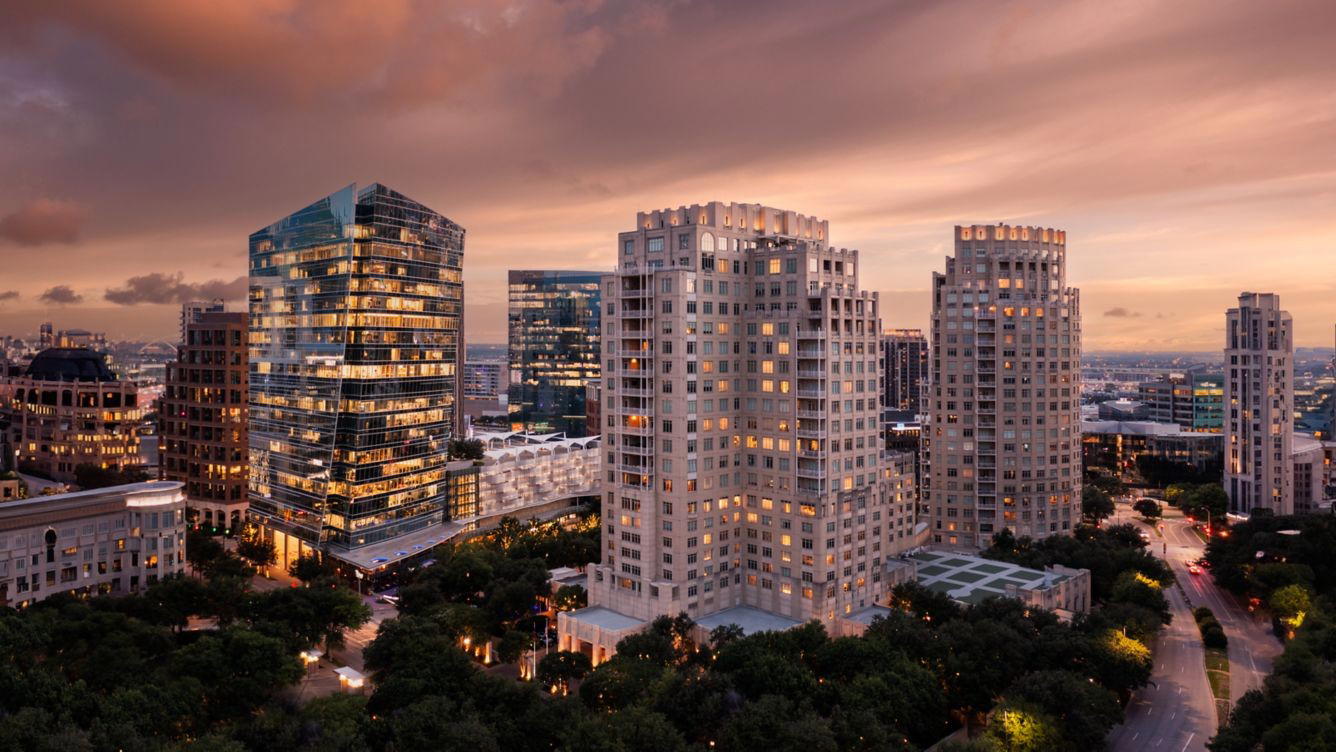
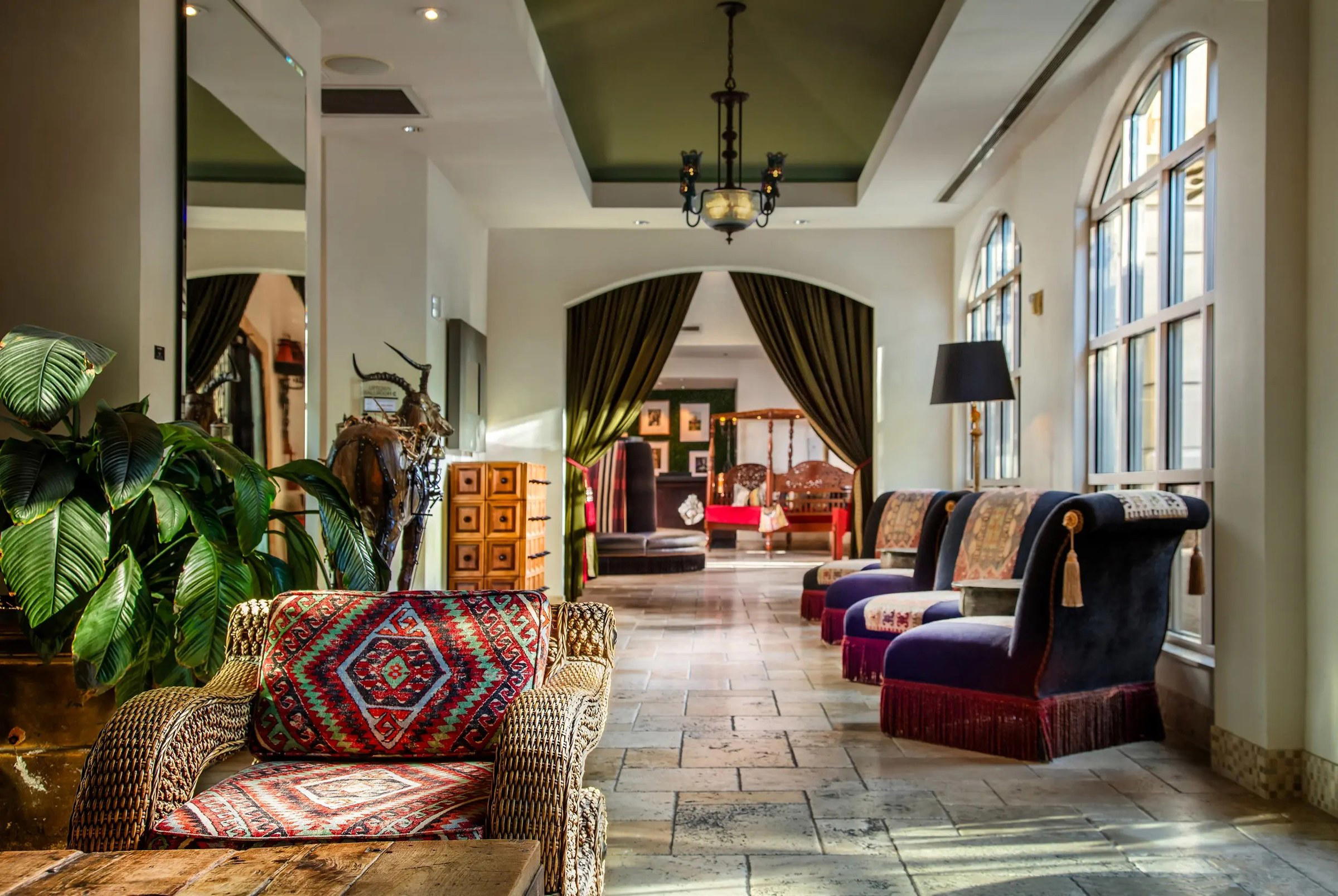
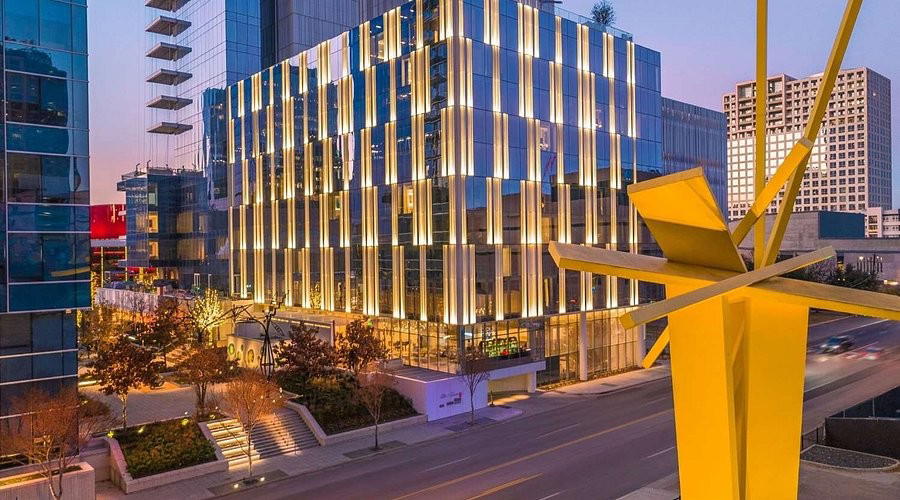
The Crescent Court complex sets the register before you step inside. It is the kind of address where the architecture signals a price tier and a crowd that expects service to move efficiently. Avra fits that context with a room designed around open space rather than intimacy, the kind of dining environment where a business lunch and a celebratory dinner can coexist in the same service without friction. The light is handled well enough that the raw bar display, typically a focal point of any Avra location, reads as the visual centrepiece it is meant to be.
What the Olive Oil Foundation Actually Means
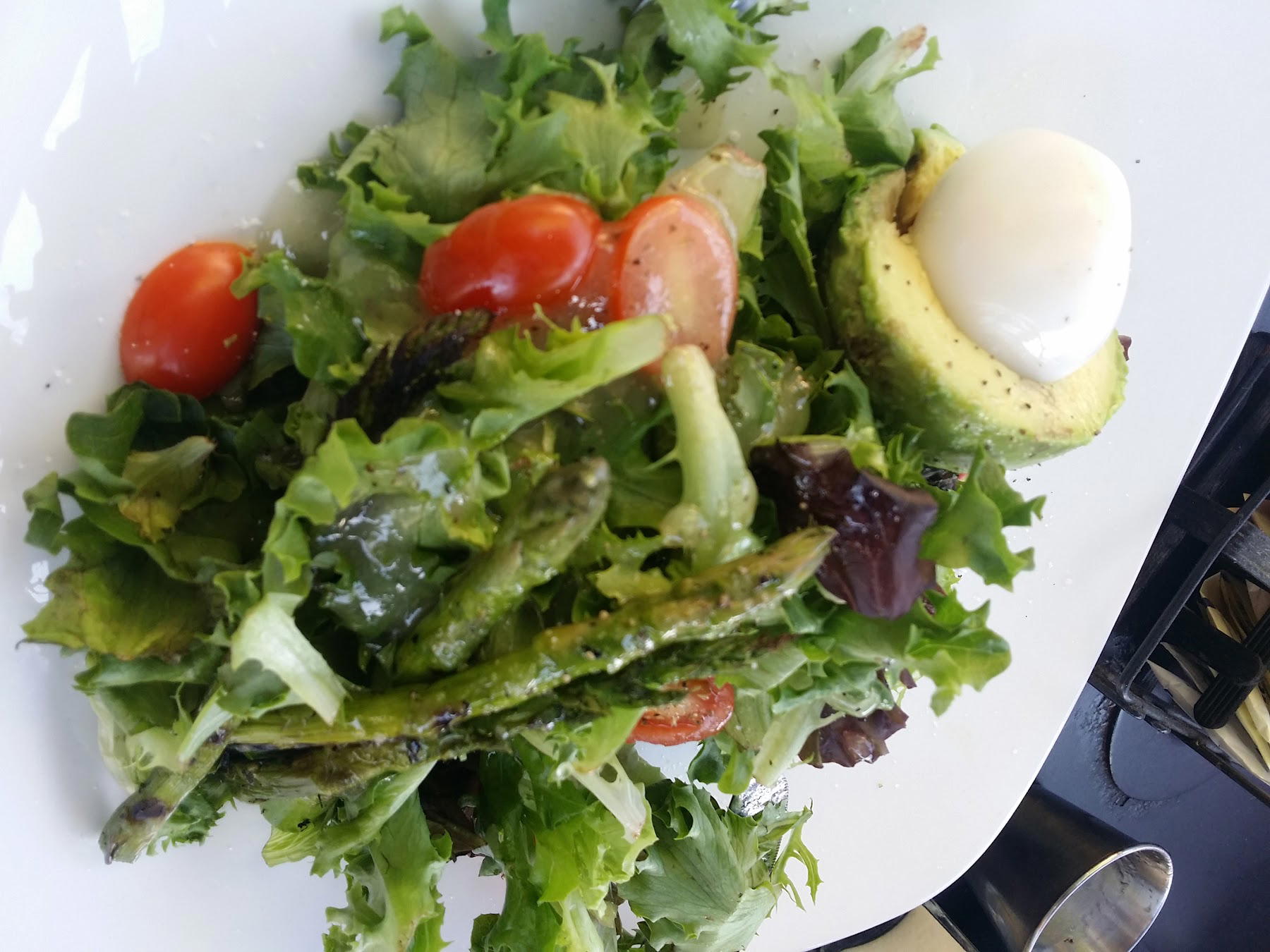
In Greek cooking, olive oil is not a finishing touch or a cooking medium used interchangeably with butter. It is the structural base of the cuisine, and the quality gap between mass-market blended oil and a single-estate Greek extra virgin is wide enough to change the character of a dish entirely. The Avra model has always traded on this distinction: importing Greek oils and treating them as pantry-level commitments rather than decoration. In practice, that means the simplest preparations, a grilled branzino, a plate of horiatiki, a spread of taramosalata, carry more weight than their component count suggests.
This is the lens through which the menu makes most sense. A Greek taverna format in an American fine dining context is not trying to outperform a three-Michelin-starred kitchen on technical complexity. The competition it wins, when it wins, is on raw material quality and restraint. The whole fish program, which has been a signature element across Avra's locations, asks the kitchen to do little beyond sourcing correctly and cooking with discipline. That is either one honest approach to Mediterranean cooking or a format that exposes every sourcing weakness immediately, depending on the night.
Dallas Fine Dining, Greek, and the comparable set Question
Dallas's upper dining tier skews heavily toward steakhouses, Southwestern formats like Fearing's, and Italian rooms. Greek and broader Eastern Mediterranean cooking occupies a narrower band. Babel, which works in a Lebanese-influenced Mediterranean register, addresses some of the same appetite for imported pantry ingredients and shareable formats. But the specific Greek identity, with its particular relationship to seafood, olive oil, and Aegean sourcing, does not have deep competition in the Dallas market at the fine dining price point.
That relative positioning matters. Avra in Dallas is not competing against a deep field of peer venues the way its New York location does, where Milos and other Greek-focused fine dining operations set a high bar for whole fish and raw bar execution. In Dallas, it enters a market where the category itself is thin, which raises both the opportunity and the responsibility. Readers who have eaten at the New York or Beverly Hills locations will likely find the format familiar; first-time guests arriving through Dallas's existing dining vocabulary will be working out the grammar of the cuisine as they order.
For reference points on where Avra sits in the conversation about ingredient-driven fine dining, the comparison set runs from Mediterranean-influenced rooms to the broader category of produce-forward American formats. Venues like Single Thread Farm in Healdsburg and Lazy Bear in San Francisco operate at the far end of sourcing-obsessed fine dining; Avra's approach is less chef-driven and more ingredient-platform in character. The comparison to European-anchored rooms like Alain Ducasse at Louis XV in Monte Carlo is useful only in the sense that both treat olive oil as a serious kitchen input rather than an afterthought. Closer to home, precision-focused formats like Le Bernardin in New York City and technique-led counters like Atomix in New York City represent different points on the spectrum of what fine dining seriousness can look like.
How Avra Fits Inside Dallas's Broader Dining Picture
Uptown Dallas has the density of high-end addresses to support a venue at Avra's price register. The Crescent Court location places it alongside hotel dining and corporate expense-account formats that the neighbourhood has accommodated for decades. What distinguishes the Avra proposition from neighbours like Al Biernat's, a Dallas institution built on relationships and steakhouse reliability, is the cuisine's fundamentally different logic. Al Biernat's rewards regulars with consistency in a format Dallas understands well. Avra asks the same demographic to trust that simplicity backed by imported ingredients is worth a comparable price point.
The comparison to Italian formats is instructive. Barsotti's operates in an Italian register where olive oil, pasta quality, and imported pantry goods are also the argument, and where Dallas diners have shown consistent appetite for that proposition. Greek food makes the same claim but has less cultural scaffolding in the Dallas market to rely on. Avra's brand recognition from its other markets does some of that scaffolding work on arrival.
For Japanese fine dining at a comparable price tier, Tatsu Dallas represents a different expression of the ingredient-first philosophy, where the sourcing argument is made through fish quality and rice rather than olive oil and Aegean imports. Mamani offers yet another lens on how Dallas's upper dining tier handles non-American culinary traditions. The pattern across all of them is that Dallas's fine dining market has become genuinely pluralistic at the leading end, which is the context in which Avra's Mediterranean specificity finds its footing.
Planning Your Visit
Avra Dallas is located at 300 Crescent Court, Suite 120, in Dallas's Uptown district. The Crescent Court address is accessible by car, and the venue draws from both hotel guests within the development and the broader Uptown dinner crowd. Reservations are essential; walk-in availability at the raw bar or bar area is more limited.
Quick Comparison
Comparable venues nearby, for context on price, style, and recognition.
| Venue | Cuisine | Price | Notes |
|---|---|---|---|
| Avra DallasThis venue — the venue you are viewing | Refined Greek Seafood Estiatorio | $$$$ | Not listed |
| Avra Estiatorio | Greek Mediterranean Seafood | $$$$ | Uptown |
| Sugoi Sushi | Edomae-Style Sushi | $$$$ | La L'aceate |
| STK - Dallas | Modern American Steakhouse | $$$$ | LoMac |
| Brass Ram | Classic Prime Rib Steakhouse | $$$$ | Main Street District |
| The Mercury | New American with French, Asian & Sushi Influences | $$$$ | Preston Hollow |
Recognition history
Dated appearances from independent guides and award organizations, with the underlying list record or original source where available.
Wine Spectator Best of Award of Excellence
Wine Spectator


At a Glance
- Elegant
- Sophisticated
- Date Night
- Special Occasion
- Business Dinner
- Open Kitchen
- Sustainable Seafood
Current opening hours
- Monday
- 11 AM–11 PM
- Tuesday
- 11 AM–10 PM
- Wednesday
- 11 AM–10 PM
- Thursday
- 11 AM–10 PM
- Friday
- 11 AM–11 PM
- Saturday
- 11 AM–11 PM
- Sunday
- 11 AM–9:30 PM
Hours can change for holidays and private events. Last verified .
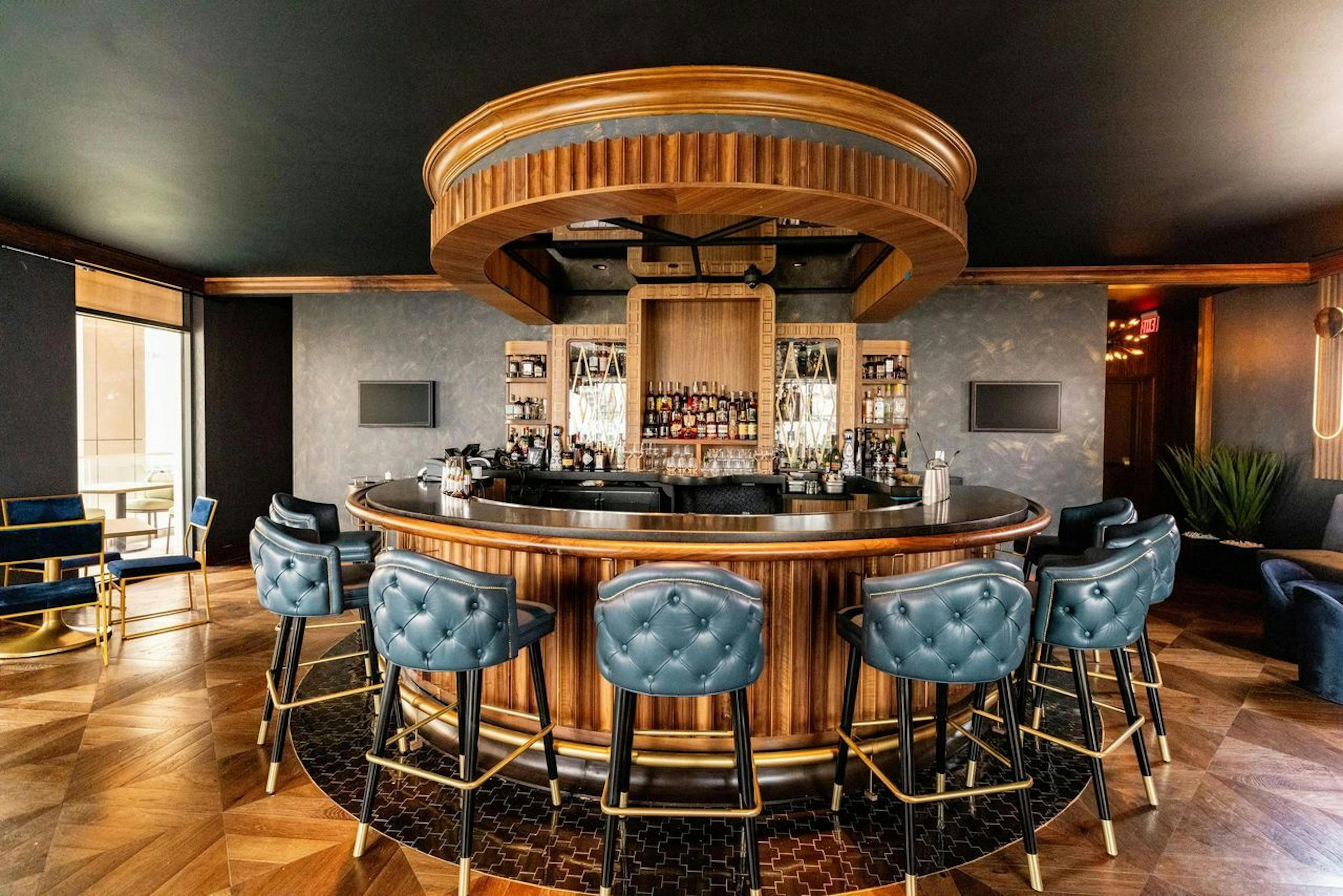
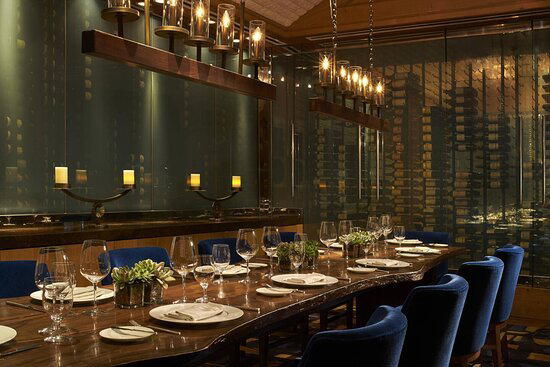
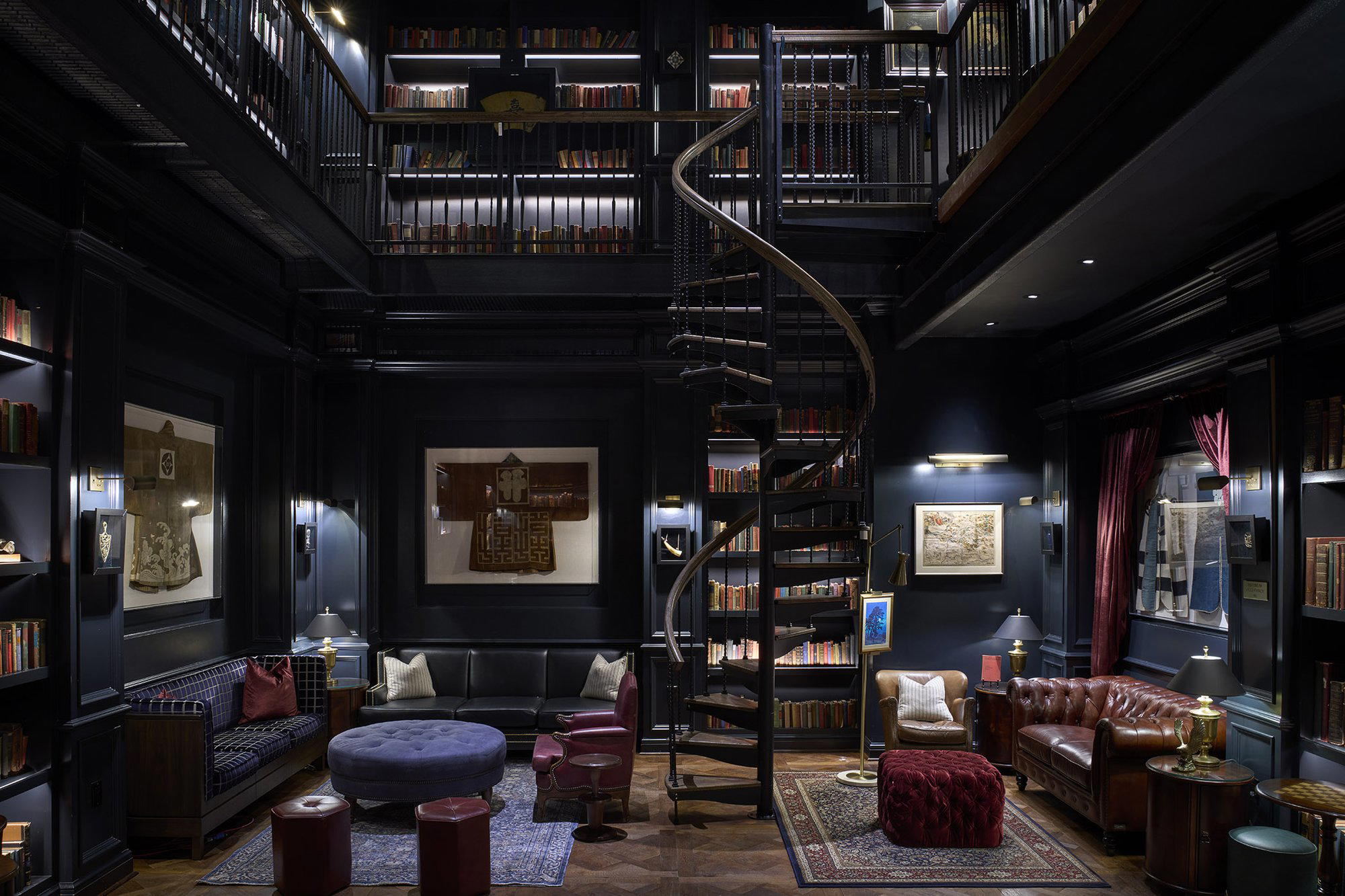
Modern and welcoming atmosphere with spacious dining room evoking Greek hospitality through elegant lighting and contemporary design.