Principessa
Our verdict
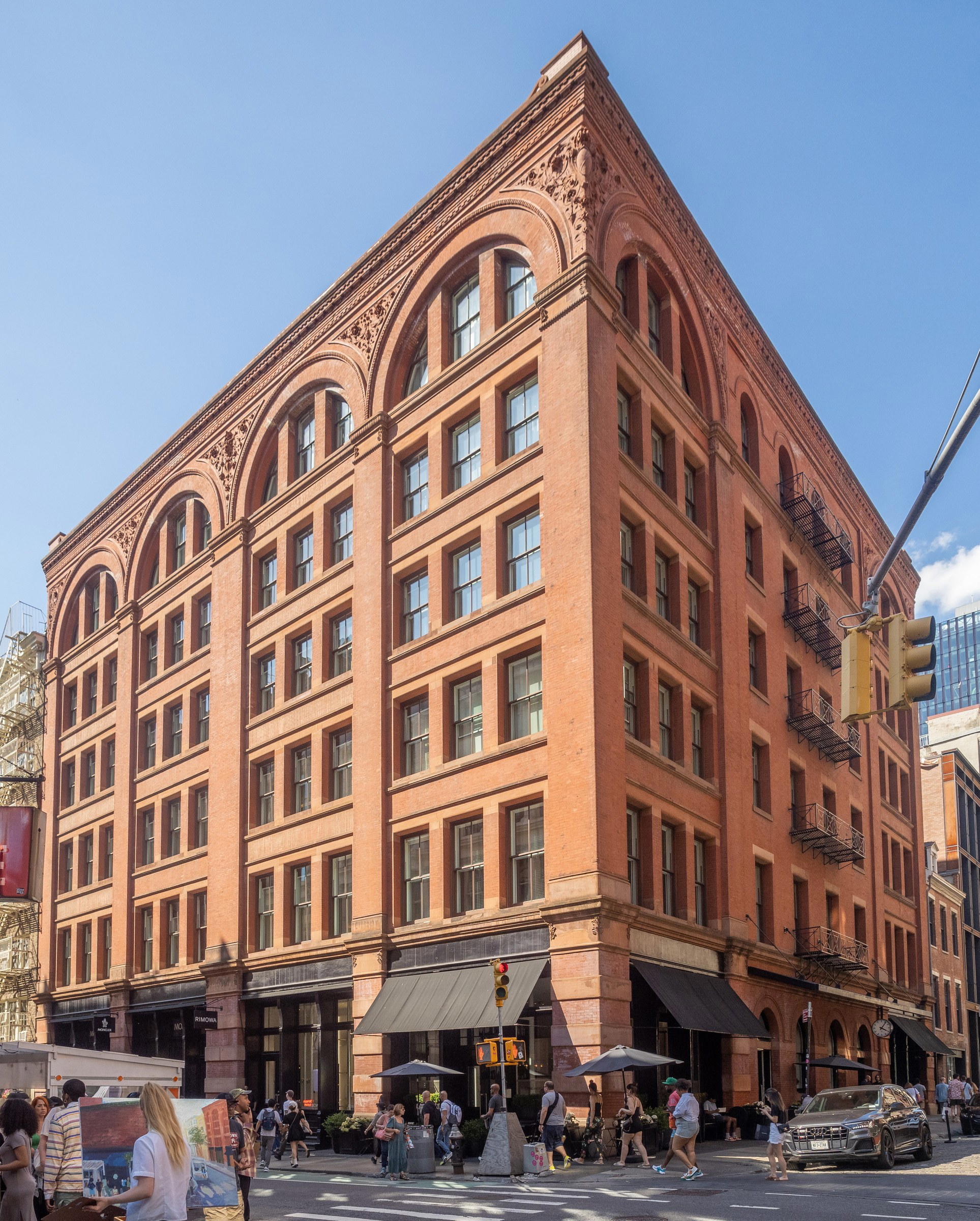
Located on Prince Street in SoHo, Principessa occupies one of downtown Manhattan's most contested dining corridors, where Italian-inflected concepts have cycled through reinvention for decades. The address at 199 Prince St places it squarely in a neighbourhood that rewards restaurants willing to evolve alongside a shifting, design-conscious clientele. Its trajectory reflects broader patterns in how SoHo dining has moved from casual to considered.

Pearl is the En Primeur Club membership app — saves, bookings, and concierge access live there. Same editors, same standards.
The menu
What to order
- Linguine alle vongole
- Spaghetti pomodoro
- Lambrusco
SoHo's Long Game: How Italian Dining on Prince Street Has Changed
Prince Street in SoHo has always been a proving ground. Since the neighbourhood transitioned from industrial lofts to boutique retail and upscale dining in the 1980s and 1990s, the blocks between West Broadway and Sixth Avenue have hosted a rotating cast of Italian-leaning restaurants that have had to adapt or close. The ones that survive long enough to matter tend to do so not by staying the same, but by reading the room — adjusting format, tightening sourcing, or repositioning on price as the neighbourhood's demographics shift around them. Principessa, at 199 Prince St, sits inside that ongoing story.
SoHo's dining character today is distinct from what it was even fifteen years ago. The area now draws a clientele that is simultaneously more internationally travelled and more locally anchored than the tourist-heavy foot traffic that defined parts of the aughts. The competitive pressure is horizontal rather than vertical — the question is not whether you can match the formality of a multi-Michelin counter, but whether you can hold your own against the wave of technically capable, atmosphere-forward rooms that have opened south of 14th Street over the past decade.
The Evolution of the Address
What has changed most visibly in SoHo Italian dining over the past two decades is the relationship between ambition and format. Early-generation Italian restaurants in the neighbourhood leaned on red-sauce familiarity and generous portions to anchor a broad audience. The reinvention wave that followed pushed toward a more produce-driven, region-specific approach, less Americanised Italian, more direct reference to specific regions of the peninsula. This mirrors national patterns visible at restaurants like Bacchanalia in Atlanta, where a similar pivot from comfortable classics toward ingredient-led specificity marked a generational shift in what fine-casual dining could mean.
Principessa's position on Prince Street puts it inside this evolution rather than outside it. The address itself carries the memory of multiple dining concepts, and any restaurant operating there now inherits both the foot traffic advantages and the expectation of staying current. In New York, where a restaurant's ability to reinvent is often the most reliable signal of its seriousness, longevity at a single address is read as evidence of adaptability, not complacency.
The broader American fine dining context is worth noting here. At properties like Single Thread Farm in Healdsburg or Blue Hill at Stone Barns in Tarrytown, the evolution has moved toward hyper-local sourcing narratives. In SoHo, the equivalent shift has been toward a more edited, less maximalist approach to Italian cuisine, fewer dishes, more precision, a wine list that reflects the same regional specificity as the kitchen. It is a different kind of restraint from what you find at a tasting-menu counter like Masa or Atomix, but the underlying logic is similar: reduction as a form of commitment.
Where Principessa Sits in Downtown's Current Hierarchy
Downtown Manhattan's Italian dining tier has stratified considerably. At one end, there are the neighbourhood standbys that trade on decades of loyalty and have no particular interest in critical recognition. At the other end, a smaller cohort of restaurants on and around Prince Street has been working toward a more deliberate identity, tighter menus, better sourcing transparency, a wine program that goes beyond the obvious Barolos and Chiantis. Principessa occupies a position in that second tier, where the guest profile skews toward the design-industry and creative-professional crowd that has defined SoHo's cultural identity since the gallery era.
Comparative context is useful here. In New York's broader fine dining conversation, the best of the market is anchored by rooms like Jungsik New York, where the format is highly controlled and the price point reflects it. Italian restaurants in SoHo generally operate a tier below that ceiling, competing on atmosphere and craft rather than on tasting-menu ambition. The analogy holds internationally: in Hong Kong, 8 1/2 Otto e Mezzo Bombana operates Italian fine dining at a Michelin three-star level; in Monte Carlo, Alain Ducasse at Louis XV sets the ceiling for Mediterranean-inflected luxury. SoHo's Italian rooms are not competing in that register, but they are increasingly aware of what that register looks like, and the better ones have absorbed lessons from it without imitating the format.
For readers building a broader New York itinerary, our full New York City restaurants guide maps the competitive field across price tiers and neighbourhoods.
Planning Your Visit
| Venue | Neighbourhood | Price Tier | Format | Booking Lead Time |
|---|---|---|---|---|
| Principessa | SoHo | Not confirmed | Not confirmed | Not confirmed |
| Le Bernardin | Midtown | $$$$ | À la carte / tasting | 4–6 weeks |
| Atomix | Flatiron | $$$$ | Tasting counter | 8–12 weeks |
| Masa | Columbus Circle | $$$$ | Omakase counter | 6–10 weeks |
| Per Se | Columbus Circle | $$$$ | Tasting menu | 4–8 weeks |
For visitors combining Principessa with a wider East Coast itinerary, relevant reference points include The Inn at Little Washington for formal American dining, and Emeril's in New Orleans for a different take on how American fine dining has navigated reinvention over decades. On the West Coast, Providence in Los Angeles, Lazy Bear in San Francisco, Alinea in Chicago, and Addison in San Diego each represent a regional answer to the same question SoHo's restaurants are asking: what does sustained ambition look like in a format that was built for a different era?
Frequently asked questions
What should I eat at Principessa?
How hard is it to get a table at Principessa?
Is Principessa a good choice for a dinner in SoHo if I want Italian without a full tasting-menu commitment?
Same-City Peers
| Venue | Cuisine | Price | Awards | Notes |
|---|---|---|---|---|
| PrincipessaThis venue — the venue you are viewing | Italian | Not listed | Not listed | Not listed |
| Le Bernardin | French Seafood Fine Dining | $300–500 | 3 Michelin Stars · World's 50 Best #13 | French, Seafood |
| Atomix | Modern Korean Tasting Menu | $300–500 | 2 Michelin Stars · World's 50 Best #7 | Modern Korean, Korean |
| Masa | Traditional Japanese Omakase | $500+ | 2 Michelin Stars · World's 50 Best #27 | Sushi, Japanese |
| Per Se | French Fine Dining Tasting Menu | $300–500 | 3 Michelin Stars · World's 50 Best #40 | French, Contemporary |
| Jungsik New York | Modern Korean Fine Dining | $200–300 | 3 Michelin Stars · World's 50 Best #18 | Progressive Korean, Korean |
Continue exploring
More in New York City
Restaurants in New York City
All restaurants in New York City →
Bars in New York City
All bars in New York City →
Details
- Romantic
- Intimate
- Cozy
- Trendy
- Date Night
- Casual Hangout
- Brunch
- Standalone
- Craft Cocktails
- A La Carte
- Cocktails
- Wine
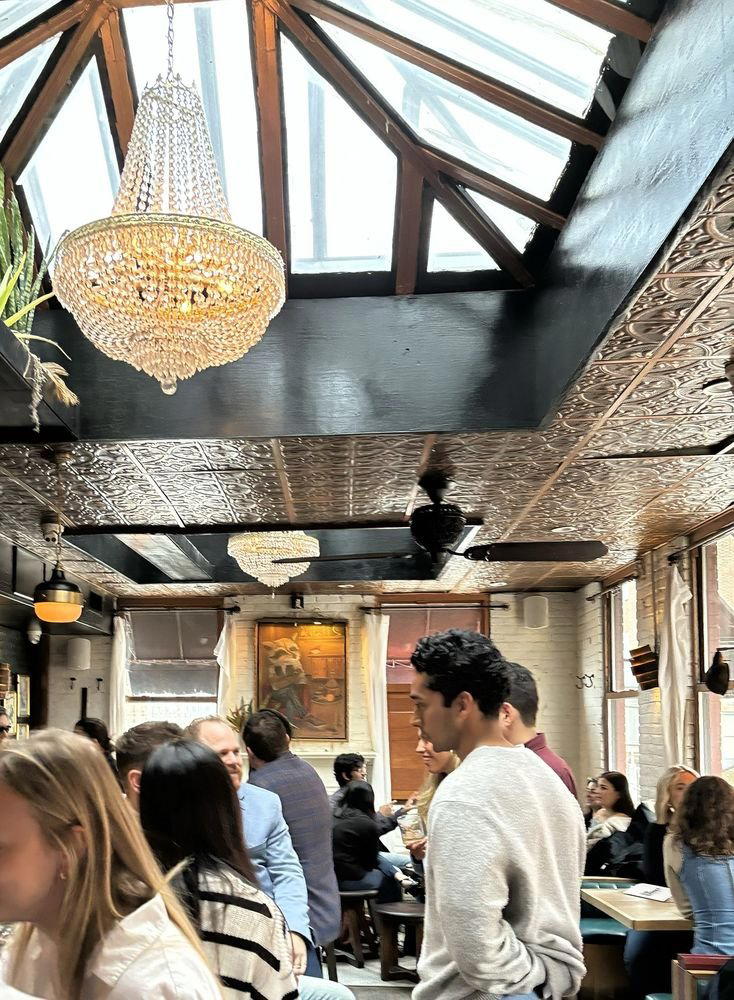
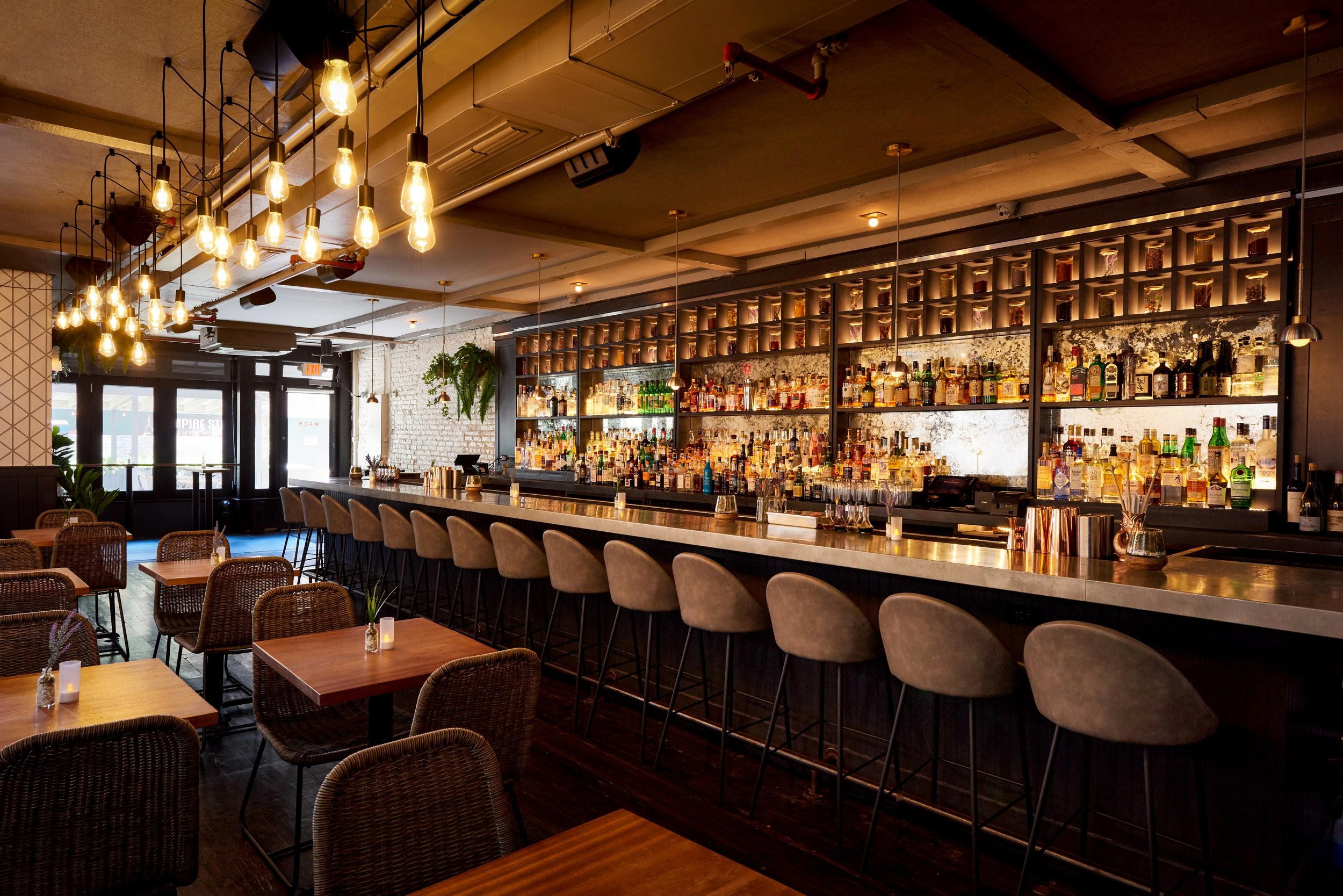
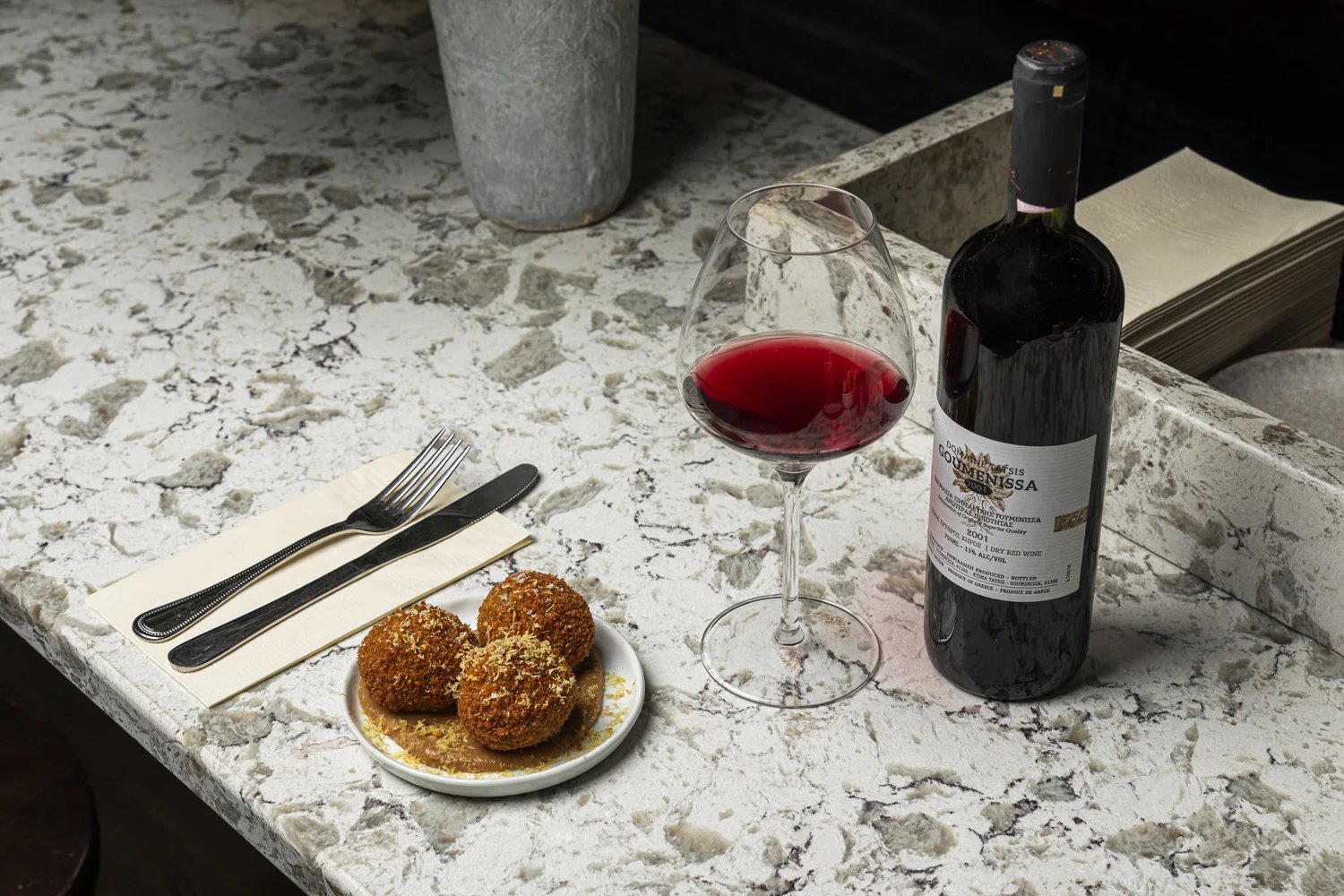
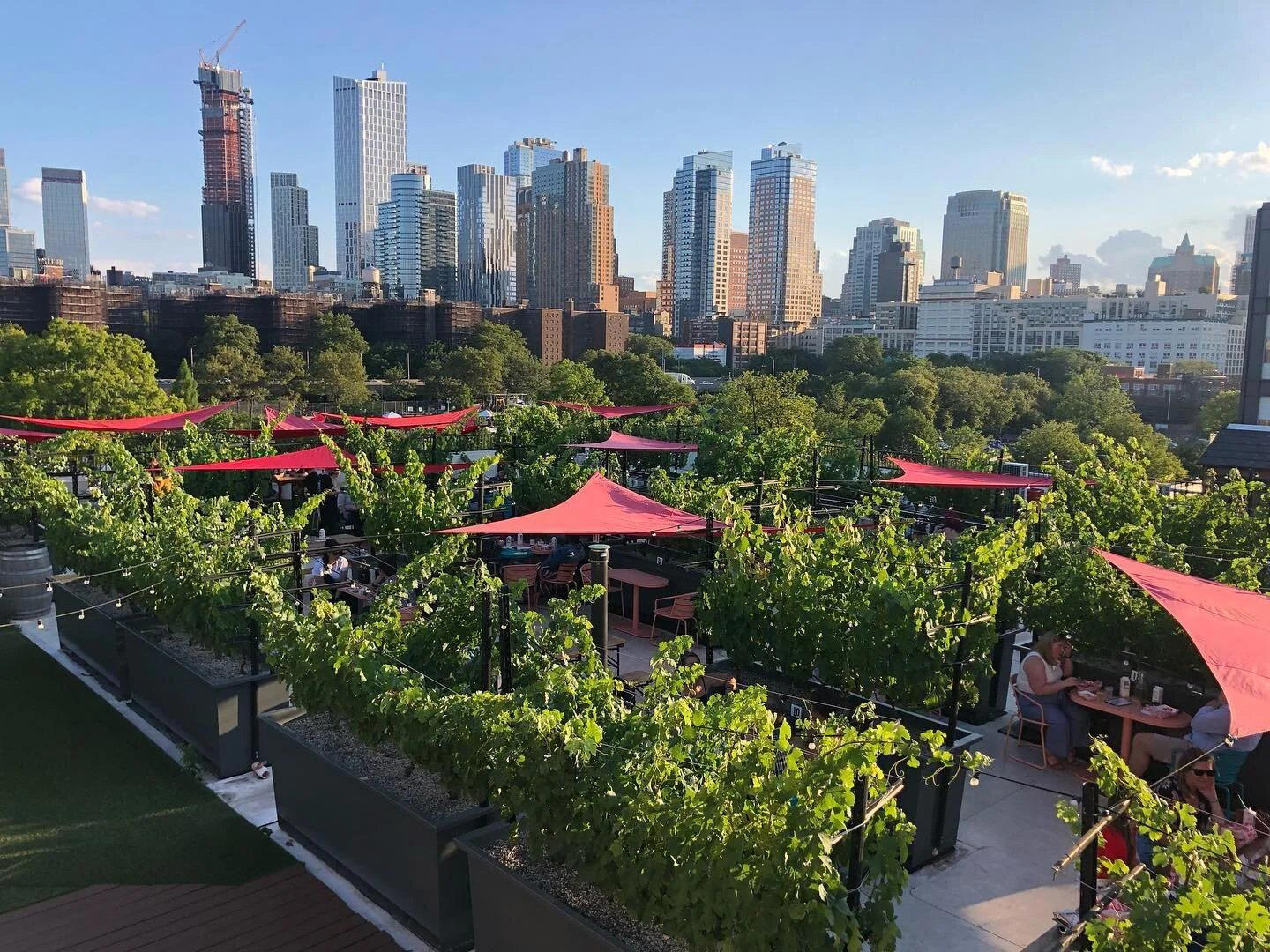
A slightly Euro-ish, white-walled alcove with a cozy, date-night feel and a bar-forward cocktail atmosphere.