Primo
Our verdict
Primo sits along Wayzata Boulevard in Long Lake, Minnesota, occupying a quiet stretch of the western Twin Cities suburbs where farm-to-table commitments tend to be stated loudly and practiced quietly.

Pearl is the En Primeur Club membership app, where members save venues, book tables and use the concierge.
The menu
What to order
- Spaghetti & Meatballs
- Pork Piccata
- Sea Bass
Where the Ingredients Tell the Story First
Approaching Primo along Wayzata Boulevard, the setting is characteristically Minnesotan: lake-country quiet, the kind of low-density western suburb where the dining room tends to precede any surrounding foot traffic. Long Lake sits roughly twenty miles west of Minneapolis, and restaurants at this address operate at a remove from the urban dining density that generates automatic discovery. That distance is not a liability for a room that has built its identity around what arrives from nearby farms and producers rather than what trends arrive from coastal cities.
The premise at Primo belongs to a broader American dining movement that has hardened from trend into philosophy over the past two decades. Farm-to-table language became so widespread in the 2010s that the phrase lost precision, but the restaurants that took the sourcing commitment seriously, where the menu genuinely changes based on what the land produces rather than what a corporate produce distributor can reliably deliver, formed a distinct and smaller cohort. Primo operates in that discipline. The conversation about where the food comes from is not supplementary material; it is the organizing principle of the menu itself.
Ingredient Sourcing as the Operating Logic
The most instructive comparison point for understanding what sourcing-led restaurants actually do differently is to look at the extremes. At one end, Blue Hill at Stone Barns in Tarrytown operates with an on-premises farm supplying the kitchen directly, a model that collapses the distance between soil and plate to nearly zero. At the other, Single Thread Farm in Healdsburg integrates its own eleven-acre farm into a kaiseki-influenced tasting format, where seasonal constraint is architectural rather than decorative. Both sit at the apex of the farm-to-table tier, each carrying Michelin recognition that ratifies the rigor of their approach.
Primo does not operate at that price ceiling or with that infrastructure, but the philosophical alignment is real. In the Upper Midwest, the sourcing conversation is shaped by a particular seasonal compression: summers that deliver extraordinary produce windows, winters that demand a different kind of discipline. The restaurants that take regional sourcing seriously in Minnesota must develop genuine relationships with local growers and accept menu instability as the cost of that commitment. Generic produce from a national distributor offers consistency; local sourcing in the northern Midwest offers authenticity at the price of predictability.
That trade-off positions Primo inside a regional dining culture that values substance over spectacle. The western Twin Cities suburbs have produced a handful of kitchens that quietly pursue this model without the press infrastructure that rewards their urban counterparts. Birch's on the Lake Brewhouse and Supperclub, also in Long Lake, occupies the more casual end of the local dining register, where the lake-country supper club tradition has deeper roots than farm-to-table sourcing. Primo reads as the counterpoint: a room more focused on plate discipline than on the convivial supper club format that defines much of the suburban lake-country dining identity.
The Regional Context That Shapes the Menu
American farm-to-table dining has developed in clusters, and those clusters tend to be coastal or anchored to specific agricultural regions. Northern California gave rise to The French Laundry in Napa and the Chez Panisse tradition that preceded it. The Pacific Northwest built its sourcing identity around seafood and foraged ingredients. The Midwest has its own sourcing logic, rooted in grain, livestock, freshwater fish, and a growing network of small-scale vegetable and herb producers who supply restaurants willing to absorb the operational complexity of working with non-standardized supply.
What distinguishes the better sourcing-led Midwest kitchens is that they do not pretend to replicate the California model. The ingredient vocabulary is different. Root vegetables carry more weight. Preserved and fermented preparations extend the productive season. Game and freshwater fish occupy positions that coastal sourcing programs rarely need to address. A room like Primo, situated where it is, draws on a different ingredient library than Providence in Los Angeles or Le Bernardin in New York City, and the most interesting version of that room leans into those differences rather than compensating for them.
The broader Midwest fine dining cohort has been quietly expanding its ambition. Alinea in Chicago operates at the progressive American tier with a technical emphasis that sits apart from sourcing-led philosophy, but kitchens like Frasca Food and Wine in Boulder and Brutø in Denver demonstrate that serious regional cooking at premium price points is no longer confined to major coastal markets. Bacchanalia in Atlanta has held its position as a sourcing-committed anchor in the Southeast for years. The pattern is consistent: ingredient-led restaurants that build genuine producer relationships find an audience, even when geography removes them from the publications and critics who typically drive reservation pressure.
Planning a Visit to Long Lake
Long Lake is accessible by car from Minneapolis in under thirty minutes via I-394 West, and the address on Wayzata Boulevard is direct to reach from the western suburbs. Given the limited dining concentration in the area, Primo functions as a destination rather than a walk-in room; arriving without a reservation on a weekend evening would be inadvisable. The western suburbs attract a local clientele that books ahead, and a kitchen operating on a sourcing-first model tends to have limited covers relative to the precision the format requires. Visitors from the Twin Cities metro combining dinner with a drive along the lake-country corridor west of Minneapolis will find the geography rewards the detour. For a fuller picture of what Long Lake's dining scene offers, our full Long Lake restaurants guide covers the range of options in the area.
How Primo Fits the Broader Sourcing-Led Tier
The restaurants that have built the most durable reputations in the farm-to-table category share a structural commitment that distinguishes them from kitchens that adopted the language without the operational discipline. Lazy Bear in San Francisco runs a ticketed dinner format that allows menu construction to respond to seasonal availability without the pressure of a la carte predictability. Addison in San Diego holds Michelin recognition for a menu that draws on Southern California's year-round agricultural depth. The Inn at Little Washington has anchored its identity to the Virginia countryside for decades. Causa in Washington, D.C. and Atomix in New York City each operate tightly controlled formats where the sourcing story runs underneath a more visible culinary identity. Emeril's in New Orleans and 8½ Otto e Mezzo Bombana in Hong Kong represent the named-chef model where individual reputation carries as much weight as sourcing discipline.
Primo in Long Lake does not carry the award infrastructure or press recognition of those rooms. What it represents, instead, is the quieter version of the same commitment: a kitchen in a low-visibility location that has chosen to organize itself around where the food comes from rather than around what the market currently rewards. In a suburb twenty miles west of a mid-sized American city, that choice is a clear one.
Frequently asked questions
Is Primo good for families?
Primo sits on Wayzata Boulevard in Long Lake, a suburban setting that lends itself to a relaxed pace rather than a high-pressure dining room. The sourcing-led format means the menu shifts with availability, which can be engaging for curious diners of most ages. Families planning a visit should check current hours and menu details directly with the restaurant before booking.
What's the vibe at Primo?
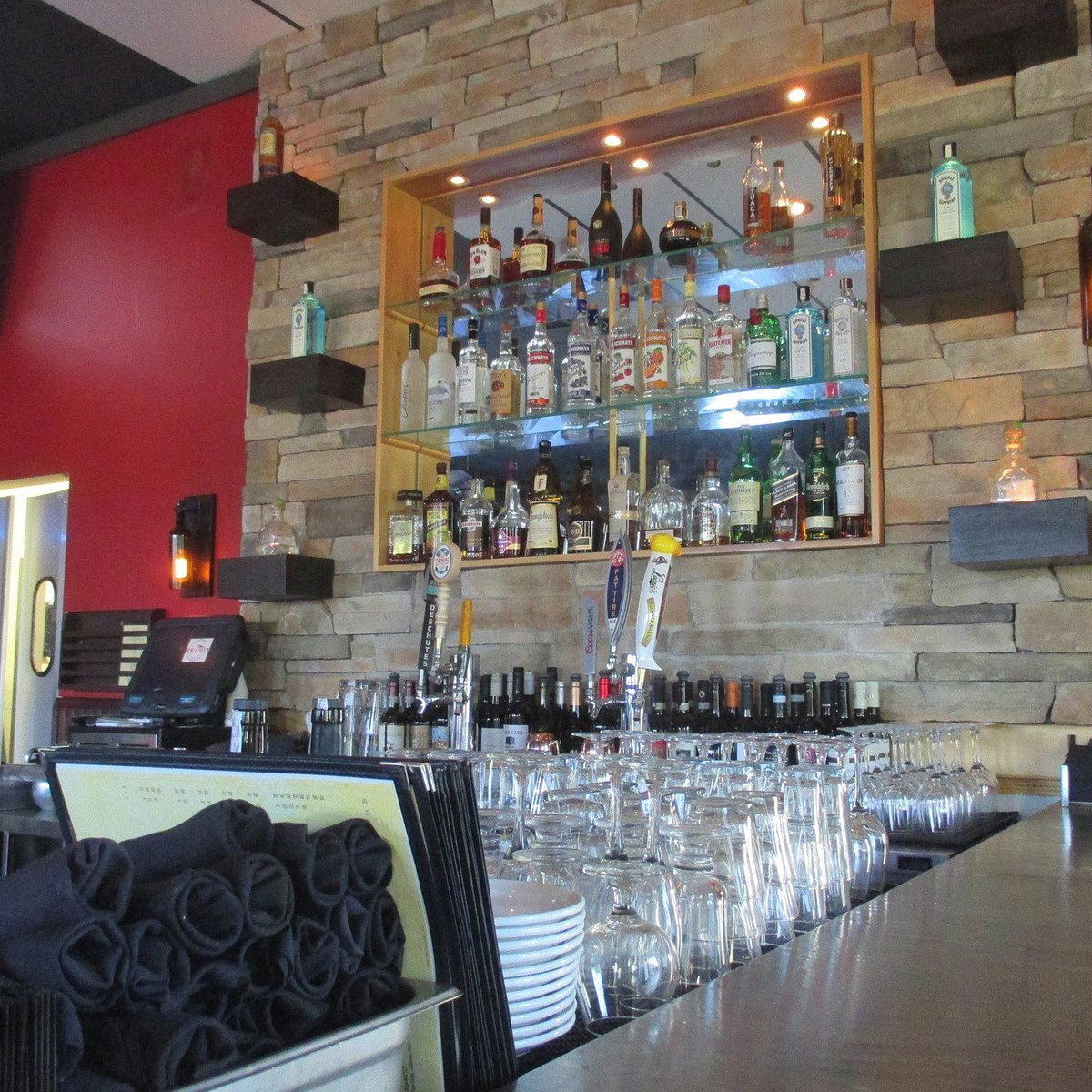
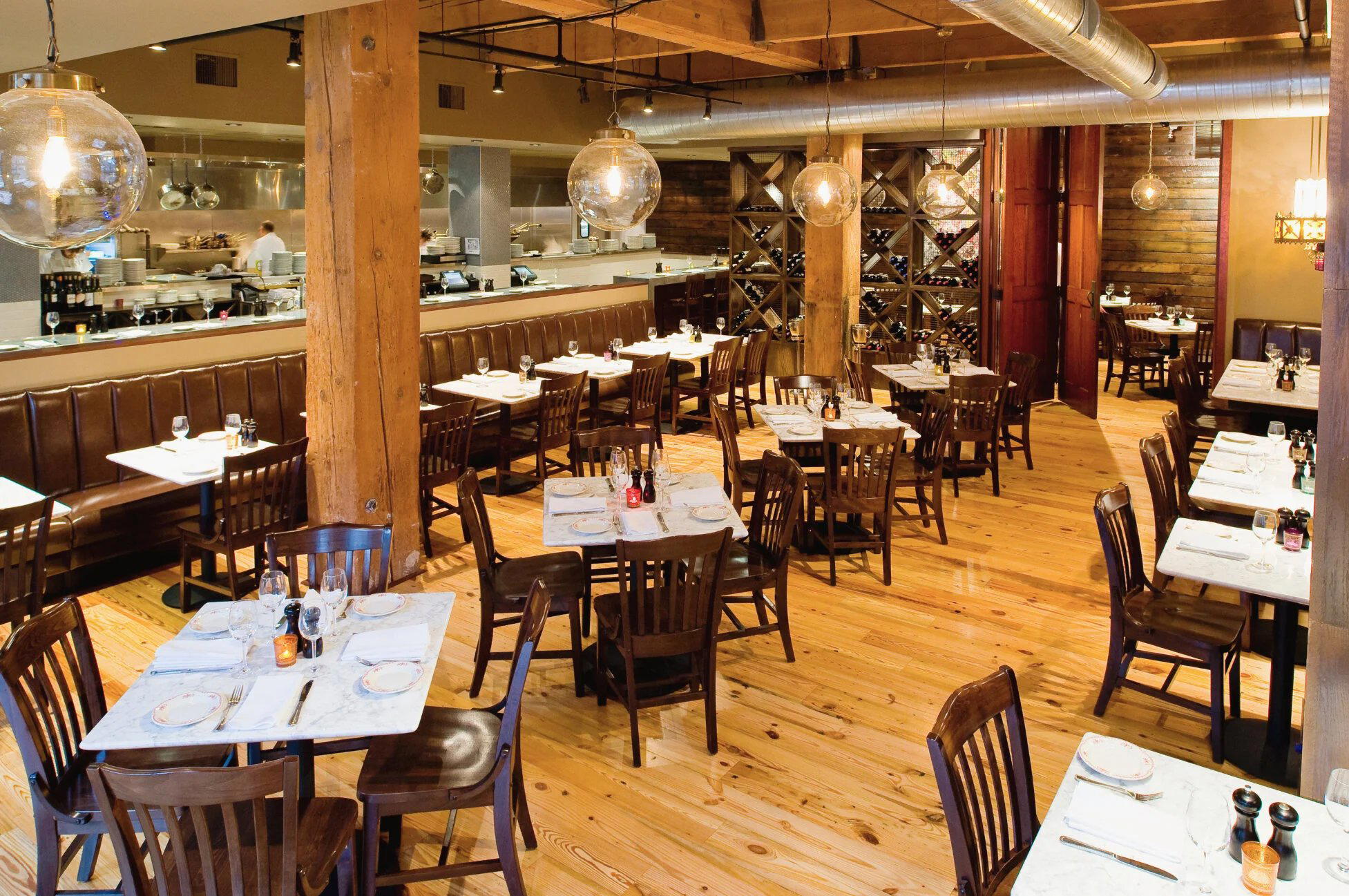
The address on Wayzata Boulevard places Primo firmly in lake-country suburban Minnesota, away from the urban density of Minneapolis proper. That geography shapes the atmosphere: quieter, unhurried, oriented around the food rather than scene. The sourcing-first approach gives the room a purposeful quality that distinguishes it from neighbourhood casual dining.
How does Primo fit into the broader Minnesota farm-to-table scene?
Farm-to-table dining in the Upper Midwest has developed more slowly than in coastal agricultural regions, making sourcing-committed kitchens like Primo in Long Lake relatively rare outside the Twin Cities urban core. Located at 1935 Wayzata Blvd, Primo brings ingredient-driven cooking to a western suburban corridor that has limited representation in that category. For diners tracking Minnesota's regional food movement, the Long Lake address itself is a meaningful data point about where this approach is taking hold.
What dish is Primo famous for?
Primo's menu is built around ingredient availability rather than fixed signatures, meaning the kitchen's focus shifts with what regional sourcing provides each season. No single dish is documented as a permanent calling card. Diners are best served by arriving open to what the current menu reflects rather than seeking a specific plate.
Where do I go for Primo?
Primo is located at 1935 Wayzata Blvd, Long Lake, MN 55356, Long Lake.
How hard is it to get a table at Primo?
Given the suburban location on Wayzata Boulevard rather than a high-traffic urban corridor, walk-in availability may be more accessible than at comparable sourcing-led restaurants in city centres, but contacting the restaurant directly is the clearest way to confirm.
What makes Primo worth seeking out?
Primo occupies a specific gap in the Minneapolis-area dining map: a sourcing-led kitchen operating outside the urban core, in a part of Minnesota where that level of ingredient focus is less common than on the coasts. For diners who track where ingredients come from, that structural commitment is the primary draw.
Quick Comparison
Comparable venues nearby, for context on price, style, and recognition.
| Venue | Cuisine | Price | Awards | Notes |
|---|---|---|---|---|
| PrimoThis venue (the venue you are viewing) | Italian | Not listed | Not listed | Not listed |
| Birch's on the Lake Brewhouse & Supperclub | American Supper Club & Brew Pub | Not listed | Not listed | Long Lake |
| Bar La Grassa | Italian Pasta Restaurant | $20–30 | James Beard Award Semi Finalist | North Loop |
| Red Wagon Pizza Company | Modern Brick-Oven Pizza | $20–30 | Diners, Drive-Ins and Dives Featured Restaurant | Fulton |
| Black Sheep Coal Fired Pizza | Coal-Fired Pizza | $20–30 | Not listed | North Loop |
| Zelo | Contemporary Italian | $50–100 | Not listed | WeDo |
Continue exploring
More in Long Lake
Restaurants in Long Lake
All restaurants in Long Lake →
Bars in Long Lake
Browse all →
Details
- Cozy
- Intimate
- Date Night
- Family
- Casual Hangout
- Craft Cocktails
- A La Carte
- Vegetarian Friendly
- Gluten Free Options
Current opening hours
- Monday
- 5–8 PM
- Tuesday
- 5–9 PM
- Wednesday
- 5–9 PM
- Thursday
- 5–9 PM
- Friday
- 5–10 PM
- Saturday
- 5–10 PM
- Sunday
- 5–8 PM
Hours can change for holidays and private events. Hours as of .
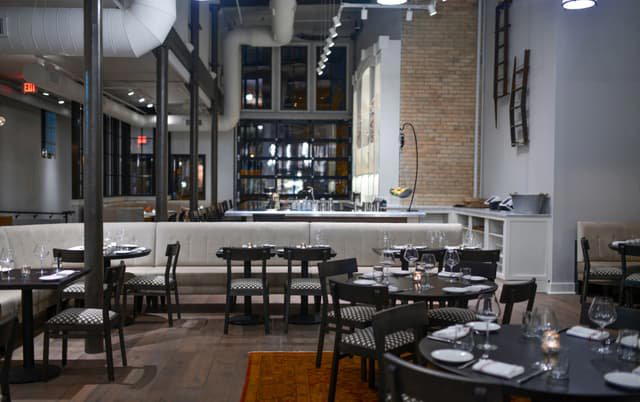
Cozy and pleasant with conducive atmosphere for conversation, warm lighting, and friendly service.