Pot au Feu

Pot au Feu in Prague's Staré Město brings classic French technique to a cosy, art-lined dining room on Rybná street. Chef Jan Kracík's menu spans à la carte and two set menus, with signatures like veal sweetbreads with morels and seabass in white wine sauce. The knowledgeable front-of-house team and wine-rack décor make it one of the more considered French addresses in the city.
Pearl is the En Primeur Club membership app — saves, bookings, and concierge access live there. Same editors, same standards.
- Address
- Rybná 1065/1065/13, 110 00 Staré Město, Czechia
- Phone
- +420 739 654 884
- Website
- potaufeu.cz
- Directions
- Get directions
 Saves & bookings on Pearl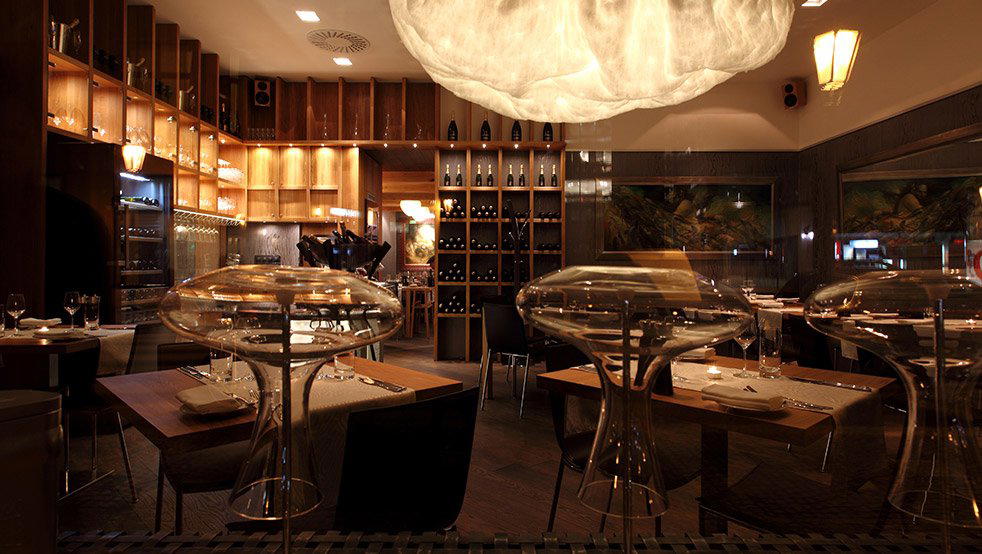
French Classicism in the Old Town
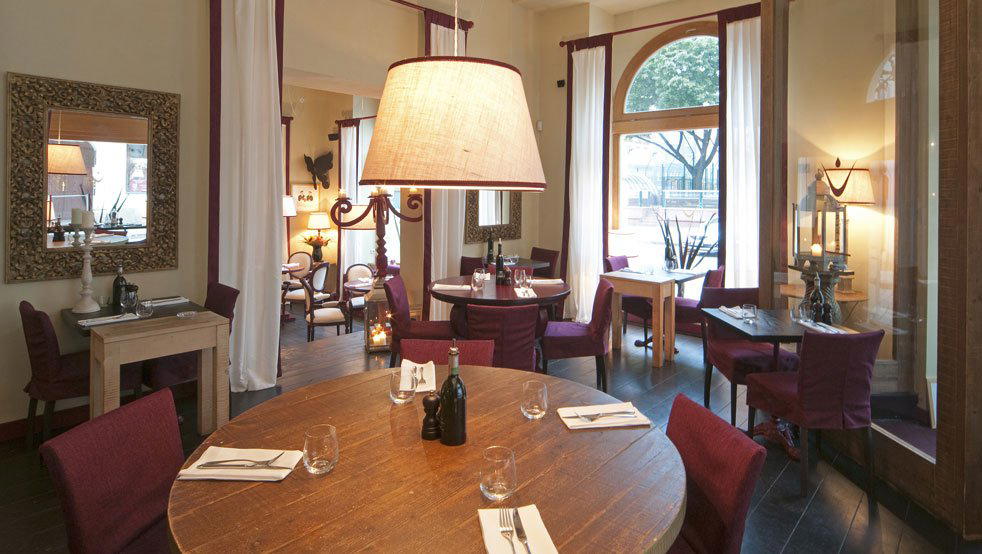
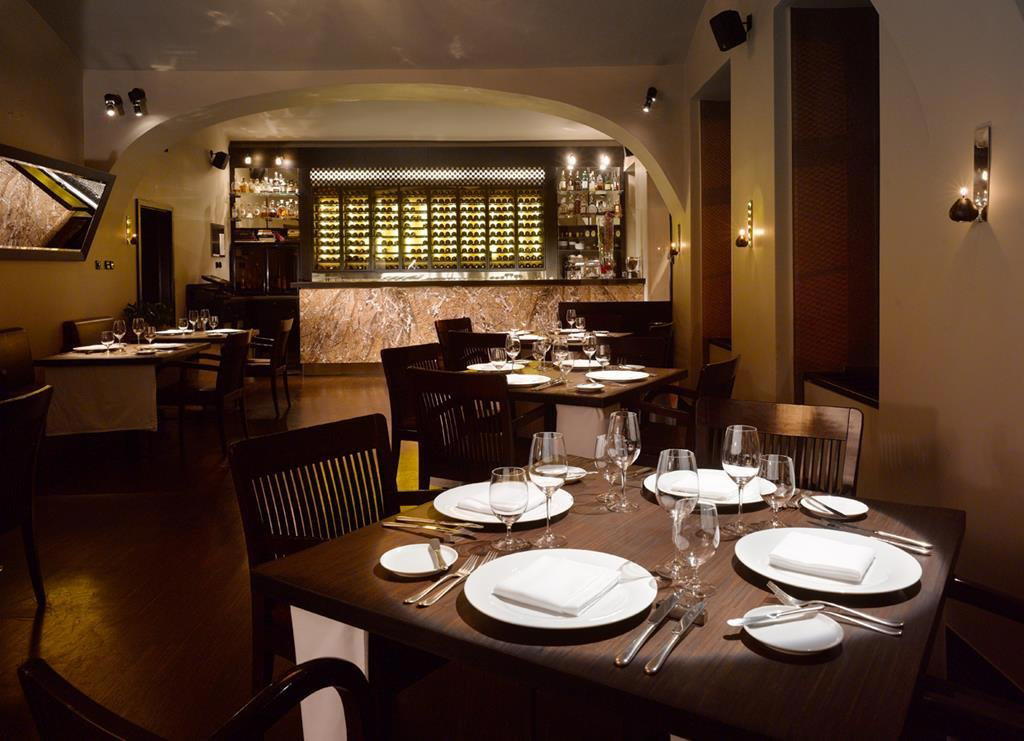
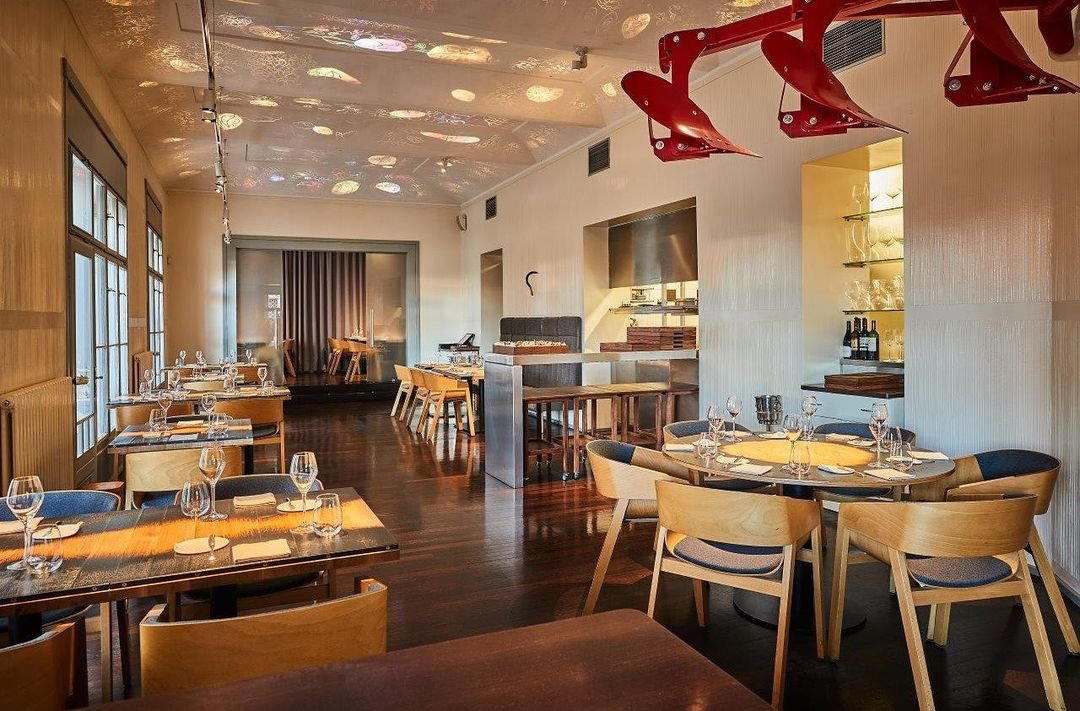
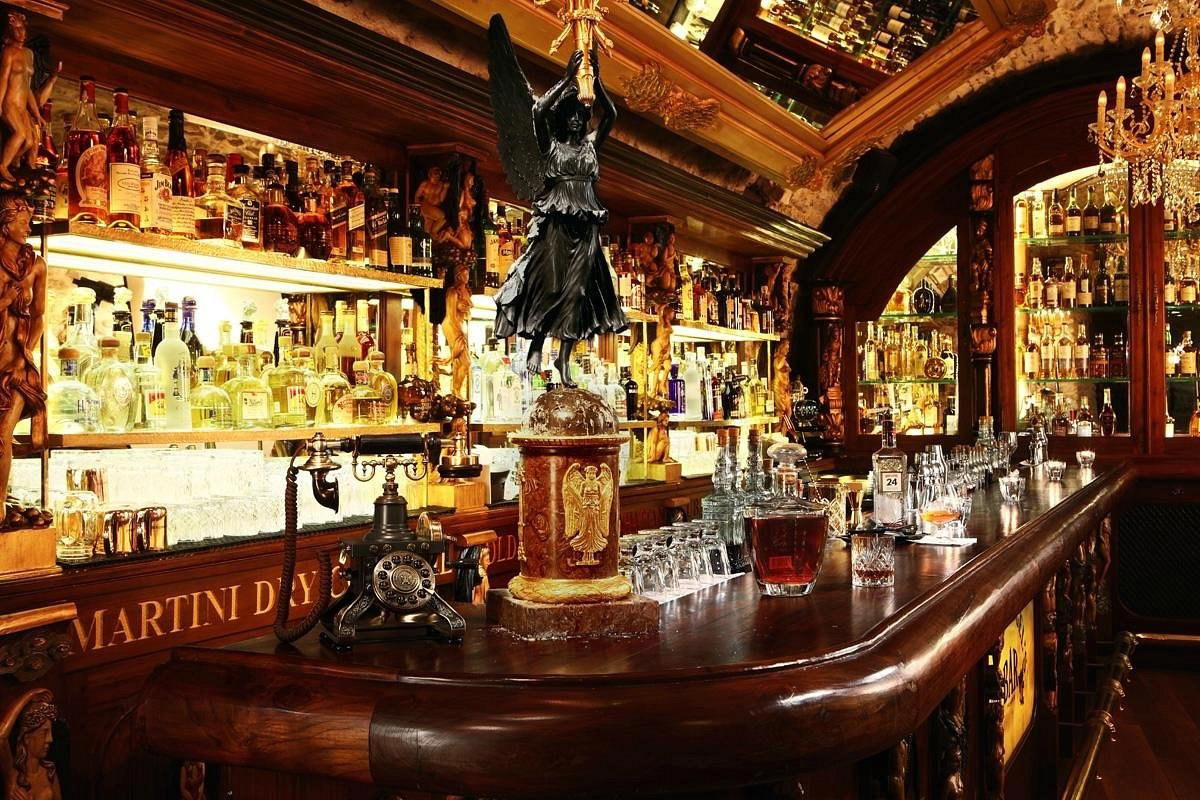
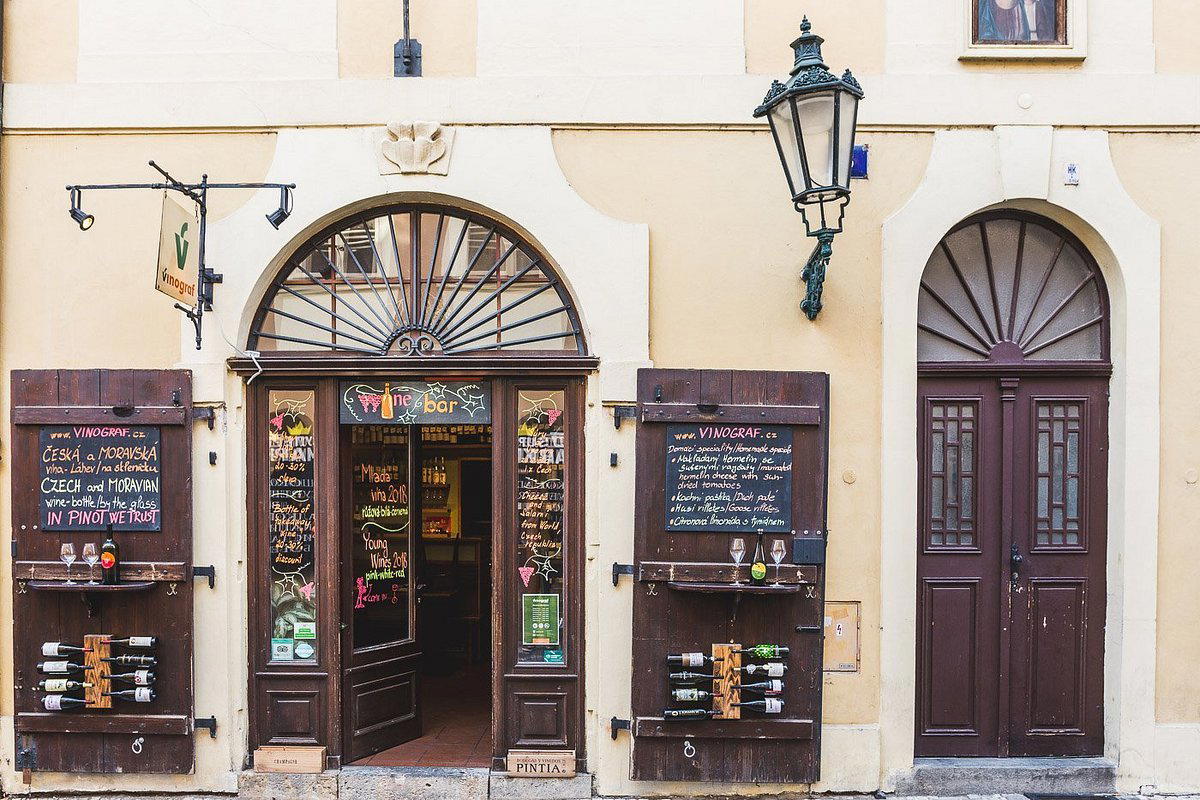
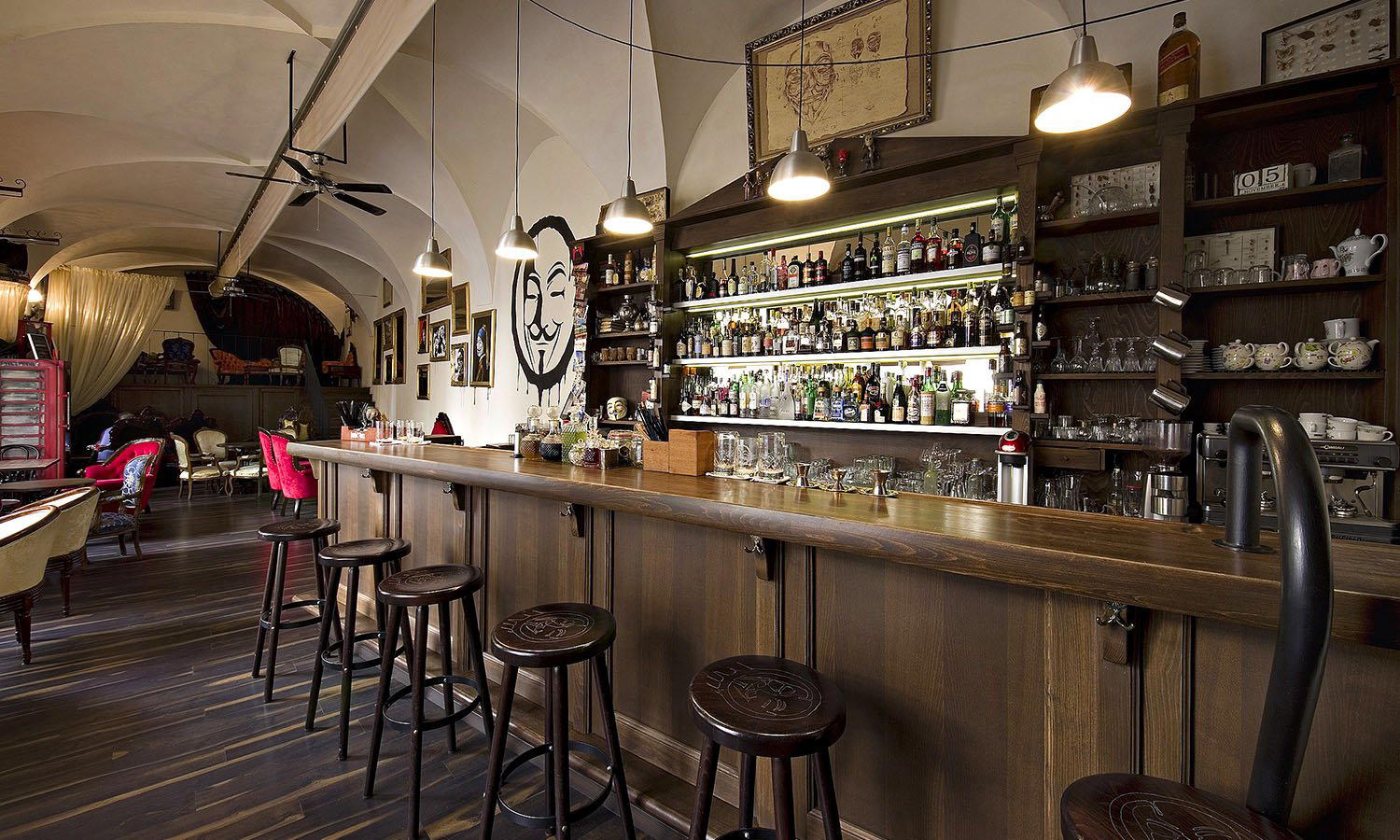
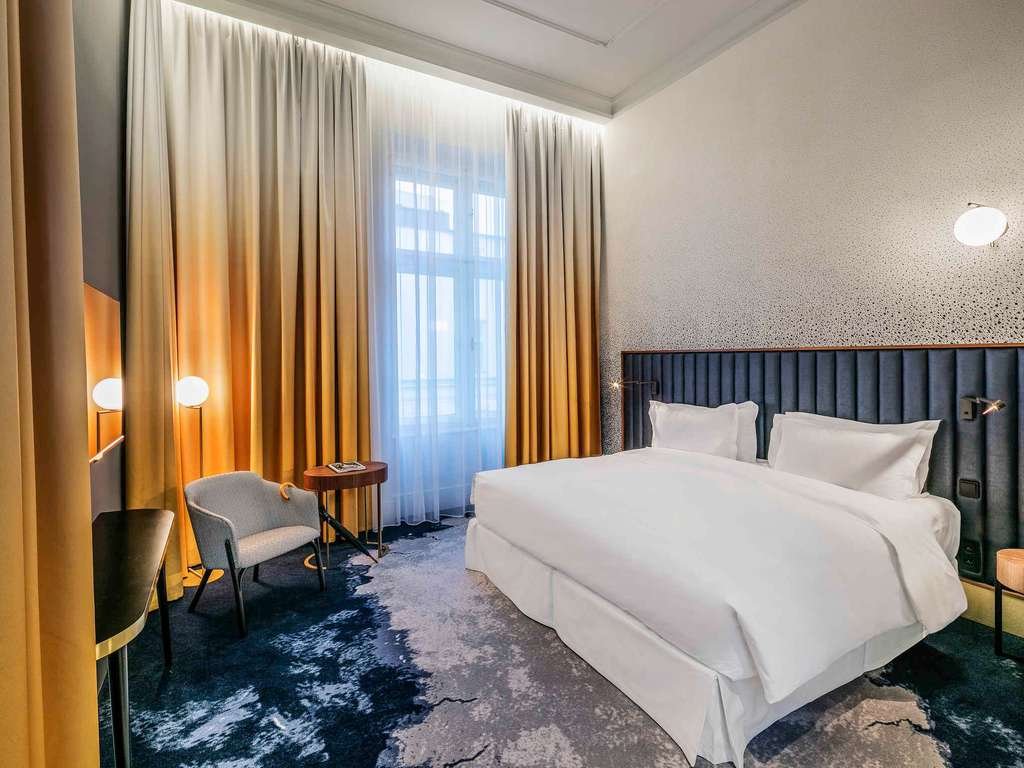
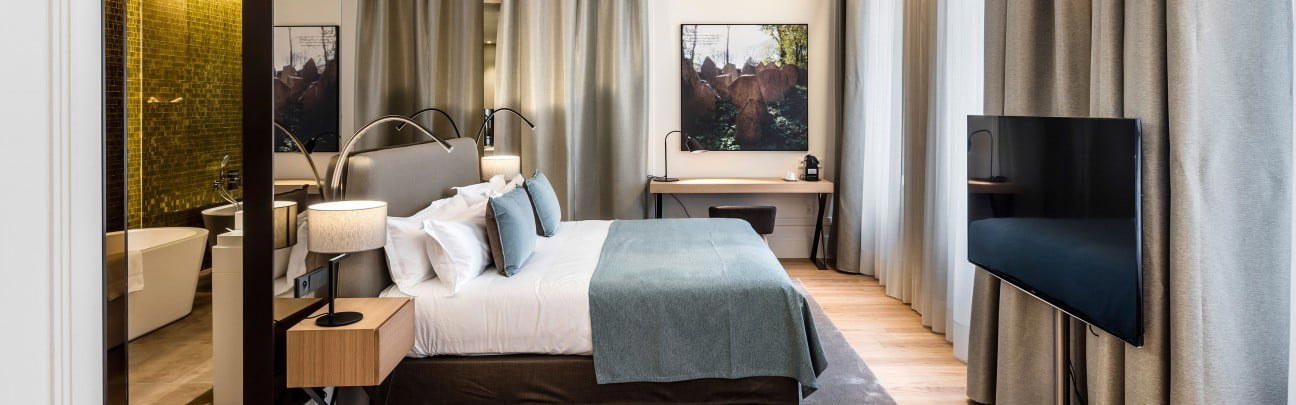
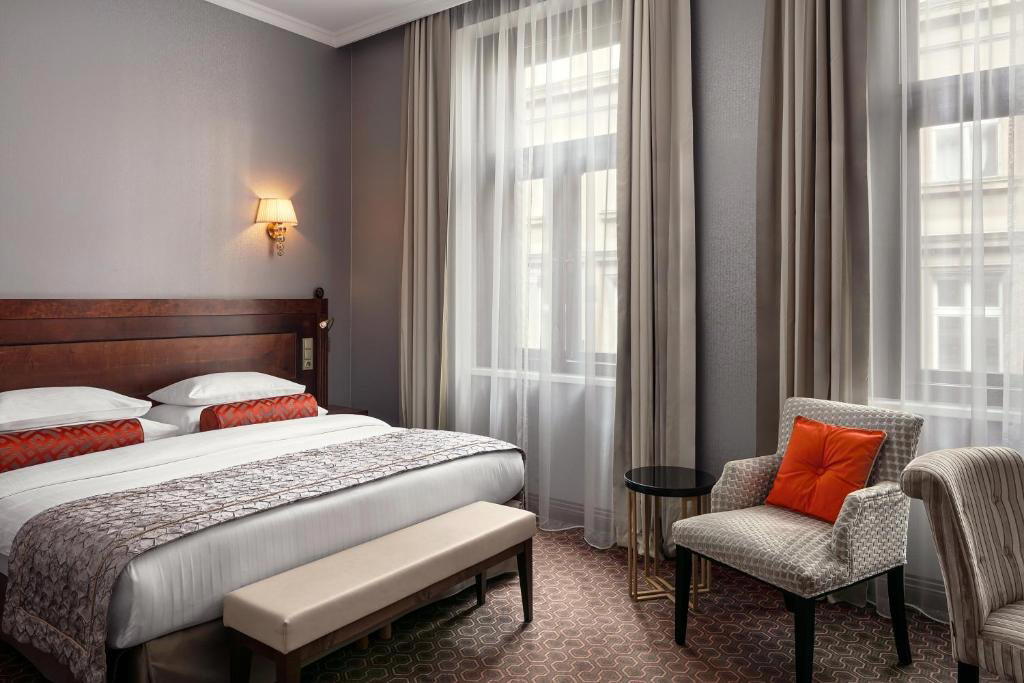
Prague's French restaurant scene has long operated in two registers: the grand, hotel-anchored dining rooms that lean on European prestige, and the smaller, independently run addresses that carry the weight of the tradition more personally. Pot au Feu, on Rybná in Staré Město, belongs firmly to the second category. The dining room reads as a working proposition rather than a set piece, wine racks line the walls, original art provides the colour, and the effect is closer to a well-stocked Lyonnais bistro than a formal Parisian salon. That physical environment sets expectations accurately: this is a room built around what ends up on the plate and in the glass, not around theatrical flourish.
In a city where French-inflected cooking can sometimes mean a Czech menu with butter and cream added, Pot au Feu holds its position through genuine engagement with classical French cuisine. Veal sweetbreads with morels in a sauce à la crème, fillet of seabass with shallots and white wine sauce, these are dishes drawn from the deep grammar of French cooking, not its tourist-facing dialect. The sourcing logic and preparation implied by those signatures sit closer to what you might encounter at La Degustation Bohême Bourgeoise or Alcron than to the mid-market French addresses that fill the Old Town on either side of it.
The Menu Architecture
The menu at Pot au Feu is structured to suit different visiting intentions. À la carte allows for precise choices around the kitchen's classical strengths; the "Menu Pot-au-Feu" provides a defined tasting path through those same strengths; and the "Menu of the Season" introduces a rotating course-by-course structure that shifts with available produce. Daily specials extend the kitchen's range beyond what the printed card commits to. That layered format, a practical feature of well-run French restaurants across Europe, means first-time visitors and returning regulars can approach the same room differently. Compared to the tightly curated single-tasting-menu format of addresses like 420 Restaurant, the restaurant's multi-format approach offers more flexibility, which suits the neighbourhood's mix of business lunches and considered dinner bookings.
Chef Jan Kracík's background is relevant here as context rather than mythology. Travels that informed the cooking are present in the menu's references, a willingness to let French classical technique absorb regional inflections without dismantling the base. That kind of cooking, built from extended time in multiple kitchens across different countries, produces menus that feel grounded rather than derivative. The results at the restaurant align with what Prague's better independent French rooms have demonstrated: that the city can sustain classical European cooking at a considered level when the kitchen has genuine technical discipline.
The Wine Program as the Room's Backbone
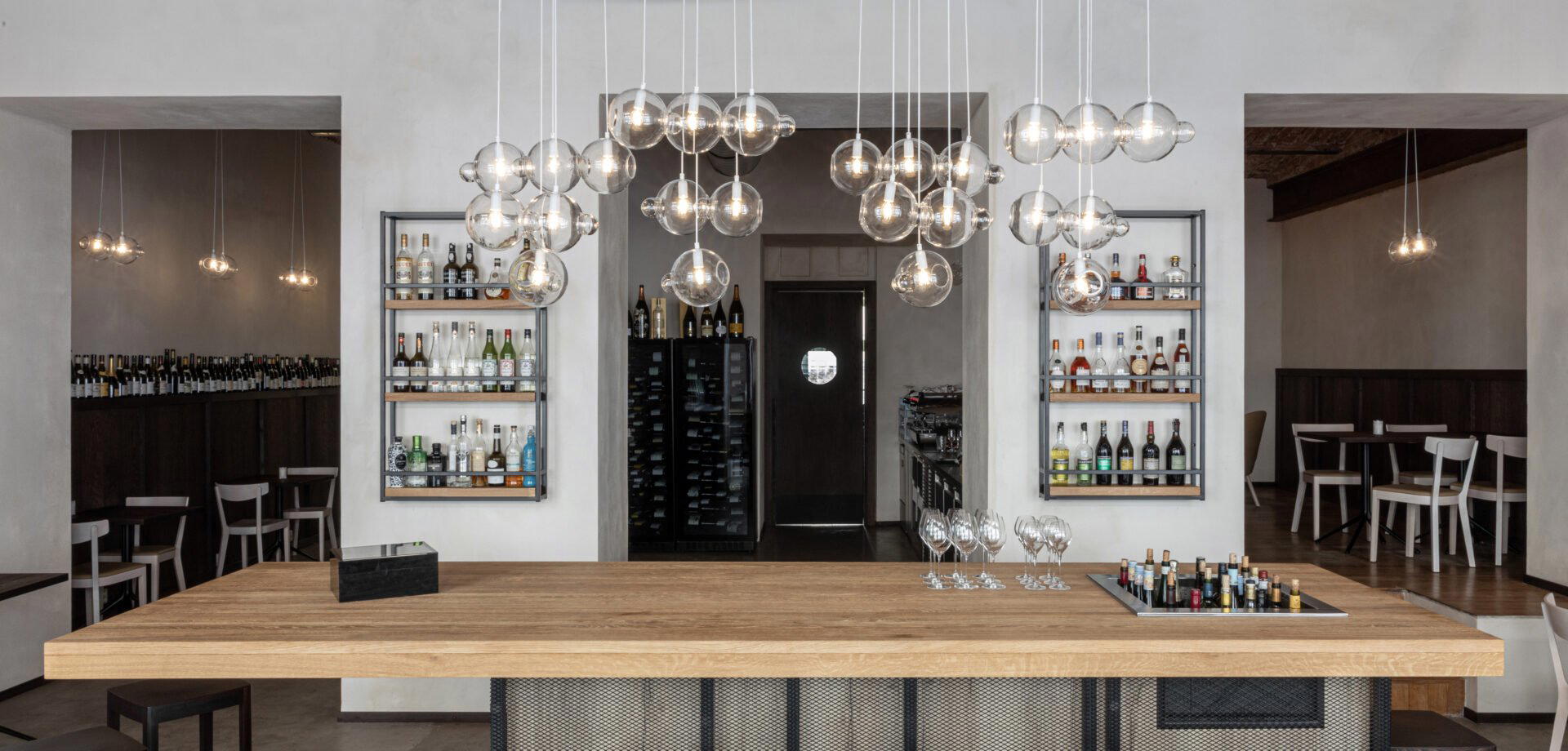
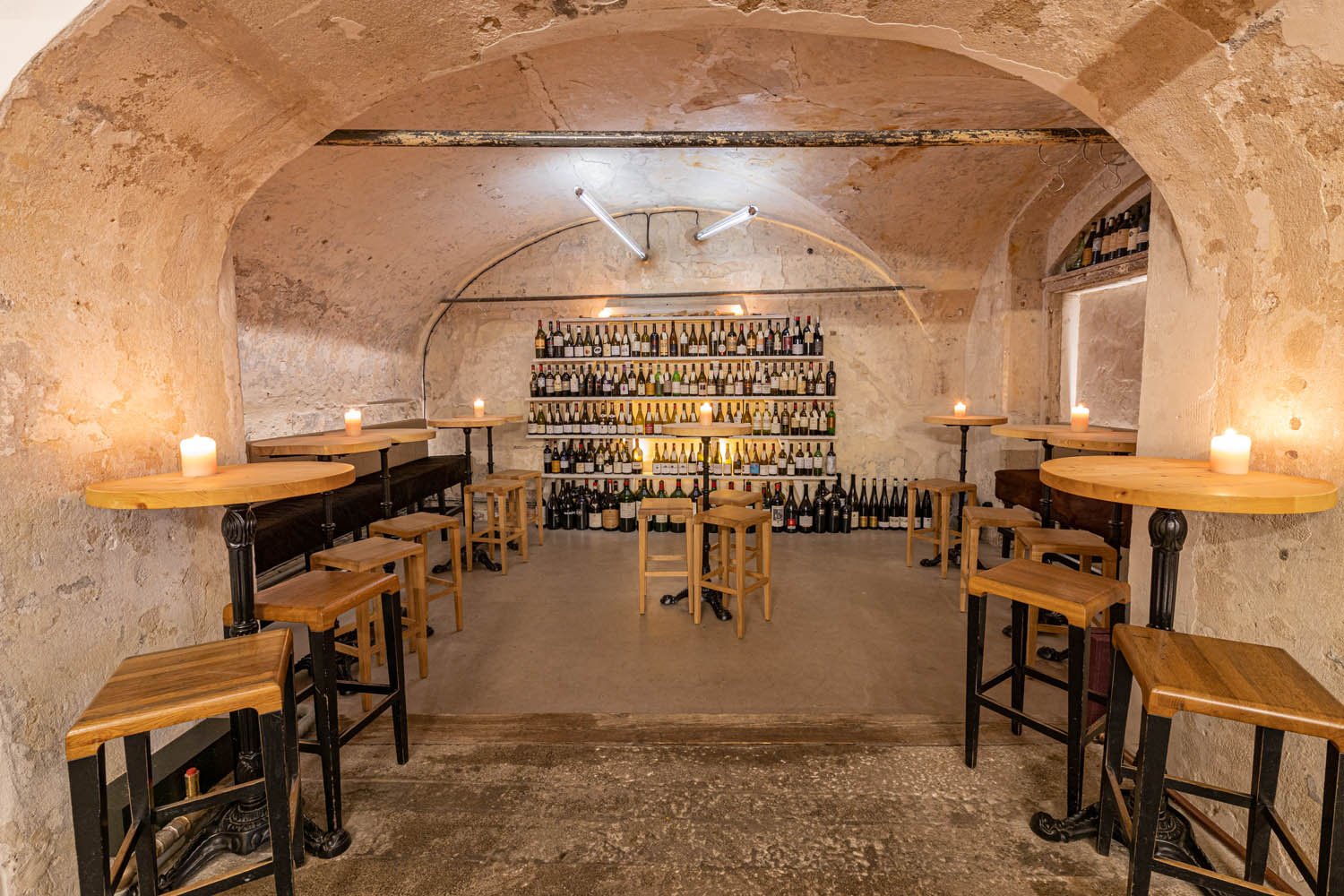
The wine racks that line the dining room are not decorative props. In a restaurant framed around French classical cooking, the wine list is the editorial through-line, and at the restaurant the physical presence of bottles throughout the room signals that the selection has been assembled with care rather than outsourced to a distributor's standard package. French-focused wine programs in Prague have deepened significantly over the past decade, driven partly by increased direct import access and partly by a generation of Czech sommeliers and restaurateurs who trained abroad. The restaurant's setup, intimate room, classically framed menu, knowledgeable front-of-house, is exactly the environment where a considered Burgundy or Loire list gains real traction.
The front-of-house team is described as friendly and laid-back but knowledgeable, which in French restaurant terms signals service shaped by genuine wine understanding rather than formality for its own sake. That distinction matters when the menu includes preparations like the morel-and-cream sweetbreads, where the conversation about which glass to open alongside is as much part of the experience as the food itself. For comparison, the wine depth at addresses like Alma or Amano tends to run broader across regions; the restaurant's French classical anchor implies a more focused cellar logic.
French dining rooms with serious wine programs elsewhere set a useful benchmark. Le Bernardin in New York City, which has long anchored its list around Burgundy and Champagne to match seafood-forward cooking, illustrates how a kitchen's technical direction shapes cellar curation. Closer in format and ambition to the restaurant's scale is the approach taken by tightly focused independent rooms like Atomix in New York, where the beverage program is treated as a structural equal to the food rather than an afterthought. Prague's independent French dining rooms are converging toward the same logic.
Context in the Czech Republic
The restaurant operates within a wider Czech restaurant scene that has, since the mid-2010s, developed a credible independent dining culture beyond Prague's historic centre. Addresses like ARRIGŌ in Děčín, ATELIER bar & bistro in Brno, Babiččina zahrada in Průhonice, Bohém in Litomyšl, Cattaleya in Čeladná, and Chapelle in Písek demonstrate that considered cooking is no longer concentrated solely in the capital. Within that national context, the restaurant holds its position as an address where classical French cooking is taken seriously at the neighbourhood scale, not as a fine-dining monument, but as a functional, well-run room where the cooking and the wine program reinforce each other.
Planning a Visit
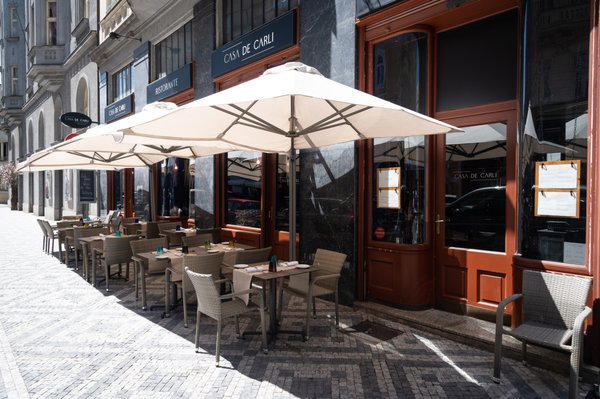
The restaurant sits at Rybná 13 in Staré Město, walkable from the main metro connections serving the Old Town. The intimate scale of the dining room means that booking ahead is advisable, particularly for dinner and for the week's limited opening days. The à la carte format offers greater flexibility on timing; the seasonal menus benefit from advance knowledge of what the kitchen is running.
Cost Snapshot
Comparable venues nearby, for context on price, style, and recognition.
| Venue | Cuisine | Price | Awards | Notes |
|---|---|---|---|---|
| Pot au FeuThis venue — the venue you are viewing | Josefov, Traditional French Bistro | $$$ | Michelin Plate | Not listed |
| Kampa Park | Mala Strana, Modern French Fine Dining | $$$$ | Michelin Plate | Not listed |
| Taro | Not listed | $$$ | Michelin Plate | Praha 1, Modern Vietnamese Contemporary |
| Aromi | Vinohrady, Modern Italian Seafood | $$$ | Michelin Plate | Not listed |
| Dergi Praha | Pelc Tyrolka, Authentic Georgian | $$ | Michelin Plate | Not listed |
| Amano | Not listed | $$$ | Michelin Plate | Pelc Tyrolka, Modern Italian Contemporary |
Recognition history
Dated appearances from independent guides and award organizations, with the underlying list record or original source where available.
Michelin Plate
Michelin
At a Glance
- Elegant
- Cozy
- Intimate
- Sophisticated
- Date Night
- Special Occasion
- Standalone
- Extensive Wine List
- Sommelier Led
Current opening hours
- Monday
- Closed
- Tuesday
- 12–10:30 PM
- Wednesday
- 12–10:30 PM
- Thursday
- 12–10:30 PM
- Friday
- 12–10:30 PM
- Saturday
- Closed
- Sunday
- Closed
Hours can change for holidays and private events. Last verified .
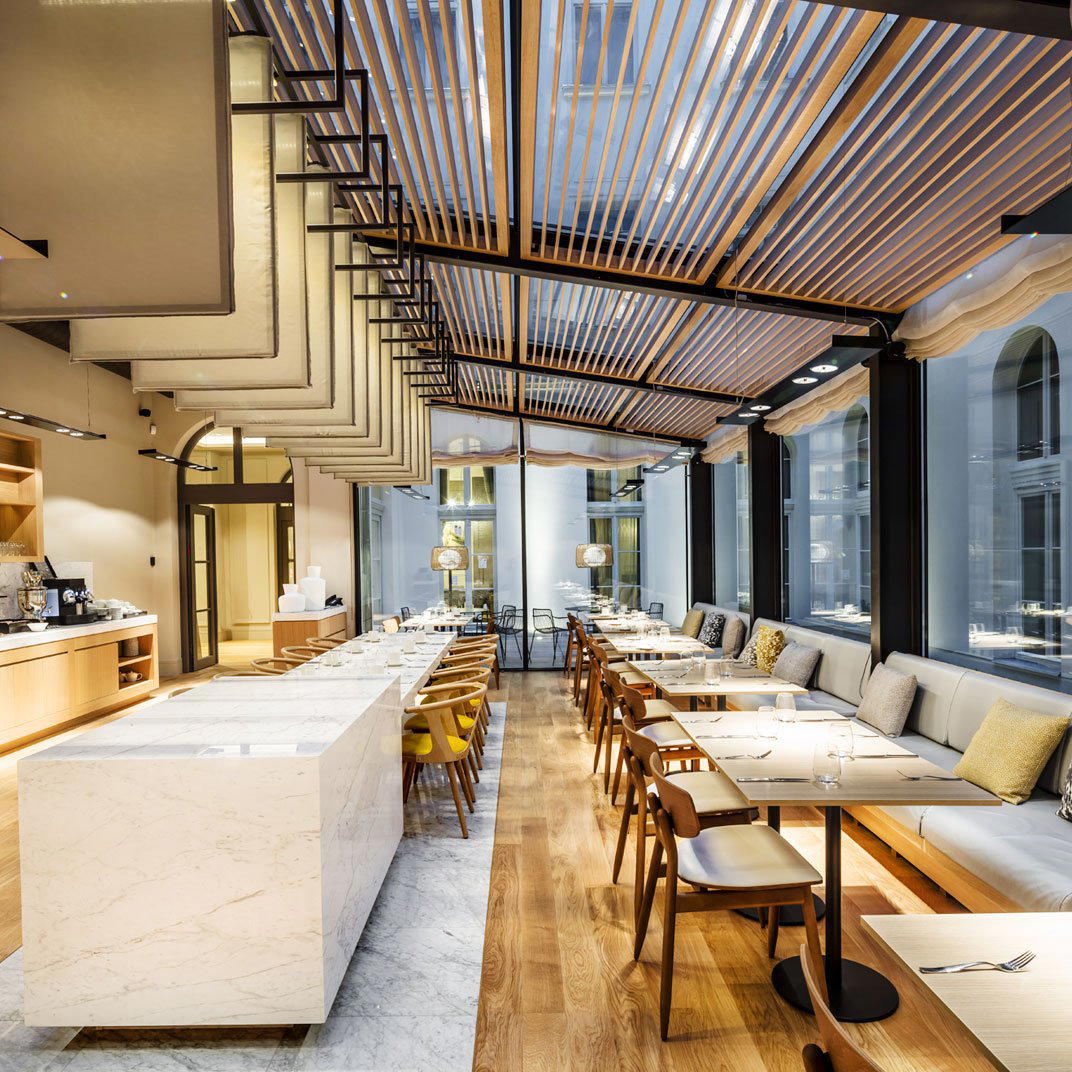
Cosy modern decor with natural materials like granite, wood, leather, intimate lighting from a rotating ceiling cloud, and original art.