Taro

Michelin Plate
Our verdict
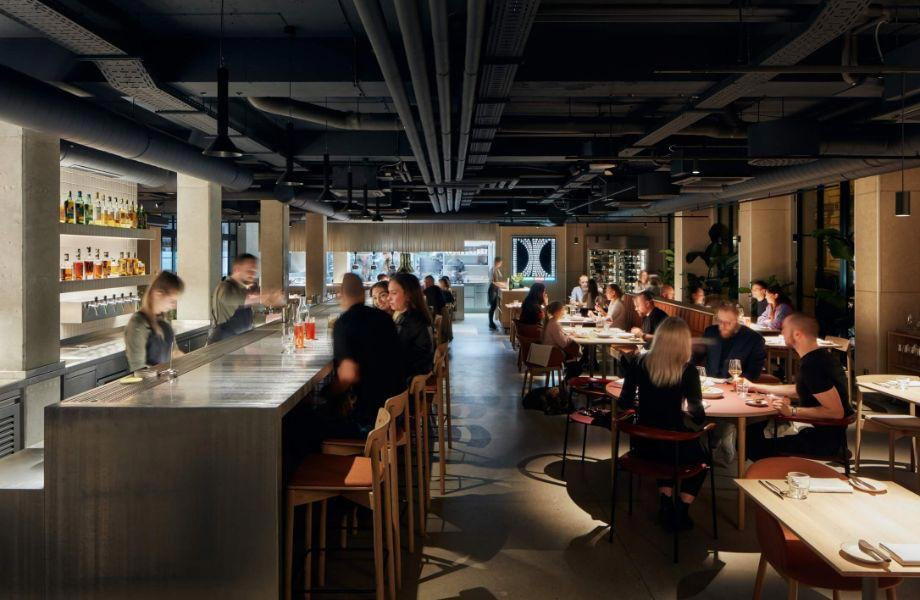
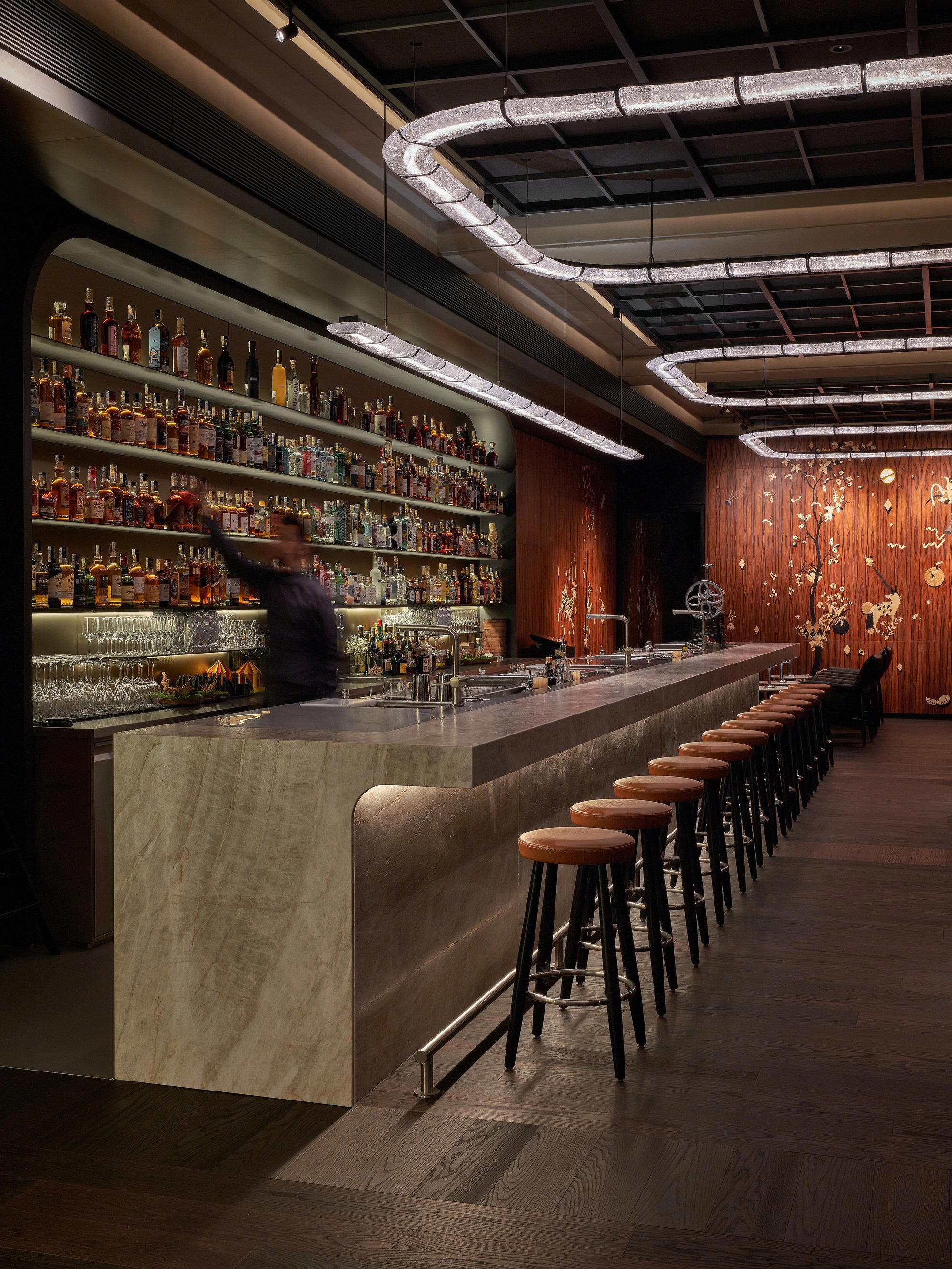
At Taro on Národní, brothers Giang and Khanh Ta run a Vietnamese-influenced counter-restaurant where diners sit at a U-shaped bar watching the kitchen operate in full view. Lunch brings a three-course set; evenings scale to five or six courses with optional add-ons. The dry-aged duck, cured on-site in a fridge visible from the bar, signals the kitchen's intent from the moment you sit down.

Pearl is the En Primeur Club membership app — saves, bookings, and concierge access live there. Same editors, same standards.
- Address
- Národní 10, 110 00 Nové Město, Czechia
- Phone
- +420 777 446 007
- Hours
- Mon ClosedTue–Fri 5:30–11 PMSat 12–3 PM, 5:30–11 PMSun Closed
- Website
- taro.cz
- Directions
- Get directions
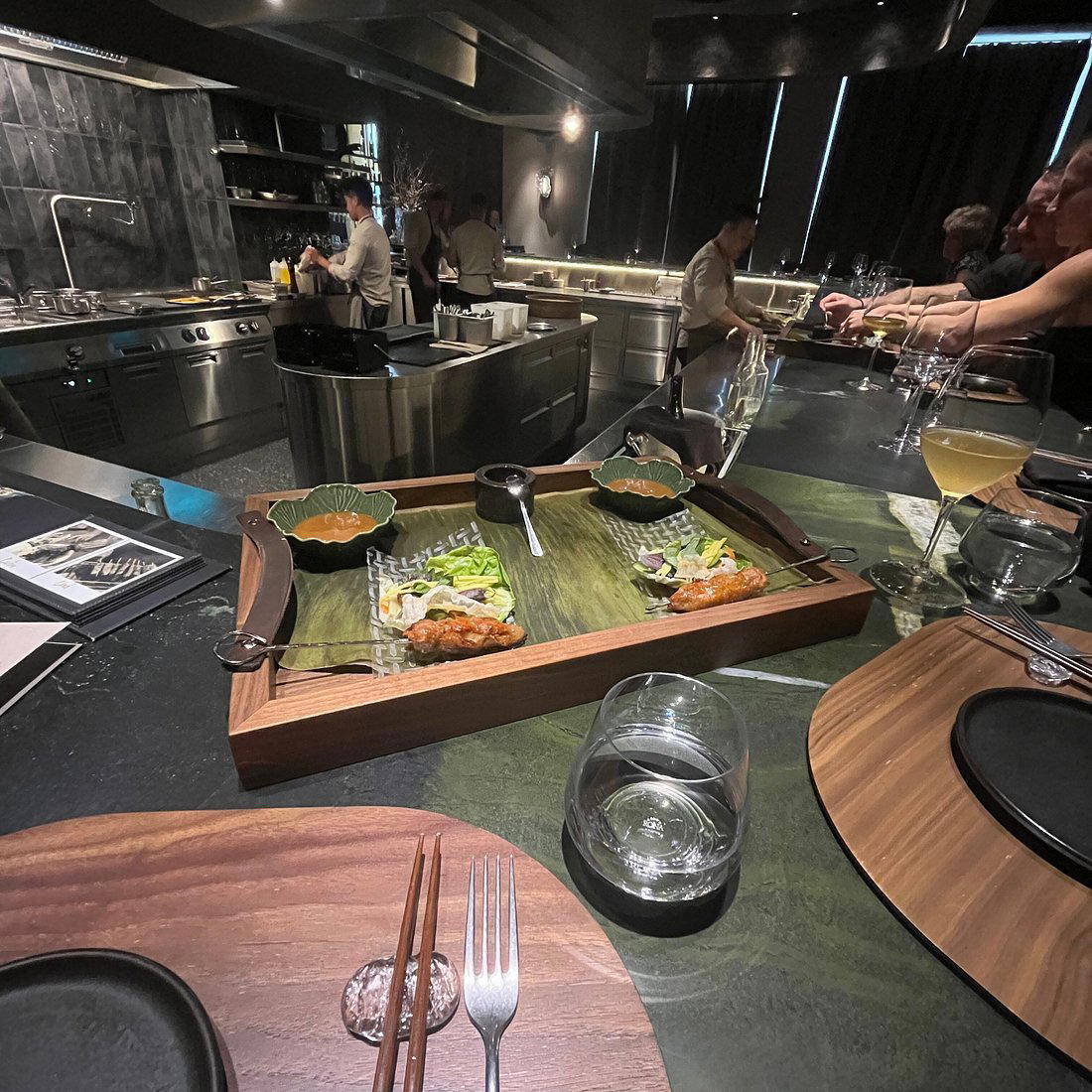
A Vietnamese lens on the Prague counter-dining format
Národní třída — the broad boulevard that cuts through Nové Město toward the Vltava — has always been Prague's functional middle ground: not the tourist-dense Old Town, not the residential outer districts, but a working central artery with enough foot traffic to support serious restaurants. It is precisely the kind of street where a counter-restaurant with Vietnamese roots and a European tasting-menu structure can find its audience, because that audience already lives and works nearby rather than travelling in for spectacle.
The counter format itself is a useful frame for understanding Taro's position in Prague's dining scene. Central European cities were relatively late converts to the open-kitchen counter model, the format that Atomix in New York City helped codify for the fine-dining tier, but Prague has absorbed it with genuine appetite. The U-shaped bar around the kitchen collapses the distance between cook and diner in a way that a conventional dining room cannot: you watch the duck being portioned, the sauces being finished, the plating decisions being made in real time. That transparency is an editorial statement about cooking confidence.
Vietnamese cuisine in a Central European context
Prague has one of the largest Vietnamese communities in Central Europe, a legacy of labour and student exchange programmes from the 1950s onward that built a population now numbering in the tens of thousands. The city's Vietnamese food scene consequently runs deeper than most Western European capitals: there are family-run phở counters that have operated for decades, and a generation of second-generation cooks who grew up between two culinary traditions. Taro sits at the more technically considered end of that spectrum, where the cooking draws from Vietnamese flavour logic, fermented notes, herbaceous aromatics, the structural use of acidity, and reframes it through the tasting-menu format standard in European fine dining.
This is not fusion in the diluted sense. The better comparison is to what happens when a kitchen uses its cultural reference points as the primary vocabulary rather than as surface decoration. Atomix in New York does something structurally similar with Korean cuisine; Le Bernardin built its reputation on applying classical French rigour to a single ingredient category. The question at any Vietnamese-influenced tasting counter is whether the technique serves the flavour tradition or smooths it into palatability, and the kitchen's decision to dry-age duck on-site suggests a preference for the former.
What the duck in the fridge tells you
The dry-aged duck is visible in a fridge behind the bar. This is not an accident of layout. Dry-aging meat on-site is a commitment that requires controlled humidity, consistent refrigeration temperature, and the space to dedicate to a single protein over multiple days. Most Prague restaurants at this price positioning would source aged product from a supplier. Doing it in-house, and displaying it where every diner can see it, is a kitchen articulating its priorities without words.
Duck has deep resonance in both Vietnamese and Central European cooking, it appears in Hanoi preparations, in Bohemian roasting traditions, in the confit canon of French technique that underpins so much European fine dining. A kitchen that dry-ages duck on site and works within a Vietnamese flavour framework is drawing on all three of those lineages simultaneously, which is a more interesting project than it might initially appear.
Format and structure: lunch, evening, add-ons
The menu operates on different terms depending on when you visit. Lunch is a three-course set, which positions Taro as a viable midday destination for the neighbourhood's working population, a practical format that also happens to be a lower-stakes entry point for first-time diners. The evening format expands to five or six courses, with optional add-ons that allow a degree of personalisation without abandoning the tasting-menu logic. This kind of structured flexibility, set progression with opt-in supplements, has become the standard approach for European counters operating in the €€€ to €€€€ bracket, and it balances kitchen control with diner agency more effectively than à la carte.
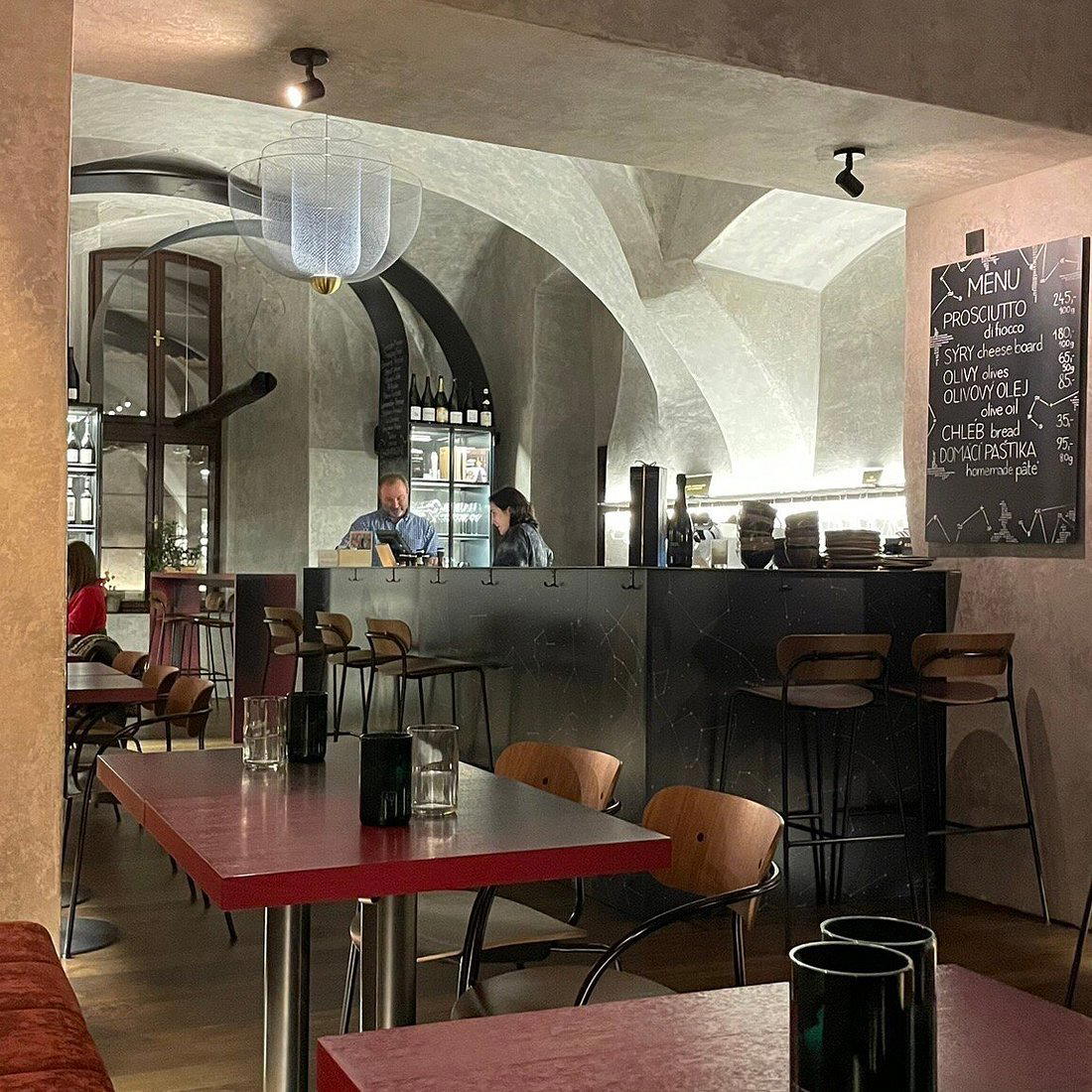
The atmosphere is described as lively rather than hushed: modern music, an urban energy, a room that reads as stylish without being stiff. This tonal calibration matters in Prague, where the tasting-menu segment includes venues that lean into formality, see La Degustation Bohême Bourgeoise, which operates at the ceremonial end of French-Czech fine dining, and others that work in a more relaxed register. Taro occupies the latter position: the cooking is precise, but the room is not asking you to lower your voice.
Where Taro sits in Prague's dining moment
Prague's fine-dining tier has expanded and diversified over the past decade. The Michelin Guide's presence in the city has sharpened competitive standards, and a cohort of younger restaurants has emerged alongside the established names. Alcron represents the Modern European end of that established tier. 420 Restaurant and Alma bring different registers to the scene. Amano adds further texture to the city's international dining options.
Taro's positioning, Vietnamese-influenced, counter format, tasting structure, central city address, is relatively singular within Prague, though the broader model has precedents across Europe. The Czech Republic's restaurant scene beyond the capital also merits attention for travellers spending more time in the country: ARRIGŌ in Děčín, ATELIER bar & bistro in Brno, Cattaleya in Čeladná, Chapelle in Písek, Bohém in Litomyšl, and Babiččina zahrada in Průhonice each represent the spread of serious cooking well outside the capital.
Planning your visit
Taro is at Národní 10 in Nové Město, a short walk from the Národní třída metro station and within easy reach of the city's central hotel belt, consult our full Prague hotels guide for accommodation options near the address. The evening counter format, with its five- or six-course progression and optional add-ons, is the more complete experience of what the kitchen does; the three-course lunch is a sensible introduction if you are building out a broader Prague itinerary. For the evening format specifically, booking ahead is advisable, counter restaurants with open kitchens and a fixed seat count fill quickly, particularly on weekends. Given the quality signals here and the restaurant's position in the neighbourhood, treating this as a same-week booking would be optimistic.
For context on the wider Prague dining, drinking, and travel picture: our full Prague restaurants guide covers the current scene in detail, alongside our Prague bars guide, our Prague wineries guide, and our Prague experiences guide.
Frequently asked questions
What dish is Taro known for?
How far ahead should I plan for Taro?
What is the defining idea at Taro?
Price and Recognition
Comparable venues nearby, for context on price, style, and recognition.
| Venue | Cuisine | Price | Awards | Notes |
|---|---|---|---|---|
| TaroThis venue — the venue you are viewing | Modern Vietnamese Contemporary | $50–100 | Michelin Plate | Not listed |
| Mlýnec | Modern Czech Fine Dining | $50–100 | Michelin Plate | Josefov, Modern Czech Fine Dining |
| La Veranda | Modern European | $50–100 | Michelin Plate | Josefov, Modern European |
| Antricote Steakhouse | Premium European Steakhouse | $50–100 | Michelin Plate | Josefov, Premium European Steakhouse |
| Pot au Feu | Traditional French Bistro | $50–100 | Michelin Plate | Josefov, Traditional French Bistro |
| mEating point | Czech Brasserie | Not listed | Not listed | Josefov, Czech Brasserie |
Recognition history
Dated appearances from independent guides and award organizations, with the underlying list record or original source where available.
Michelin Plate
Michelin
Details
- Trendy
- Modern
- Intimate
- Lively
- Date Night
- Special Occasion
- Chefs Counter
- Open Kitchen
- Extensive Wine List
- Local Sourcing
- Tasting Menu
- Vegetarian Friendly
Current opening hours
- Monday
- Closed
- Tuesday
- 5:30–11 PM
- Wednesday
- 5:30–11 PM
- Thursday
- 5:30–11 PM
- Friday
- 5:30–11 PM
- Saturday
- 12–3 PM, 5:30–11 PM
- Sunday
- Closed
Hours can change for holidays and private events. Last verified .
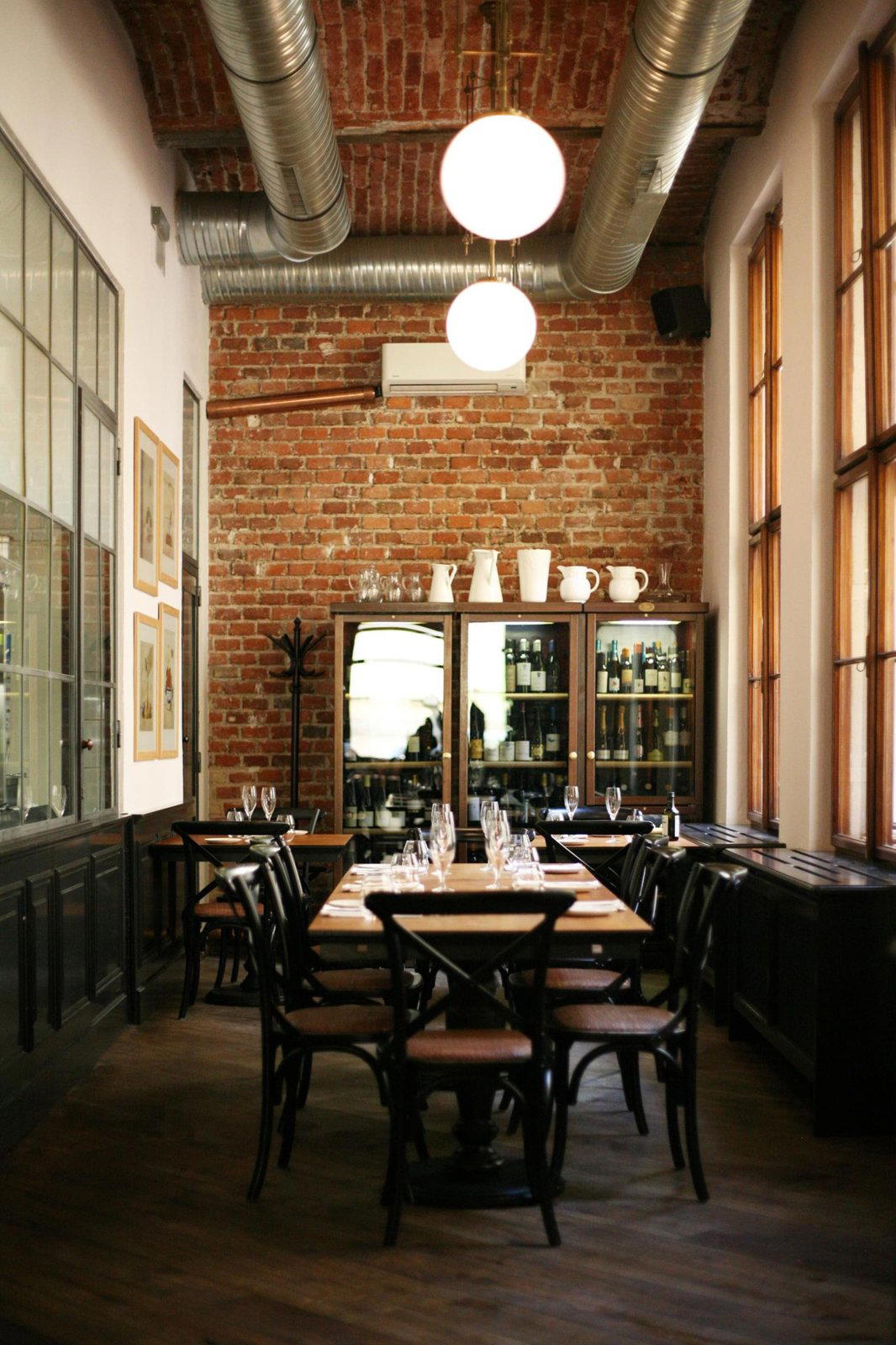
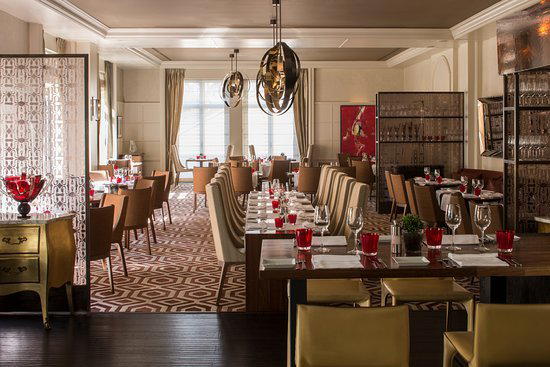
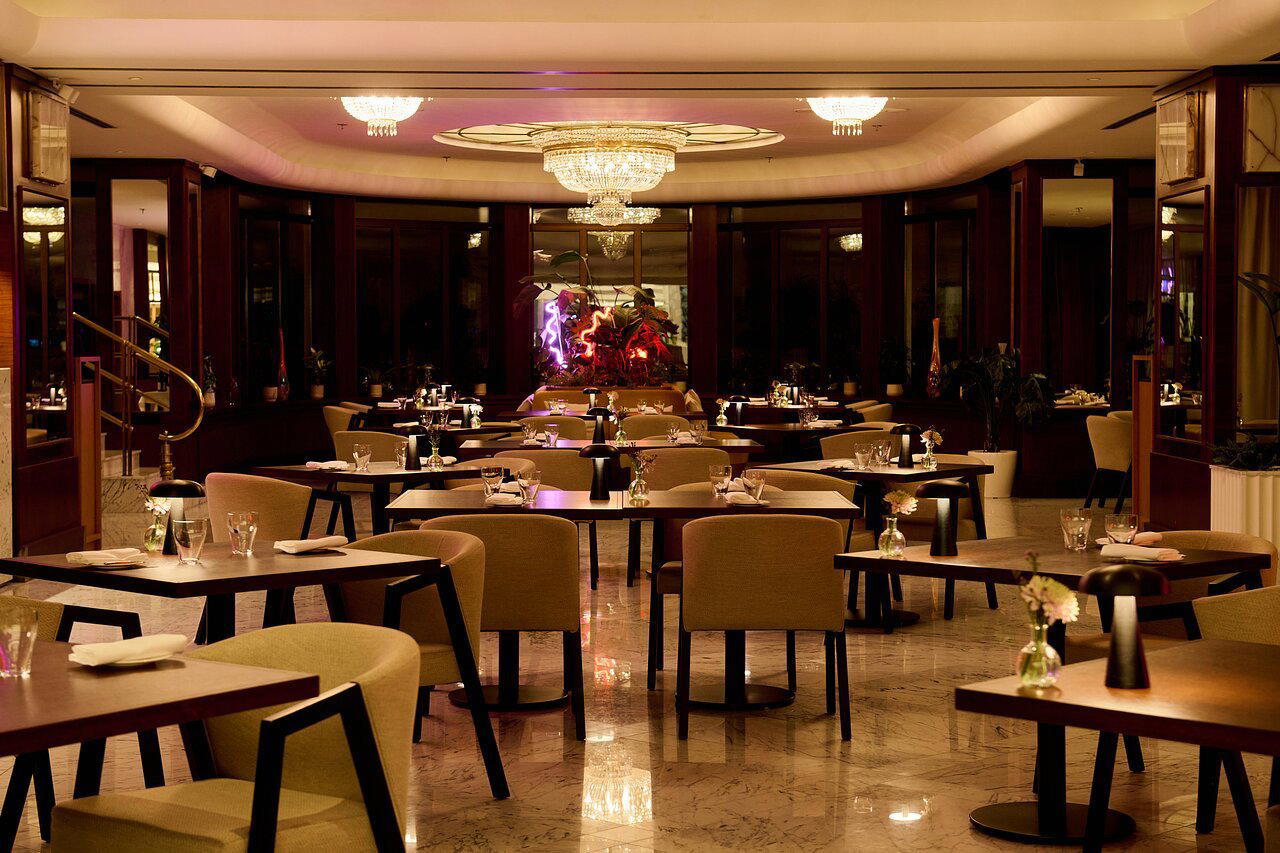
Trendy urban atmosphere with a stylish, lively feel, modern music, and focus on the open kitchen.