Poseidon Asian Cuisine
Our verdict
Poseidon Asian Cuisine on Paoli Pike brings a pan-Asian dining perspective to the western Philadelphia suburbs, where the Main Line's appetite for international flavors has grown steadily over the past decade. Located at 128 Paoli Pike in Paoli, the restaurant occupies a dining scene that sits between destination-level ambition and neighborhood reliability, making it a reference point for Asian cuisine in the Malvern corridor.

Pearl is the En Primeur Club membership app — saves, bookings, and concierge access live there. Same editors, same standards.
- Address
- 128 Paoli Pike, Paoli, PA 19301
- Phone
- (610) 812-3333
- Hours
- Mon–Thu 11 AM–9:30 PMFri–Sat 11 AM–10 PMSun 12–9:30 PM
- Website
- poseidonpa.com
- Directions
- Get directions
- Booking
- Book on the venue's website
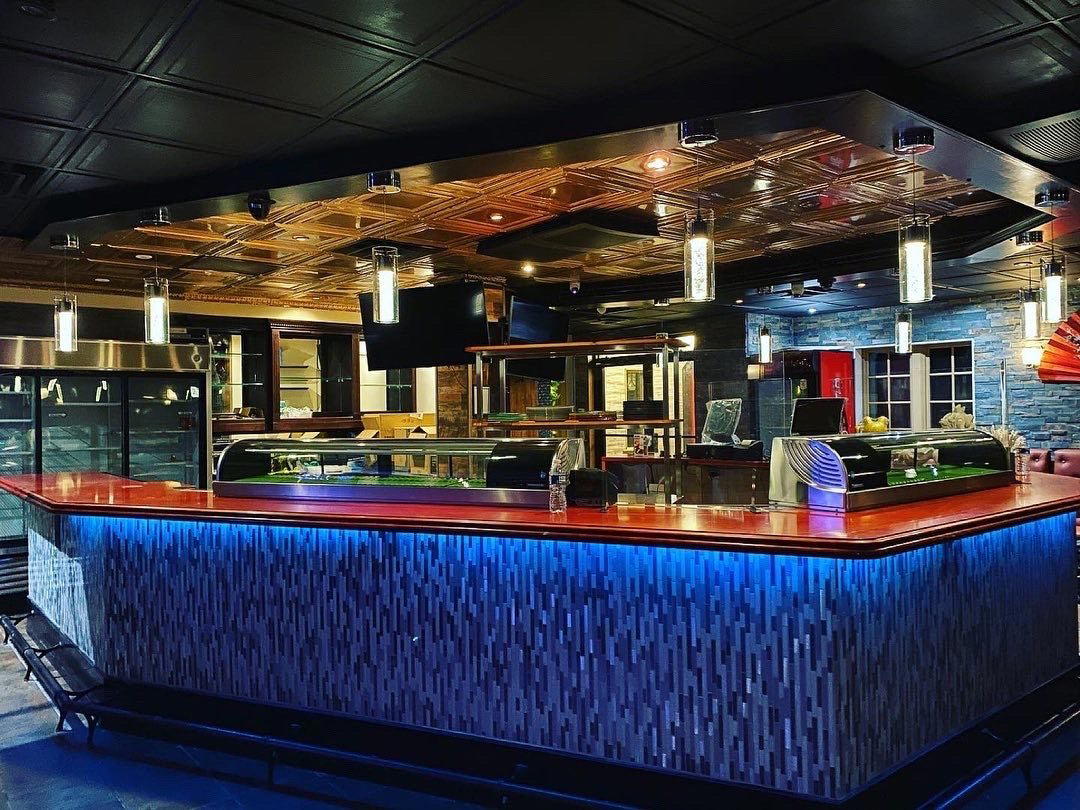
The menu
What to order
- Sexy Lobster
- Kobe Spring Rolls
- Hawaiian Fried Rice
The Suburban Asian Table and What Paoli Pike Tells You About It
The western stretch of the Main Line, running through Paoli and into Malvern, has gradually built a dining identity that diverges from the downtown Philadelphia playbook. Closer to the city, pan-Asian restaurants compete in a dense, critic-watched market where format and pedigree are scrutinized closely. Out here, along Paoli Pike, the dynamic shifts: the audience is local, the expectations are set by regulars rather than reviewers, and longevity tends to matter more than novelty. Poseidon Asian Cuisine at 128 Paoli Pike operates inside that suburban logic, where a consistent kitchen and a legible menu carry more weight than seasonal reinvention.
The name itself signals something worth noting. Pan-Asian dining in the American suburbs has long carried the risk of breadth without depth, menus that span three continents without commanding any of them. The more interesting suburban Asian tables have pushed back against that pattern in recent years, anchoring around a specific regional tradition while keeping the menu wide enough to hold a table of mixed preferences. Where Poseidon sits on that spectrum shapes the experience considerably, and that positioning is worth thinking through before you arrive.
The Ritual of the Asian Meal in a Suburban Setting
One of the distinguishing features of pan-Asian dining, as opposed to single-cuisine European formats, is the communal logic of the table. Dishes arrive in a sequence that the kitchen and the guests negotiate together, sometimes implicitly. Sharing is assumed rather than optional. The pacing is less linear than a classical tasting menu and more responsive to appetite and conversation. This creates a different kind of meal than the format-driven experiences you find at places like Alinea in Chicago or Lazy Bear in San Francisco, where the kitchen dictates the arc of the evening from first course to last.
At the suburban Asian table, the guest retains more agency. The question of how many dishes to order, in what order to eat them, and how to pace the table is largely left to the diners. This requires a different kind of attentiveness from the guest, and it rewards tables that approach the meal with some intention rather than simply pointing at the menu and waiting. Knowing whether to anchor the table around a protein-heavy centerpiece or to build outward from lighter preparations sets the rhythm of the whole evening.
This communal ritual also means that group size matters more here than in a format like the omakase counters at Atomix in New York City, where each guest receives the same progression. A table of two at a pan-Asian restaurant is a fundamentally different experience than a table of six, because the number of dishes that can reasonably be shared determines how broadly the menu can be explored. For a first visit, erring toward a larger party pays off in range.
The Main Line Dining Context
Malvern and Paoli sit within a suburban dining corridor where the competition for the weeknight dinner occasion spans a range of cuisines and price points. Among the area's more frequently discussed options, Alba has built a reputation in the Italian-leaning fine dining tier, while Madresfield Butchers and Grill anchors the premium protein format. The Cottage in the Wood occupies a different register entirely. The broader Malvern dining scene has been diversifying, and the presence of an Asian-focused kitchen in this corridor reflects a wider national pattern: suburban dining in affluent zip codes now expects the same range of reference cuisines that urban centers established a generation earlier.
Nationally, the comparison points for serious Asian dining skew toward coastal cities. Le Bernardin in New York City and Providence in Los Angeles define one pole of the American fine dining spectrum. At the other end of the register, the ingredient-driven formalism of Blue Hill at Stone Barns in Tarrytown or the sourcing discipline at Single Thread Farm in Healdsburg point toward what American kitchens have been reaching for in the past decade. For Asian cuisine specifically, the benchmark conversations happen at places like 8½ Otto e Mezzo Bombana in Hong Kong, where the intersection of European technique and Asian ingredient logic has been most explicitly theorized. Poseidon operates several tiers removed from those conversations, which is not a criticism: it places the restaurant in the practical, neighborhood-anchored tier that the Main Line corridor actually needs.
What the Pan-Asian Format Demands from the Kitchen
The challenge that faces any pan-Asian kitchen is consistency across a wide stylistic range. Japanese, Chinese, Thai, Vietnamese, and Korean preparations each carry distinct technical requirements, and a kitchen that attempts all of them is making a bet that its staff can execute across those demands simultaneously. The American suburban market has historically been forgiving of imprecision in this regard, but that tolerance has narrowed as dining literacy has increased. Guests who have eaten at destination-level Korean restaurants, or who follow the Korean tasting menu format that places like Atomix have made familiar to a national audience, arrive with calibrated expectations even in suburban settings.
The more successful pan-Asian kitchens in the suburban American market have responded by identifying a smaller number of preparations they do with genuine confidence and building the menu around those anchors, supplementing with broader options that are competently executed without being the kitchen's defining statement. This is a pragmatic approach, and it tends to produce more satisfying meals than a kitchen that attempts equal ambition across every regional tradition on the menu.
Planning Your Visit
Poseidon Asian Cuisine is located at 128 Paoli Pike, Paoli, PA 19301, on the western Main Line accessible from the Paoli train station on SEPTA's Paoli-Thorndale line, which connects directly to downtown Philadelphia's 30th Street Station. For a broader picture of what else is worth eating in this corridor, the full Malvern restaurants guide covers the range from casual to occasion-driven options across cuisines. If you are planning a broader mid-Atlantic dining itinerary, reference points worth considering include The Inn at Little Washington and, further south, Bacchanalia in Atlanta.
Frequently asked questions
Where do I go for Poseidon Asian Cuisine?
Poseidon Asian Cuisine is located at 128 Paoli Pike, Paoli, PA 19301, Malvern.
Is Poseidon Asian Cuisine a good option for a group dinner on the Main Line?
The pan-Asian communal table format at Poseidon, 128 Paoli Pike in Paoli, is structurally well-suited to group dining — dishes ordered across Japanese, Chinese, Thai, and Vietnamese categories are designed to be shared rather than plated individually. The Paoli SEPTA station is walkable from the address, which makes it a practical choice for groups arriving from multiple points along the Paoli/Thorndale line without coordinating parking.
What should I eat at Poseidon Asian Cuisine?
Poseidon operates across a pan-Asian format, drawing from Japanese, Chinese, Thai, Vietnamese, and Korean cooking traditions. The communal table logic means ordering several dishes across categories rewards the format — shared plates covering multiple regional styles give the menu its full range. Without current menu documentation, the safest approach is to ask the kitchen which preparations are running that week, as seasonal and regional rotations are common in pan-Asian kitchens at this scale.
Is Poseidon Asian Cuisine reservation-only?
For a suburban Main Line address serving weeknight dinner traffic, walk-in availability tends to vary significantly between weeknights and weekends. Contacting the restaurant directly before visiting is the reliable route, particularly for larger groups where table configuration matters.
What is Poseidon Asian Cuisine known for?
Poseidon occupies the pan-Asian format on the western Main Line, a dining corridor where single-cuisine Asian restaurants are more common than multi-regional kitchens. Its position on Paoli Pike places it within reach of the Paoli SEPTA station, which broadens its draw beyond the immediate Malvern area. The multi-cuisine scope — spanning East and Southeast Asian traditions under one kitchen — defines its identity in that suburban context.
Is a meal at Poseidon Asian Cuisine worth the investment?
Price range data for Poseidon is not documented, so a direct cost-per-head comparison isn't possible. What the Malvern and Paoli dining corridor does offer at this address is a pan-Asian format that spans multiple regional traditions in a single sitting — a format that typically delivers stronger value per dish when the table orders communally across the menu rather than treating it as a single-cuisine meal.
Cuisine and Recognition
Comparable venues nearby, for context on price, style, and recognition.
| Venue | Cuisine | Price | Awards | Notes |
|---|---|---|---|---|
| Poseidon Asian CuisineThis venue — the venue you are viewing | Sushi and Chinese | $30–50 | Not listed | Not listed |
| Alba | Rustic Italian Wood-Grilled Cuisine | $30–50 | Wine Spectator Award of Excellence | Malvern |
| Sampan | Pan-Asian Fusion Small Plates | $50–100 | Not listed | Washington Square West |
| CinCin | Upscale Chinese-Pan Asian with French Flair | $20–30 | Not listed | Chestnut Hill |
| Louie Louie | French-Inspired American Bistro | $30–50 | Not listed | University City |
| Bellini | Modern Italian Steakhouse | $50–100 | Not listed | Rittenhouse Square |
Continue exploring
More in Malvern
Restaurants in Malvern
Browse all →
Bars in Malvern
Browse all →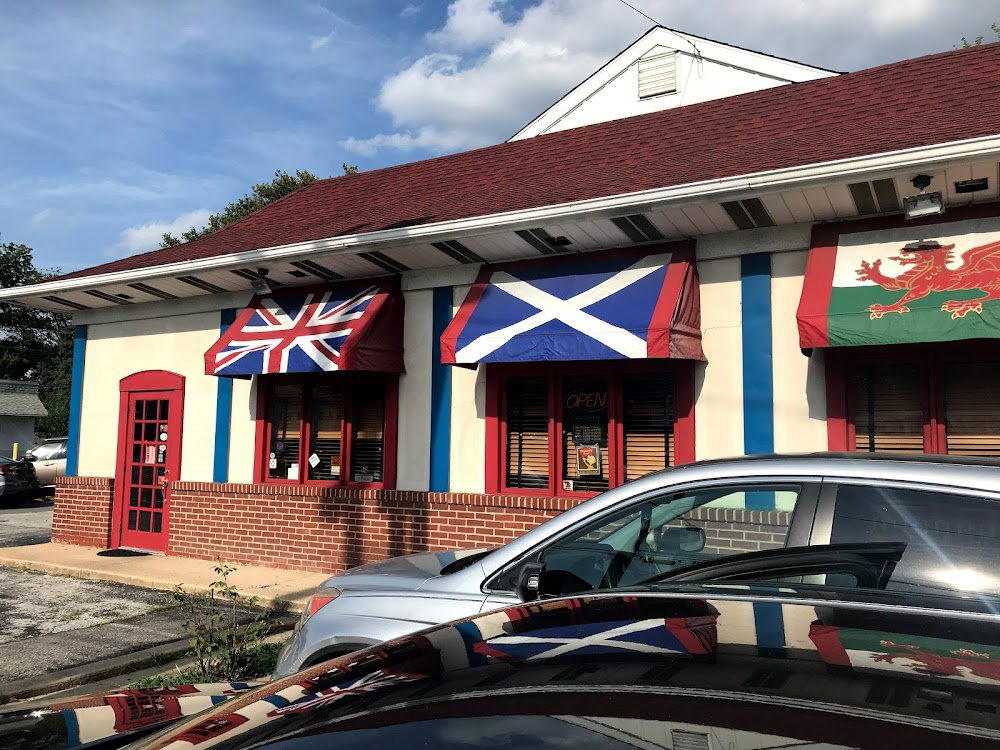
Hotels in Malvern
Browse all →
Wineries in Malvern
Browse all →
Details
- Modern
- Cozy
- Date Night
- Group Dining
- Family
- Open Kitchen
- Sake Program
- A La Carte
- Vegetarian Friendly
Current opening hours
- Monday
- 11 AM–9:30 PM
- Tuesday
- 11 AM–9:30 PM
- Wednesday
- 11 AM–9:30 PM
- Thursday
- 11 AM–9:30 PM
- Friday
- 11 AM–10 PM
- Saturday
- 11 AM–10 PM
- Sunday
- 12–9:30 PM
Hours can change for holidays and private events. Last verified .
Relaxing and modern with warm, comfortable decor and an inviting outdoor patio.