Portofino
On the western shore of Lake Zurich, Portofino occupies a prominent address on Thalwil's Seestrasse, positioning itself within a stretch of lakeside dining that draws from both the town's residential character and the broader Swiss-Italian culinary tradition. The name signals Mediterranean intent, and the setting, water, light, and the particular quietude of a commuter-belt lakeside town, shapes the kind of meal one expects here.
Pearl is the En Primeur Club membership app — saves, bookings, and concierge access live there. Same editors, same standards.
- Address
- Seestrasse 100, 8800 Thalwil, Switzerland
- Phone
- +41447203240
- Website
- portofino-am-see.ch
- Directions
- Get directions
 Saves & bookings on Pearl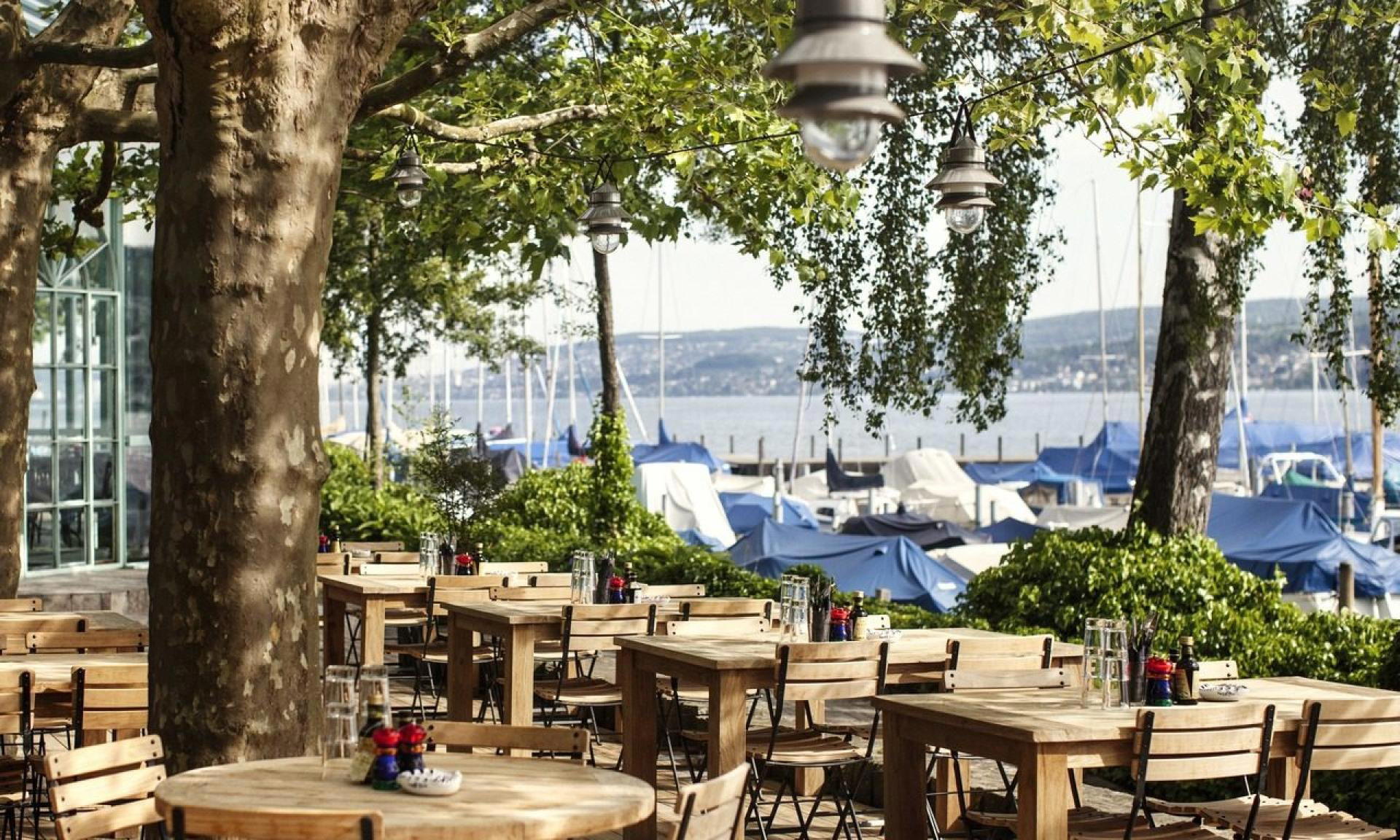
Lakeside Dining and the Swiss-Italian Table
Thalwil sits in this belt, about twelve kilometres south of Zurich's city centre, and Seestrasse, the road that threads through the lakeside communities of the Gold Coast's quieter western counterpart, is where its more serious dining addresses tend to concentrate. Portofino, at number 100, occupies this geography deliberately.
The name itself is a positioning statement. Portofino, the Ligurian fishing village, has become shorthand across Europe for a particular Italian sensibility: olive oil over butter, fish over meat, restraint over richness. When a Swiss lakeside restaurant adopts the name, it signals an orientation toward the Italian peninsula's lighter coastal register rather than the heartier Alpine-Italian tradition that dominates much of German-speaking Switzerland.
The Ingredient Logic of Northern Italian Cooking in Switzerland
Italian cooking at its most considered is fundamentally an ingredient argument. The cuisine does not hide its components behind technique; it presents them. A bruschetta's quality is a tomato argument. A risotto is a rice argument and a stock argument before it is a chef argument. This places particular pressure on sourcing, and Switzerland's geographic position, sharing a border with Italy's northern regions, including Lombardy, Piedmont, and the Veneto, creates genuine supply-chain advantages for kitchens with the will to use them.
The proximity matters in specific, practical ways. Northern Italian produce, particularly in the late summer and autumn months, travels into Switzerland with minimal transit time: porcini from the forests around Cuneo, white truffles from Alba when the season permits, the particular varieties of San Marzano and Datterino tomatoes that define southern-influenced cooking even as the kitchen remains geographically north. For a restaurant named after a Ligurian port, the sourcing conversation extends to seafood: whether the kitchen is drawing from Mediterranean suppliers, working through Swiss distributors with Italian relationships, or some combination, the supply chain is shorter than it would be at a comparable restaurant in London or Stockholm.
Across Switzerland's Italian-inflected restaurant scene, the leading addresses tend to commit to one of two approaches: they either lean into the Alpine-Italian synthesis, using local Swiss produce through an Italian lens, or they maintain tighter Italian sourcing discipline, treating Switzerland as a place to cook Italian food with Italian ingredients rather than a place to reinterpret Italian food through local produce. Both are coherent. The former produces something distinctive and place-specific; the latter delivers a more direct approximation of the Italian original. Thalwil's lakeside setting, with its visual echo of northern Italian lake districts like Como and Maggiore, supports either direction. For comparison, La Brezza in Ascona operates in the Ticino, Switzerland's Italian-speaking canton, where the Italian sourcing logic is almost automatic. Portofino makes that choice from a more northerly position, which requires more deliberate intention.
Where Portofino Sits in the Thalwil Dining Context
Thalwil is not Zurich, and that distinction matters for understanding what any restaurant here is doing. The town's restaurant scene serves a residential population with high average household income, the Gold Coast designation applies loosely to the western shore too, and a strong preference for reliable quality over experimental programming. This is not a neighbourhood where a restaurant earns its clientele through critical buzz or social media positioning; it earns it through consistency and the kind of repeat custom that comes from being the place a table of four returns to on a Thursday evening without needing to think about it.
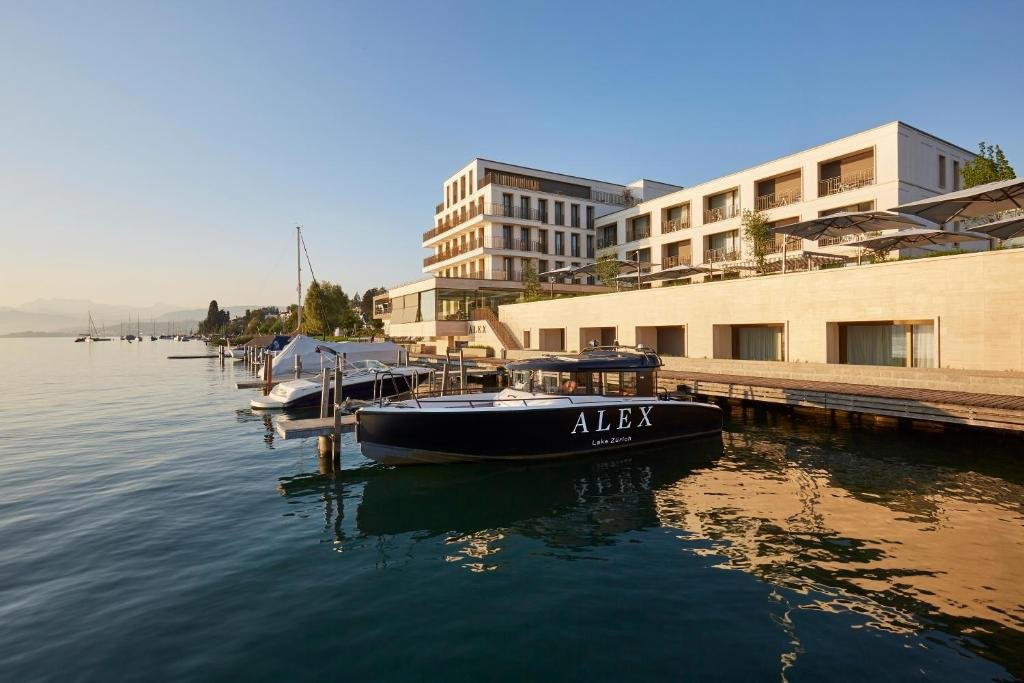
In that context, a restaurant with Italian coastal reference points occupies a specific niche. It offers an alternative to Swiss-German bistro formats and to the international hotel dining that anchors some lakeside towns. Alex Restaurant, also in Thalwil, represents another node in the town's dining offer. The two coexist within a small but coherent local scene.
Switzerland's upper dining tier, the addresses that consistently draw from a national and international audience, sits at some distance from Thalwil. Schloss Schauenstein in Fürstenau, Hotel de Ville Crissier in Crissier, and Cheval Blanc by Peter Knogl in Basel represent the country's Michelin-recognised fine dining register, with the kind of tasting menu format and prix-fixe structures that signal a particular tier of ambition. Memories in Bad Ragaz, focus ATELIER in Vitznau, and IGNIV Zürich by Andreas Caminada each operate in that same high-commitment tier. Portofino does not position against those addresses; its comparable set is the reliable, quality-oriented neighbourhood restaurant that a lakeside Swiss town of this character tends to support.
Getting to Seestrasse 100
Thalwil's S-Bahn connections to Zurich HB run frequently, placing the town within the city's commuter orbit, which also means that Zurich residents can reach the lakeside in under twenty minutes without a car. The Seestrasse address is walkable from the station, which matters for a lakeside dinner where the wine list is presumably worth using. Visitors travelling from further afield who are building a broader Swiss itinerary might also consider the dining rooms at Colonnade in Lucerne, Einstein Gourmet in Sankt Gallen, or 7132 Silver in Vals as part of the same trip. Closer to home, L'Atelier Robuchon in Geneva, La Table du Lausanne Palace in Lausanne, Magdalena in Schwyz, and Da Vittorio in St. Moritz map the spread of Switzerland's serious dining addresses across the country's language regions and altitude bands.
Comparable Venues
Comparable venues nearby, for context on price, style, and recognition.
| Venue | Cuisine | Price | Notes |
|---|---|---|---|
| PortofinoThis venue — the venue you are viewing | Italian Lakeside with Neapolitan Pizza | $$$ | Not listed |
| Alex Restaurant | Modern Mediterranean with Italian influences | $$$ | Thalwil |
| Casa Tolone | Traditional Italian | $$$ | outskirts of old town |
| Vallocaia | Authentic Tuscan Italian | $$$ | Oberstrass |
| Gambrinus | Traditional Italian with Mediterranean Specialties | $$$ | Weinfelden |
| Più Zug | Modern Neapolitan Italian | $$$ | Altstadt |
At a Glance
- Romantic
- Cozy
- Elegant
- Scenic
- Date Night
- Family
- Celebration
- Waterfront
- Terrace
- Waterfront
Current opening hours
- Monday
- 11:30 AM–2:30 PM, 5:30–11 PM
- Tuesday
- 11:30 AM–2:30 PM, 5:30–11 PM
- Wednesday
- 11:30 AM–2:30 PM, 5:30–11 PM
- Thursday
- 11:30 AM–2:30 PM, 5:30–11 PM
- Friday
- 11:30 AM–2:30 PM, 5:30–11 PM
- Saturday
- 11:30 AM–11 PM
- Sunday
- 11:30 AM–11 PM
Hours can change for holidays and private events. Last verified .
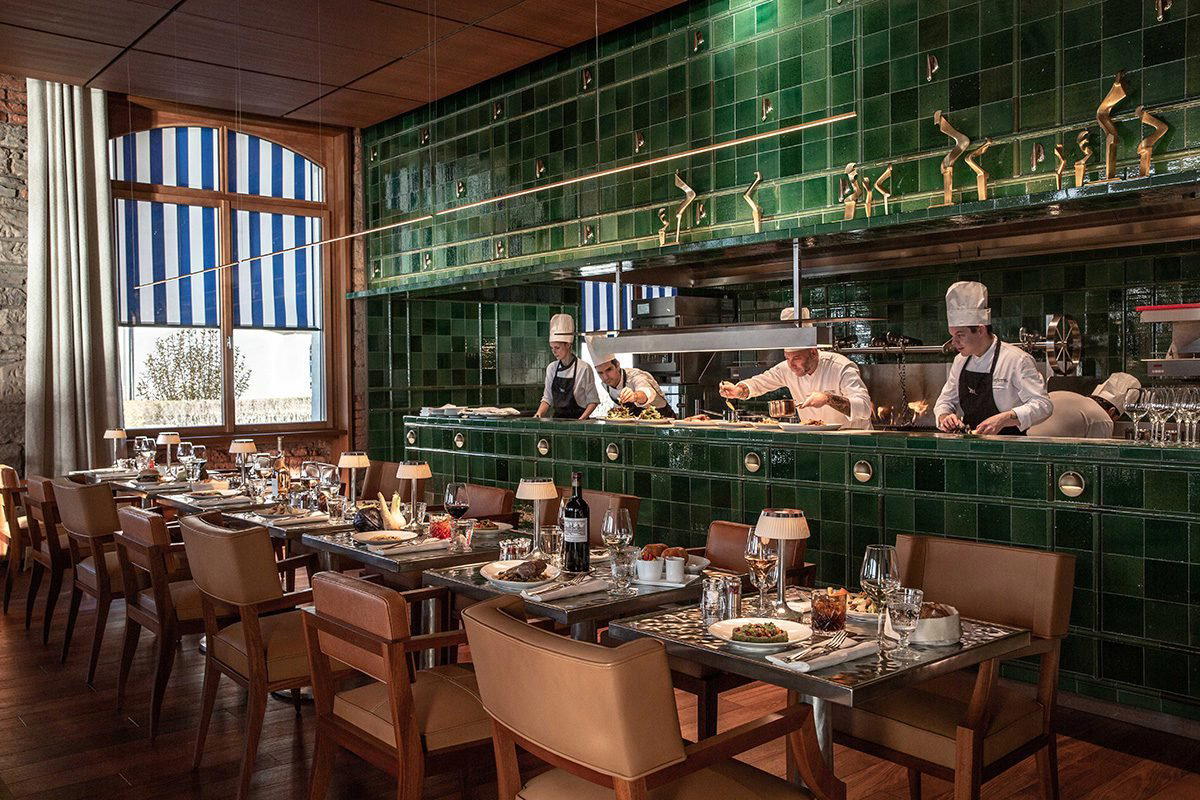
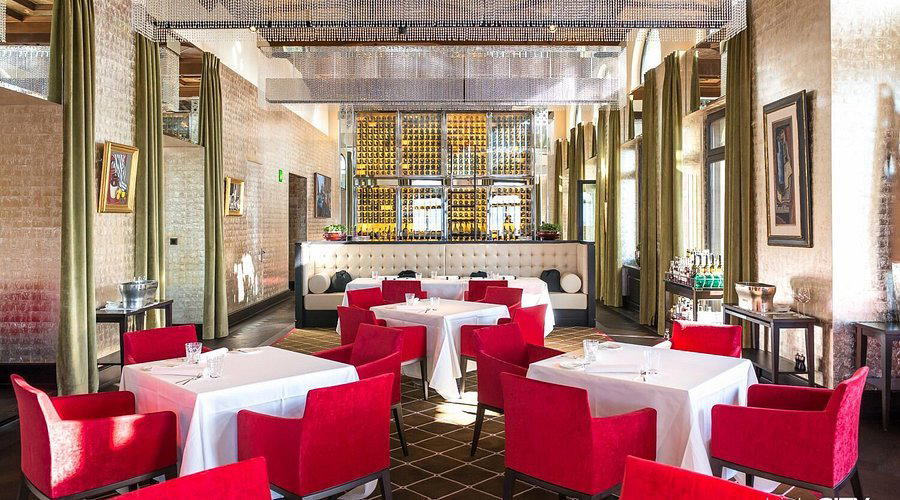
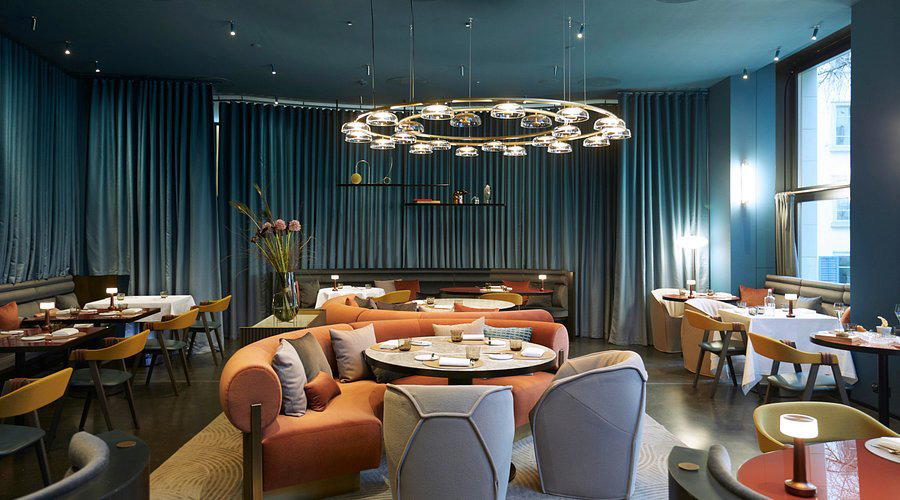
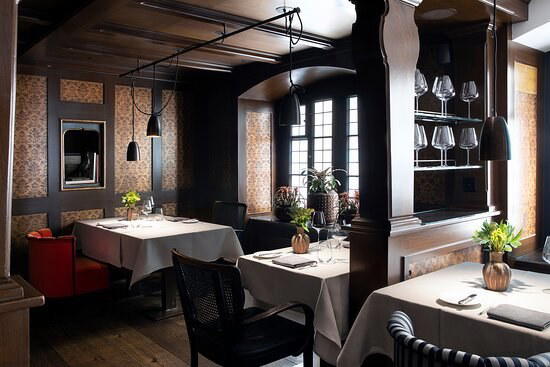
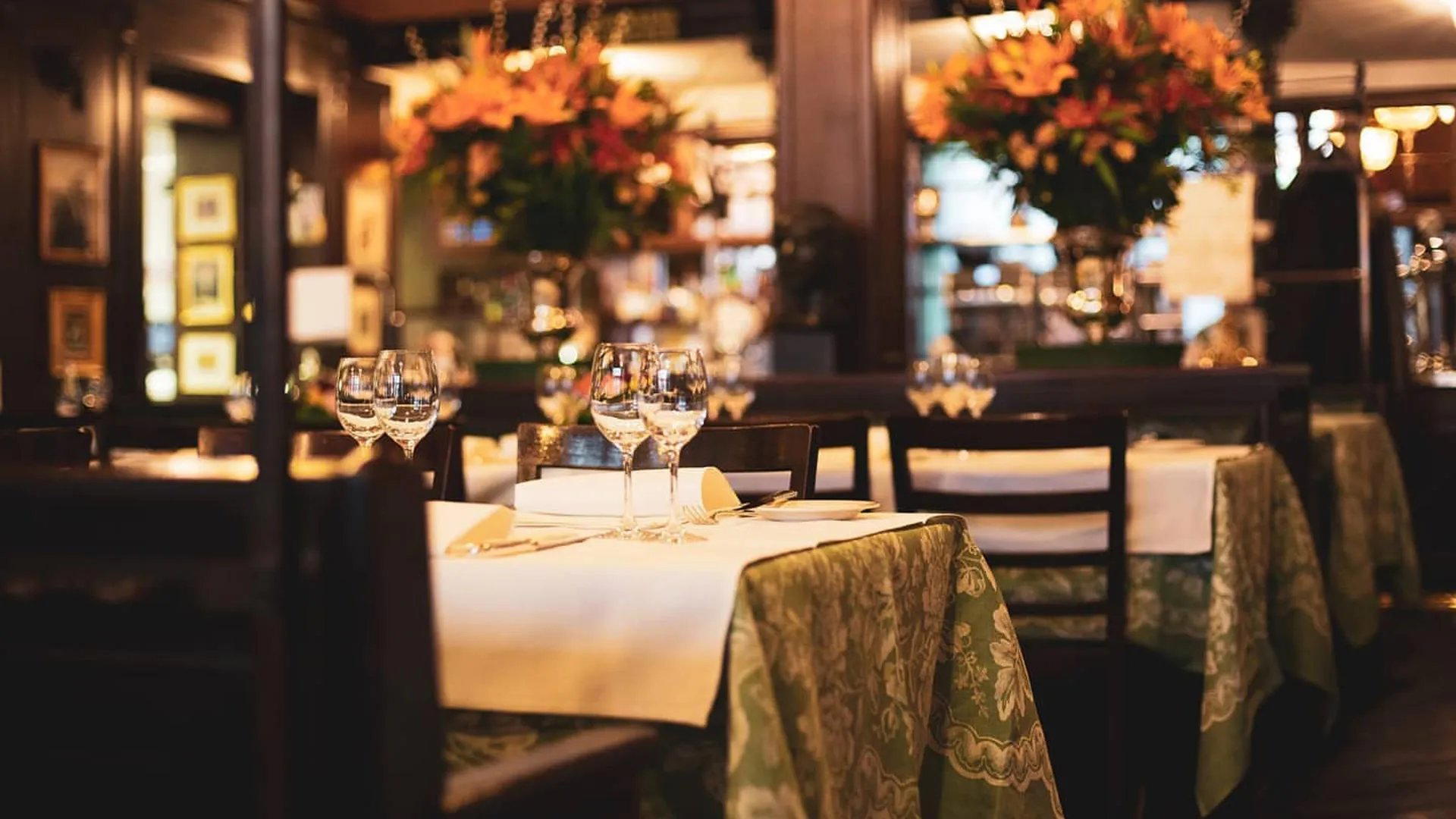
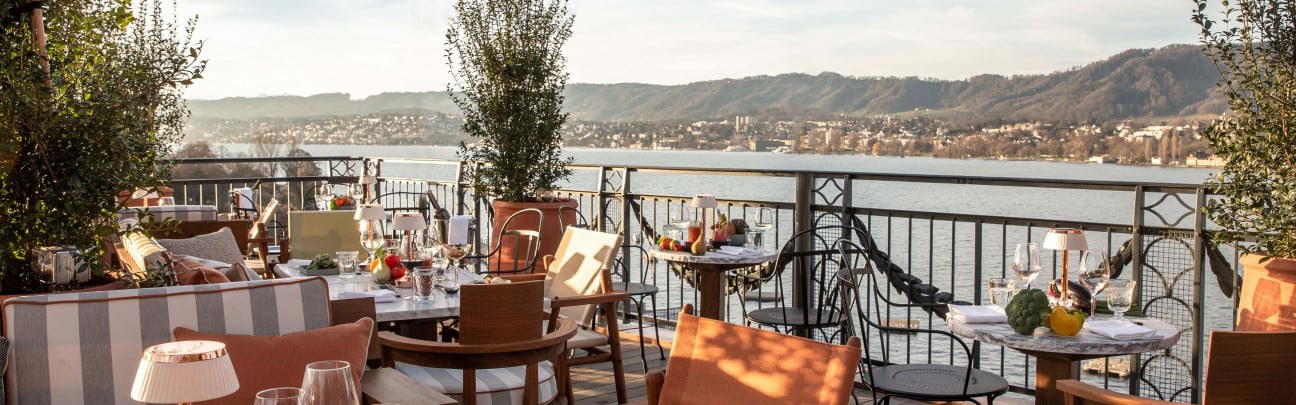
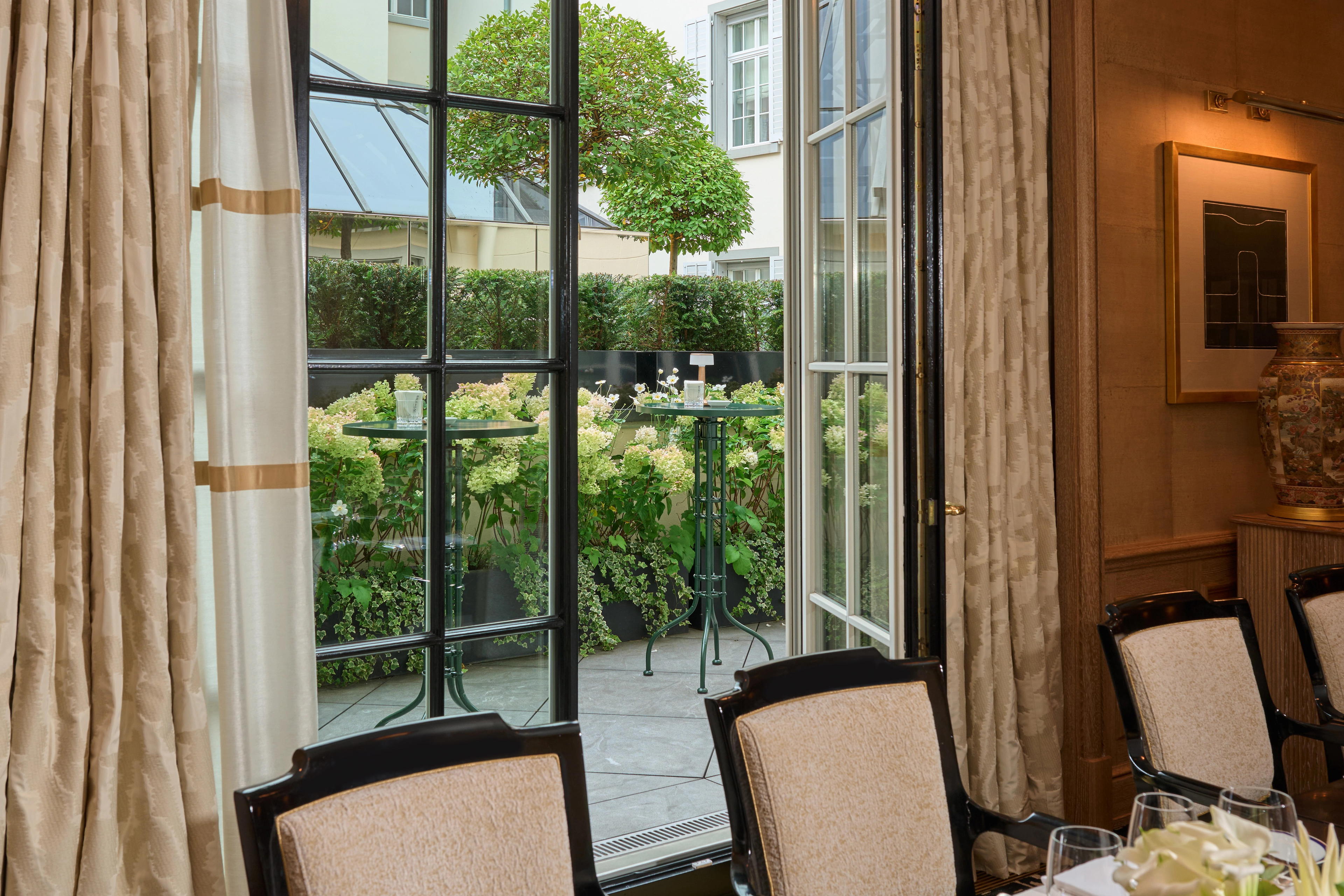
Lovely interior with classic black and white mosaic floors, gorgeous handmade Swiss lamps providing soft illumination, cozy wood fireplace, and glass roof enhancing the lakeside ambiance.