Mele e Pere
A Soho fixture on Brewer Street that draws a loyal crowd back to its Italian-leaning basement bar and kitchen, Mele e Pere occupies the relaxed middle ground between neighbourhood trattoria and serious vermouth list. The regulars arrive for the aperitivo culture as much as the food, treating it as a standing appointment rather than an occasion. It sits in a different tier from Soho's more formal dining rooms, and that is precisely its appeal.
Pearl is the En Primeur Club membership app — saves, bookings, and concierge access live there. Same editors, same standards.
- Address
- 46 Brewer St, London W1F 9NY, United Kingdom
- Phone
- +44 20 7096 2096
- Website
- meleepere.co.uk
- Directions
- Get directions
 Saves & bookings on Pearl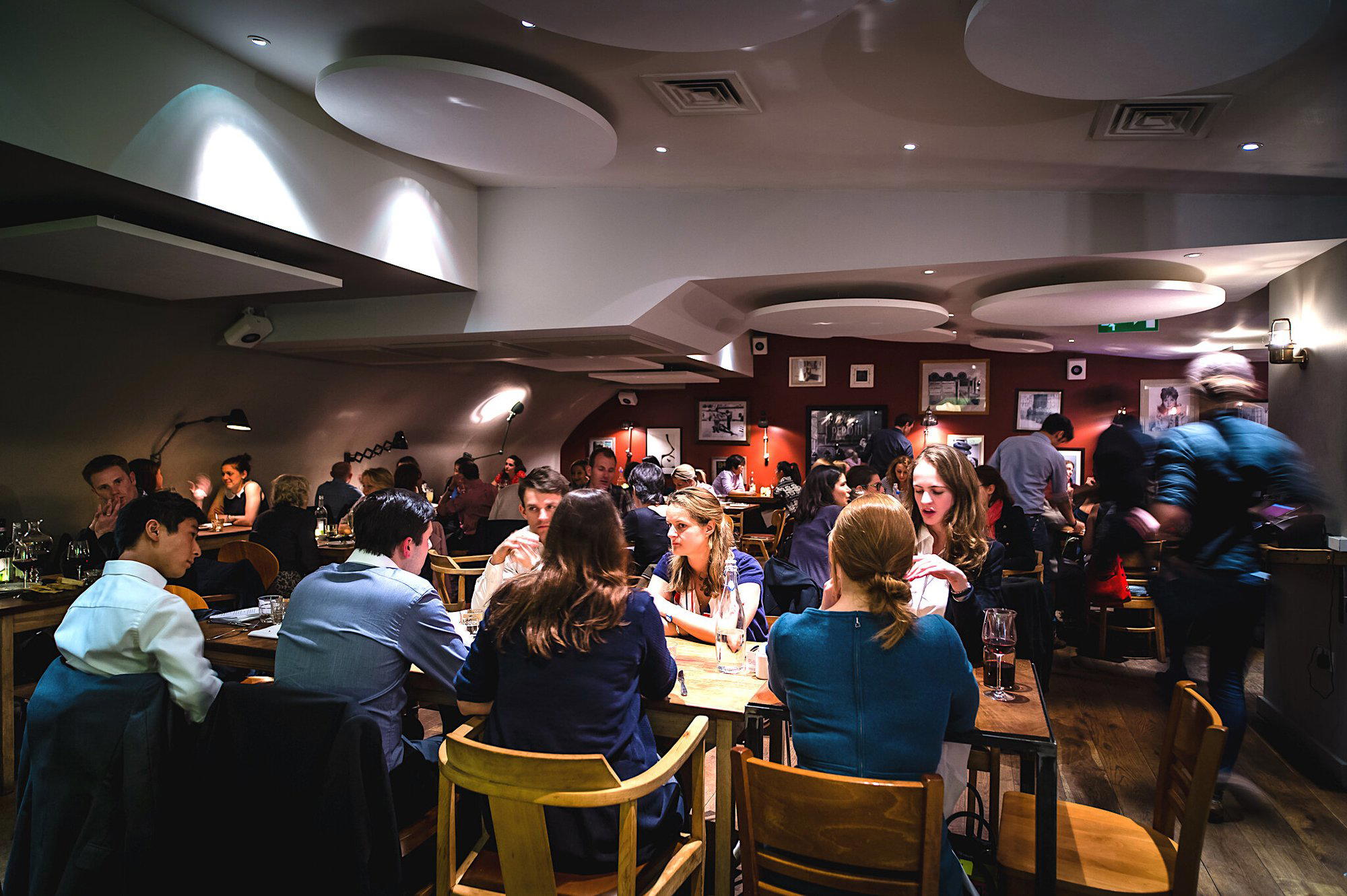
The Brewer Street Fixture That Soho Keeps Coming Back To
On Brewer Street, where Soho's restaurant density reaches its highest concentration, a certain type of place survives not through awards cycles or tasting menus but through the loyalty of a local crowd that treats it as a weekly appointment. Mele e Pere, at number 46, belongs to that category. The address sits in the middle of a strip where Italian dining in London has long operated across wildly different registers: from the expense-account rooms of Mayfair just to the east to the casual counter seats of neighbourhood spots that have existed for decades without needing to explain themselves. Mele e Pere occupies its own position in that range, one defined more by the people who return every fortnight than by any single editorial moment.
What the Regulars Are Actually Drinking
In London's Italian dining scene, the aperitivo tradition has historically been an afterthought, something gestured at with a Campari soda rather than taken seriously as a programme. The shift toward genuine vermouth depth, with house-made or carefully sourced options poured with the same attention given to the wine list, represents a meaningful change in how Italian bars on this side of the channel position themselves. Mele e Pere has become one of the addresses where that shift is felt rather than announced. The vermouth selection functions as an anchor for the regulars, many of whom arrive in the early evening hours not necessarily intending to stay for dinner but who do anyway, pulled through by the logic of a second glass and a few plates of food that pair well with both.
This pattern, aperitivo hour extending into a full sitting, is a behaviour that defines particularly durable Italian venues in London. It requires a kitchen that can sustain both registers: light bites for the early crowd and substantive plates for those who settle in. Venues that do it well tend to build the kind of repeat attendance that press coverage cannot manufacture. The crowd at Mele e Pere skews toward people who have been before, which is one reliable signal of a place working as it intends to.
The Basement and What It Does to the Experience
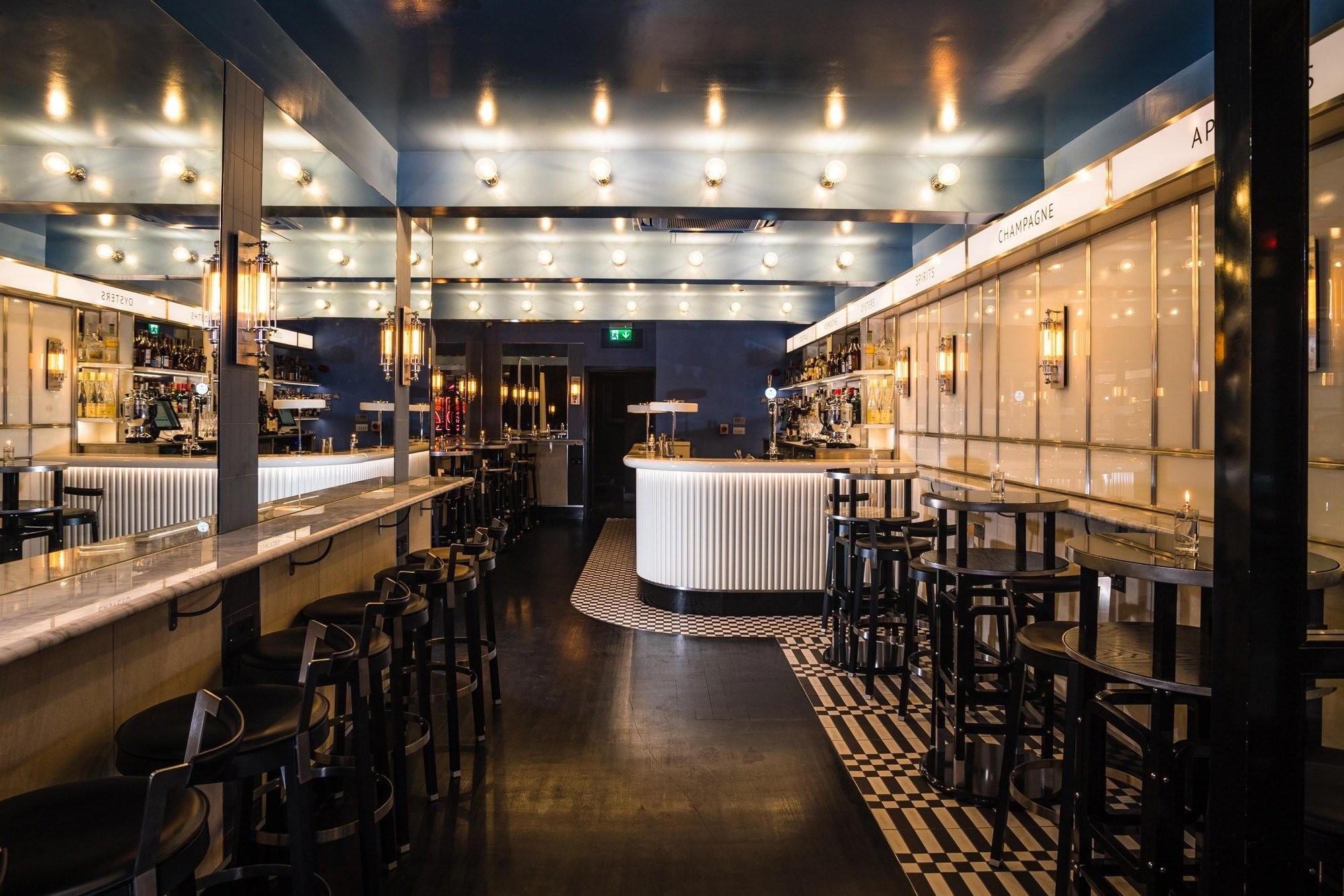
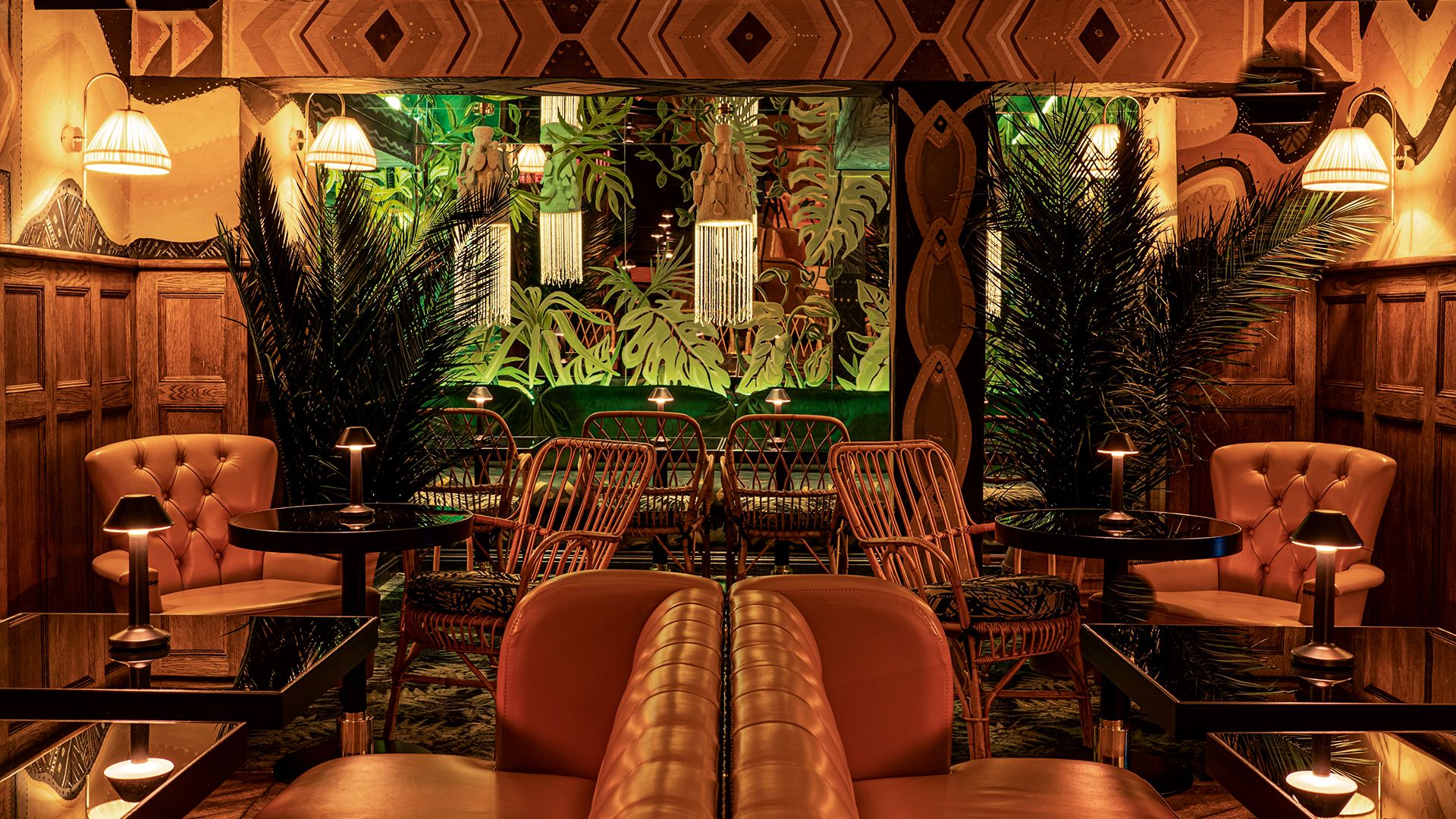
Much of London's contemporary dining has moved toward the ground-floor-window format, where visibility from the street acts as both advertisement and experience. The basement dining room runs counter to that tendency. Underground rooms carry a different social contract: you go down knowing you are committing to the room rather than to the spectacle of being seen from Brewer Street. In Italian dining specifically, the basement format often signals a more serious approach to the food and drink programme, less dependent on foot traffic and more dependent on word of mouth and return visits. The geometry of the space, low ceilings and enclosed, tends to encourage longer stays and louder tables, which suits the aperitivo-into-dinner rhythm that the venue has built around.
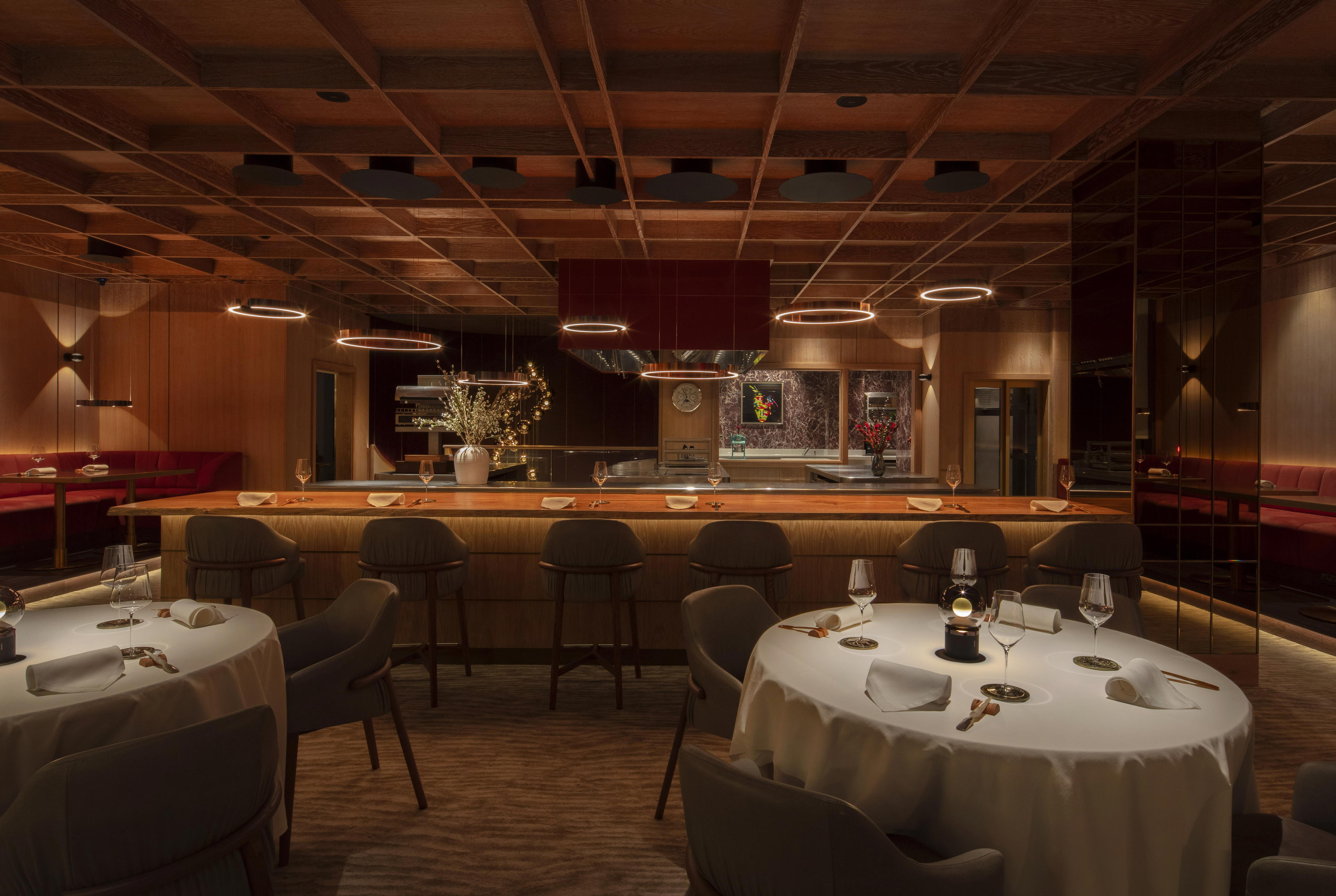
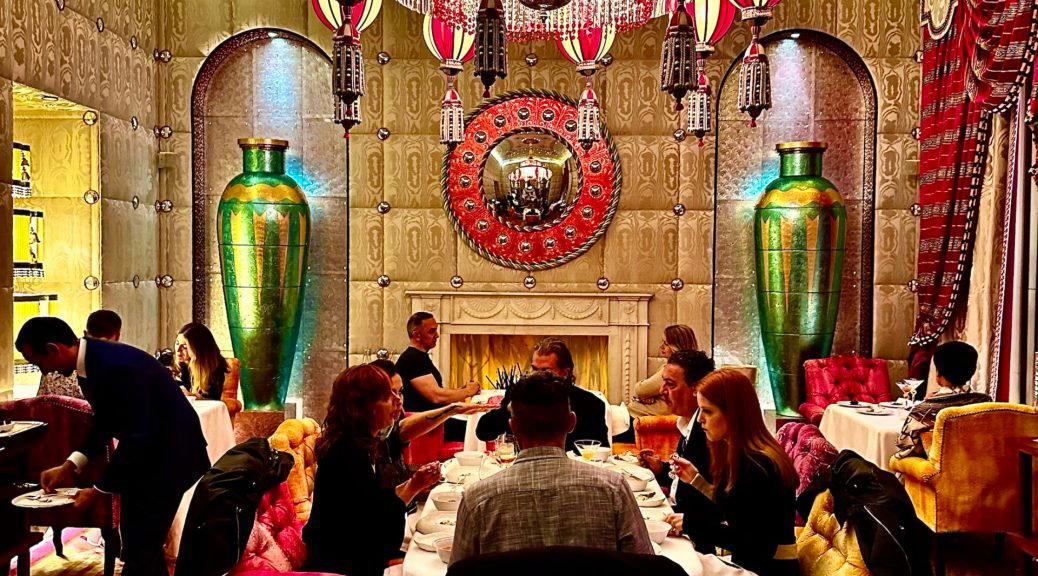
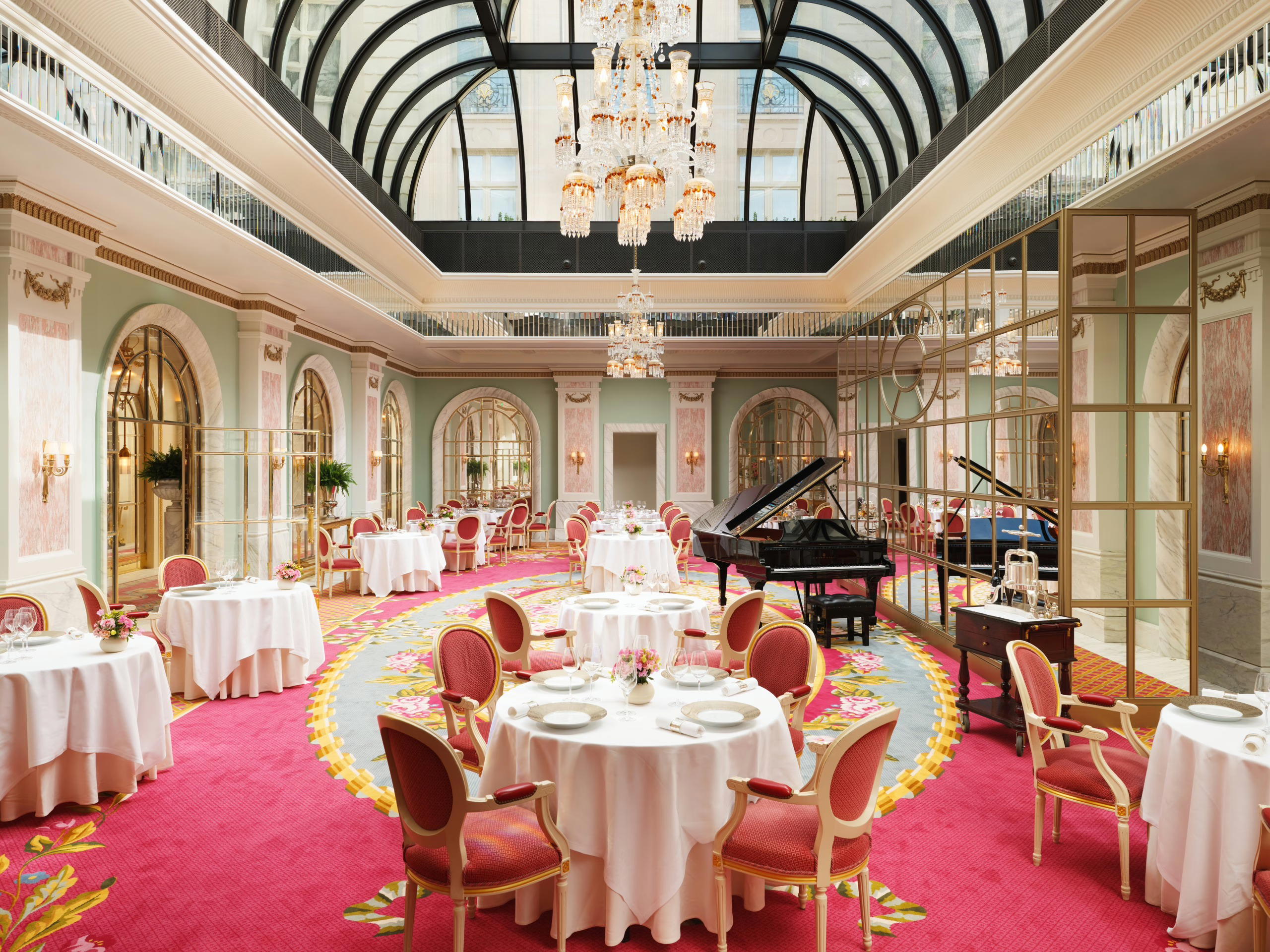
For context on how this sits within London's broader dining map, the city's most formally recognised Italian-influenced rooms are concentrated elsewhere: the Michelin-starred contemporary European addresses such as The Ledbury and the high-format modern British rooms like CORE by Clare Smyth operate in a different tier entirely, as do the multi-starred rooms at Sketch, The Lecture Room and Library and Restaurant Gordon Ramsay. The restaurant does not compete with those addresses and does not try to. It competes for the evenings when regulars want something that asks less of them formally but still delivers on the plate and in the glass.
Italian Cooking at the Casual Register in London
The Italian restaurant category in London has fragmented considerably over the past decade. At one end sit the destination pasta counters and regional specialists attracting queues and press attention. At the other end, the neighbourhood trattoria format, which once dominated large parts of the city, has thinned out as rents in central London have made low-margin casual dining harder to sustain. The venues that have held their position in between are the ones with a point of difference strong enough to build habitual attendance: a specific regional focus, an unusually serious drinks programme, or a combination of both that makes the visit feel considered rather than generic.
The Italian kitchen at this register typically centres on pasta made in-house, shared plates suited to the aperitivo tempo, and a wine list that leans toward the peninsula without making the selection intimidating. These are the elements that keep a Soho crowd returning rather than drifting to the newer opening down the street. Beyond London, the Italian casual register produces some of the country's most consistent cooking: destinations like Le Manoir aux Quat' Saisons in Great Milton and L'Enclume in Cartmel sit at the formal end of British fine dining, while the neighbourhood register that restaurant occupies serves a fundamentally different purpose in the dining ecosystem.
Planning Your Visit
Soho's dining rooms fill early on weekday evenings and compress quickly on weekends. A venue at this address and with this level of local following operates on the assumption that return visitors know the rhythms, while first-time guests often underestimate the pace at which tables turn over. The vermouth-led aperitivo format also means the bar seats, if available, function as a distinct experience from a booked table.
For those building a broader London itinerary, the city's full dining range is covered in our full London restaurants guide, with additional resources for bars, hotels, experiences, and wineries. Comparable landmark dining outside London includes The Fat Duck in Bray, Moor Hall in Aughton, Gidleigh Park in Chagford, and Hand and Flowers in Marlow, each operating in a different register but useful reference points for understanding where casual Italian dining sits in the wider picture. For international comparison, the sustained precision of Le Bernardin in New York City and the tasting counter format of Atomix illustrate how differently cities approach the serious-but-casual divide. Dinner by Heston Blumenthal remains the reference point in London for how historical British cooking can be reframed at high format, a useful contrast to the straightforwardly Italian register the restaurant operates within.
Know Before You Go
- Address: 46 Brewer St, London W1F 9NY, United Kingdom
- Neighbourhood: Soho, Central London
- Format: Basement bar and dining room; aperitivo and dinner service
- Booking: Recommended, particularly for weekend evenings; bar seats may be available for walk-ins
- Leading approach: Arrive for aperitivo hour and let the evening extend naturally
- Nearest transport: Piccadilly Circus (Bakerloo, Piccadilly lines) or Leicester Square (Northern, Piccadilly lines)
Peers Worth Knowing
Comparable venues nearby, for context on price, style, and recognition.
| Venue | Cuisine | Price | Notes |
|---|---|---|---|
| Mele e PereThis venue — the venue you are viewing | Italian Trattoria | $$ | Not listed |
| 64 Old Compton St | Authentic Italian Pasta | $$ | Soho |
| Bancone Golden Square | Modern Italian Pasta | $$ | Soho |
| Made in Italy | Neapolitan Pizza | $$ | Chelsea |
| Fatto a Mano Covent Garden | Authentic Neapolitan Pizza | $$ | Covent Garden |
| Elephant Hackney | Southern Italian Neapolitan Pizzeria | $$ | Lower Clapton |



At a Glance
- Cozy
- Trendy
- Intimate
- Date Night
- Casual Hangout
- Brunch
- Open Kitchen
- Extensive Wine List
- Craft Cocktails
- Local Sourcing
Current opening hours
- Monday
- 12–10 PM
- Tuesday
- 12–10 PM
- Wednesday
- 12–10 PM
- Thursday
- 12–11 PM
- Friday
- 12–11 PM
- Saturday
- 12–11 PM
- Sunday
- 12–9 PM
Hours can change for holidays and private events. Last verified .
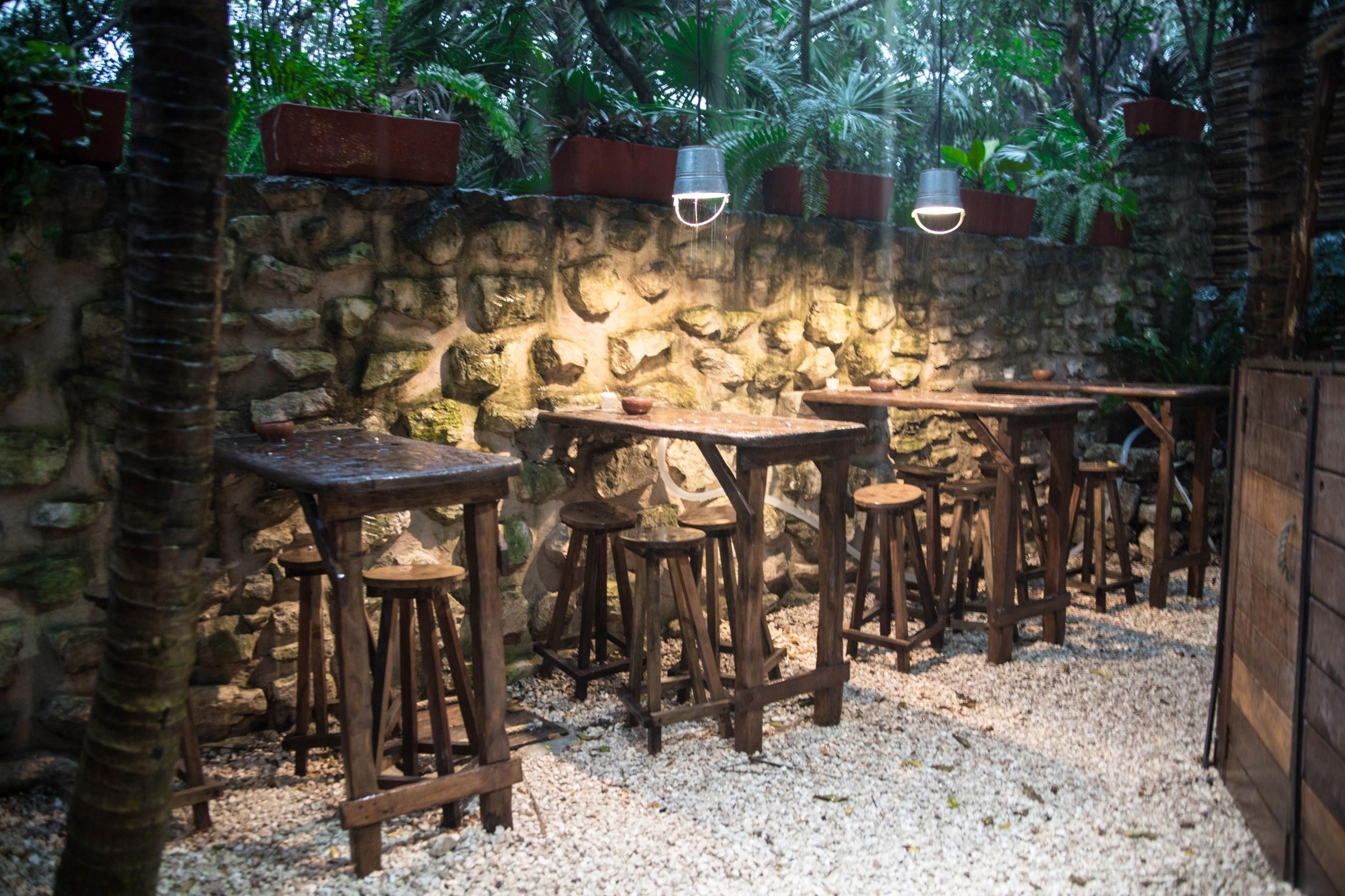
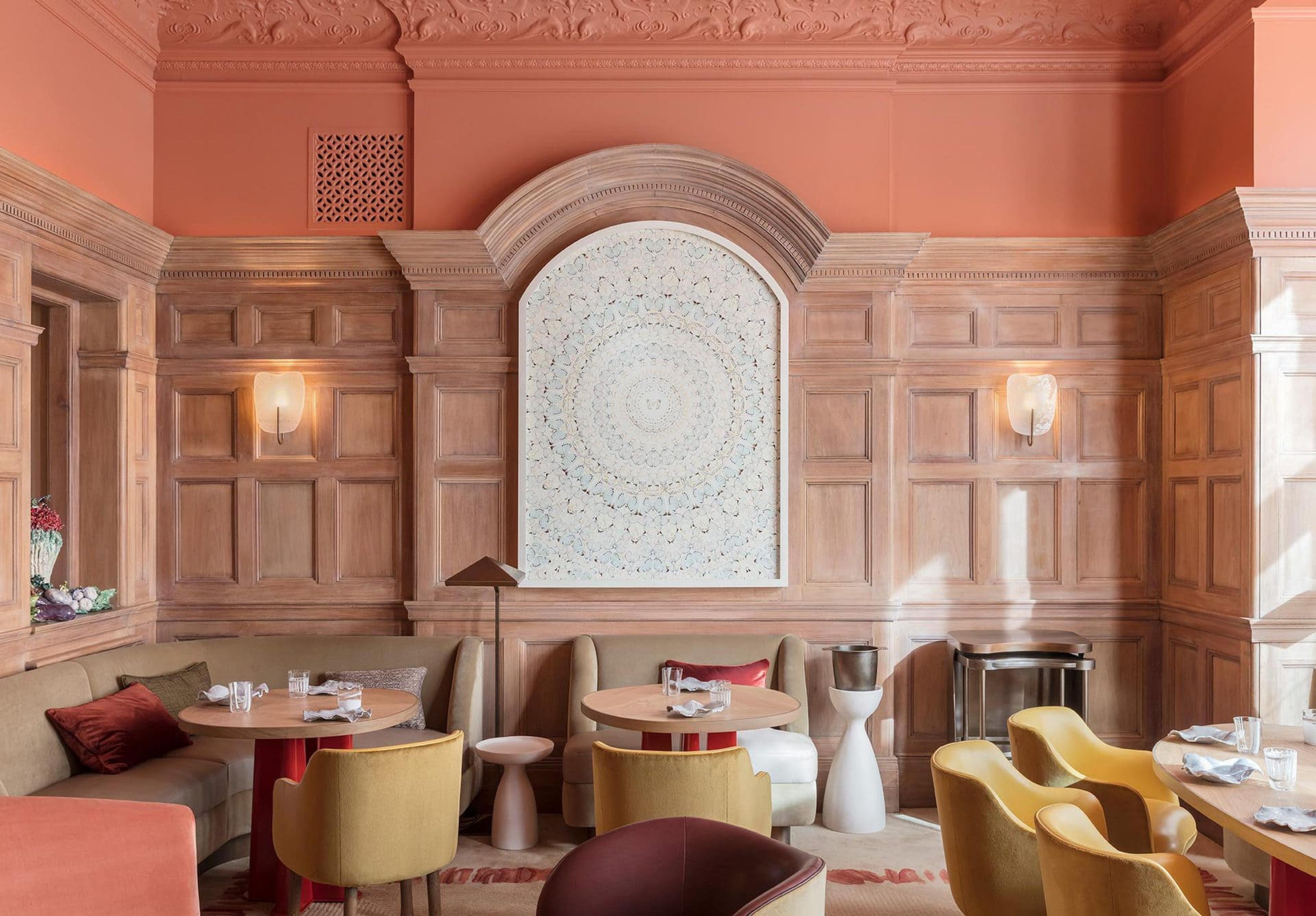
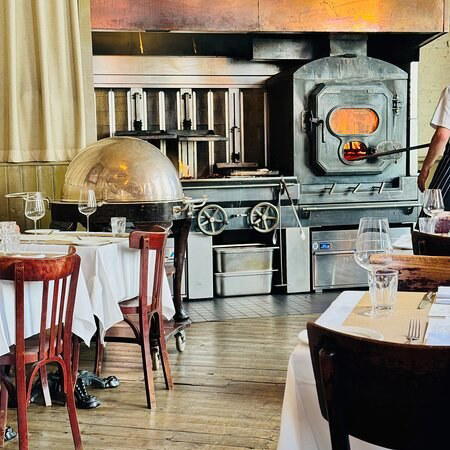
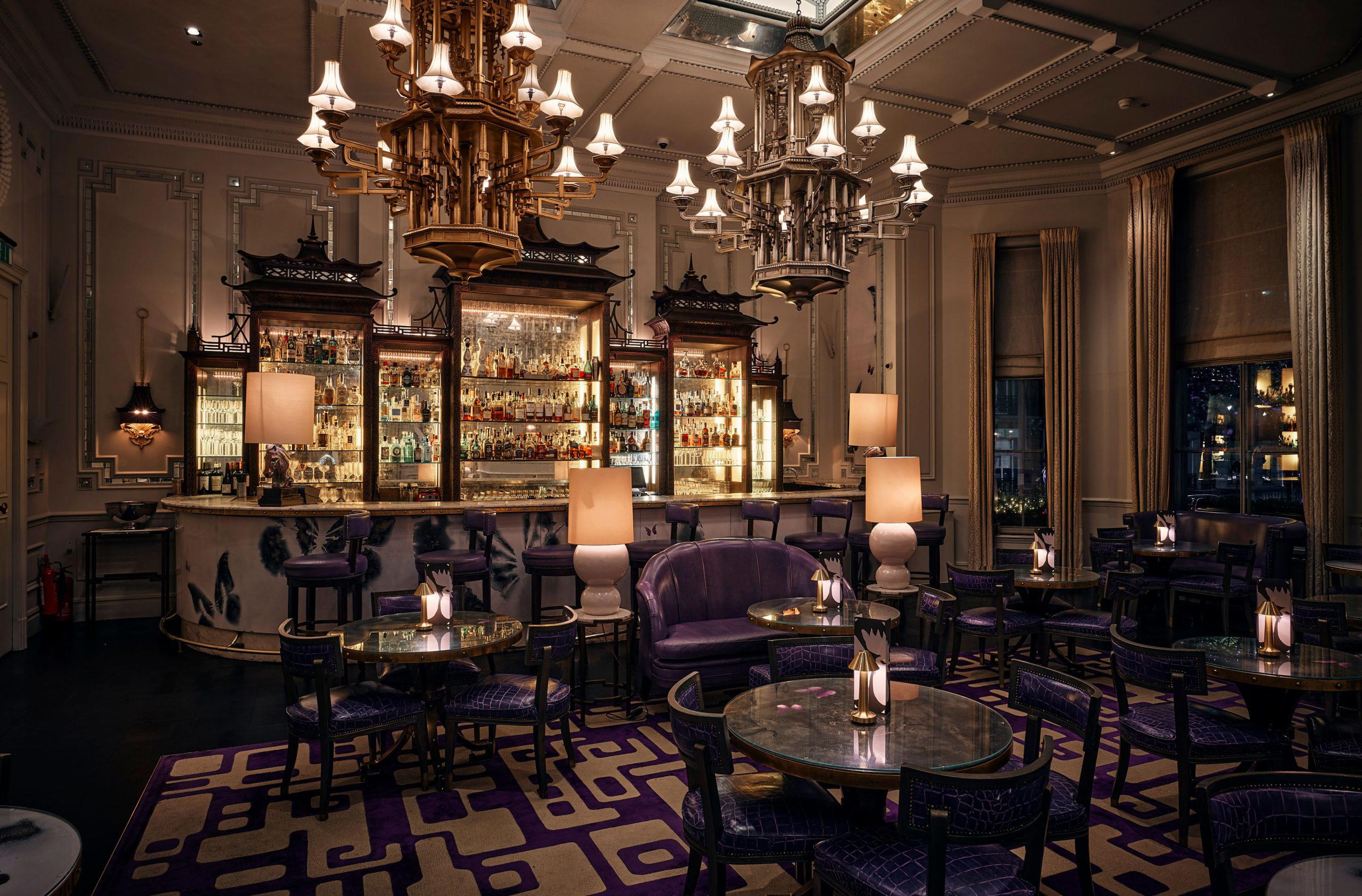
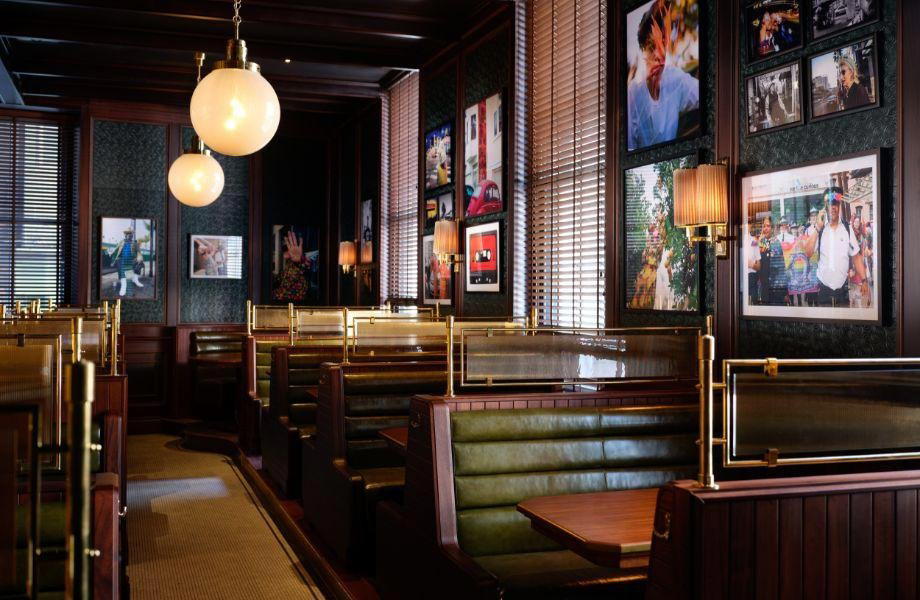
Bright and welcoming upstairs space with a cozy, neighborhood trattoria feel in the heart of Soho.