Pobre Juan Higienópolis occupies a residential address on Rua Itaguaba in one of São Paulo's most storied bourgeois neighbourhoods, where the density of mature trees and pre-war apartment buildings sets a tone that carries indoors. The restaurant sits within São Paulo's mid-to-upper dining tier, drawing a neighbourhood crowd that treats the room as a regular rather than an occasion destination. Higienópolis regulars know it; the wider city is still catching on.
Pearl is the En Primeur Club membership app — saves, bookings, and concierge access live there. Same editors, same standards.
- Address
- R. Itaguaba, 38 - Higienópolis, São Paulo - SP, 01233-000, Brazil
- Phone
- +551138250917
- Website
- pobrejuan.com.br
- Directions
- Get directions
 Saves & bookings on Pearl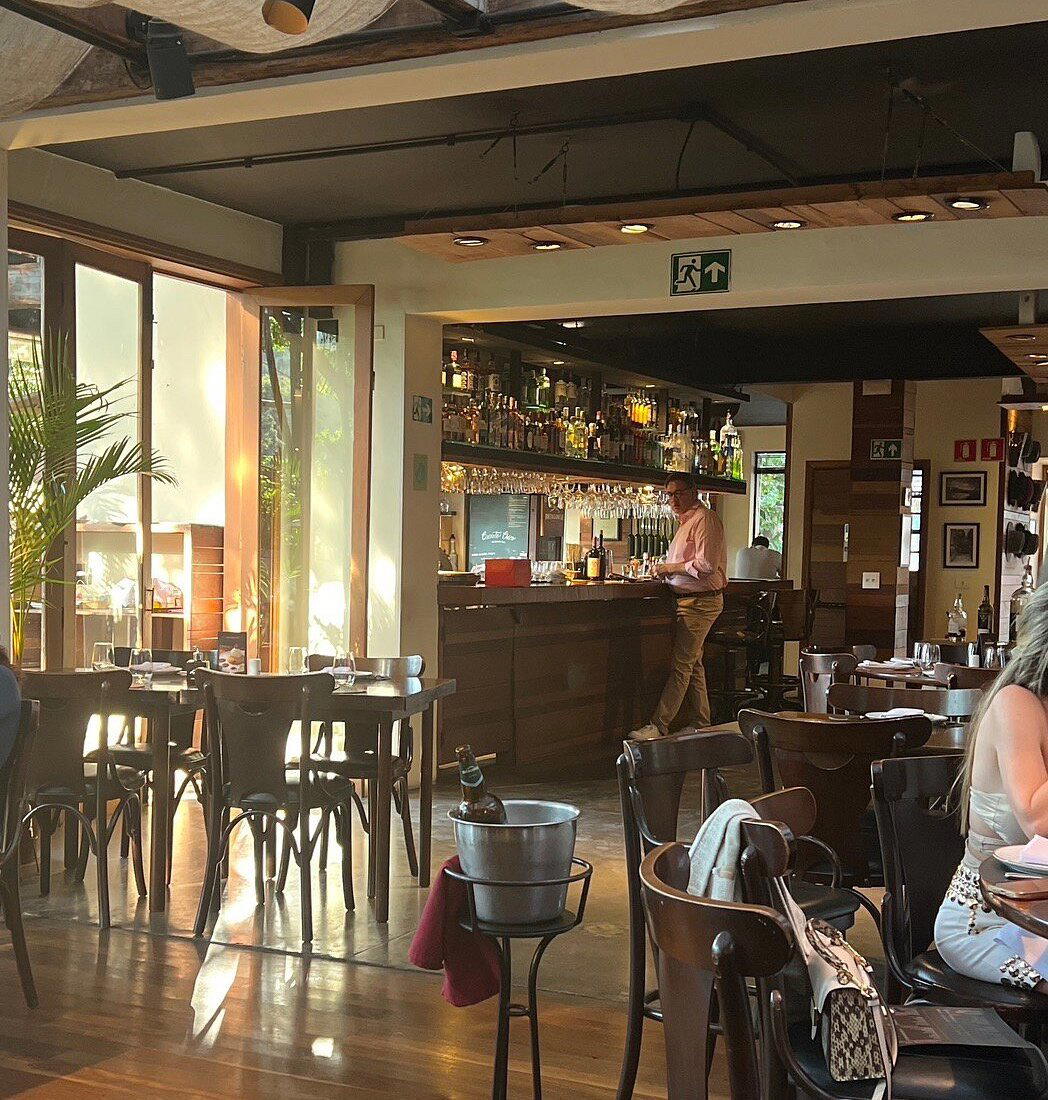
The Neighbourhood Before the Room
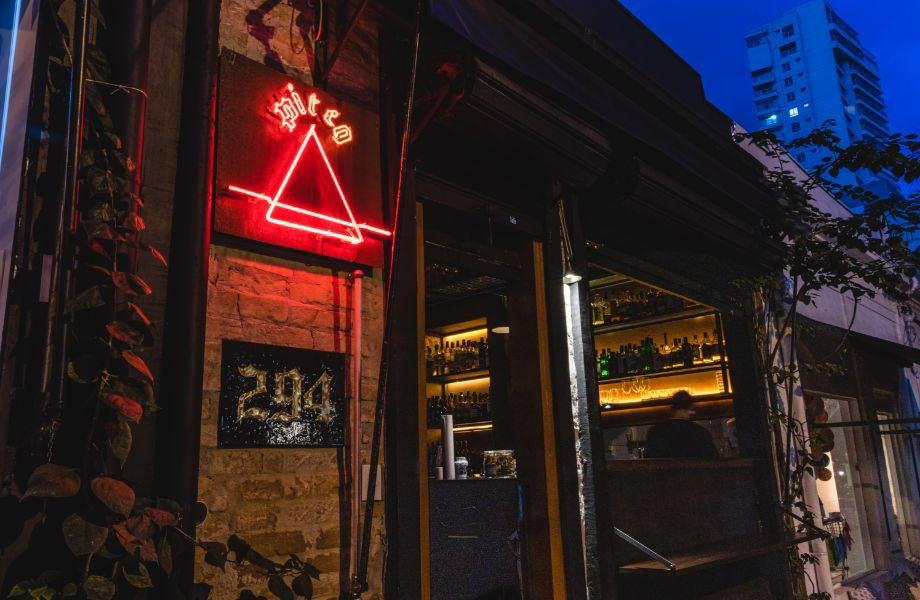
Higienópolis arrives before any restaurant does. The neighbourhood, spreading north and west from Avenida Higienópolis, is one of São Paulo's few districts where the urban grain still reads as it did mid-century: wide pavements shaded by ficus trees, art-deco façades, the occasional modernist block designed by someone who had read their Le Corbusier carefully. It is a residential neighbourhood in the fullest sense, one where residents walk to the bakery, the wine shop, and dinner. That character shapes every restaurant that opens here, including those on the quieter residential streets that branch off the main arteries. Pobre Juan sits on Rua Itaguaba, a block that does not announce itself. The address, number 38, belongs to a building that reads as neighbourhood fabric rather than destination signage. Arriving on foot from the Higienópolis–Mackenzie metro station, the transition from city noise to street calm happens quickly, and that transition is part of what the experience is selling.
Entering the Room: What the Atmosphere Does
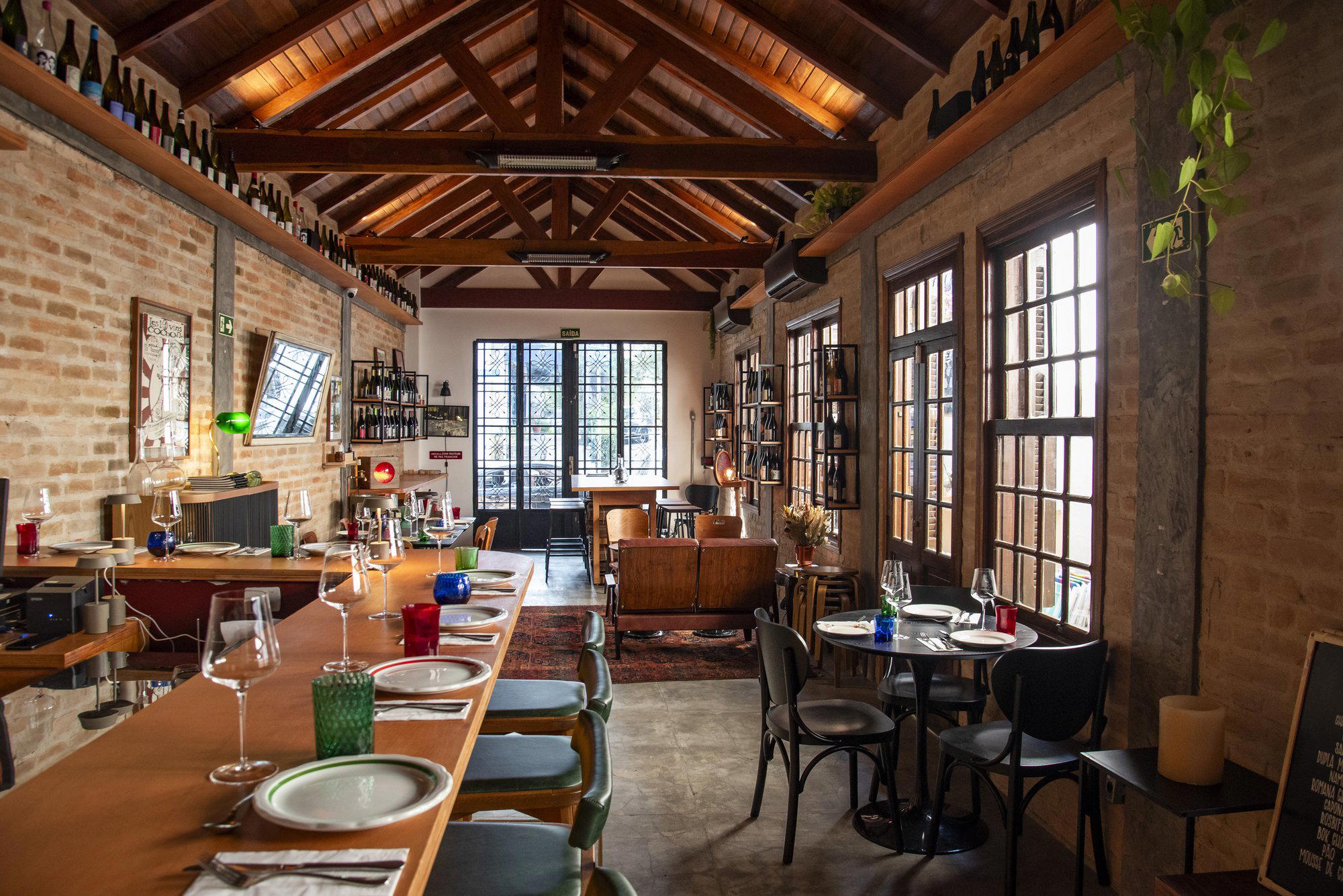
São Paulo's dining rooms generally divide into two registers: the high-ceiling theatrical spaces of Itaim Bibi and Vila Olímpia, engineered for volume and visual drama, and the lower-key, intimate formats of Pinheiros, Santa Cecília, and Higienópolis, where the room is scaled closer to the residential buildings around it. The second category is harder to execute well. Without spectacle as a crutch, the cooking and the service carry more weight, and the physical environment needs to function as comfort rather than backdrop. Pobre Juan operates within this second register. The name itself sets an expectation: something direct, unpretentious, and grounded rather than aspirational. That register connects to a broader São Paulo pattern in which neighbourhood restaurants with Spanish-influenced names reference the city's historically deep Iberian immigration, the same wave that seeded the city's churrascos, its early cantinas, and its long tradition of the meat-centred table.
The Sensory Argument for Meat-Centred Dining
Brazil's relationship with grilled and roasted meat is well-documented but often flattened into the churrascaria format, which is a particular institution with its own logic of abundance and rotation. The neighbourhood parrilla or grill house operates differently. Where the churrascaria is engineered for throughput, the neighbourhood grill room is built around the table staying put, around the rhythm of a single cut arriving when it is ready. The smell of charcoal or hardwood smoke reaching the pavement before you reach the door is a functional promise: something is happening inside that takes time and attention. That sensory signal, common to parrilla traditions across Argentina, Uruguay, and southern Brazil, is one of the few in dining that carries almost universal legibility. You know what you are walking into. The sound inside tends to follow: the low percussion of cutlery on ceramic, conversation pitched at a level that does not require raising your voice, the occasional clatter from a kitchen that is working rather than performing. These are signals of a room in use rather than on display.
São Paulo's broader dining scene rewards comparison here. The city's higher-profile creative restaurants, places like D.O.M. Tuju, and Maní, sit in a tier defined by tasting menus, Brazilian ingredient sourcing as a conceptual framework, and international recognition. Evvai and Fame Osteria anchor the contemporary Italian end of the same upper register. The neighbourhood grill house operates below that tier in price and ambition, but not necessarily in execution. It answers a different question: not what is possible with Brazilian ingredients at maximum creative effort, but what a well-sourced cut of beef tastes like when left largely alone.
Higienópolis as a Dining Neighbourhood
The neighbourhood context matters for understanding what Pobre Juan is competing against and who it is feeding. Higienópolis has a dense residential population with significant disposable income and a preference for restaurants that function as extensions of domestic life rather than events. This produces a particular local loyalty. Restaurants in Higienópolis that survive their first two years tend to develop a repeat clientele that books the same table on the same day of the week, that knows the front-of-house staff by name, and that applies a relatively high threshold for novelty. It is not a neighbourhood that rewards spectacle. It rewards reliability. For visitors arriving from other parts of São Paulo or from outside the city, the neighbourhood functions as a counterpoint to the more internationally visible restaurant districts. Where Itaim Bibi or Jardins can feel like they are performing for an international audience, Higienópolis reads as São Paulo performing for itself. See our full São Paulo restaurants guide for a broader map of the city's dining districts.
Placing Pobre Juan in the Brazilian Grill Tradition
The parrilla and churrasco traditions that inform this category of restaurant have deep roots across South America. In Brazil, the southern states of Rio Grande do Sul and Santa Catarina are historically associated with particularly technical traditions of gaucho-style grilling, where the cut selection, the salting, and the fire management are treated as craft rather than volume cooking. As São Paulo absorbed immigrants and internal migrants from those states across the twentieth century, those traditions filtered into neighbourhood restaurants throughout the city. The Spanish name Pobre Juan connects to a parallel lineage, the Argentine and Uruguayan parrilla culture that influenced São Paulo's meat-focused dining through a different immigration route. Both traditions prize the same core discipline: sourcing cuts that carry enough intramuscular fat to reward high-heat cooking, managing the distance between meat and fire carefully, and resisting the urge to obscure the primary flavour of the protein with heavy saucing. That restraint is what separates the better neighbourhood grill houses from those that rely on novelty or volume. For comparison across Brazil's broader dining range, Lasai in Rio de Janeiro demonstrates what Brazilian produce-led cooking looks like at a different creative register.
Planning a Visit
Pobre Juan Higienópolis is located at Rua Itaguaba, 38, in the Higienópolis district of São Paulo. The nearest metro access is via the Higienópolis–Mackenzie station on Line 6 (currently under phased expansion), or a short ride from the Consolação or República stations on Lines 2 and 3. Higienópolis functions leading explored on foot; the residential streets between the main avenues are walkable and low-traffic.
Awards and Standing
Comparable venues nearby, for context on price, style, and recognition.
| Venue | Cuisine | Price | Notes |
|---|---|---|---|
| Pobre Juan HigienópolisThis venue — the venue you are viewing | Argentine Parrilla Steakhouse | $$$$ | Not listed |
| Jardineira Grill | Brazilian Rodízio Churrascaria with Seafood | $$$$ | Itaim Bibi |
| Carlota | Brazilian-International Fusion Bistro | $$$$ | Consolacao |
| Jam Jardins Japanese Cusine | Japanese Fusion | $$$ | Jardim Paulista |
| Baio Cozinha Sulista | Creative Southern Brazilian cuisine with contemporary flair | $$$ | Itaim Bibi |
| Nino Cucina | Modern Italian Trattoria | $$$ | Pinheiros |
Continue exploring
More in São Paulo
Restaurants in São Paulo
Browse all →
Bars in São Paulo
Browse all →
At a Glance
- Rustic
- Sophisticated
- Elegant
- Lively
- Business Dinner
- Date Night
- Celebration
- Group Dining
- Open Kitchen
- Standalone
- Beer Program
- Farm To Table
- Local Sourcing
Current opening hours
- Monday
- 12–3 PM, 6–10 PM
- Tuesday
- 12–3 PM, 6–10 PM
- Wednesday
- 12–3 PM, 6–10 PM
- Thursday
- 12–3 PM, 6–10 PM
- Friday
- 12–11 PM
- Saturday
- 12–11 PM
- Sunday
- 12–7 PM
Hours can change for holidays and private events. Last verified .
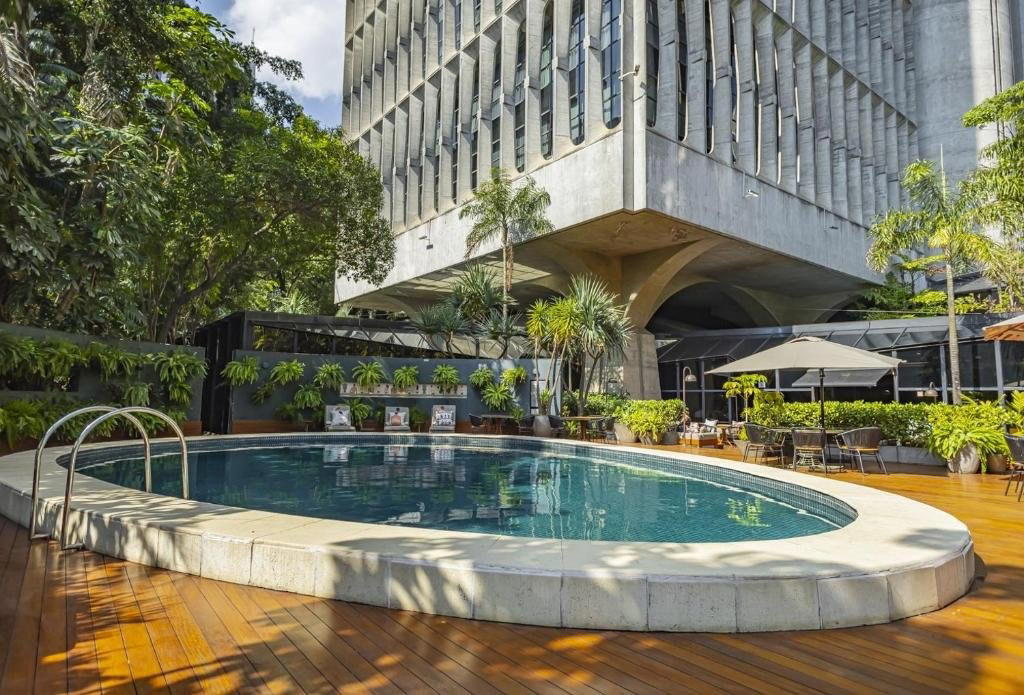
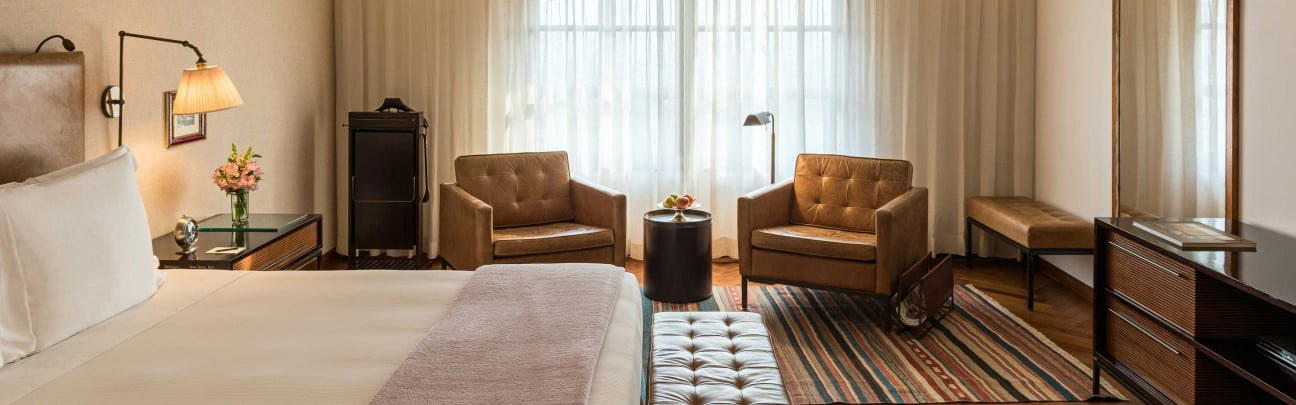
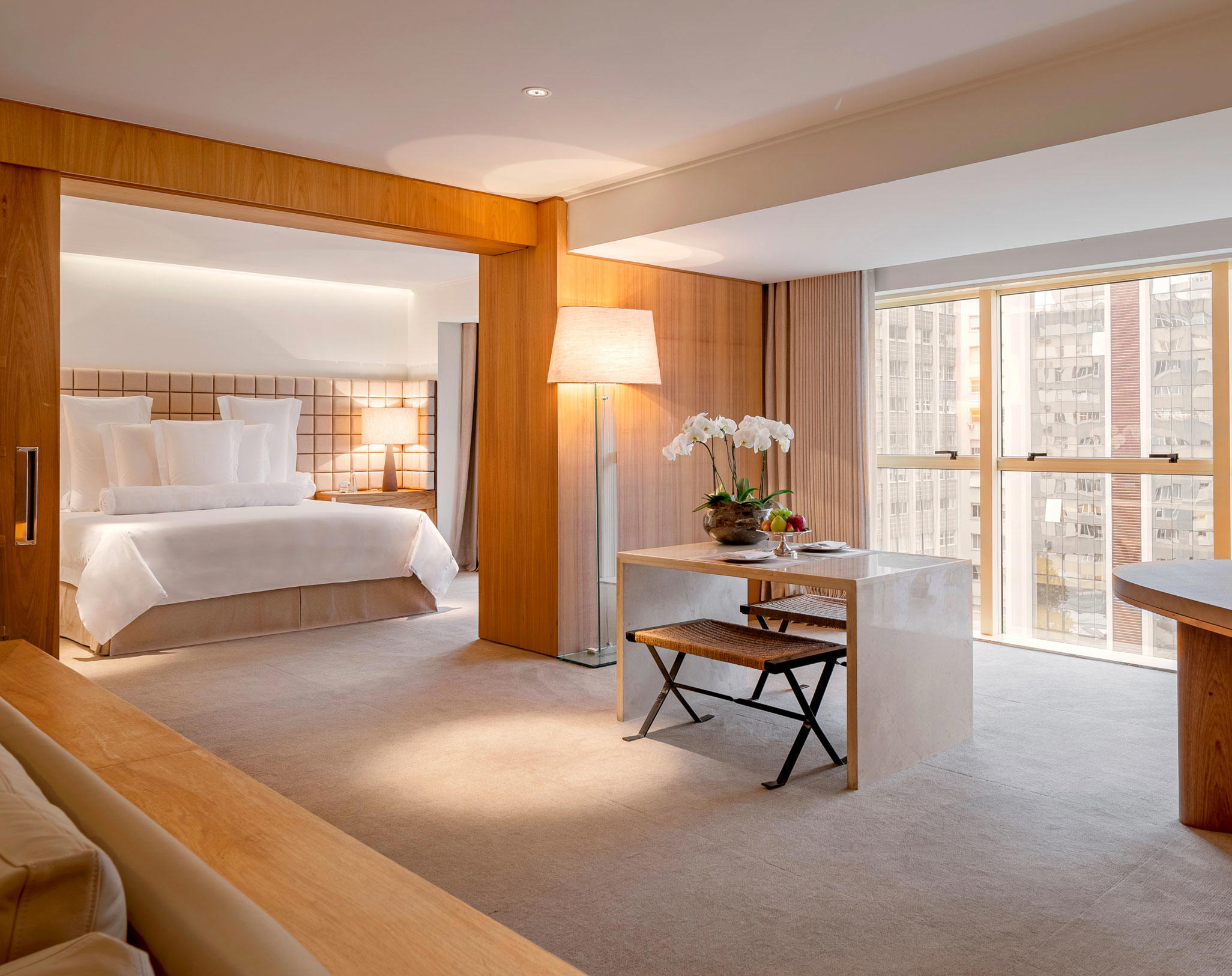
Warm, inviting rustic-chic interior with lively yet sophisticated atmosphere; combines Argentine steakhouse tradition with Brazilian hospitality.