La Liste Top Restaurants
Our verdict
Carlota brings modern Brazilian cooking to Higienópolis, one of São Paulo's most residential and culturally rooted neighbourhoods. Appearing consecutively on La Liste's global restaurant rankings — 78 points in 2025, 75 in 2026 — it holds a measured position inside São Paulo's serious dining tier. The cooking draws from Brazilian pantry traditions, with masa, native grains, and regional produce forming the structural core of the menu.

Pearl is the En Primeur Club membership app — saves, bookings, and concierge access live there. Same editors, same standards.

The menu
What to order
- Guava soufflé
- Corn dough with cheese and jabuticaba jelly
- Duck confit with açaí
- Beef Wellington
- Sea bass with mashed banana
Higienópolis and the Tradition Behind the Plate
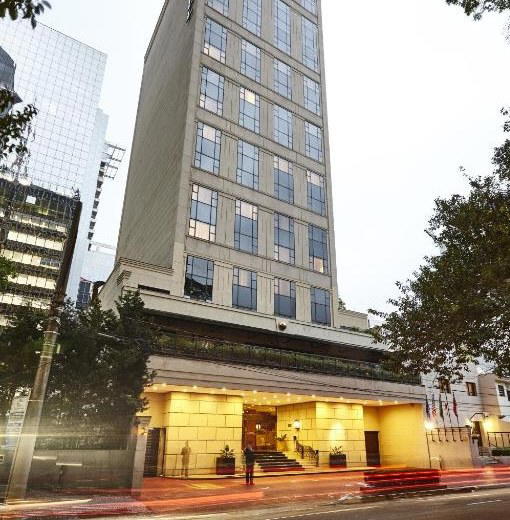
São Paulo's fine dining conversation tends to orbit Jardins and Vila Madalena, which makes Higienópolis a quieter address for serious cooking. The neighbourhood runs on tree-lined streets, early-twentieth-century architecture, and a residential character that has kept it insulated from the speculative churn affecting more commercial food districts. Carlota, on Rua Sergipe, sits within that measured cadence — a dining room that reflects the neighbourhood's disposition toward substance over spectacle.
The broader São Paulo modern Brazilian tier has expanded considerably over the past decade. D.O.M. and Tuju occupy the Michelin-starred upper end of creative Brazilian cooking, while Maní anchors a Brazilian-international hybrid register at a slightly more accessible price point. Carlota operates within this field: appearing on La Liste's global ranking in both 2025 (78 points) and 2026 (75 points), it holds a documented position in the international reference tier for São Paulo dining without belonging to the maximalist tasting-menu cohort that defines some of its peers.
Corn, Masa, and the Ingredients That Anchor Brazilian Modern Cooking
Any serious conversation about modern Brazilian cuisine eventually returns to the same set of foundational ingredients: Amazonian fruits, native tubers, sustainably harvested fish from the interior river systems, and, structurally, corn. Nixtamalization — the alkaline treatment that transforms dried maize into masa, has deep roots across Latin America, but in the Brazilian context it intersects with a parallel tradition of fermented corn preparations, pamonha, curau, and canjica that runs from the northeast through the southeastern interior. These aren't garnish-level references; they are load-bearing elements of the regional pantry.
Modern Brazilian kitchens that engage seriously with corn do so across a spectrum: some prioritise heirloom variety sourcing from small-scale producers in Minas Gerais or the Planalto Central; others focus on technique, using nixtamal as the bridge between pre-colonial preparation methods and contemporary plating. The result, when executed with precision, is a category of dishes that reads as distinctly Brazilian rather than as a regional variation on pan-Latin trends. Maní has explored this territory with native Brazilian ingredients; further afield, Manu in Curitiba and Lasai in Rio de Janeiro each work within their own regional ingredient logic. Carlota's Modern Brazilian positioning places it in a category where pantry literacy, knowing where ingredients come from and how traditional preparation methods inform their use, is the measure of seriousness.
What the La Liste Score Tells You
La Liste compiles its rankings from a weighted index of existing international and national restaurant guides, critic databases, and user sources. A score in the mid-to-high seventies across two consecutive years signals consistent recognition without the peak visibility of a Michelin star or 50 Best placement. In São Paulo's competitive context, that positioning is meaningful: the city now has multiple Michelin two-star addresses, D.O.M. and Evvai among them, and a growing tier of single-starred and guide-recognised restaurants that have raised the baseline for what earns international attention.
The combination, sustained La Liste presence, strong crowd-sourced score, suggests a kitchen that performs consistently across different types of diners and occasions. That kind of stability is harder to maintain than a single strong critical cycle, and it places Carlota in a cohort of São Paulo restaurants where execution rather than conceptual novelty drives the reputation.
For a wider view of how São Paulo's dining scene is structured across price tiers and cooking styles, our full São Paulo restaurants guide maps the relevant peer sets in detail.
São Paulo in the Brazilian Restaurant Context
São Paulo functions as the financial and creative capital of Brazilian gastronomy in a way that has accelerated since roughly 2015. The city draws chefs from across the country and from diaspora training routes through Europe and Japan, creating a restaurant culture that is simultaneously cosmopolitan and increasingly insistent on Brazilian ingredient specificity. Fame Osteria represents the Italian thread that runs through the city's culinary DNA; Tuju and D.O.M. represent the native-ingredient-focused creative strand.
Outside the city, the broader Brazilian fine dining moment is visible at restaurants like Manga in Salvador, where Bahian ingredient traditions inform a more explicitly Afro-Brazilian register, and Orixás in Itacaré, which operates at the intersection of coastal ecology and kitchen practice. In the south, Mina in Campos do Jordão and Castelo Saint Andrews in Gramado show how cooler-climate Brazilian regions are developing their own distinct dining identities. Carlota belongs to the São Paulo node of this broader national movement: grounded in the city's resources and pluralism, with a specific commitment to Modern Brazilian form.
For visitors building a São Paulo itinerary around the dining tier that Carlota represents, our São Paulo hotels guide, bars guide, and experiences guide cover the wider picture. Those interested in how Brazilian wine intersects with this food culture will find context in our wineries guide as well.
Planning Your Visit
Carlota is located at Rua Sergipe, 753 in Higienópolis, a neighbourhood that sits northwest of Paulista and is most efficiently reached by taxi or rideshare from the central hotel districts. The address is in a quieter residential pocket, which means street-level noise is minimal compared to busier dining corridors. Reservations are advisable given the restaurant's sustained recognition; La Liste-tracked restaurants at this score level in São Paulo typically require booking several days to a week ahead, more on weekends.
Carlota in a Wider Reference Frame
For readers who cross-reference São Paulo's modern dining scene against international benchmarks, the La Liste methodology puts Carlota in a global context that includes restaurants like Le Bernardin in New York and Atomix at the upper end of the same ranking architecture, though at significantly different score levels. That framing is useful not as a direct comparison but as a calibration tool: La Liste's mid-seventies tier across all cities represents recognised, guide-validated cooking that has cleared the threshold of international reference without yet reaching the rarefied upper percentile. Within São Paulo specifically, that is an honest and substantiated position.
Frequently asked questions
How would you describe the vibe at Carlota?
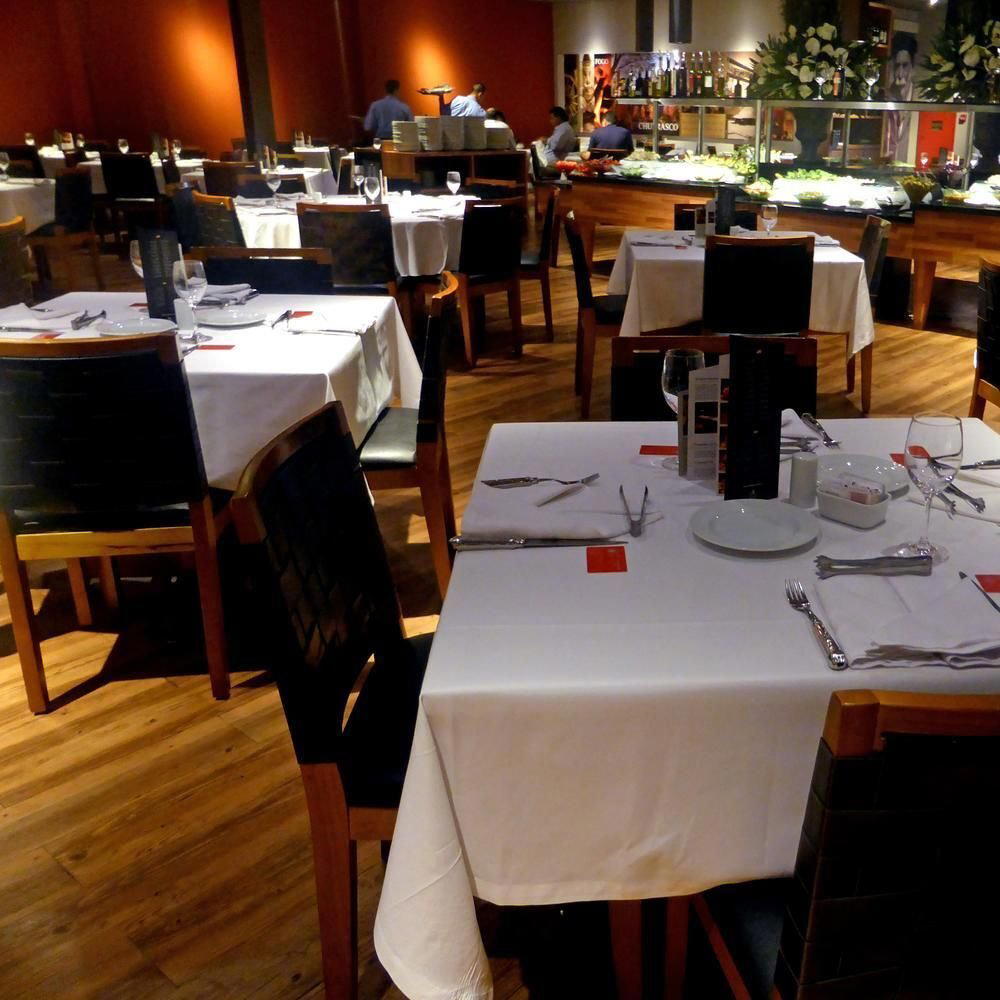
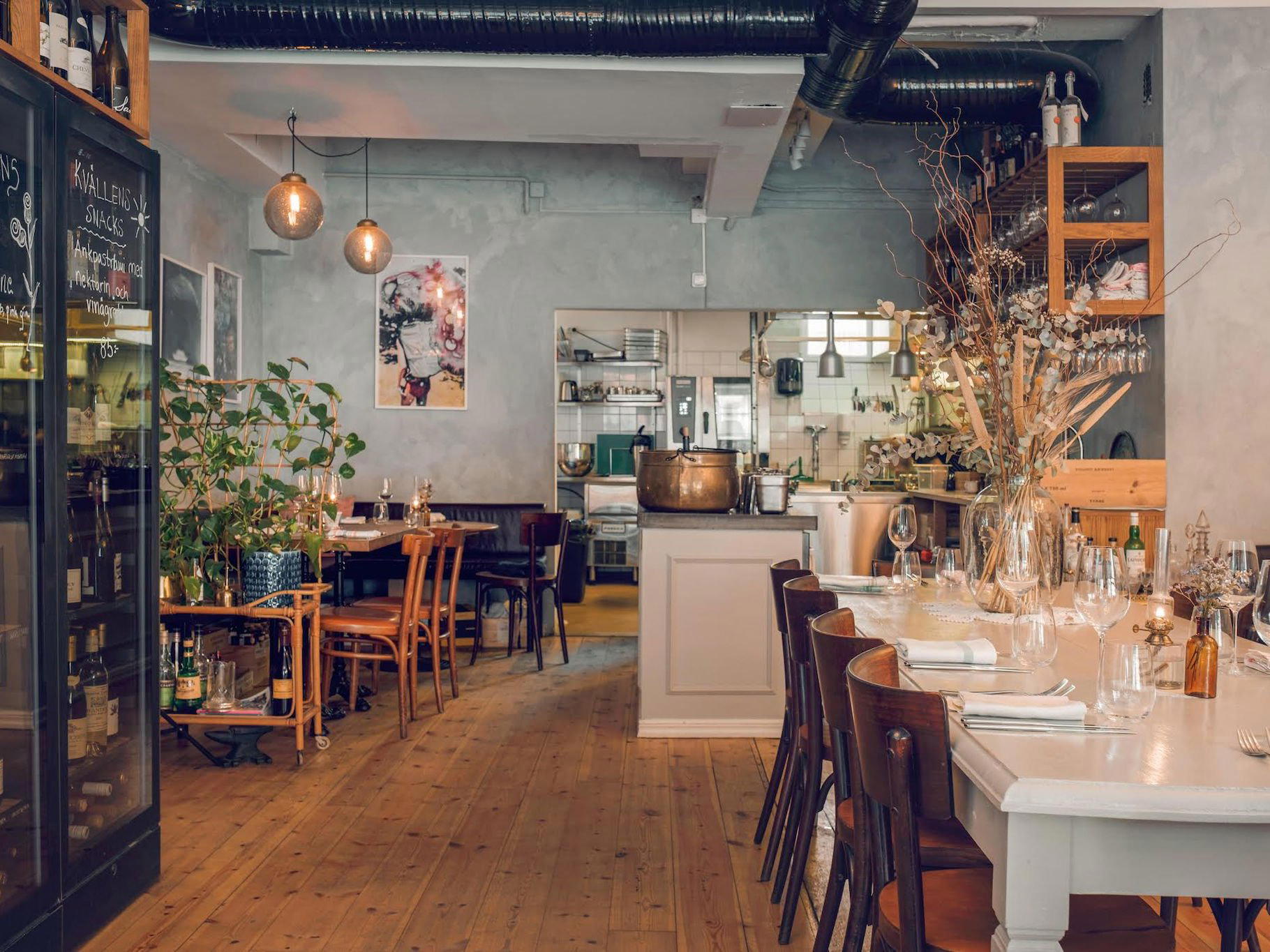
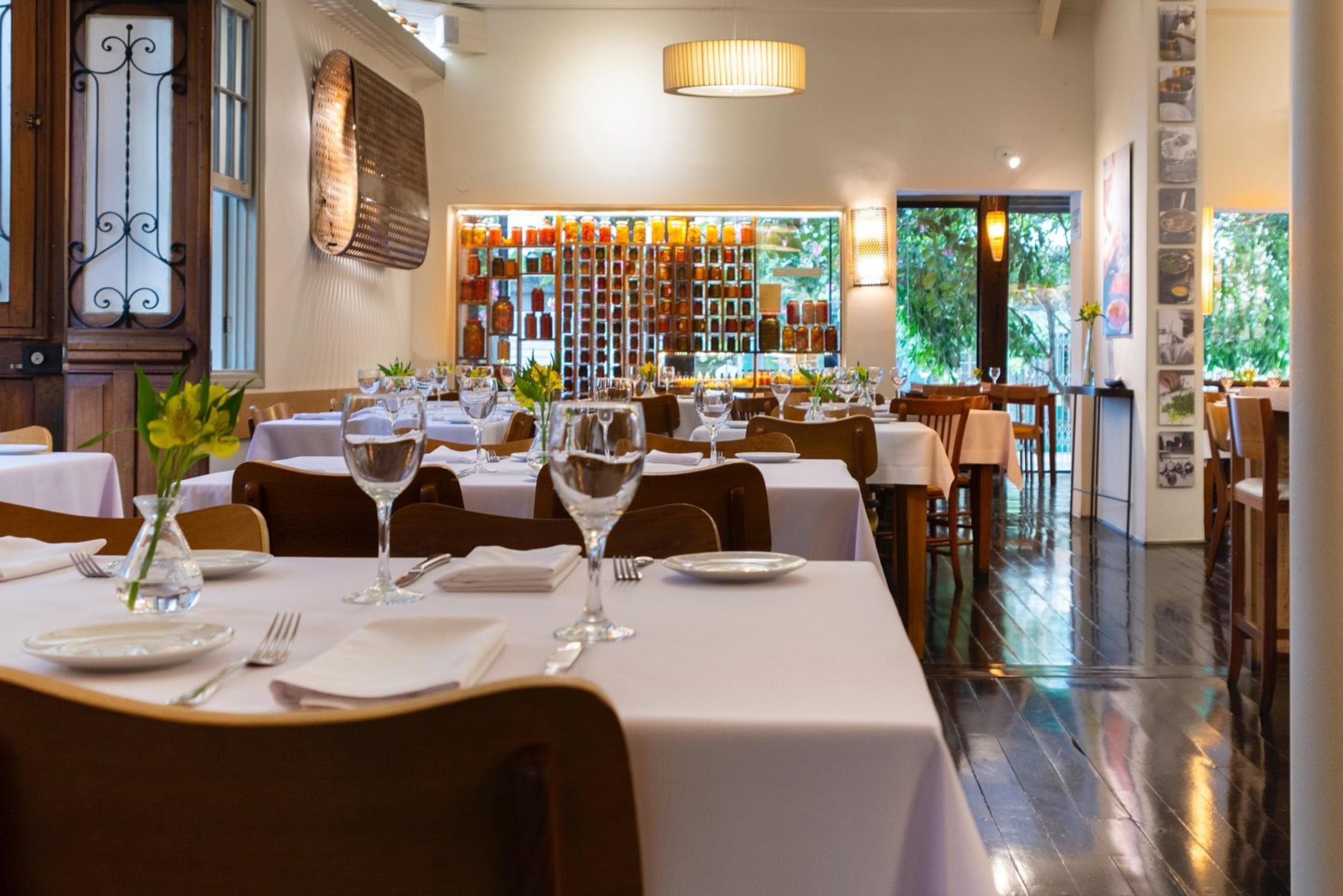
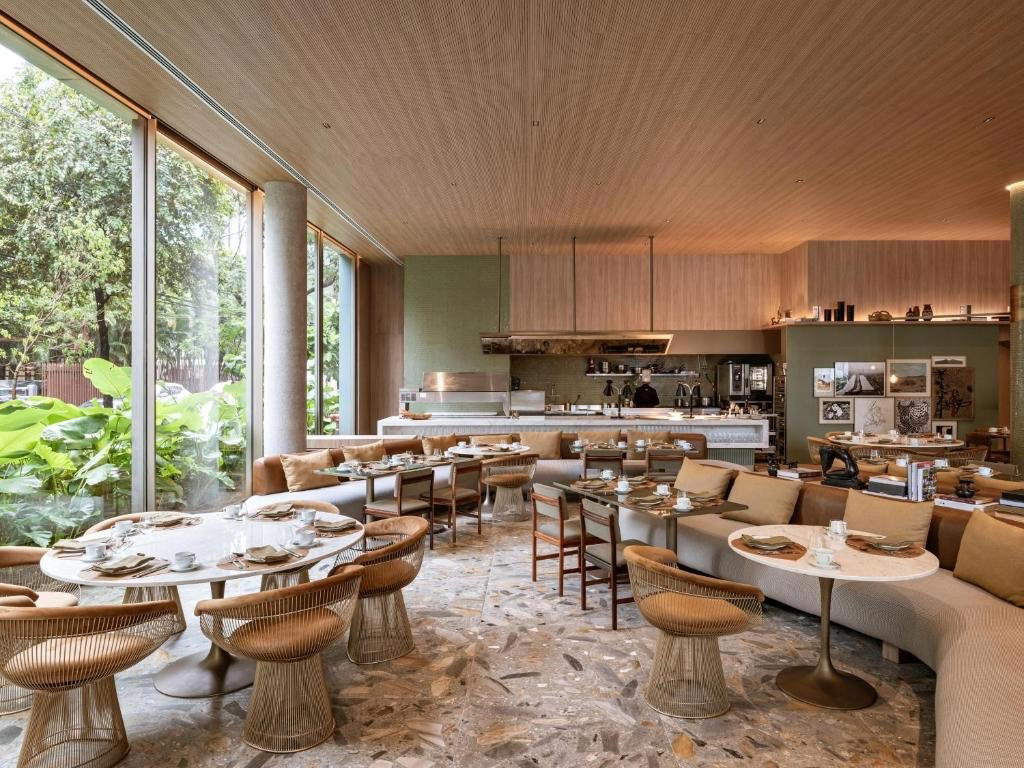
Carlota sits on Rua Sergipe in Higienópolis, a neighbourhood that runs quieter than Jardins without sacrificing seriousness. The address signals a deliberate remove from São Paulo's more performative dining corridors — the room earns its reputation through cooking rather than scene. La Liste's two consecutive Top Restaurant listings (78pts in 2025, 75pts in 2026) confirm that international critics are paying attention.
Where do I go for Carlota?
Carlota is located at Rua Sergipe, 753 - Higienópolis, São Paulo - SP, 01243-001, Brazil, São Paulo.
What awards or recognition does Carlota have?
Carlota has received recognition including: La Liste Top Restaurants (2026): 75pts; La Liste Top Restaurants (2025): 78pts.
What do people recommend at Carlota?
Carlota's kitchen works within the Brazilian Modern register, which means the table is shaped by Amazonian fruits, native tubers, corn, and masa-based preparations — ingredients that recur across the country's most credible contemporary kitchens. For specific current dishes and seasonal menu details, checking directly with the restaurant before your visit is the most reliable approach.
How would you describe the cuisine at Carlota?
Standing Among Peers
A short peer table to compare basics side-by-side.
| Venue | Cuisine | Price | Awards | Notes |
|---|---|---|---|---|
| CarlotaThis venue (the venue you are viewing) | Brazilian-International Fusion Bistro | $50–100 | La Liste Top Restaurants | Not listed |
| Evvai | Modern Italian-Brazilian Fusion | $200–300 | 3 Michelin Stars · World's 50 Best #95 | Contemporary Italian, Modern Cuisine |
| D.O.M. | Modern Brazilian Amazonian Fine Dining | $150–200 | 2 Michelin Stars · World's 50 Best #74 | Modern Brazilian, Creative |
| Maní | Modern Creative Brazilian | $50–100 | 1 Michelin Star · World's 50 Best #67 | Brazilian - International, Creative |
| Jun Sakamoto | Japanese Omakase | $100–150 | 1 Michelin Star · La Liste Top Restaurants | Sushi, Japanese |
| A Casa do Porco | Modern Brazilian Pork-Centric | $30–50 | Michelin Bib Gourmand · World's 50 Best #25 | Regional Brazilian, Brazilian |
Recognition history
Dated appearances from independent guides and award organizations, with the underlying list record or original source where available.
La Liste Top Restaurants
La Liste
Full recognition history (2 entries)
La Liste Top Restaurants
La Liste