Plum Blossom
Our verdict
Plum Blossom on Hoosick Road sits within Troy's quieter dining corridor, a stretch that rewards those who look past the city's better-publicised riverfront scene. The restaurant draws on the visual language and culinary traditions associated with Chinese-American dining, positioned alongside a neighbourhood mix that includes both casual and mid-range options across multiple cuisines.

Pearl is the En Primeur Club membership app — saves, bookings, and concierge access live there. Same editors, same standards.
- Address
- 685 Hoosick Rd, Troy, NY 12180
- Phone
- (518) 272-0036
- Hours
- Mon 11 AM–9 PMTue ClosedWed–Thu 11 AM–9 PMFri–Sat 11 AM–9:30 PMSun 11:30 AM–8:30 PM
- Website
- facebook.com
- Directions
- Get directions
The menu
What to order
- Pu Pu Platter
- General Tso's Chicken
- Hot and Sour Soup
Along Hoosick Road: What Troy's Outer Dining Corridor Tells You
Troy's dining identity is typically mapped around its downtown core, where renovated industrial buildings and proximity to the Hudson have attracted a run of opening activity over the past decade. Hoosick Road operates on a different register. It is a working commercial strip, the kind that accumulates restaurants gradually and without coordinated development pressure, so the mix tends toward longevity over trendiness. Plum Blossom, at 685 Hoosick Rd, occupies that less-discussed tier of the city's food scene, the kind of address that doesn't feature in weekend supplement roundups but sustains a regular clientele through consistency rather than novelty. In a small city like Troy, that distinction matters more than it might in a larger market where turnover is constant and the next opening absorbs attention within weeks.
For context on how Troy's broader restaurant scene distributes across cuisines and neighbourhoods, our full Troy restaurants guide maps the city's options across price tiers and dining formats. The Hoosick corridor represents the city's less-curated middle ground, where restaurants from Ashoka Indian Cuisine to Kona Grill - Troy serve a neighbourhood population rather than a destination dining audience.
The Sensory Register of a Chinese-American Dining Room
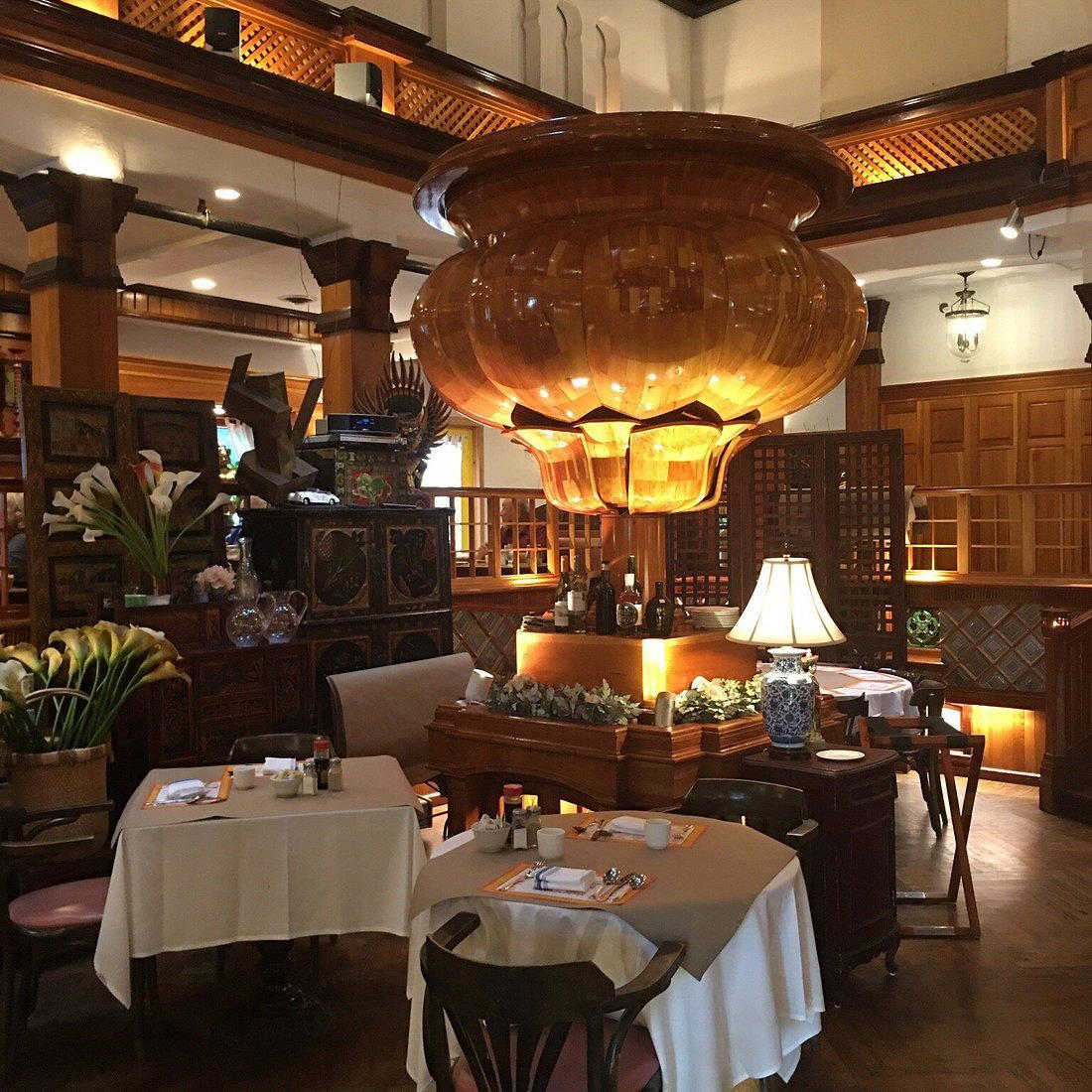
The category of Chinese-American restaurant has a specific atmospheric grammar that most diners recognise immediately, even before the menu arrives. Warm overhead lighting pitched against dark wood surfaces, the low percussion of kitchen activity audible through a pass or an open service window, the faint residual fragrance of oil and aromatics that has settled into the architecture over years of service. These are not flaws in the experience; they are the accumulated signals of a kitchen that has operated long enough to leave a physical impression on its space. Plum Blossom's positioning on Hoosick Road places it within a streetscape designed for function rather than atmosphere, which means the interior becomes the whole of the sensory world once you step inside.
This kind of dining room rewards a particular mode of attention. The food is the focus, not the architectural event. The register is closer to Mon Jin Lau than to the precision-service environments of destinations like Le Bernardin in New York City or Alinea in Chicago, where the room itself is engineered to shape the experience. At the neighbourhood end of the spectrum, the value proposition lies elsewhere: in familiarity, in portions calibrated for satisfaction rather than restraint, and in a menu breadth that allows tables to order across multiple styles in a single sitting.
What the Menu Category Signals About Cooking Approach
Chinese-American cooking is a distinct culinary tradition, not simply a diluted version of regional Chinese cuisine. It developed through specific historical pressures, adapting Cantonese and other southern Chinese techniques to available American ingredients and shifting local tastes across more than a century of practice. The result is a category with its own internal logic: sauces built for viscosity and sweetness, proteins prepared for textural contrast, and a preference for combinations that balance saltiness, acidity, and richness within a single dish. The tradition is genuinely complex when executed with care, and its leading practitioners work within a set of constraints that are as demanding, in their own terms, as the tasting-menu format favoured by destination restaurants like The French Laundry in Napa or Single Thread Farm in Healdsburg.
In Troy's context, Plum Blossom occupies the accessible end of that tradition, serving a community audience rather than a culinary tourism demographic. This positions it differently from more formally ambitious Chinese dining in the broader region, and the comparison is not meant to diminish it. Accessibility and consistency are genuine merits in a city where dining infrastructure is thinner than in Albany or the broader Capital District. Compare it not to Atomix in New York City or 8 1/2 Otto e Mezzo Bombana in Hong Kong, but to the consistent neighbourhood restaurant that a city of Troy's scale actually needs more than it needs another destination opening.
Troy's Mid-Range Dining Set: Where Plum Blossom Fits
Troy's mid-range dining cohort, the restaurants that operate between fast-casual and white-tablecloth, is more varied in cuisine type than in format or price. Grand Tavern and NM Cafe represent different points on that spectrum, while destination-level properties like Blue Hill at Stone Barns in Tarrytown or The Inn at Little Washington exist in an entirely separate register that Troy's market does not currently support. Within the city's actual operating range, Plum Blossom serves a function that more formal properties cannot: it provides a reliable, lower-friction option for weeknight dining and family meals.
That function is easy to undervalue when writing about a city's food scene, but it is the fabric on which destination restaurants depend. Cities with only aspirational dining and no neighbourhood infrastructure tend to produce a thin dining culture overall. The restaurants that build repeat visits and local loyalty, the ones that a neighbourhood returns to after school concerts and before weekend errands, are as structurally important as the ones that attract outside attention. Across the United States, destination operations like Lazy Bear in San Francisco, Providence in Los Angeles, and Addison in San Diego are sustained partly because the cities around them have dense neighbourhood dining scenes that keep food culture active outside the special-occasion calendar. Troy is building toward that density, and Hoosick Road restaurants are part of that foundation. Similarly, destinations like Emeril's in New Orleans exist within cities where the everyday dining culture is already deeply embedded.
Planning a Visit: Practical Notes
Plum Blossom is located at 685 Hoosick Rd in Troy, NY 12180, on a road well-served by surface parking, which makes it more accessible by car than Troy's downtown options. Walk-in dining is common in this format category across the United States, but calling ahead for larger groups is standard practice regardless of reservation policy.
Frequently asked questions
Where is Plum Blossom located?
Plum Blossom is located at î685 Hoosick Rd, Troy, NY 12180, Troy.
How does Plum Blossom compare to downtown Troy restaurants?
Plum Blossom's address at 685 Hoosick Rd places it outside the downtown core where Troy's food scene has concentrated in recent years around renovated industrial spaces near the Hudson River. The Hoosick Road location prioritises car access over foot-traffic density, which shapes both the dining room format and the customer base it draws. For diners coming from the eastern or northern parts of Troy, it represents a more convenient option than making the trip downtown for a comparable mid-range meal.
What's the must-try dish at Plum Blossom?
Plum Blossom operates within the Chinese-American tradition, a category defined by dishes like lo mein, General Tso's chicken, and fried rice that have their own culinary logic distinct from regional Chinese cooking.
Is Plum Blossom reservation-only?
Chinese-American restaurants in Troy's mid-range corridor typically operate on a walk-in basis, and Hoosick Road's surface parking makes spontaneous visits practical. Calling ahead during peak dinner hours is a reasonable precaution, though no phone number is currently listed in public directories.
What is Plum Blossom known for?
Plum Blossom sits within Troy's outer dining corridor along Hoosick Road, serving Chinese-American cuisine to a neighbourhood that skews residential and car-accessible. In a city where dining attention concentrates downtown near the Hudson, restaurants on Hoosick Road function as reliable local staples rather than destination draws. Plum Blossom holds that position in Troy's mid-range dining set.
What if I have allergies at Plum Blossom?
Chinese-American kitchens commonly work with soy, shellfish, gluten, sesame, and peanut-based ingredients across multiple dishes, so cross-contact is a standard concern in this cuisine category. No allergen menu or dietary accommodation policy is publicly documented for Plum Blossom at 685 Hoosick Rd. Guests with serious allergies should check the venue's official channels before visiting to confirm what can be accommodated.
Is eating at Plum Blossom worth the cost?
No price range is formally listed for Plum Blossom, but the restaurant sits within Troy's mid-range dining cohort, the tier that operates between fast-casual counters and full white-tablecloth service. Chinese-American restaurants in this category typically offer value-oriented portions relative to spend, which is part of the format's structural appeal. Whether that trade fits your expectations depends on what you're comparing it against in the Troy dining set.
Similar Picks
Comparable venues nearby, for context on price, style, and recognition.
| Venue | Cuisine | Price | Notes |
|---|---|---|---|
| Plum BlossomThis venue — the venue you are viewing | Classic American-Chinese | Not listed | Not listed |
| Verdile's Restaurant | Italian-American | $20–30 | Lansingburgh |
| The Little Bear | Chinese | Not listed | Bearsville |
| Tim Ho Wan Hell's Kitchen | Hong Kong-Style Dim Sum | Not listed | Hell's Kitchen |
| Hey Yuet | Traditional Cantonese Dim Sum | $30–50 | Chelsea-Hudson Yards |
| Pig Heaven | Taiwanese-Style Chinese with Pork Specialties | $30–50 | Upper East Side-Carnegie Hill |
Continue exploring
More in Troy
Restaurants in Troy
Browse all →
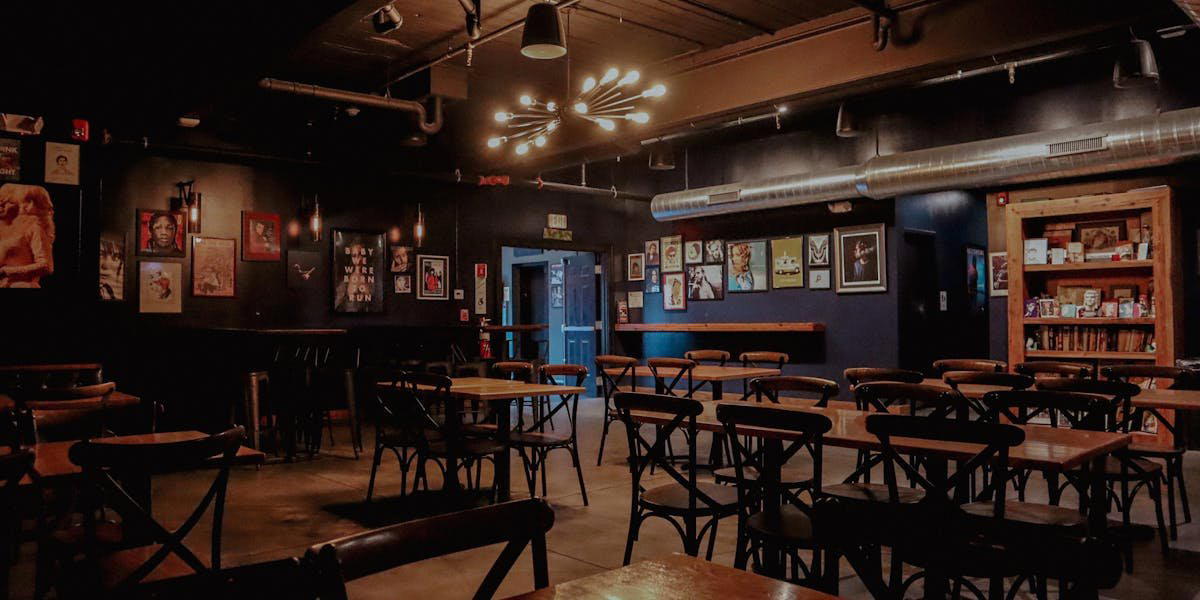
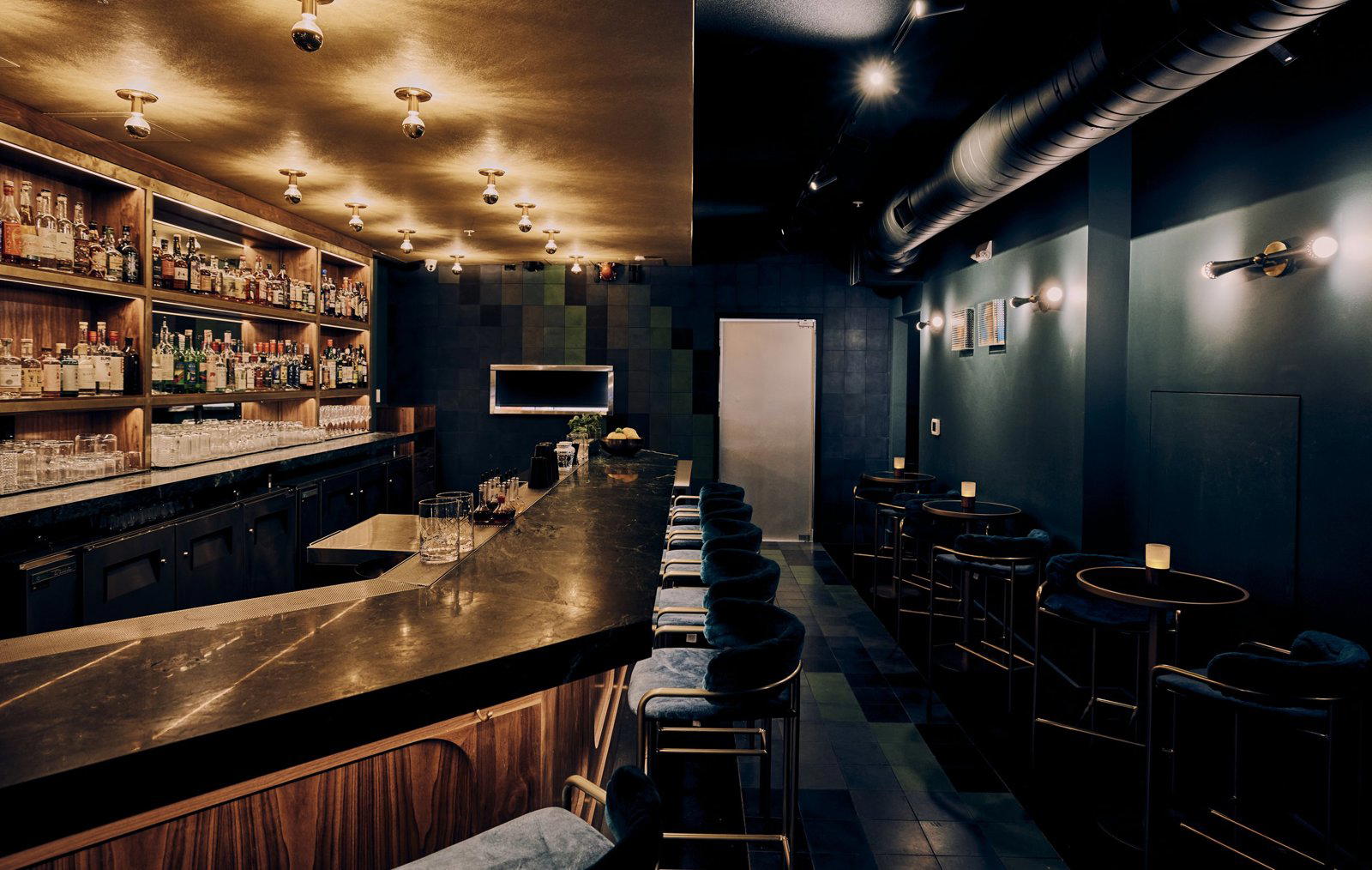
Bars in Troy
Browse all →

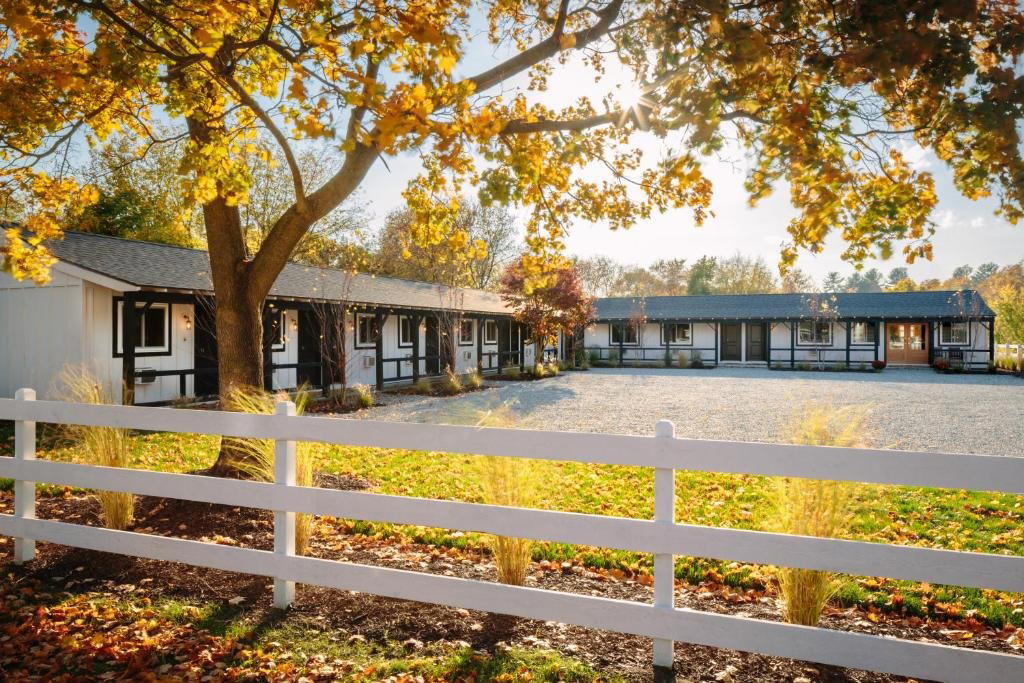
Hotels in Troy
Browse all →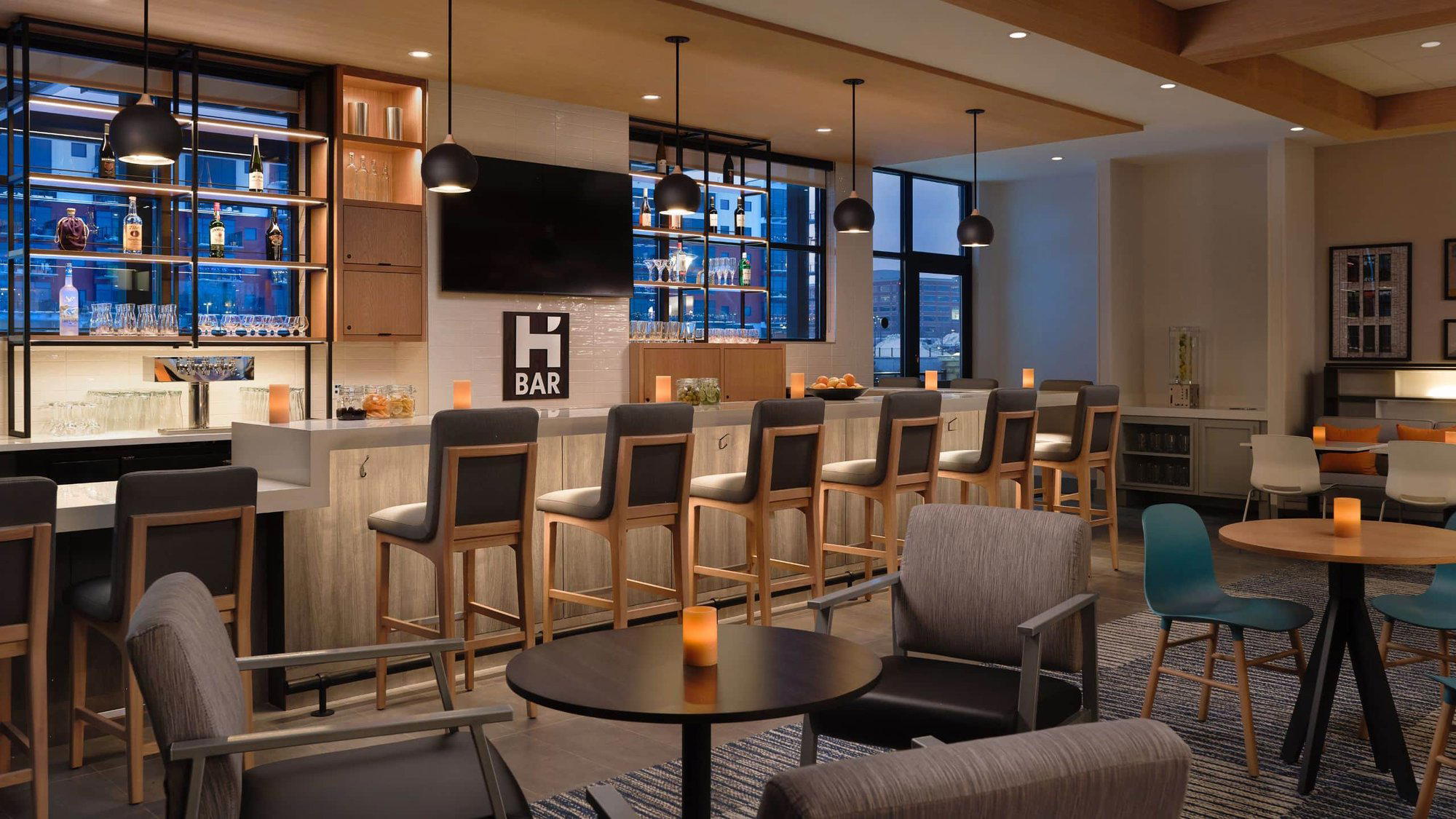




Details
- Elegant
- Cozy
- Classic
- Family
- Group Dining
- Casual Hangout
- Standalone
- A La Carte
- Vegetarian Friendly
- Vegan Options
Current opening hours
- Monday
- 11 AM–9 PM
- Tuesday
- Closed
- Wednesday
- 11 AM–9 PM
- Thursday
- 11 AM–9 PM
- Friday
- 11 AM–9:30 PM
- Saturday
- 11 AM–9:30 PM
- Sunday
- 11:30 AM–8:30 PM
Hours can change for holidays and private events. Last verified .
Quietly elegant with elaborate wooden Asian decor, soft lighting, spotless and calming.