Pizzeria Felicità
Pizzeria Felicità occupies a quiet address on Rue de Marienthal in Kaltenhouse, a small commune in the Bas-Rhin département where Alsatian culinary identity runs deep. The restaurant sits at the intersection of Italian pizza tradition and the ingredient-conscious cooking that defines northeastern France's dining character. For the Strasbourg corridor, it represents a casual but considered alternative to the region's more formal tables.
Pearl is the En Primeur Club membership app — saves, bookings, and concierge access live there. Same editors, same standards.
- Address
- 32 Rue de Marienthal, 67240 Kaltenhouse, France
- Phone
- +33973892973
- Website
- fr.gaultmillau.com
- Directions
- Get directions
 Saves & bookings on Pearl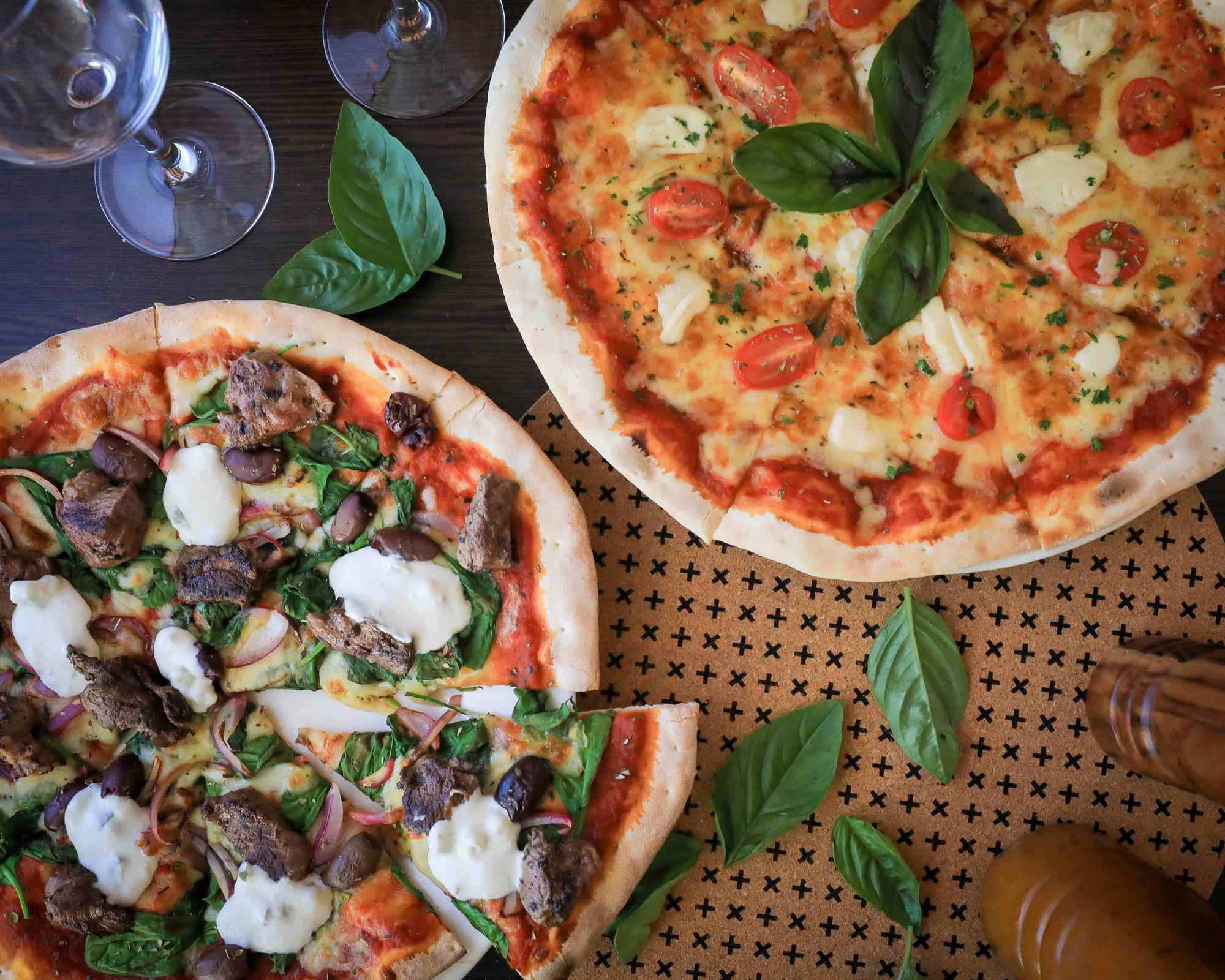
Pizza in Alsace: Where Two Ingredient Cultures Meet
Alsace is a region that has never been comfortable with culinary minimalism. Its markets move between German and French conventions, its bakers work with rye and spelt alongside wheat, and its producers supply particularly ingredient-focused kitchens in France, including tables of the calibre of Auberge de l'Ill in Illhaeusern, which has sustained three Michelin stars for decades by anchoring its cooking to the Rhine valley's larder. Against that backdrop, a pizzeria in the Bas-Rhin is not simply an Italian import. It operates within a regional food culture that takes sourcing seriously at every price point, from the charcuterie at village markets to the flour used in the dough. Pizzeria Felicità is an Italian pizzeria in Kaltenhouse, France, with, walk-in-friendly format.
Pizzeria Felicità sits at 32 Rue de Marienthal in Kaltenhouse, a commune of a few thousand residents roughly 30 kilometres north of Strasbourg. The address puts it well outside the city's established dining orbit, not on any tourist circuit, not adjacent to the Michelin-decorated corridor that runs through Strasbourg's historic centre, where Au Crocodile has carried formal French-Alsatian cooking for generations. This geographic positioning is its defining condition: Pizzeria Felicità serves a local community in a village setting, which shapes everything about what it does and why it matters.
The Ingredient Logic of Northeastern France
France's northeastern corner produces ingredients that travel well beyond its borders. Alsatian cheeses, cured meats, cultivated mushrooms, and the region's particular variety of aromatic herbs all form part of a supply chain that ambitious kitchens across France draw from. The French pizza scene, increasingly present in cities like Lyon, Marseille, and Paris, has been shaped by the same sourcing conversation that drives the country's haute cuisine. The difference is scale and price access: a good pizzeria translates ingredient discipline into an affordable format, making the argument that sourcing quality is not reserved for tasting menus.
This matters when reading Pizzeria Felicità in context. The Alsatian region's proximity to both Italian culinary influence (via shared European food culture) and its own highly developed local produce network creates conditions where a pizza operation can, if it chooses, engage seriously with what goes on top of the dough, not just the dough itself. Across France's broader pizza scene, the operators who have attracted attention are those who treat toppings as a sourcing exercise rather than a cost-management one. At a national level, the contrast between a price-tier-€€€€ address like Alléno Paris au Pavillon Ledoyen and a village pizzeria illustrates how differently ingredient philosophy can be expressed, but also that the underlying commitment to regional produce is a shared value across French food culture at its most considered.
Kaltenhouse and the Village Dining Register
Dining in a small Alsatian commune operates by different rhythms than dining in Strasbourg or Colmar. Tables fill with regulars. The room, whatever its size, reflects the community it feeds rather than a positioned brand identity. There is no chef-celebrity framework, no tasting menu architecture, no sommelier cadence. What typically defines a well-regarded village restaurant in this part of France is consistency, ingredient honesty, and a price point that allows repeat visits, the opposite logic from the destination dining that draws visitors to Mirazur in Menton or Flocons de Sel in Megève.
The restaurant's location on Rue de Marienthal places it in that village-dining register. For readers arriving from the Strasbourg direction, the drive north through the Bas-Rhin plain passes through a range of small towns, market gardens, and light industry, the working fabric of Alsace that the region's more photographed towns (Obernai, Colmar, Riquewihr) tend to obscure. Eating here is eating where people live, not where they pose for photographs. That context tends to produce a more direct hospitality, one less mediated by tourism expectations.
Pizza as a Culinary Category in France
France's relationship with pizza has matured considerably over the past decade. The country now has a tier of pizzerias that operate with the same ingredient seriousness applied to bistros and brasseries, selecting flours for their fermentation behaviour, sourcing tomatoes with the same attention a chef might give to a primary protein, and treating the cheese question (mozzarella origin, moisture content, fat percentage) as a considered decision rather than a default. This shift has been most visible in Paris and Lyon, but it is present in smaller cities and towns across France, where local producers and the country's embedded food culture provide the raw material for a more considered pizza.
Within that national picture, Alsace is well-positioned. Its dairy tradition, its breadmaking heritage (the region has a long history with fermented doughs in both French and German bakery traditions), and its market infrastructure all support a pizza operation that takes its ingredients from the surrounding area. The regional context makes clear that the supply chain exists.
Planning Your Visit
Kaltenhouse is most practically reached by car from Strasbourg, roughly 30 kilometres to the south via the D1063 corridor. There is no high-speed rail connection to the village itself; the nearest significant rail hub remains Strasbourg, which connects to Paris via TGV in approximately two hours and to other Alsatian towns via regional lines. For visitors building a broader Alsatian itinerary, the Bas-Rhin département rewards a slower, road-based approach that allows stops in villages the train network does not serve.
The restaurant is walk-in-friendly, with casual dress and the following hours: Mon: 5:30–9 PM; Tue: Closed; Wed: 11:30 AM–1:30 PM, 5:30–9:30 PM; Thu: 11:30 AM–1:30 PM, 5:30–9:30 PM; Fri: 11:30 AM–1:30 PM, 5:30–10 PM; Sat: 11:30 AM–1:30 PM, 5:30–10 PM; Sun: 5:30–9:30 PM. The address, 32 Rue de Marienthal, 67240 Kaltenhouse, is sufficient for navigation.
Those anchors help frame what the restaurant is not: it is not a destination restaurant, not a trophy booking, not a showcase kitchen. It is a local address in a working Alsatian village, and that is its most honest credential.
Side-by-Side Snapshot
Comparable venues nearby, for context on price, style, and recognition.
| Venue | Cuisine | Price | Notes |
|---|---|---|---|
| Pizzeria FelicitàThis venue — the venue you are viewing | Italian Pizzeria | $$ | Not listed |
| Signorvino Paris | Italian trattoria & wine bar | $$ | Latin Quarter |
| Riva | Mediterranean Tapas Comptoir | $$ | Bourse-Esplanade-Krutenau |
| Bella vita | Italian Pizzeria | $$ | Centre-ville |
| Lisa en Cuisine | French Market Bistro | $$ | Neudorf |
| Amorini | Traditional Italian Trattoria | $$ | Place Ducale |
Continue exploring
More in Kaltenhouse
Restaurants in Kaltenhouse
Browse all →
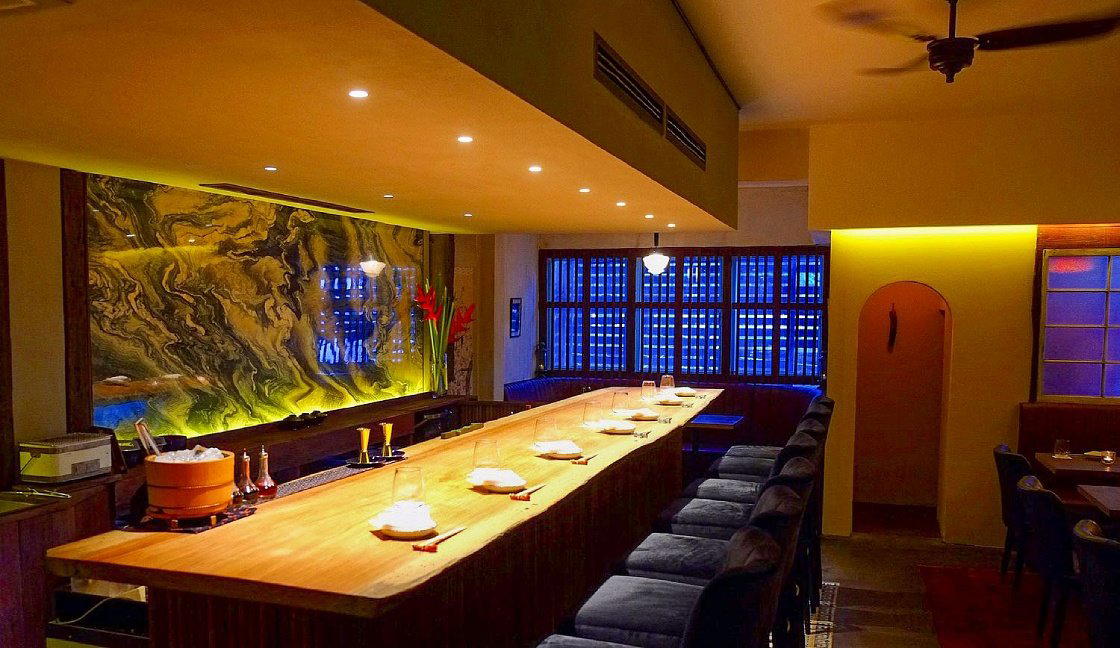
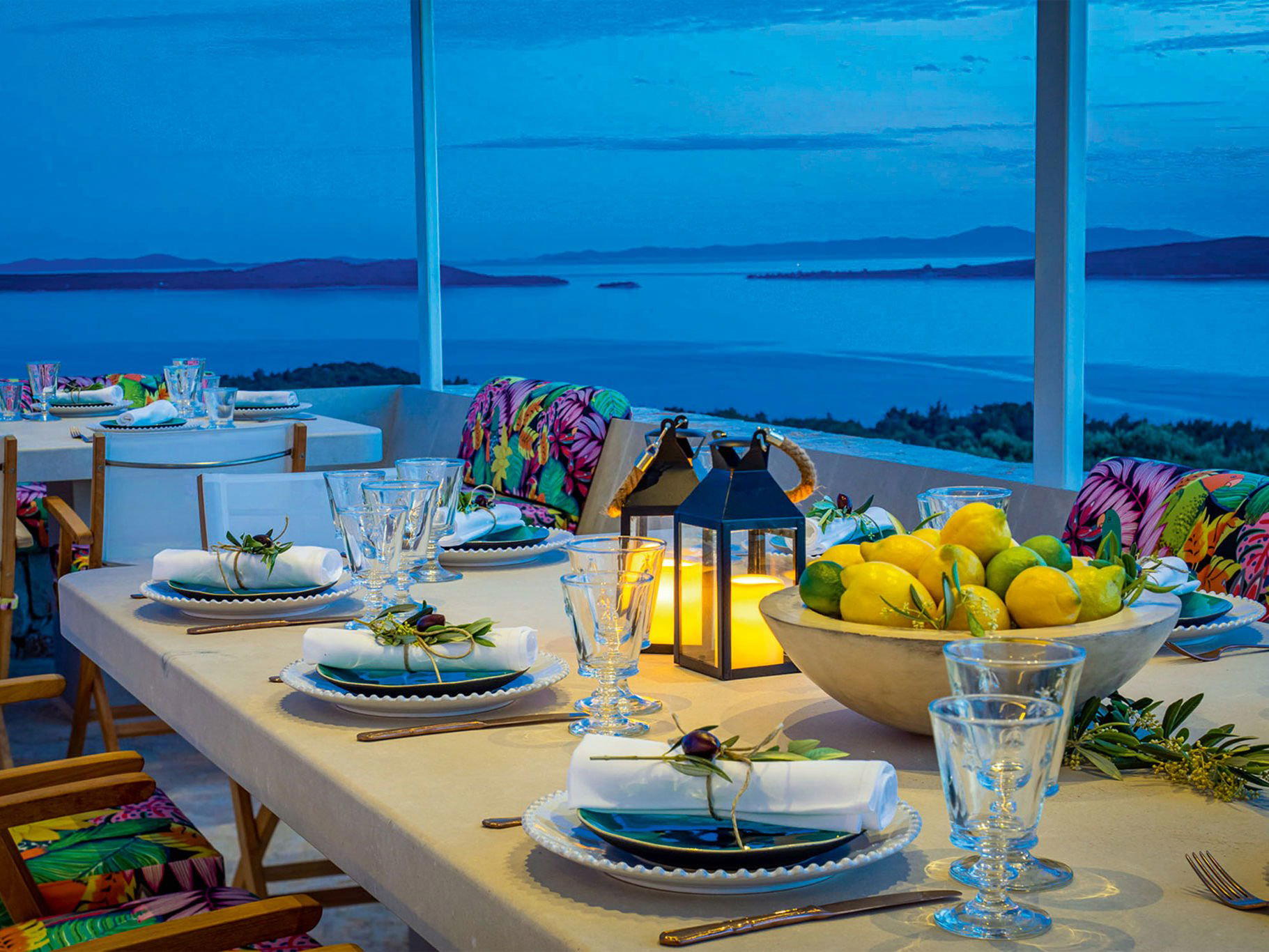
Bars in Kaltenhouse
Browse all →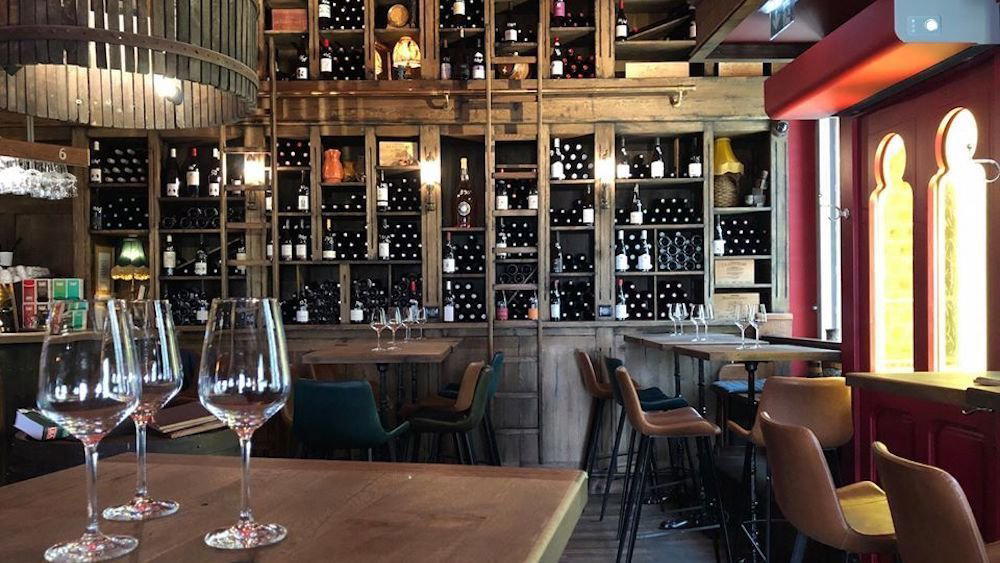
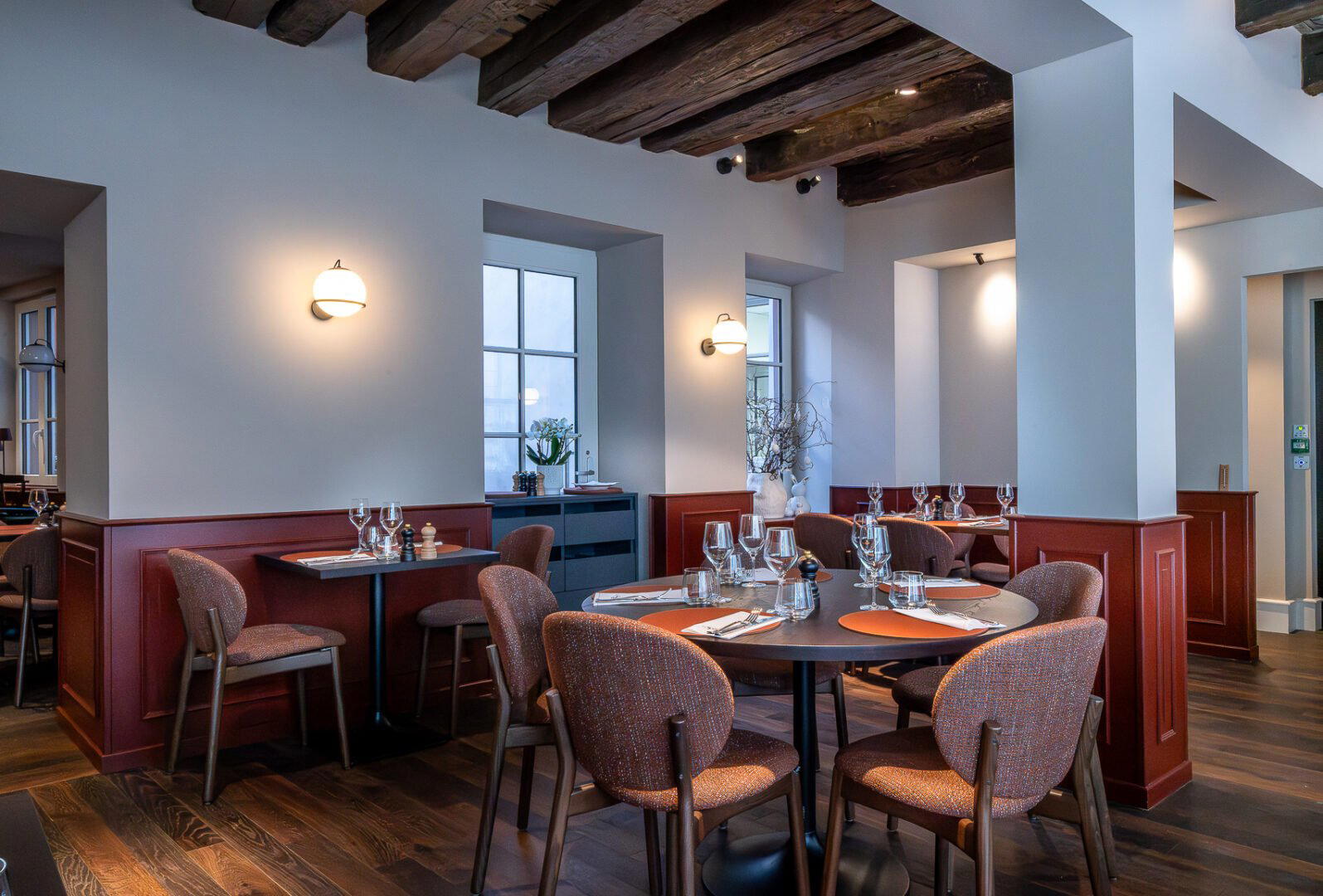
Hotels in Kaltenhouse
Browse all →
At a Glance
- Rustic
- Casual Hangout
Current opening hours
- Monday
- 5:30–9 PM
- Tuesday
- Closed
- Wednesday
- 11:30 AM–1:30 PM, 5:30–9:30 PM
- Thursday
- 11:30 AM–1:30 PM, 5:30–9:30 PM
- Friday
- 11:30 AM–1:30 PM, 5:30–10 PM
- Saturday
- 11:30 AM–1:30 PM, 5:30–10 PM
- Sunday
- 5:30–9:30 PM
Hours can change for holidays and private events. Last verified .
Calm atmosphere with pleasant service.