Pironetomosca
Pironetomosca sits on Via Federico Priuli in Castelfranco Veneto, a walled medieval town in the Treviso province where local sourcing is less a trend than a long-standing expectation. The restaurant occupies a corner of the Veneto dining scene that rewards visitors willing to look beyond Treviso or Padova for serious regional cooking. For a fuller picture of where it fits, see our Castelfranco Veneto restaurants guide.
Pearl is the En Primeur Club membership app — saves, bookings, and concierge access live there. Same editors, same standards.
- Address
- Via Federico Priuli, 17/c, 31033 Castelfranco Veneto TV, Italy
- Phone
- +39423472751
- Website
- osteriapironetomosca.it
- Directions
- Get directions
 Saves & bookings on Pearl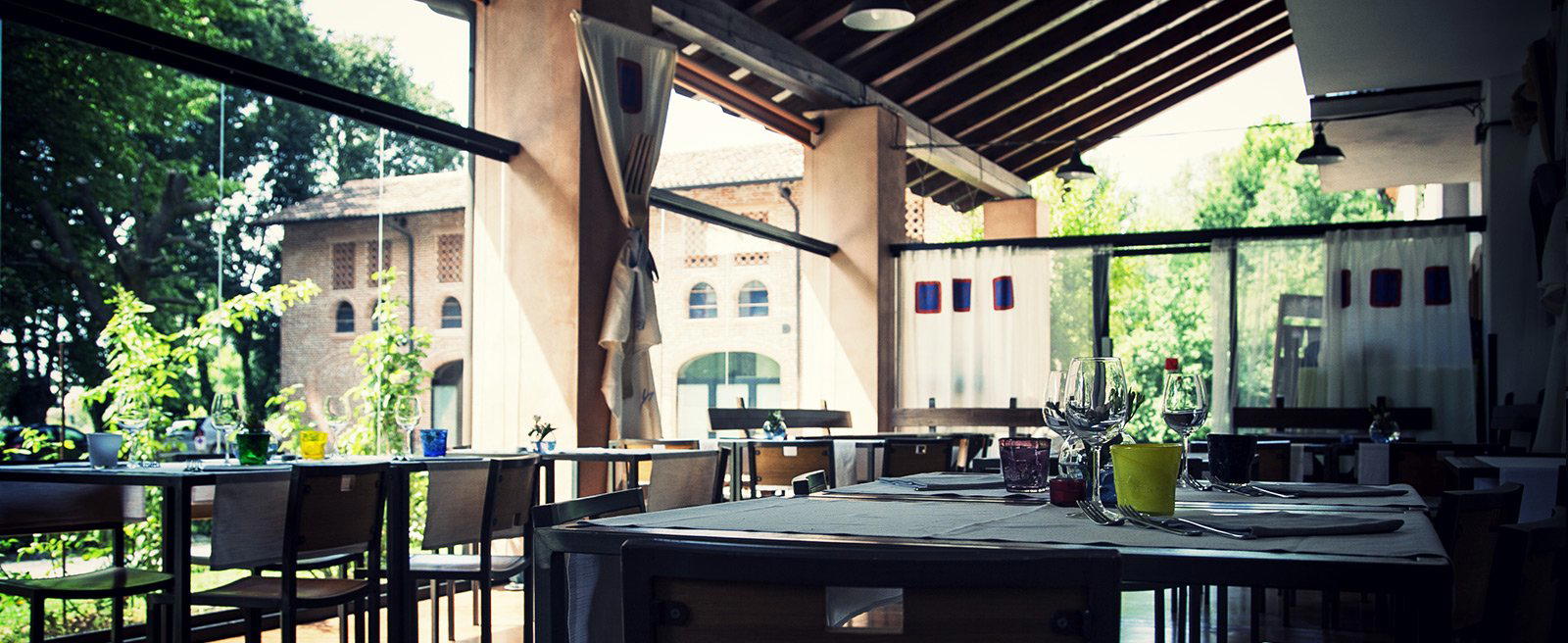
Walled Town, Grounded Table: Dining in Castelfranco Veneto
Castelfranco Veneto announces itself with fortified medieval walls that have defined the town's character since the thirteenth century. The streets inside the perimeter move at a different pace to the Veneto's larger centres, and the restaurants that endure here tend to reflect that disposition: produce-led, rooted in the agricultural flatlands of the Treviso province, and resistant to the kind of performative cuisine that travels better on social media than on the plate. Pironetomosca, an Organic Italian Osteria in Castelfranco Veneto, sits at Via Federico Priuli 17/c. The address places it within walking distance of the historic core, which means the restaurant draws from a town that has always measured quality against what the surrounding countryside can actually deliver.
The Veneto as a region occupies a particular position in Italian food culture. It is not, by reflex, associated with the high-concept creative cooking of places like Le Calandre in Rubano or the northern Alpine restraint practised at Atelier Moessmer Norbert Niederkofler in Brunico. Instead, the Treviso province builds its culinary identity around radicchio, white asparagus from Bassano del Grappa, Montasio and Asiago cheeses, and the game and river fish that come from the foothills of the Dolomites. A restaurant working honestly within this framework is doing something different from the headline institutions at Osteria Francescana in Modena or Piazza Duomo in Alba, but the discipline required is not lesser, it is simply pointed in a different direction.
The Sourcing Logic of the Treviso Plain
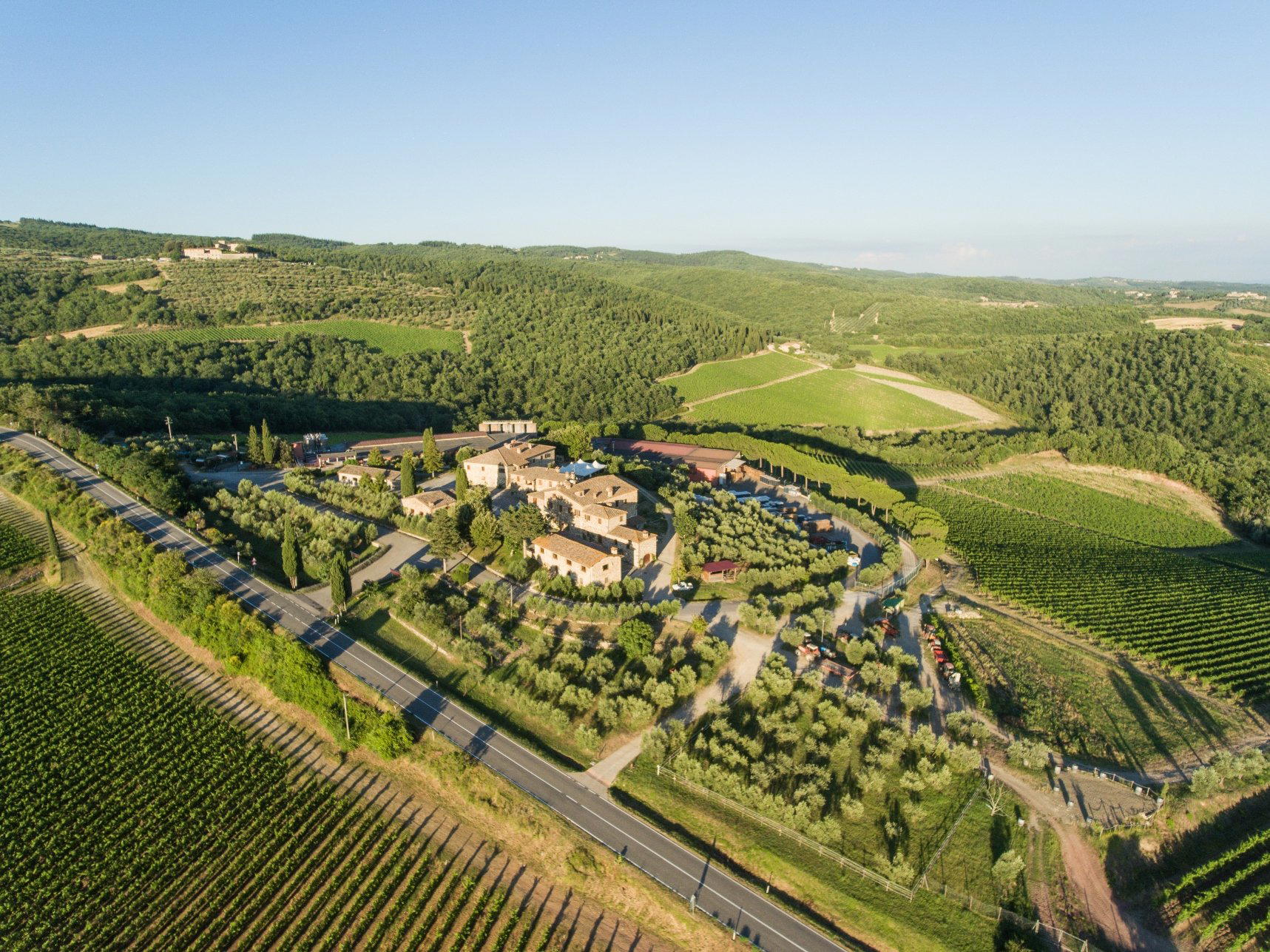
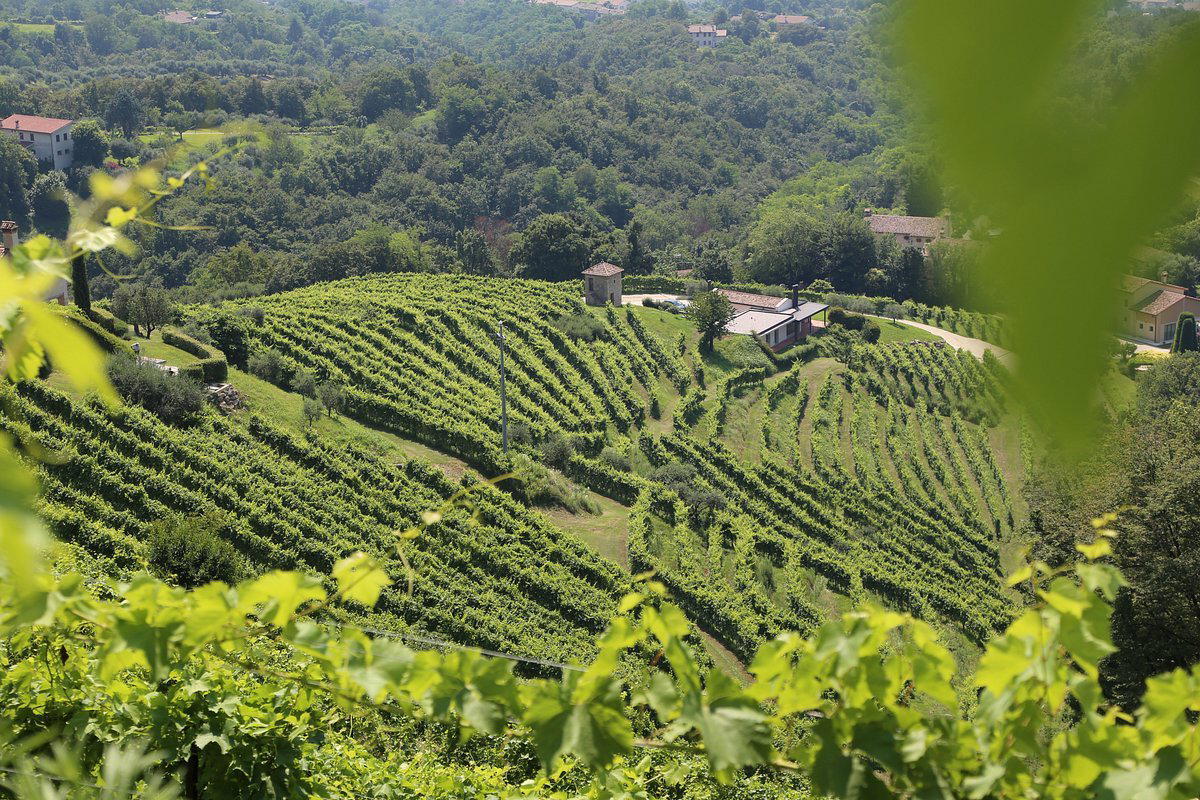
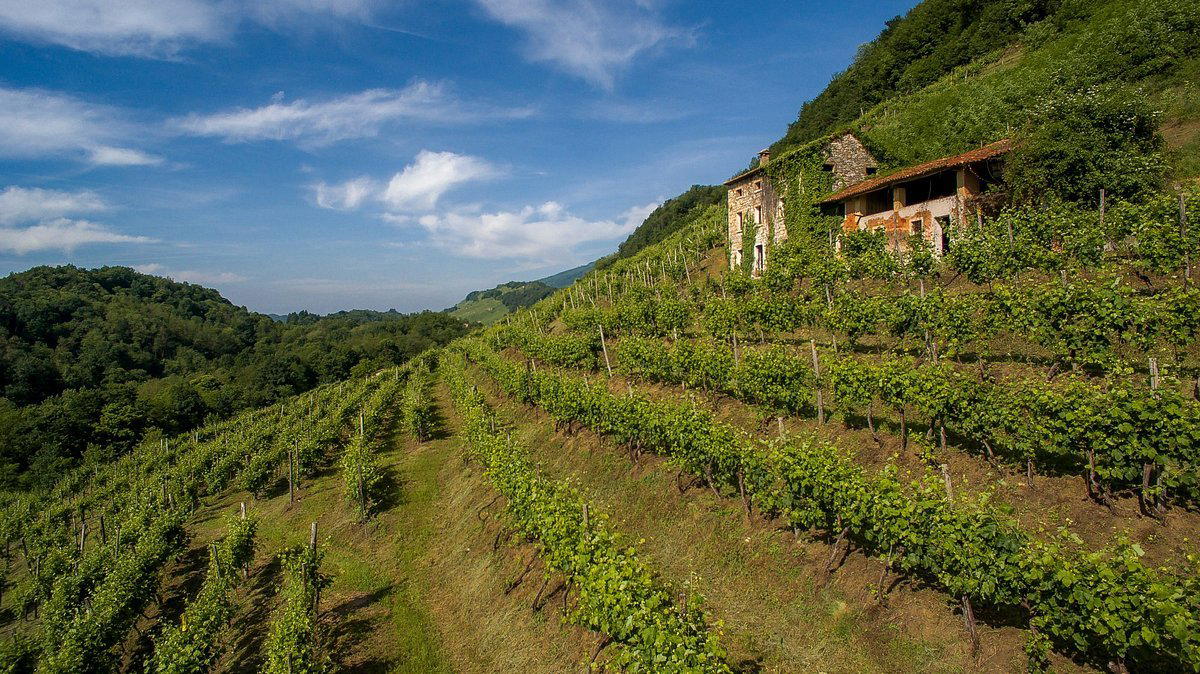
The agricultural geography around Castelfranco Veneto shapes what ends up on the table in ways that no amount of supply-chain engineering from a city kitchen can replicate. The Treviso plain is among the more productive stretches of northeastern Italy: market gardens, small-scale dairy, poultry farming, and the vine-covered hills of the Piave and Montello DOC zones sit within a short radius. For a restaurant working within this geography, the sourcing question is less about sourcing philosophy as a marketing position and more about which producers, markets, and seasonal windows actually define the menu at any given point in the year.
This is the tradition that distinguishes inland Veneto dining from coastal counterparts. Adriatic-facing kitchens, from the seafood-focused precision of Uliassi in Senigallia to the southern maritime register of Quattro Passi in Marina del Cantone, build their calendars around the sea. Inland Veneto kitchens build theirs around the harvest cycle of the plain and the game seasons of the foothills. Radicchio di Treviso, for instance, is not a year-round ingredient in any kitchen that takes it seriously: the forced variety that achieves its characteristic bitterness and crunch only becomes available from late autumn through winter, and a kitchen that treats it as a permanent fixture is already working against the ingredient. The same applies to the white asparagus of Bassano, which commands its own spring window, and to the freshwater fish of the Piave and Brenta rivers, whose availability tracks water temperature and regulation rather than chef preference.
Within the wider Castelfranco Veneto dining scene, Pironetomosca shares territory with All'Antico Girone, which draws from similar local roots, and the more creative approach of Feva. Together, these three represent the town's range: from tradition-anchored regional cooking through to more contemporary interpretations of Veneto produce. See our full Castelfranco Veneto restaurants guide for a mapped picture of how those options distribute across the town.
How Pironetomosca Fits the Regional Register
Restaurants in smaller Veneto towns occupy a different competitive set than their counterparts in Verona or Venice. The comparison point is not Casa Perbellini 12 Apostoli in Verona, which operates in a city with significant tourist traffic and a corresponding infrastructure for destination dining. Nor is it the formal grandeur of Enoteca Pinchiorri in Florence or the multi-starred ambition of Enrico Bartolini in Milan. Castelfranco Veneto restaurants are measured against local expectations: a regular clientele that knows the seasonal calendar intimately, an economy that does not automatically reward theatrical presentation, and a value standard set by the trattoria tradition rather than the tasting-menu circuit.
Within that frame, the restaurants that sustain themselves over time in towns like Castelfranco are the ones that understand both what the local land produces and what the local table expects. They tend not to feature in the same breath as Dal Pescatore in Runate or Reale in Castel di Sangro in destination-dining conversations, but they serve a function that those temples of creative cooking do not: reliable, seasonal, place-specific food that is priced for regular use rather than annual pilgrimage. The restaurants at the other end of the global fine-dining spectrum, from Da Vittorio in Brusaporto to La Pergola in Rome and international references like Le Bernardin in New York City or Atomix in New York City, represent a different kind of ambition and a different kind of audience. Pironetomosca's context is local in grounded sense of the word.
Planning Your Visit
Castelfranco Veneto sits approximately 30 kilometres west of Treviso and about 40 kilometres north of Padova, making it accessible by regional train on the Treviso-Vicenza line. The town's compact medieval centre means most restaurants, including Pironetomosca on Via Federico Priuli, are within easy walking distance of the main piazza and the Castelfranco station. Visiting between late autumn and early spring puts you in range of radicchio season, one of the Treviso province's most distinctive seasonal windows. The asparagus season from Bassano runs through April and May, and those two windows represent particularly locally specific moments to eat in this part of the Veneto. Pironetomosca is closed Monday and Tuesday, and on Wednesday through Sunday it serves lunch from 10 AM to 2:30 PM and dinner from 6 PM to 10:30 PM; reservations are recommended.
A Quick Peer Check
Comparable venues nearby, for context on price, style, and recognition.
| Venue | Cuisine | Price | Awards | Notes |
|---|---|---|---|---|
| PironetomoscaThis venue — the venue you are viewing | Organic Italian Osteria | $$$ | Not listed | Not listed |
| Feva | Modern Italian Fine Dining | $$$$ | Michelin Plate | Historic Centre |
| All'Antico Girone | Traditional Italian Seafood in Historic Tower | $$ | Not listed | Old Town |
| Dal Contadino | Modern Italian Fine Dining | $$$ | Not listed | Euganean Hills |
| Principessa | Venetian Seafood | $$$ | Not listed | Castello |
| LPV Ristorante | Classic Venetian Fine Dining | $$$ | Not listed | Riva degli Schiavoni |
Continue exploring
More in Castelfranco Veneto
Restaurants in Castelfranco Veneto
Browse all →
Bars in Castelfranco Veneto
Browse all →
Hotels in Castelfranco Veneto
Browse all →
At a Glance
- Rustic
- Cozy
- Elegant
- Family
- Special Occasion
- Standalone
- Extensive Wine List
- Organic
- Local Sourcing
Current opening hours
- Monday
- Closed
- Tuesday
- Closed
- Wednesday
- 10 AM–2:30 PM, 6–10:30 PM
- Thursday
- 10 AM–2:30 PM, 6–10:30 PM
- Friday
- 10 AM–2:30 PM, 6–10:30 PM
- Saturday
- 10 AM–2:30 PM, 6–10:30 PM
- Sunday
- 10 AM–2:30 PM, 6–10:30 PM
Hours can change for holidays and private events. Last verified .
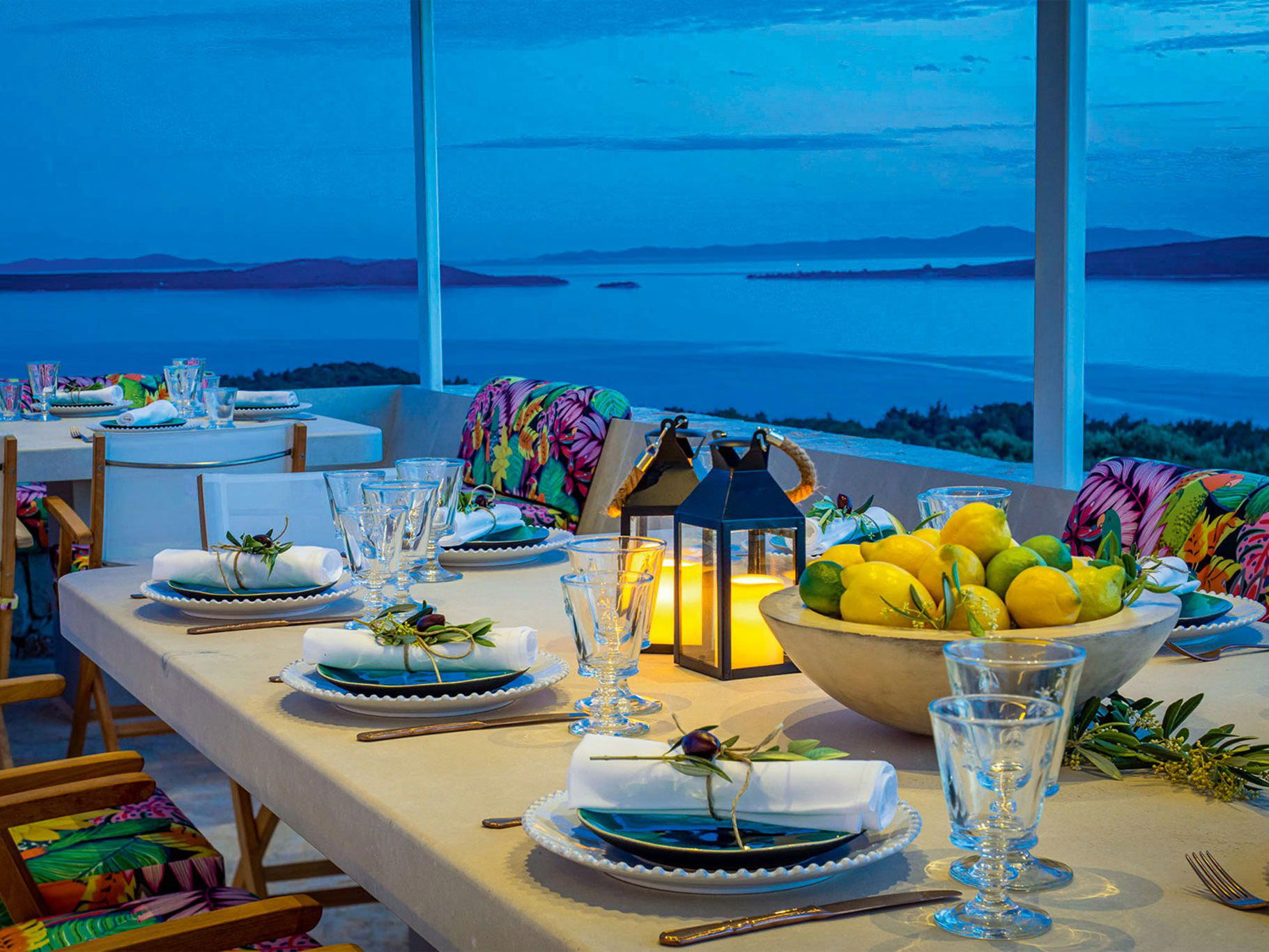
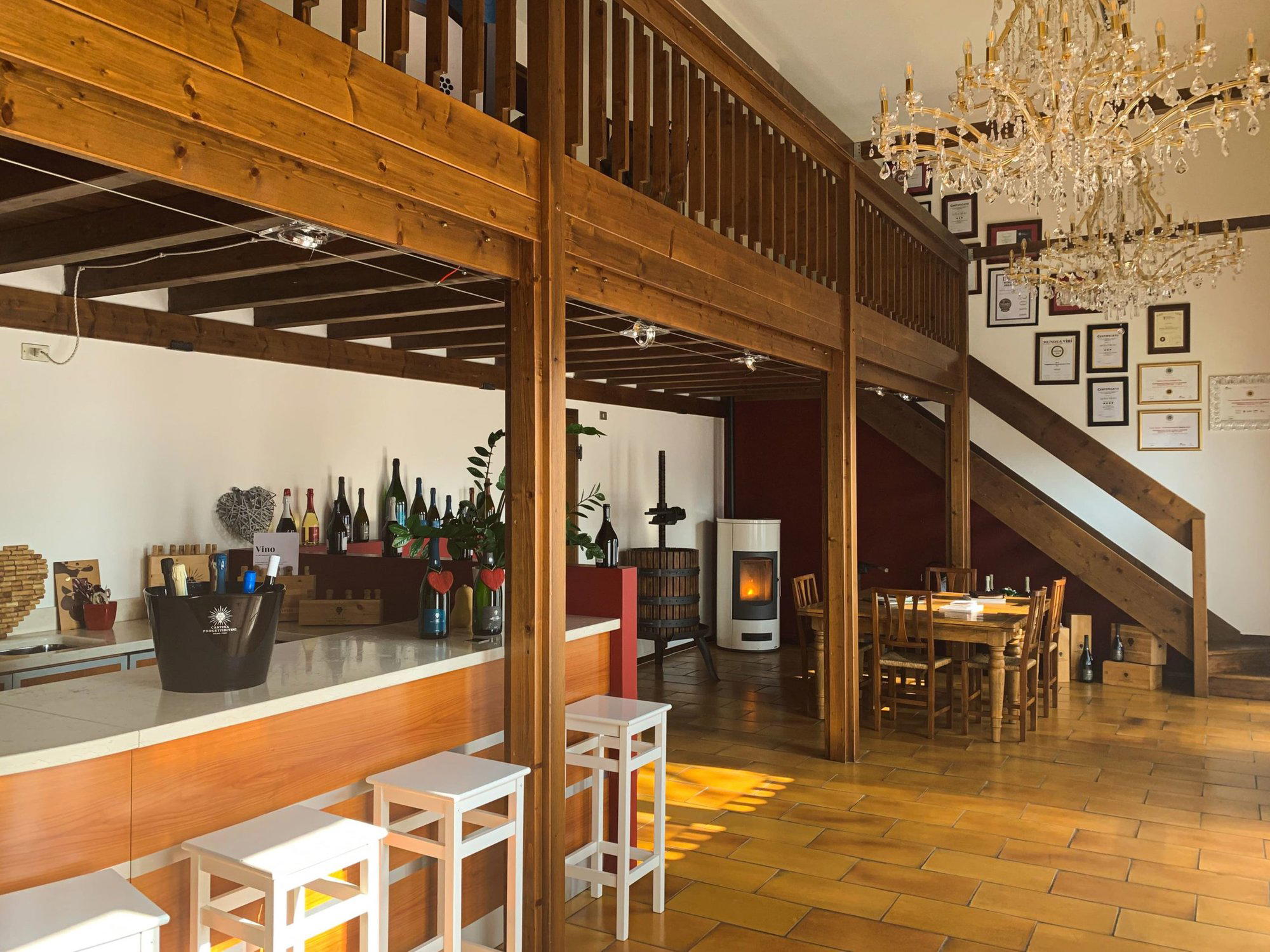
Stylish decor contrasting farm-style food, cozy and natural atmosphere surrounded by landscape.