
Michelin Bib Gourmand
Our verdict
Pinea sits on a quiet street in Ayora, Valencia, and earns its Michelin Plate through seasonal cooking rooted in the surrounding countryside. The menu spans à la carte and a gastronomic tasting format, with rice dishes including traditional Catalan rossejat at the centre. At the €€ price tier, it offers one of the more considered contemporary tables in the interior Valencia region.

Pearl is the En Primeur Club membership app, where members save venues, book tables and use the concierge.
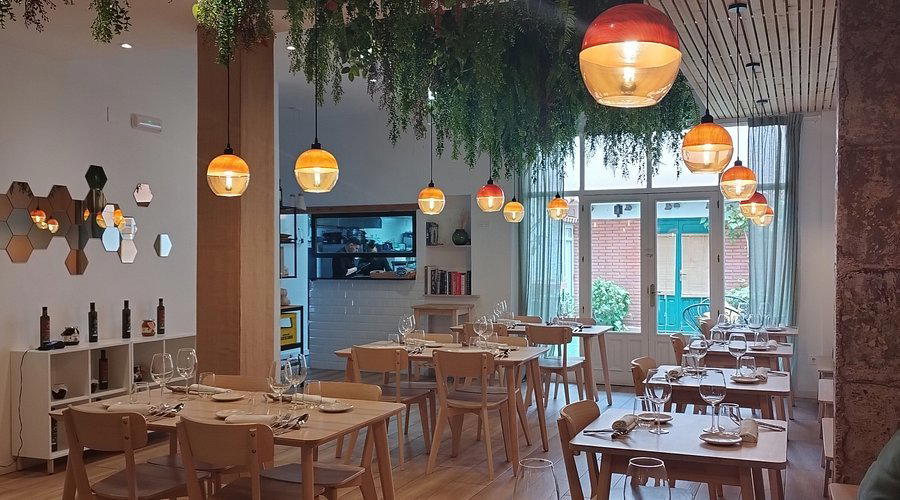
A Quiet Street, a Serious Kitchen
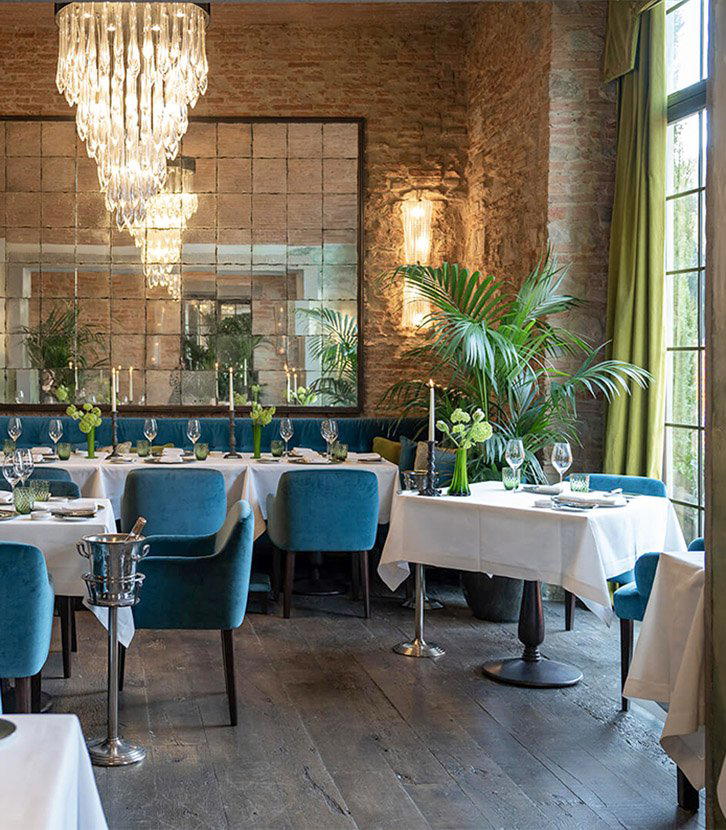
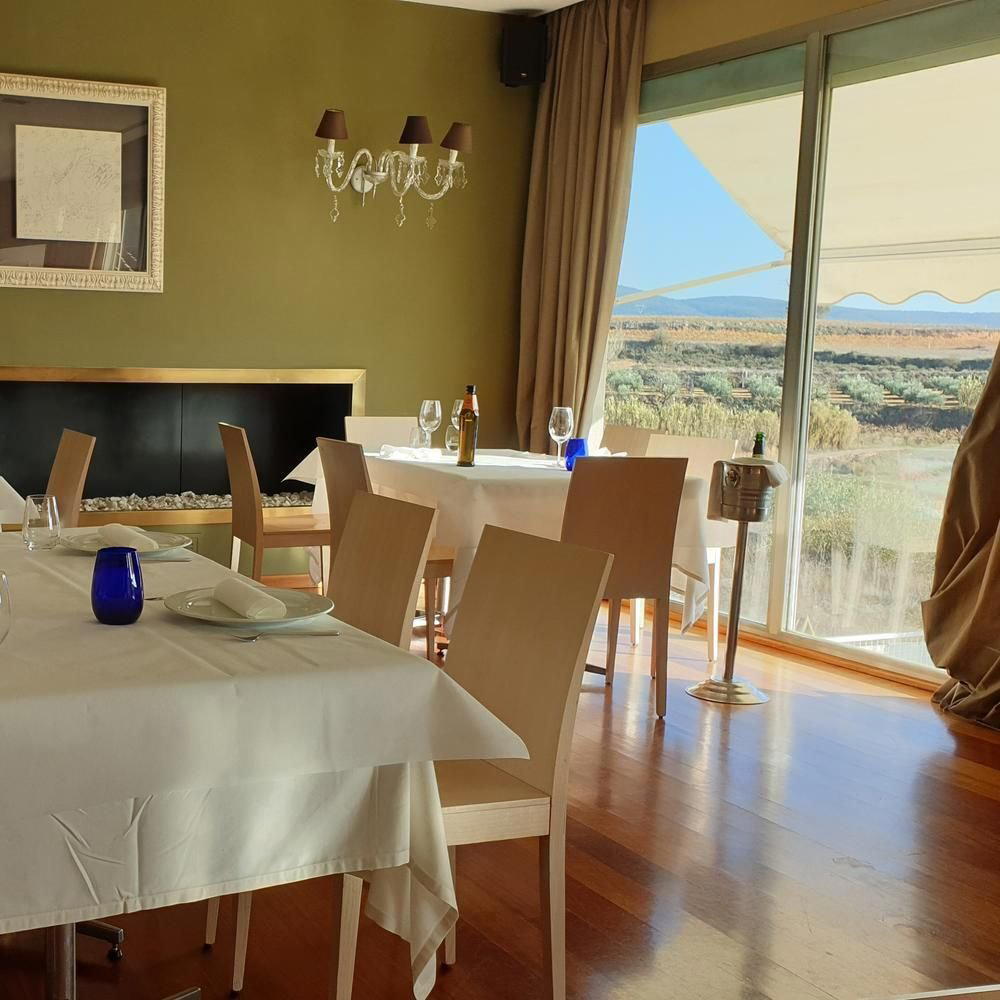
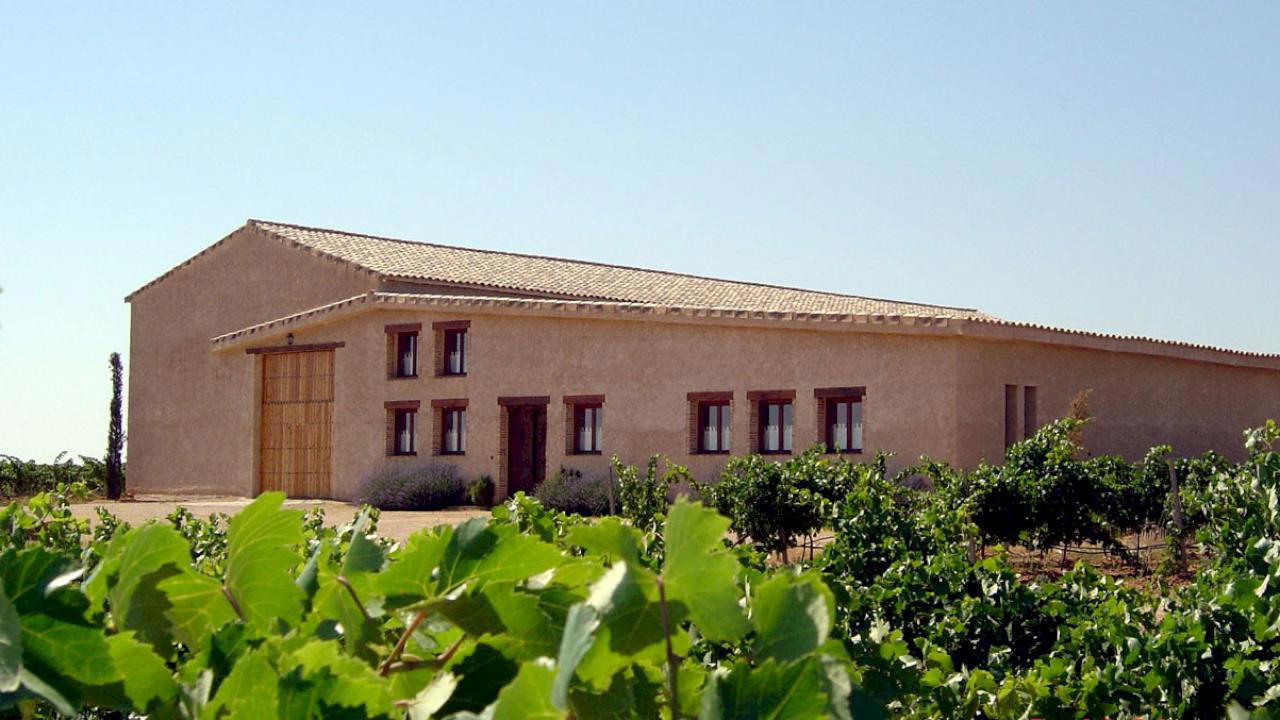
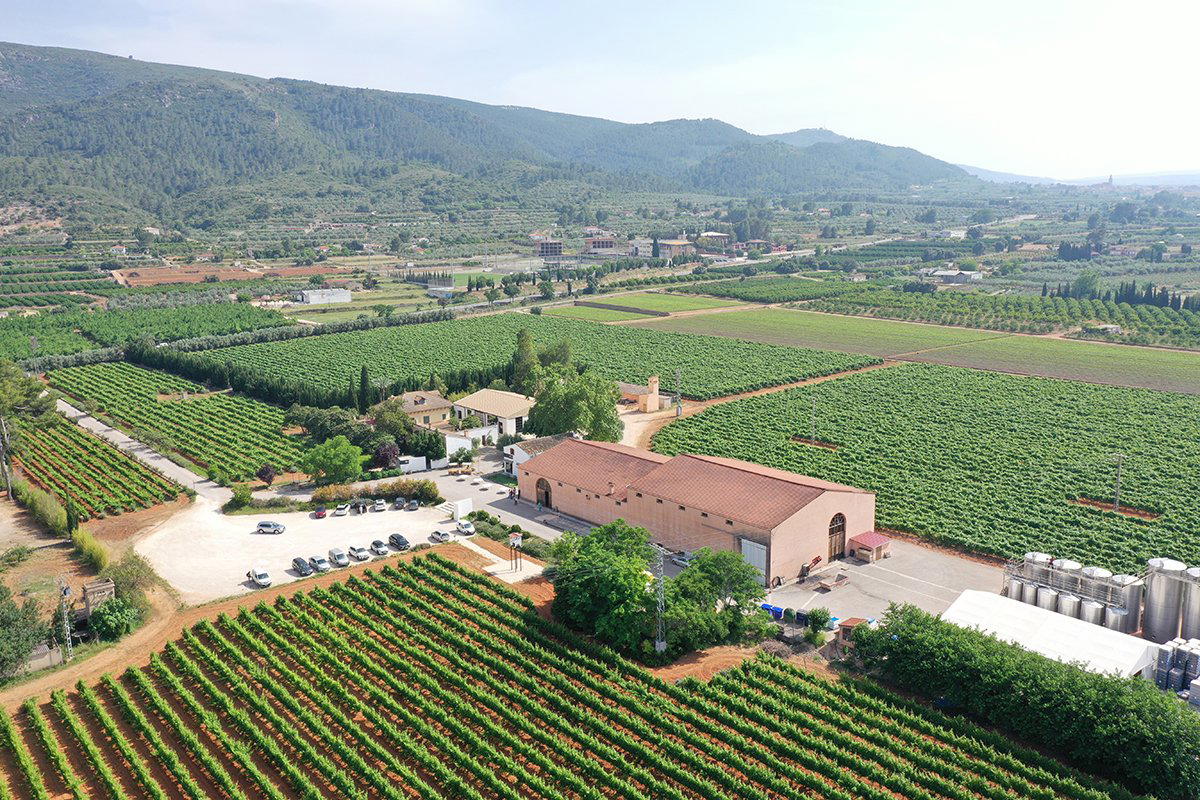
Ayora sits deep in the Valencia interior, roughly equidistant from the provincial capital and the Castilla-La Mancha border, in a part of Spain that most travellers pass over in favour of the coast. The town is unhurried and compact, and Calle Parras reflects that character. Approaching Pinea, the exterior gives little away, a modest frontage on a residential-scale street, with none of the visual signalling associated with destination dining. Inside, the room reads Nordic in its restraint: clean lines, considered materials, a calm that suggests the kitchen has something to say and doesn't need the décor to shout on its behalf.
That sensibility maps directly onto how Pinea positions itself within the contemporary Spanish dining scene. Spain's headline restaurants El Celler de Can Roca in Girona, Disfrutar in Barcelona, Mugaritz in Errenteria, operate at the €€€€ tier and in cities with international visitor infrastructure. Pinea works at the €€ level, in a town that doesn't need to compete for those visitors, which means the cooking is aimed squarely at people who already know what they're looking for. The Michelin Plate recognition in 2025 confirms that inspectors are paying attention, even at this remove from the main circuits.
Sourced from the Surrounding Country
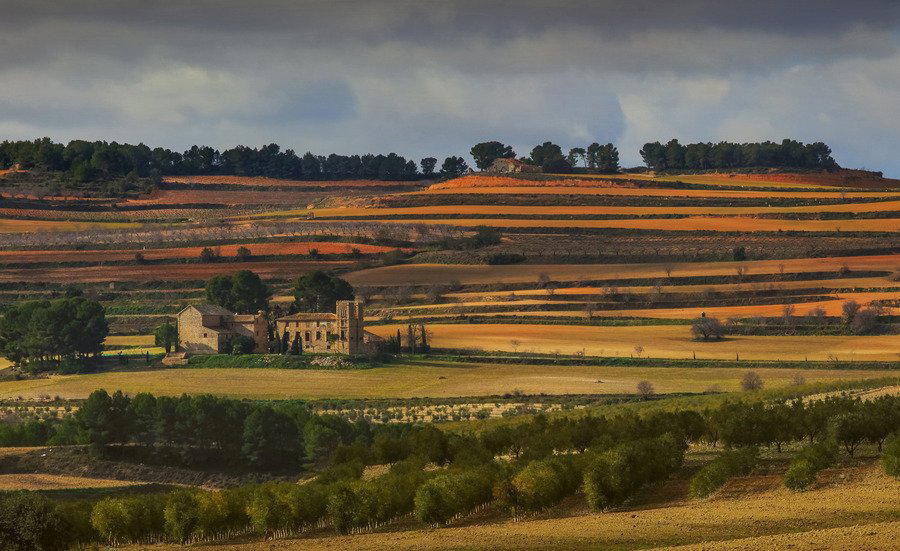
The editorial angle that defines Pinea most clearly is ingredient sourcing. The kitchen's connection to the land around Ayora is not a branding posture, it shapes what actually appears on the plate. The region's sierra and garigue-covered hillsides produce the kind of foraged material that urban restaurants spend considerable effort and money importing: wild herbs, seasonal mushrooms, plants that shift with the month. At Pinea, that sourcing is direct and physical, with the kitchen team heading into the countryside themselves to gather what the season offers.
This approach belongs to a broader movement in Spanish regional cooking, where the distance from metropolitan influence has become an advantage rather than a limitation. In the same way that Quique Dacosta in Dénia built a language around the specific ecology of the Marina Alta coast, or Ricard Camarena in València has worked systematically with local producers, Pinea's proximity to its raw materials gives the menu a specificity that more centralised operations struggle to replicate. The difference is scale and price point: Pinea delivers that sourcing logic at a level accessible to a much wider range of diners.
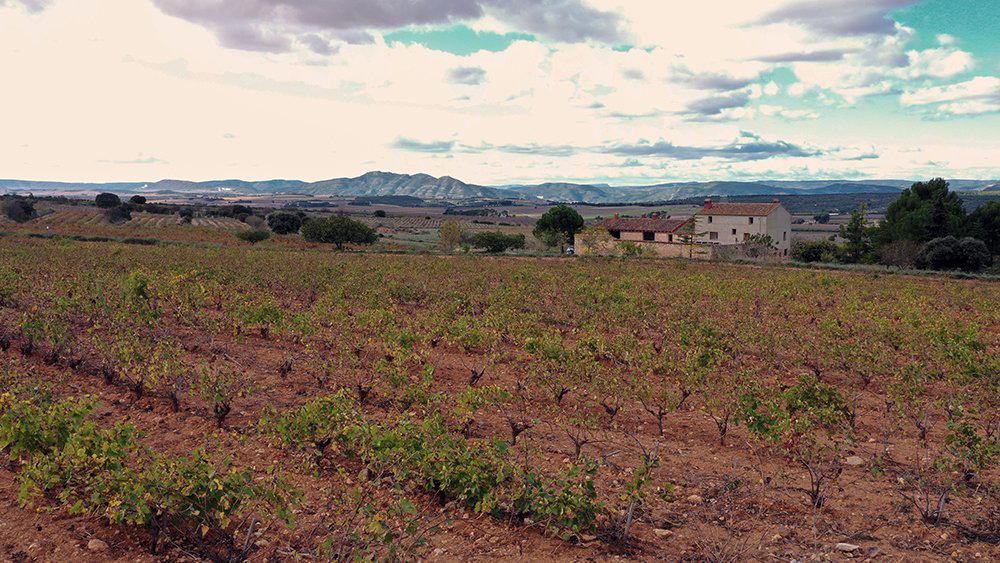
What the kitchen does with foraged material connects to a culinary tradition that extends across the Valencia interior and into the adjacent Castilla-La Mancha region. The landscape here produces ingredients with concentrated flavour, altitude, dry summers, and mineral-heavy soils all contribute. A kitchen that forages locally is also a kitchen that cooks with produce at peak condition, without the transit time that softens flavour and texture.
The Menu: Rice at Its Centre, Latitude at Its Edges
The structure at Pinea gives diners three entry points: an à la carte, a daily menu, and a more extended gastronomic tasting format. The à la carte anchors itself in rice, and this is where the regional identity becomes most explicit. The inclusion of rossejat, a Catalan preparation in which the rice is toasted in fat before the liquid is added, producing a nutty, textured result quite different from a standard paella, signals a kitchen that looks across regional boundaries rather than staying narrowly within a single tradition. The gazpacho manchego is equally instructive: in La Mancha, gazpacho refers not to the cold tomato soup but to a game-based rice dish cooked with flatbread, a preparation that dates back centuries and belongs to the pastoral interior rather than the urban Mediterranean. That Pinea includes both dishes on the same menu reflects the geography of Ayora itself, which sits at a cultural intersection between Valencia's rice culture and La Mancha's game and grain traditions.
The contemporary and international touches the kitchen applies to this regional base are handled with what the Michelin recognition implies is a light hand. At the €€ tier, the gastronomic tasting menu offers a structured way into the full range of the kitchen's thinking, while the daily menu provides a more compressed version for shorter visits or midweek lunches. The à la carte suits diners who want to build around the rice dishes specifically.
Format and Front of House
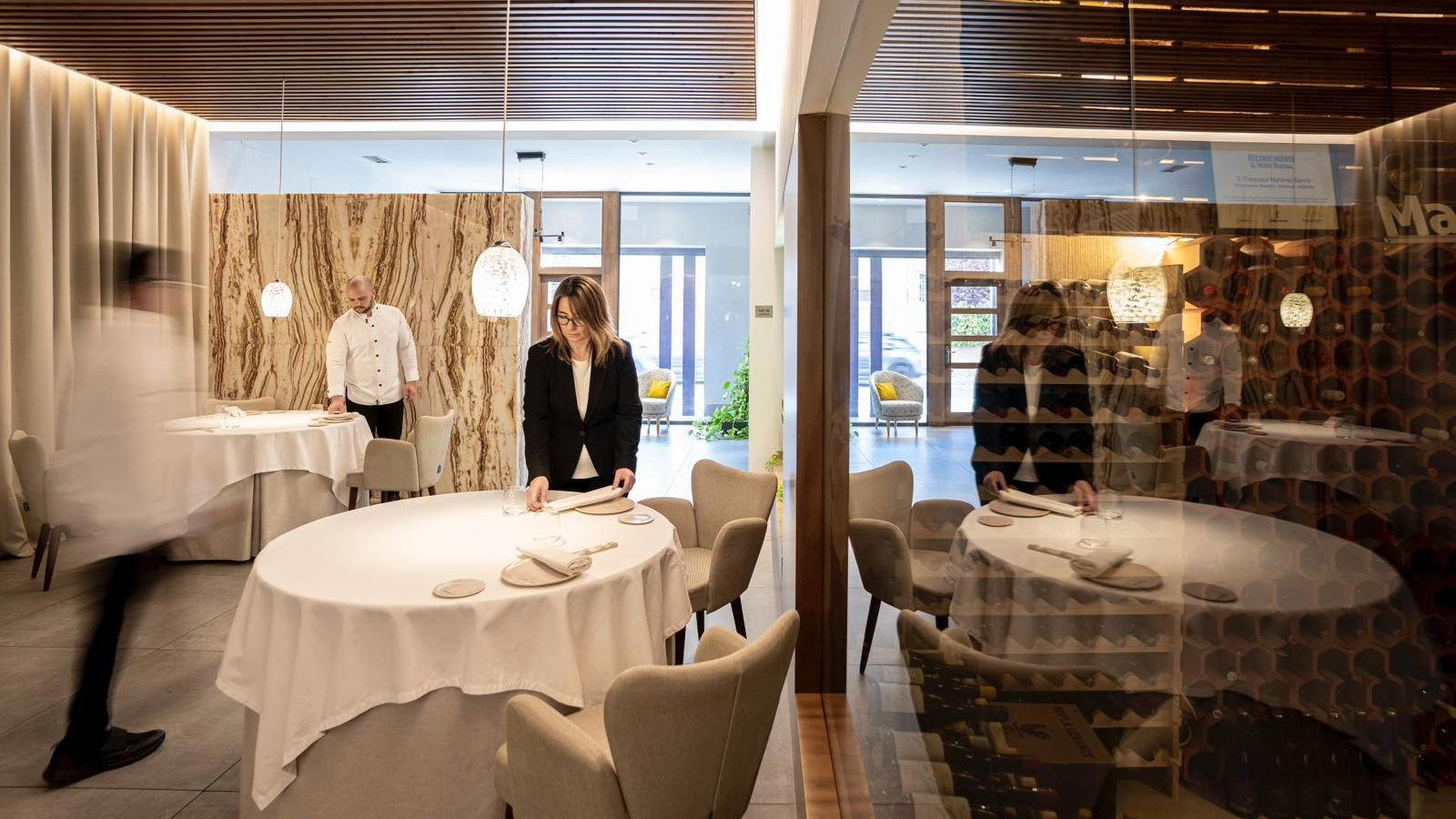
Operation at Pinea is two people: the kitchen and the dining room managed as a partnership rather than a hierarchy. This is a format increasingly common among Spain's serious small-town restaurants, where the constraints of scale produce an intimacy that larger operations can't replicate. The front-of-house role at a restaurant this size carries real weight, the person managing the room shapes the pace and tone of the meal as much as the kitchen does.
For visitors to the Valencia interior, Ayora makes a logical stopping point on routes between the coast and the Castilla-La Mancha plateau. Planning around a meal at Pinea is worth building into any itinerary that passes through the region. The €€ pricing means a full tasting menu remains accessible, and the format, unhurried, producer-rooted, without pretension, fits the character of the town. Booking ahead is advisable given the small operation; specific availability should be confirmed directly with the restaurant. Pinea is located at Calle Parras 10, 46620 Ayora.
For broader orientation in the region, our full Ayora restaurants guide maps the dining options across the town. Those extending their stay will find further context in our Ayora hotels guide, bars guide, wineries guide, and experiences guide. For reference points at the higher end of Spanish contemporary cooking, Arzak in San Sebastián, Azurmendi in Larrabetzu, Aponiente in El Puerto de Santa María, Martin Berasategui in Lasarte-Oria, Atrio in Cáceres, and DiverXO in Madrid each represent a distinct strand of the country's current output. Internationally, César in New York City and Jungsik in Seoul offer contemporary parallels in different cultural registers.
Frequently asked questions
Is Pinea more mid-range or high-end?
Pricing at Pinea is listed as €€.
Comparable Spots, Quickly
| Venue | Cuisine | Price | Awards | Notes |
|---|---|---|---|---|
| PineaThis venue (the venue you are viewing) | Contemporary Mediterranean Regional | $30–50 | Michelin Bib Gourmand | Not listed |
| Aponiente | Avant-Garde Marine Seafood | $200–300 | 3 Michelin Stars · World's 50 Best #84 | Progressive - Seafood, Creative |
| Arzak | Contemporary Basque Fine Dining | $300–500 | 3 Michelin Stars · World's 50 Best #31 | Modern Basque, Creative |
| DiverXO | Avant-Garde Spanish Tasting Menu | $300–500 | 3 Michelin Stars · World's 50 Best #4 | Progressive - Asian, Creative |
| El Celler de Can Roca | Creative Catalan Fine Dining | $300–500 | 3 Michelin Stars · World's 50 Best #2 | Progressive Spanish, Creative |
| Quique Dacosta | Avant-Garde Spanish Fine Dining | $300–500 | 3 Michelin Stars · World's 50 Best #65 | Creative |
Recognition history
Dated appearances from independent guides and award organizations, with the underlying list record or original source where available.
Michelin Bib Gourmand
Michelin
Full recognition history (2 entries)
Michelin Plate
Michelin
Continue exploring
More in Ayora
Details
- Cozy
- Elegant
- Intimate
- Date Night
- Special Occasion
- Open Kitchen
- Extensive Wine List
- Local Sourcing
- Tasting Menu
- A La Carte
- Small Plates
- Vegetarian Friendly
- Gluten Free Options
Current opening hours
- Monday
- Closed
- Tuesday
- 1:30–3:30 PM
- Wednesday
- 1:30–3:30 PM
- Thursday
- 1:30–3:30 PM
- Friday
- 1:30–3:30 PM
- Saturday
- 1:30–3:30 PM
- Sunday
- 1:30–3:30 PM
Hours can change for holidays and private events. Hours as of .
Cozy and familiar atmosphere with professional, personalized service and beautiful presentation.