

Michelin Plate · Macarfi 7.5 Food Rating
Our verdict
A family-run institution on Calle de las Norias since 1952, Mesón de Pincelín holds consecutive Michelin Plate recognition (2024–2025) for its regionally grounded à la carte and set menus.

Pearl is the En Primeur Club membership app, where members save venues, book tables and use the concierge.
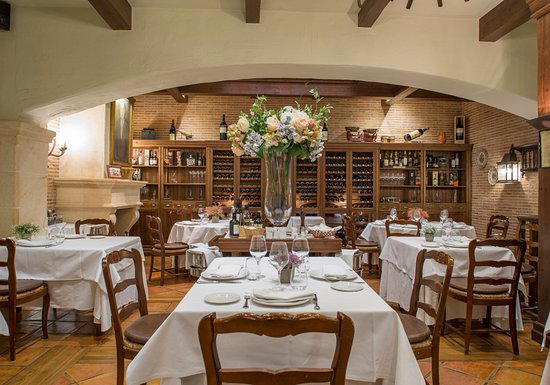
Where Castilla-La Mancha Comes to the Table
Almansa sits at a crossroads that has shaped its cooking for centuries: geographically in Albacete province but pressed against the Valencia border, culturally Castilian but touched by Levantine produce and technique. The result, at its most considered, is a cuisine that draws on the interior's lamb, game, and legumes while absorbing the pepper and saffron inflections of the Mediterranean corridor. Mesón de Pincelín, on Calle de las Norias in the town centre, has been one of the most consistent addresses for that regional synthesis since 1952, now holding Michelin Plate recognition in both 2024 and 2025.
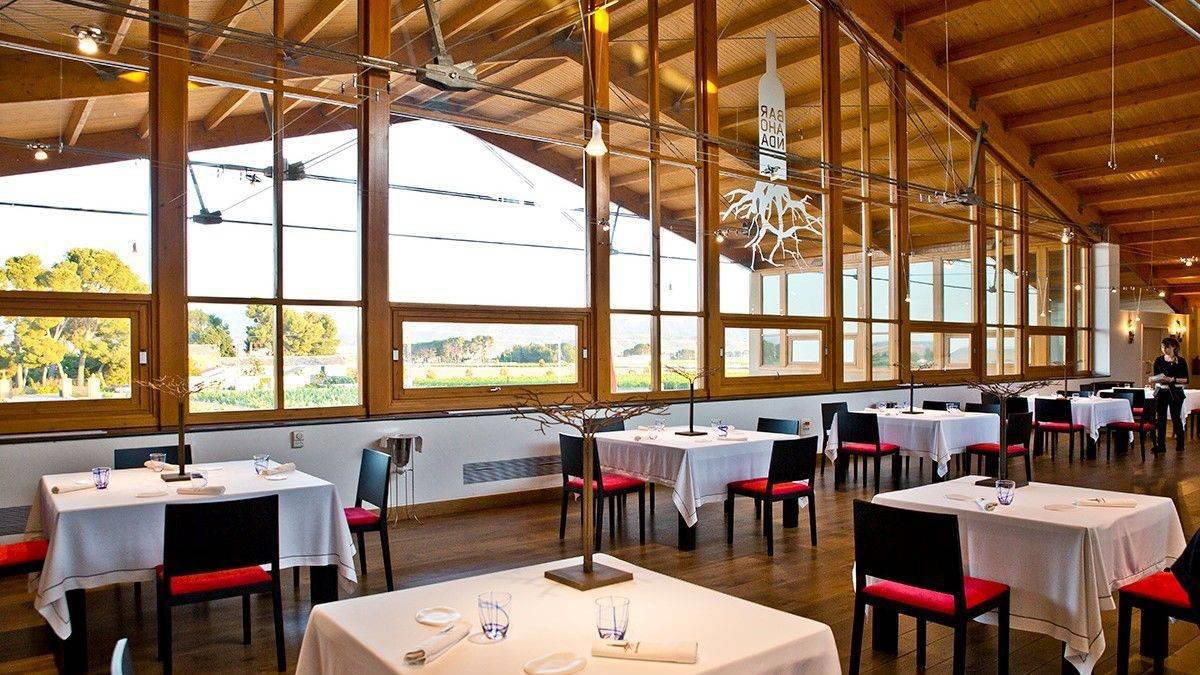
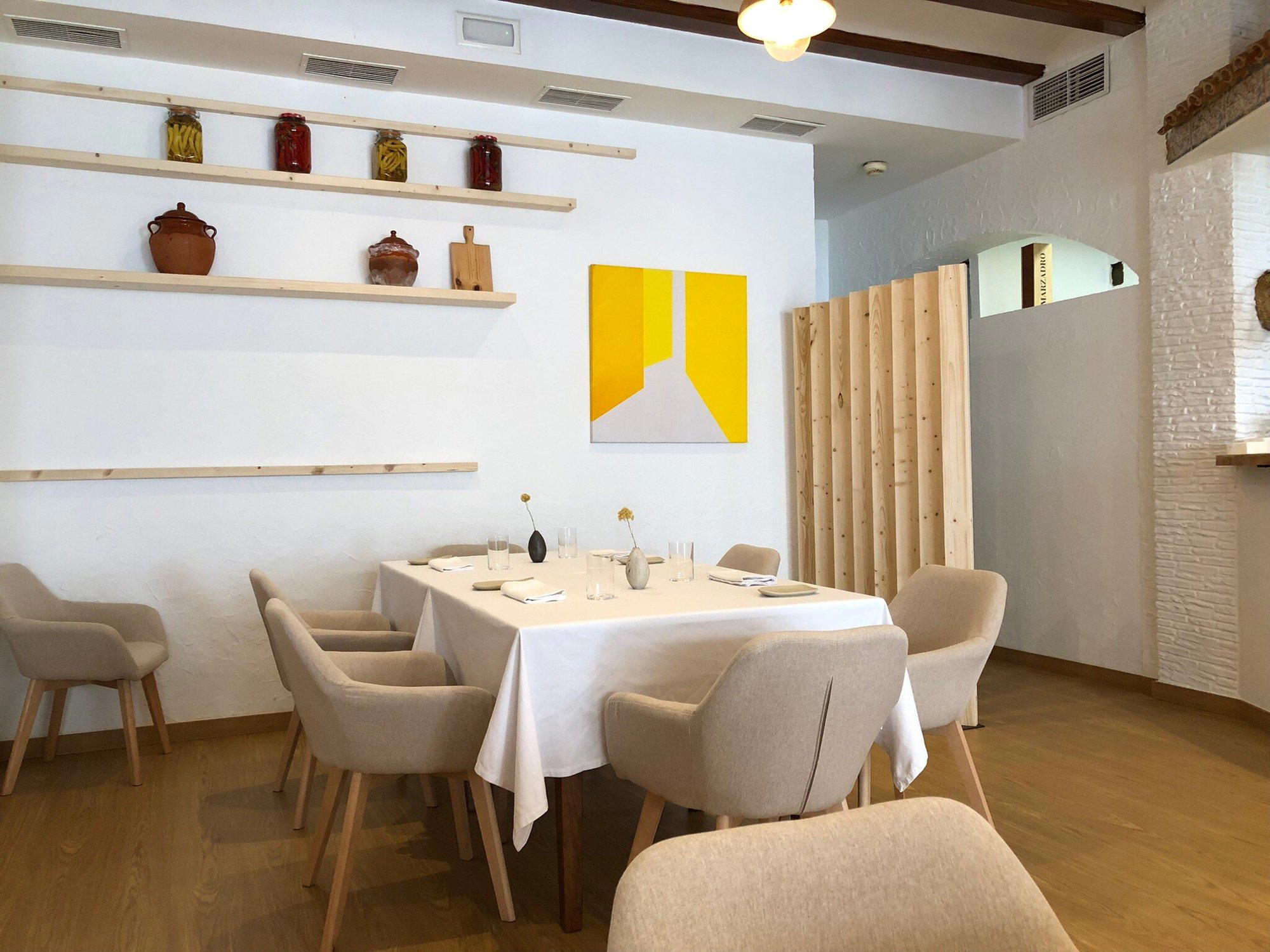
The physical environment announces its intentions immediately. The decor is regionally specific rather than generically rustic: the kind of deliberate, accumulated character that takes decades to settle, not weeks of interior design. There is a bar section with tall tables for informal dining, a format common across Castilian Spain where the line between a serious meal and a long lunch with wine remains pleasingly blurred. Beyond it, a range of dining rooms and private spaces scales the experience from a couple sharing a set menu to a larger family gathering. That flexibility across formats is itself a marker of how embedded the place is in the local social fabric.
Seven Decades in One Building
In a country where multi-generational restaurant families are not uncommon, seventy-plus years of continuous family ownership still marks a venue out. The Spanish interior has its own tempo of change: slower than Madrid or Barcelona, more resistant to the trend cycles that reset urban menus every few years. Mesón de Pincelín has operated through Spain's post-Franco economic opening, the tourism boom of the 1980s and 1990s, the financial crisis, and the disruptions of the last five years.
For a useful frame of reference, consider where Mesón de Pincelín sits relative to Spain's most prominent fine-dining addresses. Restaurants like Arzak in San Sebastián, El Celler de Can Roca in Girona, Disfrutar in Barcelona, and DiverXO in Madrid operate in the €€€€ tier with elaborate multi-course formats built around technical innovation. Mugaritz in Errenteria, Azurmendi in Larrabetzu, Quique Dacosta in Dénia, Aponiente in El Puerto de Santa María, Martin Berasategui in Lasarte-Oria, and Ricard Camarena in València follow similar trajectories. Mesón de Pincelín occupies an entirely different position: €€ pricing, traditional format, regional focus. It is not competing with that tier, nor trying to.
Across Spain and France, the mid-century traditional restaurant is under structural pressure. Younger chefs move toward creative formats; older ones retire without successors; the economics of labour-intensive regional cooking at accessible price points are difficult. The comparable traditional addresses that have held their ground, like Auberge Grand'Maison in Mûr-de-Bretagne or Auga in Gijón, tend to have something in common: family continuity, a defined regional identity, and a menu that changes with the market rather than following trends.
The Menu as Regional Record
The à la carte at Mesón de Pincelín is described as extensive and regionally focused, complemented by several set menus. In Albacete province, that regional focus carries specific meaning. The cooking of Castilla-La Mancha centres on pisto manchego, gazpacho manchego (a meat and flatbread dish entirely distinct from the cold soup), game preparations, lamb in multiple cuts and cooking methods, and pulse-based dishes that reflect the agricultural interior. Saffron from La Mancha, one of Spain's most geographically protected ingredients, appears throughout the region's serious kitchens. The set menu format, common across Spanish traditional dining from Madrid downward, allows the kitchen to present a structured sequence at a price that makes a full meal accessible at lunchtime for locals as well as visitors.
For Almansa specifically, the presence of a serious traditional restaurant at this price point is not incidental. The town is a wine-producing area in its own right, with the Almansa DO producing structured reds from Garnacha Tintorera and Monastrell. A meal at Mesón de Pincelín makes natural sense as part of a wider engagement with the region, whether that means time at local wineries or a broader circuit of the province. See our full Almansa wineries guide for the relevant producers.
Almansa's Wider Dining Context
Almansa is a small city, and its restaurant scene is compact by design. The most notable point of contrast within the town is Maralba, a creative restaurant that operates on different premises and at a different register. Together, the two addresses illustrate the split that has become standard in Spanish provincial towns: a traditional anchor with deep local roots alongside a more contemporary table that references the region through a different technical lens. Visitors spending more than a day in Almansa have good reason to experience both ends of that spectrum.
For a full picture of where to eat, drink, stay, and spend time in the area, our full Almansa restaurants guide covers the broader scene, alongside our Almansa hotels guide, our Almansa bars guide, and our Almansa experiences guide.
Planning Your Visit
Mesón de Pincelín is located at Calle de las Norias, 10, in central Almansa. The €€ price point places a full meal comfortably within reach for most visitors, and the existence of set menus alongside the à la carte means there is flexibility depending on appetite and time. The bar section with tall tables offers a lower-commitment entry point for a lighter meal or a glass of regional wine without committing to a full dining room sitting. For those who want a more formal or private setting, the range of dining rooms and private spaces accommodates larger groups.
Frequently asked questions
Is Mesón de Pincelín suitable for children?
The format works well for families. The €€ price point keeps costs accessible, and the restaurant offers multiple seating options including informal bar tables and private dining rooms, giving groups flexibility depending on age and appetite. A traditional Spanish à la carte with broad regional coverage means there is range on the menu rather than a fixed tasting format.
What should I expect atmosphere-wise at Mesón de Pincelín?
Decades of accumulated regional decor set the tone here, this is a room shaped by continuity, not renovation cycles. In operation under the same family since 1952 and holding a Michelin Plate for at least two consecutive years, the dining rooms carry the weight of a local institution. Informal bar seating with tall tables runs alongside more formal private spaces, so the register shifts depending on where you sit.
Is Mesón de Pincelín Michelin-listed?
Mesón de Pincelín has received recognition including: In the hands of the same family since 1952, this classic and traditional restaurant boasts an impressive, regionally inspired ambience and decor that have contributed to its reputation over the decades. Choose between the bar section, with ….
What's the best thing to order at Mesón de Pincelín?
The kitchen's focus is explicitly regional, drawing on the cooking traditions of Albacete province and broader Castilla-La Mancha: expect game preparations, lamb, and pulse-based dishes to feature prominently on the extensive à la carte. Several set menus run alongside the full card, which is a practical way to cover ground across the regional repertoire. The Michelin Plate recognition signals kitchen consistency rather than creative experimentation, so established regional classics are the reliable choice.
Price and Recognition
| Venue | Cuisine | Price | Awards | Notes |
|---|---|---|---|---|
| Mesón de PincelínThis venue (the venue you are viewing) | Traditional Spanish Regional | $30–50 | Michelin Plate · Macarfi 7.5 Food Rating | Not listed |
| Aponiente | Avant-Garde Marine Seafood | $200–300 | 3 Michelin Stars · World's 50 Best #84 | Progressive - Seafood, Creative |
| Arzak | Contemporary Basque Fine Dining | $300–500 | 3 Michelin Stars · World's 50 Best #31 | Modern Basque, Creative |
| DiverXO | Avant-Garde Spanish Tasting Menu | $300–500 | 3 Michelin Stars · World's 50 Best #4 | Progressive - Asian, Creative |
| El Celler de Can Roca | Creative Catalan Fine Dining | $300–500 | 3 Michelin Stars · World's 50 Best #2 | Progressive Spanish, Creative |
| Quique Dacosta | Avant-Garde Spanish Fine Dining | $300–500 | 3 Michelin Stars · World's 50 Best #65 | Creative |
Recognition history
Dated appearances from independent guides and award organizations, with the underlying list record or original source where available.
Michelin Plate
Michelin
Macarfi 7.5 Food Rating
Macarfi
Full recognition history (4 entries)
Michelin Plate
Michelin
Michelin Plate
Michelin
Continue exploring
More in Almansa
Restaurants in Almansa
All restaurants in Almansa →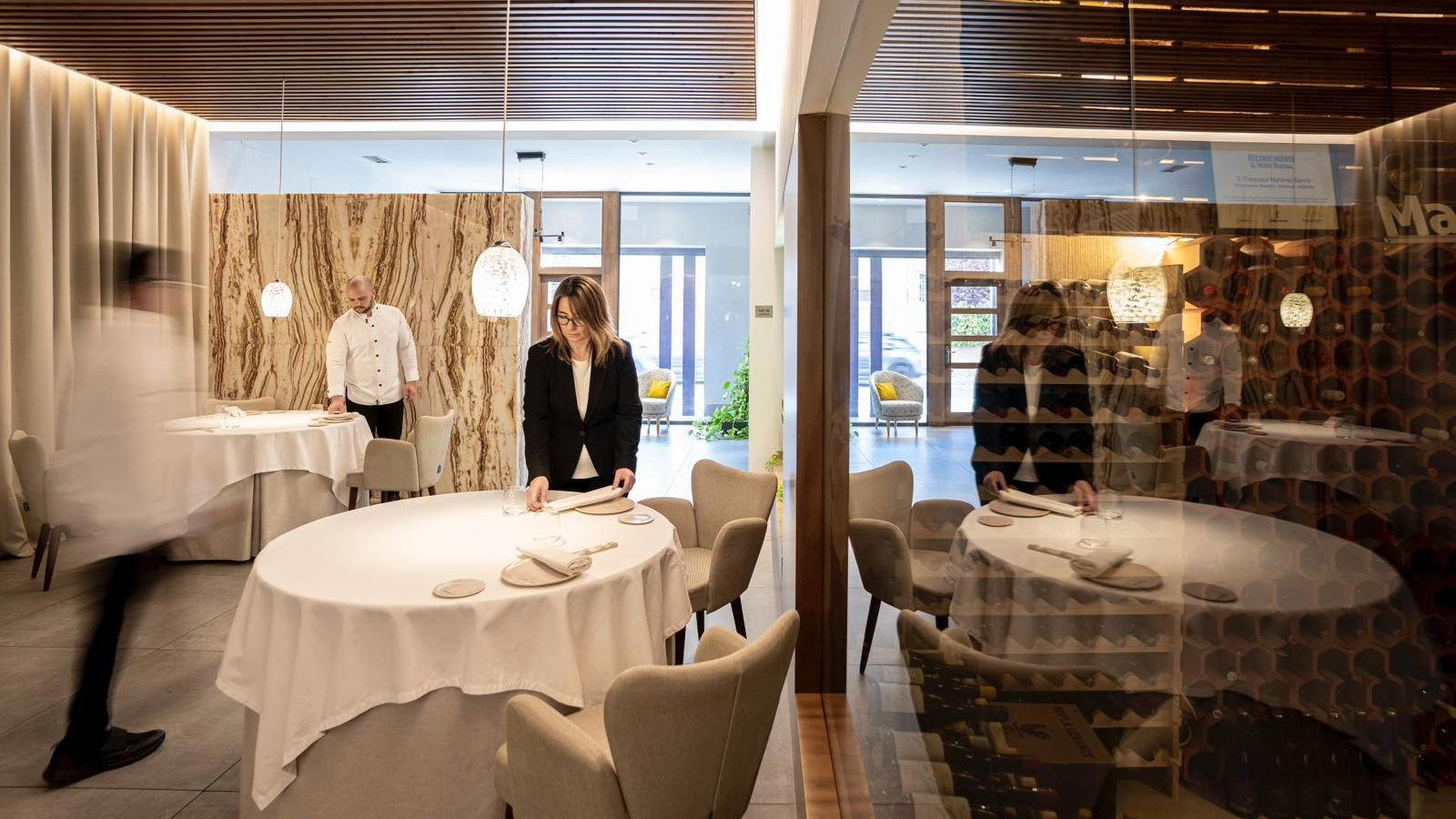
Details
- Classic
- Rustic
- Cozy
- Date Night
- Group Dining
- Special Occasion
- Private Dining
- Historic Building
- Extensive Wine List
- Local Sourcing
- A La Carte
- Set Menu
- Vegetarian Friendly
- Vegan Options
- Gluten Free Options
Current opening hours
- Monday
- Closed
- Tuesday
- 1:30–4:30 PM
- Wednesday
- 1:30–4:30 PM
- Thursday
- 1:30–4:30 PM
- Friday
- 1:30–4:30 PM, 9–11:30 PM
- Saturday
- 1:30–4:30 PM, 9–11:30 PM
- Sunday
- 1:30–4:30 PM
Hours can change for holidays and private events. Hours as of .
Classic and traditional with impressive regionally inspired ambience and decor, offering bar for informal dining and private spaces.