

Set in a converted farmhouse at a rural crossroads outside Dénia, El Carreter holds consecutive Michelin Plate recognition for 2024 and 2025 and earns. The kitchen works a Mediterranean-ingredient focus through both an à la carte and a tasting menu, placing it among the more serious dining options in the La Marina Alta comarca at a mid-range price point.
Pearl is the En Primeur Club membership app — saves, bookings, and concierge access live there. Same editors, same standards.
- Address
- Partida Fredat, 12, 03709 La Xara, Alicante, Spain
- Phone
- +34 965 78 46 72
- Website
- elcarreter.com
- Directions
- Get directions
 Saves & bookings on Pearl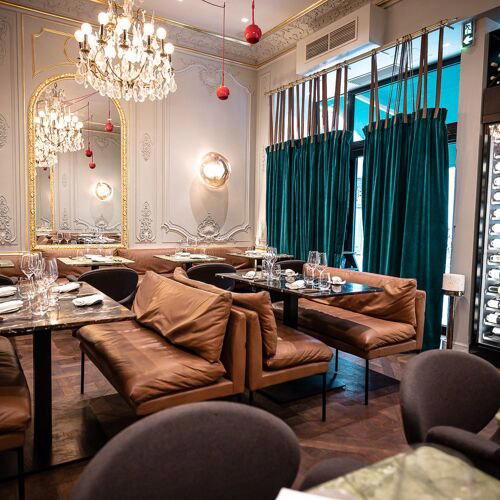
A Farmhouse at a Crossroads, and What It Signals
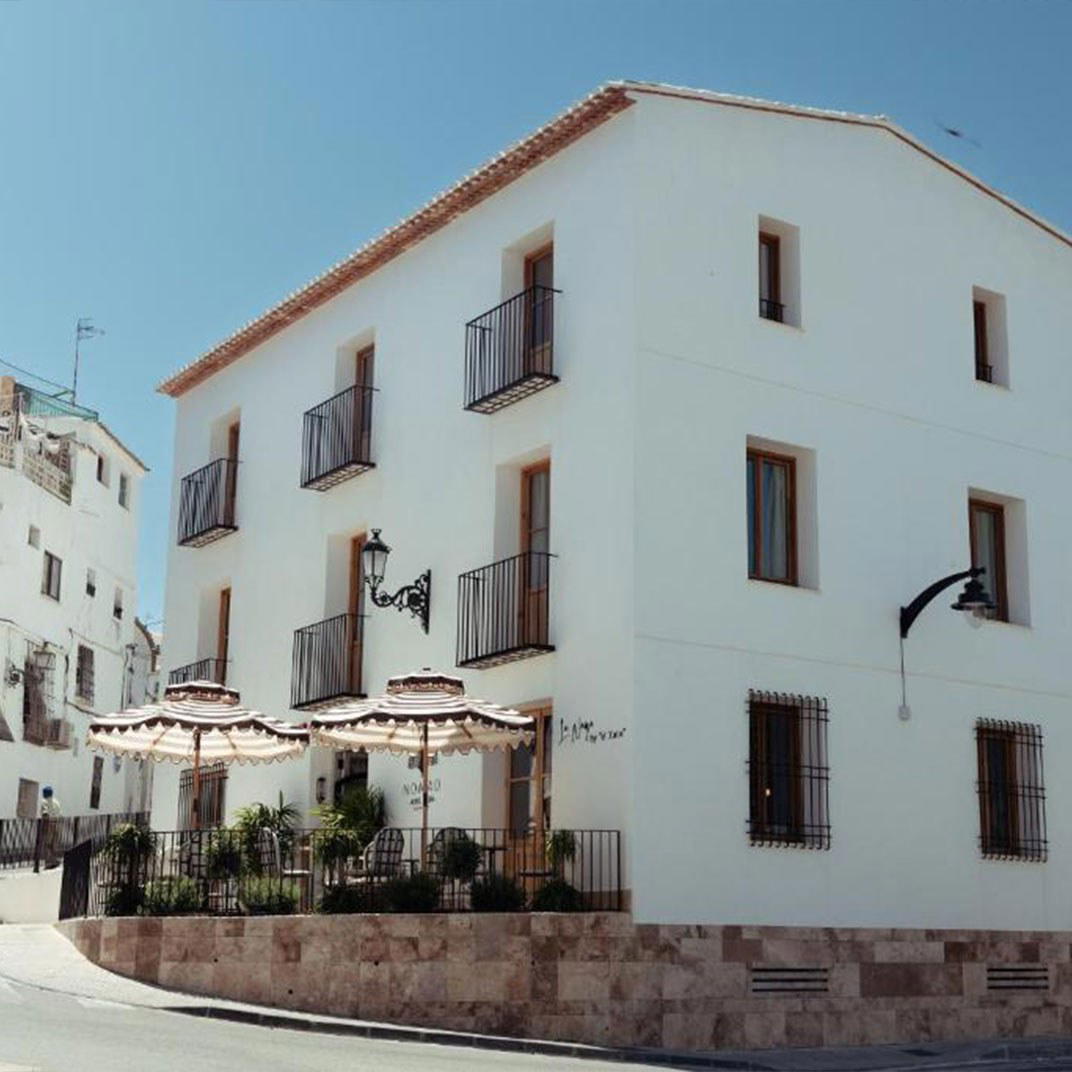
The approach to El Carreter already frames the meal. The building is an old farmhouse sitting at a rural crossroads outside the village of La Xara, in the inland stretch of La Marina Alta comarca that most visitors pass through on their way to Dénia's seafront. The name refers to the wheelwright trade, a detail that anchors this address in the agricultural and artisan economy that once defined this stretch of the Alicante interior. Arriving here, rather than at a seafront terrace in Dénia, is a deliberate choice, and it tends to attract diners who already know the difference.
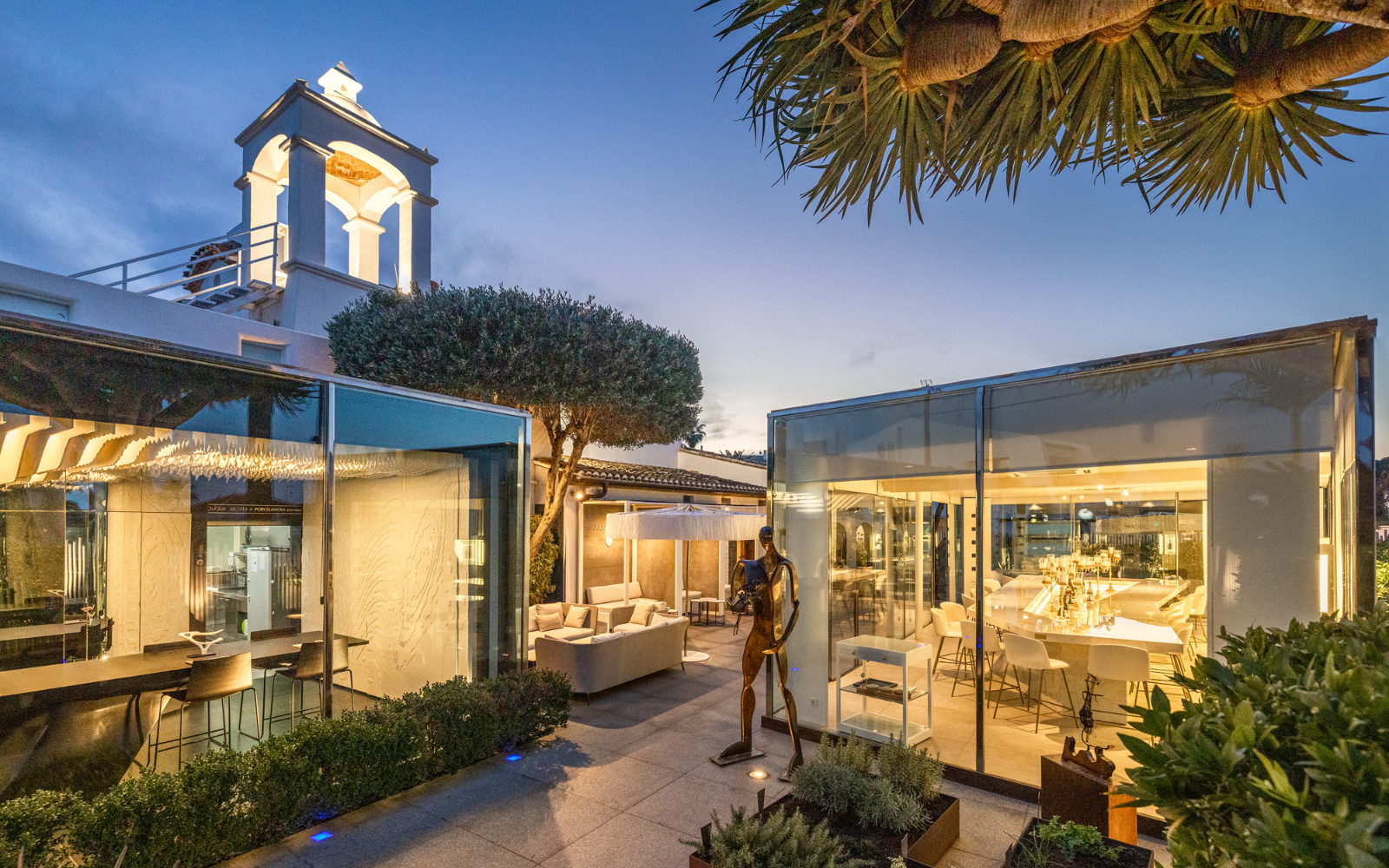
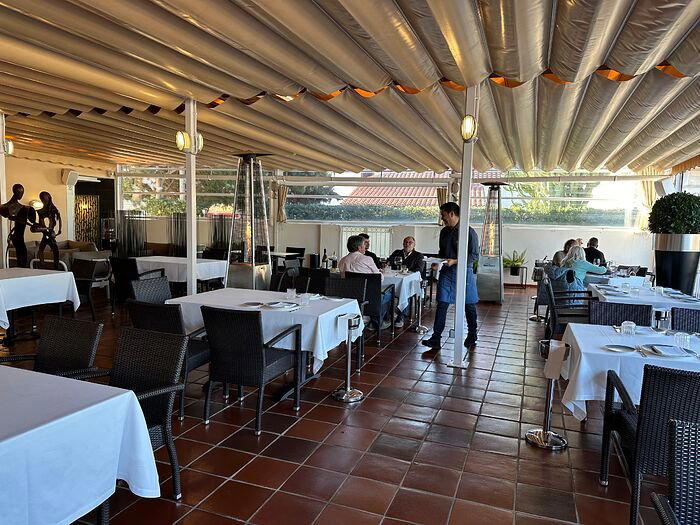
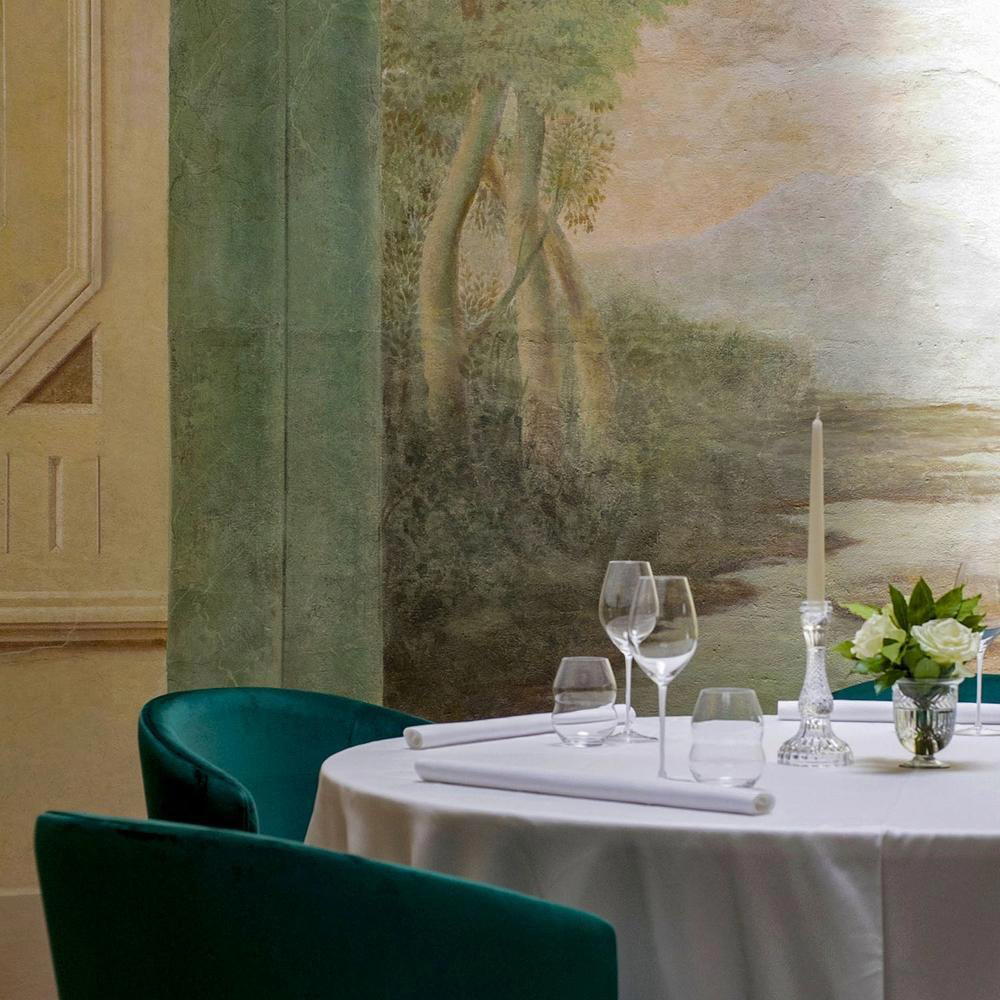
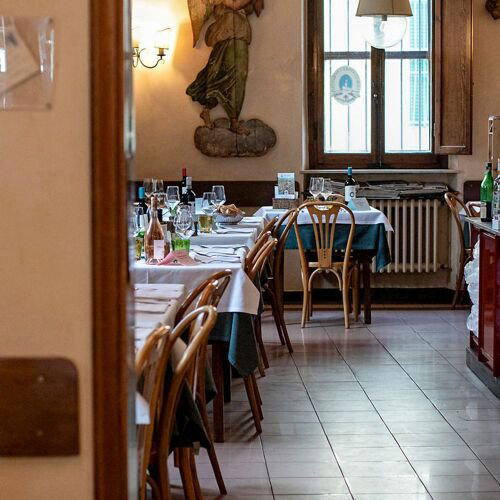
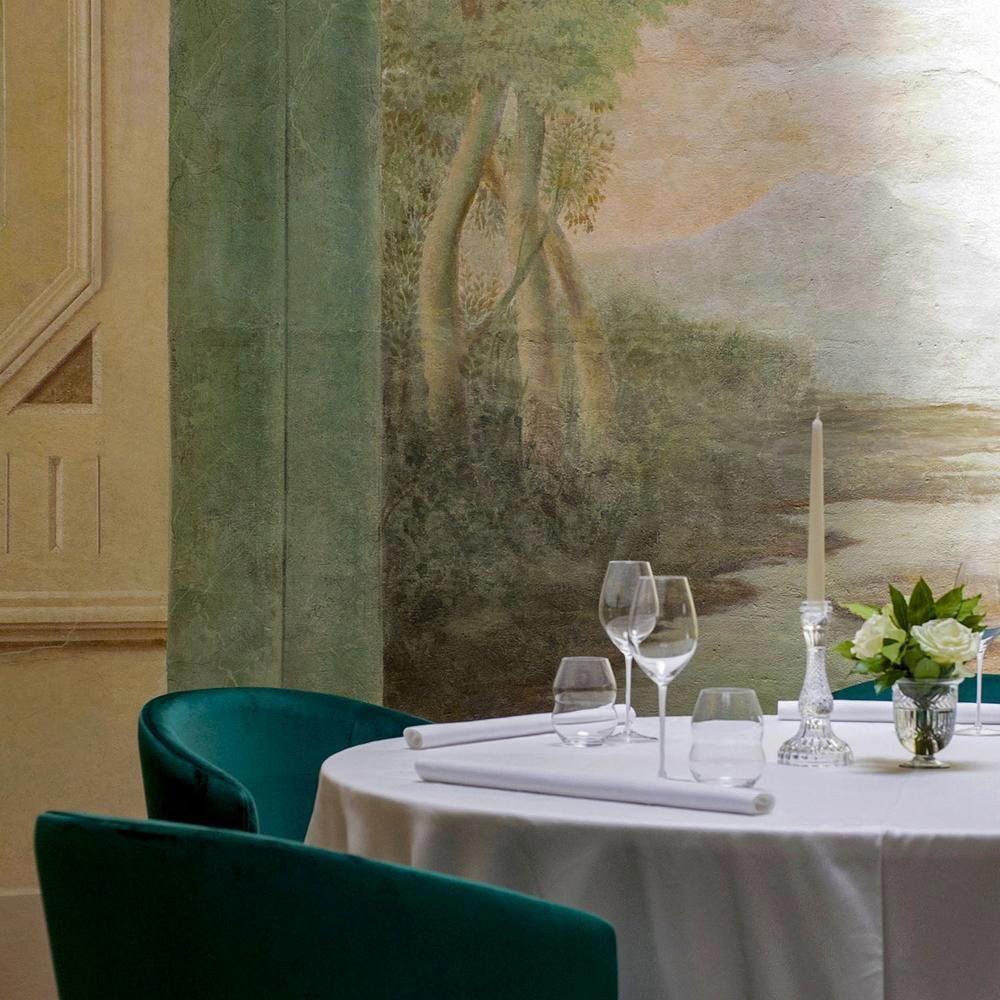
The building reads as a working farmhouse rather than a restored showpiece. A terrace at the front functions as the first pause point, suited to an aperitif before the meal or coffee afterward. Inside, several dining rooms are laid out with care, one of them anchored by a fireplace that makes it the obvious choice for cooler months in late autumn or winter. The physical setting does something that purpose-built restaurant spaces rarely manage: it provides genuine character without effort, because the character was there before the kitchen arrived.
Mediterranean Sourcing as the Kitchen's Organizing Principle
Valencian Community sits at the intersection of several distinct food geographies. Inland, the huerta, the irrigated market-garden belt that supplies Spanish cities with artichoke, tomato, broad bean, and citrus, runs from Valencia south through Alicante province. Offshore, the Mediterranean delivers red mullet, sea bass, cephalopods, and the small crustaceans that Alicantine cooks have built rice dishes around for generations. Further west, the Montgó massif and the valleys behind Dénia produce almonds, carob, and the aromatic herbs that appear in both traditional and modern kitchens across the region.
El Carreter draws from this geography rather than from the internationalized supply chains that urban fine-dining restaurants often depend on. The kitchen's declared focus on Mediterranean ingredients is a sourcing position as much as a culinary one. It shapes the seasonal rhythm of the menu, links the cooking to the agricultural character of La Marina Alta, and puts the restaurant in a different category from the coastal resort kitchens of nearby Dénia and Jávea, which tend to prioritize availability and accessibility over provenance specificity.
This sourcing discipline is the context for understanding the Michelin Plate recognition the restaurant has held consecutively for 2024 and 2025. The Michelin Plate designation indicates cooking of sufficient quality to merit attention without yet reaching the starred tier.
The Menu Format and What It Implies
The kitchen runs two parallel formats: a contemporary à la carte, and a tasting menu. The coexistence of both is a meaningful structural choice. Tasting menus in the Spanish context have migrated from special-occasion formats to the primary mode of serious restaurants; at Quique Dacosta in Dénia, roughly forty kilometres up the coast, the tasting menu is the only option, and the restaurant operates in the three-Michelin-star bracket alongside Spanish peers like Arzak in San Sebastián, El Celler de Can Roca in Girona, Azurmendi in Larrabetzu, and Aponiente in El Puerto de Santa María. El Carreter operates at a different level of ambition and price, and retaining an à la carte alongside the tasting menu signals a commitment to accessibility that suits the farmhouse setting and the rural audience it draws.
The restaurant's price tier of €€ places it among mid-range options in the comarca.DiverXO in Madrid, Cocina Hermanos Torres in Barcelona, or Martin Berasategui in Lasarte-Oria. For a meal grounded in regional produce with consistent Michelin-level quality benchmarking, this positions the restaurant as a reasonable proposition for serious diners without the cost structure of destination fine dining.
The Broader Scene in La Marina Alta
La Marina Alta, the northern coastal comarca of Alicante province, operates as a specific sub-market within Spanish food tourism. Dénia anchors the high end, partly due to Quique Dacosta's presence and the associated international attention it brought to the region's rice and seafood traditions. The surrounding villages, La Xara among them, have developed a quieter restaurant culture that draws on the same ingredient base without the destination premium.
This dynamic mirrors patterns visible elsewhere in Spain, where internationally recognized restaurants in smaller cities pull a broader culinary reputation upward for a whole region. In the Basque Country, the concentration of three-star restaurants around San Sebastián has refined attention on the entire food culture of the region. In Girona, El Celler de Can Roca has made the city a reference point for modern Catalan cooking. In La Marina Alta, the Quique Dacosta effect is more modest in scale but directionally similar: it creates a frame through which kitchens like El Carreter get noticed and benchmarked by food-aware visitors who might otherwise focus exclusively on the coast. The same regional attention also applies to the broader Valencian fine-dining scene, represented by addresses like Ricard Camarena in València and Atrio in Cáceres, which have helped establish Spain's interior and eastern regions as genuine reference points beyond the Basque-Catalan axis. Further afield, modern-cuisine addresses such as Mugaritz in Errenteria, Frantzén in Stockholm, and FZN by Björn Frantzén in Dubai represent the global tier to which the leading regional Spanish kitchens are often compared by international critics.
Planning Your Visit
The restaurant sits at Partida Fredat, 12, in La Xara, a few kilometres inland from Dénia. Visitors staying on the coast will find the drive direct, and the rural crossroads location means there is no parking difficulty of the kind that complicates meals in Dénia's old town. The restaurant's.
The fireplace room is the better choice in winter; the terrace is the natural opening for warmer months, where an aperitif before sitting down extends the farmhouse-country logic of the address. Given the tasting menu format and the mid-range price point, a meal here fits naturally into a longer stay in La Marina Alta rather than a single-purpose detour.
In Context: Similar Options
Comparable venues nearby, for context on price, style, and recognition.
| Venue | Cuisine | Price | Awards | Notes |
|---|---|---|---|---|
| El CarreterThis venue — the venue you are viewing | Modern Mediterranean | $$$ | Michelin Plate | Not listed |
| Xanglot | Modern Valencian Mediterranean | $$$ | Michelin Plate | La Xerea |
| La Sucursal | Modern Mediterranean Fine Dining | $$$ | Not listed | El Grau |
| Es Ventall | Modern Ibizan Mediterranean | $$$ | Michelin Plate | Sant Antoni town centre |
| Els Jardins del Tancat | Traditional Mediterranean Rice and Grilled Fish | $$$ | Michelin Plate | Sol de Riu |
| Juan Veintitrés | Modern Mediterranean with Paella Focus | $$$ | Bib Gourmand | Benifaió |
Recognition history
Dated appearances from independent guides and award organizations, with the underlying list record or original source where available.
Macarfi 7.8 Food Rating
Macarfi
Michelin Plate
Michelin
Michelin Plate
Michelin
Michelin Plate
Michelin
At a Glance
- Cozy
- Intimate
- Rustic
- Elegant
- Date Night
- Special Occasion
- Terrace
- Extensive Wine List
- Local Sourcing
Current opening hours
- Monday
- Closed
- Tuesday
- 1–4 PM
- Wednesday
- 1–4 PM
- Thursday
- 1–4 PM
- Friday
- 1–4 PM, 8–11:30 PM
- Saturday
- 1–4 PM, 8–11:30 PM
- Sunday
- 1–4 PM
Hours can change for holidays and private events. Last verified .
Warm lighting in intimate dining rooms with a fireplace, soft music, cozy and tranquil atmosphere.