Pilgrim occupies a striking address at Place Graslin, the architectural centrepiece of central Nantes. In a city where the serious dining room has shifted toward tighter, more personal formats, Pilgrim sits within that movement, offering a wine-focused experience in one of the Loire Valley's most food-literate cities. For visitors working through the Nantes restaurant scene, it earns a place on any considered itinerary.
Pearl is the En Primeur Club membership app — saves, bookings, and concierge access live there. Same editors, same standards.
- Address
- 1 Pl. Graslin, 44000 Nantes, France
- Phone
- +33252108691
- Website
- pilgrimrestaurant-nantes.com
- Directions
- Get directions
 Saves & bookings on Pearl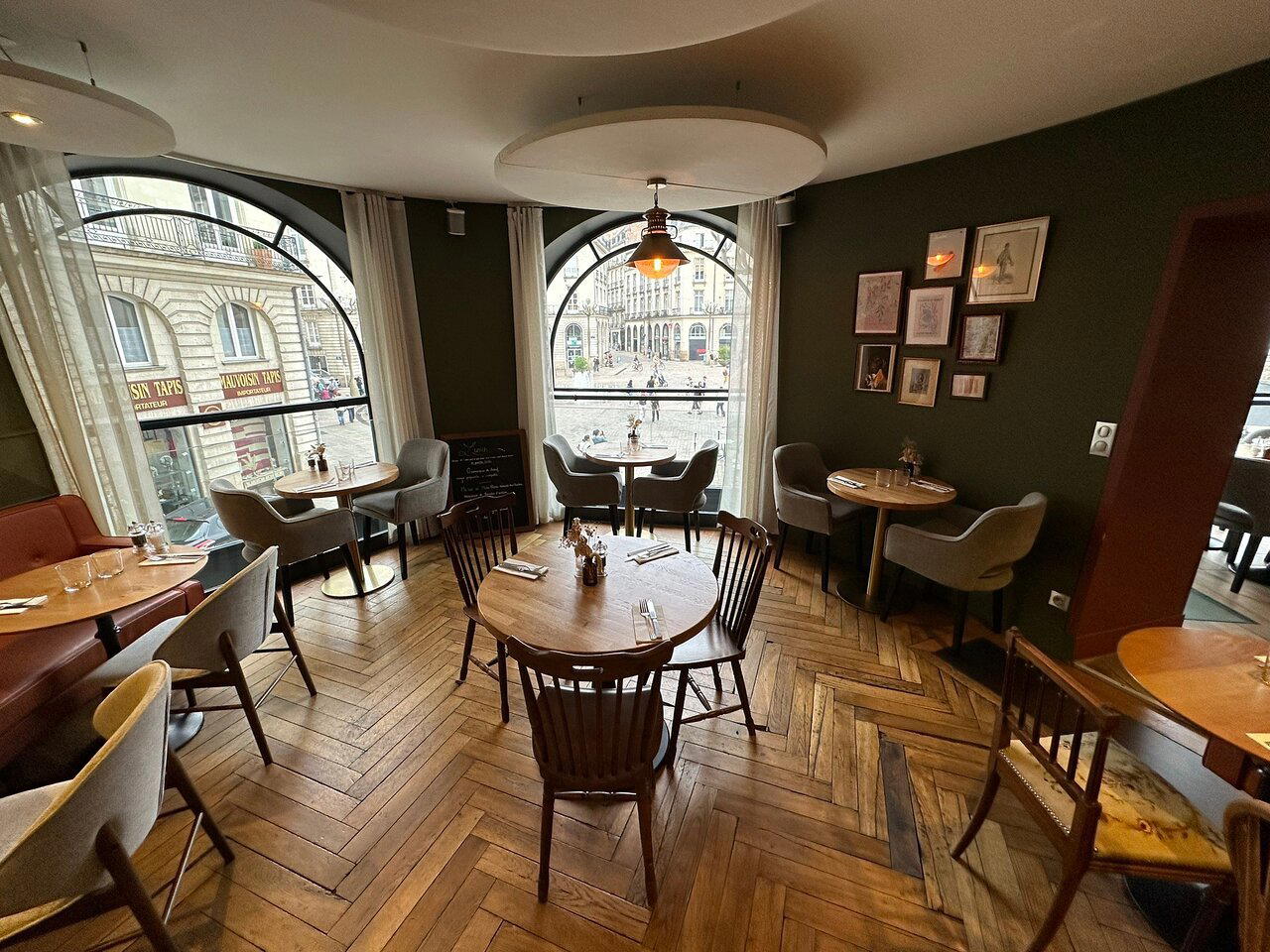
Place Graslin and the Architecture of a Meal
Place Graslin is among the more formally composed squares in western France: a neoclassical theatre anchors one end, limestone façades frame the perimeter, and the whole arrangement carries the civic confidence of a city that has always taken its pleasures seriously. Arriving at Pilgrim at 1 Place Graslin puts you inside that context before you have read a menu or opened a bottle. In Nantes, address carries meaning, and this one signals that the room understands the weight of its location.
The broader dining scene in Nantes has reorganised itself over the past decade. The city occupies a position at the meeting point of several serious food and wine geographies: the Loire Valley's whites run north and east, Muscadet production sits on its doorstep, and Brittany's coastline is close enough to make Atlantic seafood a genuine local resource rather than a freight claim. Restaurants that read this position well tend to build wine lists that reflect the region's depth rather than defaulting to Bordeaux and Burgundy headline bottles. Pilgrim, a French Fusion Bistro with Global Street Food in Nantes at 1 Place Graslin, is a smart casual room where reservations are recommended and meals average about $25 per person.
The Wine Argument at the Heart of the Room
French provincial dining has moved, in its more serious expressions, toward a model where the wine list is not a supplement to the food but a parallel editorial statement. The Loire Valley makes this approach almost compulsory for any restaurant willing to take a position: the region produces some of France's most argumentative whites, from mineral Muscadet sur lie to the age-worthy Chenin Blancs of Savennières and Vouvray, alongside natural wine producers who have reshaped how younger drinkers think about French terroir entirely.
A wine-focused room in Nantes that knows its geography will typically weight its list toward these Loire expressions. The question for any serious cellar in this city is how far to push into the less familiar appellations and how to build a by-the-glass program that reflects the regional character without becoming a geography lesson. The leading lists in this tier balance local depth with enough classical French breadth to serve guests who arrive with fixed references. Pilgrim's placement at Place Graslin suggests a clear point of view on the city's dining scene.
Nantes as a Dining Reference Point
To understand where Pilgrim sits, it helps to understand what Nantes has become as a dining city. It is not Paris, and it does not attempt to be: the reference points here are regional pride, local produce, and a wine culture shaped by proximity to some of France's most discussed appellations. The city has generated a tier of restaurants that take this identity seriously, from tasting-menu formats to more relaxed wine-bar adjacents, and the gap between these formats has compressed. A room at Place Graslin that reads the local scene accurately will use the address as a frame for ambition rather than a guarantee of footfall.
Across France, the restaurants that have maintained genuine critical standing over time tend to combine a clear point of view about their region with the technical execution to make that point of view persuasive. LuluRouget and Les Cadets represent two distinct positions within Nantes' current dining offer, and Le Manoir de la Régate extends the conversation toward the city's waterside geography. Pilgrim enters this set from a central-city address that gives it an immediate reference in the mind of any returning visitor to Nantes.
For wider context, France's multi-starred restaurants establish the broader standards against which ambitious provincial dining is measured. Houses like Troisgros - Le Bois sans Feuilles in Ouches and Mirazur in Menton have shown how a strong regional identity, pursued with discipline, translates into sustained international recognition. In Alsace, Auberge de l'Ill and Au Crocodile demonstrate the same logic applied to a different regional terroir. The lesson across all of these cases is consistent: the rooms that earn sustained attention are those where the wine list and the food share a common argument about place. Bras in Laguiole and AM par Alexandre Mazzia in Marseille extend the same principle into their respective regional contexts. At the summit of French formal dining, Alléno Paris au Pavillon Ledoyen, Flocons de Sel, Assiette Champenoise, and Paul Bocuse - L'Auberge du Pont de Collonges each represent a different model of how French culinary identity is maintained and transmitted. Beyond France, Le Bernardin and Atomix in New York City show how French-influenced discipline travels and transforms in other contexts.
Planning a Visit
Pilgrim sits at 1 Place Graslin in central Nantes. The square is a natural orientation point for first-time visitors, and the address makes Pilgrim a logical anchor for an evening that starts or ends with a walk through the surrounding neoclassical streets. Booking in advance is sensible, particularly for weekend evenings.
Fast Comparison
Comparable venues nearby, for context on price, style, and recognition.
| Venue | Cuisine | Price | Notes |
|---|---|---|---|
| PilgrimThis venue — the venue you are viewing | French Fusion Bistro with Global Street Food | $$ | Not listed |
| Crêperie de Brocéliande | Breton Crêperie | $$ | Graslin |
| Le Petit Boucot | Creative Seasonal French Bistro | $$ | Graslin |
| Le Reflet | Modern French Bistro | $$ | Decré |
| La Cigale | Classic French Brasserie | $$ | Graslin |
| Chez Franklin | Modern French Brasserie | $$ | Graslin |
Continue exploring
More in Nantes
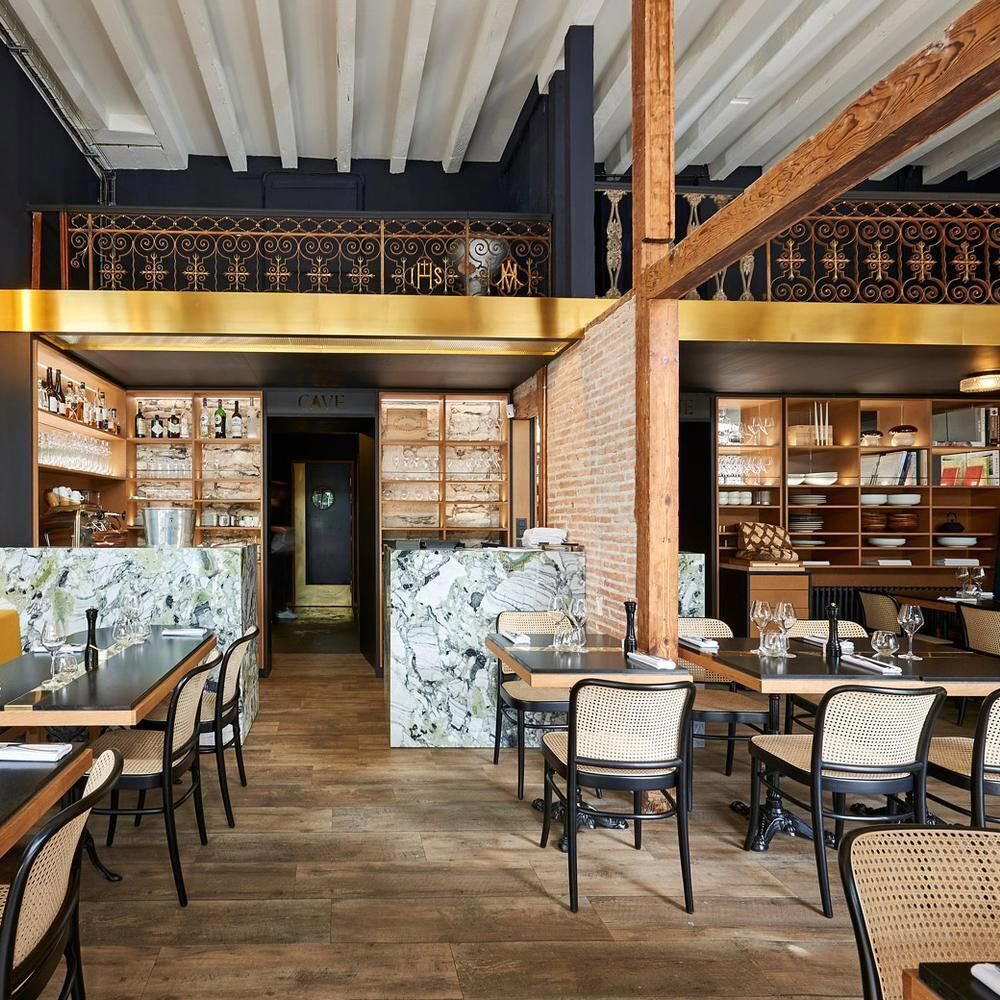
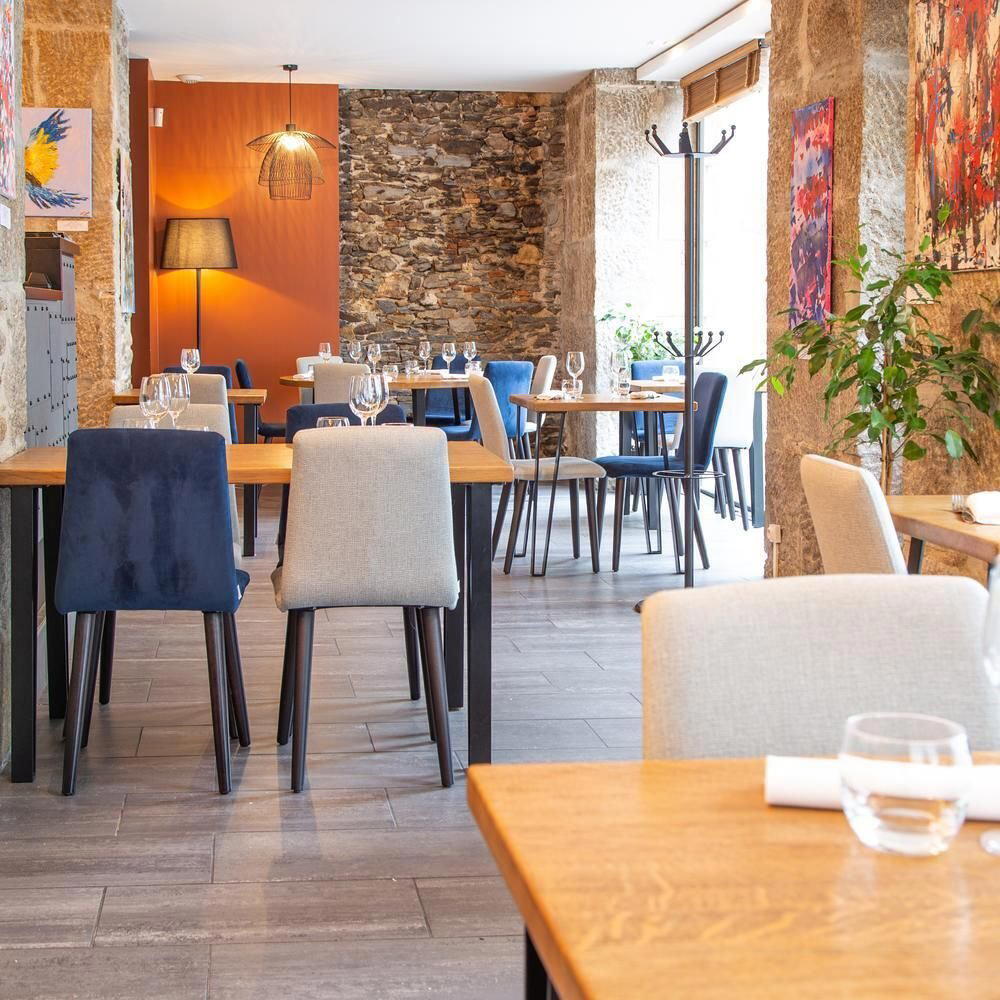
Restaurants in Nantes
Browse all →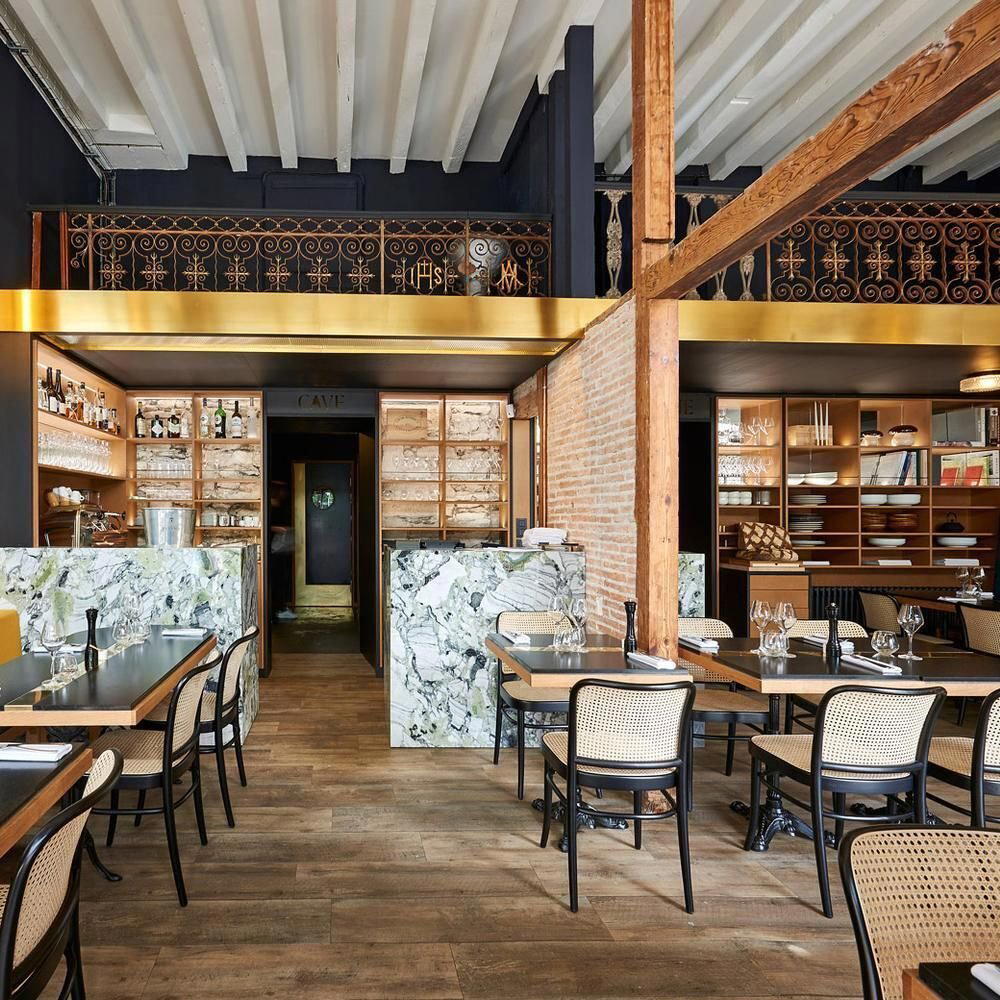
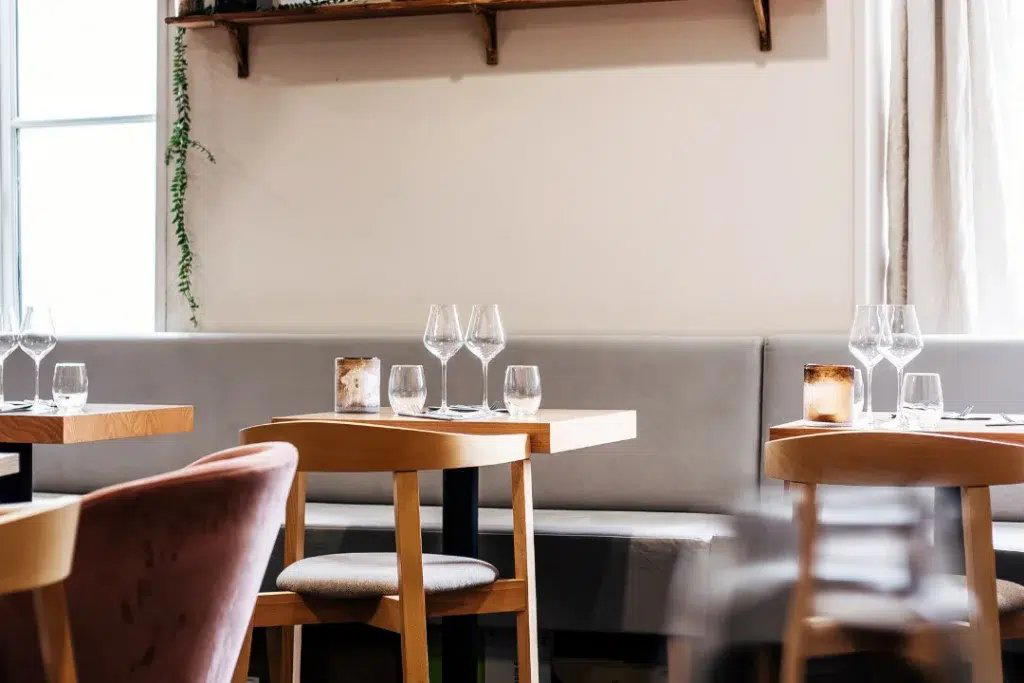
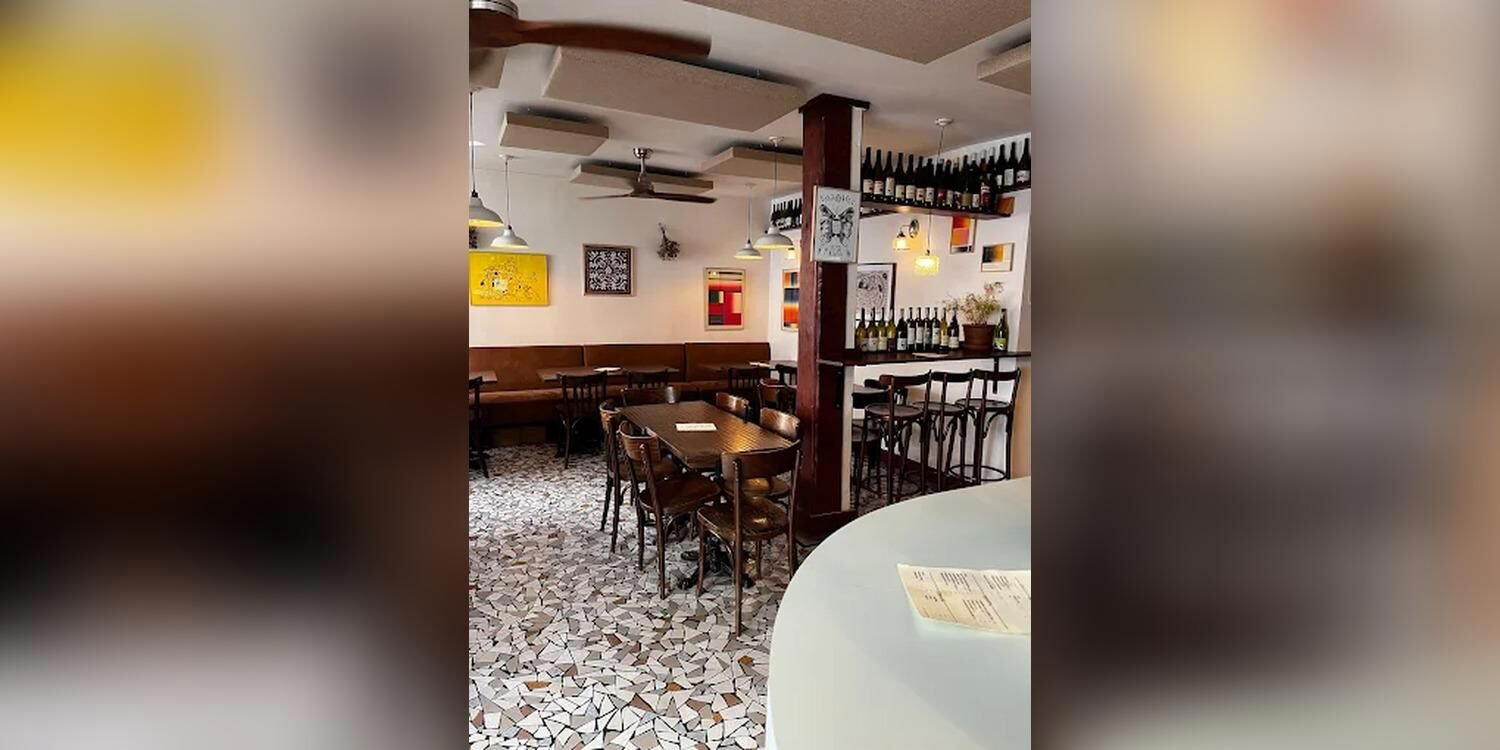
Bars in Nantes
Browse all →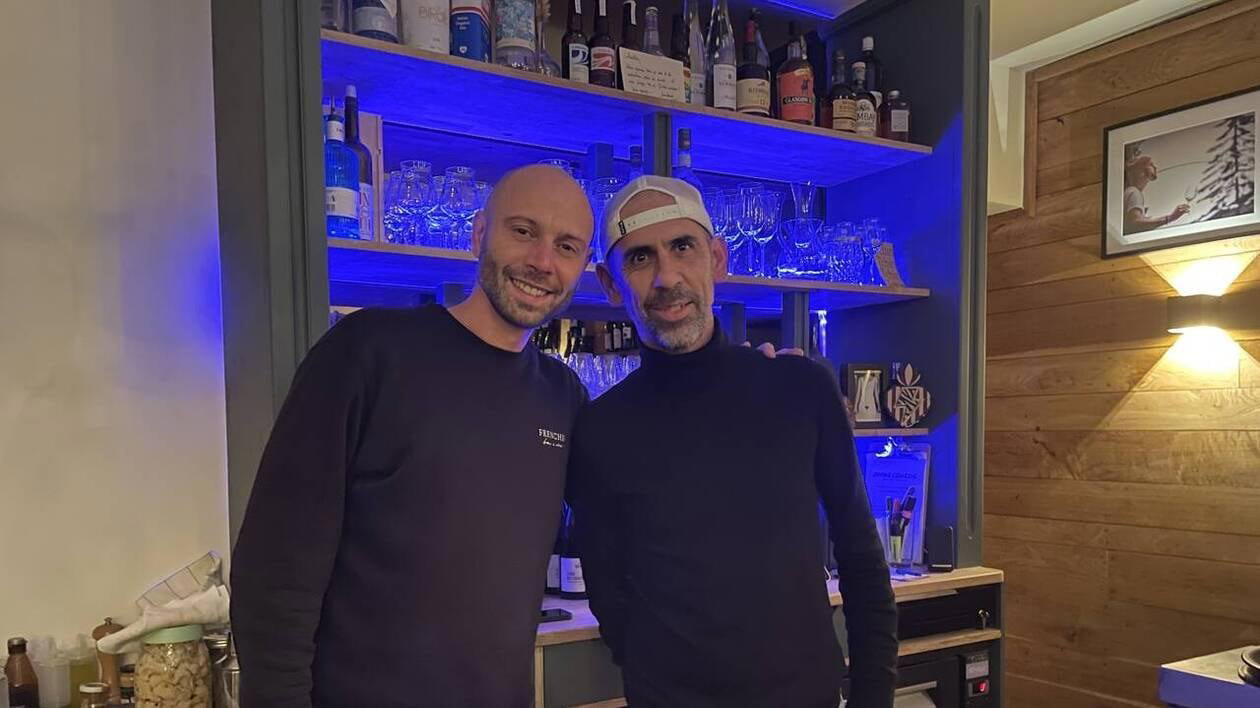
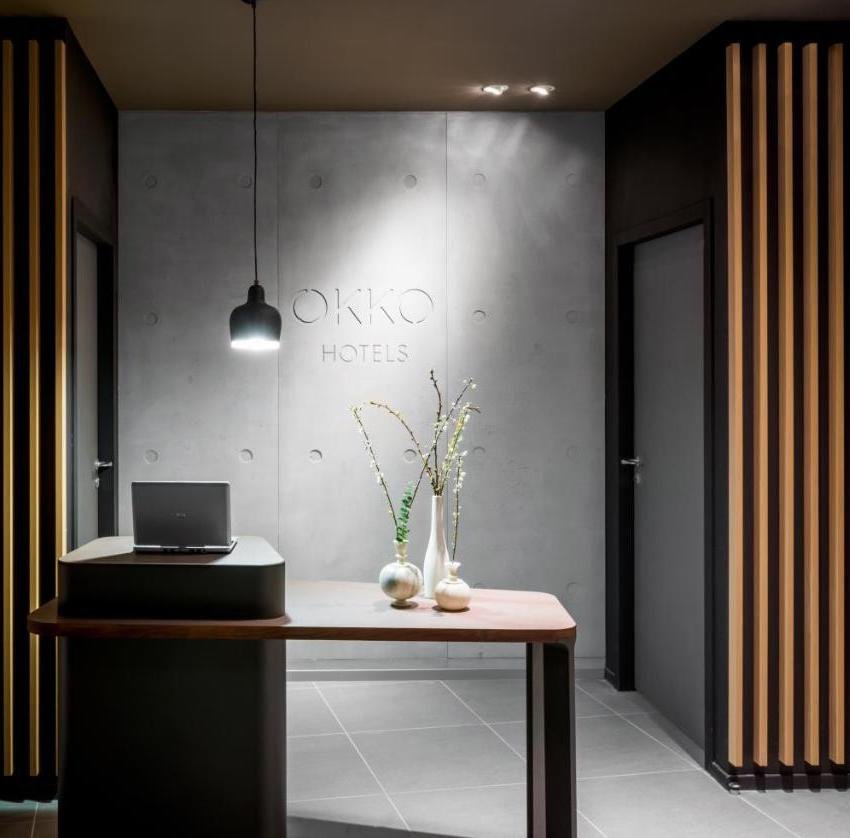
Hotels in Nantes
Browse all →

At a Glance
- Cozy
- Modern
- Elegant
- Date Night
- Brunch
- Casual Hangout
- Terrace
- Craft Cocktails
- Local Sourcing
- Street Scene
Current opening hours
- Monday
- 12–2 PM, 7–10 PM
- Tuesday
- 12–2 PM, 7–10 PM
- Wednesday
- 12–2 PM, 7–10 PM
- Thursday
- 12–2 PM, 7–10 PM
- Friday
- 12–2 PM, 7–10 PM
- Saturday
- 12–10 PM
- Sunday
- 10:30 AM–4:30 PM
Hours can change for holidays and private events. Last verified .
Part chic and part English country cottage with a warm, solar-inspired atmosphere; cozy yet lively, though occasionally noisy upstairs.