

1 Michelin Star · Gault & Millau Remarkable Restaurant
Our verdict
Michelin-starred LuluRouget showcases Chef Ludovic Pouzelgues' market-driven mastery in contemporary Nantes, where daily selections from Atlantic coast fish markets become inventive French cuisine just steps from the Machines de l'Île.

Pearl is the En Primeur Club membership app — saves, bookings, and concierge access live there. Same editors, same standards.
- Address
- Zéro Newton, 4 Pl. Albert Camus, 44200 Nantes, France
- Phone
- +33 2 40 47 47 98
- Hours
- Mon ClosedTue–Wed 7:30–9 p.m.Thu–Sat 12–1:30 p.m., 7:30–9 p.m.Sun Closed
- Website
- lulurouget.fr
- Directions
- Get directions
- Booking
- Book on the venue's website
The menu
What to order
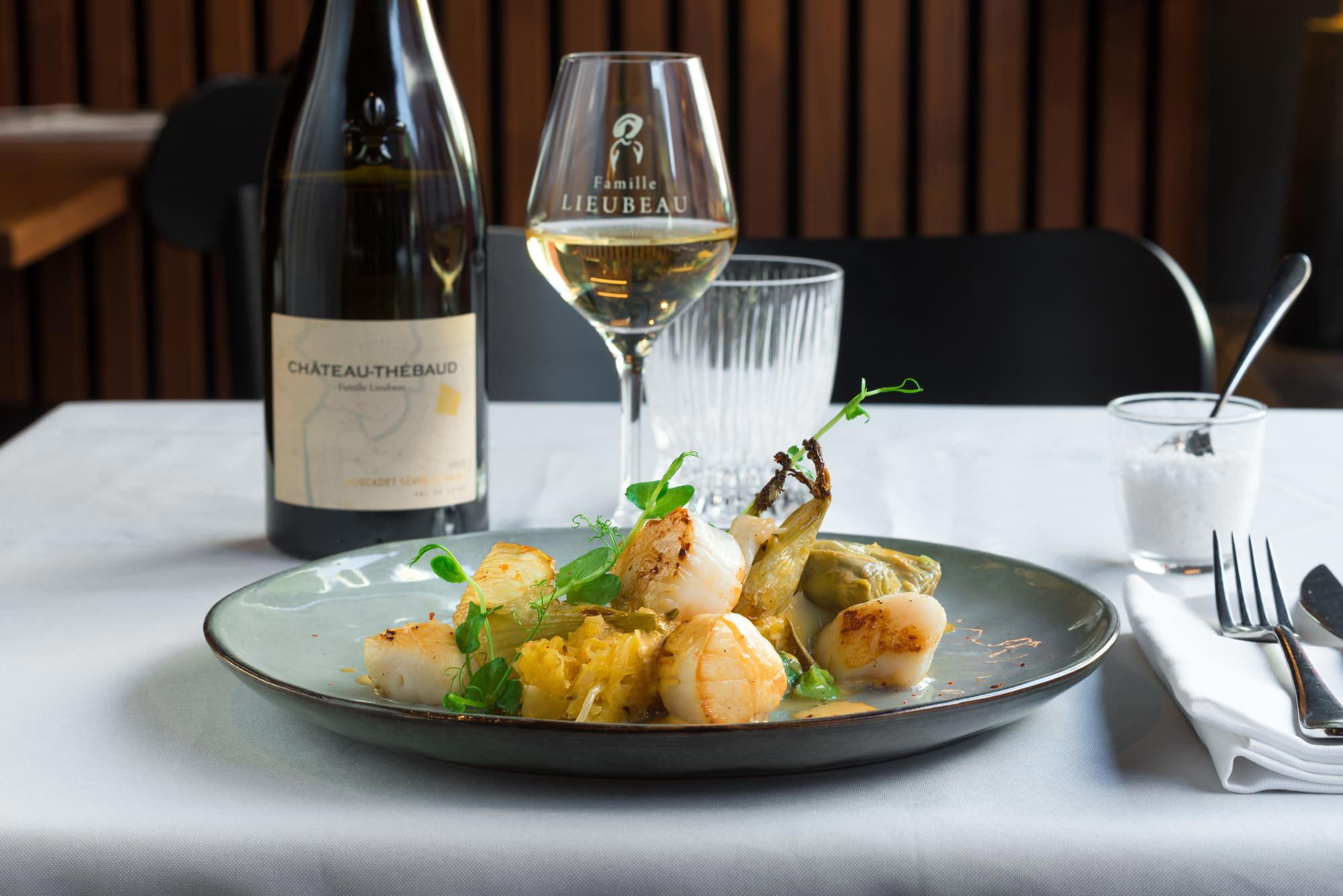
- Raw mackerel with combawa and fried celery
- Grilled red mullet
- Half-salt monkfish
Where the Atlantic Coast Meets the Kitchen
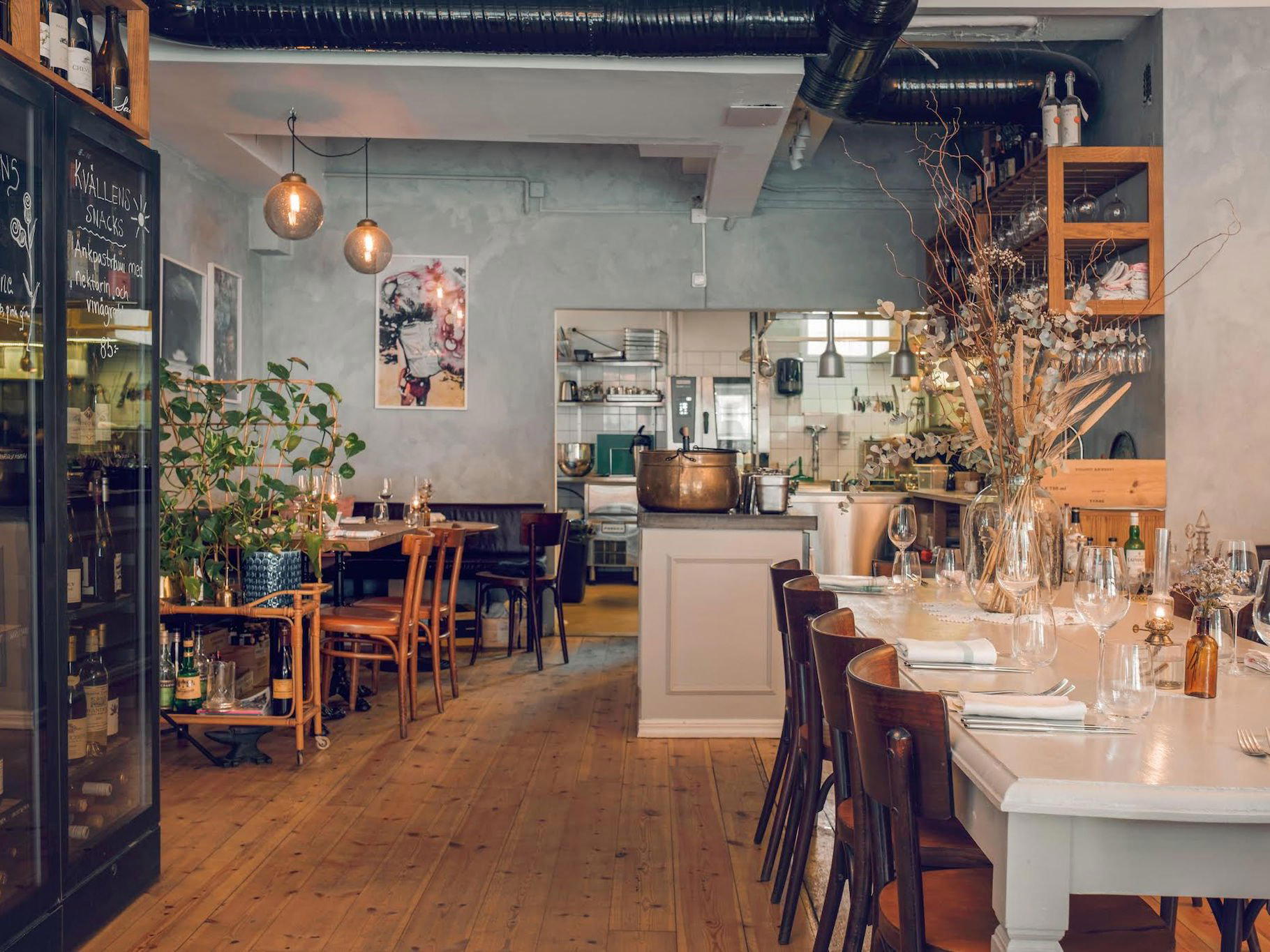
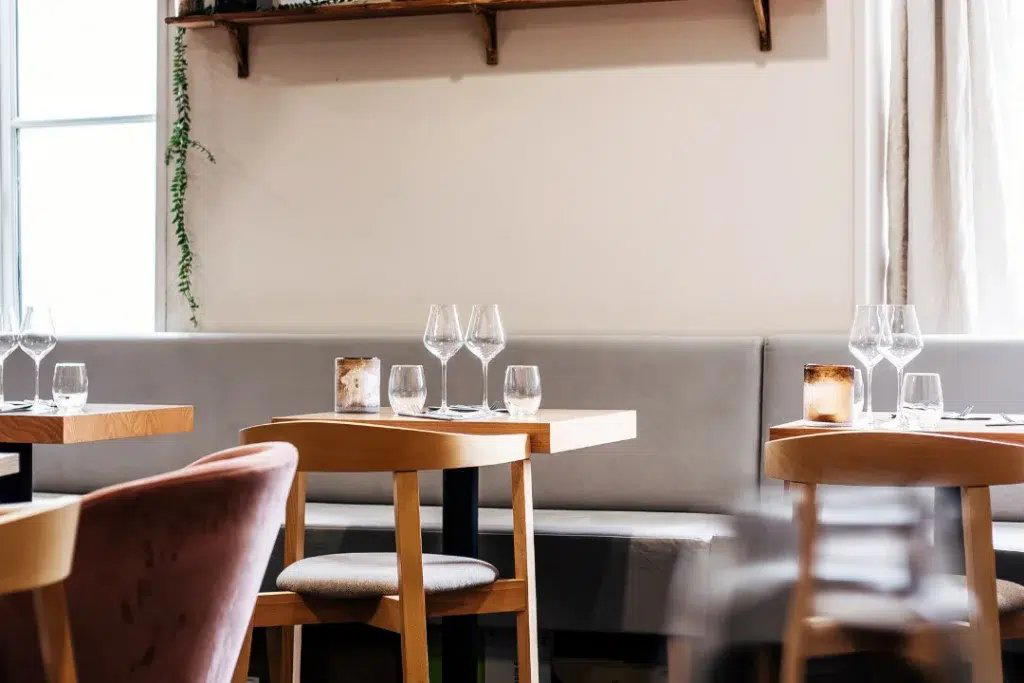
Place Albert Camus sits in the orbit of the Machines de l'Île, the industrial-art complex that has become one of Nantes' defining cultural landmarks. The neighbourhood draws visitors who arrive expecting spectacle and leave surprised to find serious cooking at this register. LuluRouget occupies the Zéro Newton address in that square, and the interior delivers what the area's surroundings do not: a contemporary room designed for concentration, with a comfortable, unhurried pace that signals from the first minute that the meal itself is the event.
Nantes has undergone a steady recalibration of its fine dining tier over the past decade. The city's position at the confluence of Loire Valley produce and Atlantic seafood has always given its kitchens an enviable raw material base, but the technical register has moved sharply upward. [L'Atlantide 1874 - Maison Guého] holds the senior position in that hierarchy, but LuluRouget, earning its Michelin star in 2024, has joined that conversation as one of the clearer statements of what Nantes fine dining looks like when coastal supply and contemporary French technique converge without compromise.
The Logic of Market-Led Menus at This Level
In French fine dining, the phrase "market menu" carries very different weight depending on who is using it. At a neighbourhood bistro, it signals economy and pragmatism. At starred level, it signals something more demanding: a chef who refuses to lock in dishes months in advance, betting instead that the discipline of responding to what arrives each morning produces more interesting results than the safety of a fixed signature. LuluRouget operates on that second model, with surprise menus built from what the market offers rather than what the reprinting schedule allows.
The sourcing logic here is grounded in geography. The fish markets at La Turballe and Le Croisic, two of the most productive Atlantic fishing ports on the Loire-Atlantique coast, supply the kitchen with species and catches that vary by season, weather, and tide. That proximity is not incidental to the cooking; it is the cooking's structural premise. The technique applied to this material draws from training under Michel Troisgros, whose family name is one of the fixed coordinates of French gastronomy. The lineage places Ludovic Pouzelgues in a tradition of precision-led, produce-centred cooking that reaches from [Troisgros - Le Bois sans Feuilles in Ouches] through the broader generation of French chefs who trained in that orbit. The result, as Michelin's 2024 assessment characterises it, is modern cuisine with genuine personality: produce treated with precision and inventiveness in the same breath.
This intersection of imported method and indigenous product is the defining quality of the cooking here, and it places LuluRouget in a broader conversation about how France's regional fine dining scene is evolving. Where kitchens in Paris, Lyon, and the established resort destinations have long set the technical benchmark, cities like Nantes are increasingly producing cooking at the starred tier that does not simply replicate metropolitan models but inflects them with the specifics of local supply. Compare this approach with the terroir-anchored seasonal commitment at [Bras in Laguiole], or with the way [Mirazur in Menton] has made Mediterranean proximity the organising principle of its menu structure, and the pattern becomes clear: France's most interesting current cooking is not happening in spite of its regional address, but because of it.
What the Michelin Recognition Signals
A single Michelin star awarded in 2024 carries specific editorial meaning in the context of Nantes. It is not a coronation of an established institution but a recognition of a kitchen in active development, at the precise point where technical ambition and local specificity are producing something coherent. The Michelin category "Remarkable" compounds this: the designation applies to restaurants where the kitchen's personality and produce philosophy are as much the story as the technical execution. This is a different signal from the infrastructure-heavy, format-stable dining that earns stars in higher-volume markets.
For reference, the broader Loire-Atlantique dining tier now contains at least two addresses at starred level with genuine coastal-sourcing DNA, which is a recent development. The comparison set at €€€€ price point in Nantes is small: [L'Atlantide 1874 - Maison Guého] is the other address operating at this price register in the city, and [Le Manoir de la Régate] sits nearby with its own interpretation of Loire-region cooking. Below that tier, addresses like [Les Cadets], [Bairoz], and [ICI] occupy a more accessible price bracket, making the city's restaurant range genuinely stratified in a way that was less true a decade ago.
At the international level, the technique-driven market-menu model has precedents in very different culinary cultures. [Frantzén in Stockholm] and [FZN by Björn Frantzén in Dubai] both deploy rigorous French-adjacent technique on Nordic and global produce respectively, demonstrating that the discipline of responsive, market-led cooking at this price point is a consistent thread across very different addresses. The method transfers; what changes is the geography of supply. In Nantes, that geography is specifically Atlantic, and the kitchen makes full use of it.
Planning a Visit
Service runs Tuesday through Saturday on a schedule that reflects the rhythm of a kitchen operating at this level of precision. Lunch service on Thursday, Friday, and Saturday runs from midday to 1:30 PM; evening service Tuesday through Saturday runs from 7:30 PM to 9 PM. The restaurant is closed Sunday and Monday. Given the surprise-menu format, the meal length will depend on how the kitchen has structured the day's sequence, so a lunch booking should be treated as a two-hour commitment rather than a quick stop.
The address is 4 Place Albert Camus, within walking distance of the Machines de l'Île, which makes it a natural pairing with an afternoon visit to the island's attractions. For visitors structuring a broader Nantes stay, the full range of the city's dining, accommodation, and cultural options is covered in [our full Nantes restaurants guide], alongside [our full Nantes hotels guide], [our full Nantes bars guide], [our full Nantes wineries guide], and [our full Nantes experiences guide]. The price tier of €€€€ places it at the ceiling of what Nantes currently offers at table, which means it competes not with the city's accessible mid-range but with destination-level addresses in other French cities. Visitors calibrating expectations against those benchmarks — say, [Flocons de Sel in Megève] or [Alléno Paris au Pavillon Ledoyen] — should note that the format and philosophy here are deliberately different: produce-led and market-responsive rather than architecturally elaborate. The comparison with [Paul Bocuse - L'Auberge du Pont de Collonges] is also instructive in what it is not: this is not legacy-institution dining but a kitchen still defining its own register.
Frequently asked questions
Where do I go for LuluRouget?
LuluRouget is located at Zéro Newton, 4 Pl. Albert Camus, 44200 Nantes, France, Nantes.
Where It Fits
| Venue | Cuisine | Price | Awards | Notes |
|---|---|---|---|---|
| LuluRougetThis venue — the venue you are viewing | Modern French Fine Dining | $50–100 | 1 Michelin Star · Gault & Millau Remarkable Restaurant | Not listed |
| L'Atlantide 1874 - Maison Guého | Modern French Gastronomique | $100–150 | 1 Michelin Star · Gault & Millau Remarkable Restaurant | Modern Cuisine |
| Freia | Creative Plant-Based French Fine Dining | $100–150 | 1 Michelin Star · Star Wine List | Creative |
| La Mandale | Modern French-Asian Fusion Bistro | $30–50 | Michelin Bib Gourmand | Farm to table |
| Meraki | Modern French Bistro | $30–50 | Michelin Bib Gourmand | Modern Cuisine |
| Song, Saveurs & Sens | Southeast Asian Fusion with Vietnamese Influences | $30–50 | Michelin Plate | Asian Contemporary |
Recognition history
Dated appearances from independent guides and award organizations, with the underlying list record or original source where available.
Michelin 1 Star
Michelin
Gault & Millau Remarkable Restaurant
Gault & Millau
Full recognition history (4 entries)
Michelin 1 Star
Michelin
Michelin 1 Star
Michelin
Continue exploring
More in Nantes
Restaurants in Nantes
Browse all →
Bars in Nantes
Browse all →
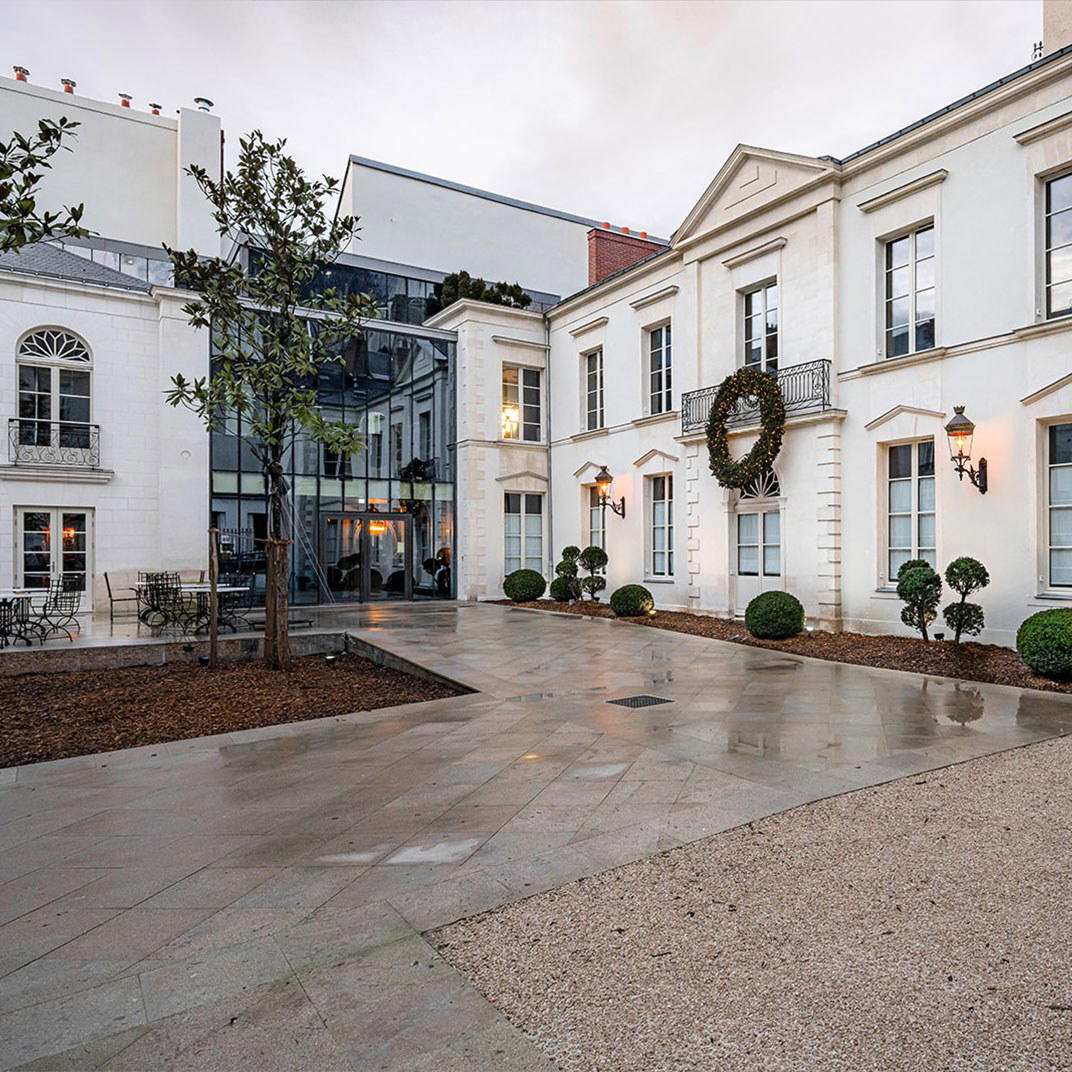
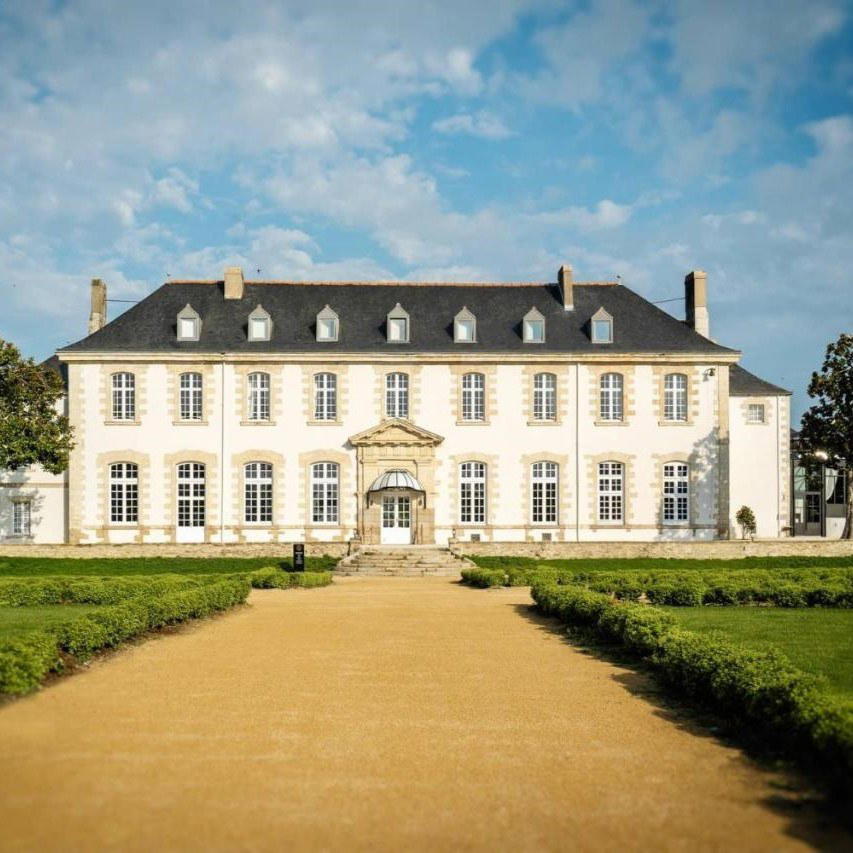
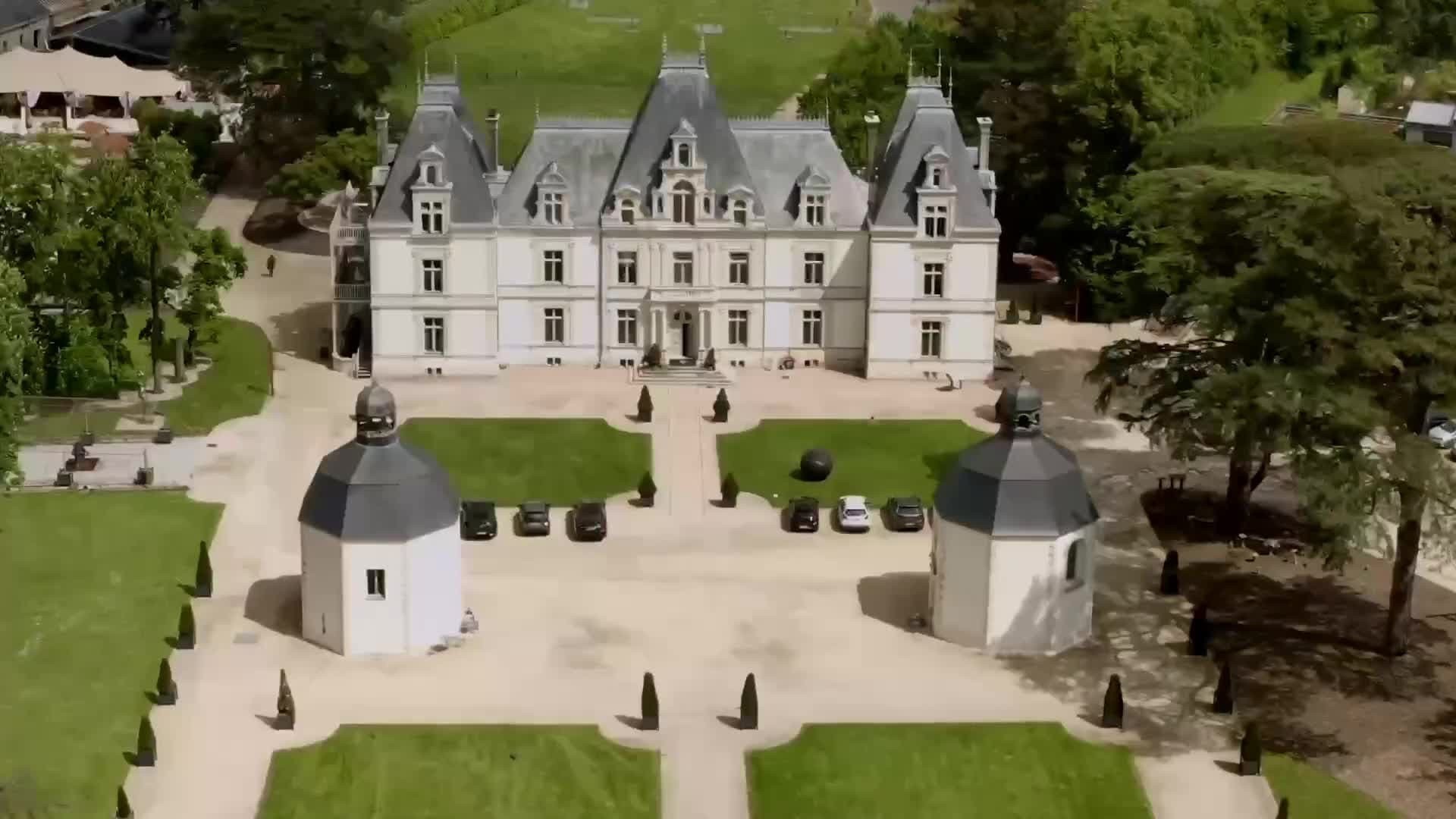
Hotels in Nantes
Browse all →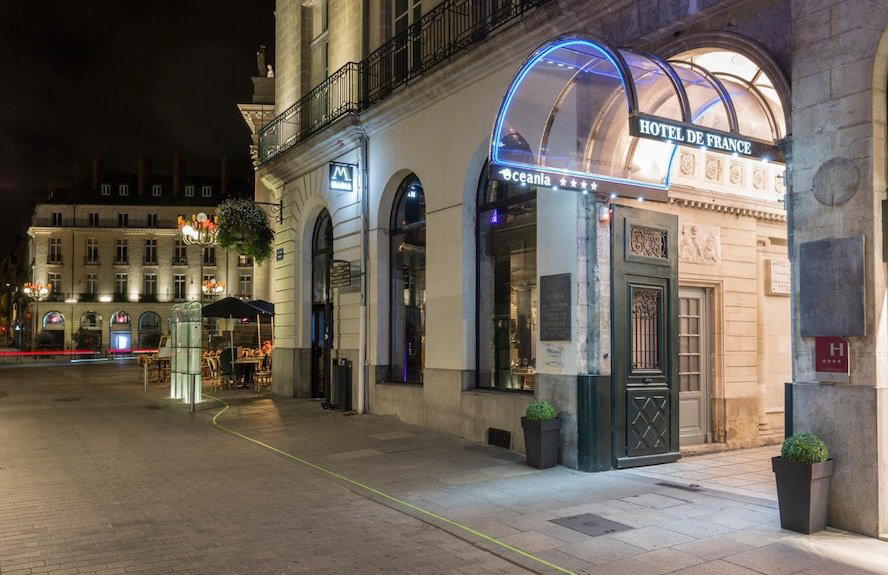

Details
- Modern
- Sophisticated
- Cozy
- Intimate
- Date Night
- Special Occasion
- Open Kitchen
- Extensive Wine List
- Local Sourcing
- Tasting Menu
- A La Carte
Current opening hours
- Monday
- Closed
- Tuesday
- 7:30–9 p.m.
- Wednesday
- 7:30–9 p.m.
- Thursday
- 12–1:30 p.m., 7:30–9 p.m.
- Friday
- 12–1:30 p.m., 7:30–9 p.m.
- Saturday
- 12–1:30 p.m., 7:30–9 p.m.
- Sunday
- Closed
Hours can change for holidays and private events. Last verified .