Pilgrim

Michelin Plate
Our verdict
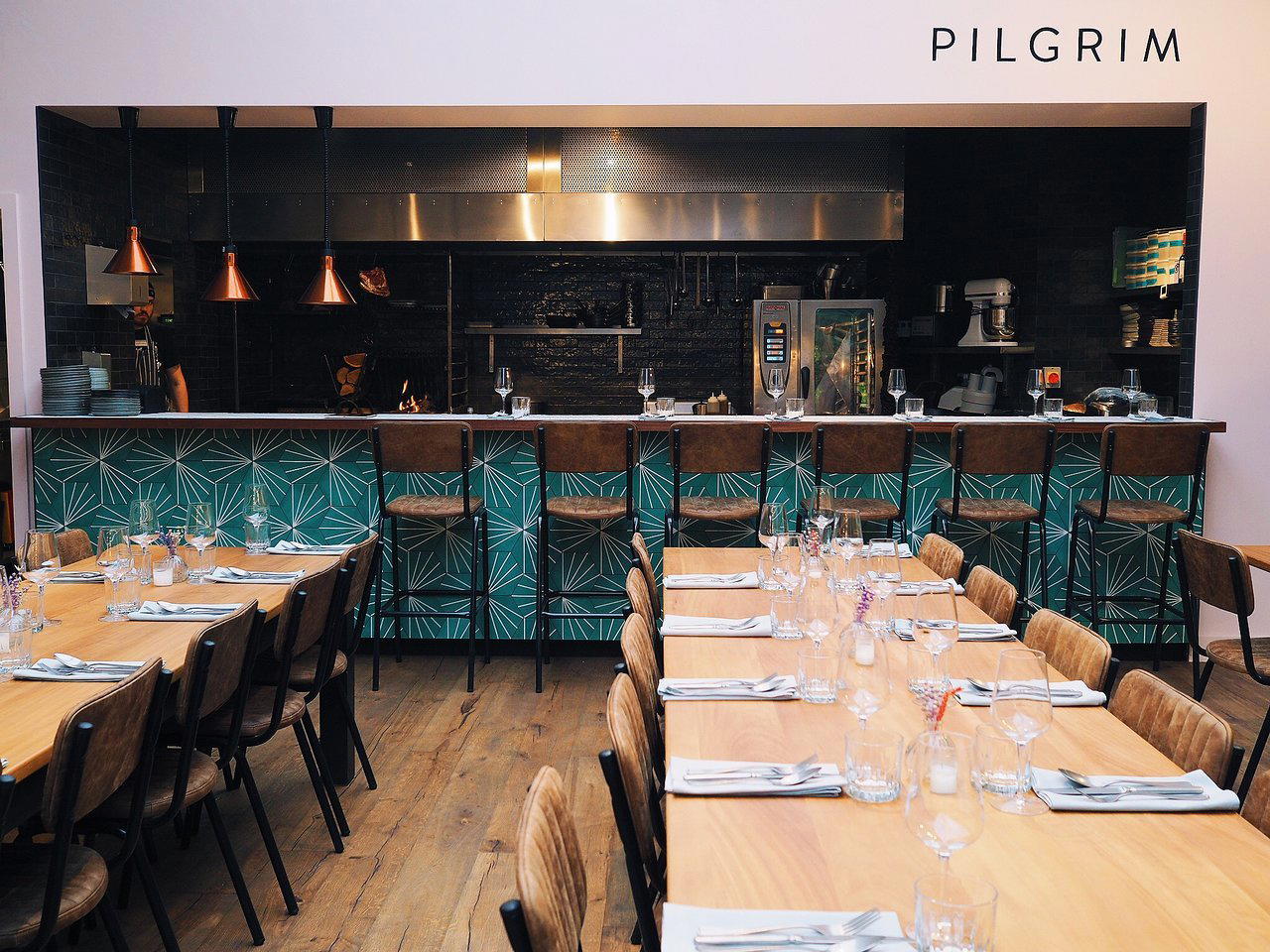
Pilgrim moved from Duke Street Market to a neighbourhood spot on Allerton Road in Mossley Hill, and the change of address suits it. Tightly packed tables, a chef's counter, and a flame-forward small plates menu define the format. Crispy puntillita squid and punchy aioli signal where the kitchen's priorities sit: precise, ingredient-led cooking with a confident sense of occasion.

Pearl is the En Primeur Club membership app, where members save venues, book tables and use the concierge.
The menu
What to order
- Iberico pork
- Hispi cabbage
- Ribeye steak
From Market Hall to Mossley Hill: How Pilgrim Found Its Register
There is a specific kind of dining ritual that emerges when a restaurant moves from a high-footfall city-centre market to a quieter residential street. The crowd self-selects. The tables get closer together. The meal slows down. At Pilgrim, which relocated from Duke Street Market to 121 Allerton Road in Mossley Hill, that shift has produced exactly the kind of neighbourhood room that Liverpool's southern suburbs rarely host: cosy, intentional, and built around a format that rewards the patient diner.
Allerton Road runs through one of Liverpool's more settled residential corridors, a stretch of independent traders and local regulars rather than the city-centre restaurant clusters around Bold Street or the waterfront. Pilgrim sits within that fabric now, and the setting shapes how a meal there unfolds. You arrive without the ambient noise of a food hall, without the distraction of a dozen other operators. The kitchen has your full attention, and the room, with its tightly packed tables and warm atmosphere, is designed to hold it.
The Counter, the Flame, and the Logic of Small Plates
The structural backbone of a Pilgrim meal is the small plates format, built around cooking over fire. These are not unusual choices in 2024: flame-led kitchens and sharing menus have become the default idiom for a certain tier of modern British dining, running from metropolitan operators in London through to destinations like Moor Hall in Aughton and the tasting menus at L'Enclume in Cartmel. What distinguishes execution at this level is how the kitchen uses the format rather than whether it adopts it.
At Pilgrim, the evidence from the menu points to a kitchen that understands restraint. Crispy puntillita squid with punchy aioli is the kind of dish that works as a signal: it asks for good sourcing, precise frying temperature, and a sauce with enough acid and garlic to cut through without overwhelming. Nothing about it is passive. Dishes like this sit at the sharper end of the small plates category, where the cooking style is less about abundance and more about a succession of well-judged moments.
The chef's counter is the room's most revealing seat. In a format built around live-fire cooking, proximity to the kitchen changes the pace and texture of the meal. You see the timing decisions, the plating rhythm, the brief pauses between courses. For a diner interested in how the kitchen thinks, rather than simply what it produces, the counter is the correct choice. The main dining room suits groups and those who want the conversation to carry the evening; the counter suits those who want the cooking to do so.
Where Pilgrim Sits in Liverpool's Current Dining Picture
Liverpool's restaurant scene has been consolidating around a handful of distinct registers. At the accessible end, neighbourhood spots like Belzan and Bistrot Vérité have established that the city's residential suburbs can sustain serious cooking without the price architecture of city-centre dining. At the other end, operations with strong provenance programmes and tasting-menu formats command higher price points and longer lead times for reservations.
Pilgrim occupies a considered position in that picture. Its small plates format and neighbourhood address position it alongside the more casual end of serious Liverpool dining, closer in spirit to Belzan than to the destination-dining model of a Ledbury in London or a Waterside Inn in Bray. That is not a limitation; it is a choice about what kind of meal the restaurant wants to facilitate. The room is designed for repetition rather than pilgrimage: the kind of place that rewards coming back when the menu shifts, rather than a single ceremonial visit.
For broader context on where to eat and drink across the city, see our full Liverpool restaurants guide. The city also has a strong independent bar culture, covered in our full Liverpool bars guide, and a hotel offer that ranges from boutique independents to larger city-centre properties, detailed in our full Liverpool hotels guide.
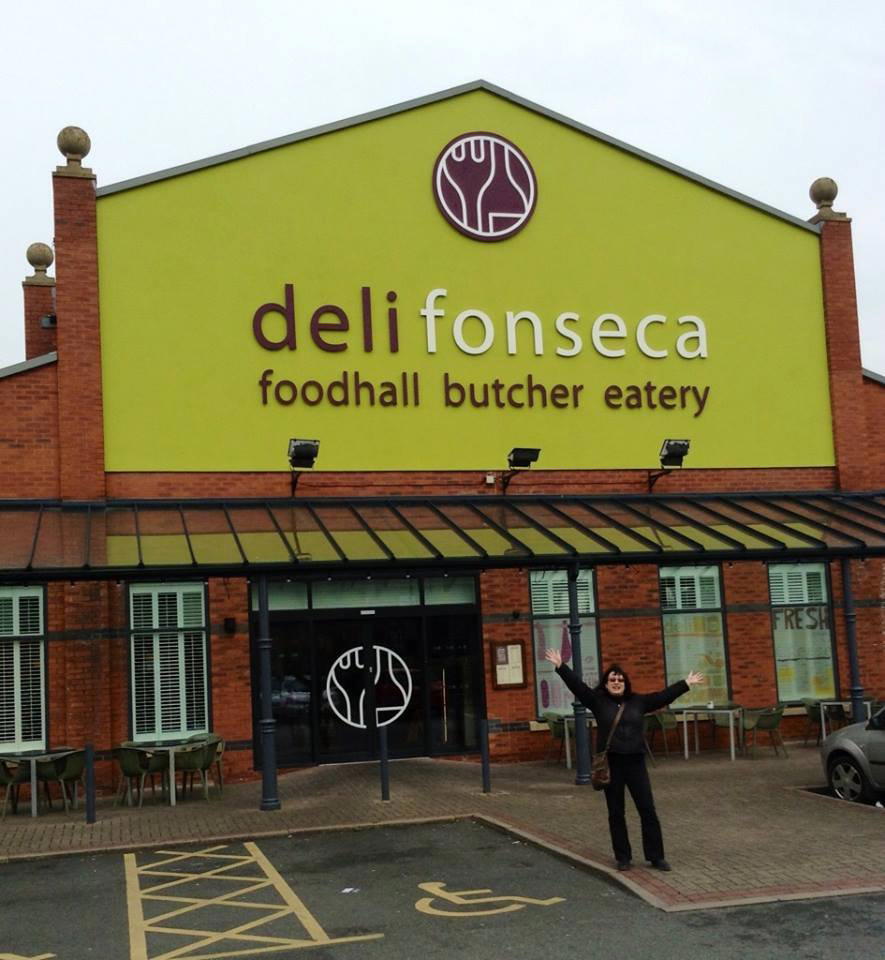
Other Liverpool operators worth knowing alongside Pilgrim include Lunya, which takes a different register with its Catalan and Spanish larder, and Delifonseca Dockside, where the emphasis shifts toward produce retail alongside the kitchen. EastZeast covers a distinct part of the city's dining range with its subcontinental format. Together, these operators reflect a Liverpool food scene with more range than its national reputation has historically suggested.
Planning a Meal at Pilgrim
Pilgrim's address at 121 Allerton Road puts it in Mossley Hill, approximately four miles south of Liverpool city centre. Allerton Road is accessible by bus from the centre, and the surrounding streets have parking. As a neighbourhood restaurant rather than a central operation, the approach from the city takes fifteen to twenty minutes by public transport or a short taxi ride, and the journey itself signals the kind of evening ahead: this is not a pre-theatre dinner or a quick stop. A meal at Pilgrim is meant to fill the evening.
The restaurant's move from Duke Street Market to its current address was deliberate and took time. The team did not rush the relocation, and the result is a room that feels settled rather than provisional. Booking is advisable, particularly for the chef's counter seats, which are limited in number and consistently in demand. Walk-in availability exists but is not guaranteed at popular service times.
For those building a wider trip around the region's serious cooking, nearby destinations include Moor Hall in Aughton and Gidleigh Park in Chagford for longer-format, destination-led meals. Further afield, Hand and Flowers in Marlow and Le Bernardin in New York City represent the international tier of cooking to which the small plates genre, at its most considered, is in quiet conversation. Emeril's in New Orleans offers a different but instructive example of what happens when a city's neighbourhood dining culture generates genuine critical momentum. For those curious about Liverpool's wider offer, our full Liverpool experiences guide and our full Liverpool wineries guide cover the rest of the city's cultural and hospitality range.
Frequently asked questions
How do I find Pilgrim?
Pilgrim is located at 121 Allerton Road, Mossley Hill, Liverpool.
What distinctions does Pilgrim have?
Pilgrim has received recognition including: Once situated in Duke Street Market, the team from Pilgrim took their time relocating to the suburb of Mossley Hill, but it was well worth the wait. The restaurant has more of a neighbourhood feel now it’s out of the city centre, with a cos….
What dish is Pilgrim famous for?
The crispy puntillita squid with punchy aioli has become one of Pilgrim's most talked-about plates, representative of the kitchen's approach: fire-led cooking with sharp, confident seasoning. The small plates format means the menu spans several dishes in that register rather than anchoring around a single signature.
Can I walk in to Pilgrim?
Pilgrim's move from the higher-footfall Duke Street Market to the quieter residential stretch of Allerton Road in Mossley Hill means tables are fewer and the room more intimate. Walk-ins are possible on quieter midweek evenings, but the chef's counter in particular tends to fill up, so a reservation is the safer approach.
What has Pilgrim built its reputation on?
Pilgrim's reputation rests on two things: cooking over flames and a small plates format that keeps the menu flexible and ingredient-focused. The team relocated from Duke Street Market and took the time to find the right space in Mossley Hill, and that deliberateness shows in a room that feels considered rather than rushed into service.
Cuisine Lens
Comparable venues nearby, for context on price, style, and recognition.
| Venue | Cuisine | Price | Awards | Notes |
|---|---|---|---|---|
| PilgrimThis venue (the venue you are viewing) | Modern Spanish Fire-Cooked Small Plates | $50–100 | Michelin Plate | Not listed |
| The Art School | Modern British Fine Dining | $50–100 | Michelin Plate · The Good Food Guide GFG Good | Georgian Quarter |
| Lunya | Authentic Catalan Tapas | $50–100 | The Good Food Guide GFG Good | City Centre |
| Manifest | Modern British Fine Dining | $50–100 | Michelin Plate · SquareMeal UK Top 100 Restaurants #79 | Baltic Triangle |
| Vetch | Modern British with Nordic and Japanese influences | $50–100 | Michelin Plate · SquareMeal UK Top 100 Restaurants #36 | Hope Street |
| Roski | Dining | Not listed | Not listed | Liverpool |
Recognition history
Dated appearances from independent guides and award organizations, with the underlying list record or original source where available.
Michelin Plate
Michelin · 2026 Michelin Plate
Continue exploring
More in Liverpool
Restaurants in Liverpool
All restaurants in Liverpool →
Bars in Liverpool
All bars in Liverpool →
Details
- Intimate
- Cozy
- Trendy
- Modern
- Date Night
- Special Occasion
- Open Kitchen
- Chefs Counter
- Extensive Wine List
- Local Sourcing
- Small Plates
- A La Carte
- Wine
- Vegetarian Friendly
Current opening hours
- Monday
- Closed
- Tuesday
- Closed
- Wednesday
- 5–10 PM
- Thursday
- 5–10 PM
- Friday
- 12–3 PM, 5–10:30 PM
- Saturday
- 12–3 PM, 5–10:30 PM
- Sunday
- 1–7:30 PM
Hours can change for holidays and private events. Hours as of .
Warm, intimate, and cosy with an open kitchen providing aromas and buzz.