Skip to Main Content
← Collection
LocationNew York City, United States

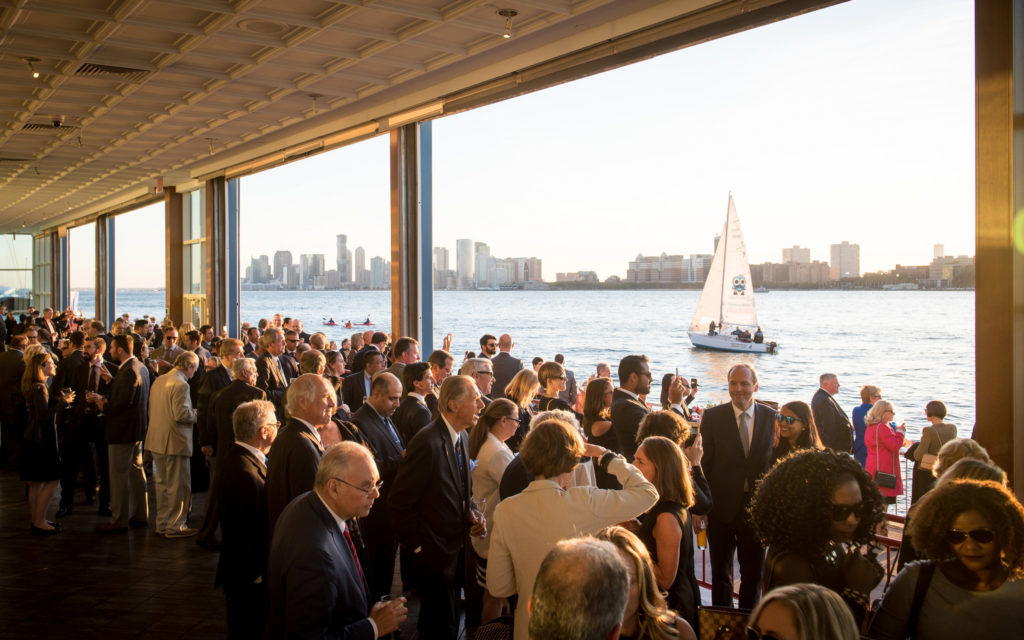
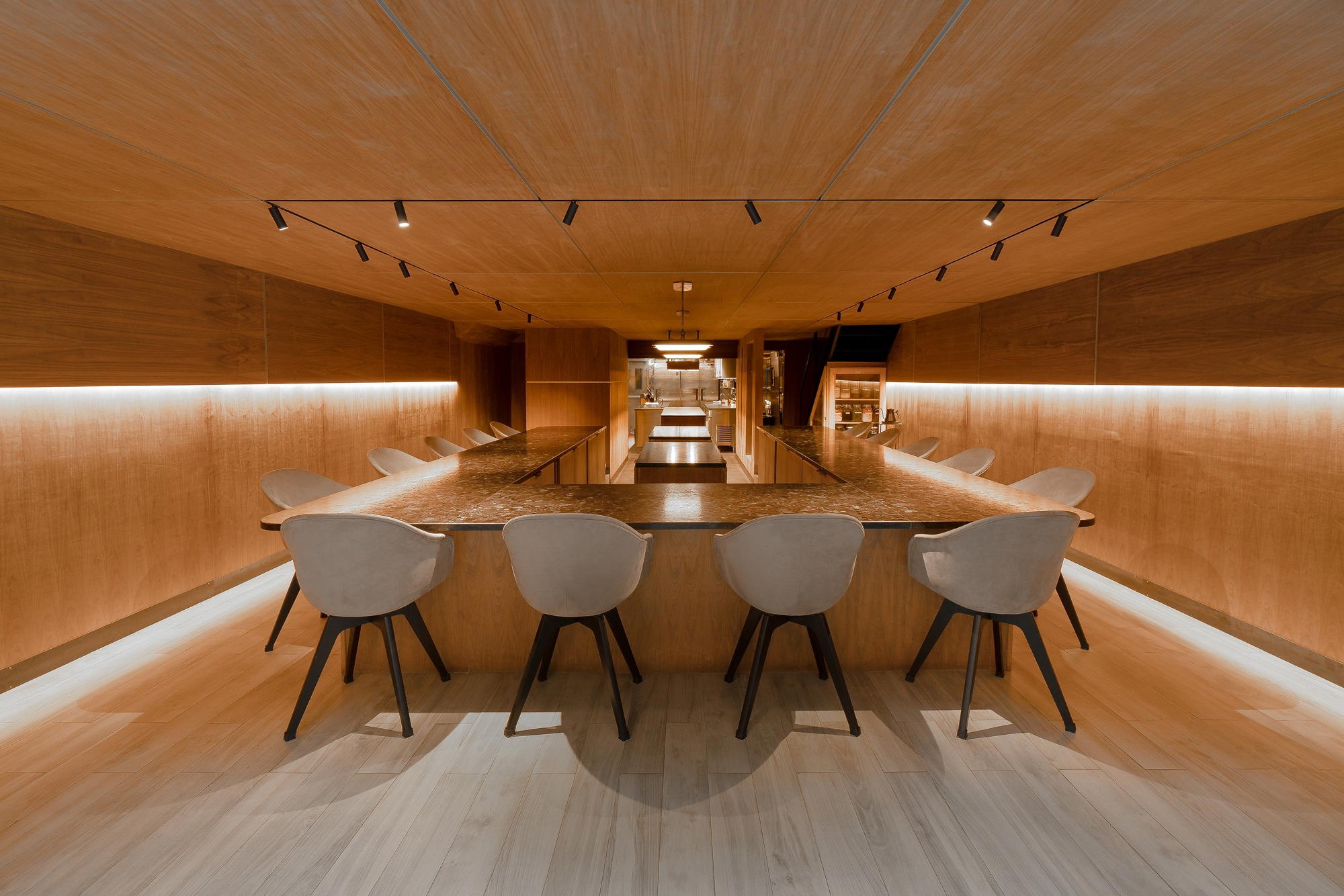
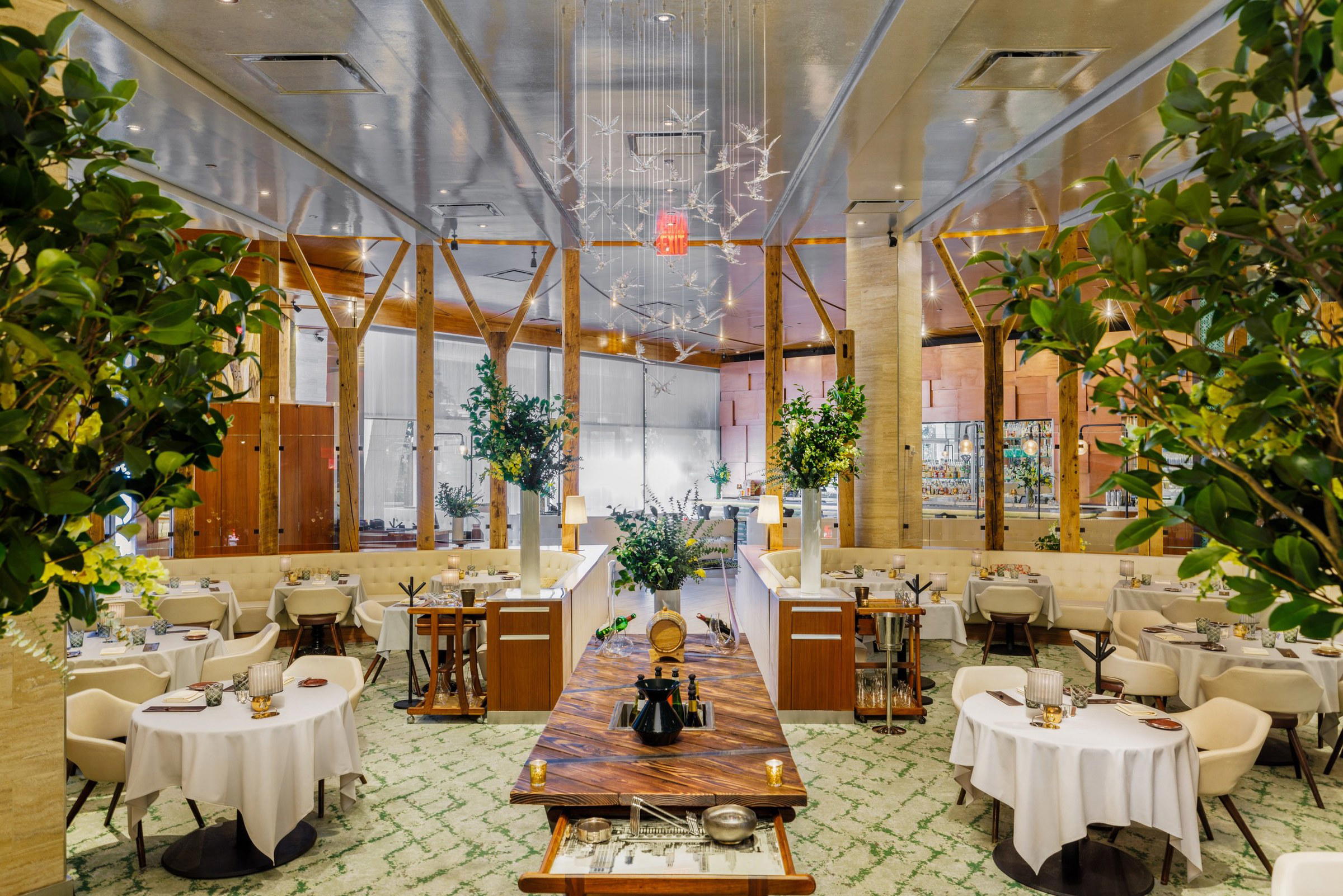
Pier Sixty occupies a converted industrial pier on the Hudson River at Chelsea Piers, operating as one of New York's highest-capacity event and dining venues. The space's raw architectural bones — steel trusses, river-facing windows, and a cavernous footprint — define its identity as much as its food and beverage program. It sits at the intersection of large-format hospitality and serious culinary production in a city that rarely tolerates one without the other.

Pier Sixty restaurant in New York City, United States
About

A Pier Built for Scale, Not Intimacy

New York's most celebrated dining rooms tend to run small. The eight-seat counter at Masa, the controlled progression of Per Se, the tightly managed reservation windows at Atomix — premium dining in this city has largely moved toward contraction, toward fewer covers and deeper focus. Pier Sixty operates on a fundamentally different logic. The venue sits at Pier 60 within the Chelsea Piers complex on the Hudson River waterfront, and its defining architectural fact is sheer volume: a converted industrial pier whose ceiling height, open floor plan, and river-length footprint make it one of the largest event-capable spaces in Manhattan.

That scale is not incidental to the experience — it is the experience. Where the refined rooms of Le Bernardin or Eleven Madison Park use controlled spatial compression to direct attention toward the plate, Pier Sixty uses expansion. The building's industrial skeleton , exposed structural steel, high clearance, the Hudson visible beyond the glass , creates a container that announces itself before any food or drink arrives.

The Architecture of Large-Format Hospitality

The Chelsea Piers complex itself is worth understanding as context. Originally built in the early twentieth century as the transatlantic liner terminal for ships including the Titanic and Lusitania, the piers fell into decades of disuse before the complex was redeveloped in the 1990s into a sports and entertainment campus. Pier Sixty inherited that history physically: the building's bones carry the weight of a working industrial structure, not a purpose-built dining room. That inheritance shapes every spatial decision inside it.

Large-format event venues in major cities typically resolve the tension between scale and hospitality in one of two ways. The first prioritises production , high ceilings, flexible floor plans, theatrical lighting rigs, and a culinary program designed to execute at volume without drawing attention to its own constraints. The second attempts to subdivide the space, using partitions, varying ceiling heights, and differentiated zones to simulate the intimacy the raw footage cannot provide. Pier Sixty's design tends toward the former: the space is used as a single visual statement, with the river views and structural height doing the work that smaller venues assign to millwork and soft furnishings.

For comparison, venues like Alinea in Chicago or Lazy Bear in San Francisco have built their identities around deliberate spatial choreography at small scale. Pier Sixty's spatial argument runs in the opposite direction: that a room large enough to hold hundreds of guests, set against a working waterway, creates its own category of occasion.

Where the Space Sits in New York's Event Tier

Manhattan's premium event and private dining tier has narrowed considerably over the past decade. A number of the city's large-scale venues that once combined event capability with serious food programs have closed, downsized, or shifted entirely toward corporate contracts. What remains at the leading of the market is a relatively small set of venues capable of executing at high guest counts without the culinary program visibly suffering. Pier Sixty competes in that bracket, where the physical address and the production infrastructure matter as much as the menu.

The waterfront location on the Hudson is a genuine differentiator within this tier. West Chelsea's dining scene, anchored further inland by the High Line's restaurant corridor, does not extend naturally to the water's edge. The Chelsea Piers complex remains somewhat removed from the neighbourhood's pedestrian dining patterns, which means Pier Sixty draws its clientele through destination visits and planned events rather than walk-in traffic. That insularity is part of the proposition: the venue is not trying to compete with the per-cover fine dining programs at Le Bernardin or the tasting menu ambitions of Eleven Madison Park. It occupies a separate tier defined by occasion scale rather than per-plate precision.

Internationally, comparable venues in cities like Hong Kong , where large-scale dining at 8½ Otto e Mezzo Bombana operates in a different register of intimacy , or Monte Carlo, where Alain Ducasse at Louis XV combines grandeur with controlled cover counts, demonstrate that formal scale and culinary precision are not mutually exclusive. The distinction is that those venues use architectural grandeur to intensify the dining experience rather than to serve it alongside it.

The Waterfront Factor

Few event venues in New York offer unobstructed Hudson River views at the scale Pier Sixty provides. Battery Park City's waterfront dining tends toward casual; the Intrepid's flight deck is outdoor and weather-dependent; the Brooklyn waterfront venues look back at Manhattan rather than outward. A west-facing room on a Hudson pier at the right time of evening offers the kind of light that no interior design budget can replicate. That the venue sits at the 40th Street latitude means sunset falls cleanly across the New Jersey Palisades rather than being interrupted by adjacent high-rises, a geographical accident that the room benefits from without having engineered it.

Venues with comparable event formats and waterfront positioning elsewhere in the country , Emeril's in New Orleans, with its warehouse district riverfront proximity, or Providence in Los Angeles, which anchors a different kind of occasion dining without a water view , suggest that location geography plays a distinct role in what an event venue asks of its food program. When the room is already doing significant work, the culinary program is freed from having to carry the full weight of the occasion. When it is not, as in landlocked urban event spaces, the food bears more of the experiential burden.

For visitors planning time across the city's dining spectrum, our full New York City restaurants guide maps the range from tasting-menu counters to large-format venues. Pair your planning with our New York City hotels guide, bars guide, wineries guide, and experiences guide to build a fuller itinerary. Comparable event-scale experiences with serious culinary programs can also be found at The French Laundry in Napa and Single Thread Farm in Healdsburg, though both operate at substantially smaller scale and with a different hospitality proposition.

Know Before You Go

  • Address: Pier 60, 60 Chelsea Piers, New York, NY 10011
  • Neighbourhood: Chelsea Piers, West Chelsea waterfront
  • Format: Large-format event and private dining venue
  • Ideal for: Corporate events, private receptions, large-scale seated dinners
  • Transport: The C and E subway lines serve 23rd Street; the M23 crosstown bus connects to the piers from both the East and West Side
  • Booking: Contact the venue directly for event inquiries; availability depends on event calendar
  • Note: Walk-in dining is not the primary format; Pier Sixty operates predominantly on a pre-booked event basis

Frequently Asked Questions

Where the Accolades Land

A quick look at comparable venues, using the data we have on file.

Collector Access

Need a table?

Our members enjoy priority alerts and concierge-led booking support for the world's most difficult tables.

Get Exclusive Access