Piedra y Brasa
Piedra y Brasa pairs an ember-grilled steakhouse menu with a Bosque Esmeralda address, an open kitchen, and a smart-casual dinner setting.
Pearl is the En Primeur Club membership app — saves, bookings, and concierge access live there. Same editors, same standards.
- Address
- Av. Bosque Esmeralda Ote. 43, Bosque Esmeralda, 52930 Cdad. López Mateos, Méx., Mexico
- Phone
- +525568004548
- Website
- piedraybrasa.com.mx
- Directions
- Get directions
 Saves & bookings on Pearl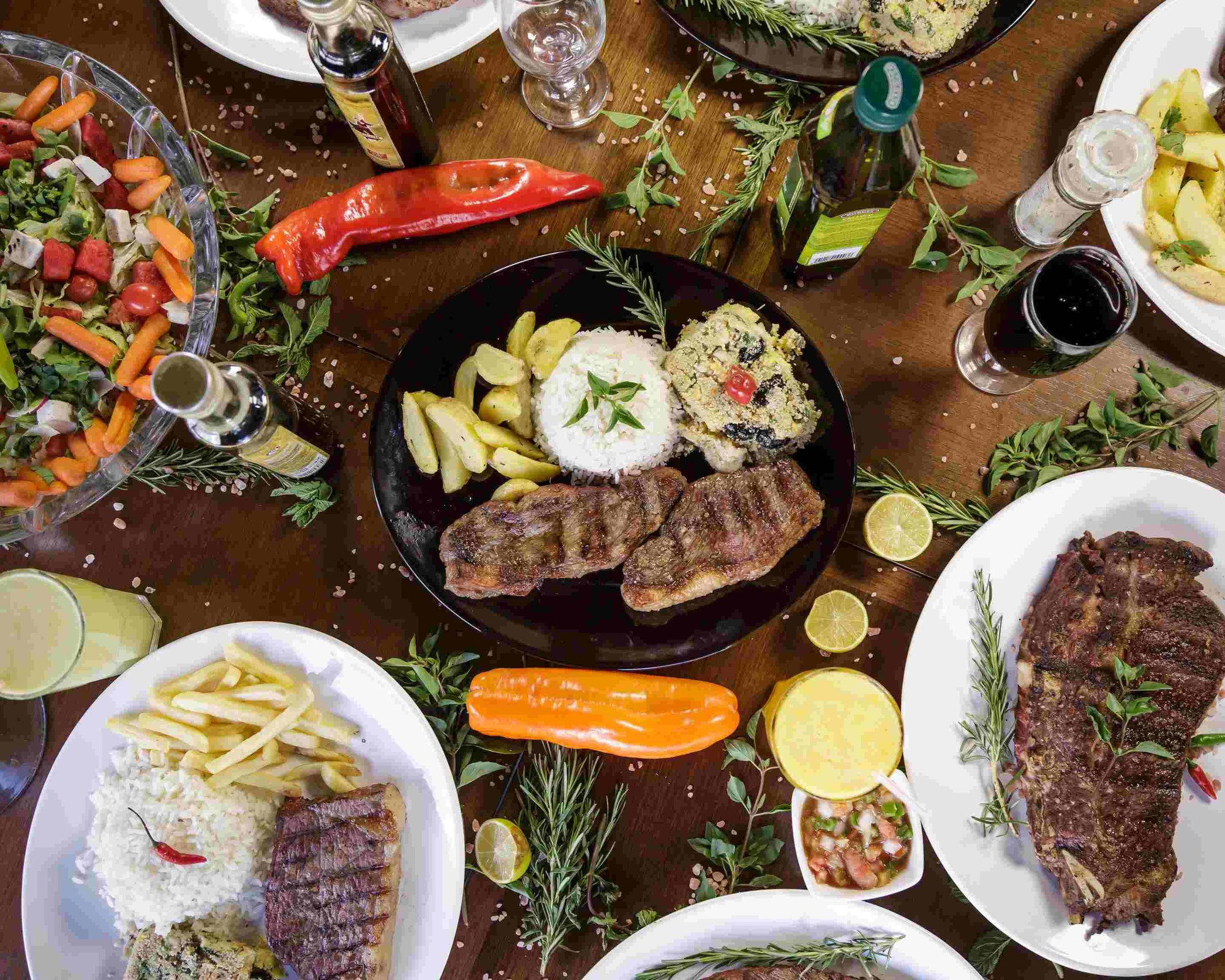
Fire and Stone on the Edge of Greater Mexico City
The Estado de México municipalities that ring the capital have spent decades in Mexico City's culinary shadow, overshadowed by the concentration of press attention and fine-dining investment inside the Anillo Periférico. That dynamic has shifted in recent years. Restaurants operating in towns like Ciudad López Mateos have found a local clientele sophisticated enough to support serious cooking, without the rent and operational pressure of Polanco or Roma Norte. Piedra y Brasa, situated on Avenida Bosque Esmeralda Oriente in the Bosque Esmeralda residential corridor, occupies that newly viable position: an Ember-Grilled Steakhouse serving a suburban market that increasingly expects more than casual taquerías or chain-format steakhouses.
The name, translating to Stone and Ember, frames the cooking before the menu does. Live fire and stone-surface cookery represent among the more consequential trends in contemporary Mexican restaurants, from the open-hearth formats popularized at places like Animalón in Valle de Guadalupe to the wood-burning techniques that inform the approach at Alcalde in Guadalajara. At Piedra y Brasa, the format places the heat source at the center of the dining proposition, which means ingredient quality becomes non-negotiable: fire amplifies rather than disguises what goes on the grate.
What the Sourcing Premise Means in Practice
Ember-based cooking in the Mexican tradition draws on a lineage that predates European contact: stone griddles, clay vessels, and open pits were the original technologies of Mexican cuisine. The modern iteration at restaurants across the country tends to foreground where animals are raised, how vegetables are grown, and whether the wood itself carries regional character. This is the sourcing logic that underpins the Piedra y Brasa name. Establishments in this category live or fall on the quality of the raw material, because the cooking method offers nowhere to hide. A poorly sourced cut exposed to high direct heat reveals its provenance immediately; a well-raised one, handled with restraint, needs little else.
Ciudad López Mateos sits within reach of the agricultural zones of Mexico State, which supply the capital region's markets with produce ranging from corn varieties to nopal and seasonal greens. Restaurants in the Bosque Esmeralda corridor have practical access to those supply chains without the intermediary markup that comes with delivery into central Mexico City. For a concept premised on fire and stone, that proximity to source matters as much as kitchen technique. Compare this with the positioning at Olivea Farm to Table in Ensenada, where Baja California's agricultural diversity underpins a similar sourcing argument: in both cases, the surrounding land is part of what the restaurant is selling.
The Dining Room and the Fire
The approach at Piedra y Brasa, as suggested by its address in the Bosque Esmeralda residential zone, is calibrated for a neighborhood-anchor role rather than a destination-dining one. This is a meaningful distinction. Destination restaurants, like Pujol in Mexico City or Le Chique in Puerto Morelos, ask diners to plan around them. A neighborhood anchor operates on different terms: it has to be reliable enough for regulars, appealing enough for occasions, and accessible enough to sustain weeknight covers. Live fire formats work well in both modes, but the neighborhood version tends to be more informal in presentation, with a menu built for repeat visits rather than a single revelatory progression.
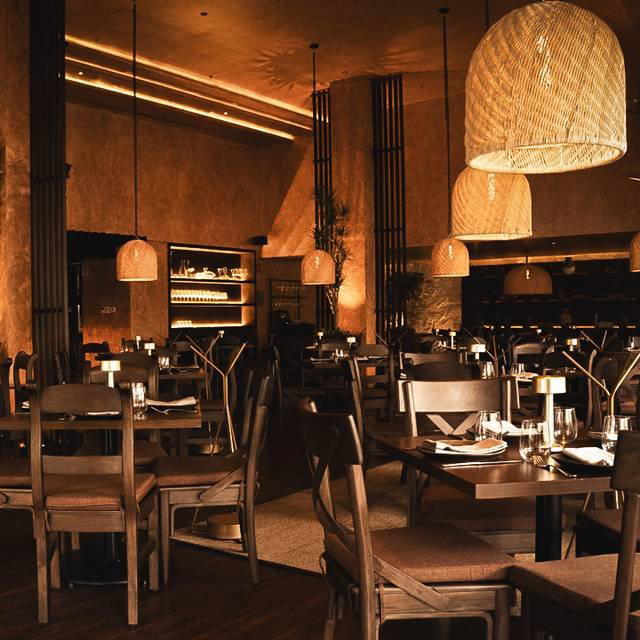
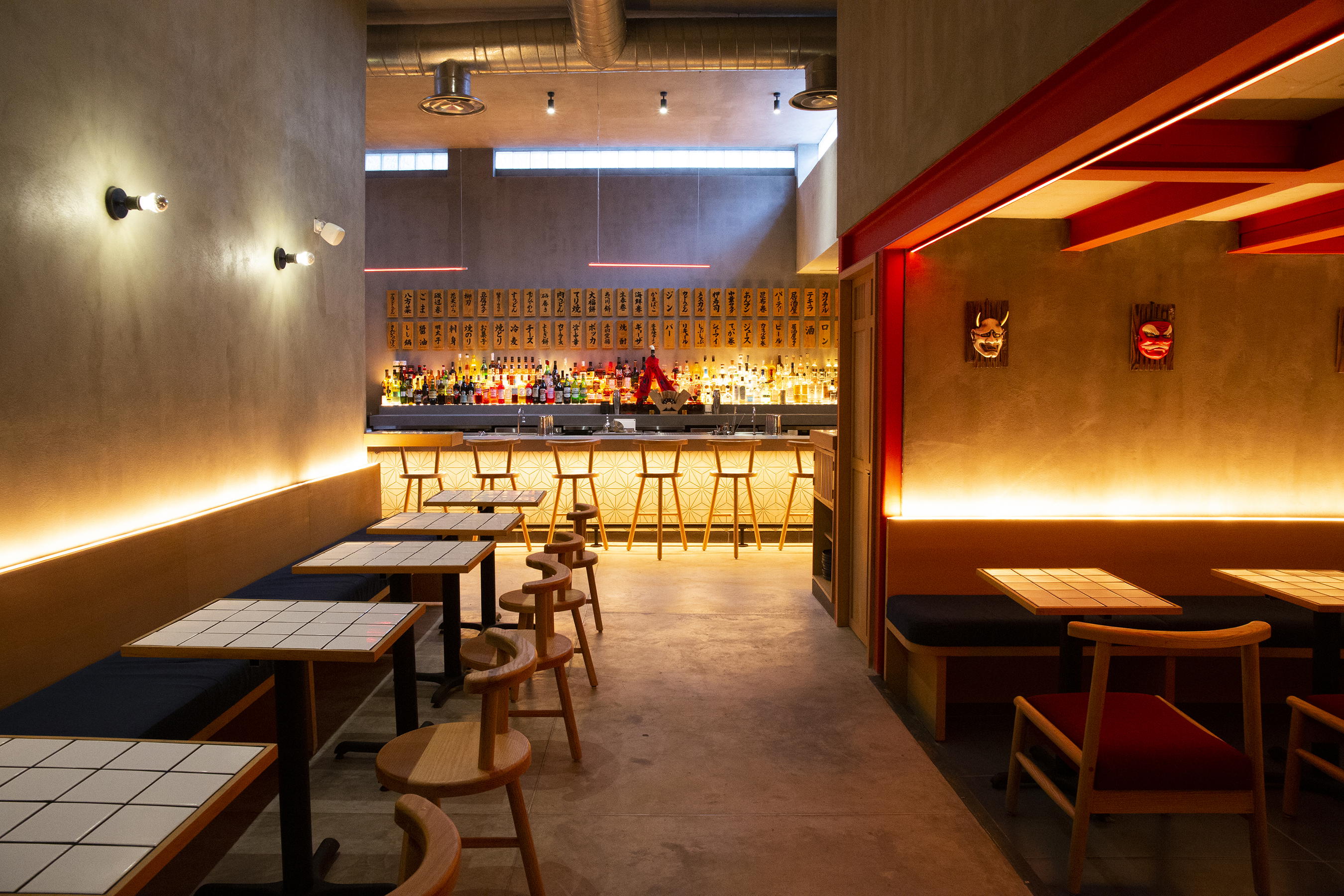
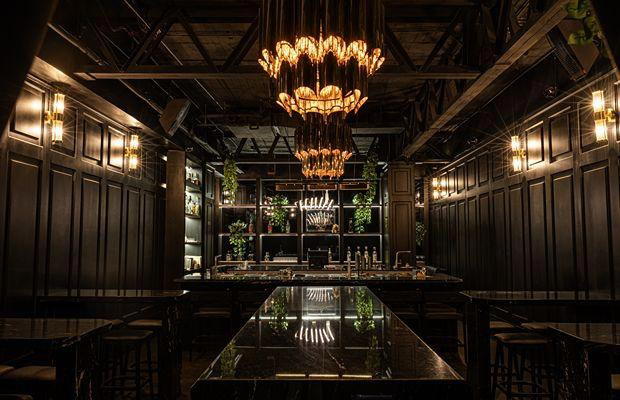
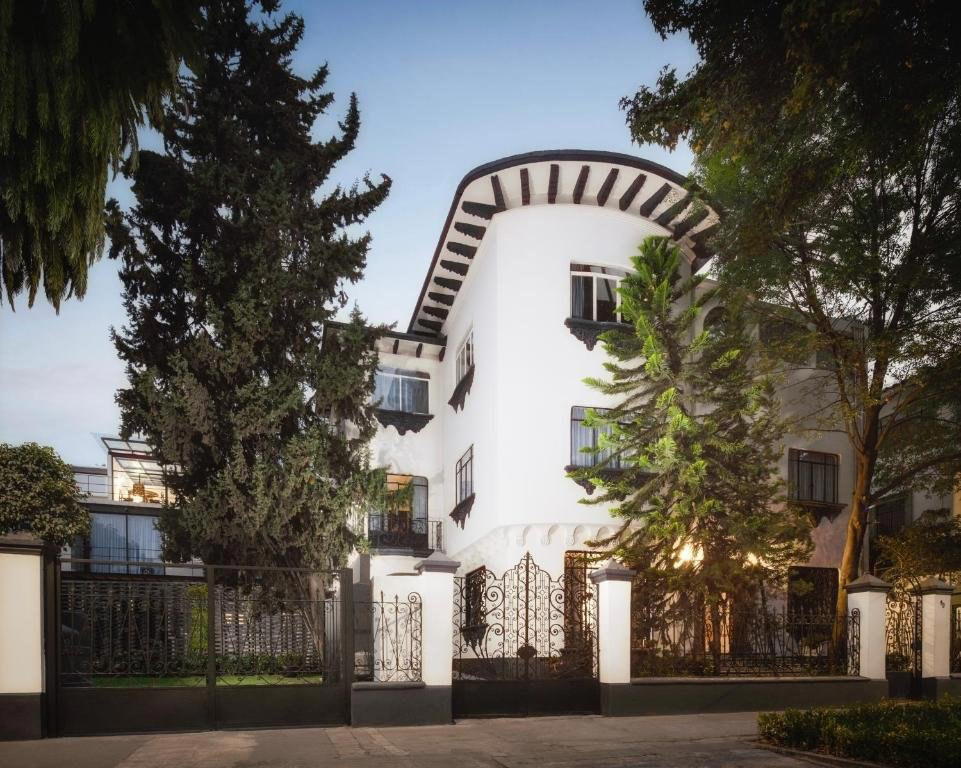
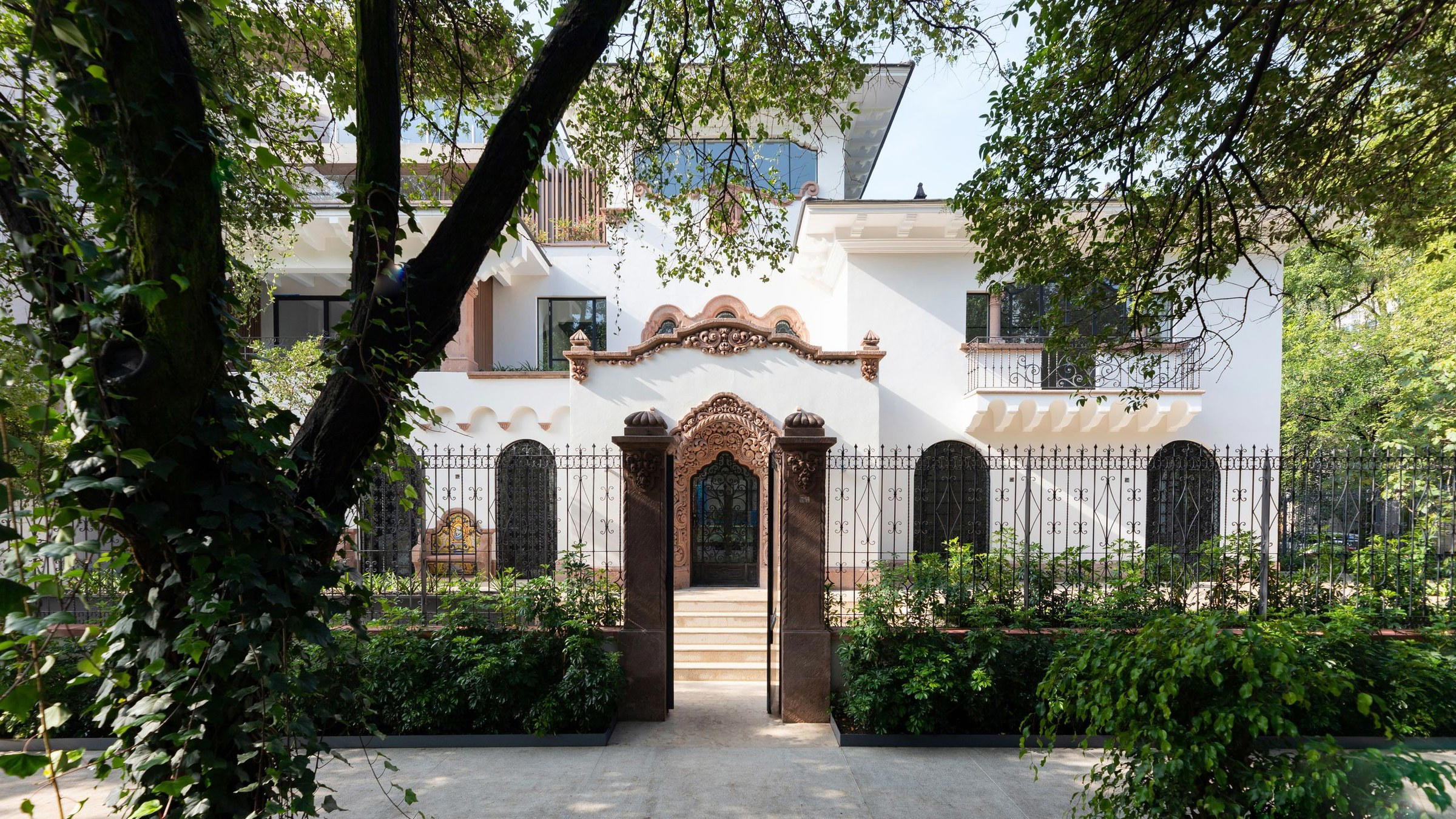
The physical cues embedded in the restaurant name suggest a space where the kitchen is the visual anchor: the sight of an active grill, the smell of hardwood smoke, and the sounds of searing protein are part of the dining experience in any serious ember-cooking format. These are the sensory conditions that make fire-focused restaurants difficult to replicate as delivery concepts, the atmosphere is inseparable from the cooking, which is a significant competitive advantage in a suburban market where delivery platforms have commoditized most other cuisine categories.
How This Fits into Mexico's Broader Live-Fire Scene
Mexico's appetite for live-fire and heritage-technique cooking has accelerated sharply over the past decade. The movement spans price points and geographies: Levadura de Olla in Oaxaca centers traditional fermentation and clay-pot cookery; Arca in Tulum applies open-fire methods to Yucatecan and broader Mesoamerican ingredients; KOLI Cocina de Origen in Monterrey traces northern Mexican carnivore tradition into a finer-dining register. The restaurant operates in the same broad current, though at a more local scale. That local scale is not a weakness; it describes a different function. Not every practitioner of a serious culinary tradition needs to compete for national press attention. Particularly honest cooking in any tradition happens in neighborhood rooms where the clientele is consistent and the chef is not performing for critics.
For diners exploring Mexico's live-fire dining outside the obvious destinations, restaurants like Piedra y Brasa represent the geographic diffusion of a technique that began in indigenous and rural cooking traditions and has now spread into the suburbs of Mexico's largest metropolitan zone. That diffusion is a story about how culinary ideas travel, and it makes venues in cities like Ciudad López Mateos worth attention alongside better-documented addresses in Guadalajara, Monterrey, or the Valle de Guadalupe.
Planning Your Visit
The restaurant is located at Avenida Bosque Esmeralda Oriente 43, in the Bosque Esmeralda district of Ciudad López Mateos, Estado de México, a municipality that forms part of the greater metropolitan sprawl west of Mexico City. The Bosque Esmeralda zone is a residential enclave with commercial strips serving its local population, and the venue sits within that neighborhood fabric rather than in a tourist or hotel corridor. Visitors coming from central Mexico City should account for traffic, particularly on Friday evenings when westbound arteries out of the capital carry heavy commuter load. The restaurant recommends reservations. It is open Mon: 2–10 PM; Tue: 2–10 PM; Wed: 2–10 PM; Thu: 2–11 PM; Fri: 2 PM–12 AM; Sat: 2 PM–12 AM; Sun: 2–8 PM.
For comparative reference on price expectations within Mexico's fire-focused dining category: the restaurant is priced at about $25 per person, with a price tier of 3, while still offering a step above casual taquería pricing. Pangea in San Pedro Garza García or HA' in Playa del Carmen. Diners with a broader interest in Mexico's regional fire-cooking traditions may also find the comparisons at Carnitas Don Vasco in Cancún and Huniik in Mérida instructive for understanding how heritage protein preparations vary by region. For international reference points on what serious sourcing-led cooking looks like at the summit of its register, Le Bernardin in New York City and Atomix in New York City illustrate how ingredient provenance anchors a restaurant's entire critical identity, regardless of cuisine. Closer to home, California Prime Rib in Celaya and Casa Barroca in Puebla show how the central Mexican interior is developing its own serious protein-forward dining formats. And Lunario in El Porvenir represents the Baja California wine-country approach to live fire with agricultural sourcing at the center.
In Context: Similar Options
Comparable venues nearby, for context on price, style, and recognition.
| Venue | Cuisine | Price | Notes |
|---|---|---|---|
| Piedra y BrasaThis venue — the venue you are viewing | Ember-Grilled Steakhouse | $$$ | Not listed |
| La Entraña Parrilla | Argentine Parrilla | $$$ | Sociedad Cooperativa Poder Popular |
| La Mansion | Classic Steakhouse | $$$$ | Residencial Militar |
| Loma Linda Santa Fe | Classic Mexican Steakhouse | $$$$ | Res Parque Santa Fe |
| Cambalache Polanco | Argentine Steakhouse | $$$$ | Polanco Chapultepec |
| Cocina Abierta - Reforma | Multi-Cuisine Fusion | $$$ | Nva Anzures |
Continue exploring
More in Ciudad Lopez Mateos
Restaurants in Ciudad Lopez Mateos
Browse all →
Bars in Ciudad Lopez Mateos
Browse all →

At a Glance
- Rustic
- Elegant
- Group Dining
- Special Occasion
- Open Kitchen
Current opening hours
- Monday
- 2–10 PM
- Tuesday
- 2–10 PM
- Wednesday
- 2–10 PM
- Thursday
- 2–11 PM
- Friday
- 2 PM–12 AM
- Saturday
- 2 PM–12 AM
- Sunday
- 2–8 PM
Hours can change for holidays and private events. Last verified .
Atmosphere designed to provide a complete sensory experience with high standards.