Michelin Bib Gourmand
Our verdict
Pichet has held the Michelin Bib Gourmand in both 2024 and 2025, making it one of Dublin 2's most consistent value propositions for French-rooted cooking. The menu draws on Irish produce to anchor classics like tartare, pithivier, and tarte Tatin, while the wine list extends well beyond France with many bottles available by the glass or pichet. The neon-signed, checkerboard-floored brasserie on Trinity Street operates at the €€ price point.

Pearl is the En Primeur Club membership app, where members save venues, book tables and use the concierge.
The menu
What to order
- Roasted Scallops
- Teriyaki Torched Mackerel
- Shoulder of Lamb
Where Dublin's French Brasserie Tradition Finds Its Footing
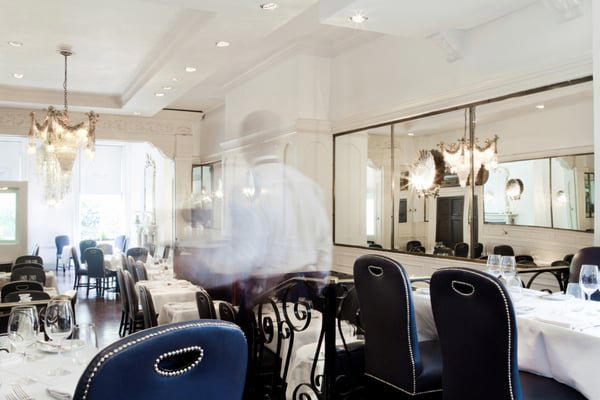
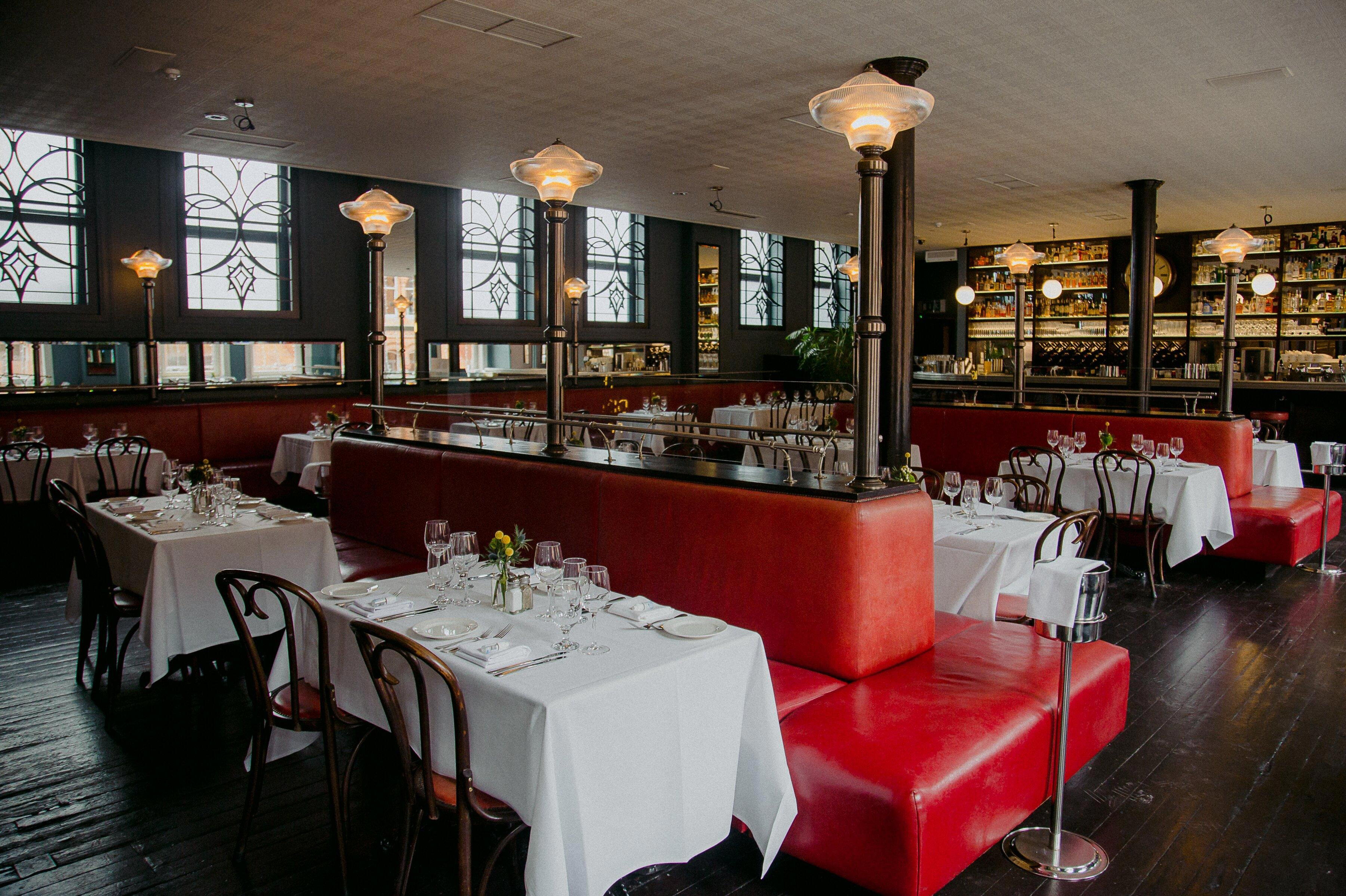
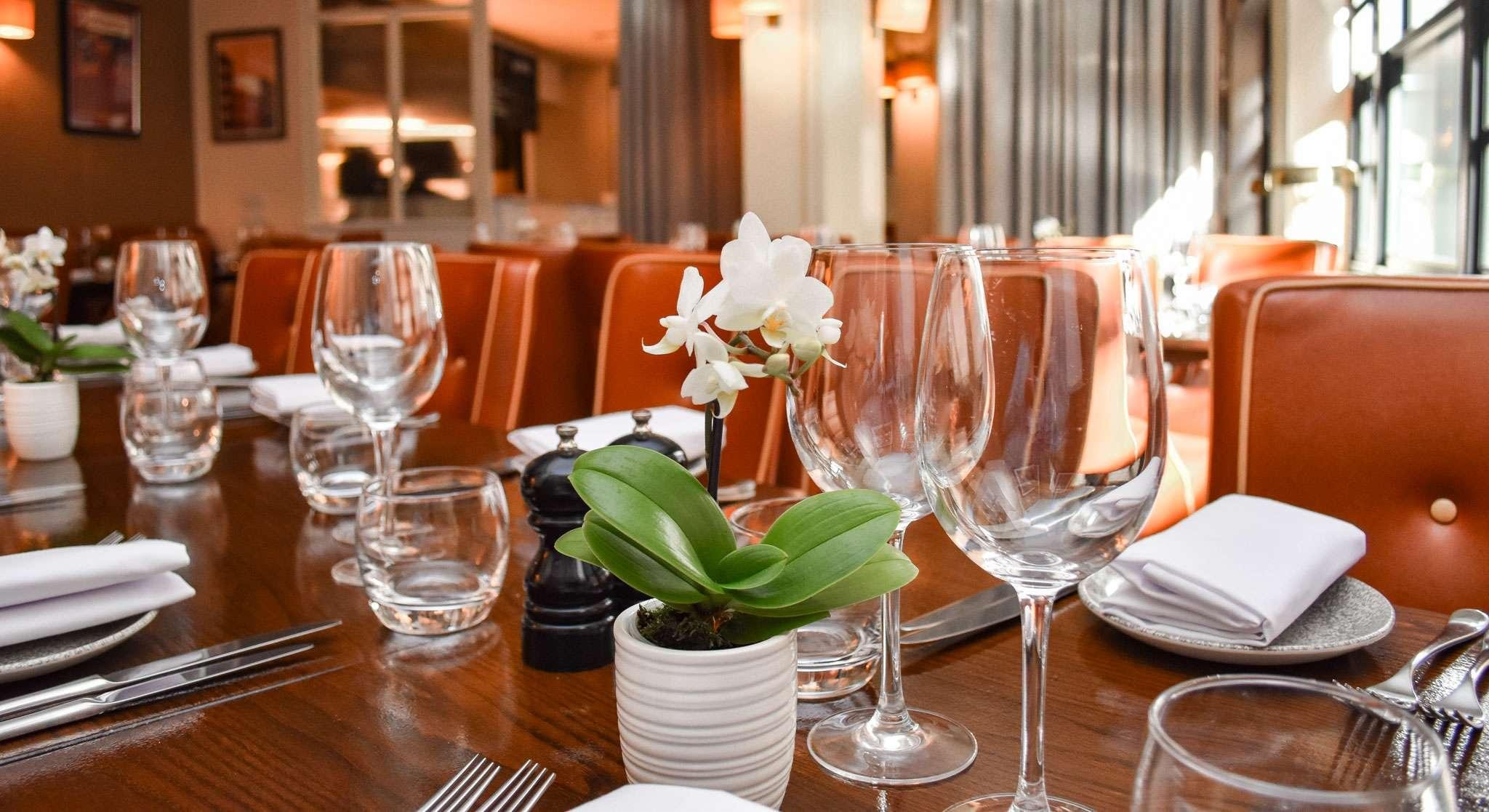
The neon red signage and striped canopies on Trinity Street announce Pichet before you reach the door. Inside, a checkerboard floor and two distinct rooms, one anchored by the bar, the other open to the kitchen, signal the kind of French brasserie format that has spent decades proving its durability. This is not the hushed, white-tablecloth register of Patrick Guilbaud, nor the produce-driven modernism of Bastible. Pichet occupies a different and more sociable tier: the everyday French brasserie, executed with enough rigour to earn back-to-back Michelin Bib Gourmand recognition in 2024 and 2025.
That distinction matters in Dublin's current dining climate. The Bib Gourmand, Michelin's designation for good food at a moderate price, has become a useful sorting mechanism in a city where the gap between casual and fine dining can still feel abrupt. Pichet, priced at the €€ level, occupies the middle ground that Dublin has historically struggled to sustain with consistency. The award's repetition over two consecutive years is the operative detail: it signals a kitchen operating to a repeatable standard rather than a single strong showing.
A Menu Built Around Irish Produce, Framed by French Technique
The French brasserie canon is a disciplined one. Tartare, pithivier, tarte Tatin, these are dishes with long technical histories and narrow tolerances for error. At Pichet, they appear on a menu that uses Irish produce as its primary sourcing logic, which positions the kitchen within a broader Dublin pattern of French-trained discipline applied to local ingredients. It is the same structural approach seen across Irish restaurants that have drawn international attention in recent years, from Aniar in Galway to Liath in Blackrock, though Pichet's register is brasserie rather than tasting-menu.
The editorial angle here is the relationship between French framework and Irish sourcing. A pithivier, a pastry-encased preparation with strict construction requirements, made with Irish game or offal reads differently from its Parisian counterpart. The form provides the rigour; the produce provides the specificity. This is a menu that uses French technique as scaffolding for an argument about what Irish ingredients can do when given a disciplined classical context. That relationship between sourcing and structure is what gives the menu its character, and it is why the kitchen's commitment to Irish produce is worth noting as an editorial position, not just a supply-chain preference.
Chef Cristian Puente leads the kitchen, and while the biographical particulars are not the story here, his role in sustaining the Bib Gourmand standard across multiple years is the relevant credential. Consistency at this price point, in a city with significant cost pressures on both kitchen labour and ingredient supply, is harder to maintain than it looks from the outside.
The Brasserie Format and What It Demands
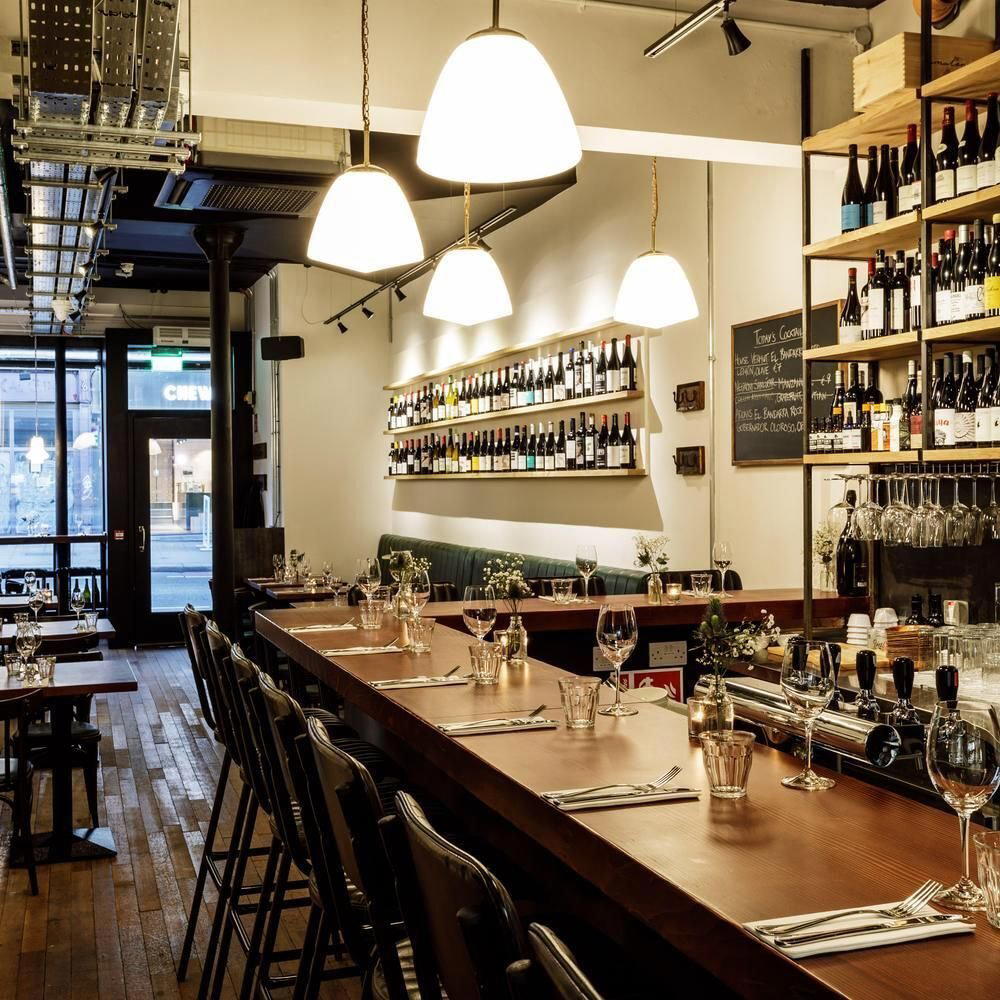
The brasserie as a format has a specific set of expectations: accessible pricing, a menu with range, a room designed for noise and movement, and a wine list that functions as a daily tool rather than a collector's reference. Pichet's wine list, which extends well beyond France and offers many bottles by the glass or by the pichet (the small jug format that gives the restaurant its name), is calibrated for exactly that function. Ordering by the pichet rather than the bottle is a low-commitment, high-return approach that suits the brasserie rhythm, multiple pours, multiple courses, no single bottle dominating the table.
That wine-list philosophy also positions Pichet against peers operating at the same price tier in Dublin 2. Compared to the cellar depth at Glovers Alley or the beverage programs at Chapter One by Mickael Viljanen, Pichet's list is deliberately accessible, a feature, not a limitation. The format rewards casual selection rather than studied deliberation. At the far end of the French spectrum, you find wine programs at Hôtel de Ville Crissier or Sézanne in Tokyo that serve an entirely different purpose. Pichet is not competing with those rooms, and does not need to.
Dublin 2 and the French Casual Tier
Trinity Street sits in a dense commercial and cultural pocket of Dublin 2, a short distance from Trinity College and the city's main retail core. The neighbourhood generates foot traffic from office workers at lunch and theatre-goers and tourists in the evening, which creates a demand profile that rewards consistent, accessible brasserie cooking over experimental or niche formats. Pichet's format suits its location: the room turns over, the menu has enough range to accommodate multiple visits, and the price point does not require a special occasion as justification.
Dublin's French-casual tier is sparser than the city's appetite for it suggests. For a capital with genuine French culinary influence, traceable through both Michelin-level restaurants and the broader cooking education pipeline, the lack of durable, mid-market French brasseries has been a recurring gap. For comparison, kitchens like Bastion in Kinsale, Campagne in Kilkenny, and dede in Baltimore show how French-influenced technique has spread across Ireland at various price points, but the Dublin 2 brasserie format remains relatively underserved by peers operating to this standard.
For broader planning, the EP Club guides to Dublin restaurants, Dublin hotels, Dublin bars, Dublin wineries, and Dublin experiences provide additional context. And for a cross-section of Dublin's modern cooking ambition at a different price tier, D'Olier Street is worth including in the same trip itinerary. Similarly, Terre in Castlemartyr represents the hotel-dining end of the Irish-French spectrum for those travelling beyond the capital.
Planning Your Visit
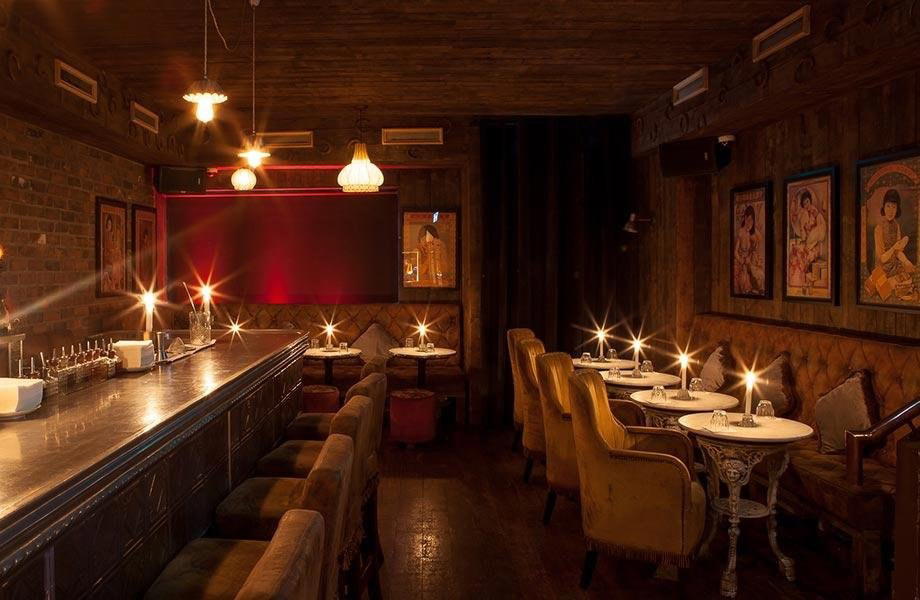
Pichet is located at 14-15 Trinity Street, Dublin 2, a central address accessible on foot from most Dublin 2 hotels and a short walk from the DART network and city bus stops. The €€ price range makes it viable for both lunch and dinner visits without significant advance budget planning. As with most Bib Gourmand-recognised rooms in central Dublin, booking ahead is advisable, particularly for evening sittings and weekends; the room's buzz and consistent reputation mean it fills without difficulty on busier nights. The two-room layout gives a degree of choice: the bar side runs louder and more social; the kitchen-facing room offers a different pace.
Frequently asked questions
Where is Pichet located?
Pichet is located at 14-15 Trinity St, Dublin 2, D02 T998, Ireland, Dublin.
What style of cooking does Pichet do?
What distinctions does Pichet have?
Pichet has received recognition including: You can’t miss the neon red signs and striped canopies of this buzzy brasserie – and its checkerboard flooring makes the inside equally striking. Sit in one of two rooms, soaking up the buzz of either the bar or the kitchen as you enjoy a m….
What should I order at Pichet?
The menu anchors itself in French brasserie staples, so dishes like tartare, pithivier, and tarte Tatin represent the kitchen at its most focused. Pichet holds Michelin Bib Gourmand recognition for 2024 and 2025, which reflects consistent execution of these classics rather than novelty. The Irish produce sourced throughout gives familiar French frameworks a local grounding worth following, look for where the two meet most directly on the menu.
What should I budget for a meal at Pichet?
Pricing at Pichet is listed as €€.
Who's behind the kitchen at Pichet?
The chef associated with Pichet is Cristian Puente.
Cost Snapshot
| Venue | Cuisine | Price | Awards | Notes |
|---|---|---|---|---|
| PichetThis venue (the venue you are viewing) | Modern French Bistro | $50–100 | Michelin Bib Gourmand | Not listed |
| Patrick Guilbaud | Modern French Fine Dining | $150–200 | 2 Michelin Stars · La Liste Top Restaurants | Irish - French, Modern French |
| Bastible | Modern Irish | $100–150 | 1 Michelin Star · The Sunday Times Ireland’s 100 Best Restaurants | Modern Cuisine |
| Host | Modern Italian | $50–100 | Michelin Plate | Nordic, Modern Cuisine |
| mae | Modern Irish Fine Dining | $50–100 | Michelin Plate · The Sunday Times Ireland’s 100 Best Restaurants | Southern, Modern Cuisine |
| Matsukawa | Authentic Edomae Omakase | $100–150 | Michelin Plate · La Liste Top Restaurants | Kaiseki, Japanese |
Recognition history
Dated appearances from independent guides and award organizations, with the underlying list record or original source where available.
Michelin Bib Gourmand
Michelin
Full recognition history (4 entries)
Michelin Plate
Michelin
Michelin Bib Gourmand
Michelin
Michelin Bib Gourmand
Michelin