Piazza Italia
On NW Johnson Street in Portland's Pearl District, Piazza Italia brings a regional Italian perspective to a city that takes its food seriously. The room operates on the rhythms of a neighbourhood trattoria rather than a destination restaurant, which is precisely what distinguishes it from the more ambitious Italian projects in town. For visitors arriving from Portland's broader dining circuit, it reads as a deliberate counterpoint to the area's produce-forward, chef-driven ambition.
Pearl is the En Primeur Club membership app — saves, bookings, and concierge access live there. Same editors, same standards.
- Address
- 1129 NW Johnson St, Portland, OR 97209
- Phone
- +15034780619
- Website
- piazzaportland.com
- Directions
- Get directions
 Saves & bookings on Pearl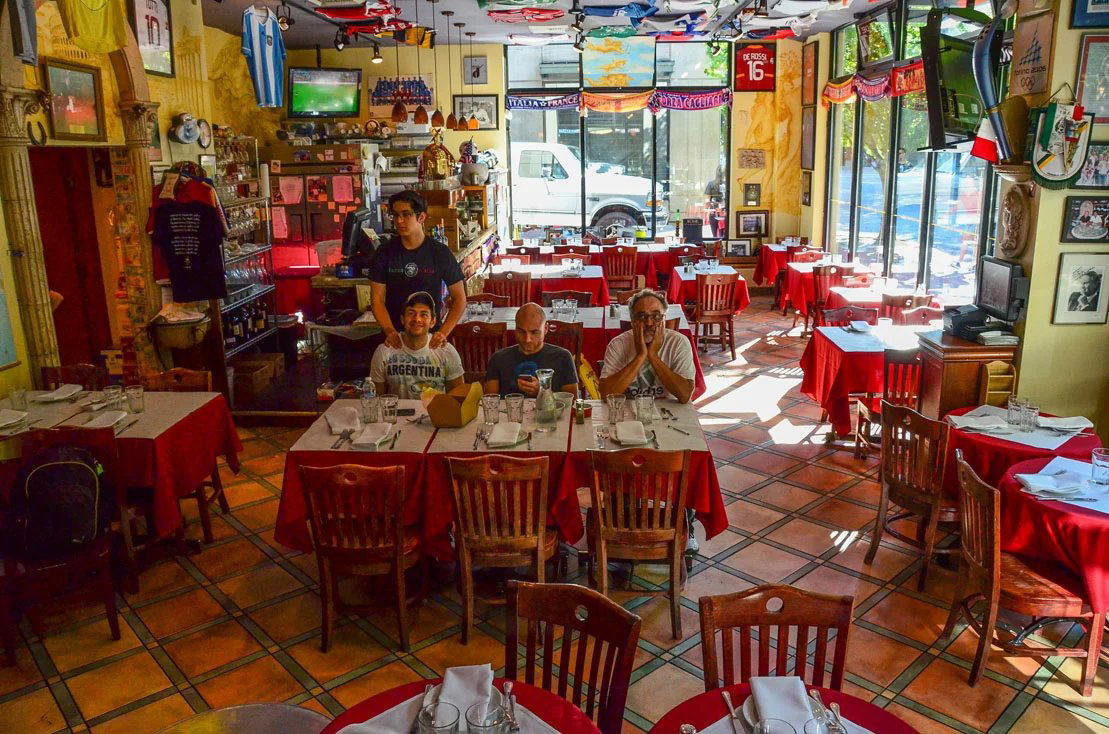
Pearl District Italian, in Context
Portland's NW Johnson Street sits at the quieter residential edge of the Pearl District, where the neighbourhood's gallery-and-loft density gives way to corner cafes and low-key dinner spots. It is the kind of block where a room can succeed by being genuinely useful to its immediate community rather than by pulling visitors from across the city. Piazza Italia occupies that position. The street-level frontage, the pace of service, and the cooking register all orient toward the tradition of the Italian trattoria as it operates in practice rather than in concept: a place where the food is the conversation, not the backdrop to one.
That distinction matters in Portland, a city whose restaurant culture has built its reputation on chef-driven specificity. Places like Langbaan and Berlu have trained local diners to expect a clear point of view behind every plate. Piazza Italia belongs to a different register: the Italian regional tradition, where the point of view is inherited rather than invented, and where fidelity to source matters more than originality of expression.
Where the Ingredients Come From and Why That Frames the Menu
Italian cooking at its most coherent is an exercise in provenance. The cuisine's canonical form is not particularly technique-dependent; it is quality-dependent. A properly sourced San Marzano tomato, aged Parmigiano-Reggiano, or Ligurian olive oil will do more for a dish than any intervention in the kitchen. That logic, applied consistently, is what separates a trattoria worth returning to from one that is merely adequate.
In the American context, sourcing Italian staples presents a specific challenge. The DOP-protected ingredients that anchor the Italian pantry, including Prosciutto di Parma, Pecorino Romano, and properly aged balsamic from Modena, are available through import channels, but consistency of stock and supplier relationships determine whether a kitchen can execute the same dish at the same standard across a year of service. Portland's food community has generally been attentive to that kind of procurement discipline, and the city's proximity to strong Pacific Northwest agricultural suppliers creates a secondary advantage: local produce that can meet Italian preparations without compromise.
This sourcing logic positions Piazza Italia within a comparable set that includes Nostrana, the city's most prominent Italian address, which has built its reputation on wood-fired cooking and a kitchen that takes its raw materials as seriously as its technique. The two operations serve different functions in Portland's Italian dining picture. Nostrana occupies the destination tier; the restaurant operates closer to the neighbourhood tier, where the expectation is consistency and directness rather than occasion dining.
For visitors tracing Portland's pizza tradition specifically, Ken's Artisan Pizza is the reference point for wood-fired Neapolitan-influenced work, and the conversation between these addresses reflects how seriously Portland takes even particularly direct Italian formats. Further afield in Portland's broader dining scene, Kann demonstrates the city's appetite for cooking rooted in deep culinary tradition, which is the same appetite that sustains Italian regional cooking at this level.
The Room and Its Register
The trattoria format, as it functions in Italian practice, is not a diminished version of fine dining. It is a distinct hospitality mode with its own discipline: faster pacing, a shorter menu that reflects what is available rather than what is comprehensive, a wine list built around regional producers rather than prestige appellations, and a service approach that prioritises efficiency and warmth over ceremony. These parameters define the experience before a single dish arrives.
On NW Johnson Street, the physical environment reinforces that register. The Pearl District context means the clientele is largely local and relatively food-literate, which supports a menu that does not need to explain itself. That is an advantage. Italian regional cooking, presented without excessive annotation, can speak directly to a room that already understands what it is looking at.
For visitors arriving with reference points from higher-tier Italian operations in other American cities, the frame of comparison is worth noting. Places like 8 1/2 Otto e Mezzo Bombana or, domestically, operations at the level of Le Bernardin in terms of award profile, operate in a fundamentally different tier. The restaurant's value proposition is not in that competitive set. It is in the trattoria tier, where the standard is reliability, sourcing integrity, and genuine connection to Italian regional cooking rather than trophy-level ambition.
Portland's Italian Dining in the Wider American Picture
Portland sits in a mid-tier position in American fine dining, with genuine depth in specific categories. The city does not have the density of award-recognised restaurants that marks San Francisco (see Lazy Bear), Chicago (Alinea), or New York (Atomix), but it has built a credible ecosystem of serious kitchens at the neighbourhood level. Farm-to-table discipline, as practised at operations like Blue Hill at Stone Barns in the northeast, has a clear Pacific Northwest parallel in how Portland kitchens think about ingredient sourcing.
That broader culture of sourcing seriousness is the context in which a neighbourhood Italian restaurant succeeds or fails in Portland. A city that expects its kitchens to think carefully about where food comes from will apply the same standard to a trattoria. The Italian regional tradition, when executed with genuine attention to provenance, fits that expectation.
For readers planning a broader Portland dining itinerary, our full Portland restaurants guide maps the city's dining character across neighbourhoods and categories. Nationally, visitors with a specific interest in American restaurants at the award tier will find reference points at Single Thread Farm, The French Laundry, Providence, Addison, The Inn at Little Washington, and Emeril's in New Orleans.
Planning Your Visit
The restaurant is at 1129 NW Johnson Street in Portland's Pearl District, within walking distance of the neighbourhood's main gallery strip and accessible from the Portland Streetcar. Given the trattoria format, walk-ins are more viable here than at the city's tasting-menu addresses, though weekend evenings at popular neighbourhood spots in the Pearl tend to fill early. Arriving before 7pm on a Friday or Saturday is a reasonable hedge.
Comparable Spots, Quickly
Comparable venues nearby, for context on price, style, and recognition.
| Venue | Cuisine | Price | Notes |
|---|---|---|---|
| Piazza ItaliaThis venue — the venue you are viewing | Authentic Italian Trattoria | $$ | Not listed |
| The Star Portland | Chicago-Style Deep Dish Pizza | $$ | Pearl |
| Mama Mia Trattoria | Traditional Italian Trattoria | $$ | Downtown |
| Pizza Thief | New York-Style Pizza | $$ | Slabtown |
| DAME | Seasonal Italian with Natural Wines | $$ | Concordia |
| Dick’s Pizza | Classic Italian Pizza | $$ | Sellwood-Moreland |
Continue exploring
More in Portland
Restaurants in Portland
Browse all →
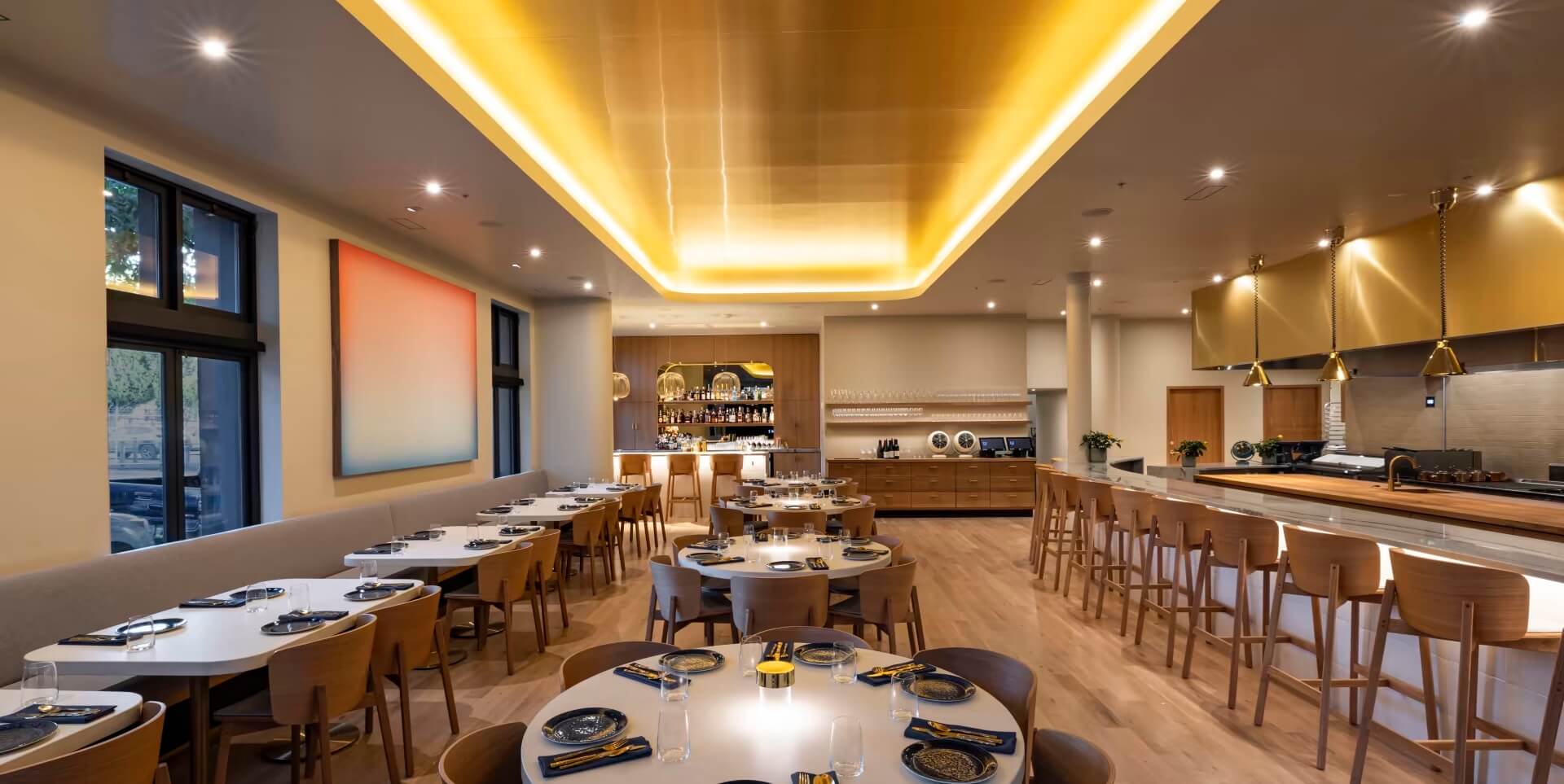
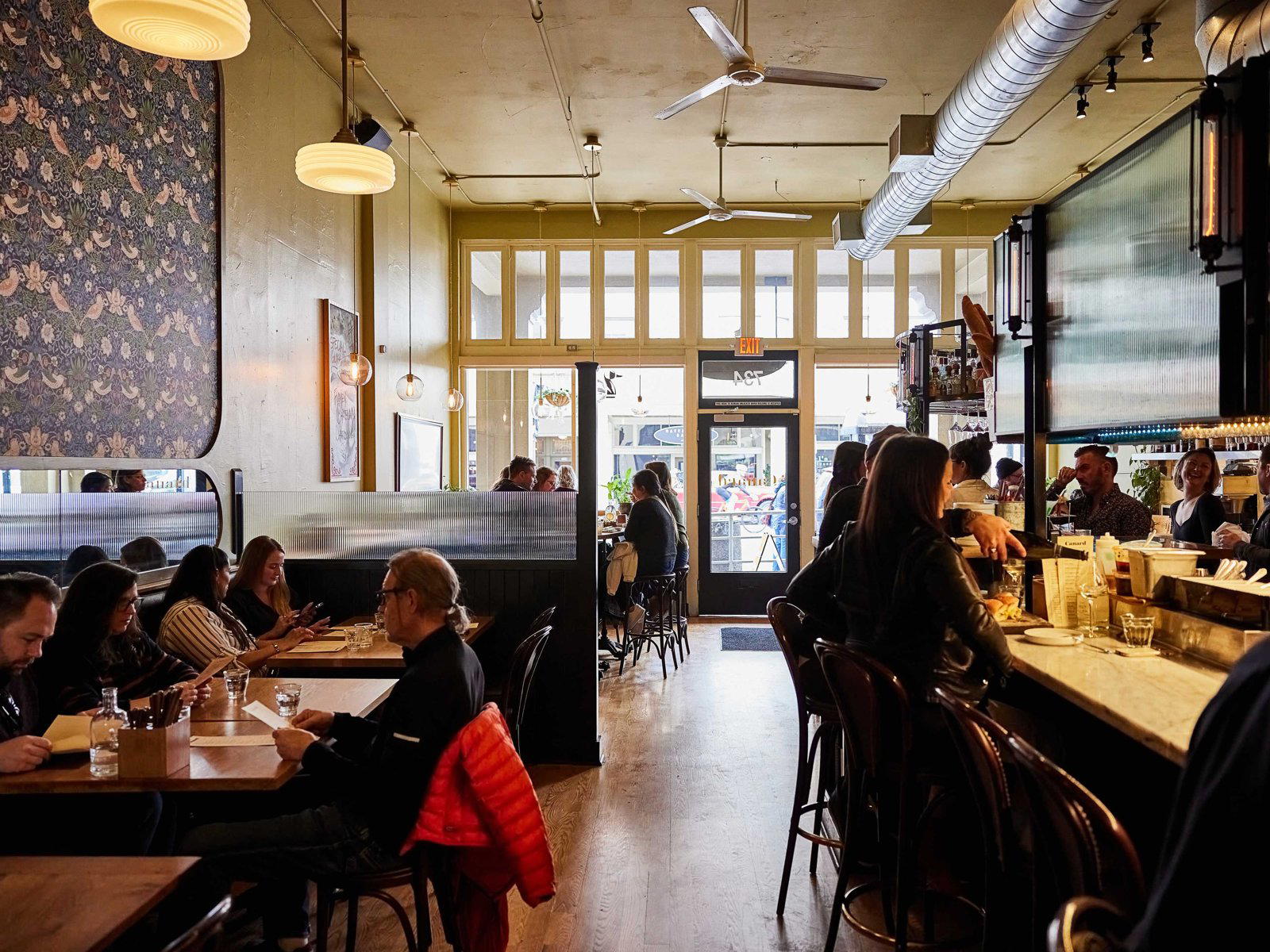
Bars in Portland
Browse all →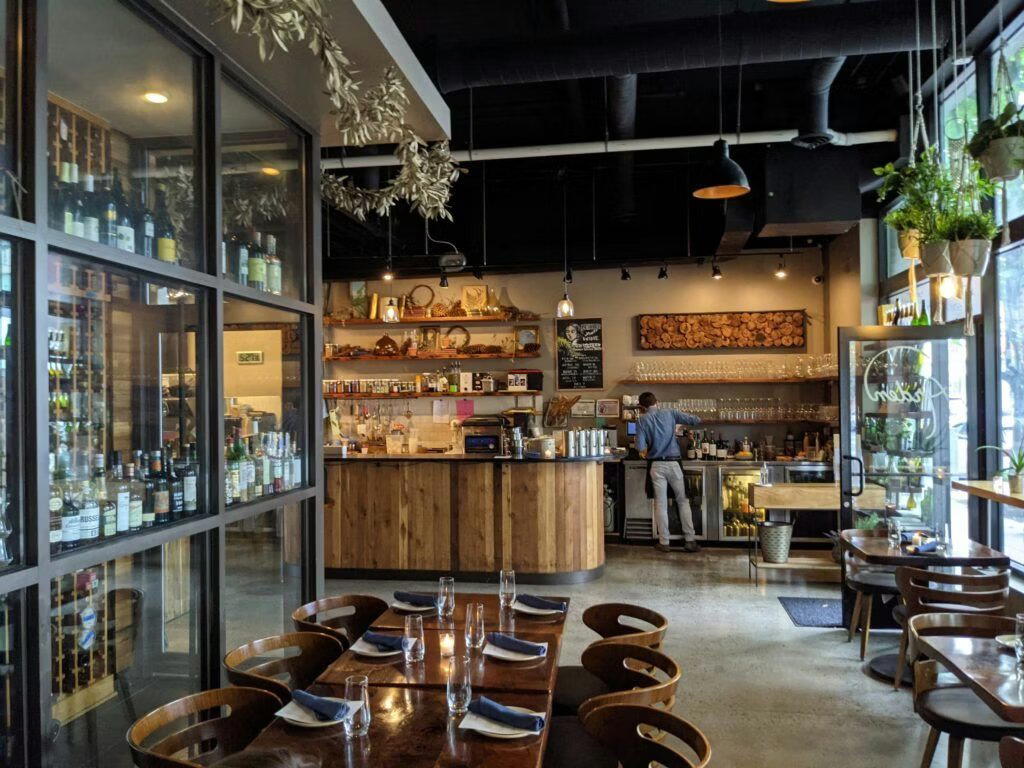
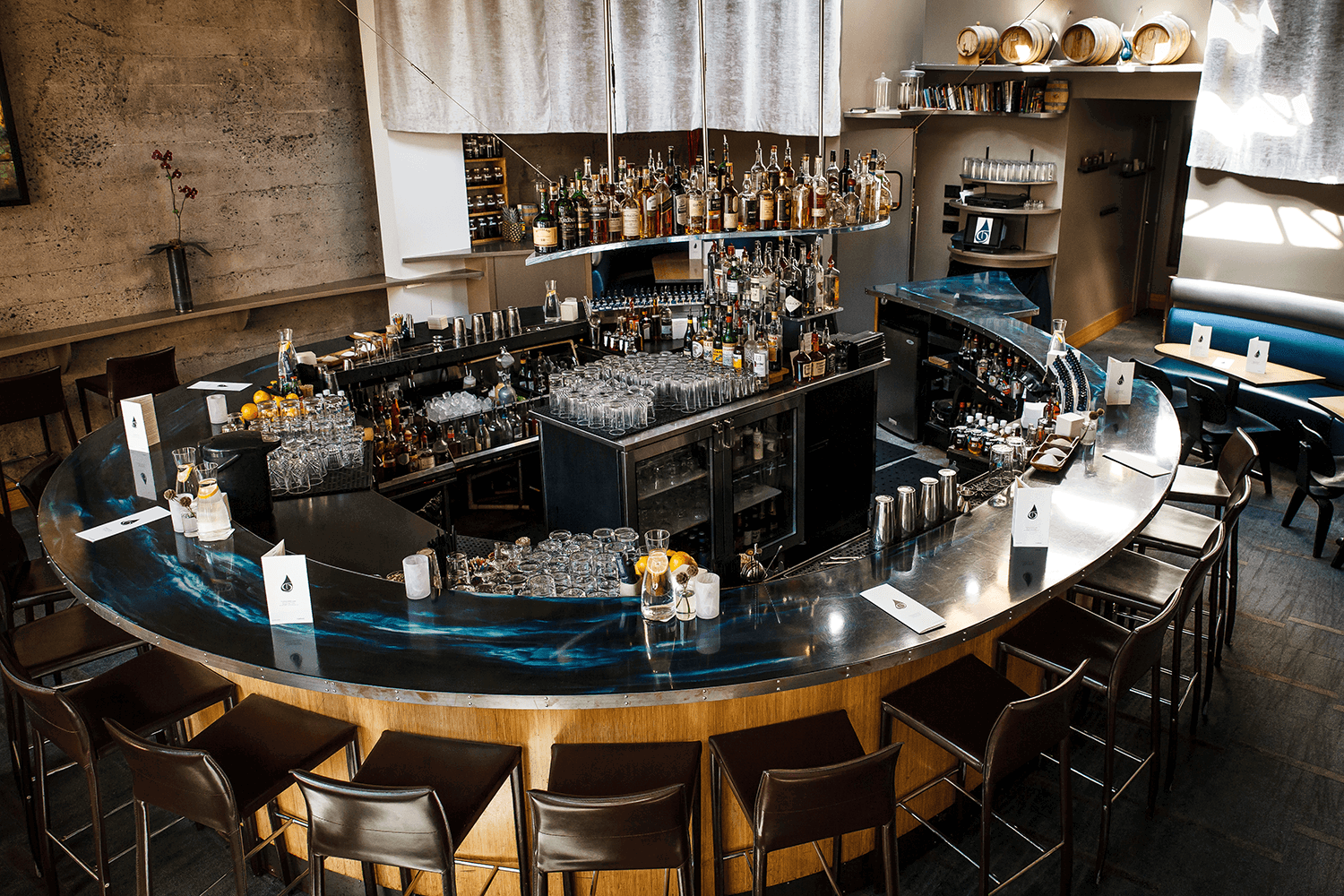
Hotels in Portland
Browse all →


At a Glance
- Cozy
- Classic
- Intimate
- Family
- Date Night
- Casual Hangout
- Extensive Wine List
- Street Scene
Current opening hours
- Monday
- 5–9 PM
- Tuesday
- 5–9 PM
- Wednesday
- 5–9 PM
- Thursday
- 5–9 PM
- Friday
- 5–10 PM
- Saturday
- 11:30 AM–2:30 PM, 5–10 PM
- Sunday
- 11:30 AM–2:30 PM, 4:30–9 PM
Hours can change for holidays and private events. Last verified .
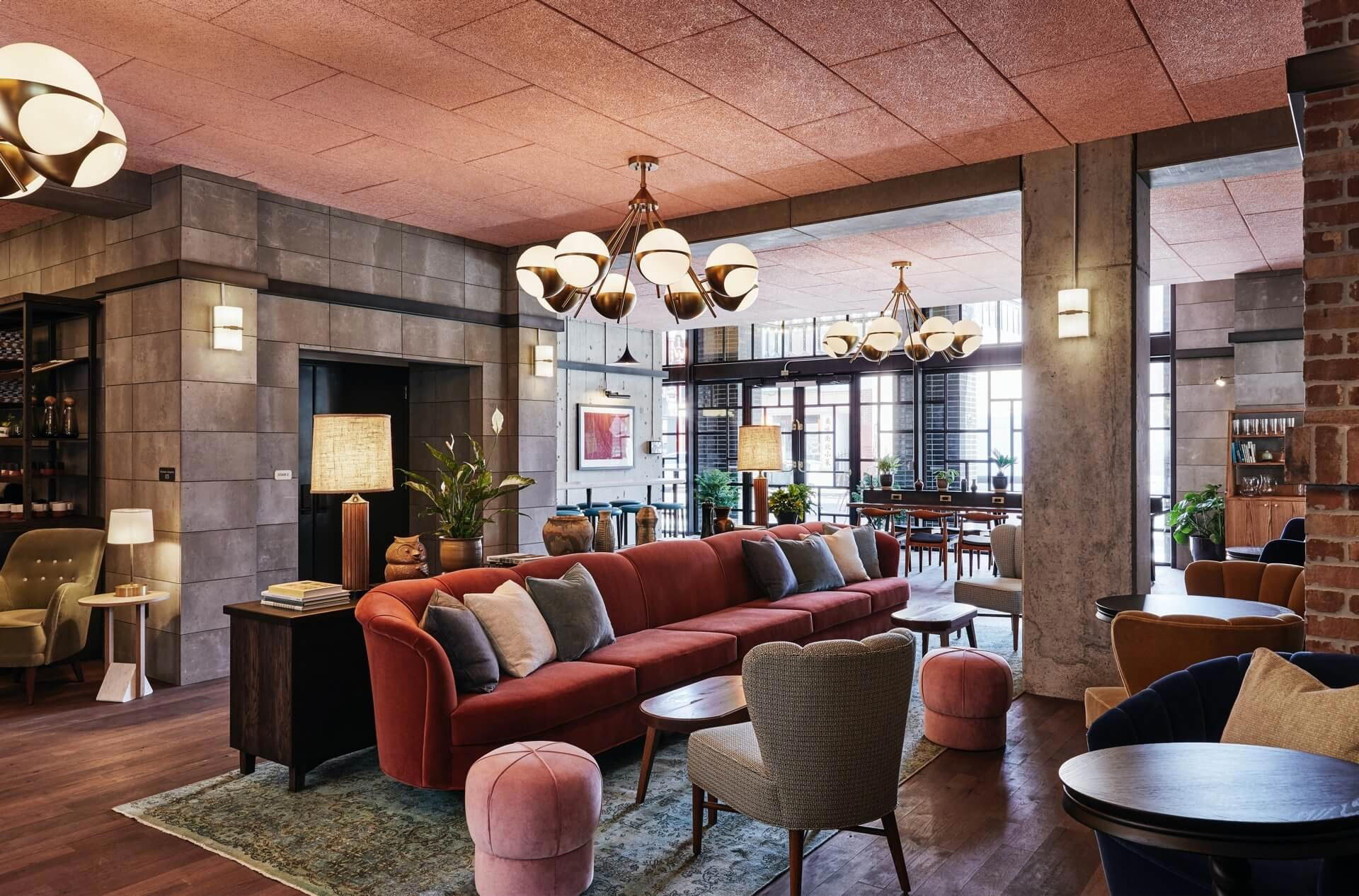
Warm and inviting with crisp red linens, aromas of fresh bread, and a welcoming family atmosphere.