Our verdict
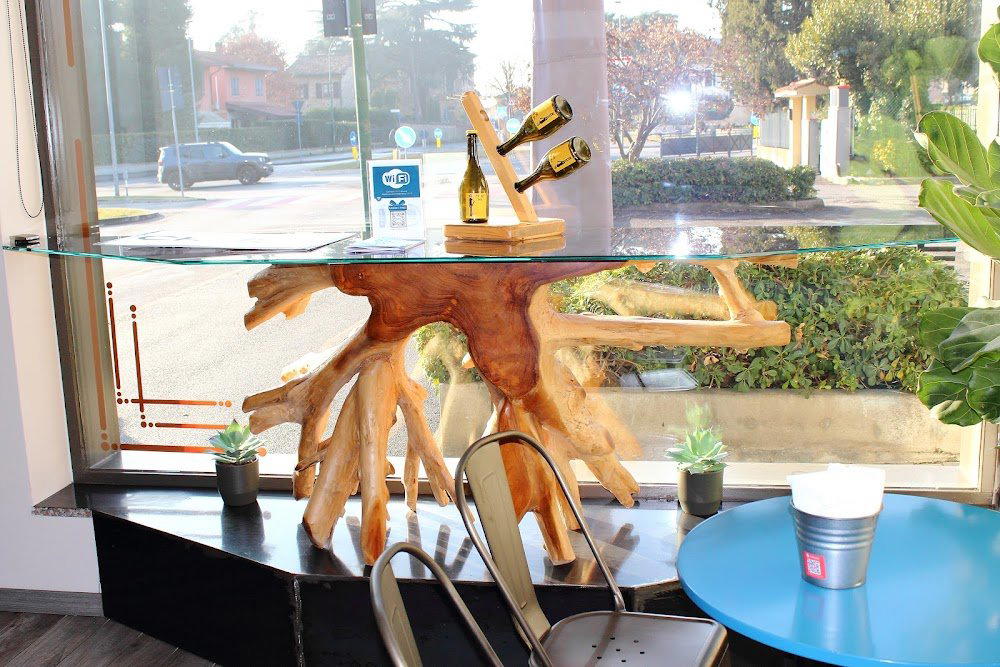
In Gussago, a small comune east of Brescia in Lombardy's Franciacorta zone, Piadineria Ferretti represents the kind of neighbourhood-rooted eating that rarely earns wider attention but holds a specific place in local food culture. The piadineria format, flatbread assembled to order, ingredients sourced regionally, is a northern Italian staple, and Ferretti works within that tradition on Via Acquafredda, drawing a local crowd rather than a destination-dining one.

Pearl is the En Primeur Club membership app, where members save venues, book tables and use the concierge.
Flatbread, Locality, and the Logic of the Piadineria
The piadineria sits at a specific and under-discussed point in the Italian food spectrum: neither trattoria nor fast food, it occupies a category that northern Italians understand intuitively but that rarely travels beyond the region's own frame of reference. The piadina itself, a thin, unleavened flatbread with roots in Emilia-Romagna, pressed on a flat iron called a testo, has migrated westward through Lombardy in a format that stays resolutely unglamorous. That lack of glamour is precisely why it works. Piadineria Ferretti, on Via Acquafredda in Gussago, a compact comune roughly ten kilometres east of Brescia, operates inside this tradition without apology or reinvention.
Gussago sits at the southern edge of the Franciacorta zone, the territory that produces Lombardy's most recognised sparkling wines and increasingly draws visitors who then look for somewhere to eat that isn't a white-tablecloth affair. The piadineria format answers that need: it is informal, fast by design, and priced for regulars rather than occasion dining. The gap between that register and the €€€€ bracket occupied by most of Italy's acclaimed destination restaurants, places like Dal Pescatore in Runate or Le Calandre in Rubano, is vast, and Piadineria Ferretti has no interest in closing it. It belongs to a different conversation entirely.
Where the Ingredients Come From and Why That Matters
The editorial angle that makes piadinerie worth examining is not the format itself but what fills them. Northern Italian flatbread culture has always been ingredient-forward by necessity: when the bread is simple, the quality of what goes inside it becomes the entire argument. In Lombardy and the Emilian border zone, that traditionally means local cured meats, squacquerone (a soft, fresh cheese from the Romagna tradition), salame bresciano, coppa, seasonal vegetables from the Po Valley agricultural belt, alongside the region's dairy, which includes some of Italy's most respected aged cheeses.
Gussago and its surroundings are positioned within reach of several of these supply lines. The Brescia province sits between the cheese-producing zones of the pre-Alps to the north and the agricultural plains to the south. That geography has historically made it a crossroads for product rather than a producer in its own right, meaning local establishments draw from a wide regional pantry rather than a single hyperlocal source. A piadineria operating in this context is, in effect, a curated edit of what the surrounding provinces offer, a format that privileges freshness and assembly over technique. The result depends almost entirely on what is sourced and from where, which is what makes the category more interesting than its stripped-back presentation might suggest.
This ingredient-led logic is what separates a well-run piadineria from a perfunctory one. It is also what places the format in a distinct tier from the technically intensive cooking that defines Lombardy's most-discussed restaurants, establishments like Dina in Gussago, which represents a progressive, contemporary register in the same town, or Enrico Bartolini in Milan, where ingredient sourcing feeds into an entirely different ambition.
Gussago's Place in the Broader Lombard Dining Map
Lombardy's restaurant culture operates across registers that rarely overlap. At one end, a cluster of high-investment destination restaurants competes for attention against northern Italy's broader elite tier, names like Osteria Francescana in Modena, Enoteca Pinchiorri in Florence, or internationally regarded rooms such as Le Bernardin in New York City and Atomix in New York City, that set a global benchmark for what fine dining can mean. At the other end, a dense network of neighbourhood formats serves daily eating: the trattoria, the osteria, the pizzeria, and, in this part of northern Italy, the piadineria.
Gussago itself is a quiet residential comune. It does not draw the Franciacorta wine tourism that passes through Erbusco or Paratico, and its food scene reflects that: practical, local-facing, not built for Instagram. Via Acquafredda is a residential street, and the address of Piadineria Ferretti signals that its audience is the neighbourhood, not the destination-dining circuit. That is neither a limitation nor a selling point in the promotional sense; it is simply the context in which the place operates, and understanding it helps calibrate expectations appropriately. For a broader view of what Gussago's eating options cover across registers, see our full Gussago restaurants guide.
The Format in Practice
Piadinerie typically operate on a tight model: a short, rotating menu built around available ingredients, counter or casual table service, and a price point that reflects the food's honest simplicity. The appeal is transactional in the leading sense, you know what you are getting, the quality of the ingredients determines the experience, and there is no performance layer between the food and the person eating it. For visitors already in the Franciacorta zone for wine tasting, this represents a rational lunch option: filling, regional, and priced in a way that leaves budget for the afternoon's bottles.
Northern Italy's appreciation for this kind of eating is not nostalgia; it is a live preference. The same food culture that has produced internationally discussed restaurants, Da Vittorio in Brusaporto, Villa Crespi in Orta San Giulio, Piazza Duomo in Alba, and Casa Perbellini 12 Apostoli in Verona, also sustains an enormous daily ecosystem of informal, neighbourhood-first eating. The piadineria is one of its more coherent expressions, because the format's constraints force clarity: good ingredients, well-assembled, served without fuss. That is what Piadineria Ferretti represents within Gussago's specific geography.
Those planning a visit to Franciacorta with an interest in coastal Italian cooking at the opposite register might also consult Uliassi in Senigallia, Quattro Passi in Marina del Cantone, or Reale in Castel di Sangro for contrast points in how the Italian restaurant spectrum organises itself beyond Lombardy. And for the Alpine end of that range, Atelier Moessmer Norbert Niederkofler in Brunico and La Pergola in Rome illustrate how refined Italian cooking reads when ingredient sourcing becomes a statement of philosophy rather than a daily operational decision.
Planning a Visit
Frequently asked questions
Would Piadineria Ferretti be comfortable with kids?
The piadineria format is among the most family-tolerant in Italian dining: counter or casual table service, short menus, and an informal price point remove most friction points for families. Gussago is a residential Brescia-province town rather than a high-traffic tourist destination, which tends to mean a local, neighbourhood-oriented crowd rather than a scene that would make children conspicuous. Nothing in the venue's profile suggests otherwise.
What's the vibe at Piadineria Ferretti?
This is a neighbourhood flatbread counter in Gussago, a small Lombard comune in Brescia province, not a destination restaurant with a reservations queue. The register is everyday and local: the kind of place that serves the street rather than a dining occasion. Arrive expecting the rhythm of a working piadineria, not the pace of a sit-down lunch.
Is a piadineria in Gussago meaningfully different from the Emilian original?
The Emilian piadina tradition is anchored to squacquerone, prosciutto di Parma, and the flatbread culture of Rimini and Forlì. A Lombard version in Gussago, Brescia province, pulls from a different larder: Alpine-adjacent dairy, local salumi traditions, and ingredients shaped by the western Po Valley rather than the Adriatic coast. The format is the same; the filling logic reflects a distinct regional identity.
What's the best thing to order at Piadineria Ferretti?
The piadina exists to carry northern Italian cured meats and local dairy, so the versions built around Lombard or Emilian-adjacent ingredients are where the format earns its keep. In Brescia province that typically means salumi with regional provenance and cheeses that reflect the Po Valley and Alpine foothills nearby. Follow what reflects the locality rather than the most familiar filling on the board.
How do I find Piadineria Ferretti?
Piadineria Ferretti is located at Via Acquafredda, 20, 25064 Gussago BS, Italy, Gussago.
A Quick Peer Check
Comparable venues nearby, for context on price, style, and recognition.
| Venue | Cuisine | Price | Awards | Notes |
|---|---|---|---|---|
| Piadineria FerrettiThis venue (the venue you are viewing) | Regional Lombard Piadine | $10–20 | Not listed | Not listed |
| Dina | Modern Italian Contemporary | $50–100 | Michelin Plate · La Liste Top Restaurants | Gussago |
| Gelateria 5 Terre | Artisanal Italian Gelato | Not listed | Not listed | Manarola |
| Twist Pizza 'n More | Neapolitan Pizza al Pala | $10–20 | Not listed | Trento |
| Monzù Vladì | Creative Regional Italian | Not listed | Not listed | Trastevere |
| Antico Forno Patrone | Traditional Genoese Focaccia & Artisanal Bakery | $1–10 | Not listed | Centro Storico |
Continue exploring
More in Gussago
Restaurants in Gussago
All restaurants in Gussago →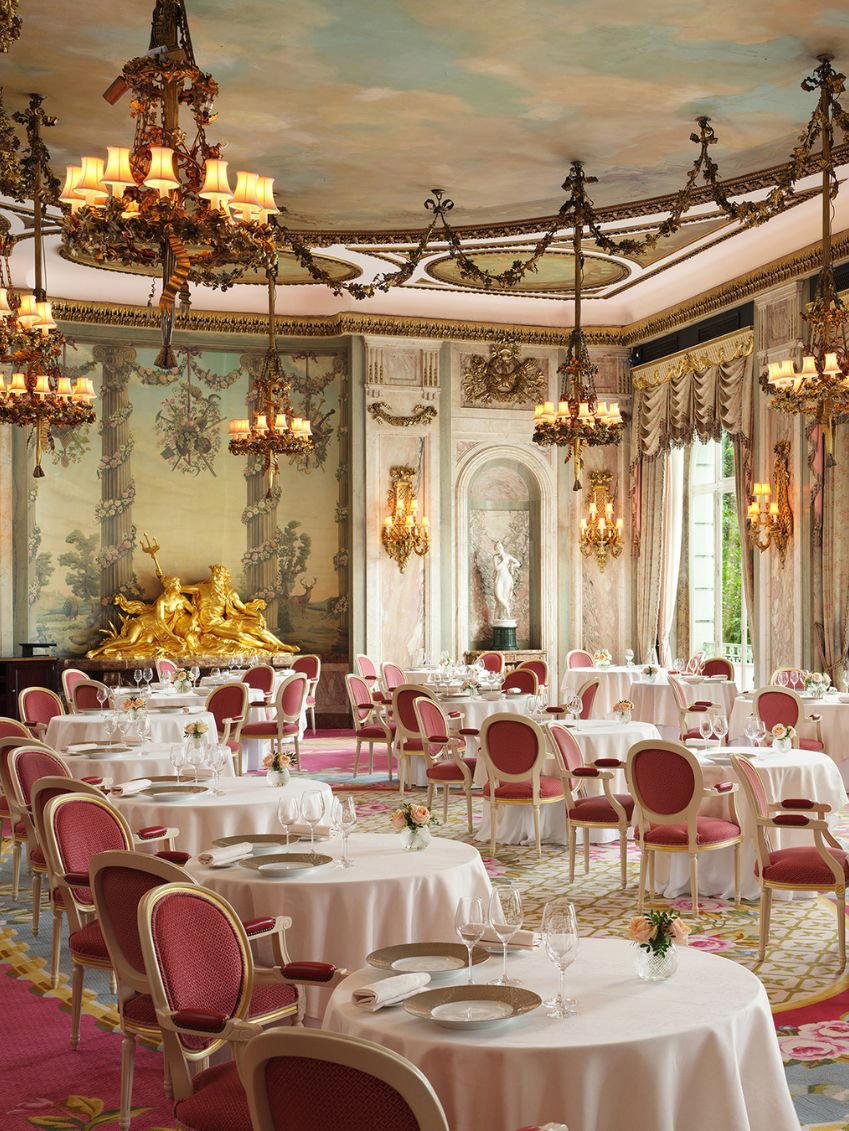
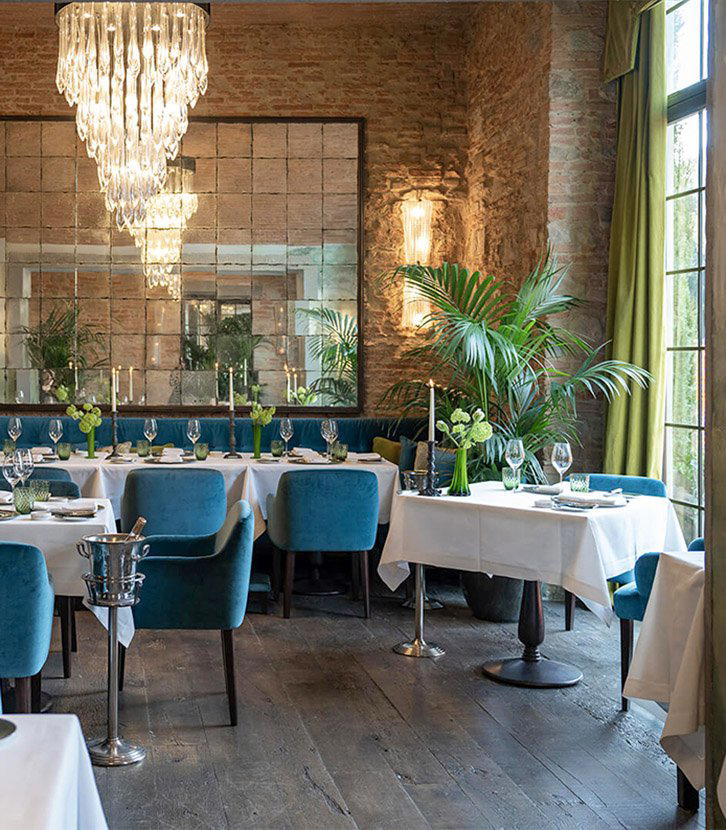
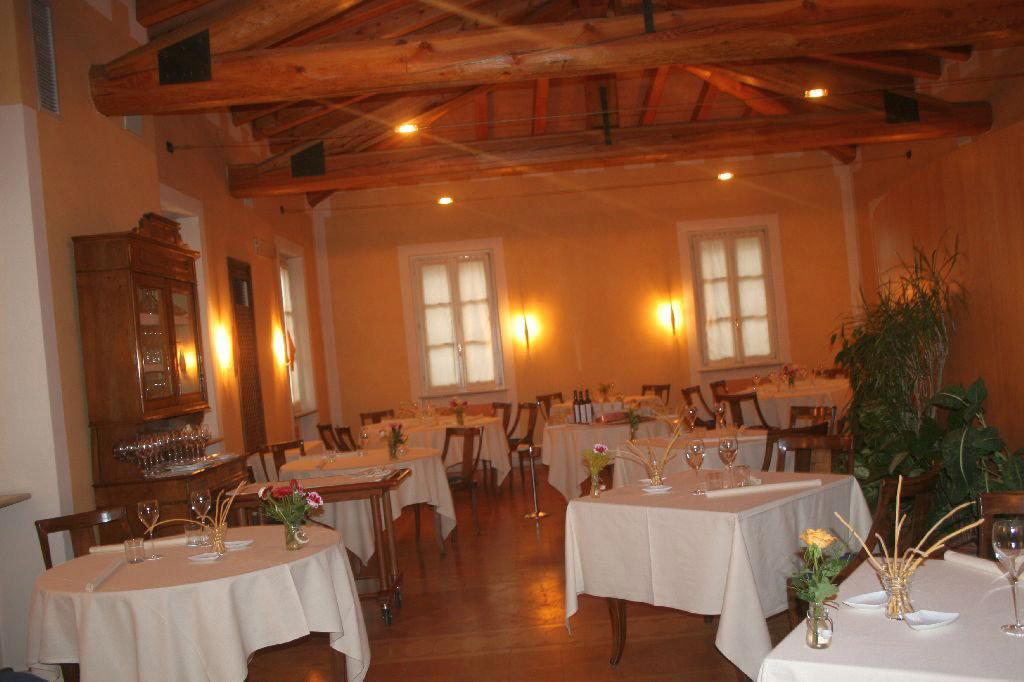
Bars in Gussago
Browse all →
Hotels in Gussago
Browse all →

Details
- Rustic
- Casual
- Casual Hangout
- Standalone
- Local Sourcing
- Counter Dining
- Gazzosa
Current opening hours
- Monday
- 11:30 AM–2:30 PM, 6:30–9:30 PM
- Tuesday
- 11:30 AM–2:30 PM, 6:30–9:30 PM
- Wednesday
- 11:30 AM–2:30 PM, 6:30–9:30 PM
- Thursday
- 11:30 AM–2:30 PM, 6:30–9:30 PM
- Friday
- 11:30 AM–2:30 PM, 6:30–10 PM
- Saturday
- 11:30 AM–2:30 PM, 6:30–10 PM
- Sunday
- Closed
Hours can change for holidays and private events. Hours as of .