
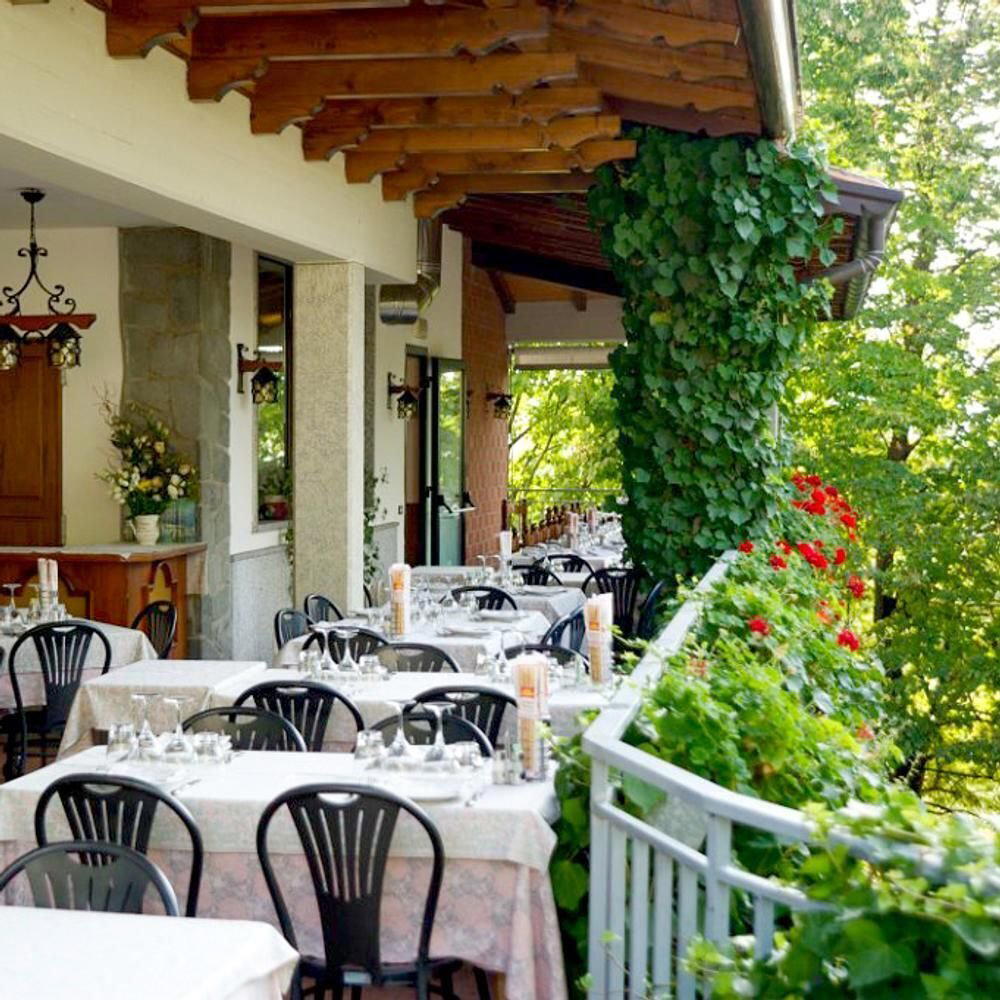
A Michelin Plate-recognised trattoria-with-rooms on Bobbio's Piazza San Francesco, Piacentino serves the core canon of Piacentine cooking at a €€ price point, with outdoor tables in warmer months and an airy dining hall year-round.316 reviews signals consistent execution rather than occasional brilliance. For travellers overnighting in the Val Trebbia, it covers both bed and board with direct reliability.
Pearl is the En Primeur Club membership app — saves, bookings, and concierge access live there. Same editors, same standards.
- Address
- Piazza S. Francesco, 19, 29022 Bobbio PC, Italy
- Phone
- +39 0523 936266
- Website
- hotelpiacentino.it
- Directions
- Get directions
 Saves & bookings on Pearl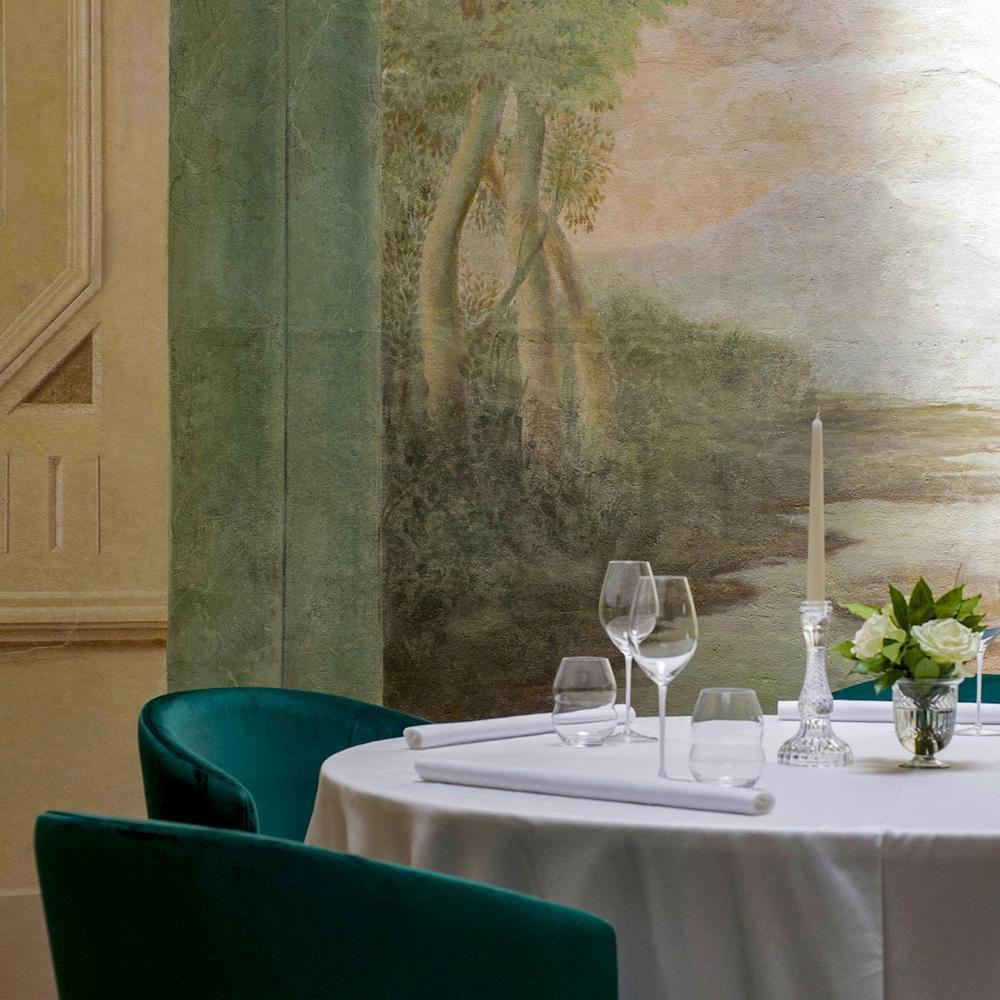
Piazza San Francesco and the Architecture of Slow Arrival
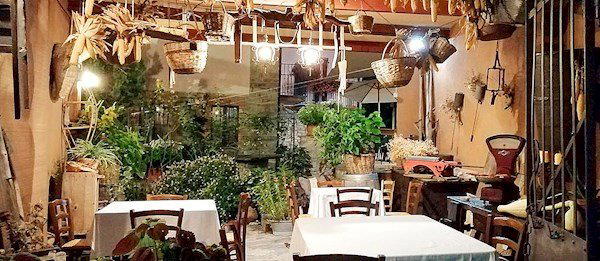
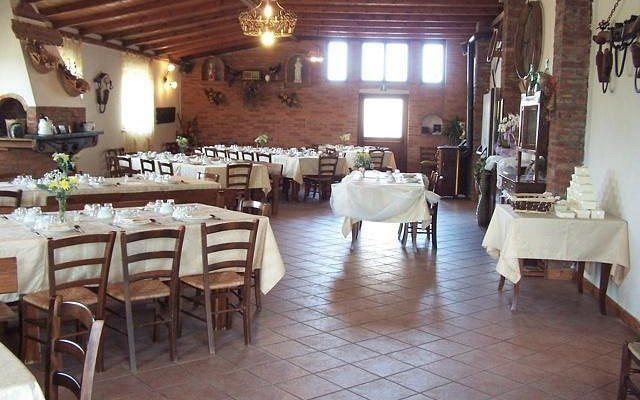
Bobbio operates on a different register to the Emilian cities further east. Where Parma and Modena project their food cultures outward, through exported products, starred restaurants, and internationally recognised producer networks, Bobbio absorbs its visitors into something quieter. The medieval square in front of the Basilica di San Colombano frames the town's civic life, and Piacentino's position on Piazza San Francesco places it within that same unhurried orbit. Arriving on foot from the old town, the square opens gradually, and the restaurant's outdoor tables, arranged for fair-weather service, read as an extension of the public space rather than a commercial intrusion into it. In colder months, service moves into an airy interior dining hall, preserving the sense of openness that defines the outdoor setting. The practical architecture of the stay here, a restaurant-with-rooms combining Piacentine cooking with accommodation across two distinct room styles (wrought iron beds with Arte Povera furniture in one register, more contemporary finishes in the other), reflects a format common to smaller Italian towns where the osteria-with-lodging never fully disappeared.
What Piacentine Cooking Actually Means
The cuisine of the province of Piacenza occupies a border position within Italian food geography that gives it a distinct character. Sitting at the western edge of Emilia-Romagna, where the Po Valley meets the Apennine foothills and the cultural influence of Lombardy begins to press in from the north, Piacentine cooking draws on a richer, more butter-forward tradition than the Bolognese canon most visitors associate with the region. The province's three signature stuffed pastas, anolini in brodo, pisarei e fasò (small gnocchi with beans and lard), and tortelli con la coda, each occupy specific ceremonial and domestic roles in local food culture. Charcuterie carries protected status: coppa piacentina DOP, pancetta piacentina DOP, and salame piacentino DOP together form a trinity of cured meats that distinguish the province from its neighbours and anchor virtually every antipasto in the area. Piacentino's positioning as a restaurant serving Piacentine dishes is, in this context, a precise commitment to a specific and bounded culinary identity rather than a general claim about Italian food. For comparison, Emilian restaurants at the other end of the prestige spectrum, places like Osteria Francescana in Modena or the Rubiera-based Arnaldo - Clinica Gastronomica, work with the same regional foundations but apply different levels of technical intervention and charge accordingly. Piacentino's price point sits at the other end of that spectrum, in the territory where the cooking's value lies in fidelity to tradition rather than reinterpretation of it.
Michelin Recognition at the Plate Level
Italy's Michelin Plate designation, awarded to Piacentino in both 2024 and 2025, functions as a quality floor rather than a ceiling. It signals that inspectors found cooking worth acknowledging, that quality ingredients were present, and that preparation met a consistent standard, without the additional layers of technique, creativity, or theatrical presentation that the star system rewards. In a town the size of Bobbio, Plate recognition carries meaningful weight: it places Piacentino inside the national inspection network and confirms that the restaurant is not merely a convenience option for overnight guests. That distinction matters when the broader reference frame for Italian fine dining involves properties like Dal Pescatore in Runate, Enoteca Pinchiorri in Florence, or Enrico Bartolini in Milan, all operating at the €€€€ tier with starred credentials. Piacentino is not competing in that bracket, nor does its format suggest it is trying to. The sustained Plate recognition across consecutive years implies consistency of execution, which at a trattoria level is the more difficult achievement.3 drawn from 1,365 reviews supports the same conclusion: the score reflects broad satisfaction across a large sample, the kind of signal that indicates reliable delivery rather than divisive ambition.
The Val Trebbia as Context
Bobbio sits in the Val Trebbia, a valley that Hemingway reportedly described as among the more beautiful in the world, though the town's appeal to contemporary visitors rests less on that association and more on its tangible assets: the Ponte Gobbo's irregular medieval arches spanning the Trebbia river, the abbey of San Colombano, and an old town that remains largely unmediated by tourist infrastructure. The dining scene in Bobbio reflects the town's character. This is not a destination where restaurants compete aggressively on concept or press coverage. The relevant comparison within Bobbio itself is Enoteca San Nicola, which approaches the local food tradition from a more cellar-focused angle. Between them, the two restaurants represent the range available to visitors in a town this size. For those wanting to understand what the broader Emilian region produces at different price points and ambition levels, the full Bobbio restaurants guide maps the local options in detail, while Italian cooking at the opposite end of the creative spectrum can be found at Le Calandre in Rubano, Piazza Duomo in Alba, or Reale in Castel di Sangro.
Planning Your Stay
Piacentino operates as both restaurant and pension, meaning visitors can consolidate accommodation and dinner in a single booking. The address on Piazza San Francesco, 19, places it at the heart of Bobbio's old town, walkable from the major sites. The €€ price point makes it accessible for multiple meals during a longer stay. Outdoor dining is available when weather permits, and the interior dining hall functions as a consistent alternative. The Bobbio hotels guide covers alternative accommodation options for those who prefer to separate lodging and dining, while the bars guide, wineries guide, and experiences guide cover the rest of what the town and valley offer. For context on Emilian trattoria cooking in a different register, Osteria del Viandante in Rubiera provides a useful point of comparison. If the itinerary extends further, Quattro Passi in Marina del Cantone, Uliassi in Senigallia, and Atelier Moessmer Norbert Niederkofler in Brunico represent how Italian regional cooking plays out at the highest technical levels, each anchored in a specific territory with the same provincial logic that Piacentino applies at a much quieter pitch.
Price and Positioning
Comparable venues nearby, for context on price, style, and recognition.
| Venue | Cuisine | Price | Awards | Notes |
|---|---|---|---|---|
| PiacentinoThis venue — the venue you are viewing | Bobbio, Traditional Emilian Piacentine | $$ | Michelin Plate | Not listed |
| Enoteca San Nicola | Not listed | $$$ | Bib Gourmand | Historic heart of Bobbio, Modern Italian Trattoria |
| Le Cicale | Not listed | $$ | Michelin Plate | Spinetta Marengo, Traditional Italian with Regional Specialties |
| La Cantina di Manuela | Not listed | $$ | Michelin Plate | Buenos Aires - Porta Venezia - Porta Monforte, Italian Wine Bar |
| Toe Drûe | Sestri Ponente, Modern Ligurian | $$ | Michelin Plate | Not listed |
| Faletta 1881 | Not listed | $$ | Michelin Plate | Monferrato hills, Modern Italian Regional |
Recognition history
Dated appearances from independent guides and award organizations, with the underlying list record or original source where available.
Michelin Plate
Michelin
Michelin Plate
Michelin
Michelin Plate
Michelin
Continue exploring
More in Bobbio
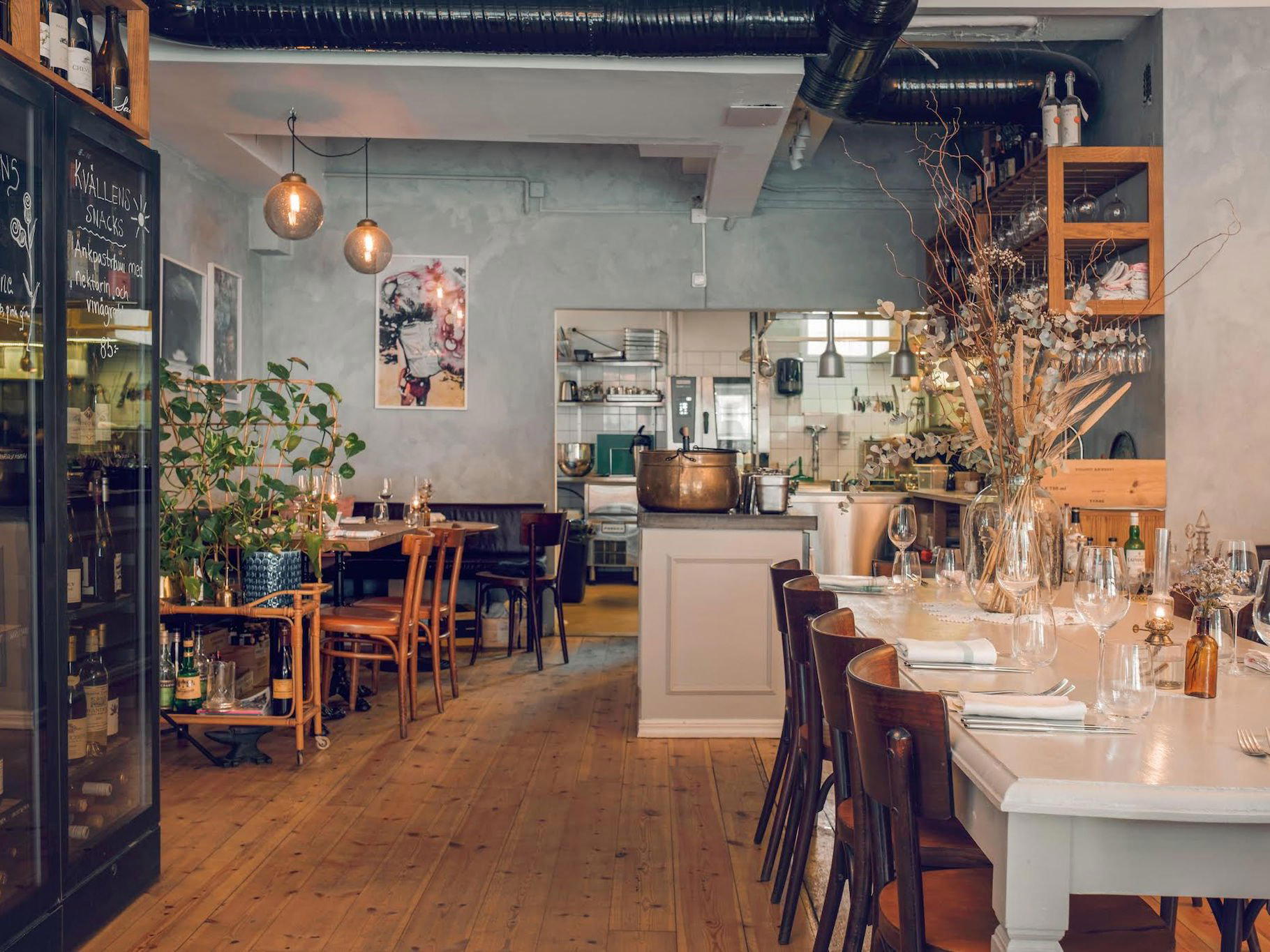
Restaurants in Bobbio
Browse all →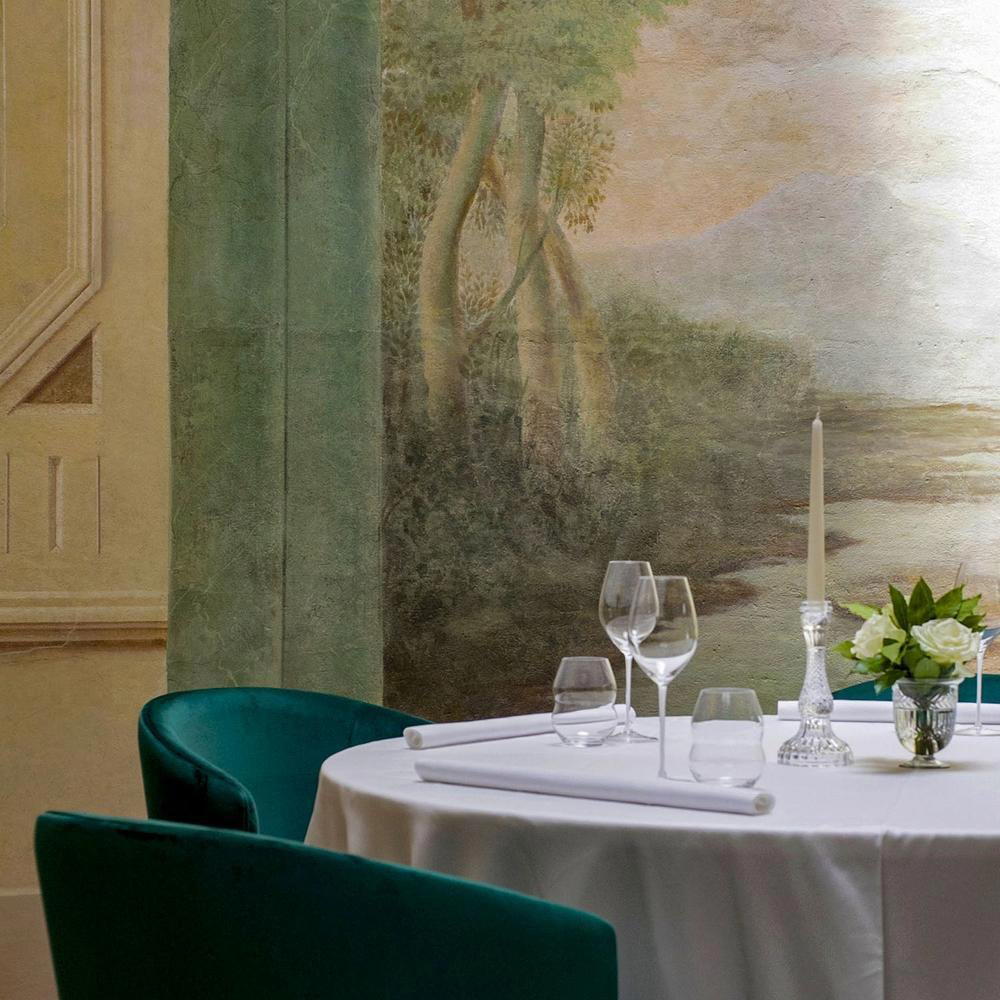
Bars in Bobbio
Browse all →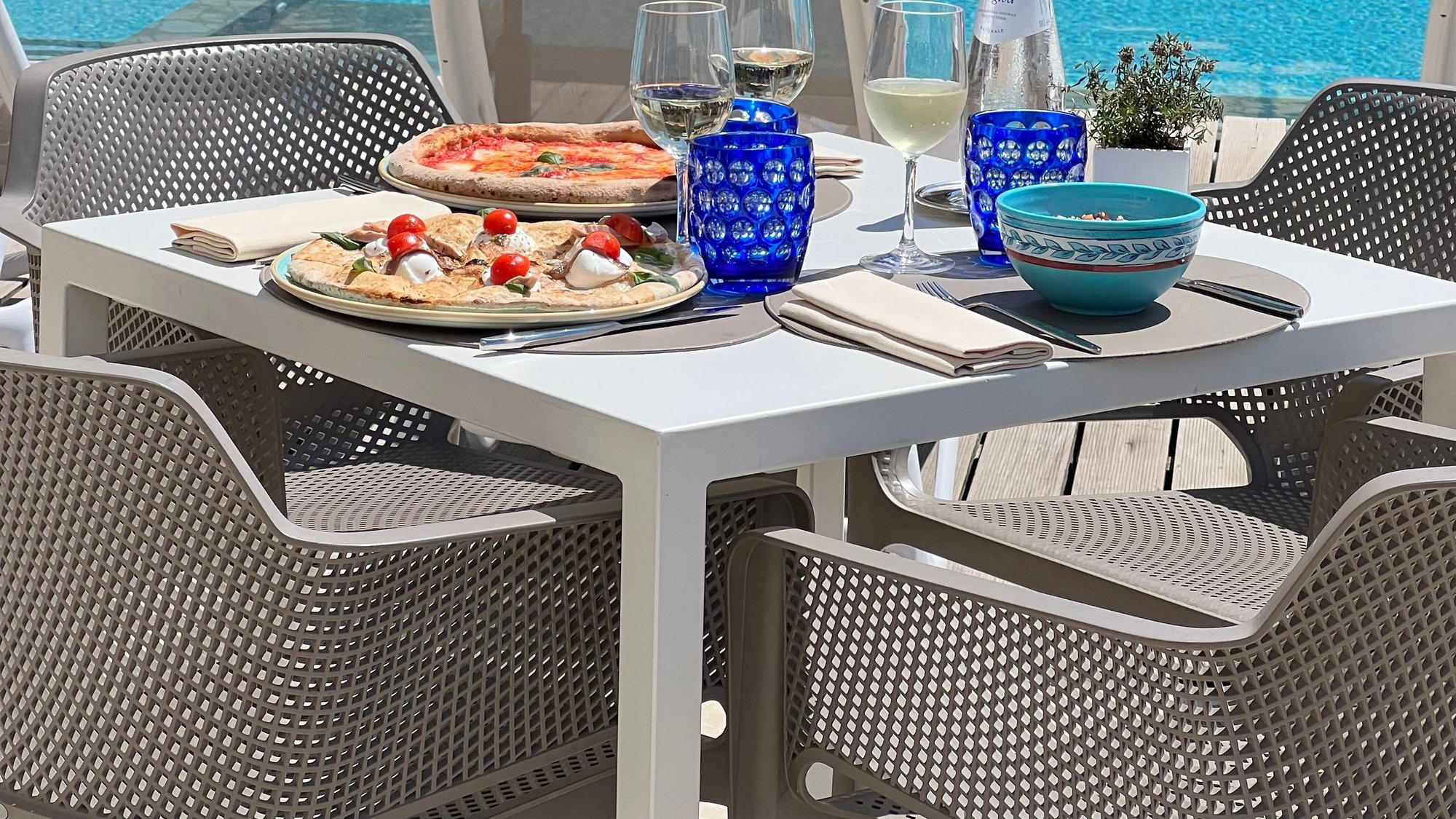
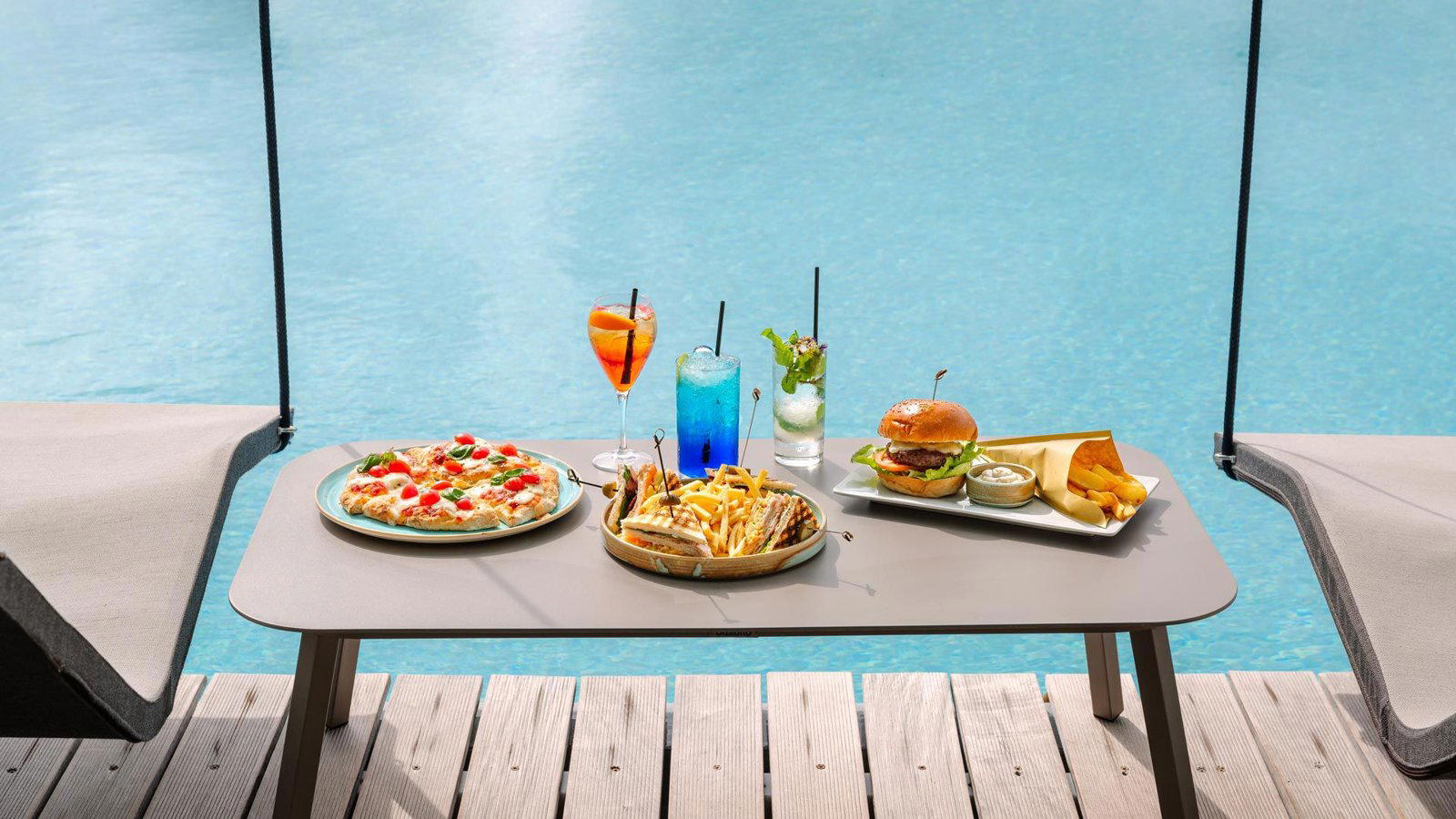
Hotels in Bobbio
Browse all →
Wineries in Bobbio
Browse all →
At a Glance
- Cozy
- Rustic
- Classic
- Family
- Group Dining
- Special Occasion
- Garden
- Extensive Wine List
- Local Sourcing
- Garden
Current opening hours
- Monday
- Closed
- Tuesday
- 8 AM–10 PM
- Wednesday
- 8 AM–10 PM
- Thursday
- 8 AM–10 PM
- Friday
- 8 AM–10 PM
- Saturday
- 8 AM–11 PM
- Sunday
- 8 AM–3:30 PM
Hours can change for holidays and private events. Last verified .
Cozy and welcoming atmosphere with garden dining under wisteria in summer and airy indoor hall; traditional decor praised for its warmth and hospitality.