Phở Lệ (District 5)

Michelin Bib Gourmand
Our verdict
One of Ho Chi Minh City's most enduring phở addresses, Phở Lệ on Nguyễn Trãi has been serving southern-style beef noodle soup from the same District 5 address for over 70 years.

Pearl is the En Primeur Club membership app — saves, bookings, and concierge access live there. Same editors, same standards.
- Address
- 413 - 415 Nguyễn Trãi, Phường 7, Quận 5, Thành phố Hồ Chí Minh, Vietnam
- Phone
- +84 28 3923 4008
- Hours
- Daily 6 AM–12 AM
- Website
- phole.vn
- Directions
- Get directions
District 5 and the Southern Phở Tradition
Approach Nguyễn Trãi Street in District 5 on any given morning and the scene reads immediately: plastic stools arranged at close quarters, steam rising from large pots at the back, and a line forming before most of the city has finished its first coffee. This is Cholon, Ho Chi Minh City's historic Chinese-Vietnamese quarter, and it has long operated on a different tempo from the tourist-facing streets of District 1. The neighbourhood's food culture is older, denser, and considerably less interested in presentation for its own sake. What survives here survives on repetition, loyalty, and consistency.
Phở Lệ sits inside that logic. At 413–415 Nguyễn Trãi, the address has been serving southern-style beef noodle soup for over 70 years, making it one of the longer-running phở operations in a city that takes the dish seriously at every price point. The 2025 Michelin Bib Gourmand — awarded to venues offering quality cooking at accessible prices — confirms what the neighbourhood has known for decades: this is a place where the fundamentals are executed with discipline, not reinvented.
Southern Phở vs. the Northern Original
The north-south divide in Vietnamese phở is not a minor distinction. Hanoi-style phở tends toward cleaner, leaner broths with minimal garnish, where the quality of the stock is meant to speak without interference. Southern phở, the style that defines Ho Chi Minh City, takes a different position: the broth is fuller-bodied, often sweeter from the addition of vegetables and aromatics, and served alongside a plate of fresh herbs, bean sprouts, and sliced chillies that diners use to build the bowl to their own specification. The approach reflects the south's broader culinary tolerance for layering and contrast.
Phở Lệ represents the southern method in its established form. The broth carries that characteristic meaty depth with a perceptible sweetness, and the format at the table gives diners direct control over the final balance. For visitors more familiar with the stripped-back northern style, the difference is noticeable from the first spoonful. For context on how other interpretations of the form operate across the city, Phở Bò Phú Gia (District 3) and Phở Hoàng (Nguyen Tri Phuong Street) offer useful comparison points within the same price tier.
Cholon as Culinary Context
District 5's position in Ho Chi Minh City's dining map is often underappreciated by visitors who orient their eating around the more visible clusters of Districts 1 and 3. Cholon has historically functioned as a hub of Chinese-Vietnamese food culture, where Cantonese, Teochew, and Vietnamese culinary traditions overlap in ways that have shaped what the broader city eats. Street-level noodle and rice operations in this area tend to draw local clientele almost exclusively, which creates a self-correcting quality standard: there is little margin for inconsistency when your customers are returning daily rather than passing through once.
At that volume, the rating reflects sustained satisfaction from a repeat-visit customer base, not the enthusiasm spike common to newer or more destination-oriented venues. The crowd described in Michelin's own Bib Gourmand citation, locals getting their noodle fix, the space neat and consistently full, is consistent with how long-standing neighbourhood institutions in this part of the city operate.
The Price Tier and What It Signals
Phở Lệ sits at the lowest price tier on the Ho Chi Minh City spectrum, marked at a single ₫. That positioning is significant not as a comment on quality but as a marker of category: this is phở functioning as daily sustenance, priced accordingly, consumed quickly at close-set tables. It occupies a different space than mid-range Vietnamese restaurants like Hồng Phát (District 3) or street-food-forward operations like Phở Chào, and is not in competition with innovative tasting-menu formats like CieL (₫₫₫₫) or the mid-tier Vietnamese kitchens operating further into the centre.
The Bib Gourmand is specifically Michelin's mechanism for recognising this kind of venue: accessible price, serious craft, no concession to atmosphere or occasion dining. The distinction matters because it places Phở Lệ in a different peer conversation from the city's Michelin-starred or fine-dining cohort. For other Michelin-recognised noodle operations across Asia, A Niang Mian Guan in Shanghai, [A Kun Mian in Taichung](), and [A Bing Bao Shan Mian in Hangzhou]() show how the Bib Gourmand category applies across noodle traditions in the region.
Positioning Within the City's Broader Noodle Scene
Ho Chi Minh City's noodle options extend well beyond phở. Bún Bò Huế Cô Như represents the spicier, lemongrass-forward Hue style, while Bà Diệu (Tran Tong Street) in Da Nang shows how the central Vietnamese tradition differs structurally from both northern and southern phở. For visitors building a systematic picture of Vietnamese noodle cooking across cities and styles, these comparisons are instructive. Within the specific discipline of beef pho in Ho Chi Minh City, the 70-year operating history at a single address places Phở Lệ in a small group of establishments whose recipes predate the city's current restaurant boom entirely. Noodle houses that have operated without interruption across that timeframe in this neighbourhood are not common. The consistency implied by that longevity, and confirmed by the Michelin citation, is the substantive claim here, not nostalgia for its own sake.
For visitors with broader Vietnam itineraries, the country's fine dining tier looks quite different: Hibana by Koki in Hanoi and La Maison 1888 in Da Nang occupy the opposite end of the formality and price spectrum, and together with Phở Lệ illustrate the full range that Vietnam's dining scene now covers.
Explore the full picture with our guides to [Ho Chi Minh City restaurants](), [hotels](), [bars](), experiences, and [wineries]().
Know Before You Go
| Address | 413–415 Nguyễn Trãi, Phường 7, Quận 5, Ho Chi Minh City |
|---|---|
| Price range | ₫ (accessible, daily-dining tier) |
| Awards | Michelin Bib Gourmand 2025 |
| Ideal time to visit | Morning hours, when phở is traditionally consumed and the broth is at its freshest draw |
| Getting there | District 5, Cholon area; accessible by taxi or ride-hail from District 1 in under 15 minutes depending on traffic |
| Booking | Walk-in only; expect to queue or share tables during peak morning service |
Frequently asked questions
What part of town is Phở Lệ (District 5) in?
Phở Lệ (District 5) is located at 413 - 415 Nguyễn Trãi, Phường 7, Quận 5, Thành phố Hồ Chí Minh, Vietnam, Ho Chi Minh City.
Is Phở Lệ (District 5) award-winning?
Phở Lệ (District 5) has received recognition including: Michelin Bib Gourmand (2025); Vietnam’s national noodle soup dish has taken the culinary world by storm, and Phở Lệ, one of the leading restaurants in town, insists on making it exactly the same way they have been doing for over 70 years. C….
What's the signature dish at Phở Lệ (District 5)?
Southern Vietnamese beef phở is the only thing to order here. The broth follows a method unchanged across more than 70 years of operation: slow-cooked for depth, with a faint sweetness drawn from vegetables and aromatics that distinguishes it from the leaner, cleaner Hanoi style. The 2025 Michelin Bib Gourmand cites this consistency explicitly. At the single ₫ price tier, it represents the most affordable end of Michelin-recognised eating in Ho Chi Minh City.
Fast Comparison
| Venue | Cuisine | Price | Awards | Notes |
|---|---|---|---|---|
| Phở Lệ (District 5)This venue — the venue you are viewing | Authentic Southern Vietnamese Phở | $1–10 | Michelin Bib Gourmand | Not listed |
| Anan Saigon | Modern Vietnamese Street Food Fine Dining | $50–100 | 1 Michelin Star · World's 50 Best #86 | Vietnamese Street Food, ₫₫ |
| CieL | Modern Vietnamese Fusion Fine Dining | $100–150 | 1 Michelin Star · The Best Chef One Knife | Innovative, ₫₫₫₫ |
| Coco Dining | Progressive Vietnamese Fine Dining | $150–200 | 1 Michelin Star | Innovative, ₫₫₫ |
| Long Trieu | Michelin-Starred Cantonese | $50–100 | 1 Michelin Star · La Liste Top Restaurants | Cantonese, ₫₫₫₫ |
| Bánh Xèo 46A | Traditional Vietnamese Bánh Xèo | $10–20 | Michelin Bib Gourmand | Vietnamese, ₫ |
Recognition history
Dated appearances from independent guides and award organizations, with the underlying list record or original source where available.
Michelin Bib Gourmand
Michelin
Full recognition history (2 entries)
Michelin Bib Gourmand
Michelin
Continue exploring
More in Ho Chi Minh City
Restaurants in Ho Chi Minh City
Browse all →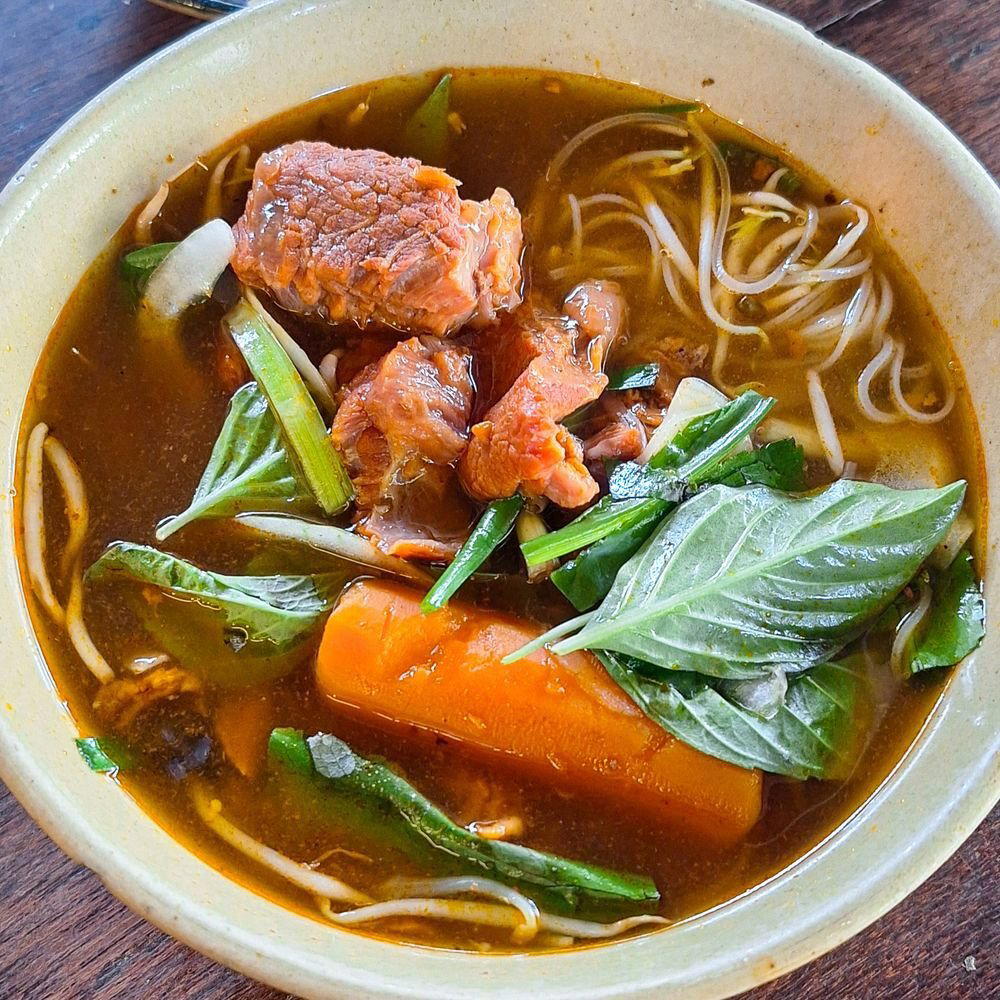
Bars in Ho Chi Minh City
Browse all →
Details
- Well Known
- Lively
- Rustic
- Solo
- Casual Hangout
- Late Night
- Standalone
- Local Sourcing
- A La Carte
- Counter Dining
Current opening hours
- Monday
- 6 AM–12 AM
- Tuesday
- 6 AM–12 AM
- Wednesday
- 6 AM–12 AM
- Thursday
- 6 AM–12 AM
- Friday
- 6 AM–12 AM
- Saturday
- 6 AM–12 AM
- Sunday
- 6 AM–12 AM
Hours can change for holidays and private events. Last verified .