Philip

At the foot of the famous Fontaine de Vaucluse, where the Sorgue river rises from one of Europe's most powerful resurgent springs, Restaurant Philip has been feeding visitors and locals since 1926. Now run by a father-daughter team, the kitchen holds a Michelin Plate (2024) for traditional Provençal cooking served in a setting where the natural drama of the site does as much work as anything on the plate. Booking is essential in season.
Pearl is the En Primeur Club membership app — saves, bookings, and concierge access live there. Same editors, same standards.
- Address
- Restaurant Philip, 84800 Fontaine-de-Vaucluse, France
- Phone
- +33 9 75 59 28 63
- Directions
- Get directions
 Saves & bookings on Pearl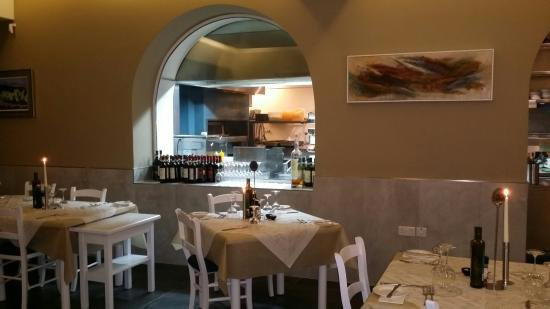
Where the River Begins
The approach to Fontaine-de-Vaucluse prepares you for something theatrical. The village sits at the end of a narrow valley, the cliffs pressing closer as you walk the final stretch of path toward the spring itself, the Sorgue pushing green and cold out of the rock. Restaurant Philip occupies a position at that terminal point, close enough to the source that the sound of the water is present throughout a meal. This is not coincidental positioning. The restaurant has been in this spot since 1926, long before the village became one of the Vaucluse's most visited destinations, and the location has always been part of the offer. Philip is a traditional French Provençal restaurant in Fontaine-de-Vaucluse, with a price point around $45 per person.
In the Provence region, a handful of restaurant families have managed multigenerational continuity without sliding into heritage-as-excuse. Philip sits in that category. The current operation is run by a father and daughter, the fourth generation in a line that stretches back nearly a century. At its price point, the kitchen is not competing with the tasting-menu architecture of [Mirazur in Menton](Mirazur in Menton) or the haute-craft approach of [Flocons de Sel in Megève](Flocons de Sel in Megève). It is doing something categorically different: anchoring a specific place through cooking that draws on what this part of Provence has historically produced.
Traditional Cooking in a Provençal Context
The Michelin Plate, awarded in 2024, is not a star but it is a meaningful signal. It confirms that Philip is operating above the tourist-trap threshold that catches many restaurants in high-footfall scenic locations. For comparison, France's most decorated kitchens, from [Alléno Paris au Pavillon Ledoyen](Alléno Paris au Pavillon Ledoyen) to [Troisgros - Le Bois sans Feuilles in Ouches](Troisgros in Ouches), are working at an entirely different price tier and format. Philip's recognition is calibrated to what it is: a family-run, traditional-cuisine restaurant where the cooking plays to regional character rather than international-competition ambition.
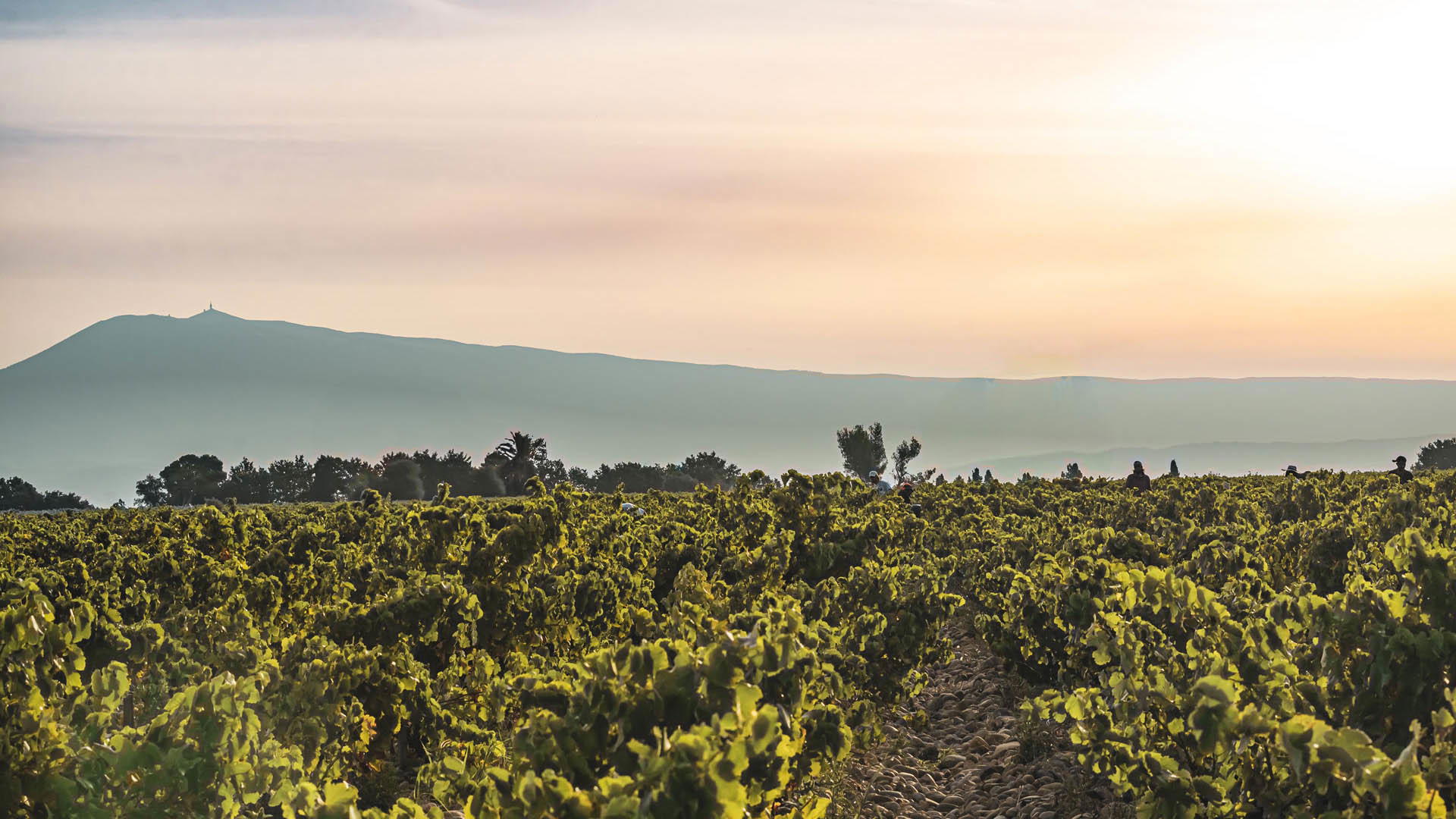
Traditional cuisine in southern France carries a specific logic around ingredients. The Vaucluse sits in among the more productive agricultural zones in the country. Melons from Cavaillon, cherries from the Luberon, truffles from Apt, lavender honey, goat cheese from across the plateau, tomatoes that spend a long, dry summer concentrating under the Provençal sun. A kitchen committed to the traditional card in this region is, at its core, making an argument about terroir, not in the winemaking sense specifically, but in the broader French sense that place produces flavour and that cooking should be a transparent expression of it. Philip's position at the source of the Sorgue reinforces this reading. The river itself, fed by one of Europe's most significant resurgent springs, has historically defined the ecology of the valley: the clarity of the water, the specific plant and fish life it supports, the microclimate the valley retains. A restaurant that has been here since 1926 and describes itself as playing the traditional card is, whether explicitly or not, working within that longer story of place.
For context on how this approach differs from the more research-led regionalism of kitchens like [Bras in Laguiole](Bras in Laguiole) or [Auberge du Vieux Puits in Fontjoncouse](Auberge du Vieux Puits in Fontjoncouse), Philip is not reinterpreting tradition through a conceptual frame. It is executing it, which at its leading means food that tastes like the place it comes from without the mediation of a modernist vocabulary. That is a harder brief than it looks, particularly at a price point that limits margin for sourcing and labour.
The Setting as Part of the Meal
few restaurants in France have a natural feature of this scale on their doorstep. The Fontaine de Vaucluse is among Europe's largest springs by discharge volume, and in high season, when snowmelt and rainfall push the Sorgue to its full force, the roar of the water is audible from the restaurant terrace. The bucolic quality the Michelin notes describe is not a styling choice. It is a given of the geography, and Philip has been positioned to make use of it for most of a century. Dining here, the physical context of the meal is the valley itself, not a designed interior. Other well-established French family restaurants with comparable longevity, such as [Auberge de l'Ill in Illhaeusern](Auberge de l'Ill in Illhaeusern) on the banks of the Ill river in Alsace, have similarly built their identity around proximity to water, though at a different tier of ambition and price.
Planning a Visit
Fontaine-de-Vaucluse draws significant visitor numbers between spring and early autumn, when the valley is at its most photogenic and the spring at its most dramatic. Booking at Philip is described as obligatory in season, a standard requirement for any serious village restaurant operating in a high-footfall Provençal location. Outside peak months, the village quietens considerably, and the experience of the site shifts accordingly. The restaurant sits at a €€ price point, placing it firmly in accessible mid-range territory for the region. Service is described as smiling and efficient, which in this context signals a kitchen operating without affectation: food arrives, it is explained when necessary, and the focus is on the experience of eating in this particular spot rather than on hospitality theatre.
Fontaine-de-Vaucluse is most easily reached by car from the Avignon area, roughly thirty minutes east, or from the Luberon villages. Those planning a wider stay in the region will find the full picture in our full Fontaine-de-Vaucluse restaurants guide, alongside guides to hotels, bars, wineries, and experiences in the area. For those tracking France's broader traditional-cuisine category, comparable family-rooted operations include Auberge Grand'Maison in Mûr-de-Bretagne and, further south across the border, Auga in Gijón.
Quick Comparison
Comparable venues nearby, for context on price, style, and recognition.
| Venue | Cuisine | Price | Awards | Notes |
|---|---|---|---|---|
| PhilipThis venue — the venue you are viewing | Traditional French Provençal | $$$ | Michelin Plate | Not listed |
| Domitia - Maison de Cuisinier | Modern French Bistro | $$$ | Michelin Plate | Beaumettes |
| Numéro 75 | Seasonal French Market Bistro | $$$ | Michelin Plate | Intra-muros |
| Le Temps de Vivre | Modern Provençal Bistro | $$$ | Michelin Plate | Les Farjons |
| Le Jas | Provençal Farm-to-Table | $$$ | Michelin Plate | La Roque-d'Anthéron center |
| La Table du 2 | French Brasserie | $$$ | Michelin Plate | centre ville |
Recognition history
Dated appearances from independent guides and award organizations, with the underlying list record or original source where available.
Michelin Plate
Michelin
Michelin Plate
Michelin
Michelin Plate
Michelin
Continue exploring
More in Fontaine-de-Vaucluse
Restaurants in Fontaine-de-Vaucluse
Browse all →
Bars in Fontaine-de-Vaucluse
Browse all →
Hotels in Fontaine-de-Vaucluse
Browse all →
At a Glance
- Rustic
- Scenic
- Cozy
- Classic
- Family
- Date Night
- Casual Hangout
- Terrace
- Waterfront
- Historic Building
- Extensive Wine List
- Local Sourcing
- Waterfront
- Garden
Bucolic and peaceful riverside terrace shaded by plane trees, with soothing water sounds creating a magical, refreshing atmosphere.