Philadelphia Distilling
Philadelphia Distilling occupies a converted industrial space in Fishtown at 25 E Allen St, placing it at the intersection of the neighborhood's craft production revival and its broader shift toward destination drinking. The distillery format puts spirits production and tasting in the same room, a format that rewards visitors who want process alongside product.
 Discover on Pearl
Pearl is the En Primeur Club membership app — saves, bookings, and concierge access live there. Same editors, same standards.
- Address
- 25 E Allen St, Philadelphia, PA 19123
- Phone
- +12156710346
- Website
- philadelphiadistilling.com
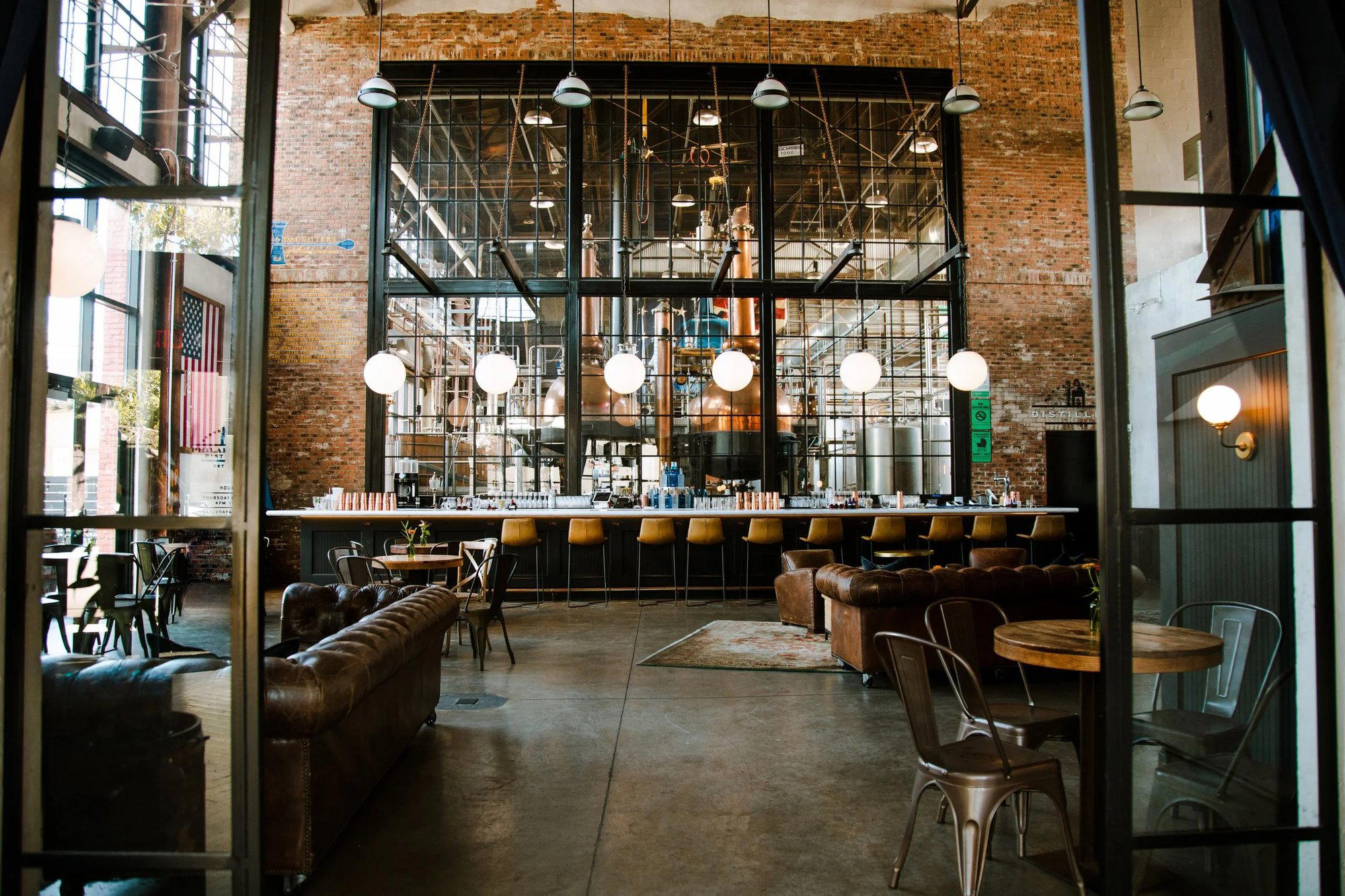
Fishtown's transformation from a working-class river ward into Philadelphia's most concentrated strip of craft producers did not happen quietly. The neighborhood accumulated breweries, roasters, and distilleries over roughly a decade, and the pattern that emerged favors production-visible formats: places where the equipment is part of the experience rather than hidden in a back room. Philadelphia Distilling at 25 E Allen St sits inside that tradition, occupying an industrial address where the physicality of spirits-making is present from the moment you arrive. It is a modern gastropub in Philadelphia with a 4.7 Google rating and an average spend of about $35 per person.
The Fishtown Craft Production Context
To understand what Philadelphia Distilling represents, it helps to situate it within how American craft distilling matured after the early 2010s boom. The first wave of urban distilleries leaned heavily on the novelty of local production. The second wave, which is where most serious operations now sit, shifted attention to category discipline: what spirit, what grain or botanical source, what production method, and how those choices translate into a coherent drinking experience across the bar. Fishtown proved a receptive environment for that second-wave approach, partly because its industrial building stock provided the floor space that distillation equipment demands, and partly because its drinking public had been educated by a decade of craft beer to ask questions about process.
Philadelphia's broader cocktail scene has moved in a parallel direction. Across the city, the most discussed programs now tend to privilege technique and sourcing over atmosphere theatrics. That shift benefits a distillery tasting room format, where the still is the theatre and the liquid in the glass is the argument. Visitors who have worked through the cocktail programs at places like Friday Saturday Sunday or the New American dining context at Fork will arrive at Philadelphia Distilling with a palate already oriented toward intentional production choices.
Production Visibility as Editorial Statement
In American craft distilling, the decision to make production visible to visitors is a positioning statement as much as an architectural one. It implies a confidence in process, a willingness to have the machinery and the methodology read as part of the brand. Distilleries that keep production separate from the tasting room tend to manage the visitor experience as a hospitality product alone. Those that integrate the two ask visitors to engage with the craft itself. Philadelphia Distilling belongs to the latter category, and that orientation shapes how the space reads when you enter it.
The industrial character of the Allen Street address is not incidental. Fishtown's building stock has consistently attracted producers who want square footage and ceiling height without the premium of a finished retail address. The result is a particular aesthetic that combines exposed structure with operational equipment, a look that has become something of a regional signature for Philadelphia's craft production sector.
Team-Led Format and the Front-of-House Dynamic
In spirits tasting rooms, the collaboration between production staff and the people pouring and explaining the liquid matters more than it does in a conventional bar. A bartender or host who can move fluently between a description of distillation choices and a practical recommendation for what to order next is doing a different kind of work than one executing a fixed cocktail menu. The leading craft distillery tasting rooms in the United States, from operations in Kentucky to those in the Pacific Northwest, have built their reputations partly on exactly this: a front-of-house team that functions as an extension of the production philosophy rather than a separate hospitality layer.
That dynamic is worth holding in mind when visiting Philadelphia Distilling. The conversation at the bar, if it is working as it should, ought to illuminate something about how the spirits were made rather than simply move bottles. Cities with serious craft production cultures, from San Francisco's bar scene to the tasting room culture in Healdsburg near operations like Single Thread Farm, have demonstrated that this kind of integrated team knowledge is what separates a destination from a retail outlet with seating.
Philadelphia sits in a peer tier with cities that have developed genuine craft spirits identities. It is not in the same register as the long-established production cultures of Kentucky or the Hudson Valley, but it is past the point where novelty alone explains visitor interest. The conversations happening at Fishtown's production venues now tend to be about specific choices: botanical selections, grain provenance, aging decisions, and how local water chemistry affects final character. That is a more advanced conversation than craft distilling was having ten years ago, and it reflects a maturation that Philadelphia Distilling has been part of.
Placing Philadelphia Distilling in the Wider Scene
Philadelphia's food and drink scene in 2024 occupies an interesting position relative to other American cities. It has Michelin recognition for restaurants including Kalaya and My Loup, and a wider ambitious dining culture that includes destinations like Mawn. The city is regularly discussed alongside Chicago (home to Alinea), Los Angeles (home to Providence), and New York (home to Le Bernardin and Atomix) as a city where serious eating and drinking has moved well beyond its historical reputation. The craft spirits sector is part of that larger story.
Within the city, a Fishtown visit makes most sense when it is part of a broader itinerary rather than a standalone trip. Blue Hill at Stone Barns in Tarrytown, Lazy Bear in San Francisco, The French Laundry in Napa, Addison in San Diego, The Inn at Little Washington, Emeril's in New Orleans, and 8 1/2 Otto e Mezzo Bombana in Hong Kong, all venues where craft identity and hospitality have been built as a coherent single proposition.
Know Before You Go
- Address: 25 E Allen St, Philadelphia, PA 19123
- Neighborhood: Fishtown
- Format: Craft distillery with tasting room
- Hours: Not confirmed, check directly with the venue before visiting
- Booking: Contact the venue to confirm reservation availability
- Getting there: Fishtown is accessible from Center City Philadelphia by the Market-Frankford Line (Girard stop) or by rideshare; street parking is available but variable on weekends
Accolades, Compared
Comparable venues nearby, for context on price, style, and recognition.
| Venue | Cuisine | Price | Awards | Notes |
|---|---|---|---|---|
| Philadelphia DistillingThis venue — the venue you are viewing | Modern Gastropub | $$ | , | |
| Revolution House | Modern American Tapas & Pizza | $$ | , | Old City |
| Emmy Squared Pizza: Queen Village | Detroit-Style Pizza | $$ | , | South Street |
| Jack's Firehouse | Haute Country American | $$ | , | Fairmount |
| Cosmic Café and Ciderhouse | Farm-to-Table Café & Ciderhouse | $$ | , | East Park |
| The Board and Brew | American Comfort Food with Board Games | $$ | , | University City |
Continue exploring
More in Philadelphia
Restaurants in Philadelphia
Browse all →
Bars in Philadelphia
Browse all →
At a Glance
- Industrial
- Modern
- Trendy
- Casual Hangout
- Date Night
- After Work
- Open Kitchen
- Private Dining
- Historic Building
- Craft Cocktails
- Local Sourcing
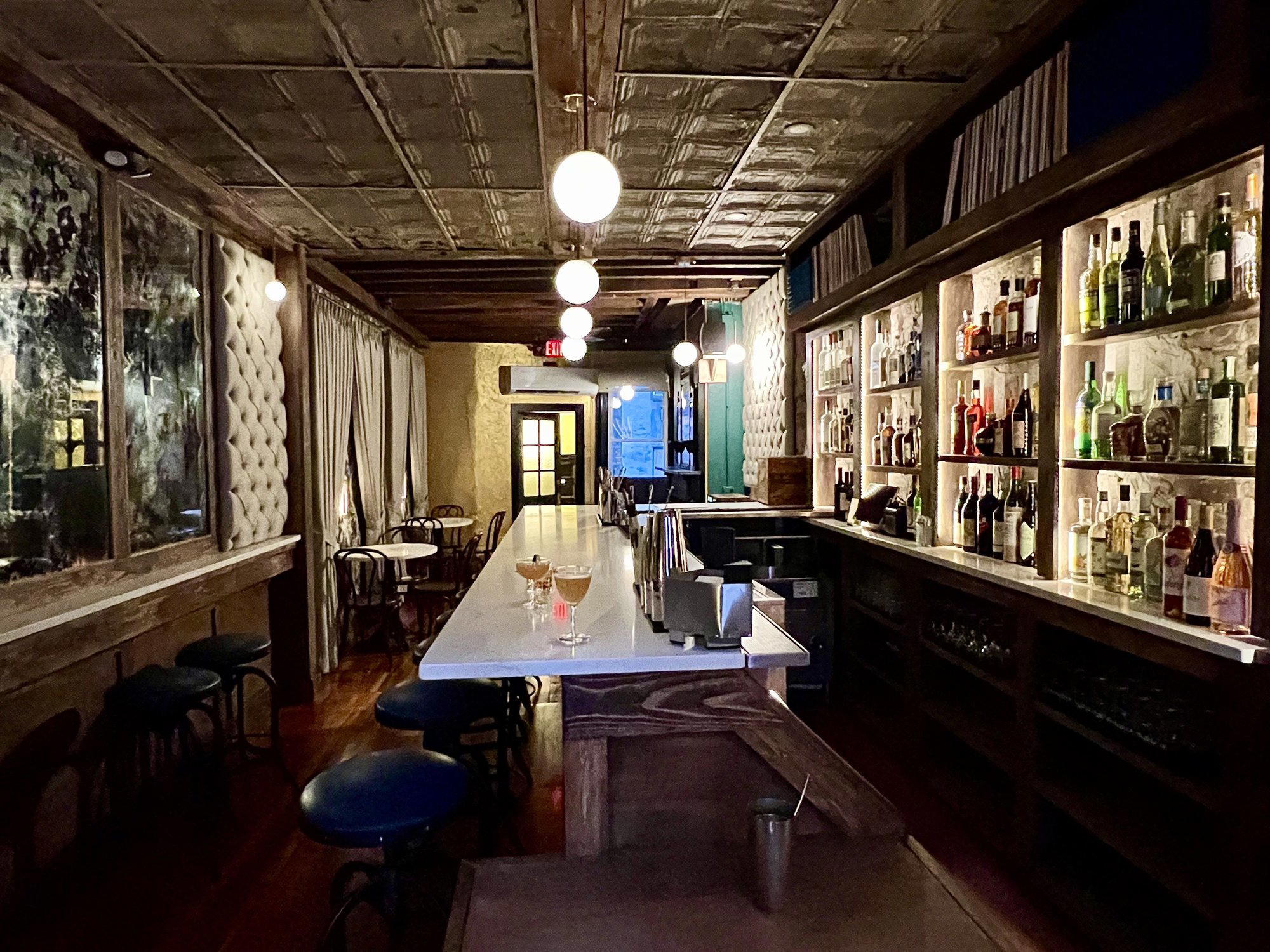
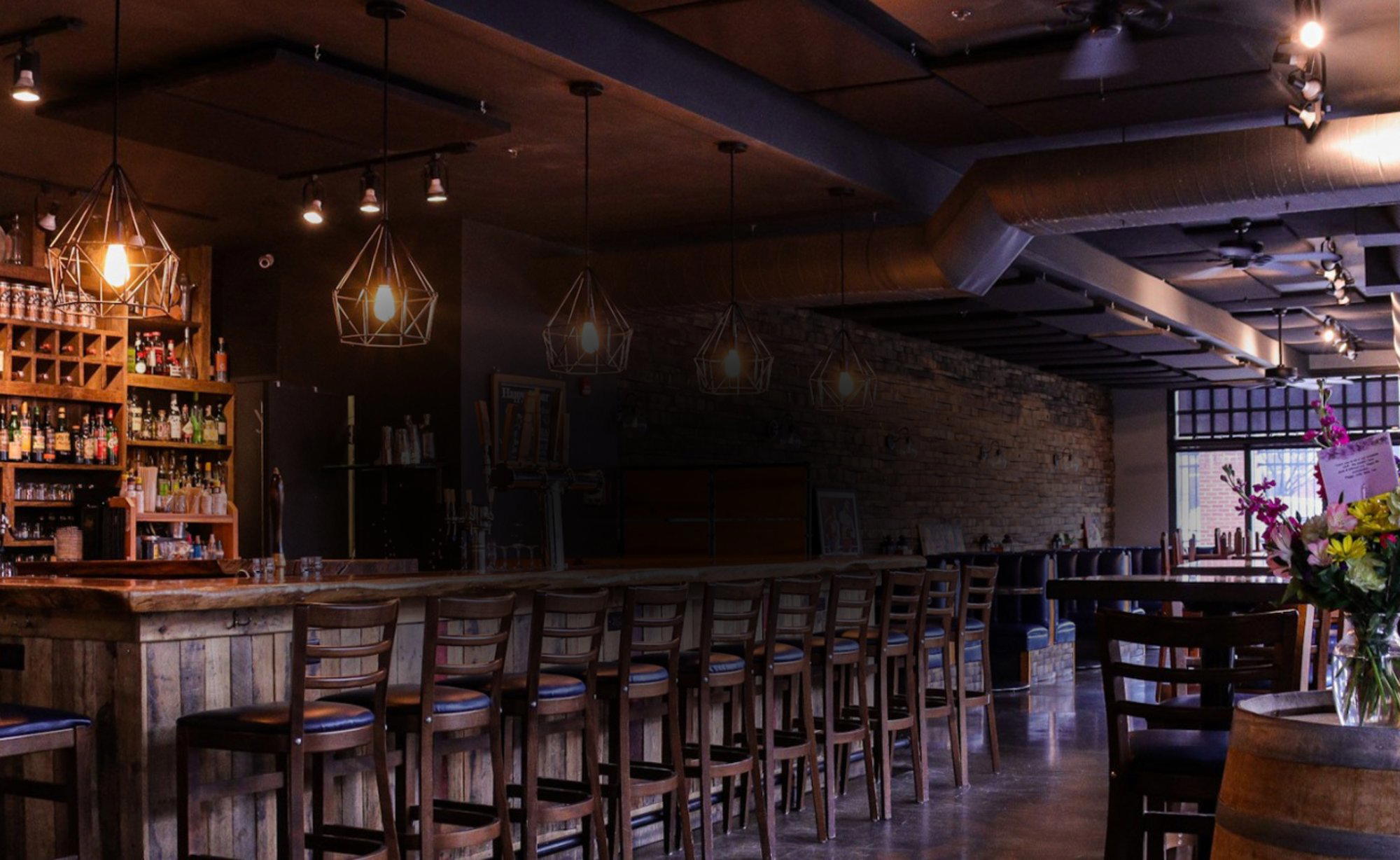
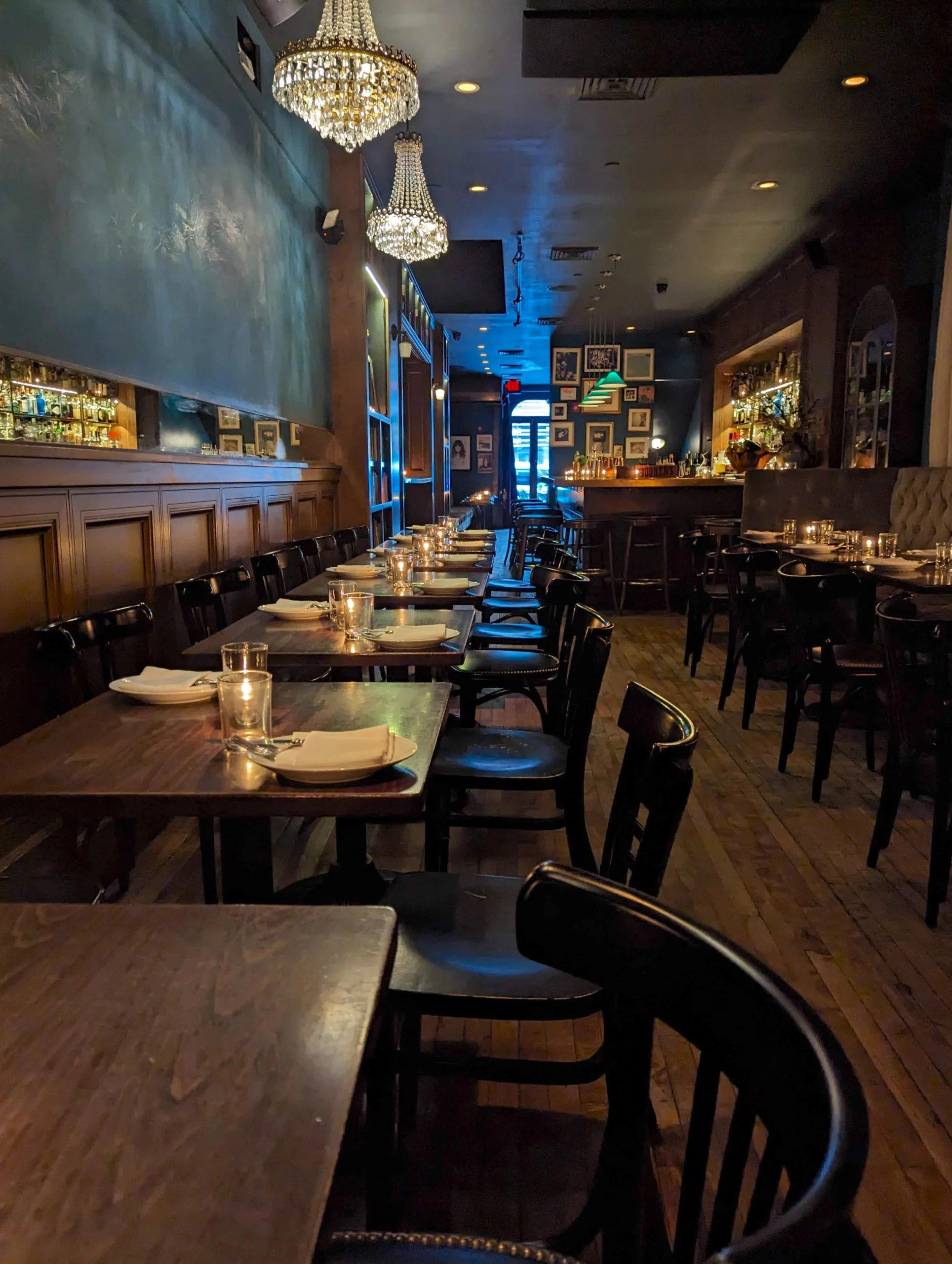
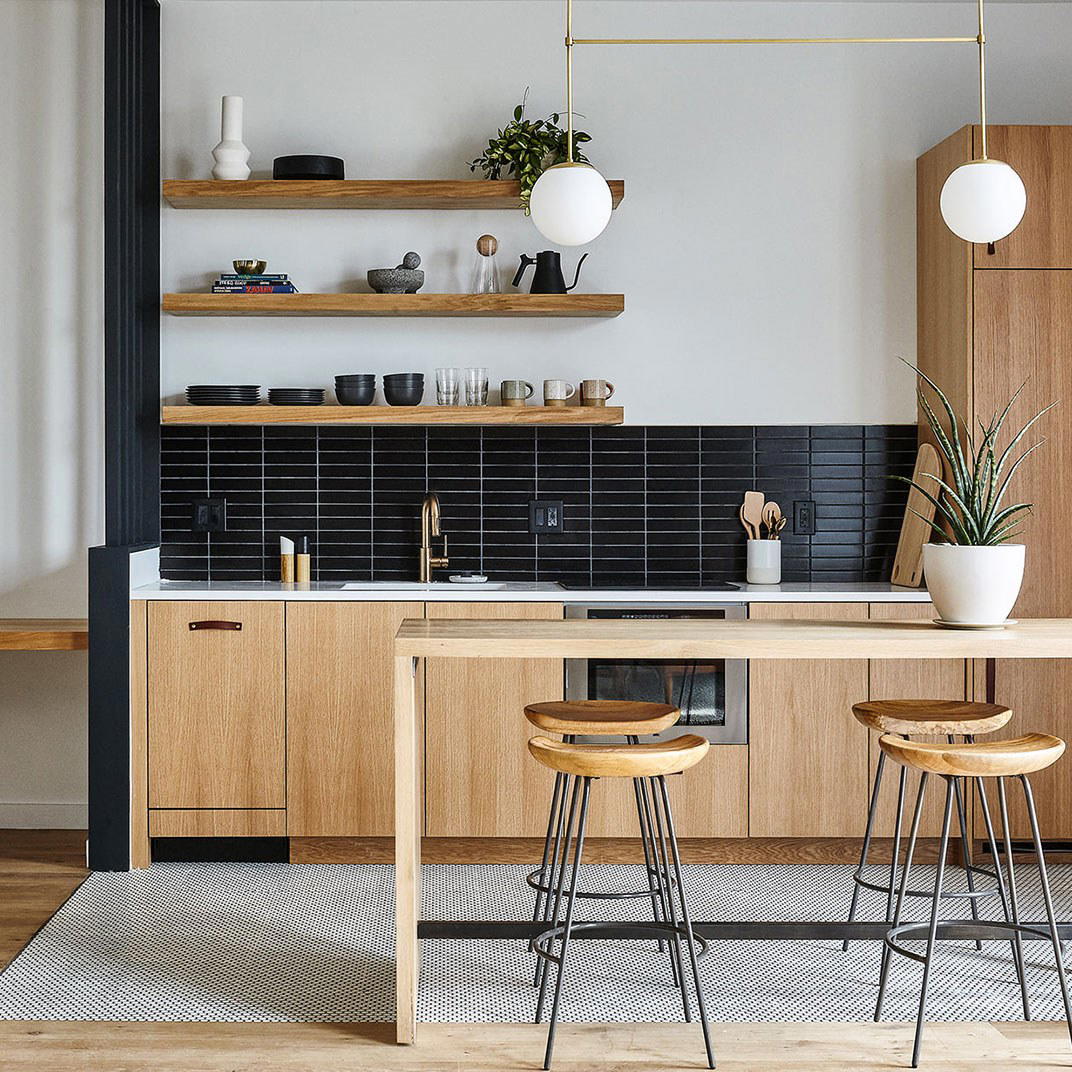
Expansive, light, and airy tasting room with vaulted ceilings and views of copper stills, blending industrial elegance with refined design.