
A Michelin Plate holder in Paris's 9th arrondissement, Pétrelle occupies a distinct tier among the city's modern cuisine restaurants: precise without the formality of the palace-dining bracket, and ingredient-led in a way that distinguishes it from neighbourhood bistros. Holding the Michelin Plate in both 2024 and 2025, it draws a well-travelled crowd to Rue Petrelle with consistent, sourcing-conscious cooking at the €€€ price point.
Pearl is the En Primeur Club membership app — saves, bookings, and concierge access live there. Same editors, same standards.
- Address
- 34 Rue Petrelle, 75009 Paris, France
- Phone
- +33 1 42 82 11 02
- Website
- petrelle.fr
 Saves & bookings on Pearl
A Street Address That Tells You Something
Rue Petrelle, a short, unglamorous street in the 9th arrondissement, has little of the postcard quality associated with Parisian dining. That is partly the point. The restaurants that take root on streets like this one tend to earn their reputation through the plate rather than the address, and Pétrelle, the restaurant named for the street it occupies at number 34, has done exactly that. Holding the Michelin Plate in consecutive years, 2024 and 2025, it has established itself as a reference point in a tier of Paris dining that sits between the neighbourhood bistro and the full grand-restaurant experience.
The 9th arrondissement has quietly accumulated a concentration of serious modern cooking over the past decade. The area's relative rent compared to the 1st or 8th has attracted kitchens that prioritise what goes on the plate over the theatre of the room, and Pétrelle fits that pattern. Among Paris's modern cuisine addresses in the €€€ bracket, a category that includes Accents Table Bourse and Anona, the consistent Michelin recognition signals a kitchen operating with rigour rather than novelty.
Where the Food Comes From, and Why That Shapes the Plate
Modern cuisine in Paris divides along a clear fault line: kitchens that treat sourcing as a marketing vocabulary, and kitchens that let it determine the menu's structure. The Michelin Plate, awarded to restaurants the guide considers worth knowing without yet warranting a star, implies a level of craft and seriousness that tends to correlate with the latter approach. At the price point Pétrelle occupies, the €€€ bracket, the competitive pressure to justify cost pushes kitchens toward ingredient quality as the primary argument.
France's supply network for serious restaurants runs deep. The country's AOC and AOP frameworks, applied not just to wine but to cheese, butter, poultry, and produce, create a sourcing infrastructure that ambitious kitchens in Paris can draw on in ways that few other cities can match. The bresse chicken designation, the Mont-Saint-Michel bay lamb, the vegetables out of market gardens in the Île-de-France, these are not romantic abstractions but legally defined quality categories with traceable provenance. A kitchen at Pétrelle's level of recognition is operating within that system, even if the specific supply relationships are not publicly documented.
That infrastructure also creates a seasonal rhythm that is more binding than in cuisines with fewer regional anchors. Spring in a sourcing-led Paris kitchen means asparagus from the Loire and early morels; autumn pivots toward game, root vegetables, and the first of the aged cheeses. The menu's shape follows the market rather than the other way around, which is what separates genuine ingredient-led cooking from its imitation. For context on how that approach plays out at the three-star level elsewhere in France, the kitchens at Bras in Laguiole and Flocons de Sel in Megève have built entire identities around their specific terroir, Pétrelle operates on a different scale but within the same philosophical tradition.
The Paris Modern Cuisine Tier: Where Pétrelle Sits
To calibrate Pétrelle against the wider Paris scene, it helps to map the tiers clearly. At the top of the city's modern cuisine bracket sit the palace-dining addresses and multi-star holders: Alléno Paris au Pavillon Ledoyen, Le Cinq at the Four Seasons George V, L'Ambroisie, and Plénitude, all operating at €€€€ and above. Below that, at the €€€ tier, is where the city's most interesting decisions often happen: kitchens with genuine technical ambition but without the overhead of starred dining rooms or hotel affiliations.
Pétrelle's Google rating of 4.7 across 354 reviews is a useful secondary signal. At that sample size, a 4.7 score reflects consistent execution rather than a single exceptional evening or a loyal local following temporarily inflating the number. It places Pétrelle in the same reliability band as Amâlia and Auberge de Montfleury, both of which carry strong guest satisfaction at similar price positioning.
For international comparisons, modern cuisine at this level of ingredient focus has counterparts across Europe. Frantzén in Stockholm operates at the top of that Scandinavian tradition; Mirazur in Menton has built a global reputation on its garden-to-plate sourcing model. Pétrelle is not in those conversations in terms of scale or recognition, but it shares the underlying premise: that cooking's authority comes from the provenance of the ingredient as much as the technique applied to it.
The 9th Arrondissement Context
The arrondissement matters for how you plan a visit. The 9th sits between the tourist density of Montmartre to the north and the Opéra quarter to the south, which means the surrounding streets have a working-neighbourhood quality that the more touristic parts of Paris lack. The area has accumulated wine bars, natural wine-focused bistros, and a handful of more ambitious cooking addresses over the past decade, making it possible to build an evening around the neighbourhood rather than treating the restaurant as a standalone destination.
Practically, the 9th is well-served by the metro, with Anvers, Pigalle, and Notre-Dame-de-Lorette all within reasonable walking distance of Rue Petrelle.
For a sense of how the classic French tradition benchmarks against Pétrelle's more contemporary position, Paul Bocuse's Auberge du Pont de Collonges, Troisgros in Ouches, and Auberge de l'Ill in Illhaeusern represent the foundational strand of French haute cuisine from which modern cooking in Paris continues to diverge and respond. Kei and 114, Faubourg represent other directions the city's €€€€ bracket has taken. Pétrelle occupies a different lane from all of them: less ceremonial, more market-dependent, and priced to reflect that orientation.
Planning Your Visit
Pétrelle is located at 34 Rue Petrelle, 75009 Paris. The restaurant holds the Michelin Plate for 2024 and 2025 and carries a Google rating of 4.7 from 354 reviews. Price positioning is €€€. Booking in advance is advisable, particularly for Friday and Saturday dinner.
Quick reference: 34 Rue Petrelle, 75009 Paris | Modern Cuisine | €€€ | Michelin Plate 2024 & 2025 | Google 4.7/322 reviews.
A Tight Comparison
Comparable venues nearby, for context on price, style, and recognition.
| Venue | Cuisine | Price | Notes |
|---|---|---|---|
| Pétrelle | $$$ | 9e arrondissement, Modern French Market Bistro | |
| Flocon | Mouffetard, Modern French Bistronomy | $$$ | |
| Mensae | Belleville, Modern French Bistro | $$$ | |
| Clutch | $$$ | 11th arrondissement, Modern French Bistro with Asian Influences | |
| Braise | $$$ | 8th arrondissement, Modern French Wood-Fired Bistro | |
| Korus | $$$ | 11th Arr., Modern French Tasting Menu |


At a Glance
- Intimate
- Romantic
- Elegant
- Cozy
- Sophisticated
- Date Night
- Special Occasion
- Private Dining
- Extensive Wine List
- Local Sourcing
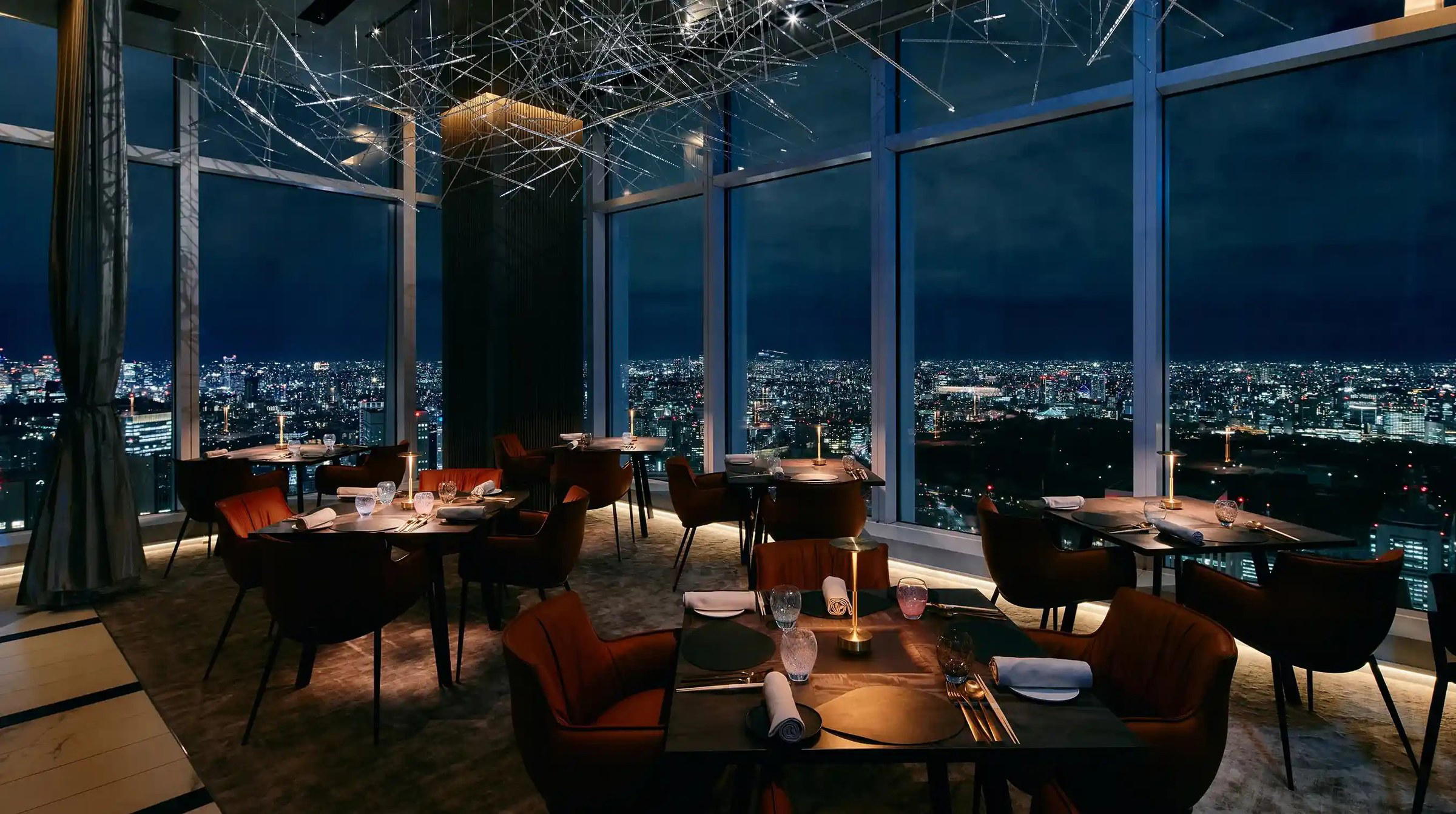
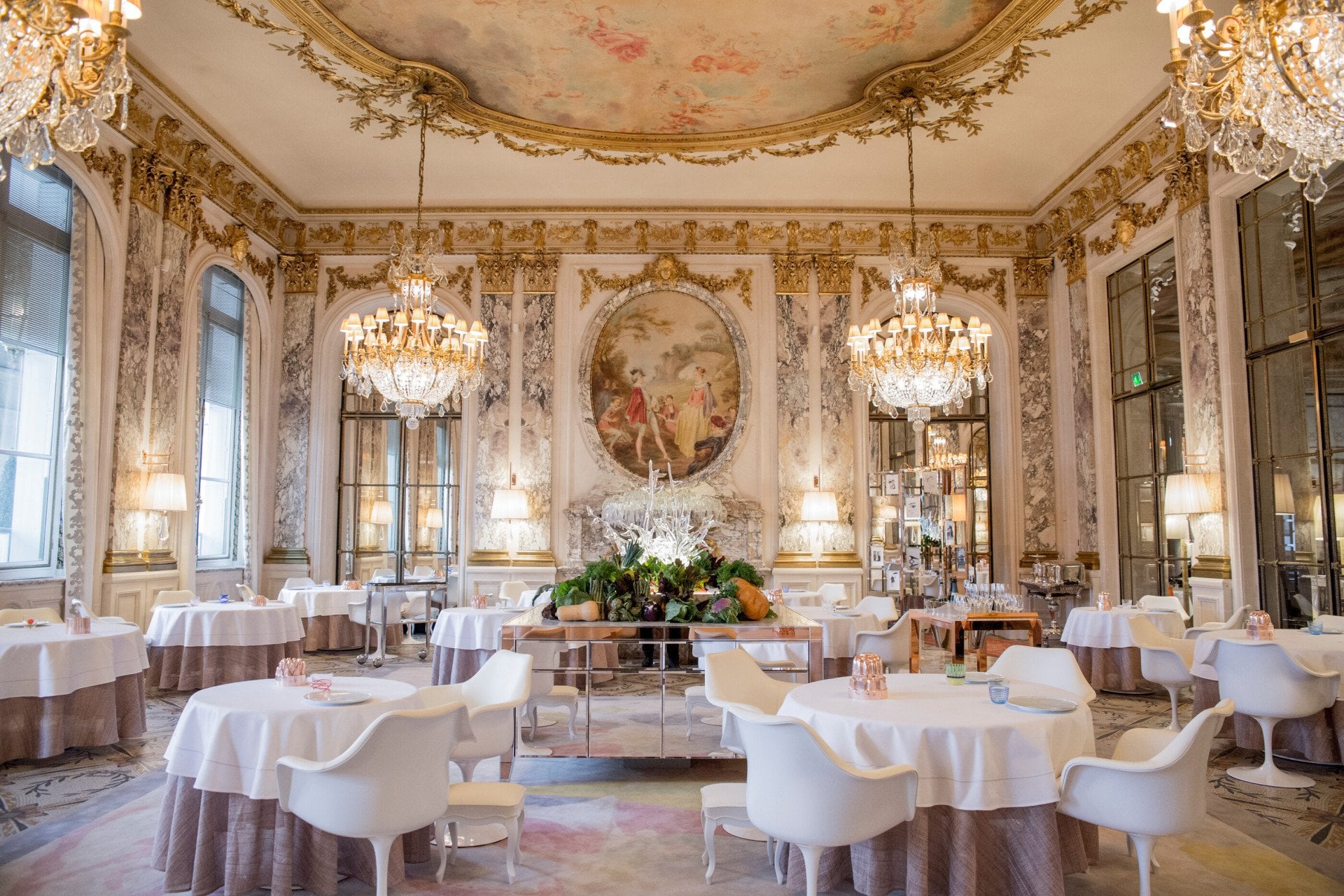
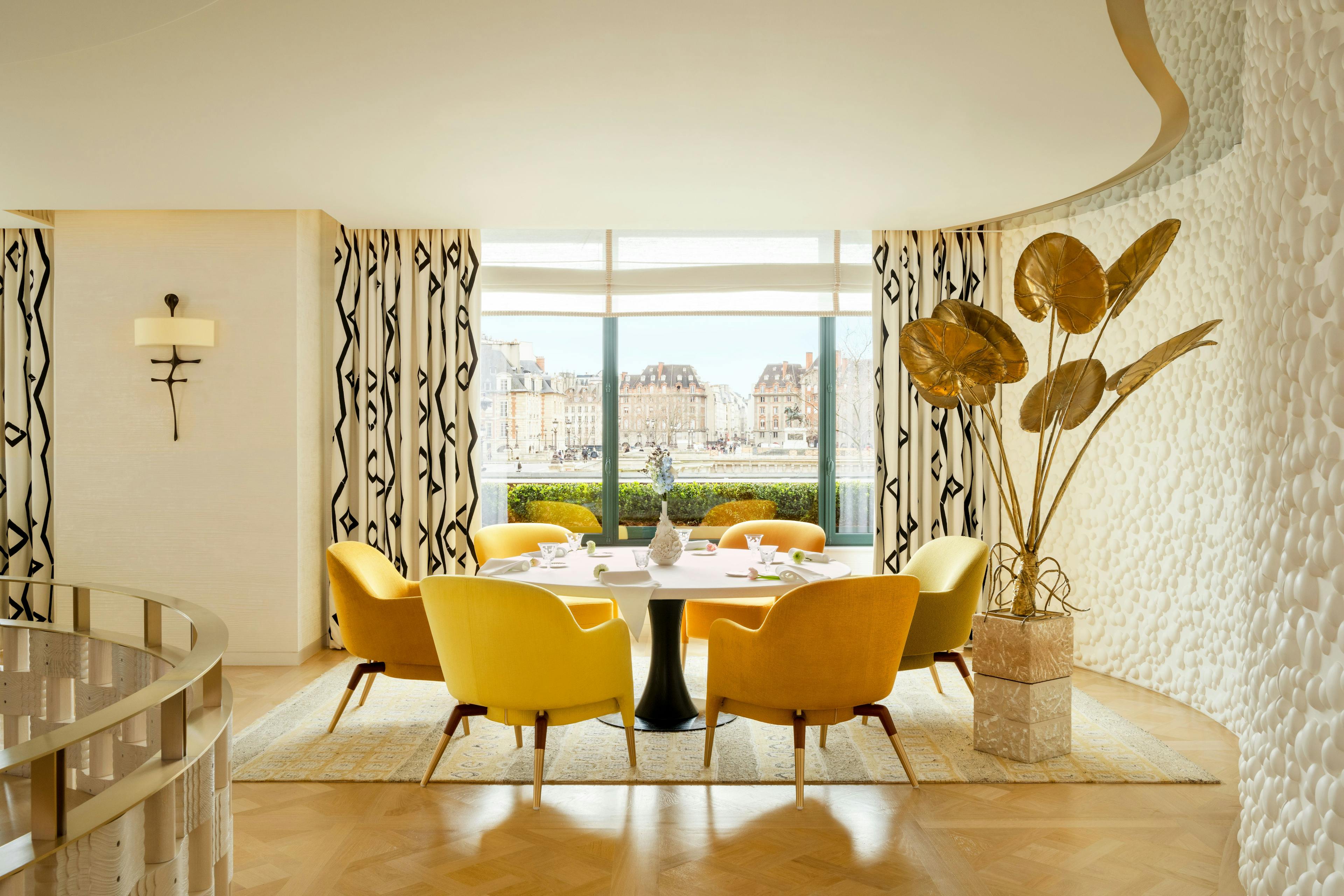
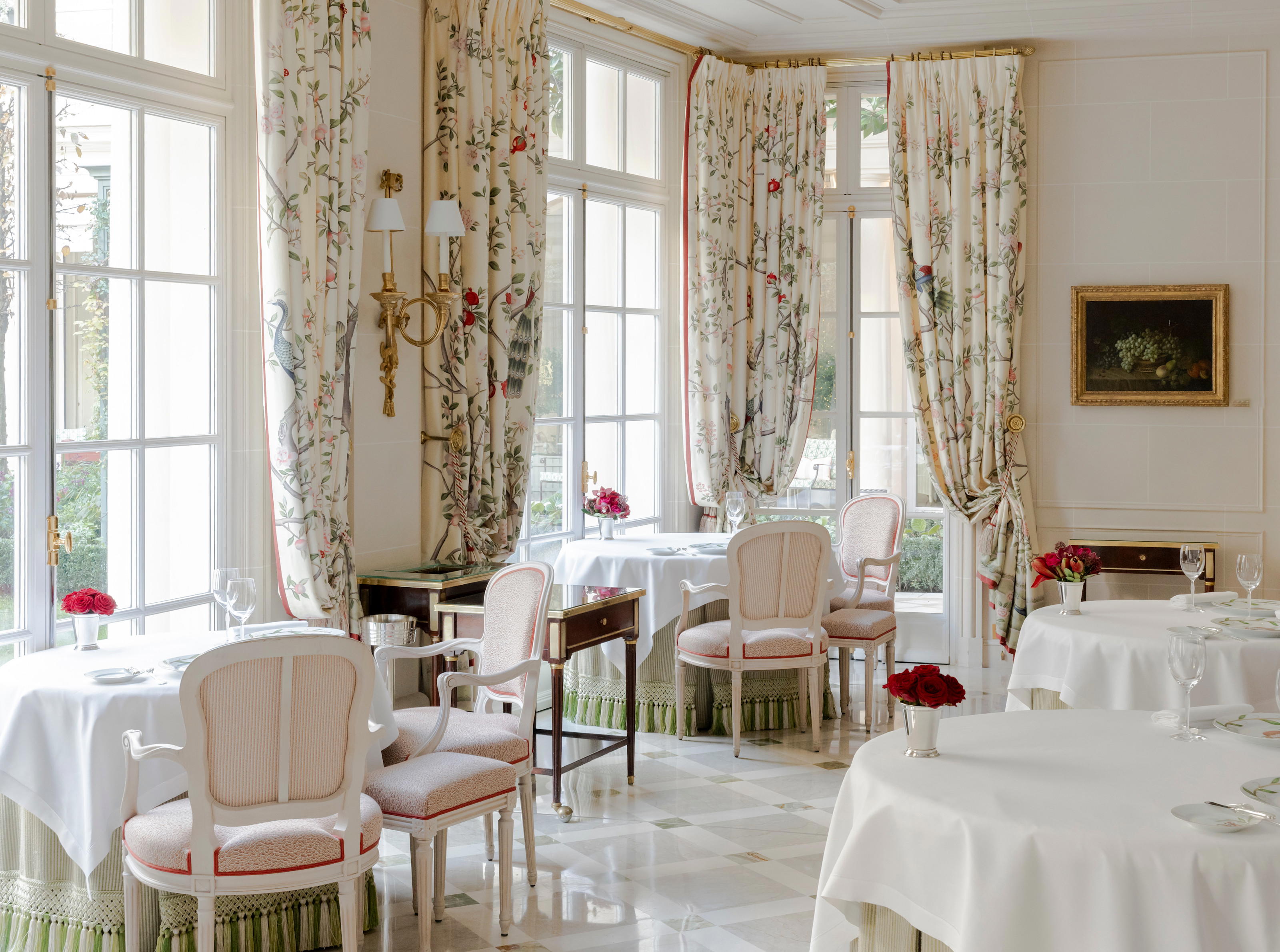
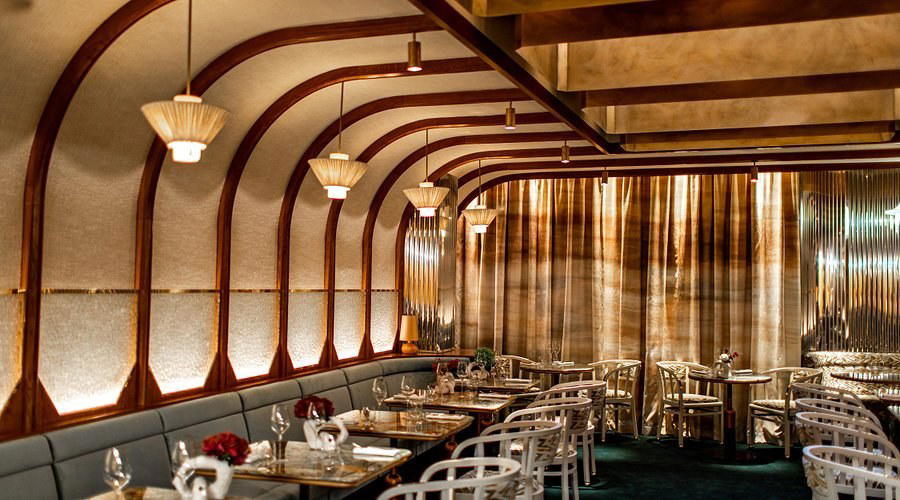
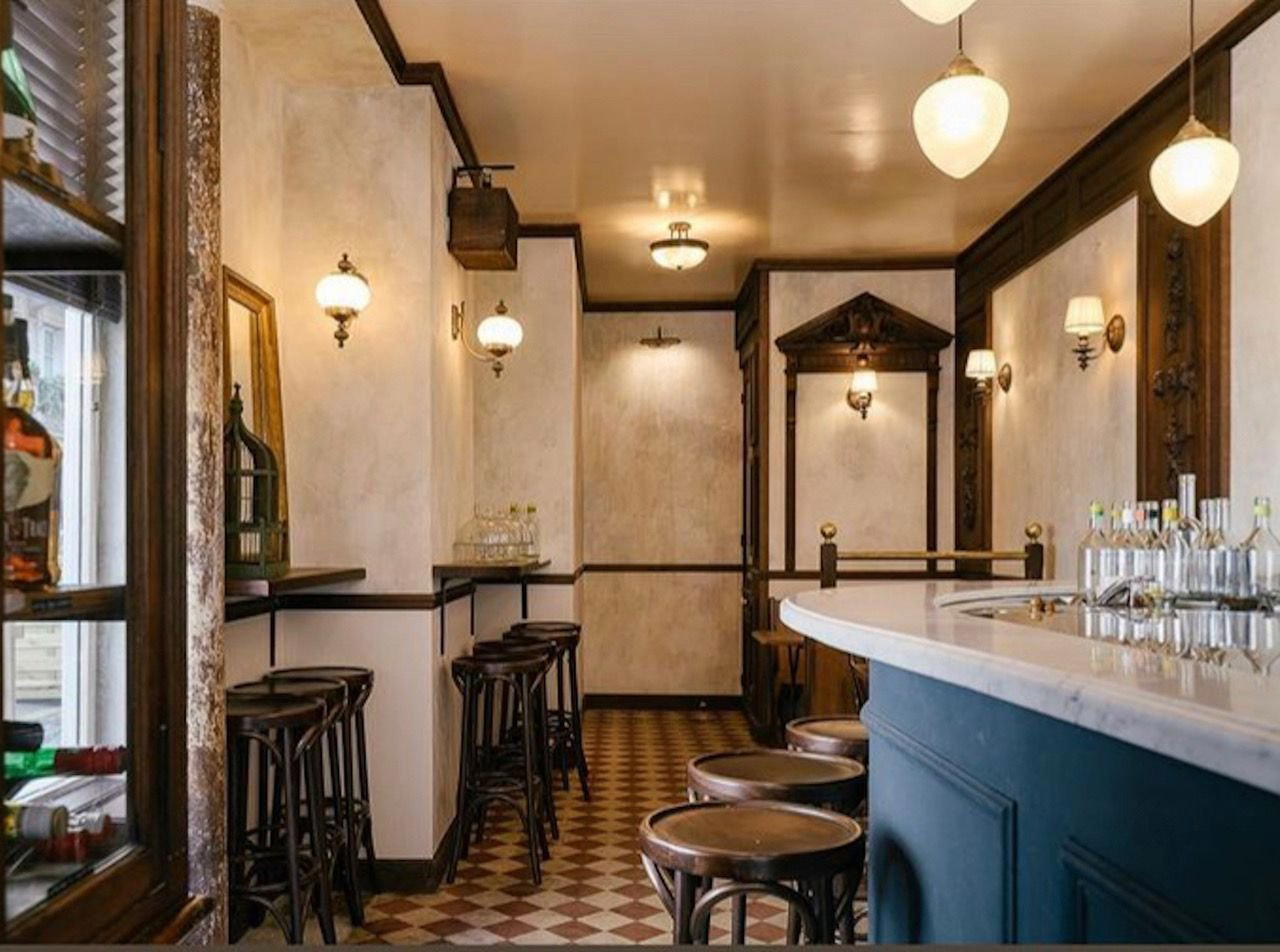
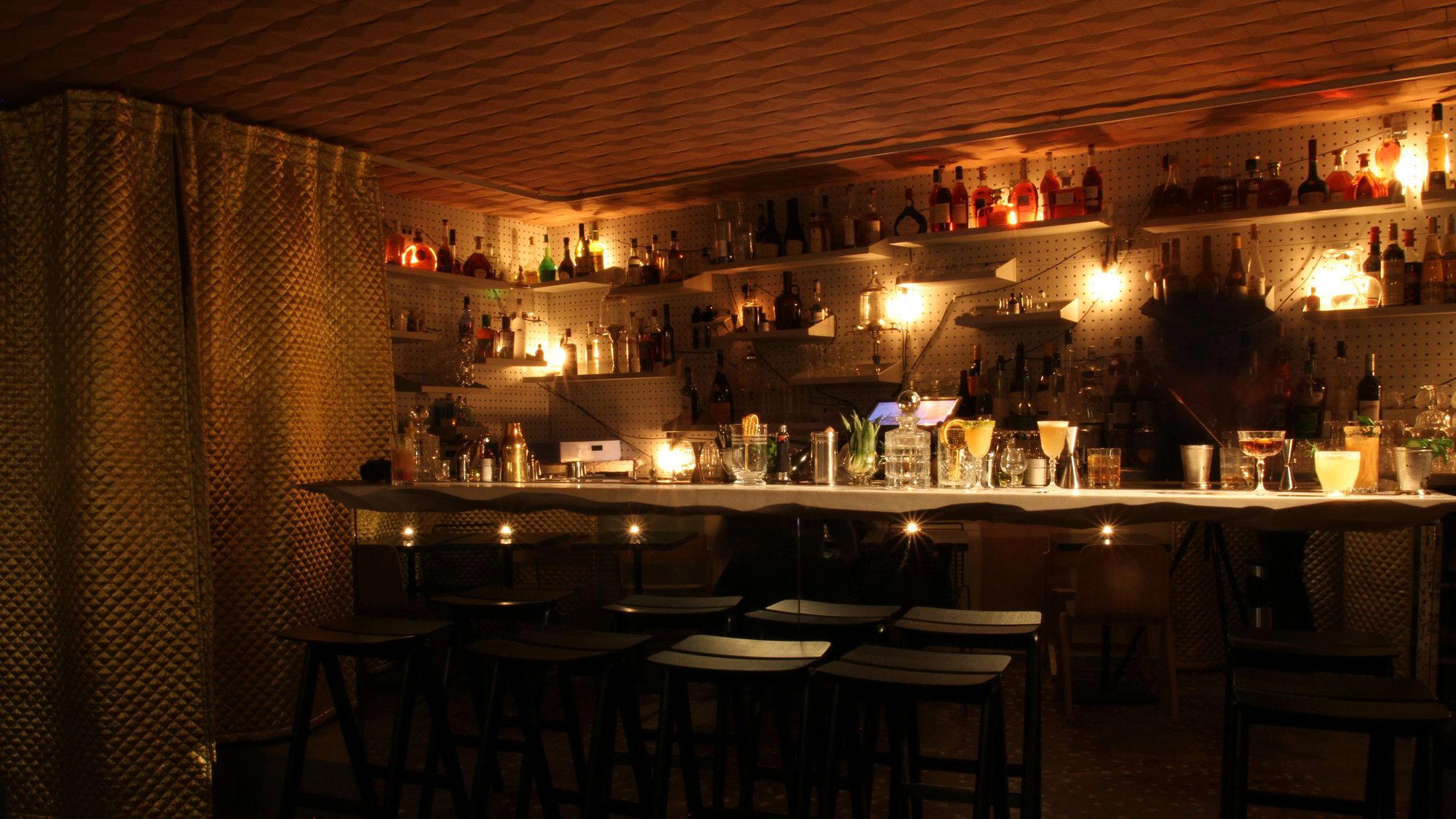
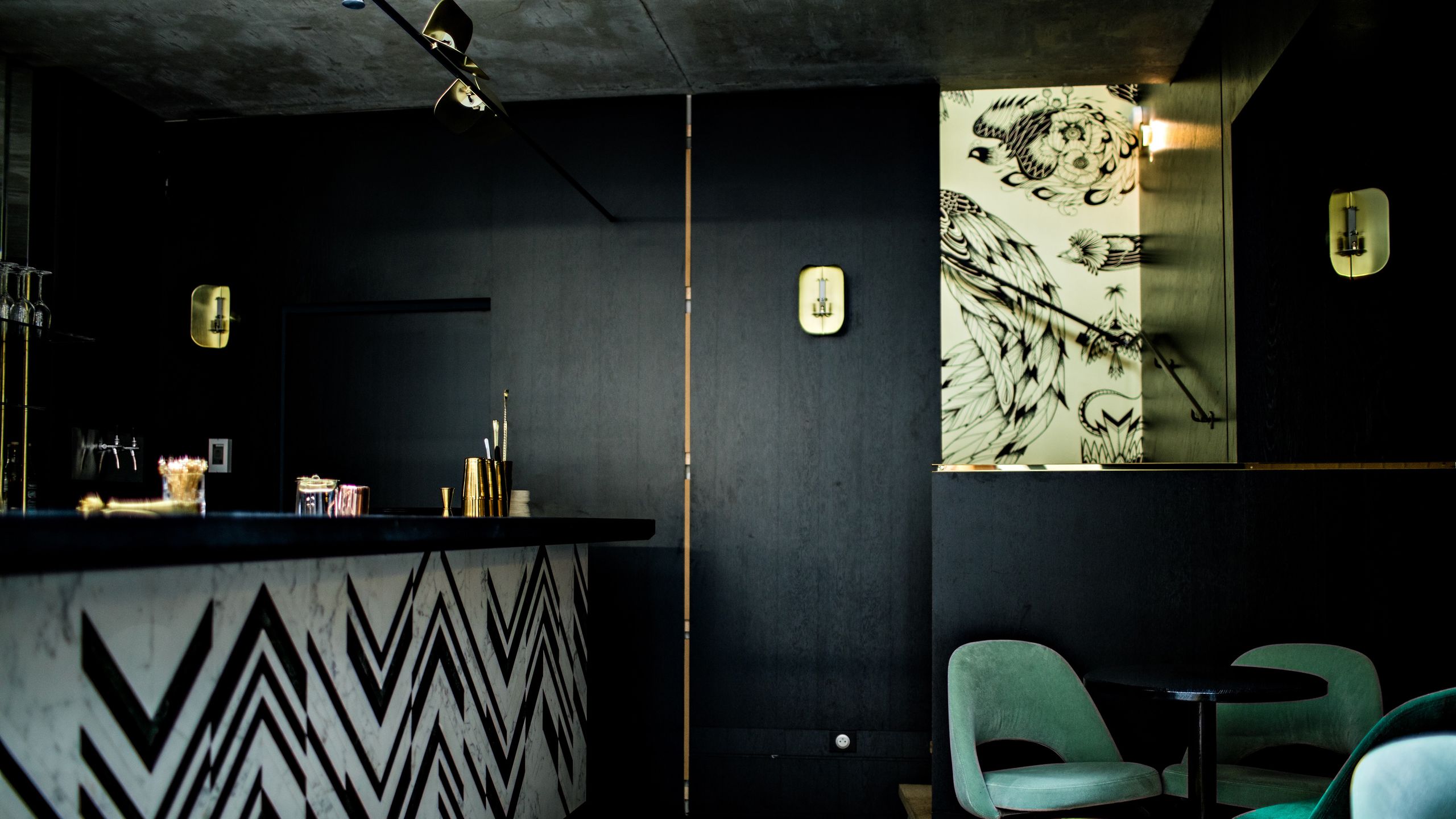
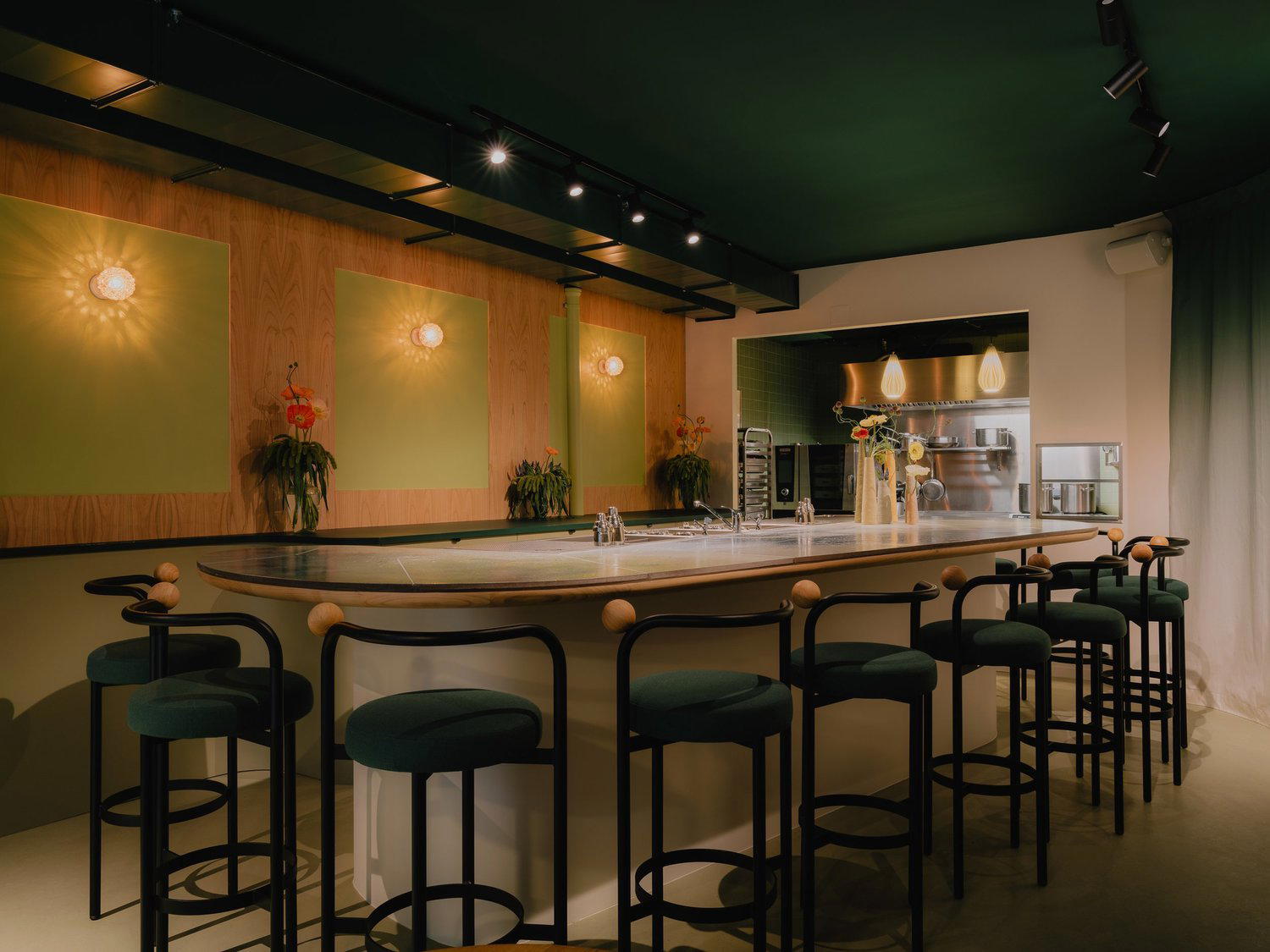
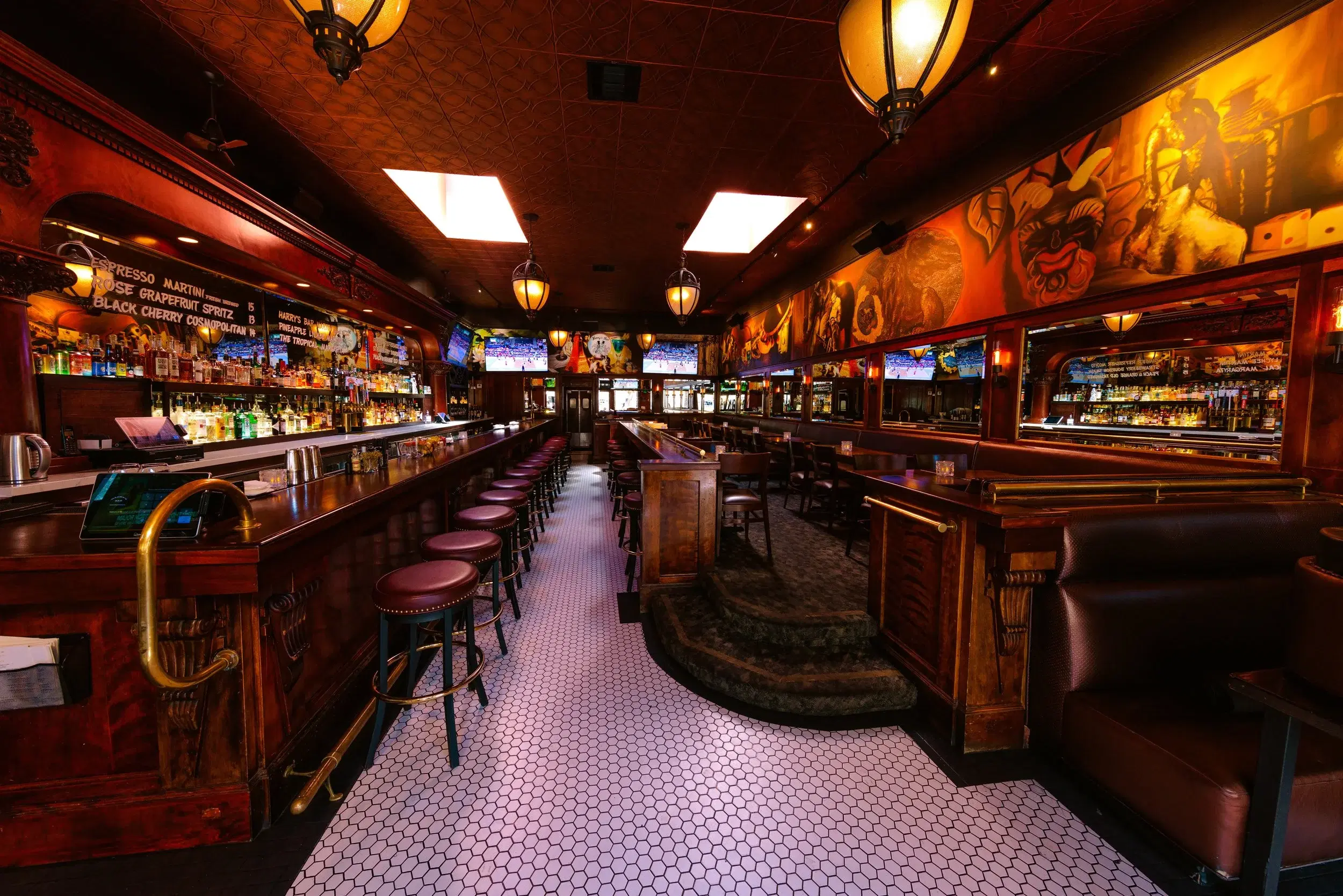
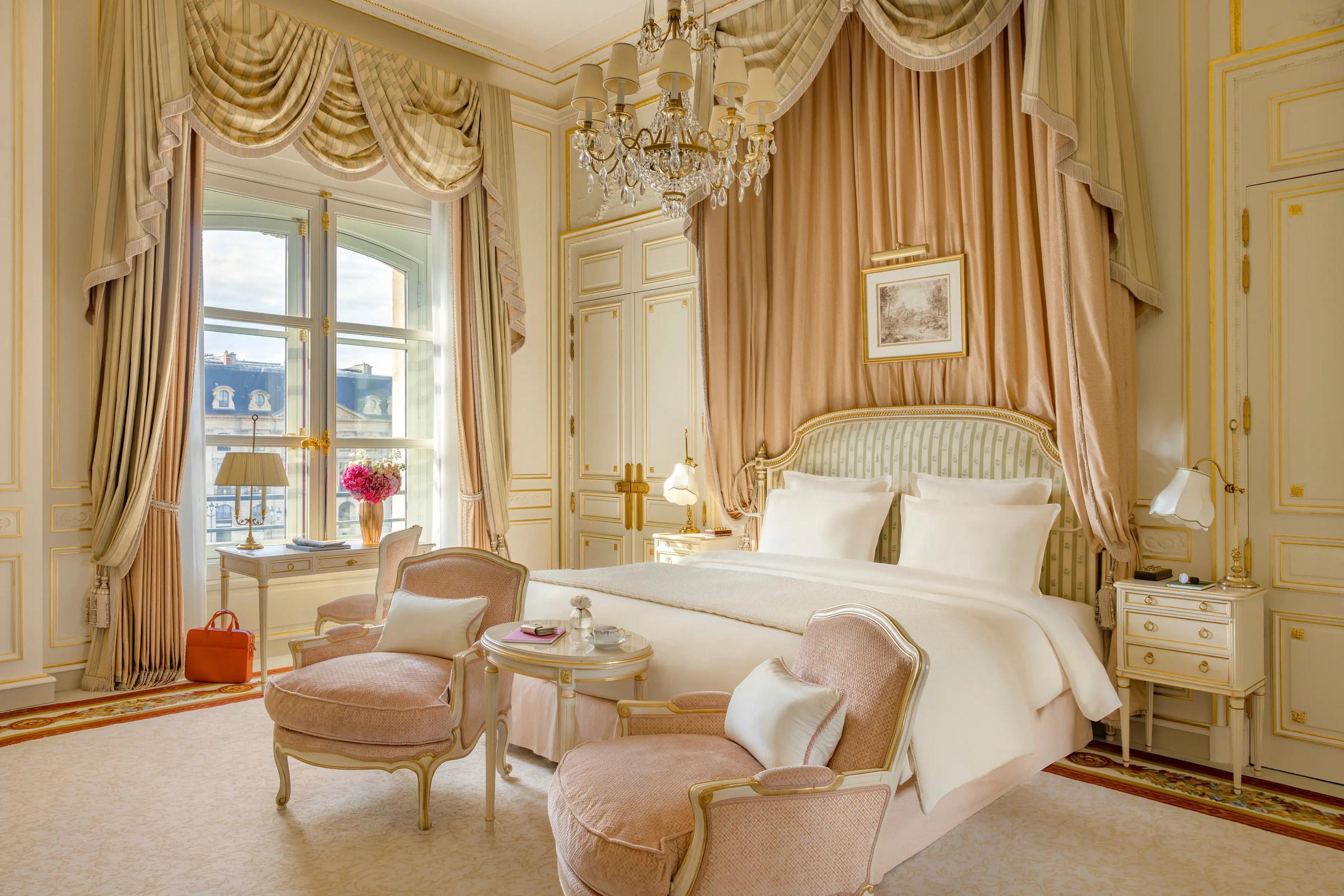
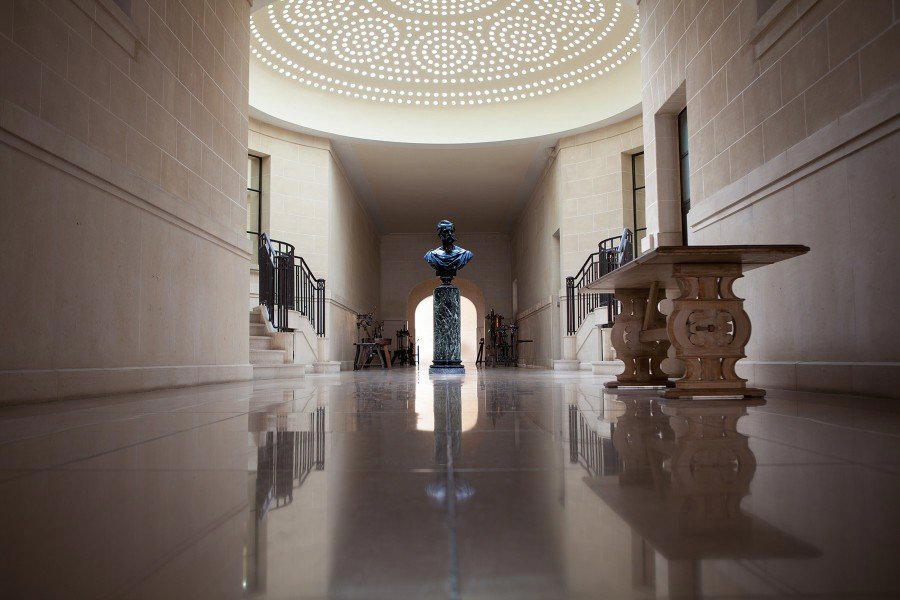
Romantic and intimate boudoir atmosphere with candles, empty frames, antique objects, and a warm, elegant sobriety.