Penne Pomodoro
Penne Pomodoro occupies a corner of Snider Plaza that Dallas's University Park crowd has made a quiet institution of casual Italian dining. Positioned well below the price tier of Lucia or Fearing's, it fills a neighborhood niche where direct pasta and red-sauce cooking draw repeat locals rather than destination diners. Compare it against the broader Dallas Italian scene to understand where the value sits.
Pearl is the En Primeur Club membership app — saves, bookings, and concierge access live there. Same editors, same standards.
- Address
- 6815 Snider Plaza, Dallas, TX 75205
- Phone
- +12143739911
- Website
- pennepomodoro.com
- Directions
- Get directions
 Saves & bookings on Pearl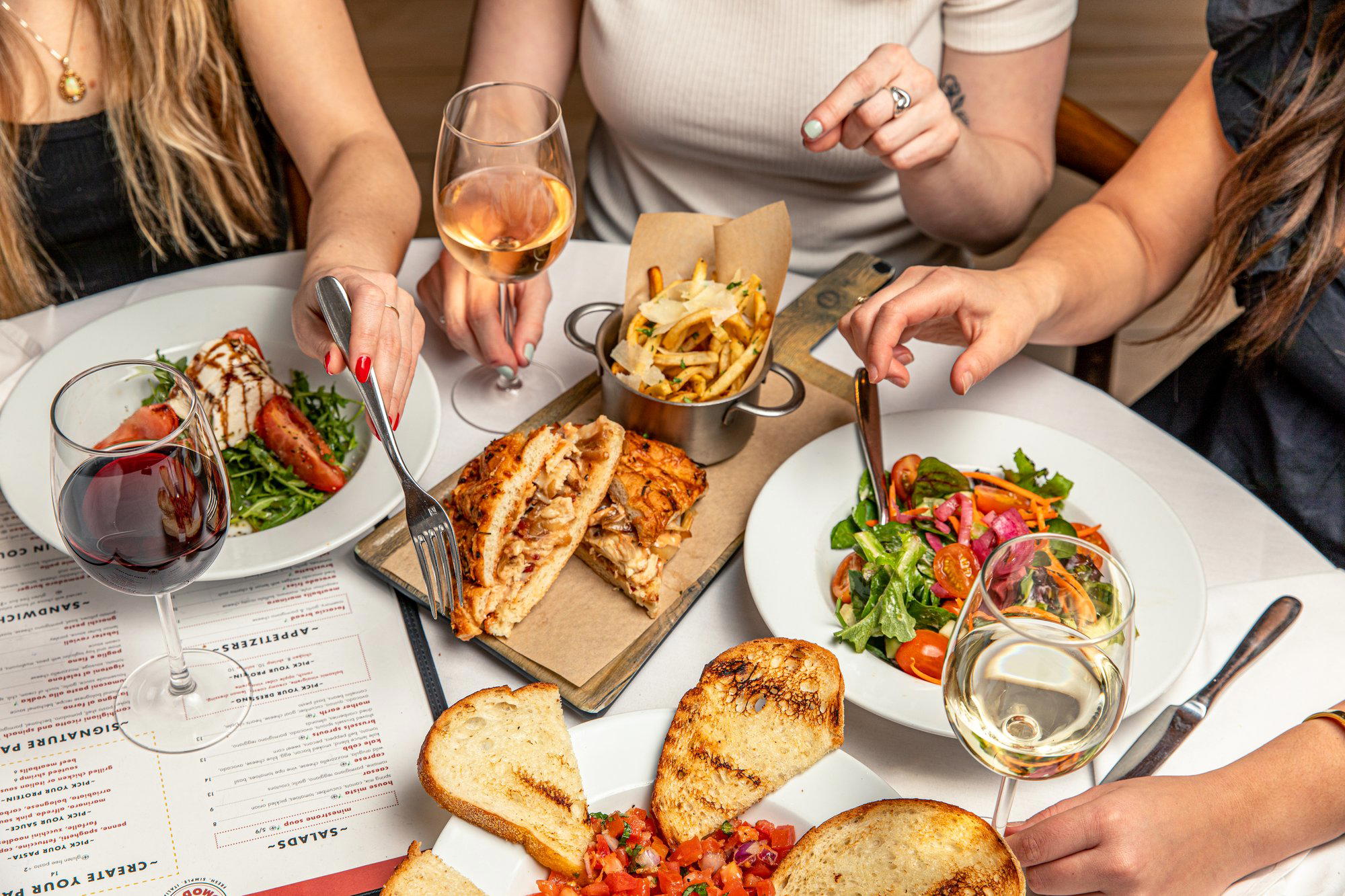
Snider Plaza and the Neighborhood Italian Tradition
University Park's Snider Plaza has functioned as a self-contained retail and dining village since the 1920s, and the dining habits it supports reflect that insularity. In a city where the dominant dining conversation gravitates toward Uptown and Deep Ellum, Snider Plaza operates on a different tempo entirely, one defined by proximity, familiarity, and the kind of consistency that neighborhood restaurants earn over years rather than press cycles.
Within that context, Penne Pomodoro at 6815 Snider Plaza sits in a category that Dallas does not oversupply: the approachable, mid-register Italian spot that serves the surrounding residential density without positioning itself against higher-end Italian rooms like Mamani or the more formal end of the local dining spectrum. The gap it occupies is real. Dallas's Italian scene has historically clustered at either the premium end, where Lucia holds court as the city's most credentialed Italian address, or at chain-casual volume. Penne Pomodoro falls between those poles.
Where It Sits in the Dallas Italian Scene
To understand Penne Pomodoro's position, it helps to map the wider field. Lucia, in the Bishop Arts District, operates with a seasonally driven menu and a wine program that draws serious attention; it prices accordingly. Fearing's at The Ritz-Carlton anchors the Southwestern-American upper tier at a four-dollar-sign level that places it in an entirely different conversation. At the other end, the barbecue and casual categories represented by spots like 12 Cuts Brazilian Steakhouse serve a different function altogether.
The restaurant prices in the middle register, which in the context of Snider Plaza means it draws from a residential catchment that includes some of Dallas's highest household incomes. That combination, accessible pricing in a wealthy zip code, creates a specific dining dynamic: the room fills with regulars who could eat anywhere in the city but choose proximity and reliability over occasion dining. For visitors, the neighborhood itself offers a counterpoint to the more trafficked dining corridors.
The Red-Sauce Register and What It Signals
Italian-American red-sauce cooking occupies a specific cultural position in American dining that is often underestimated. At its weakest, it defaults to formula: oversalted marinara, bloated portions, wine lists that are an afterthought. At its most competent, it delivers something that technically elaborate restaurants rarely can, a sense of comfort rooted in repetition and craft rather than novelty. The tradition that runs from the neighborhood red-sauce houses of New York through to regional outposts in cities like Dallas has produced particularly durable dining formats in American restaurant history.
Internationally, the upper register of Italian cooking is well represented by rooms like 8½ Otto e Mezzo Bombana in Hong Kong, where formal Italian technique operates at the highest award levels. Domestically, the progression from neighborhood trattoria to destination Italian is visible across major cities. In New York, the range spans red-sauce institutions to tasting-menu Italian. In San Francisco, Lazy Bear demonstrates how American dining has pushed format experimentation well beyond traditional category lines. These comparisons matter because they establish the range within which any neighborhood Italian spot operates, and clarify that the neighborhood format is a legitimate category rather than a fallback.
The Wine Angle at the Neighborhood Level
In the premium dining tier, wine program depth is a key differentiator. Restaurants like Le Bernardin in New York City or The French Laundry in Napa operate cellars that represent years of acquisition and sommelier curation; the list is itself a signal of institutional seriousness. At Alinea in Chicago or Providence in Los Angeles, wine pairing is built into the tasting format at a structural level.
Neighborhood Italian restaurants operate differently. Wine list depth at this tier is typically measured by value-to-quality ratio rather than cellar breadth. The question is not whether the list includes aged Barolo or single-vineyard Brunello, but whether the by-the-glass selection matches the food register and whether the markup structure rewards the kind of casual, mid-week drinking that defines the format. Italian-American red-sauce restaurants historically pair well with approachable Sangiovese-based reds and simple whites from the south of Italy, and the leading neighborhood lists are built around that pairing logic rather than trophy bottles. The format strongly implies a list calibrated to the neighborhood casual register rather than sommelier-driven depth.
For those whose primary interest is serious wine programming paired with formal dining, the comparison set shifts entirely. Single Thread Farm in Healdsburg, Addison in San Diego, or Blue Hill at Stone Barns in Tarrytown operate wine programs at a level that requires dedicated planning and budget allocation.
Snider Plaza in Context
Dallas dining is increasingly defined by destination neighborhoods rather than single flagship addresses. Deep Ellum, Bishop Arts, and Uptown dominate most visitor itineraries. Snider Plaza offers something different: a self-contained environment that functions primarily for the surrounding residential community. Dining there means stepping outside the social performance of being seen at the city's trending addresses and into a format that rewards regulars.
Other neighborhood-format restaurants in Dallas worth understanding as parallel cases include 360 Brunch House and 3Eleven Kitchen and Cocktails, both of which serve specific residential niches rather than citywide destination audiences. Tatsu Dallas, by contrast, operates at the premium end of Japanese dining in the city, a useful marker for understanding how much range exists within Dallas's dining tiers.
International comparisons like Emeril's in New Orleans, Atomix in New York City, or The Inn at Little Washington all operate in categories well above the neighborhood casual tier, which helps clarify what the restaurant is and is not trying to deliver.
Know Before You Go
- Address: 6815 Snider Plaza, Dallas, TX 75205
- Neighbourhood: University Park / Snider Plaza
- Price tier: Mid-register
- Booking: Walk-in friendly
- Parking: Snider Plaza has surface lot parking adjacent to the retail strip
The Essentials
Comparable venues nearby, for context on price, style, and recognition.
| Venue | Cuisine | Price | Notes |
|---|---|---|---|
| Penne PomodoroThis venue — the venue you are viewing | Not listed | $$ | Not listed |
| Louie's | Belmont, Chicago-Style Thin Crust Pizza | $$ | Not listed |
| Pegasus Pizza | Not listed | $$ | Convention Center District, New York-Style Pizza |
| Sister | Not listed | $$$ | Lower Greenville, Italian-Mediterranean Neighborhood Trattoria |
| Princi Italia | Preston Hollow, Modern Italian Trattoria | $$$ | Not listed |
| Piggie Pies | Greenville Ave, Italian Pizza & Pasta | $$ | Not listed |

At a Glance
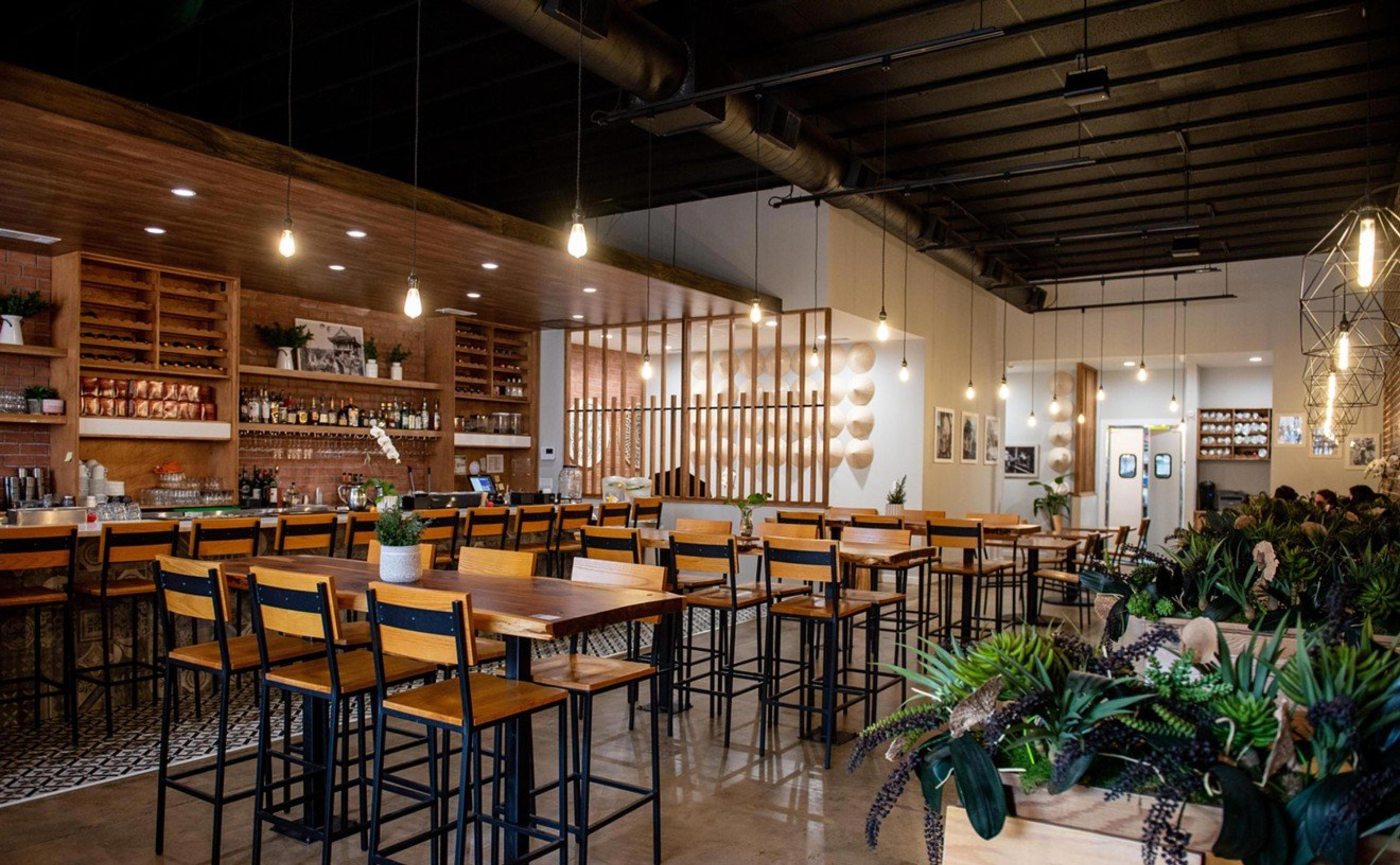
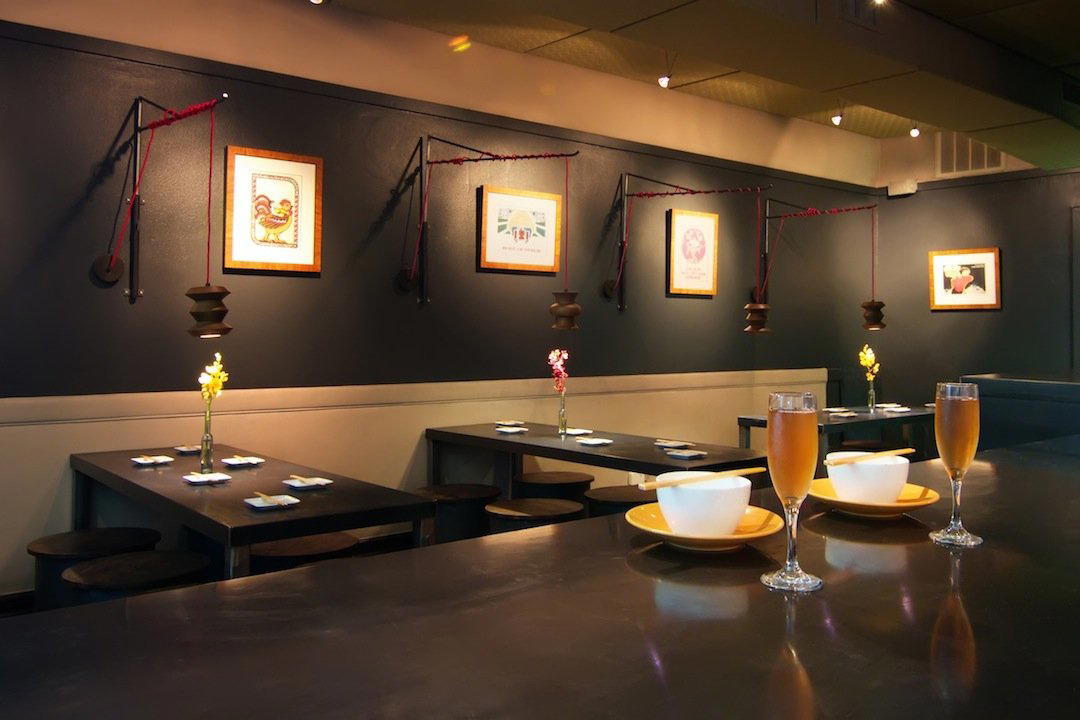
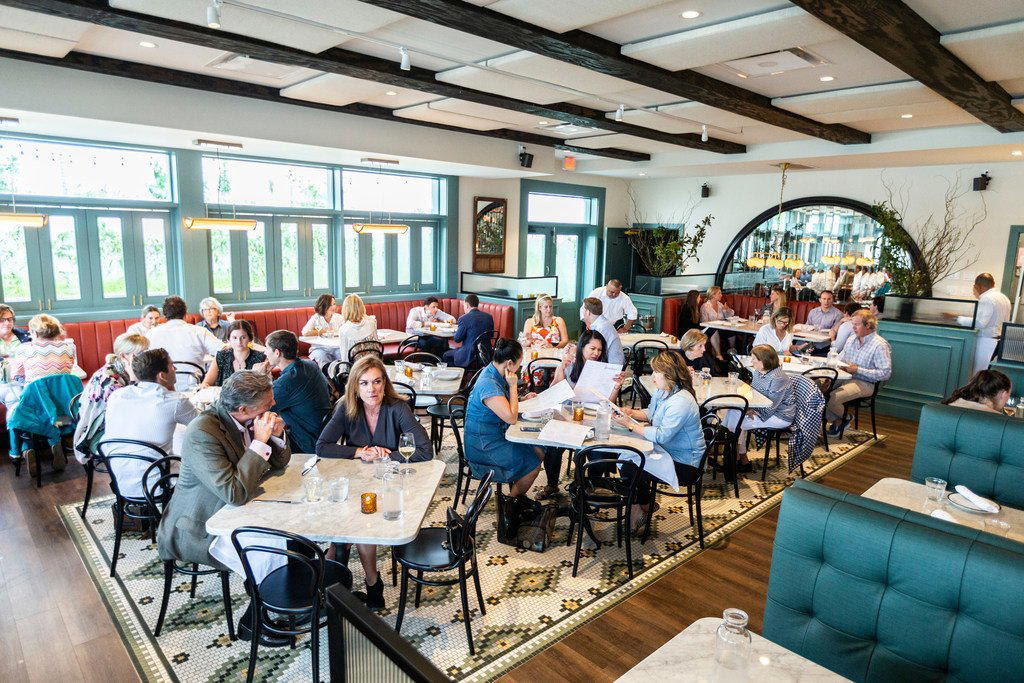
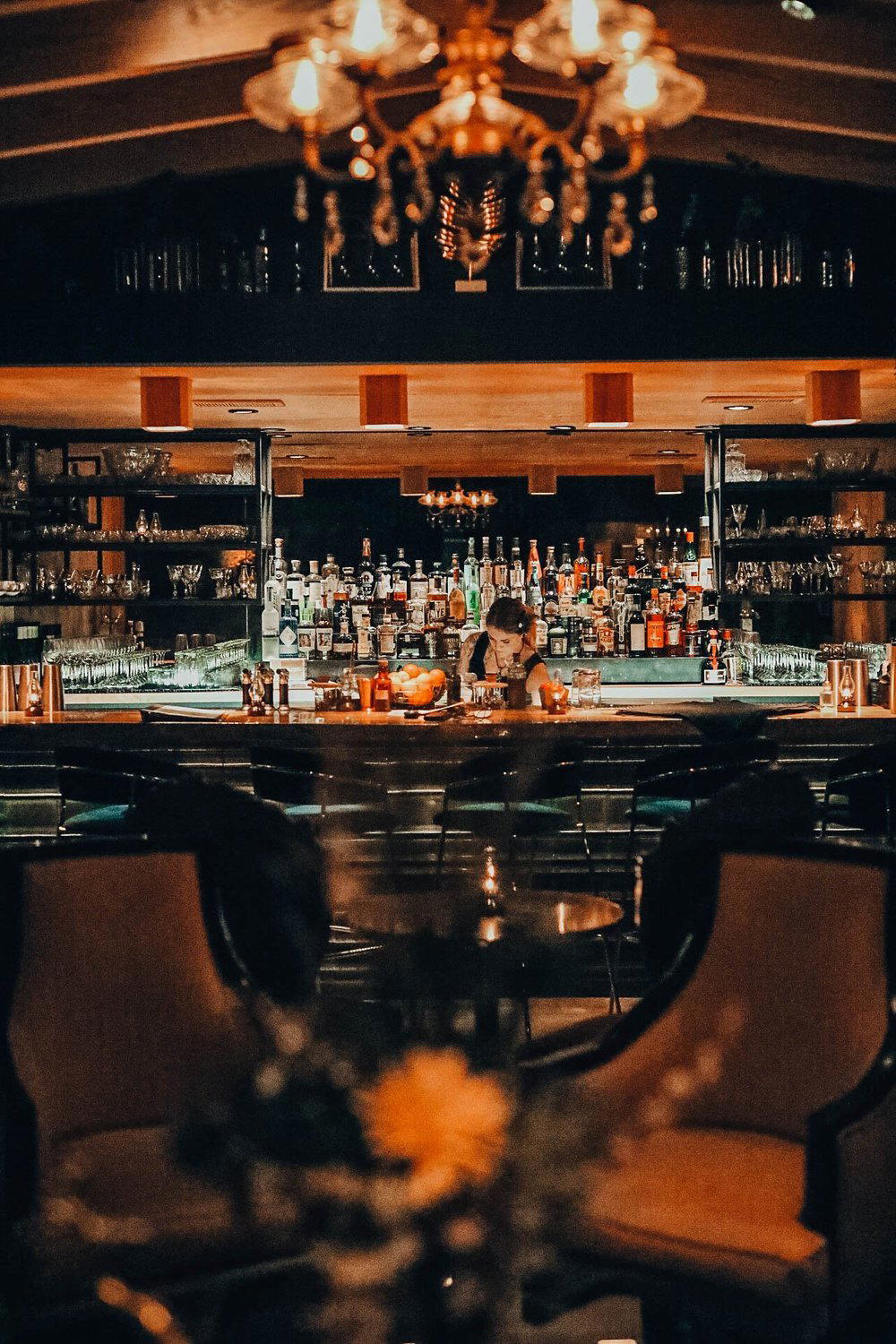
- Lively
- Group Dining
- Casual Hangout
Current opening hours
- Monday
- 11 AM–10 PM
- Tuesday
- 11 AM–10 PM
- Wednesday
- 11 AM–10 PM
- Thursday
- 11 AM–10 PM
- Friday
- 11 AM–10 PM
- Saturday
- 10 AM–10 PM
- Sunday
- 10 AM–10 PM
Hours can change for holidays and private events. Last verified .
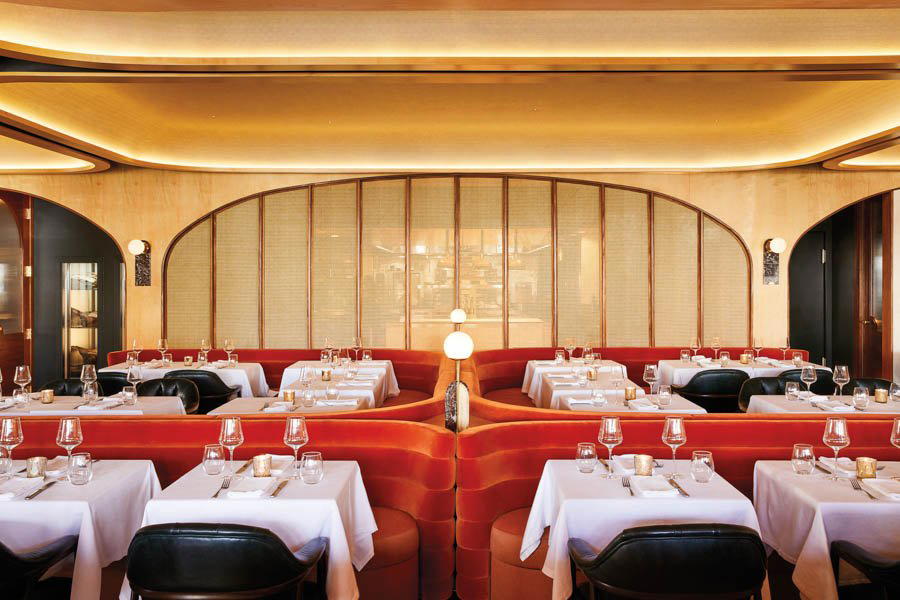
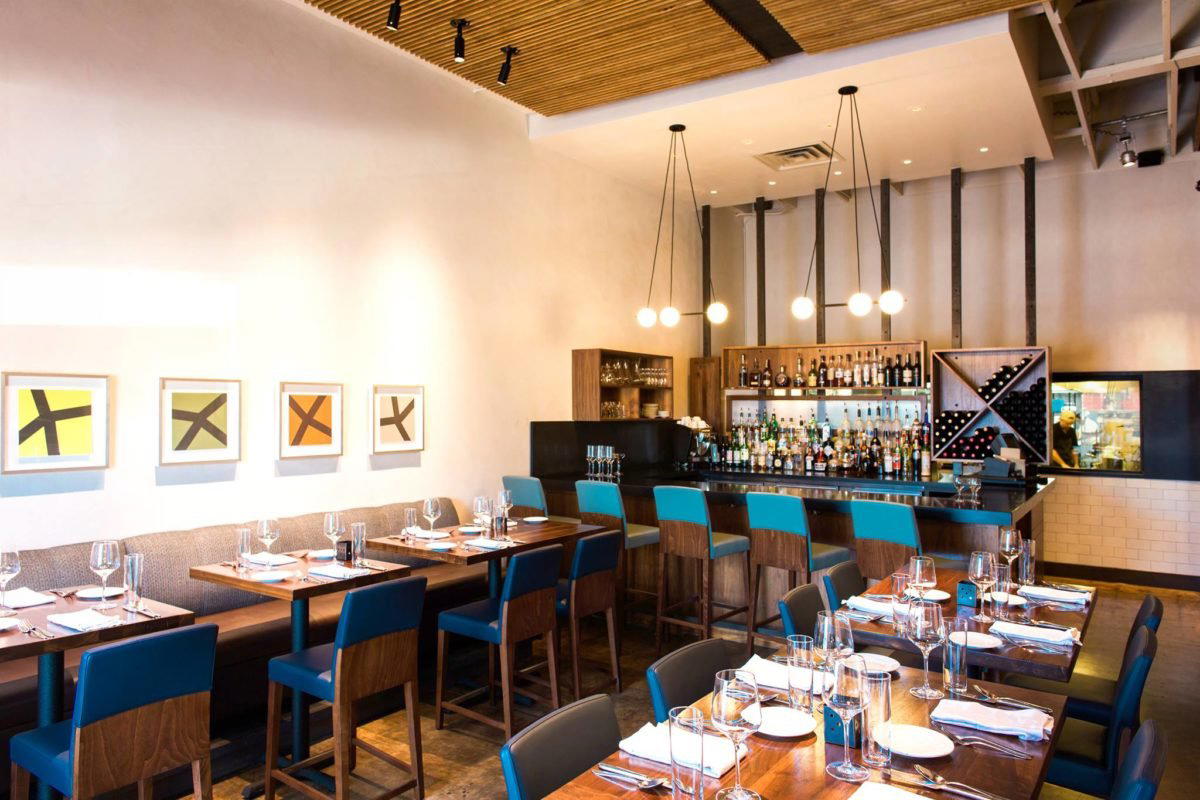
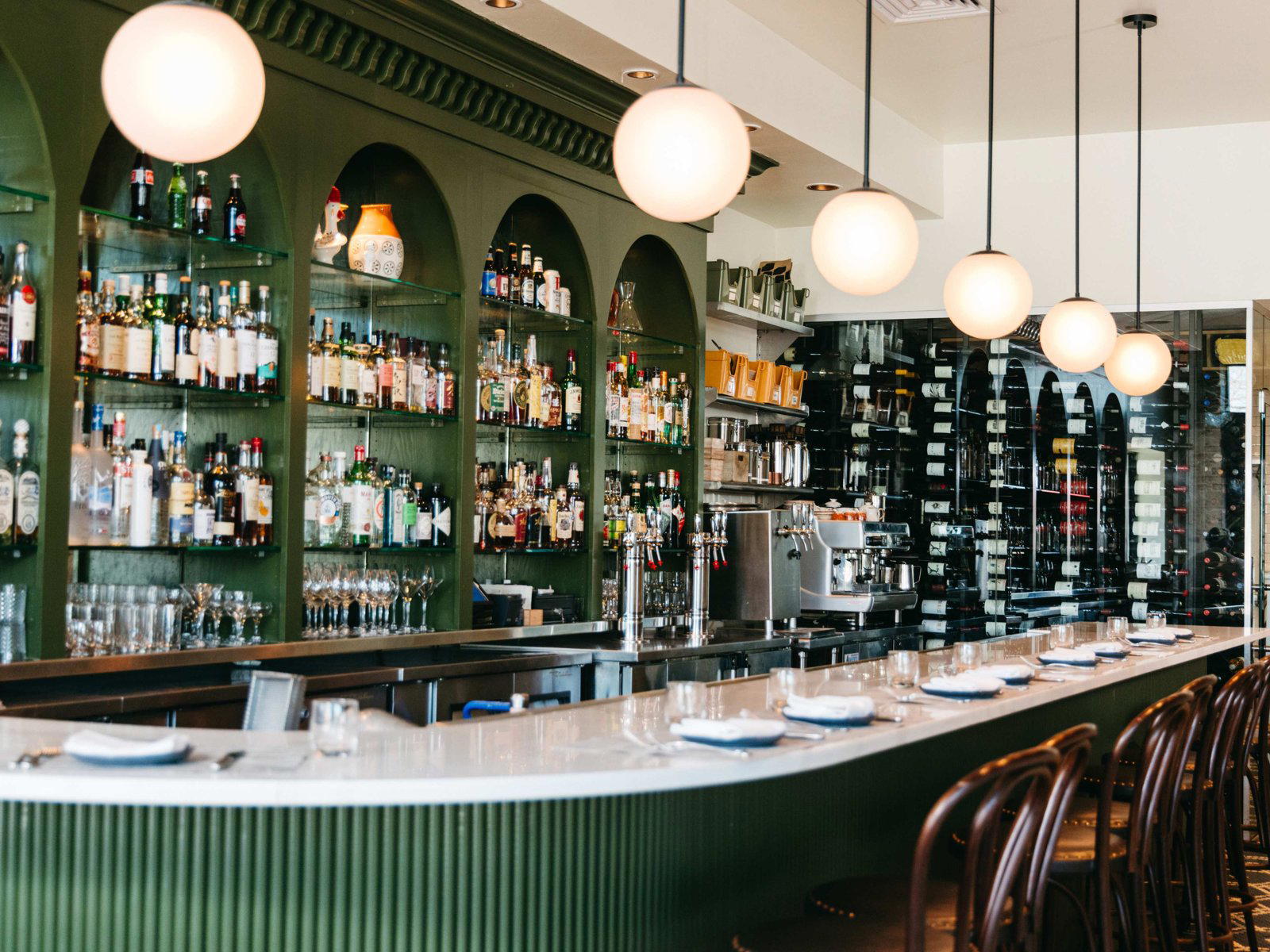
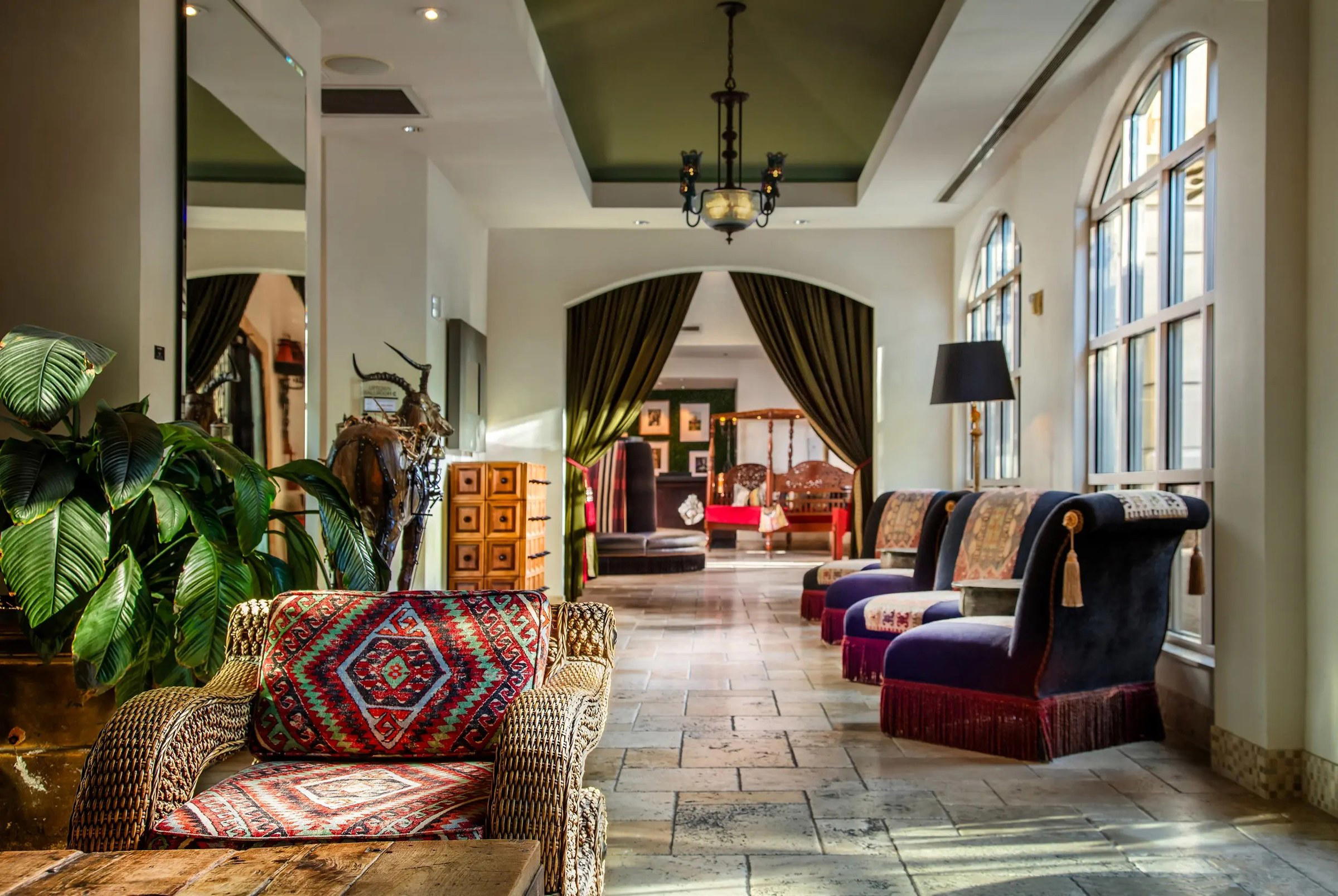
Lively and casual with table service.