Google: 4.8 · 826 reviews
Pedlar Project
On Flinders Street in central Townsville, Pedlar Project sits within a dining scene that has grown increasingly serious about northern Queensland's produce. The address places it on the city's main commercial strip, where a new generation of venues is trading on proximity to the Coral Sea, the Atherton Tablelands, and the cattle country of the north. Worth investigating for anyone passing through Townsville with appetite and curiosity.
 Discover on Pearl
Pearl is the En Primeur Club membership app — saves, bookings, and concierge access live there. Same editors, same standards.
Flinders Street and the New North Queensland Table
Townsville's dining identity has spent years in the shadow of Brisbane and Cairns, bracketed between a regional city's practical appetite and the tourist-driven menus of the reef corridor to the north. What has changed, gradually and without fanfare, is the seriousness with which a handful of Flinders Street addresses treat the produce sitting in their backyard. The Coral Sea delivers reef fish that southern restaurants fly in at considerable cost. The Atherton Tablelands, a few hours' drive, produces tropical fruits, coffee, and dairy with genuine regional character. Cattle from the Gulf country and the Burdekin delta provide beef that rarely travels further south before it disappears into local kitchens. Pedlar Project, at 320-334 Flinders St, operates inside this context.
The address itself signals something about how the venue positions itself. Flinders Street is Townsville's civic spine, a wide, covered arcade streetscape built for the tropics, where the architecture runs to broad verandahs and ceiling fans rather than glass and steel. Arriving from the street, you are entering a building type that defines the city's commercial character: functional, heat-adapted, and unpretentious in a way that the fit-outs of comparable venues in Sydney or Melbourne rarely manage to be. In a country where the most discussed Australian Modern restaurants, venues like Attica in Melbourne or Brae in Birregurra, have made provenance and place central to their identity, the question for regional operators is whether the same impulse can be sustained without the critical infrastructure, the press, the awards machinery, and the tourist dollar that those venues attract.
The Sourcing Argument in a Tropical City
The ingredient-sourcing conversation that reshaped Australian dining over the past two decades began in the southern capitals, but the logic of that conversation favours the north more than the south cares to admit. Proximity to reef seafood, tropical-climate agriculture, and cattle country gives Townsville kitchens a sourcing advantage that operators in Sydney or Melbourne would require significant logistics budgets to replicate. Rockpool in Sydney built a reputation, in part, on its access to premium Australian seafood and beef; that same access is structural, not aspirational, for a kitchen operating out of North Queensland.
Practical question is not whether the produce is there, it plainly is, but whether the kitchen is using it with enough intention to make the sourcing argument legible to a diner. Australian Modern at its most considered, the tradition that runs from the Tablelands to the reef to the cattle stations of the interior, requires more than proximity. It requires a menu that makes the geography visible on the plate. This is where regional venues either earn the comparison to the national conversation or retreat into safe bistro territory. Venues like Bar Carolina in South Yarra and Barry Cafe in Northcote have shown that casual formats can still carry genuine sourcing conviction without formal dining pretension, which suggests the format question matters less than the intention question.
Where Pedlar Project Sits in the City's Dining Geography
Townsville's restaurant scene is not large by capital-city standards, but it is more stratified than a first glance suggests. The waterfront and CBD strip attract venues serving the conference and defence-sector clientele that defines much of the city's professional economy. Further from the centre, neighbourhood cafes and casual dining carry the daily-spend market. Flinders Street sits between these poles, visible enough to attract passing trade and central enough to serve as a destination address. For visitors arriving from the south, the Flinders Street corridor is the natural starting point for an assessment of what the city's dining scene is doing.
The broader context for any serious Townsville venue includes the comparison to what is happening in comparable regional cities across Australia. Bayly's Bistro in Kirribilli, Hungry Wolfs Italian Restaurant in Newcastle, and Kulcha Restaurant in Wollongong all demonstrate that strong regional dining now operates outside the capital-city circuit, each with a distinct sourcing or cultural identity. The same pattern is visible in Ballarat, where Jaani Street Food has built a recognisable identity around a specific culinary tradition. Townsville's version of this story has not yet produced a venue with the national profile of an Akasiro in Collingwood or the wine-program depth of Carlton Wine Rooms in Carlton, but the structural ingredients, the produce, the geography, the growing local sophistication, are in place.
Planning a Visit
Pedlar Project sits at 320-334 Flinders St in Townsville's city centre, within walking distance of the main hotel strip and the ferry terminal for Magnetic Island. For visitors combining the venue with broader Townsville exploration, the Flinders Street location is practical: the precinct covers the city's main cultural and civic institutions within a short radius. Flinders Street itself is shaded and walkable, which matters more in Townsville's tropical climate than in southern cities. The leading times to visit North Queensland generally run from May through September, when humidity drops and the outdoor character of the city becomes more accessible. Summer months bring the wet season, which affects the character of both the city and the produce available to local kitchens, with some tropical fruits peaking precisely in these hotter months.
For a fuller picture of what Townsville's dining scene currently offers, see our full Townsville restaurants guide. Visitors interested in how Australian regional dining compares at the formal end of the market might also look at Lenzerheide Restaurant in Adelaide or, for the international frame of reference, at what tightly focused formats achieve at venues like Le Bernardin in New York City and Atomix in New York City, where sourcing specificity and culinary identity are treated as inseparable. The reference points matter because they clarify what the regional ambition requires, not just good produce, but the discipline to let it speak.
For the casual end of the Flinders Street visit, bills in Bondi Beach and Johnny Bird in Crows Nest offer useful comparisons for what a relaxed daytime format can sustain when the produce quality is high and the kitchen has confidence. The same logic applies on Flinders Street. And for a sense of what a venue with strong format clarity and a distinct neighbourhood identity looks like in a small-city context, El Loco at Excelsior in Surry Hills is a useful marker.
A Quick Peer Check
These are the closest comparables we have in our database for quick context.
| Venue | Cuisine | Price | Awards | Notes |
|---|---|---|---|---|
| Pedlar Project | This venue | |||
| Attica | Australian Modern | World's 50 Best | Australian Modern | |
| Brae | Modern Australian | World's 50 Best | Modern Australian | |
| Flower Drum | Cantonese | World's 50 Best | Cantonese | |
| Rockpool | Australian Cuisine | World's 50 Best | Australian Cuisine | |
| Saint Peter | Australian Seafood | World's 50 Best | Australian Seafood |
Continue exploring
More in Townsville
Restaurants in Townsville
Browse all →
Hotels in Townsville
Browse all →

At a Glance
- Modern
- Cozy
- Trendy
- Brunch
- Casual Hangout
- Solo
- Standalone
- Terrace
- Craft Cocktails
- Organic
- Local Sourcing
- Street Scene
- Garden
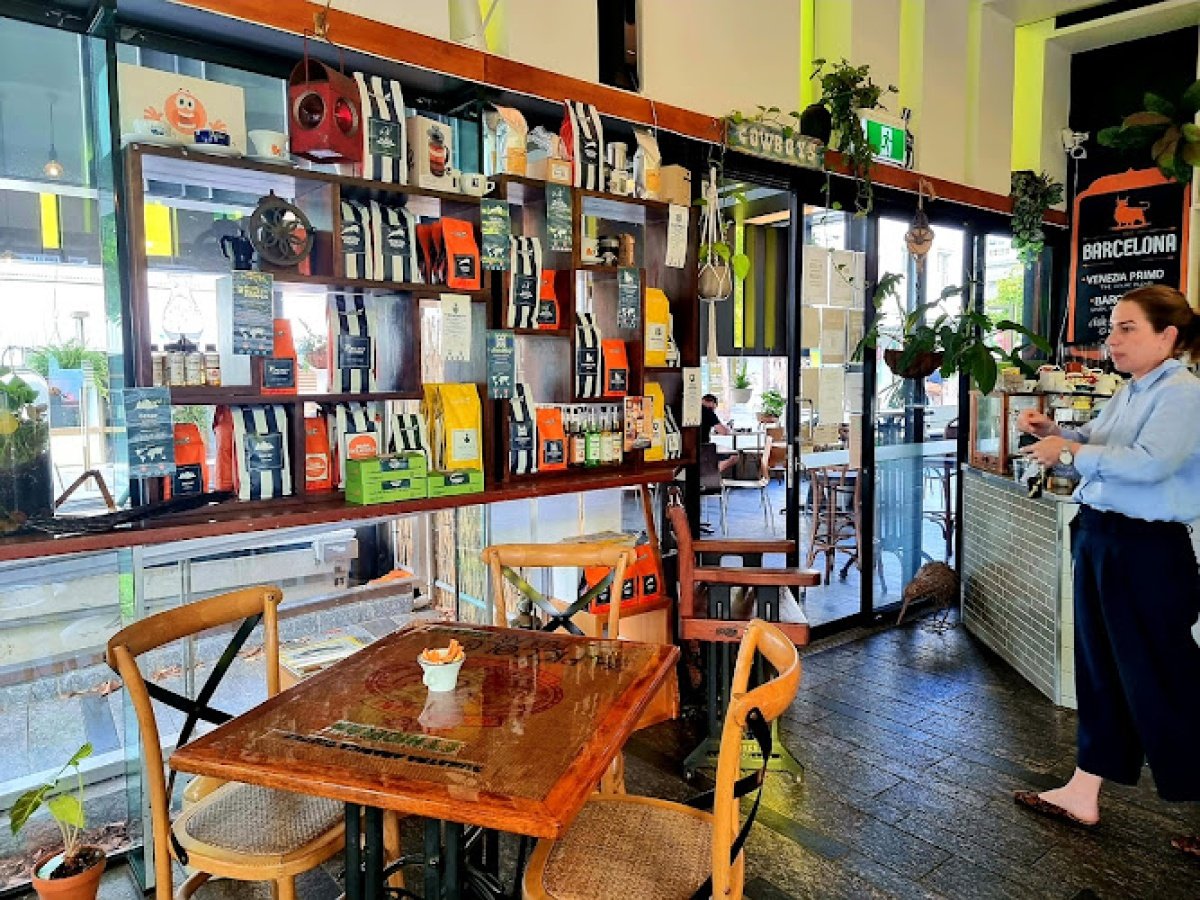
Charming and inviting with mid-century contemporary design, tropical ambiance enhanced by sidewalk seating with greenery, bright and welcoming for daytime dining.