The Pearl

A Michelin Plate recipient in consecutive years (2024 and 2025), The Pearl sits in Tampa's Water Street district and operates as one of the neighbourhood's most reliable American tables.
Pearl is the En Primeur Club membership app — saves, bookings, and concierge access live there. Same editors, same standards.
- Address
- 823 Water St C100, Tampa, FL 33602
- Phone
- (813) 709-7776
- Website
- thepearlrestaurant.com
- Directions
- Get directions
 Saves & bookings on Pearl
Water Street's Steadiest American Table
Walk south along Water Street on any given evening and the shift in Tampa's urban texture becomes clear. The blocks around 823 Water Street represent the city's most deliberate attempt at a walkable, mixed-use downtown core, and the restaurants that have taken root there carry the weight of that ambition. The Pearl occupies a ground-floor space in that corridor. It is a steady address on the strip.
American dining at the mid-price tier is a category that many cities struggle to sustain well. The format demands consistency over spectacle, a kitchen that can repeat itself reliably on a Tuesday in February as convincingly as on a Saturday in December. The Pearl has accumulated two consecutive Michelin Plate recognitions, in 2024 and again in 2025, which positions it in a bracket of restaurants that Michelin's inspectors consider worth returning to. A Plate is not a star, but it signals consistent quality across visits. That consecutive recognition carries weight in Tampa's dining scene.
Where The Pearl Sits in Tampa's Price Architecture
Tampa's restaurant tier structure has sharpened considerably over the past five years. At the leading end, venues like Ebbe (Contemporary) and Koya (Japanese) operate at the $$$$ price point, where tasting-format menus and specialist sourcing justify the premium. Kōsen (Japanese) occupies a similar upper register. That positioning is harder to hold than it looks. The gravitational pull in most growing cities is toward either affordable-casual or premium-occasion dining; the sustained mid-tier requires a kitchen that refuses to coast.
Compared to the American dining conversation happening at the national level, where venues like Hilda and Jesse in San Francisco or Selby's in Atherton define what refined American cooking looks like in different price brackets, the restaurant occupies a space where the cuisine type and the price point together create a specific social contract with the neighbourhood. You come here because the cooking is dependable and the environment is not trying to overawe you.
A Neighbourhood Anchor in a District Still Becoming Itself
Water Street Tampa is a development project of unusual scale for a mid-sized American city, and the restaurants within it face an unusual challenge: they must serve both the incoming density of residents and workers and the visiting public drawn by the district's design ambitions. Restaurants that thread that needle tend to become neighbourhood anchors rather than destination-only addresses. That volume of reviews at that rating reflects a customer base that is not just passing through.
The distinction matters editorially. A restaurant that draws its crowd primarily from hotel guests or convention traffic behaves differently, and often fades faster, than one that has established a local constituency. The restaurant's review profile suggests the latter. Local regulars are harder to sustain than tourist traffic, because locals return with higher expectations and lower patience for a kitchen that has slipped. Sustained ratings across a large review base are a reasonable proxy for kitchen consistency, even when specific menu details are not available for independent verification.
For dining context across the wider city, Supernatural Food and Wine and Ulele represent different but related approaches to the Tampa neighbourhood-anchor model, and situating the restaurant within that company helps clarify what it is doing and for whom. See our full Tampa restaurants guide for a broader mapping of the city's dining tiers.
How The Pearl's Recognition Reads Against the National Field
Michelin Plate recognition places the restaurant in different company than its price point might initially suggest. The Plate designation groups restaurants that Michelin considers good enough to visit but not yet at star level, a category that in mature guide markets includes many serious neighbourhood institutions. In the context of Florida's guide, which launched more recently than the New York or Chicago editions, a consecutive Plate suggests a kitchen that has demonstrated repeatability to inspectors who are still calibrating the local field.
The restaurants that hold stars in the same Florida guide operate in a different price and format tier. The wider American conversation about serious cooking, spanning institutions like Le Bernardin in New York City, Alinea in Chicago, The French Laundry in Napa, or Lazy Bear in San Francisco, operates at a format distance from what the restaurant is doing. That is not a criticism; it is a category clarification. The restaurant's frame of reference is the well-run American neighbourhood restaurant, not the destination tasting counter. Within that frame, back-to-back Michelin Plate recognition is a meaningful credential.
For comparison, Emeril's in New Orleans and Single Thread Farm in Healdsburg show how American dining can scale upward in ambition while remaining rooted in a specific place. The restaurant is operating at a different scale, but the underlying principle of place-rootedness is shared.
Planning a Visit
The restaurant is located at 823 Water Street, Suite C100, Tampa, FL 33602. The $$ price range makes it accessible as a dinner option, and reservations are recommended, especially on weekend evenings. The American cuisine format and accessible price point make it a practical anchor for a broader Tampa evening that might begin with a drink at one of the district's bars (see our full Tampa bars guide) or extend into the wider neighbourhood. For those building a longer Tampa itinerary, our full Tampa hotels guide covers the accommodation options closest to the Water Street corridor, and our full Tampa experiences guide maps what else the district and city have to offer. The Tampa wineries guide covers the city's wine scene for those who want to extend the evening further.
Side-by-Side Snapshot
Comparable venues nearby, for context on price, style, and recognition.
| Venue | Cuisine | Price | Awards | Notes |
|---|---|---|---|---|
| The PearlThis venue — the venue you are viewing | Modern American Gastropub with Seafood Focus | $$$ | Michelin Plate | Not listed |
| Steelbach | Southern-Inspired Steakhouse | $$$ | Michelin Plate | Tampa Heights |
| Rome + Fig | Global Bistro | $$$ | Not listed | Old West Tampa |
| Ulele | Florida-Inspired American Grill | $$$ | Michelin Plate | Armature Works / Riverwalk |
| Riverwalk Terrace | Riviera-Inspired Breakfast and Brunch | $$$ | Not listed | Garrison Channel District |
| Mise en Place | Modern American Fine Dining | $$$ | Michelin Plate | South Nebraska |
Recognition history
Dated appearances from independent guides and award organizations, with the underlying list record or original source where available.
Michelin Plate
Michelin
Michelin Plate
Michelin
Michelin Plate
Michelin
At a Glance
- Trendy
- Modern
- Elegant
- Lively
- Date Night
- Group Dining
- Special Occasion
- Open Kitchen
- Terrace
- Craft Cocktails
- Street Scene
Current opening hours
- Monday
- 11:30 AM–10 PM
- Tuesday
- 11:30 AM–10 PM
- Wednesday
- 11:30 AM–10 PM
- Thursday
- 11:30 AM–10 PM
- Friday
- 11:30 AM–11 PM
- Saturday
- 10 AM–11 PM
- Sunday
- 10 AM–9 PM
Hours can change for holidays and private events. Last verified .
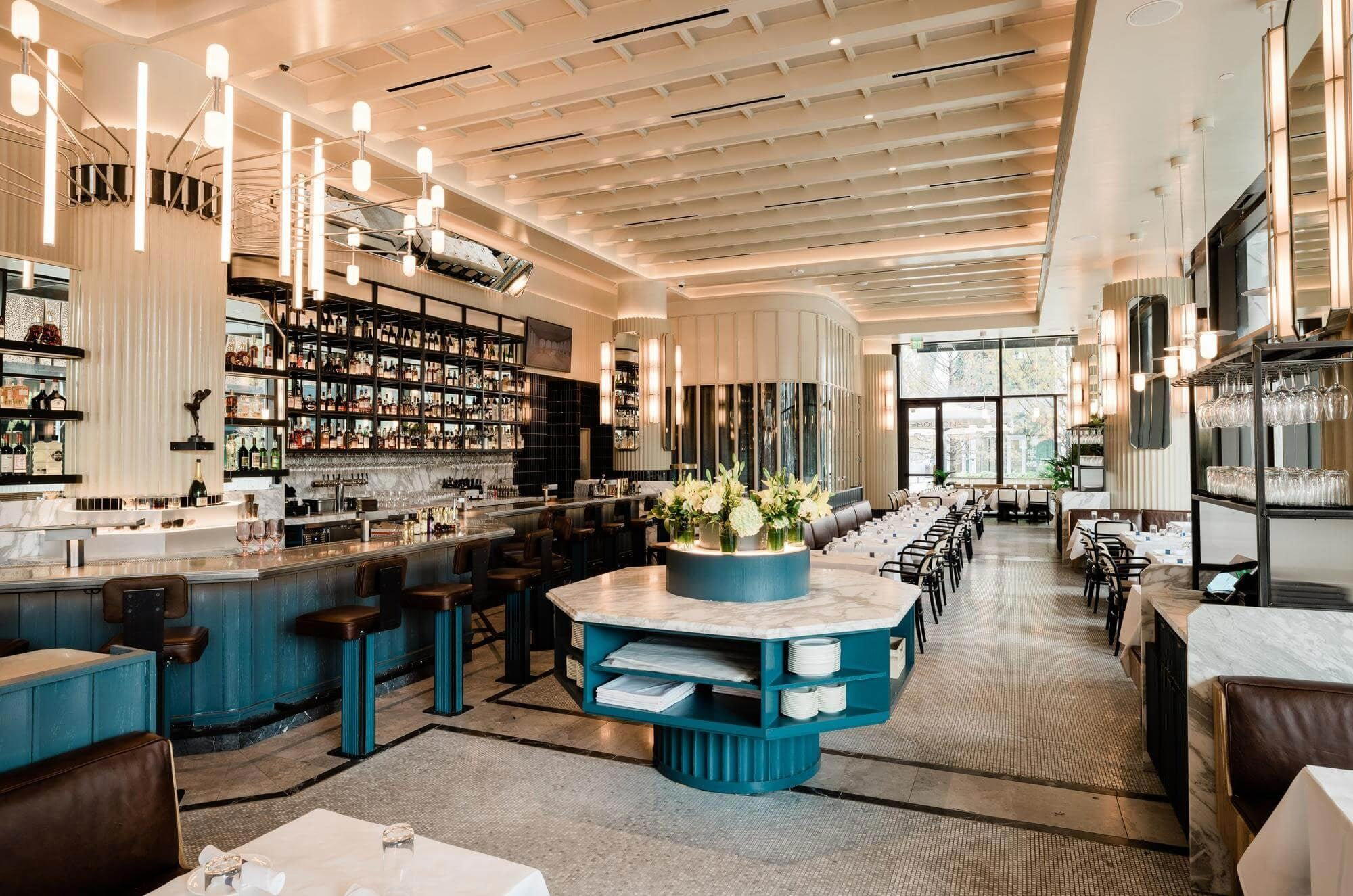
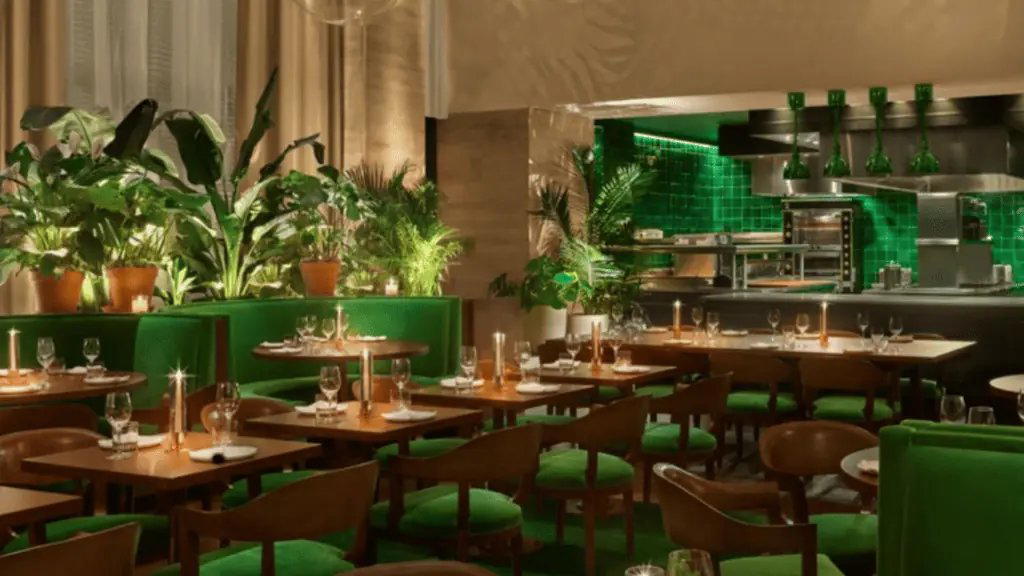
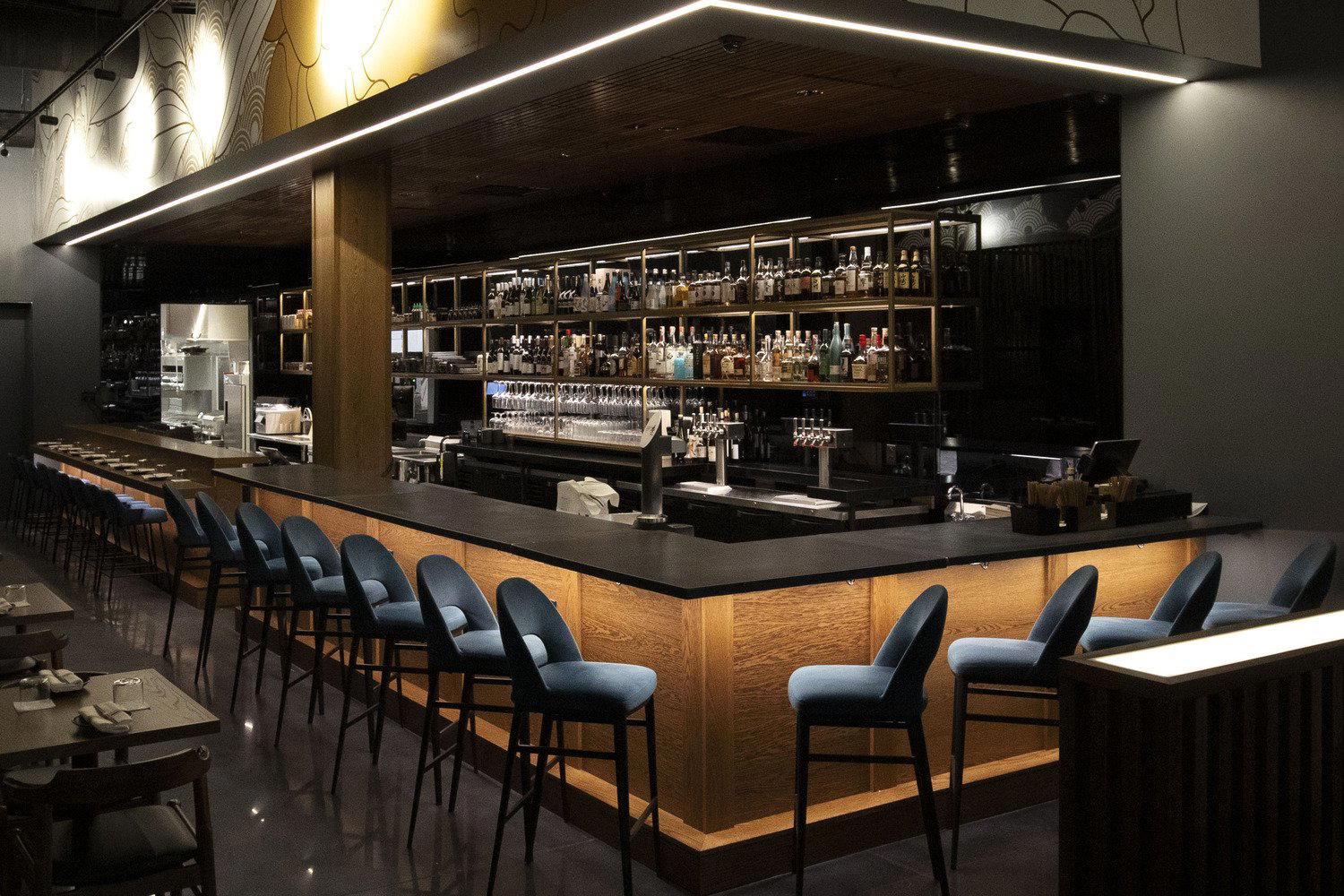
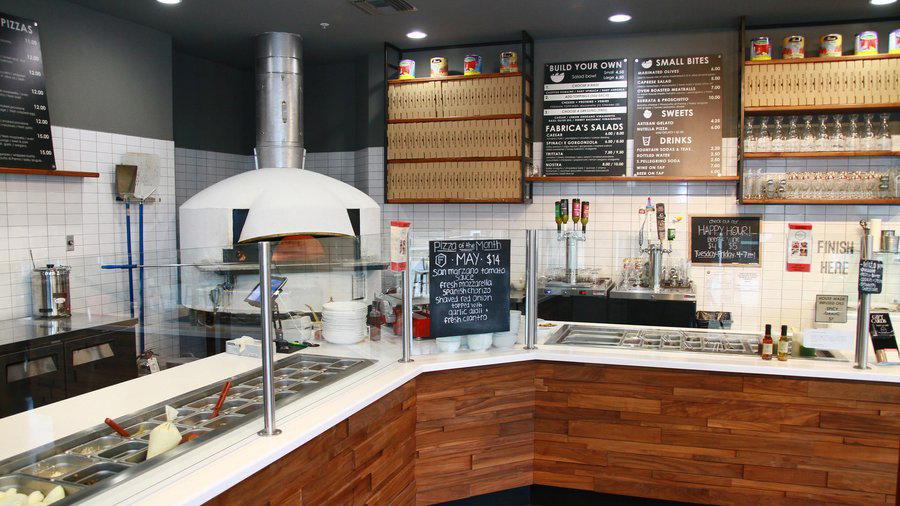
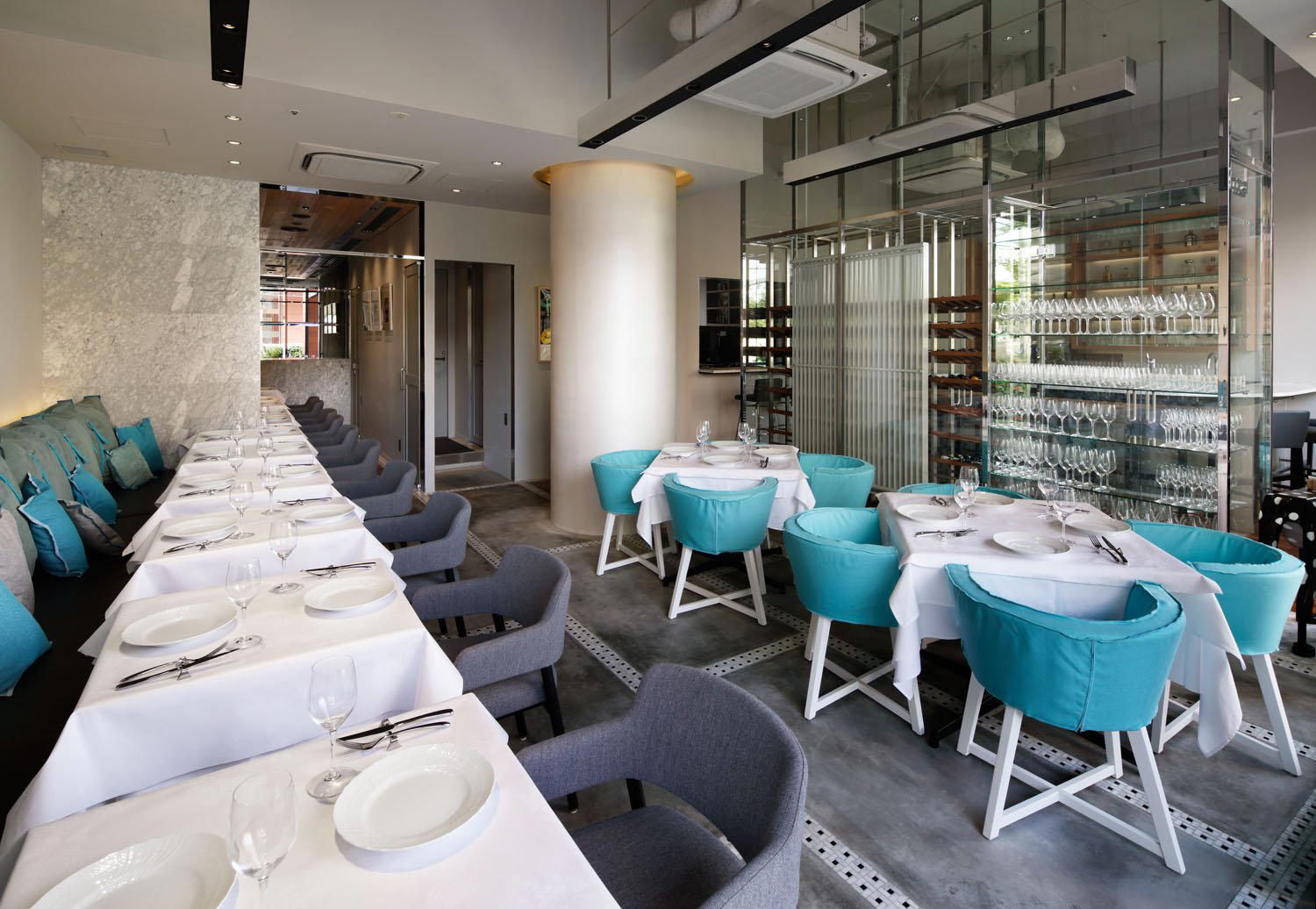
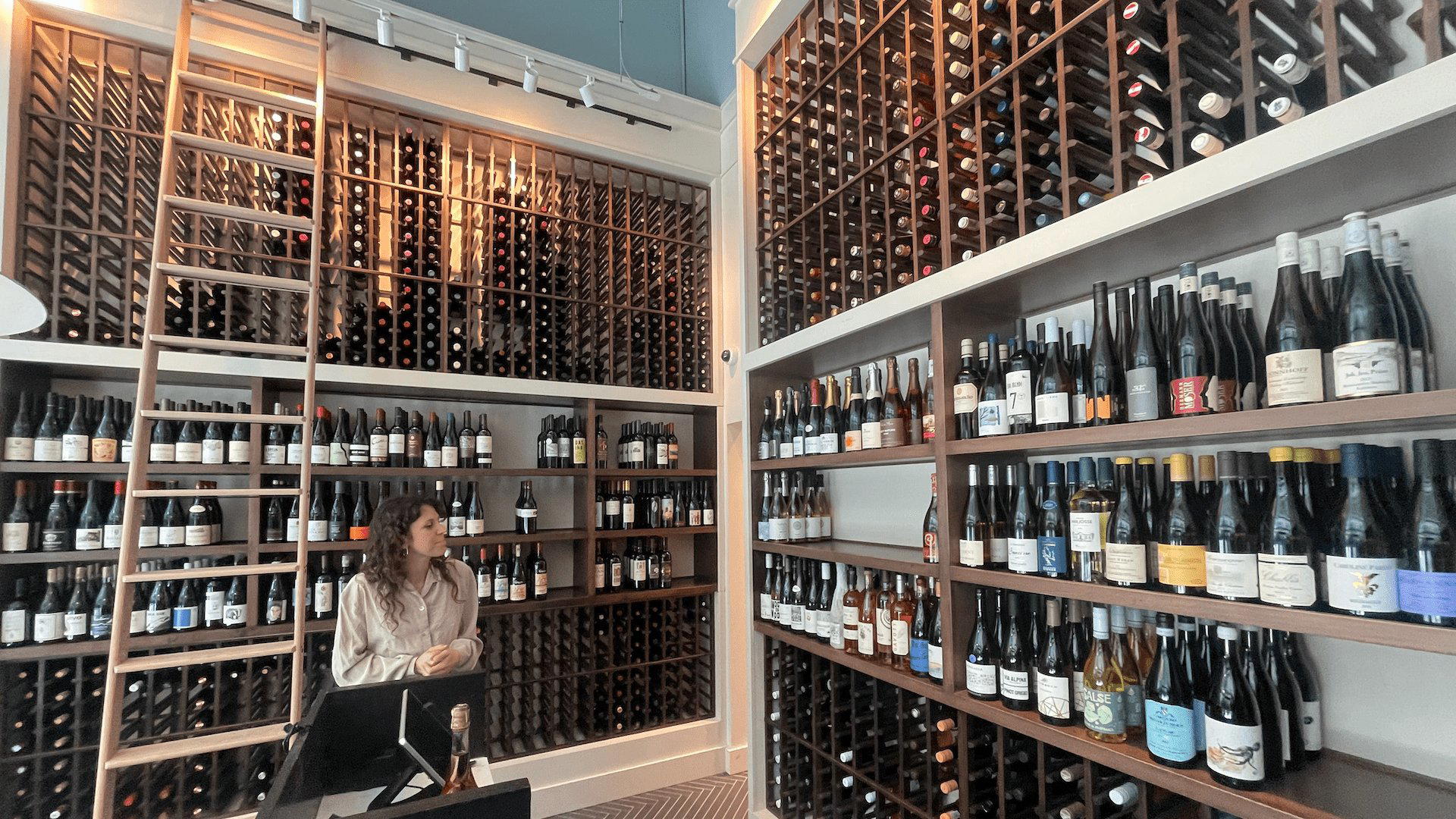
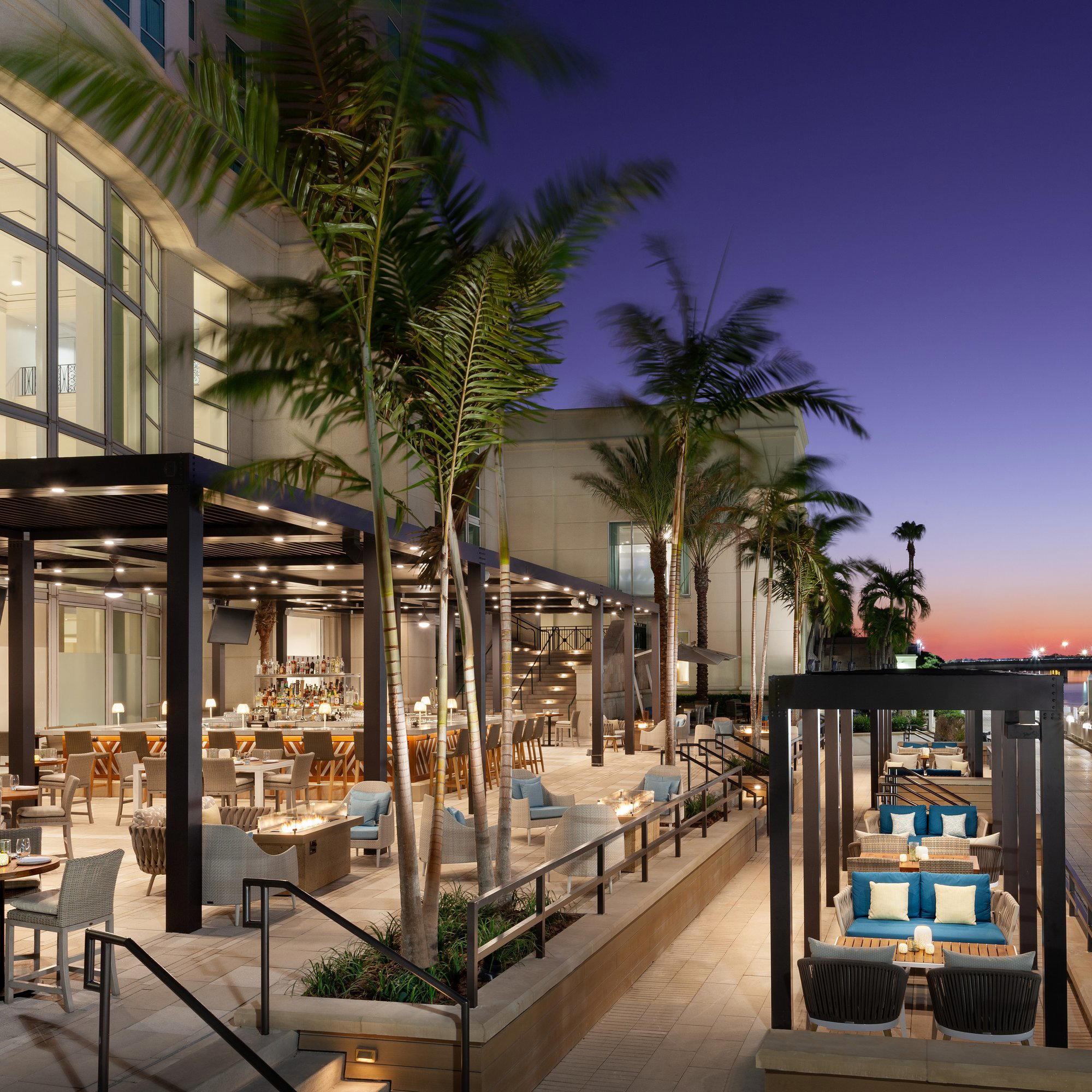
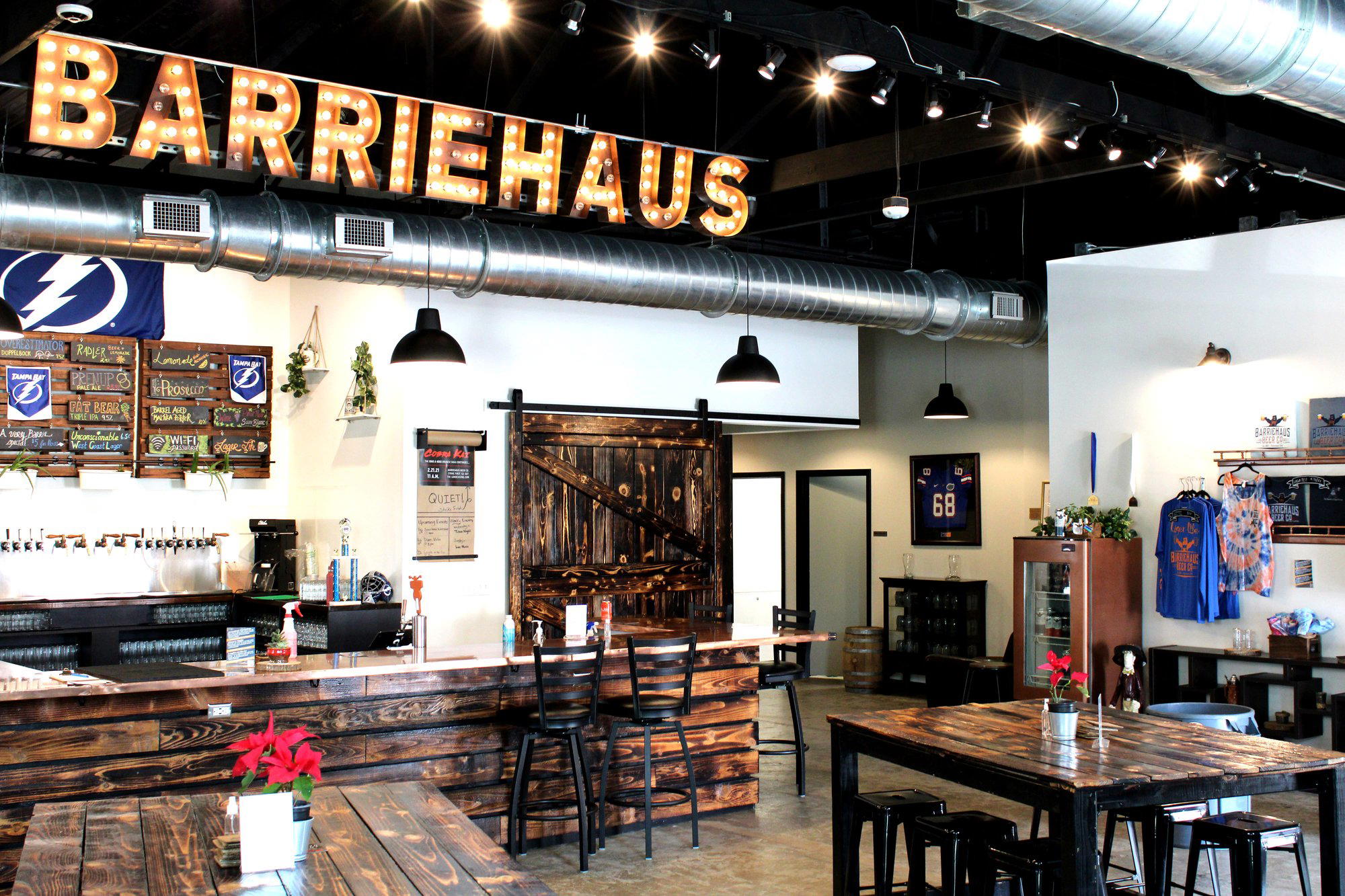
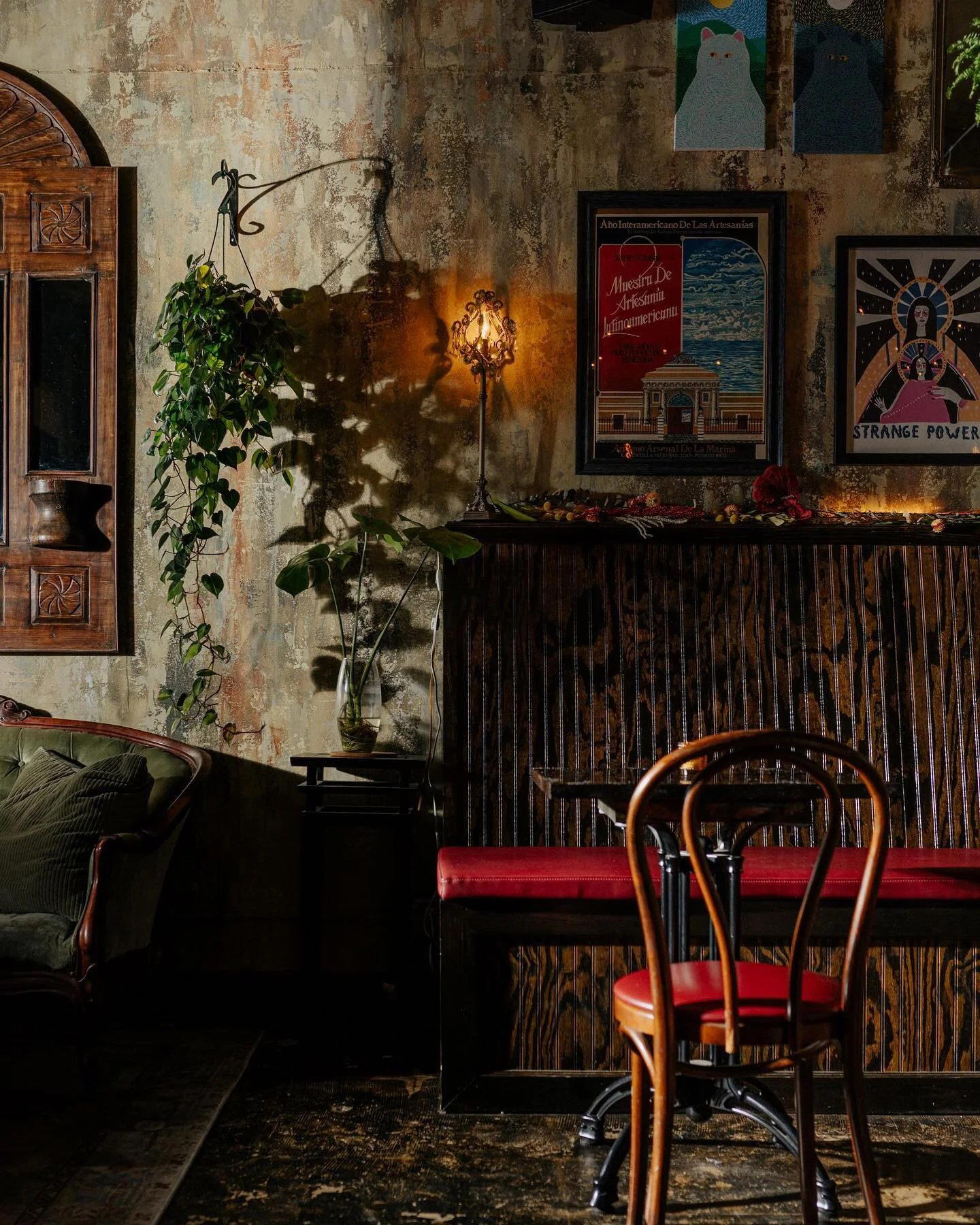
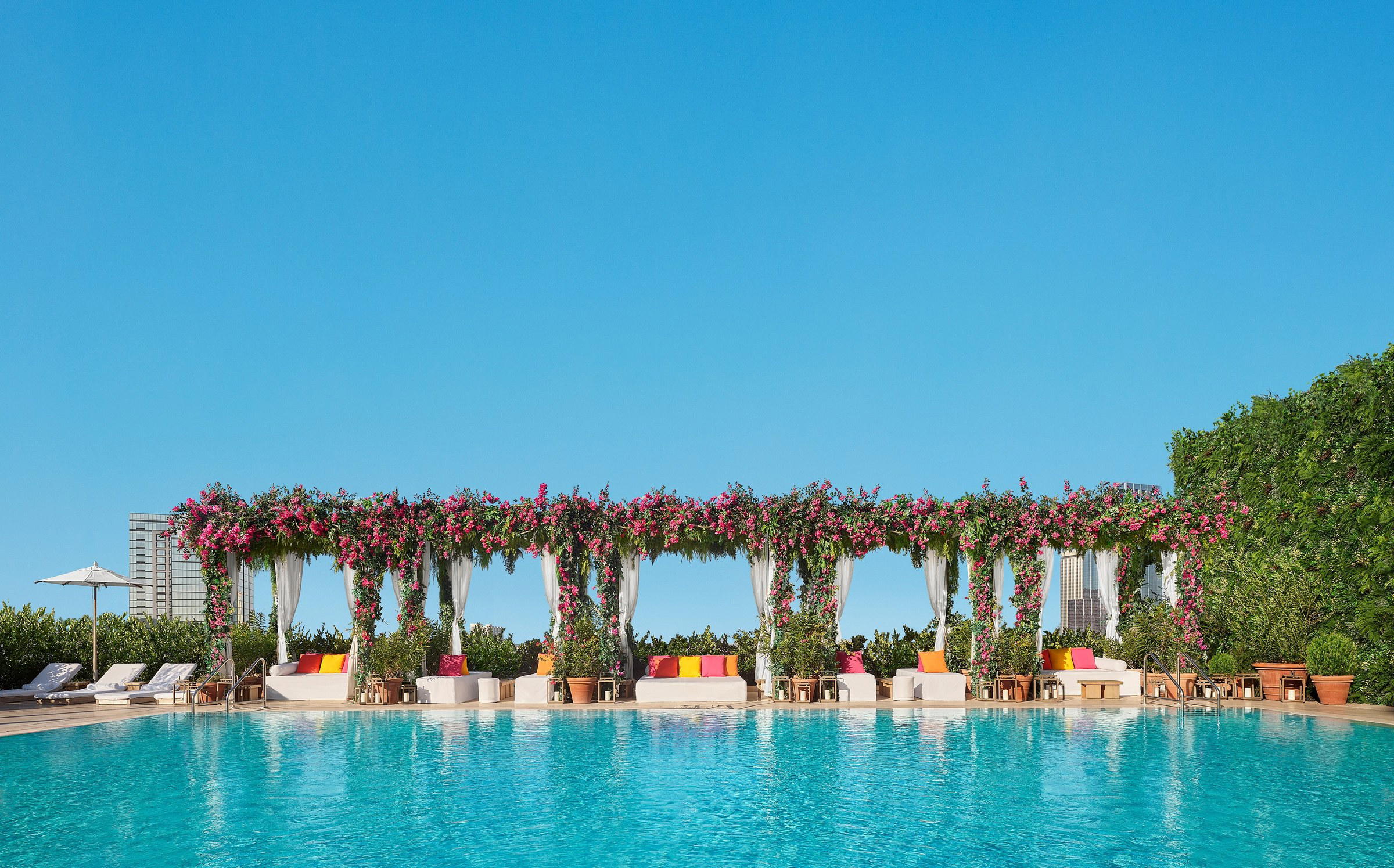
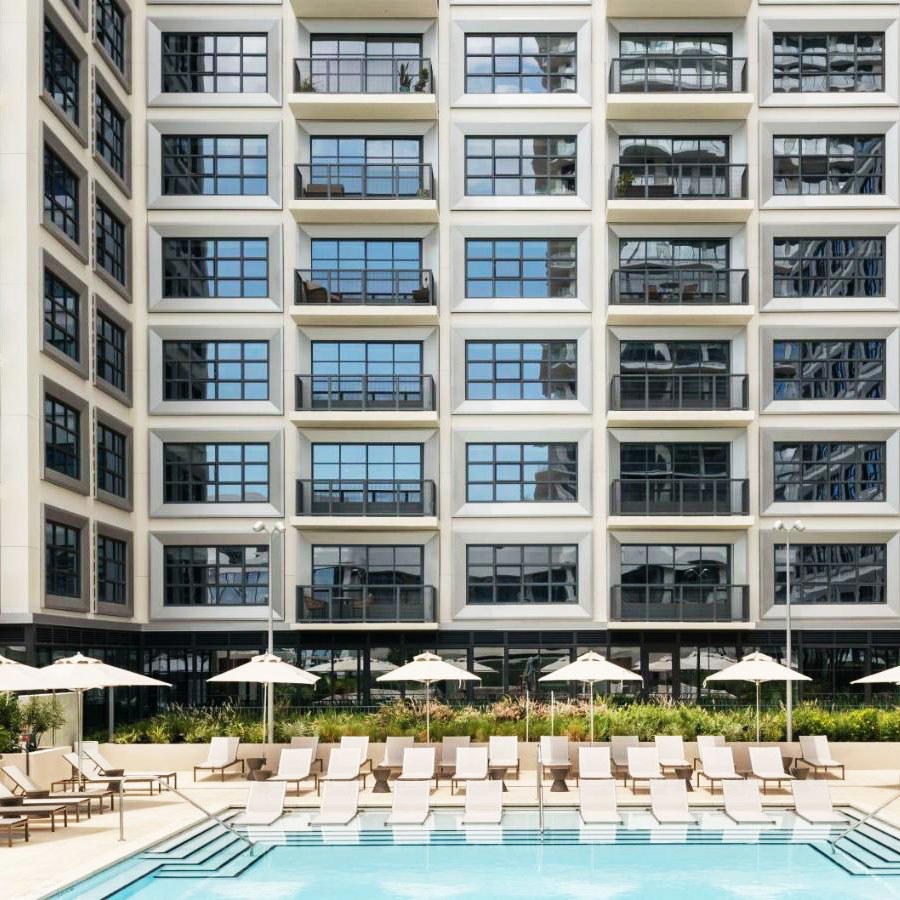
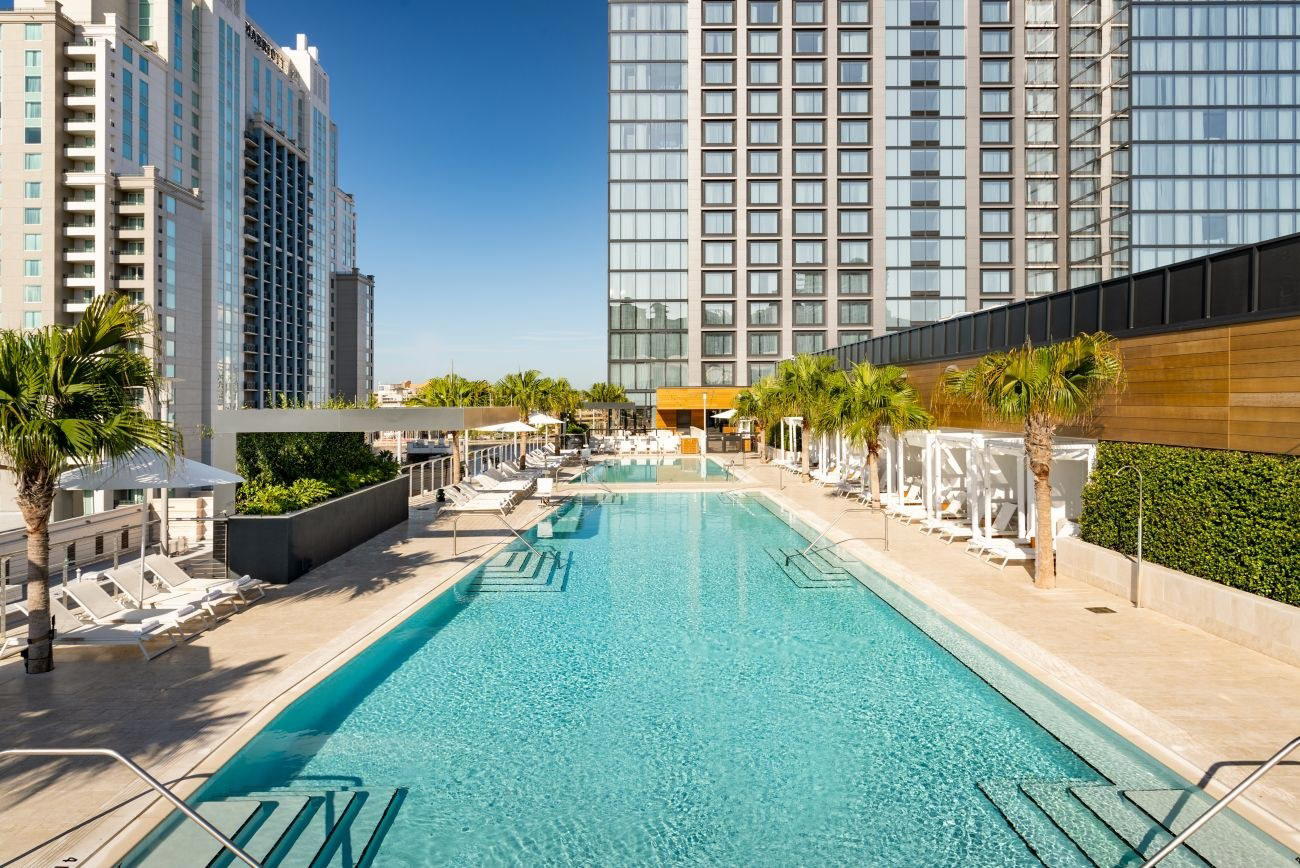
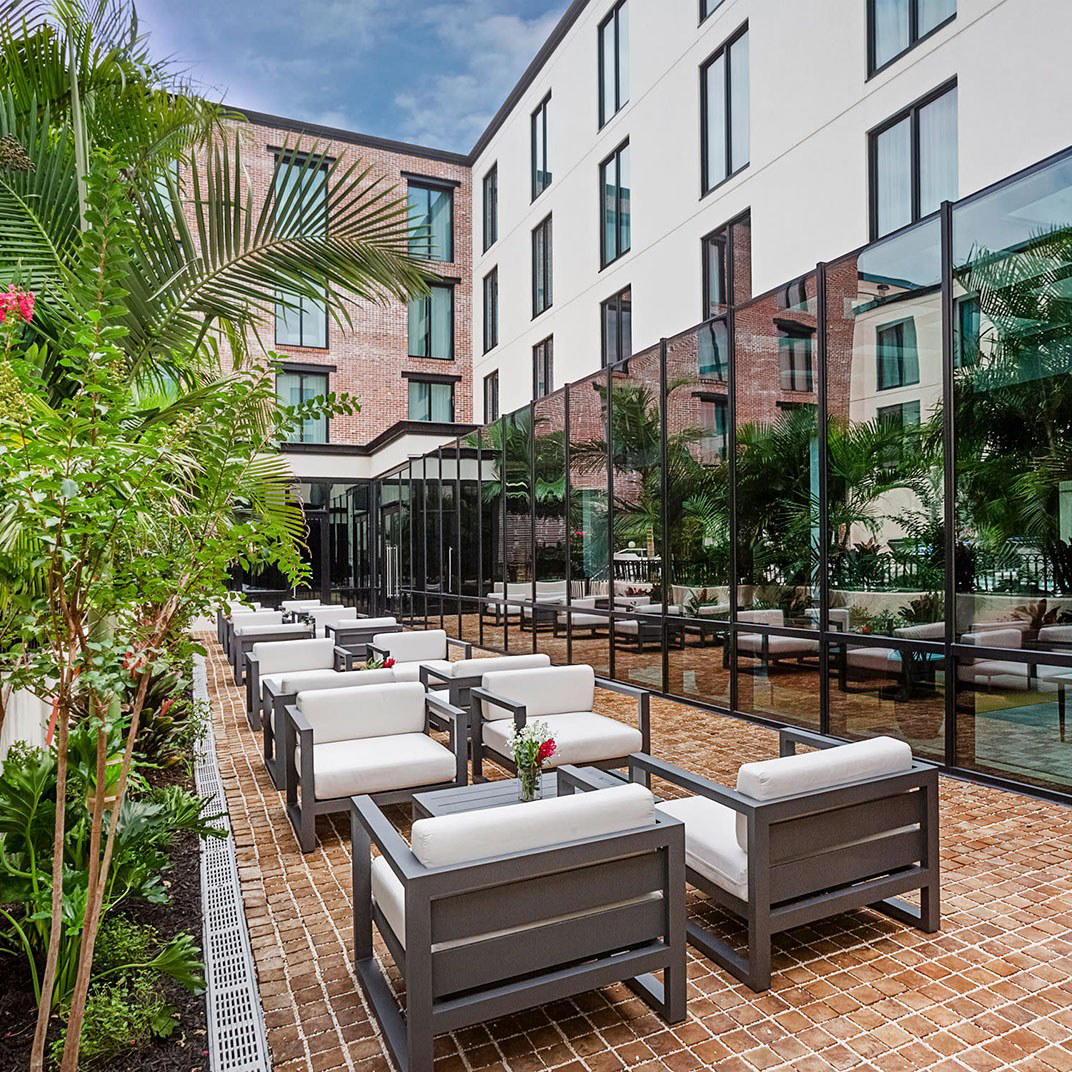
Contemporary with maritime and nostalgic touches, warm lighting, modern coastal-inspired artwork, and a lively yet inviting atmosphere.