Katana Japanese Restaurant
Katana Japanese Restaurant occupies a mid-beach Miami address at 920 71st St, sitting outside the South Beach corridor where Japanese dining has grown increasingly competitive. The restaurant draws regulars from the surrounding residential neighborhoods and visitors looking for Japanese cooking in a setting less charged than the strip. Planning a visit requires working with limited advance information online.

Pearl is the En Primeur Club membership app, where members save venues, book tables and use the concierge.
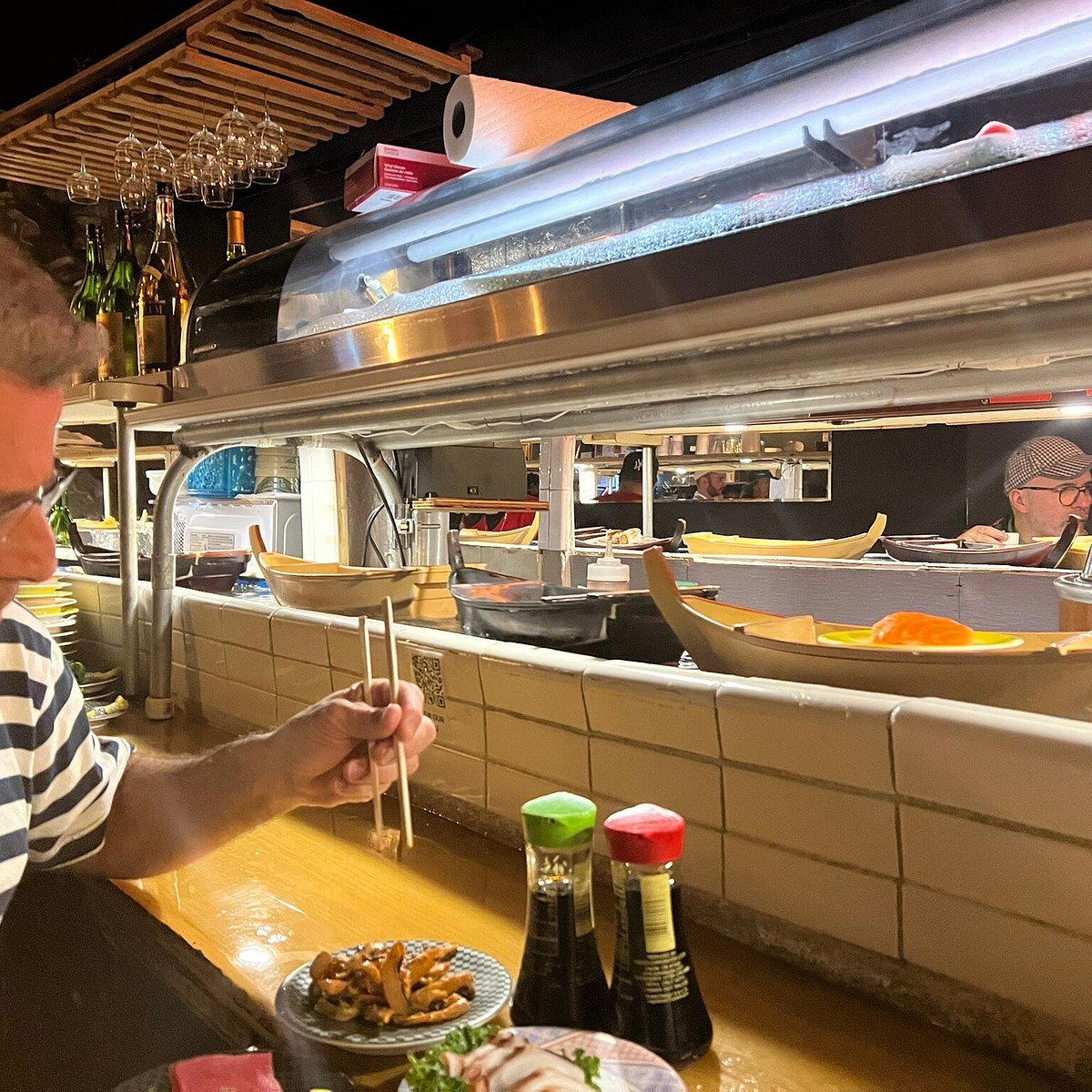
Mid-Beach Japanese, Away from the Strip
The stretch of Miami Beach above 63rd Street operates on a different register than the South Beach blocks most visitors default to. 71st Street in particular has developed a quieter concentration of neighborhood restaurants, where the crowd skews local and the pace is less performative. Katana Japanese Restaurant at 920 71st St sits inside that context: a mid-beach address that places it closer to the residential fabric of Normandy Isle and North Beach than to the high-volume dining corridors of Ocean Drive or Lincoln Road.
Japanese restaurants in Miami have bifurcated sharply over the past decade. A second, larger tier serves neighborhood demand: accessible Japanese cooking with a broad menu, consistent execution, and pricing that doesn't require a reservation strategy. Katana occupies the second tier and, critically, serves a part of Miami Beach where that tier is less saturated than it is further south.
What the Booking Experience Actually Looks Like
For venues in Katana's category across Miami Beach, the planning process matters as much as the meal itself. The restaurant does not appear to maintain a prominent online booking profile, which means walk-in visits and direct phone contact are the most reliable paths to a table. This is not unusual for mid-scale Japanese restaurants in residential beach neighborhoods, where the clientele is largely repeat and foot-traffic-driven rather than reservation-forward.
The practical implication: if you're visiting Miami Beach from out of town and building an itinerary, Katana is better treated as a flexible option than a fixed anchor. Visitors who prefer guaranteed reservations and confirmed timing should note the absence of a visible booking platform. For those comfortable with a walk-in approach, the 71st Street location is accessible from the northern end of Miami Beach by car or by the regular bus lines that run along Collins Avenue and Indian Creek Drive.
The broader Miami Beach dining scene rewards this kind of flexibility. The neighborhood around 71st Street has a concentration of restaurants that don't carry the waiting-list friction of places further south. If Katana has a wait, alternatives within a short walk are available, including the kind of reliable neighborhood Italian and Latin options that have defined this stretch for years. Visitors wanting a curated picture of the full Miami Beach dining range can consult our full Miami Beach restaurants guide before committing to a routing.
The Draw and Who It Serves
Japanese restaurants in beach markets tend to anchor their appeal around a few consistent pillars: sushi and sashimi programs, cooked small plates, and a drinks list that supports a longer, social visit. In Miami Beach specifically, that format competes not just against other Japanese options but against the full range of Latin, Mediterranean, and seafood-focused restaurants that define the city's eating identity.
What Katana offers is position: a Japanese option in a part of Miami Beach where the density of high-competition dining is lower, and where the neighborhood clientele has established a baseline of consistent demand. For a visitor staying in the North Beach or Mid-Beach zones rather than South Beach, that position is practically useful. The walk from a hotel on the upper Collins corridor to 71st Street is direct, and the street itself has enough activity to make it a destination rather than a detour.
For comparative reference, Miami Beach's most recognized bars and dining experiences are clustered in the southern and central zones. Venues like Cecconi's Miami and Cafe Prima Pasta operate in that more competitive mid-beach and South Beach range. Bodega Taqueria y Tequila and 2201 Collins Ave represent the city's bar-forward options for visitors building a wider evening. Katana sits in a different niche from all of them, and its primary competitive set is within a short radius rather than city-wide.
Japanese Dining Formats Across the US
For visitors who use Japanese restaurants as a regular reference point when traveling, the context of Katana's format is worth understanding. Across the United States, Japanese restaurant programs at the neighborhood tier vary considerably in depth and ambition. Cocktail-forward Japanese bars like Kumiko in Chicago have built programs around Japanese spirits and technical precision in a way that has shifted expectations for what a Japanese-influenced drinks list can look like. Bar Leather Apron in Honolulu operates at a high-craft bar tier where Japanese aesthetics and technique inform both the space and the menu.
At the restaurant level rather than bar level, the national shift has been toward tighter, more specialized formats. Omakase counters in New York, Los Angeles, and increasingly Miami have trained a segment of diners to expect a focused, counter-based experience with a fixed menu and significant lead time for booking. Neighborhood Japanese restaurants like Katana serve a different function entirely: broader menus, more flexible formats, and a table-service model that accommodates groups and varying appetites without the commitment structure of a premium counter.
For visitors who find themselves in Miami Beach with a broader itinerary across US cities, the contrast is instructive.
Planning Your Visit
Visitors approaching Katana should plan for a walk-in or phone-first model. The address at 920 71st St, Miami Beach, FL 33141 is in the mid-beach zone, accessible from the main Collins Avenue corridor.
For evening visits, arriving early on weekends is the most reliable way to secure a table without a long wait, a pattern that holds across comparable mid-beach neighborhood restaurants. Weeknight visits typically carry less friction. The surrounding 71st Street area has sufficient foot traffic to make the visit feel grounded rather than isolated, and the neighborhood's mix of long-standing local businesses gives it a character distinct from the more tourist-concentrated zones to the south.
In Context: Similar Options
A quick peer list to put this venue’s basics in context.
| Venue | Price | Awards |
|---|---|---|
| Katana Japanese RestaurantThis venue (the venue you are viewing) | $30–50 | Not listed |
| Water Lion Wine + Alchemy | $50–100 | Star Wine List |
| Mac's Club Deuce ♣️ | $10–20 | Not listed |
| LIV Nightclub Miami | $100–150 | DJ Mag Top 100 Clubs #72 |
Continue exploring
More in Miami Beach
Bars in Miami Beach
All bars in Miami Beach →
Restaurants in Miami Beach
All restaurants in Miami Beach →
Details
- Trendy
- Lively
- Casual Hangout
- Late Night
- Standalone
- Counter Only
- Seated Bar
- Sake
Current opening hours
- Monday
- 6 PM–12 AM
- Tuesday
- 6 PM–12 AM
- Wednesday
- 6 PM–12 AM
- Thursday
- 6 PM–12 AM
- Friday
- 6 PM–12 AM
- Saturday
- 6 PM–12 AM
- Sunday
- 6 PM–12 AM
Hours can change for holidays and private events. Hours as of .
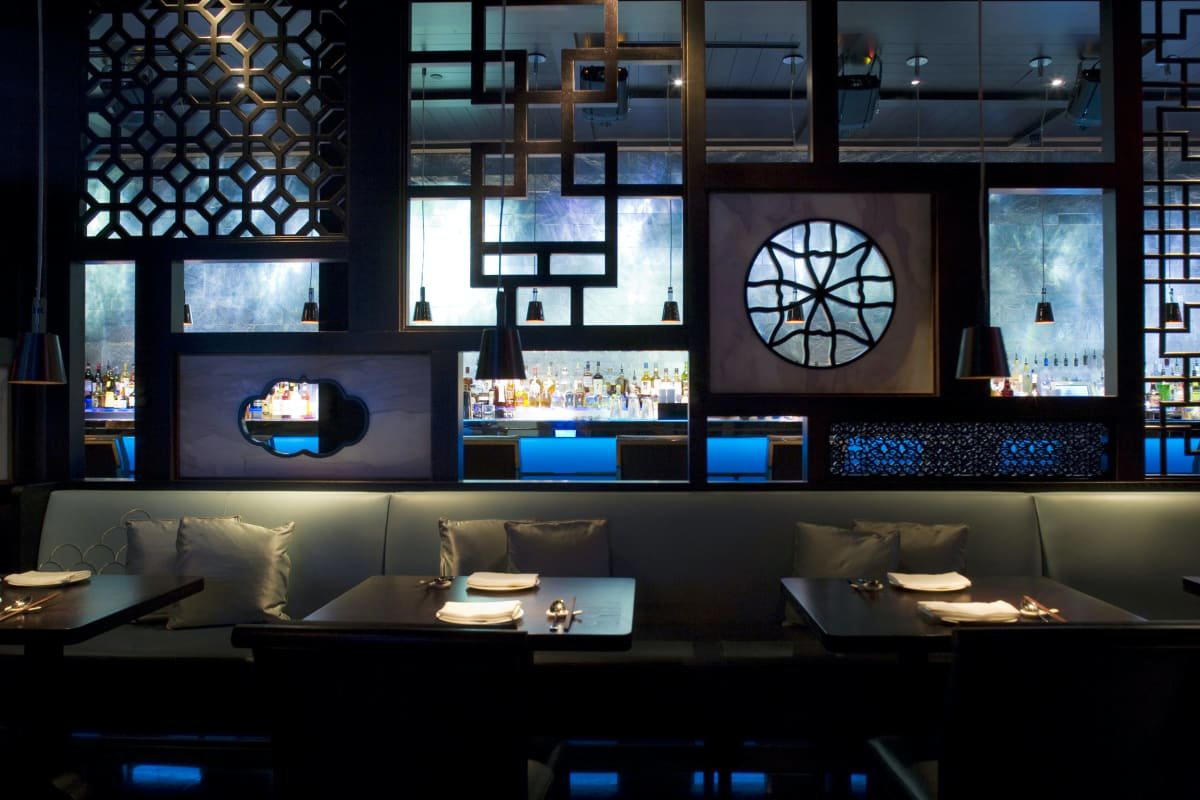
Lively and visually appealing with a casual, entertaining atmosphere around the 25-seat bar.