Parche

Michelin Plate
Our verdict
Parche brings Colombian cooking to Oakland's Broadway corridor with enough seriousness to earn consecutive Michelin Plate recognition in 2024 and 2025. Chef Wei Chen works within a tradition that centers corn, masa, and the layered spice logic of Colombian regional cuisine. At the $$$ price point, it occupies a distinct lane in the Bay Area's Latin American dining conversation, specific in its references, consistent in its execution.

Pearl is the En Primeur Club membership app, where members save venues, book tables and use the concierge.
Oakland's Broadway and the Case for Colombian Specificity
Broadway in Oakland has spent the better part of a decade sorting itself into something worth paying attention to. The corridor around the 2200 block, in particular, has drawn restaurants that operate with a clearer culinary point of view than the average neighborhood opening, places that draw on a specific regional tradition rather than a generalized idea of a cuisine. Parche, at 2295 Broadway, belongs to that category. It brings Colombian cooking into a market that has historically treated Latin American food as either Mexican or broadly pan-continental, and it does so with enough consistency to collect consecutive Michelin Plate recognition in both 2024 and 2025.
The Bay Area's decorated dining scene is concentrated, in reputation at least, on the San Francisco side of the bay. Venues like Lazy Bear, Atelier Crenn, Benu, Quince, and Saison anchor the higher end of the recognition tier, all operating at $$$$ and drawing from French, progressive American, or contemporary Asian frameworks. Parche operates at $$$, across the Bay Bridge, and within a culinary tradition that receives far less critical infrastructure. That combination is what makes its Michelin recognition read as a signal rather than background noise.
Corn as Architecture: The Colombian Kitchen's Foundational Logic
To understand what Colombian cooking asks of a kitchen, it helps to start with corn, not as a side note but as structural logic. The pre-Columbian culinary traditions of what is now Colombia built their carbohydrate grammar around maize, and that grammar persists across regional expressions of the cuisine. Arepas, the thick masa cakes that anchor Colombian tables from Bogotá to Medellín to the Caribbean coast, are among the most direct expressions of nixtamalization in the Americas. The process, treating dried corn kernels with an alkaline solution before grinding, transforms the grain's nutritional profile and, more relevant at the table, its texture and flavor. The result is a masa with a particular chew and a faint mineral quality that raw ground corn does not produce.
This matters in a restaurant context because masa craft is not easily faked or outsourced. The difference between an arepa made from properly nixtamalized, fresh-ground corn and one made from pre-packaged masa harina is detectable on first bite. Kitchens that treat this step seriously signal something about how they approach the rest of the menu. Colombian cooking also layers spice and acid differently from Mexican or Peruvian traditions, sofrito-adjacent bases called hogao, the bright acid of ají amarillo cognates, the slow-cooked depth of guisos, and those elements require time and attention that shortcut-reliant operations tend to compress. Parche's two-year run of Michelin Plate recognition suggests the kitchen is not compressing.
Globally, the Colombian restaurant scene at the decorated level is still thin. Elcielo in Miami and Elcielo in Washington, D.C. represent the most internationally recognized end of the format, with Juan Manuel Barrientos's molecular-inflected approach drawing press from both coasts. Parche operates in a different register, closer to regional honesty than modernist reworking, which places it in a smaller but arguably more demanding category. Getting Colombian food right at the foundational level is harder to mask than spectacular presentation.
Chef Wei Chen and the Cross-Cultural Question
The assignment of Chef Wei Chen to a Colombian kitchen raises a question worth asking directly: what does it mean when a kitchen's culinary tradition and its head chef's background diverge? In the current Bay Area dining environment, this is less unusual than it might appear. The region has a long history of chefs working fluently across cultural boundaries, a function of the area's ingredient access, its culinary school culture, and a dining public that tends to evaluate execution over authenticity of origin. What matters, in practice, is whether the kitchen's treatment of the source tradition reads as studied and respectful or as a surface-level interpretation.
Neither metric is infallible, but their alignment across two independent systems points toward consistent quality rather than a single strong opening period followed by drift.
Where Parche Sits in the Bay Area Dining Ecosystem
The broader San Francisco and Oakland dining ecosystem rewards specificity. The highest-profile venues, documented in our full San Francisco restaurants guide, tend to win recognition through deep command of a single tradition, whether that's Corey Lee's Korean-French synthesis at Benu or the wood-fire discipline at Saison. Parche earns its place in that conversation not by competing with the $$$$-tier tasting menu format but by demonstrating that Colombian regional cooking, taken seriously, can produce food that holds up under Michelin scrutiny.
For context on how the Bay Area compares to other major American dining cities, reference points like Le Bernardin in New York, Alinea in Chicago, The French Laundry in Napa, Single Thread in Healdsburg, Providence in Los Angeles, and Emeril's in New Orleans illustrate the range of what decorated American dining looks like at different price points and in different culinary traditions. Parche operates at a different scale and price tier than most of those, but its Michelin recognition places it in a verified quality conversation that most neighborhood Colombian restaurants never enter.
Planning Your Visit
Parche is located at 2295 Broadway, Oakland, CA 94612. The $$$ pricing puts it below the $$$$-tier tasting menus that dominate the Bay Area's Michelin conversation, making it one of the more accessible price points at which to encounter Michelin-recognized cooking in the region.
| Venue | Cuisine | Price | Location | Michelin Status |
|---|---|---|---|---|
| Parche | Colombian | $$$ | Oakland, CA | Plate (2024, 2025) |
| Lazy Bear | Progressive American | $$$$ | San Francisco, CA | Starred |
| Benu | French-Chinese | $$$$ | San Francisco, CA | Starred |
| Atelier Crenn | Modern French | $$$$ | San Francisco, CA | Starred |
| Quince | Italian, Contemporary | $$$$ | San Francisco, CA | Starred |
For broader trip planning in the region, our San Francisco hotels guide, bars guide, wineries guide, and experiences guide cover the full picture across the Bay Area.
Frequently asked questions
What price level is Parche?
Pricing at Parche is listed as $$$.
What's the address for Parche?
Parche is located at 2295 Broadway, Oakland, CA 94612, San Francisco.
Is Parche reservation-only?
Given two consecutive Michelin Plate recognitions and a $$$ price point on Oakland's competitive Broadway corridor, securing a reservation in advance is the practical approach.
A compact comparison to help you place this venue among nearby peers.
| Venue | Cuisine | Price | Awards | Notes |
|---|---|---|---|---|
| ParcheThis venue (the venue you are viewing) | Contemporary Colombian | $50–100 | Michelin Plate | Not listed |
| Lazy Bear | Modern American Tasting Menu | Not listed | 2 Michelin Stars · World's 50 Best #25 | Progressive American, Contemporary |
| Benu | Modern Asian Fusion Fine Dining | $150–200 | 3 Michelin Stars · World's 50 Best #33 | French - Chinese, Asian |
| Atelier Crenn | Contemporary French Fine Dining | $300–500 | 3 Michelin Stars · World's 50 Best #44 | Modern French, Contemporary |
| Quince | Modern French Fine Dining | $300–500 | 3 Michelin Stars · World's 50 Best #48 | Italian, Contemporary |
| Saison | Modern French-Italian | Not listed | Michelin Plate | Progressive American, Californian |
Recognition history
Dated appearances from independent guides and award organizations, with the underlying list record or original source where available.
Michelin Plate
Michelin · 2026 Michelin Plate
Full recognition history (3 entries)
Michelin Plate
Michelin
Michelin Plate
Michelin
Continue exploring
More in San Francisco
Restaurants in San Francisco
All restaurants in San Francisco →
Bars in San Francisco
All bars in San Francisco →


Details
- Lively
- Trendy
- Energetic
- Group Dining
- Celebration
- Casual Hangout
- Open Kitchen
- Craft Cocktails
- Small Plates
- Family Style
- Craft Cocktails
- Vegetarian Friendly
- Gluten Free Options
Current opening hours
- Monday
- 11:30 AM–2 PM, 4–9 PM
- Tuesday
- 11:30 AM–2 PM, 4–9 PM
- Wednesday
- 11:30 AM–2 PM, 4–9 PM
- Thursday
- 11:30 AM–2 PM, 4–9 PM
- Friday
- 11:30 AM–10 PM
- Saturday
- 11:30 AM–10 PM
- Sunday
- 11:30 AM–9 PM
Hours can change for holidays and private events. Hours as of .
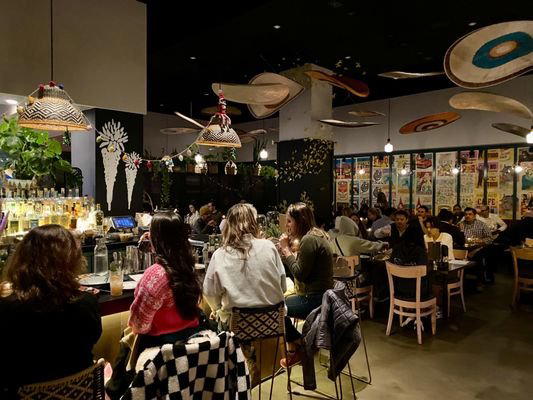
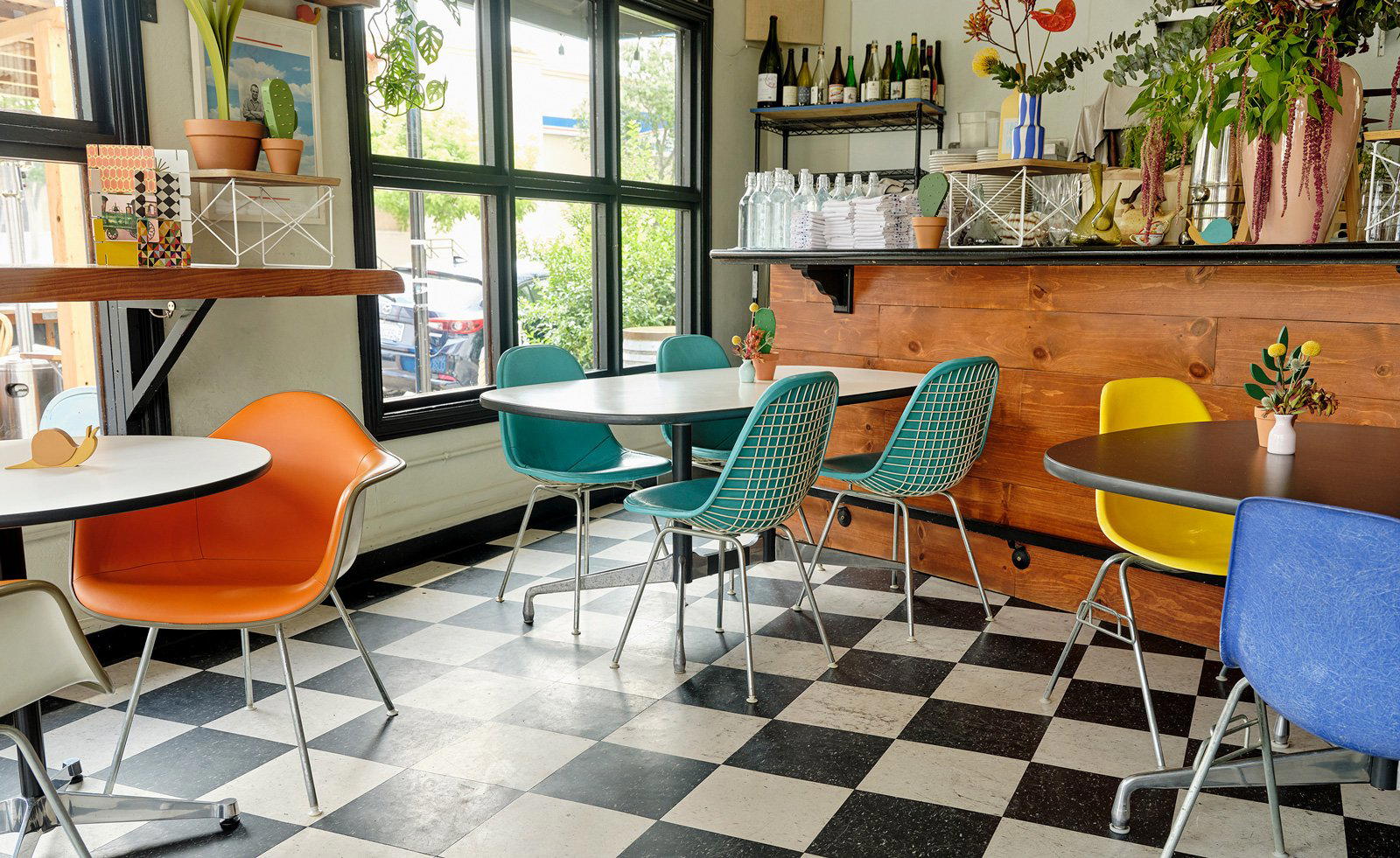
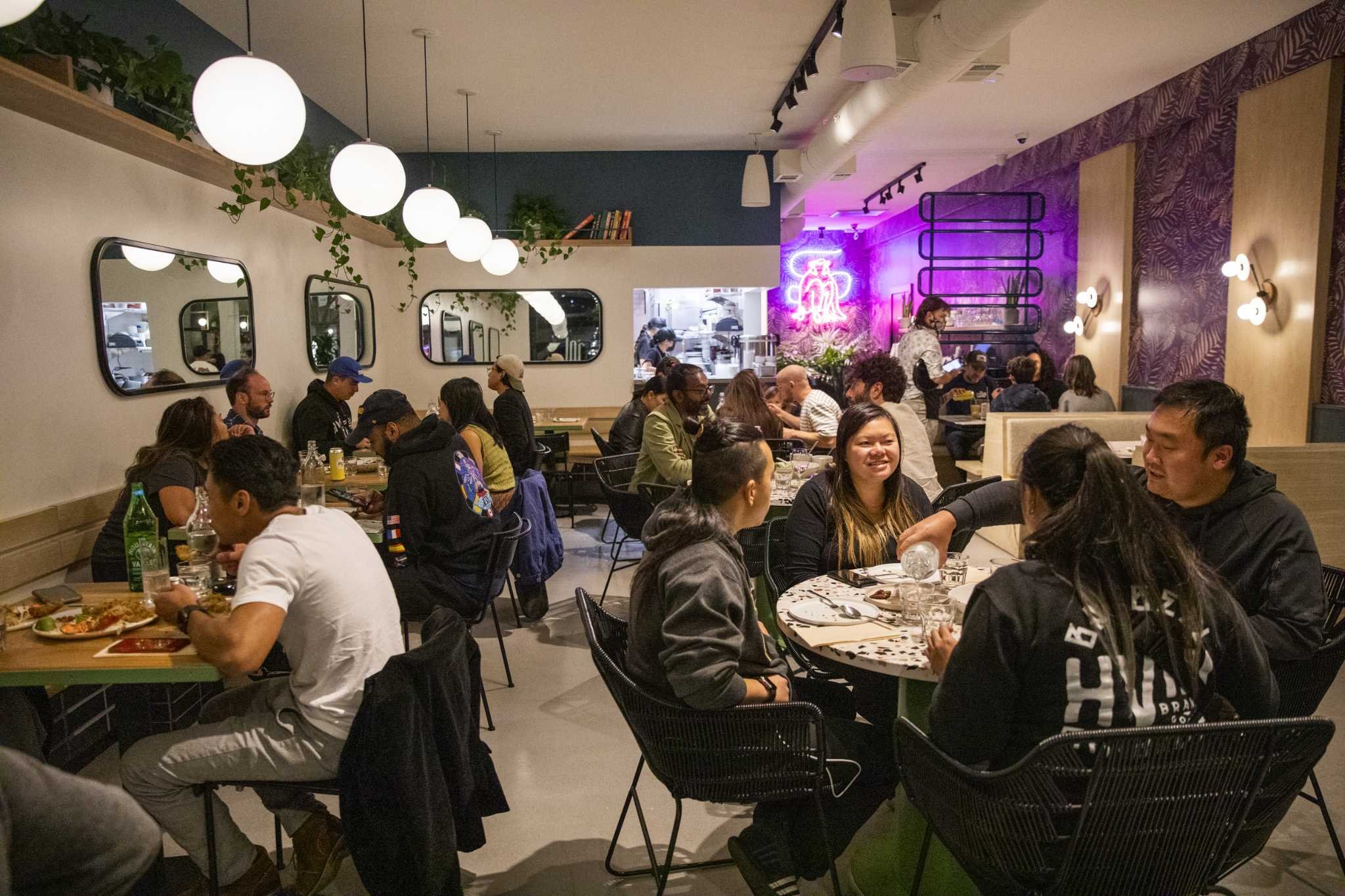
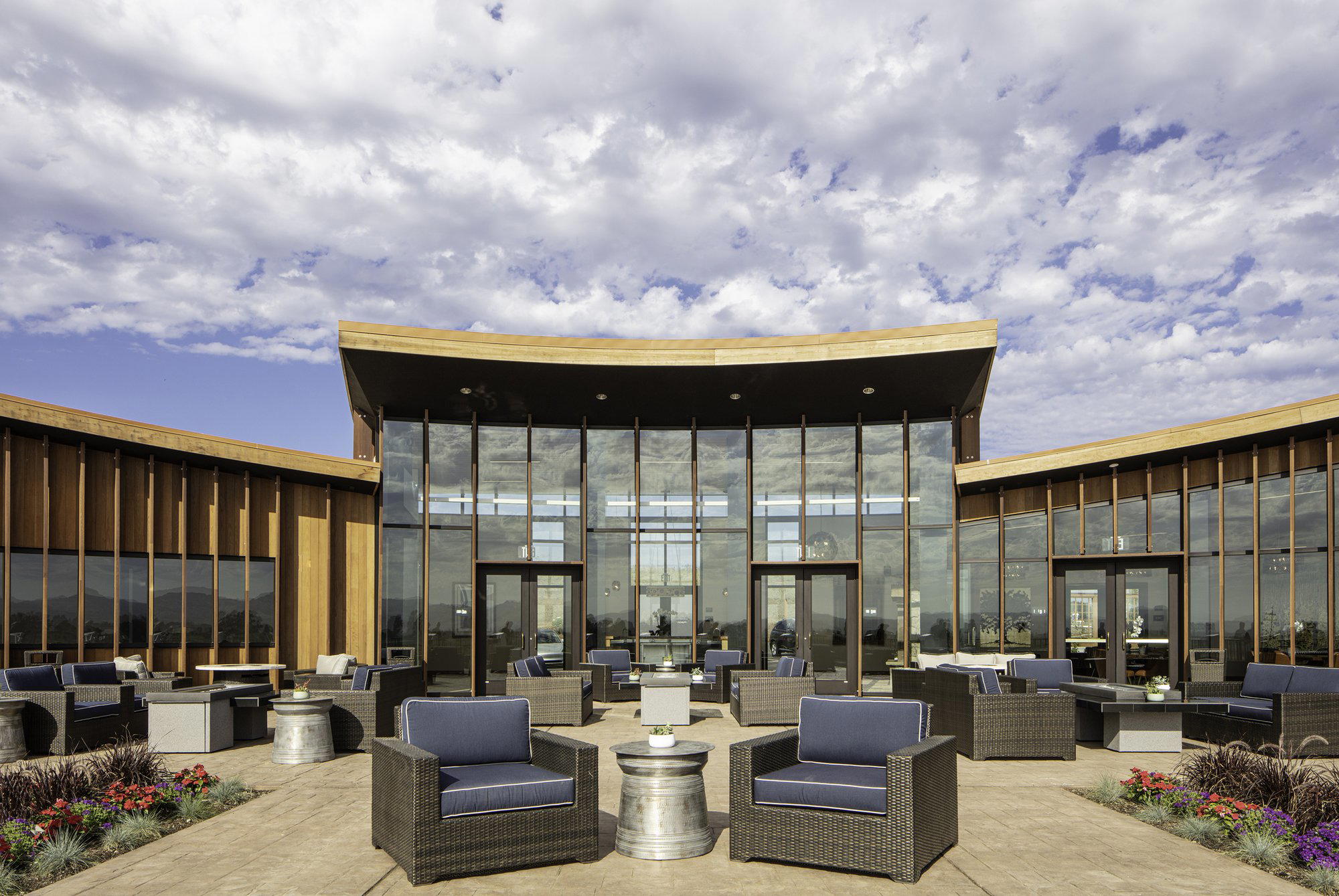
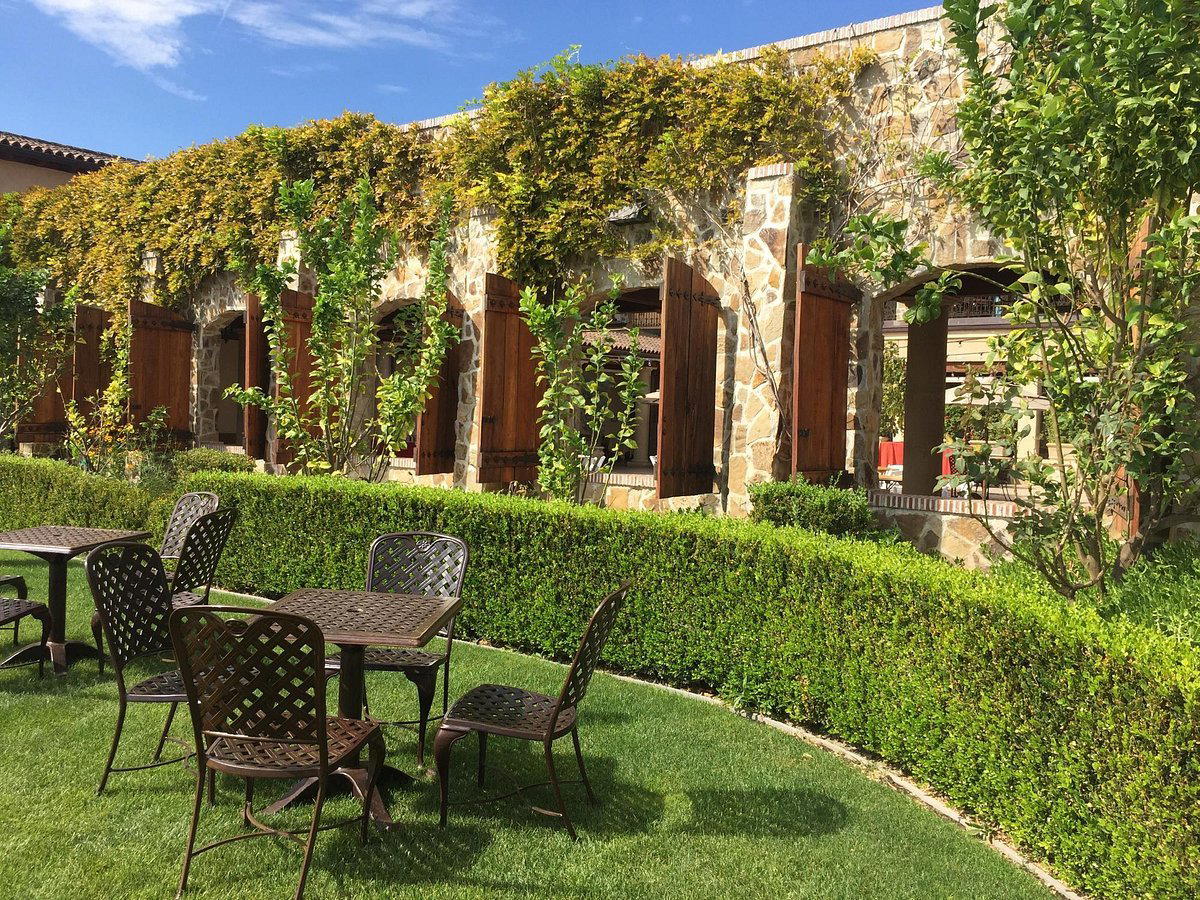
Bright and warm with colorful balays, Colombian prints, geometrical pendant lamps, lively Latin music, and an infectious festive atmosphere.