Paradiso
Paradiso sits on Lucerne Avenue in Lake Worth Beach, a city whose dining scene has quietly shifted from tourist-facing casual to something more considered over the past decade. For the full picture on where Paradiso fits in the local dining order, see our Lake Worth Beach restaurants guide.
Pearl is the En Primeur Club membership app — saves, bookings, and concierge access live there. Same editors, same standards.
- Address
- 625 Lucerne Ave A, Lake Worth Beach, FL 33460
- Phone
- +15615472500
- Website
- paradisolakeworth.com
- Directions
- Get directions
 Saves & bookings on Pearl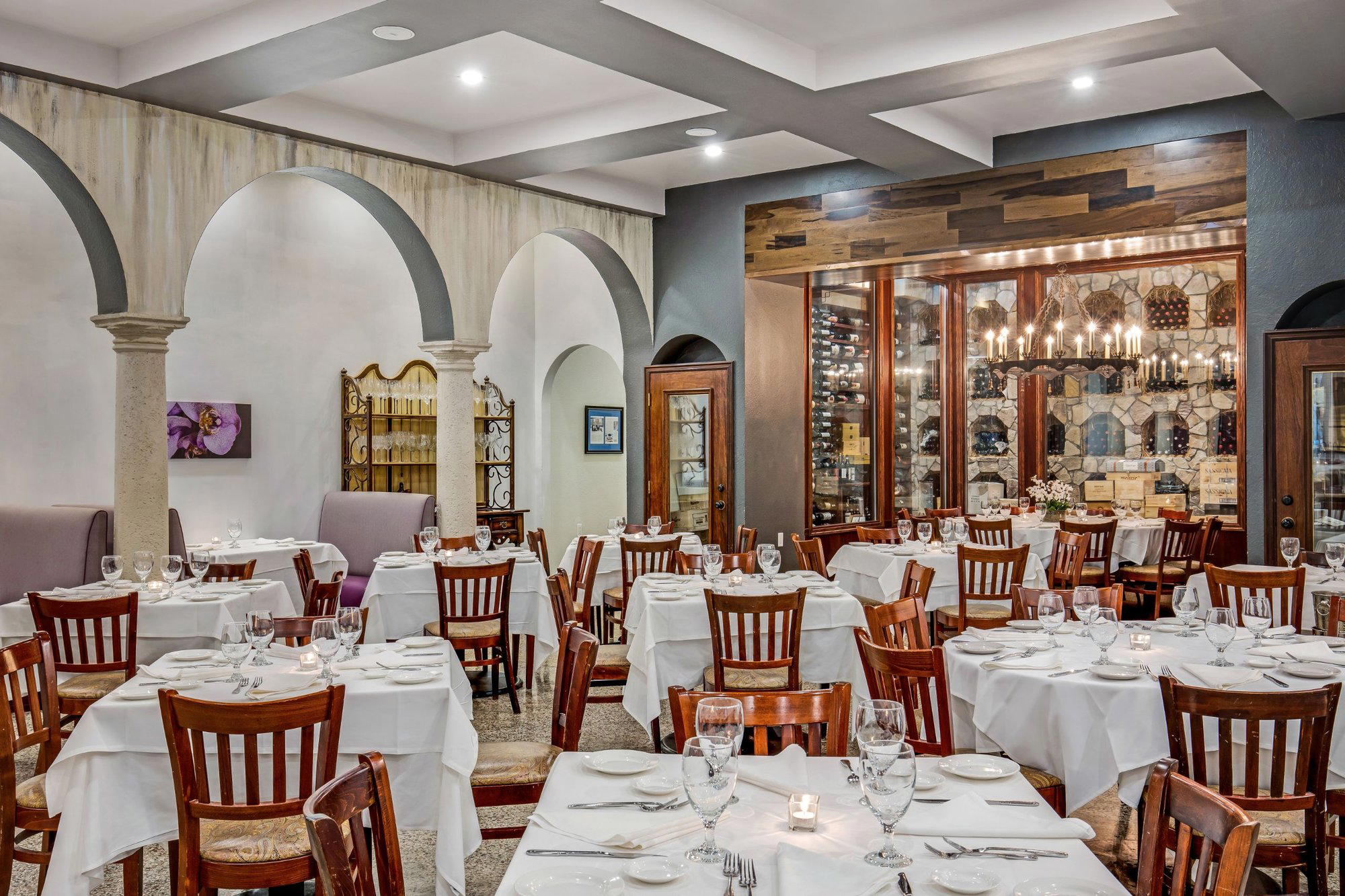
Lake Worth Beach and the Question of What a Neighborhood Restaurant Owes Its City
Lucerne Avenue runs through one of Palm Beach County's more compositionally interesting small cities. Lake Worth Beach sits close enough to West Palm Beach to feel its gravitational pull, yet far enough to maintain a street-level character that resists easy categorization: art galleries alongside Haitian lunch counters, cocktail bars with regulars who have been showing up for twenty years, and a stretch of Atlantic Avenue that still functions more as a neighborhood main street than a tourist corridor. Into this context, Paradiso occupies a ground-floor unit at 625 Lucerne Ave A, a location that places it inside the residential and commercial fabric rather than along the city's more visible waterfront strip. That positioning matters. Restaurants that choose quieter addresses in cities like Lake Worth Beach are usually making a deliberate argument about who they are for.
Florida's small-city dining has undergone a slow but measurable shift over the past fifteen years. The model that once dominated, formula casual with a coastal seafood hook and a wine list built around obvious Californian labels, has not disappeared, but it has been joined by a more considered tier of operator. These are restaurants that read their neighborhood seriously, that make sourcing decisions based on what the South Florida agricultural calendar actually produces, and that build their customer base through repetition and word of mouth rather than marketing spend. Oceano Kitchen represents one version of that ambition in Lake Worth Beach. Where Paradiso sits in relation to that pattern is a question worth asking,
The Cultural Weight Behind the Name
The word paradiso carries freight. In Italian, it translates literally as paradise, but in a culinary context it arrives loaded with associations: the osteria tradition, the idea that the table is a place of extended presence rather than efficient turnover, the conviction that food and setting should conspire to make the outside world temporarily irrelevant. Restaurants that choose names from that register are making a claim, whether or not they always deliver on it. One sustained version of that claim in American dining shows up in places that take the long view on hospitality, where the measure of success is whether the same guests return across years rather than whether a single evening generates a social media moment.
That tradition has found expression across the American dining spectrum at different price points and ambition levels. At the far end of formality, The French Laundry in Napa and Le Bernardin in New York City have built their reputations on the proposition that the meal itself is the occasion. Further along the spectrum toward the personal and community-rooted, Blue Hill at Stone Barns in Tarrytown and Single Thread Farm in Healdsburg have argued that place and provenance are the actual content of hospitality. And in smaller cities, places like Bacchanalia in Atlanta and Frasca Food & Wine in Boulder have demonstrated that serious hospitality does not require a major-market address. Paradiso's neighborhood context places it in a conversation with that last group, whatever its specific ambitions turn out to be.
What Serious Dining Looks Like at This Scale
Small-city restaurants operating in South Florida face a specific set of pressures that their counterparts in New York, Chicago, or Los Angeles do not. The tourism cycle is compressed and seasonal: winter months bring an influx of visitors from the Northeast and Midwest whose expectations are calibrated to markets with deeper dining infrastructure, while summer demands that a restaurant sustain itself primarily on local loyalty. Restaurants that manage this well tend to have a clear answer to the question of who their core guest is and what that guest needs from a Tuesday dinner in August as much as from a Saturday evening in February.
The restaurants that have found lasting footing in analogous positions, Emeril's in New Orleans built its identity around a specific culinary tradition before scaling, Addison in San Diego committed to a formality level that distinguished it from the broader Southern California casual tier, Brutø in Denver positioned itself through ingredient sourcing as much as technique, tend to share a common trait: they decided what they were not before they decided what they were. That kind of editorial discipline is harder to maintain in a market where the easiest path is to give every guest exactly what they expect, but it is also what separates the restaurants people travel to from the ones people happen into.
Other dining programs across the country have shown what happens when ambition meets specificity. Lazy Bear in San Francisco committed to a communal format that divided opinion and built a devoted audience. Alinea in Chicago staked its identity on technique as expression. Atomix in New York City reframed the tasting menu as a cultural document. Providence in Los Angeles built its reputation on seafood sourcing at a level that precluded compromise. Causa in Washington, D.C. committed to a specific regional tradition at a moment when that tradition was underrepresented in the capital. The Inn at Little Washington made the case that distance from a city center is itself a form of curation. And 8 1/2 Otto e Mezzo Bombana in Hong Kong showed that Italian culinary tradition could hold its own in a market where it had no obvious structural advantage. These are reference points, not comparisons, but they illustrate the range of strategies available to a restaurant willing to make a specific argument about what it is.
Planning Your Visit
Paradiso is located at 625 Lucerne Ave A in Lake Worth Beach, Florida 33460. Lake Worth Beach is accessible from Interstate 95 via the Lake Worth Road exit and sits roughly equidistant between Fort Lauderdale and Palm Beach, making it a viable stop within a broader South Florida itinerary.
Pricing, Compared
Comparable venues nearby, for context on price, style, and recognition.
| Venue | Cuisine | Price | Notes |
|---|---|---|---|
| ParadisoThis venue — the venue you are viewing | Not listed | $$$ | Not listed |
| Oceano Kitchen | Not listed | $$$ | Lake Worth Beach, Coastal Contemporary American |
| Art Basil | Lantana, Modern Italian | $$$ | Not listed |
| Ruoccos Restaurant | Boynton Beach, Classic Italian | $$$ | Not listed |
| Serena Pastificio | Not listed | $$$ | Mizner Park, Northern Italian Coastal Pasta |
| Ristorante Santucci | Downtown, Authentic Sicilian Italian | $$$ | Not listed |
Continue exploring
More in Lake Worth Beach
Restaurants in Lake Worth Beach
Browse all →
Bars in Lake Worth Beach
Browse all →
At a Glance
- Elegant
- Sophisticated
- Intimate
- Date Night
- Special Occasion
- Business Dinner
- Private Dining
- Craft Cocktails
Current opening hours
- Monday
- 11:30 AM–10 PM
- Tuesday
- 11:30 AM–10 PM
- Wednesday
- 11:30 AM–10 PM
- Thursday
- 11:30 AM–10 PM
- Friday
- 11:30 AM–10 PM
- Saturday
- 11:30 AM–10 PM
- Sunday
- 5–10 PM
Hours can change for holidays and private events. Last verified .
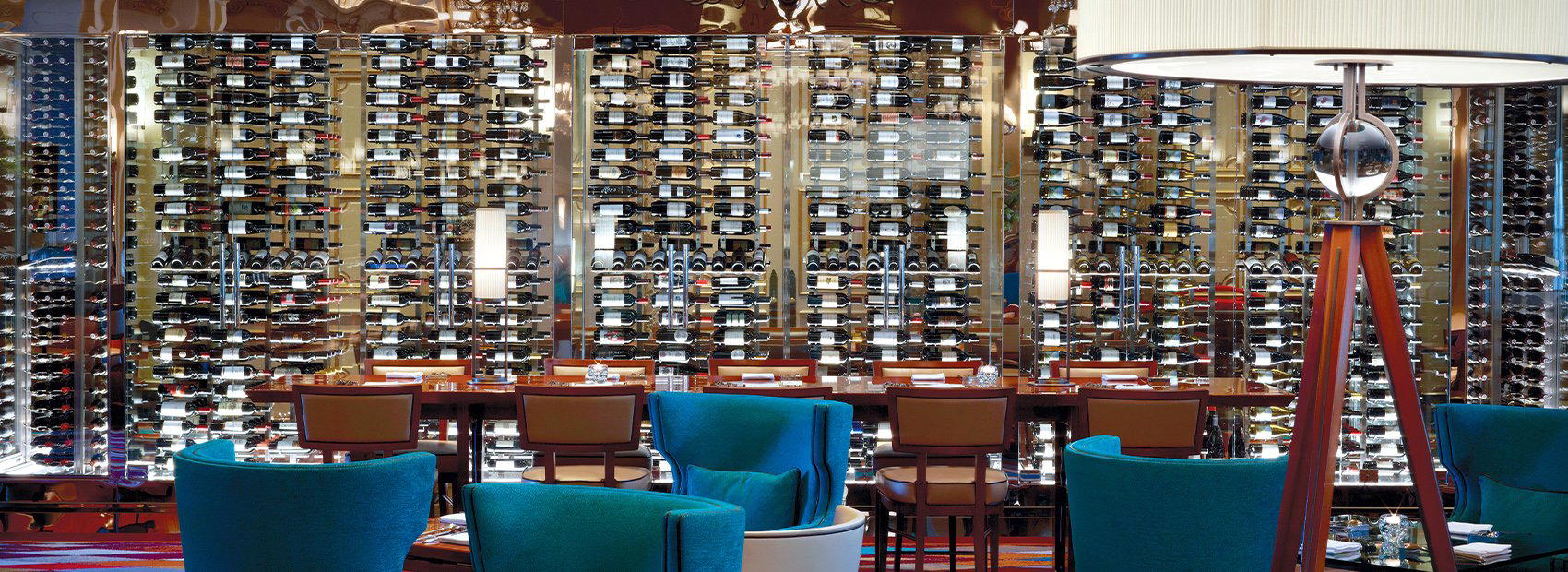
Elegant and sophisticated with fine wines paired to uniquely crafted entrees.