Jin Da Thai
Jin Da Thai sits on Studland Street in London's W6, operating within a west London neighbourhood where Thai cooking has maintained a steady local presence for decades. The restaurant draws a regular crowd from the surrounding streets, functioning as a fixed point in a dining corridor that shifts between international kitchens and neighbourhood staples. For visitors exploring the broader W6 dining scene, it represents a practical and direct option for regional Thai cooking.
Pearl is the En Primeur Club membership app — saves, bookings, and concierge access live there. Same editors, same standards.
- Address
- 1 Studland St, London W6 0JS, United Kingdom
- Phone
- +44 20 8748 2839
- Website
- jindathai.com
- Directions
- Get directions
 Saves & bookings on Pearl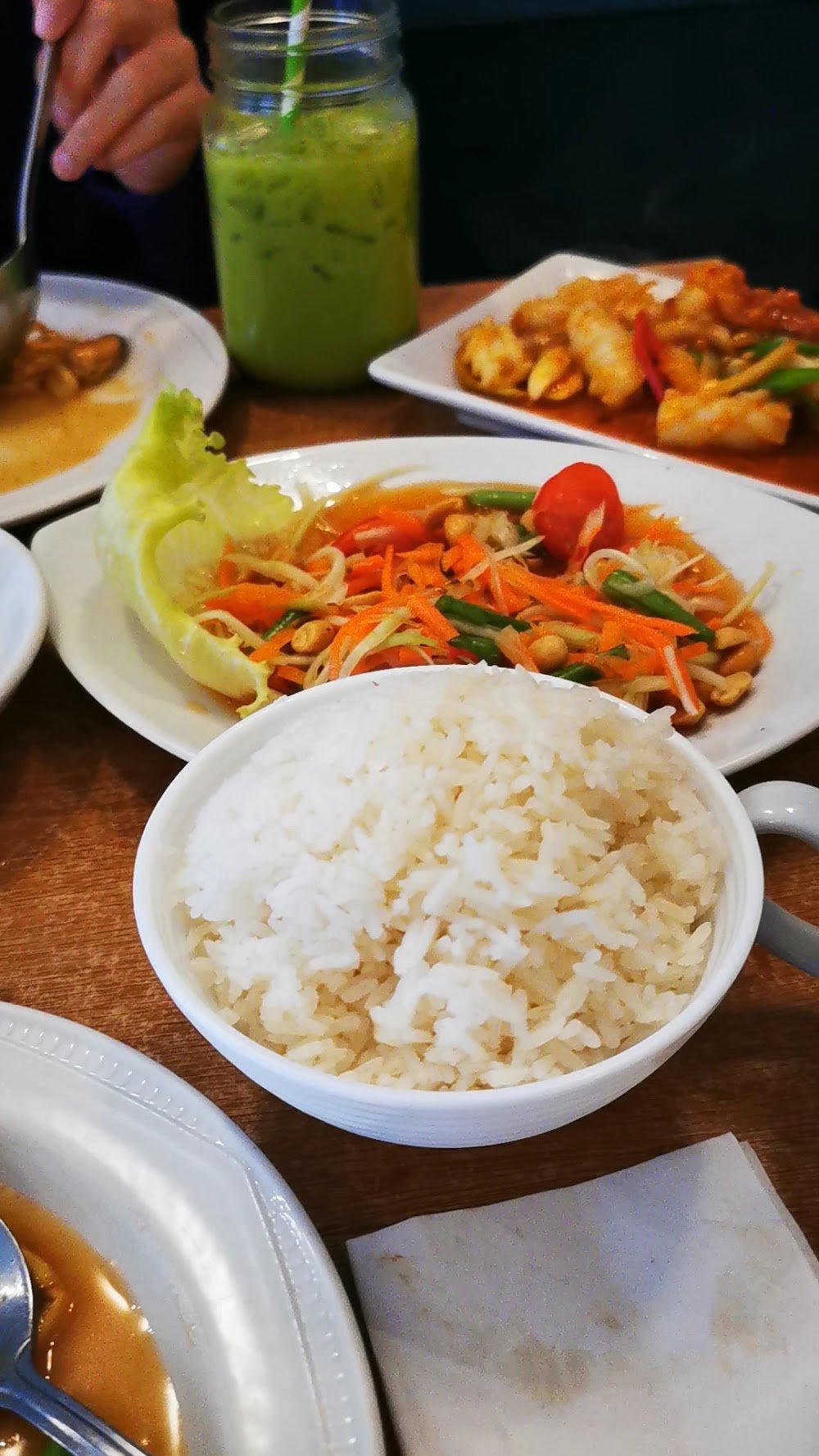
West London Thai: The Neighbourhood Context
The concentration of long-running Thai kitchens in west London, particularly along the corridors connecting Hammersmith, Ravenscourt Park, and Chiswick, reflects both the settlement patterns of the Thai community in the city and the dining habits of a residential demographic that has sustained these restaurants through decades of change in the wider food scene. Studland Street, W6, sits inside that corridor. Jin Da Thai occupies a position typical of the mid-tier neighbourhood Thai restaurant in this part of the city: close to transit, serving a local clientele, and functioning as a reliable point of reference for a cuisine that requires relatively little ceremony to enjoy well.
Thai restaurants at the neighbourhood level operate on entirely different logic: the beverage programme is typically functional rather than curatorial, and the room is designed around table turnover rather than extended stays.
The Drinks Programme at Neighbourhood Level
London's neighbourhood Thai restaurants rarely invest in cellar curation. The standard model is a short list of accessible whites and rosés selected for compatibility with chilli heat and aromatic spicing, supplemented by Thai beers, soft drinks, and occasionally a house cocktail or two. Riesling and Gewürztraminer, when they appear, are there precisely because their residual sweetness and aromatic character work against the capsaicin in dishes like green curry or larb. That functional logic, rather than sommelier-driven depth, governs most of what you will find in rooms like this one.
Dinner by Heston Blumenthal, for instance, sits at a price point and formality level where the wine programme is a genuine feature of the experience. Thai neighbourhood restaurants serve a different purpose in the city's dining ecology, and the drinks list reflects that.
Regional Thai in the London Context
Thai cooking in London has diversified considerably since the first wave of restaurants in the 1980s and early 1990s established the familiar canon of pad thai, green curry, and tom yum. That initial repertoire still dominates most neighbourhood menus, but a secondary tier of restaurants has introduced more regional specificity, drawing on northern Chiang Mai traditions, Isaan grilling culture, and the sharper, more acidic profiles of southern Thai cooking. Where a given restaurant sits within that spectrum matters for the visitor who knows the cuisine well.
What the address does tell you is the competitive context. W6 is dense with Thai options, which means local diners have made repeated comparisons and the restaurants that persist do so because they satisfy a regular clientele.
How Jin Da Thai Fits the Wider London Dining Map
London's restaurant map rewards visitors who understand how to read it by tier and by neighbourhood rather than purely by cuisine. Beyond the UK, internationally recognised rooms like Le Bernardin in New York City and Atomix in New York City set a global benchmark for what destination dining looks like at the highest tier. Jin Da Thai operates at the opposite end of that spectrum, where the proposition is neighbourhood access and consistent cooking rather than occasion dining.
That distinction is not a criticism. Every functional food city runs on its neighbourhood restaurants. The places that feed locals four nights a week, that require no reservation and no particular budget, form the substrate on which the destination tier sits. The west London Thai corridor is part of that substrate, and restaurants like Jin Da Thai serve a specific and legitimate role within it. For visitors staying in or near W6, it answers the question of where to eat without the logistics of advance booking or the financial commitment of a tasting-menu room.
For dining beyond the capital, the UK's high-end restaurant circuit extends to rooms like The Fat Duck in Bray, L'Enclume in Cartmel, Moor Hall in Aughton, Gidleigh Park in Chagford, Hand and Flowers in Marlow, and hide and fox in Saltwood.
Planning Your Visit
Peers in This Market
Comparable venues nearby, for context on price, style, and recognition.
| Venue | Cuisine | Price | Notes |
|---|---|---|---|
| Jin Da ThaiThis venue — the venue you are viewing | Authentic Thai | $$ | Not listed |
| Old Pack Horse | Traditional Thai | $$ | Acton Green |
| Thai Crystal | Authentic Thai | $$ | Gipsy Hill |
| Thai upon Thames | Authentic Thai | $$ | St. Margaret's |
| Mantanah | Authentic Regional Thai Cuisine | $$ | South Norwood |
| Janetira | Authentic Thai Street Food | $$ | Soho |
Continue exploring
More in London
Restaurants in London
Browse all →
Bars in London
Browse all →
Hotels in London
Browse all →


At a Glance
- Cozy
- Casual
- Intimate
- Casual Hangout
- Family
- Date Night
- Group Dining
- Standalone
Current opening hours
- Monday
- 12–3 PM, 6–10 PM
- Tuesday
- 12–3 PM, 6–10 PM
- Wednesday
- 12–3 PM, 6–10 PM
- Thursday
- 12–3 PM, 6–10 PM
- Friday
- 12–3 PM, 6–10 PM
- Saturday
- 12–10 PM
- Sunday
- Closed
Hours can change for holidays and private events. Last verified .
Small, cozy cafe-like space with cute decor, warm and welcoming family atmosphere.