Palma
Our verdict
Palma occupies a distinctive address in Phoenix's downtown arts corridor at 903 N 2nd St, positioning itself within a city whose fine dining scene has grown considerably more serious over the past decade. Where Phoenix once defaulted to Southwestern comfort formats, a new tier of destination-oriented restaurants has emerged, and Palma represents that shift toward considered, progression-driven dining in the urban core.

Pearl is the En Primeur Club membership app, where members save venues, book tables and use the concierge.
Where Phoenix's Downtown Dining Ambition Shows Up
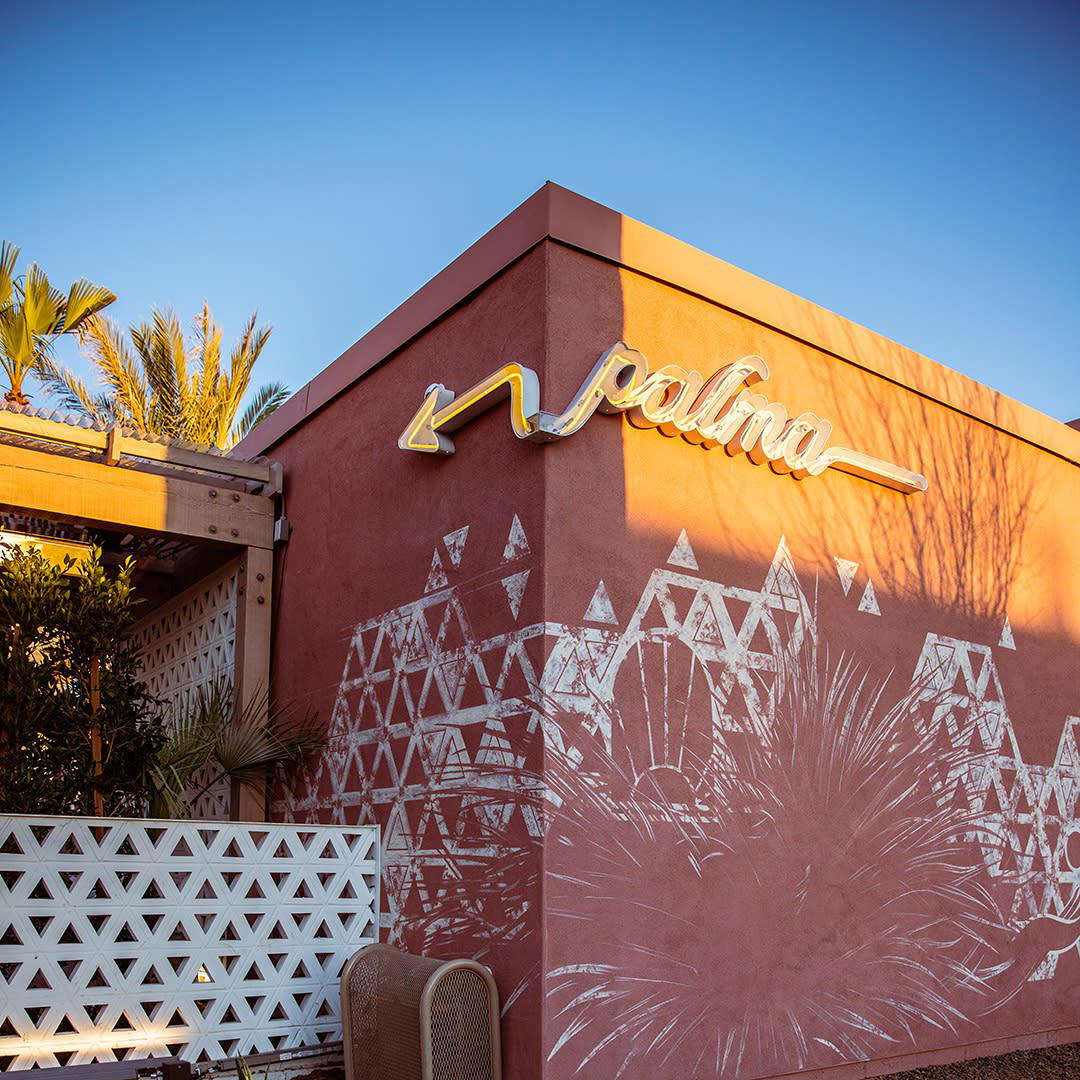
North 2nd Street in Phoenix sits at the edge of the Roosevelt Row arts district, a corridor that has absorbed much of the city's creative and culinary energy as downtown Phoenix has built density over the past fifteen years. The neighbourhood runs counter to the suburban sprawl that defines most of metropolitan Phoenix: narrower lots, repurposed buildings, foot traffic that skews toward residents and committed visitors rather than freeway-exit convenience. Palma, at 903 N 2nd St, occupies this urban fabric. Before you consider what arrives on the plate, the address itself signals something about intent. Restaurants in this corridor are not here because the rent is cheap or the parking is easy, they are here because the audience they are building is one that moves through the city deliberately.
That neighbourhood context matters for how you read Palma against the broader Phoenix dining map. The city's most-discussed restaurants tend to cluster in a few distinct modes: Sonoran-rooted kitchens like Bacanora, French-inflected legacy addresses like Vincent Guerithault on Camelback, or the casual-format institutions like Pane Bianco and 5 & Diner that anchor neighbourhood identity. Palma's Roosevelt Row position places it in a different category: restaurants where the physical environment is part of the proposition, where you arrive expecting a shaped experience rather than a reliable favourite.
The Architecture of a Meal: Progression Over Accumulation
The most meaningful distinction between a restaurant that thinks in courses and one that simply serves food in sequence is whether each stage of the meal builds understanding or merely adds volume. Across America's serious destination dining tier, from Alinea in Chicago to Lazy Bear in San Francisco to Single Thread Farm in Healdsburg, the operating logic is arc, not accumulation. Lighter, more precise early courses establish a register. Mid-meal sequences introduce complexity, contrast, or tension. The close either resolves or deliberately subverts what came before. The leading examples of this format, including The French Laundry in Napa and Providence in Los Angeles, treat the meal as a composed structure rather than a series of discrete plates.
Palma operates within this progression-conscious tradition. The address and the setting telegraph a restaurant that organises itself around the idea of a meal as a whole rather than a collection of options. In a city where the dining default still leans toward à la carte comfort and generous portion sizes, a restaurant that prioritises sequence and restraint is making a deliberate statement about its competitive reference points. Those reference points are not local, they are national, and they are demanding.
Phoenix's Fine Dining Tier: What Palma Is Competing Against
Phoenix has built a more credible fine dining tier than its reputation sometimes suggests. The challenge is that the city's geography works against destination dining concentration: restaurants that would form a recognisable cluster in a denser city are spread across Scottsdale, Paradise Valley, Arcadia, and downtown, making the scene harder to read as a whole. Downtown Phoenix's emergence as a residential and cultural zone has changed that calculus somewhat, giving the urban core enough residential density to support restaurants that rely on repeat visits from a local audience rather than purely on hotel guests and occasion diners.
Palma's positioning within downtown Phoenix places it in direct conversation with the city's cultural institutions, the Phoenix Art Museum, the Heard Museum, Roosevelt Row galleries, in a way that restaurants along Camelback Road or in Old Town Scottsdale cannot claim. That cultural adjacency attracts a different kind of diner: one more likely to be interested in the progression of the meal, the sourcing logic, and the compositional decisions, than in a guaranteed crowd-pleasing comfort register. Regionally, Phoenix's more adventurous dining options also include Lom Wong, whose Thai program operates with a similar commitment to considered, specific cooking within a local market that often pulls toward the familiar.
At the national level, the reference set for serious progression-format dining in the American Southwest is short. Addison in San Diego holds its Michelin star in a similar Sun Belt context. Blue Hill at Stone Barns in Tarrytown has set a standard for agricultural-rooted tasting formats. Atomix in New York City and Le Bernardin demonstrate what sustained critical recognition looks like in high-volume competitive markets. What distinguishes Phoenix is that reaching this tier of dining requires a restaurant to work harder for national visibility, the recognition infrastructure is thinner, the media circuit less automatic. Restaurants that build reputations here do so through the quality of the experience itself, with less assistance from external amplification.
Planning a Visit: What to Know Before You Go
Palma is located at 903 N 2nd St in Phoenix's Roosevelt Row corridor, within the 85004 zip code that covers the downtown arts district. The area is walkable from several downtown hotels and accessible via the Valley Metro light rail, which has a stop at 3rd Street and Washington, a reasonable walk north into the neighbourhood. Street parking exists along 2nd Street and the surrounding blocks, though weekend evenings in the Roosevelt Row area tend to fill quickly given the concentration of bars, galleries, and restaurants in the corridor.
For restaurants operating at this level of intentionality in Phoenix, advance planning is the sensible approach regardless of the specific booking format. The Roosevelt Row dining scene draws both local regulars and visitors staying in downtown hotels, and the smaller, more considered venues in the corridor tend to fill earlier in the week than their casual counterparts. Checking directly with the restaurant on availability, dietary accommodation, and format specifics before arrival is the practical standard for this tier of dining anywhere in the country, from The Inn at Little Washington to Emeril's in New Orleans to 8½ Otto e Mezzo Bombana in Hong Kong, the restaurants that reward prior communication tend to be the ones that deliver more once you arrive. For a full map of where Palma sits within Phoenix's broader dining options, see our full Phoenix restaurants guide.
Frequently asked questions
How do I find Palma?
Palma is located at 903 N 2nd St, Phoenix, AZ 85004, Phoenix.
How does Palma's Roosevelt Row location affect the dining experience?
Sitting at 903 N 2nd St, Palma is embedded in the arts district corridor that has absorbed the majority of Phoenix's downtown creative and culinary investment over the past several years. That neighbourhood context matters: the Roosevelt Row zip code (85004) draws a local crowd already primed for experiential dining, which shapes the room's energy in a way that isolated suburban fine dining spots rarely replicate. For visitors, the location also makes it straightforward to combine dinner with the district's gallery circuit.
What's the must-try dish at Palma?
Palma's menu is built around course progression rather than individual showpiece dishes, so the stronger approach is to commit to the full sequence rather than cherry-picking. That philosophy is central to how the Roosevelt Row location has positioned itself within Phoenix's fine dining tier. Specific current dishes are best confirmed directly with the restaurant ahead of your visit.
Is Palma reservation-only?
Given Palma's location at 903 N 2nd St in Phoenix's Roosevelt Row corridor and its positioning within the city's upper dining tier, reservations are strongly advisable. Walk-in availability at restaurants operating at this level in downtown Phoenix tends to be limited, particularly on weekends. check the venue's official channels to confirm current booking policy.
What has Palma built its reputation on?
Palma has built its standing in Phoenix around a structured, progression-focused approach to the meal, where each course serves the arc of the full sitting rather than functioning as a standalone plate. Its address on North 2nd Street places it inside the Roosevelt Row corridor, which has become the most concentrated zone for serious culinary ambition in downtown Phoenix.
What if I have allergies at Palma?
Any restaurant operating within Phoenix's fine dining tier is expected to accommodate dietary restrictions when given advance notice, and Palma's course-driven format makes pre-visit communication particularly worthwhile. Reach out before your reservation to detail specific allergies so the kitchen can plan accordingly rather than improvising on the night.
At a Glance
Comparable venues nearby, for context on price, style, and recognition.
| Venue | Cuisine | Price | Notes |
|---|---|---|---|
| PalmaThis venue (the venue you are viewing) | Asian Fusion Sushi | $50–100 | Not listed |
| Ocotillo | New American with Arizona influences | $50–100 | Encanto, New American with Arizona influences |
| Chico Malo | Modern Mexican | $30–50 | Downtown, Modern Mexican |
| Kembara | Modern Pan-Asian Street Food | $50–100 | Paradise Valley, Modern Pan-Asian Street Food |
| Miel De Agave Phoenix | Modern Mexican Fusion | $30–50 | Roosevelt Row, Modern Mexican Fusion |
| Flour & Thyme | Contemporary American with Wood-Fired Grill | $30–50 | Copper Square, Contemporary American with Wood-Fired Grill |