Ozumo Santana Row
Our verdict
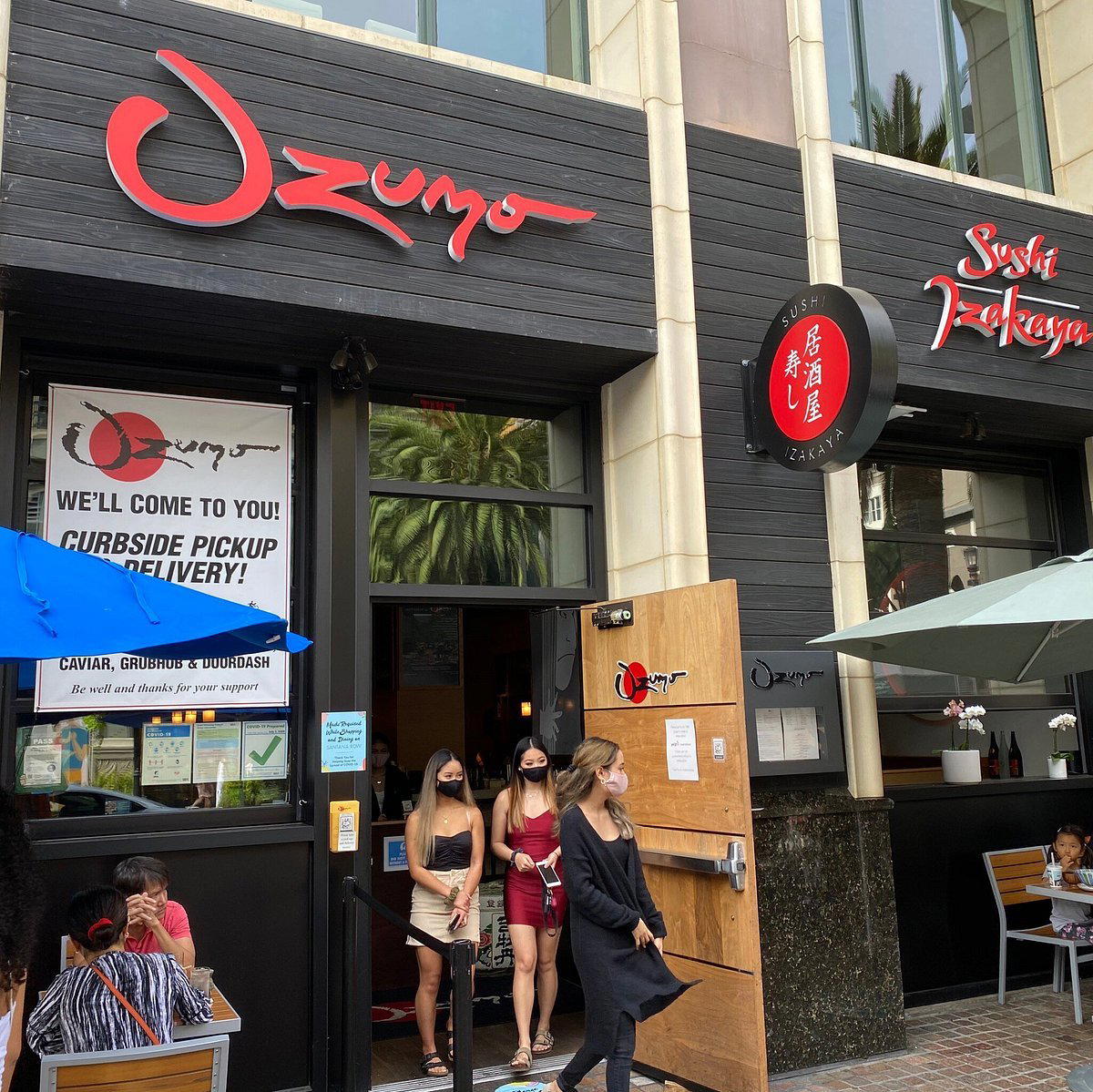
At Santana Row's open-air retail corridor, Ozumo brings the Japanese robata and izakaya tradition to San Jose's most design-conscious dining strip. The format — live-fire grilling, raw bar, and an extensive sake and Japanese whisky list — connects the South Bay to a dining culture that has shaped restaurant programming across American cities for two decades. A reliable anchor in a neighbourhood that rewards knowing where to sit.

Pearl is the En Primeur Club membership app — saves, bookings, and concierge access live there. Same editors, same standards.
- Address
- 355 Santana Row, San Jose, CA 95128
- Phone
- (408) 886-3090
- Hours
- Mon–Thu 4–10 PMFri–Sat 12 PM–12 AMSun 12–10 PM
- Website
- ozumosantanarow.com
- Directions
- Get directions
- Booking
- Book on OpenTable
Japanese Robata in Silicon Valley's Most Curated Dining Block
Santana Row arrived in San Jose in the early 2000s as an experiment in European-style mixed-use development, and two decades later its restaurant strip has evolved into one of the South Bay's more considered dining destinations. The corridor draws a different crowd than downtown San Jose — technology professionals, weekend shoppers, and visitors staying in the adjacent hotel — and the dining formats here reflect that: polished, mid-to-upper-tier, and broadly international. Within that mix, Ozumo Santana Row represents the izakaya and robata tradition, a format with roots in Japan's post-war drinking-and-eating culture that has become one of the more durable imports in American restaurant programming.
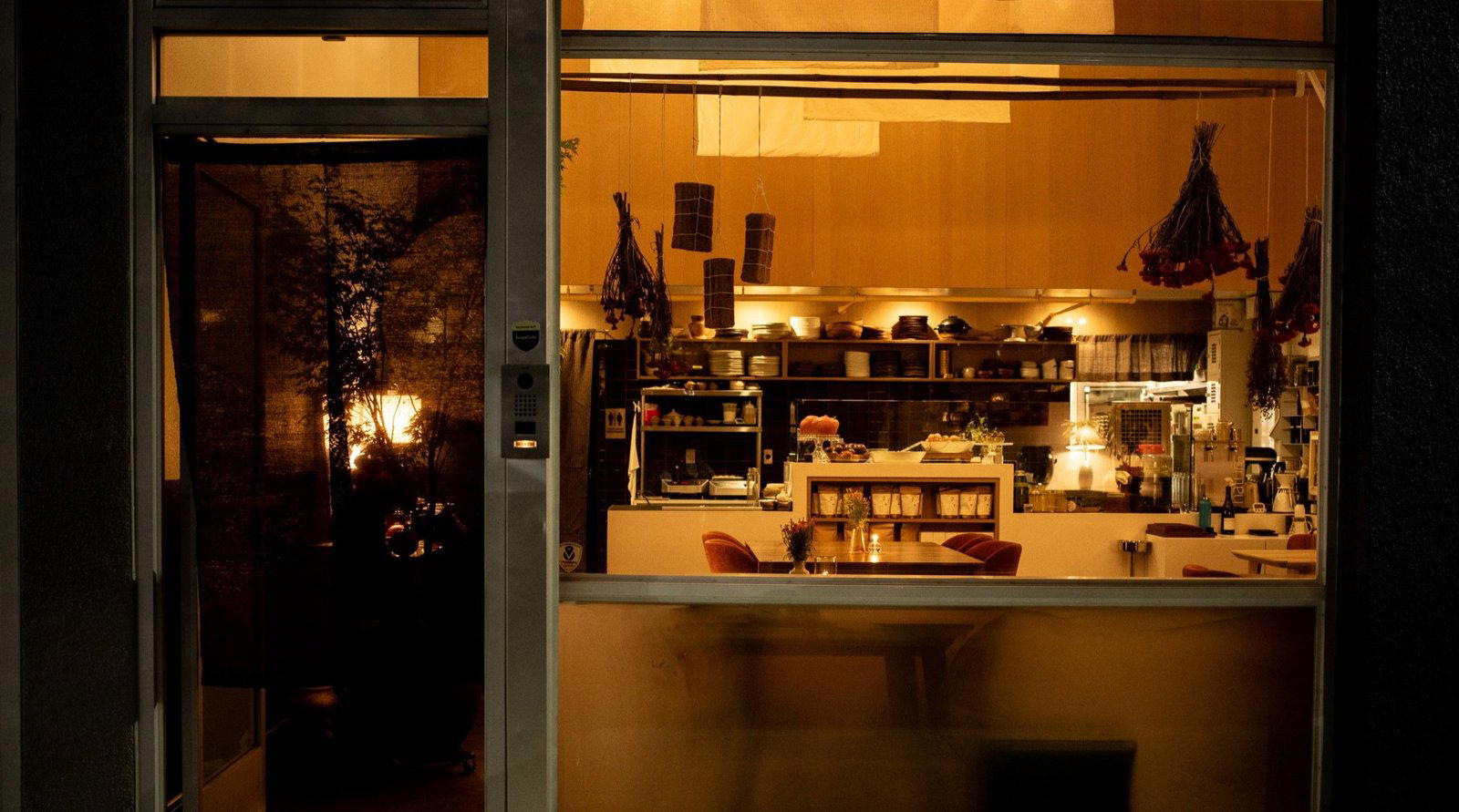
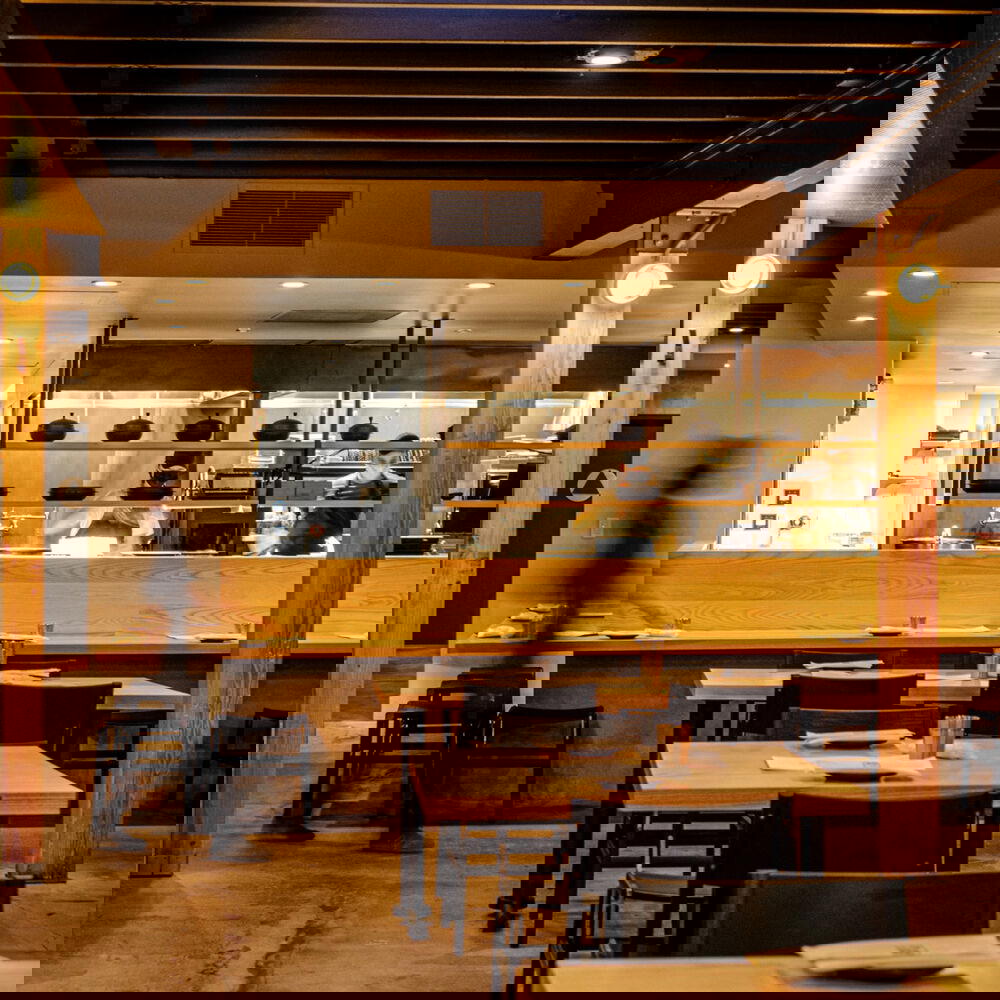
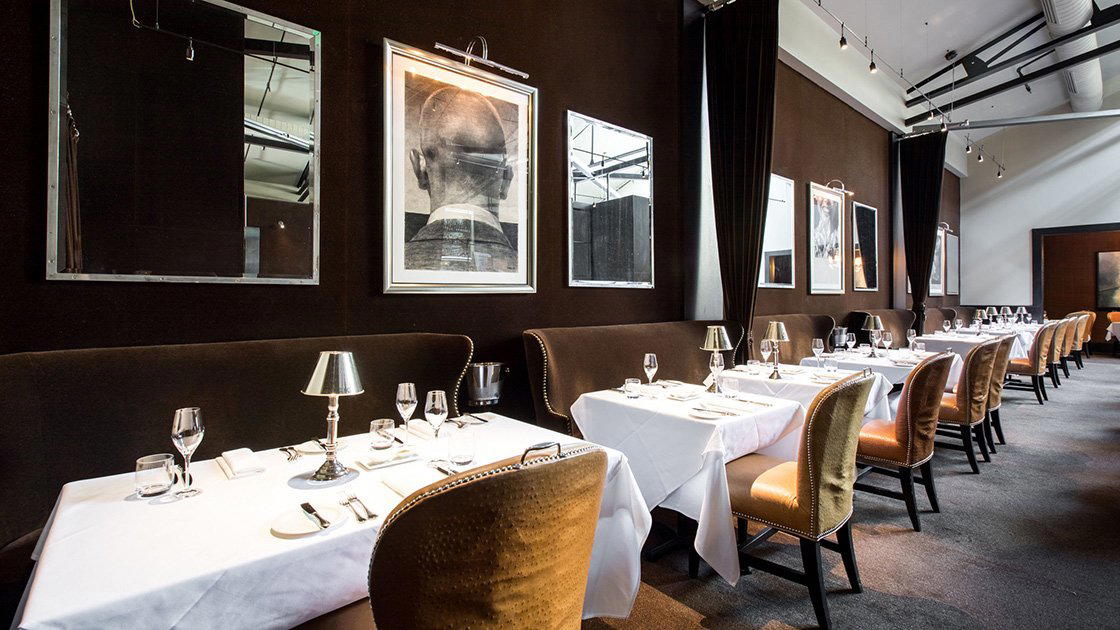
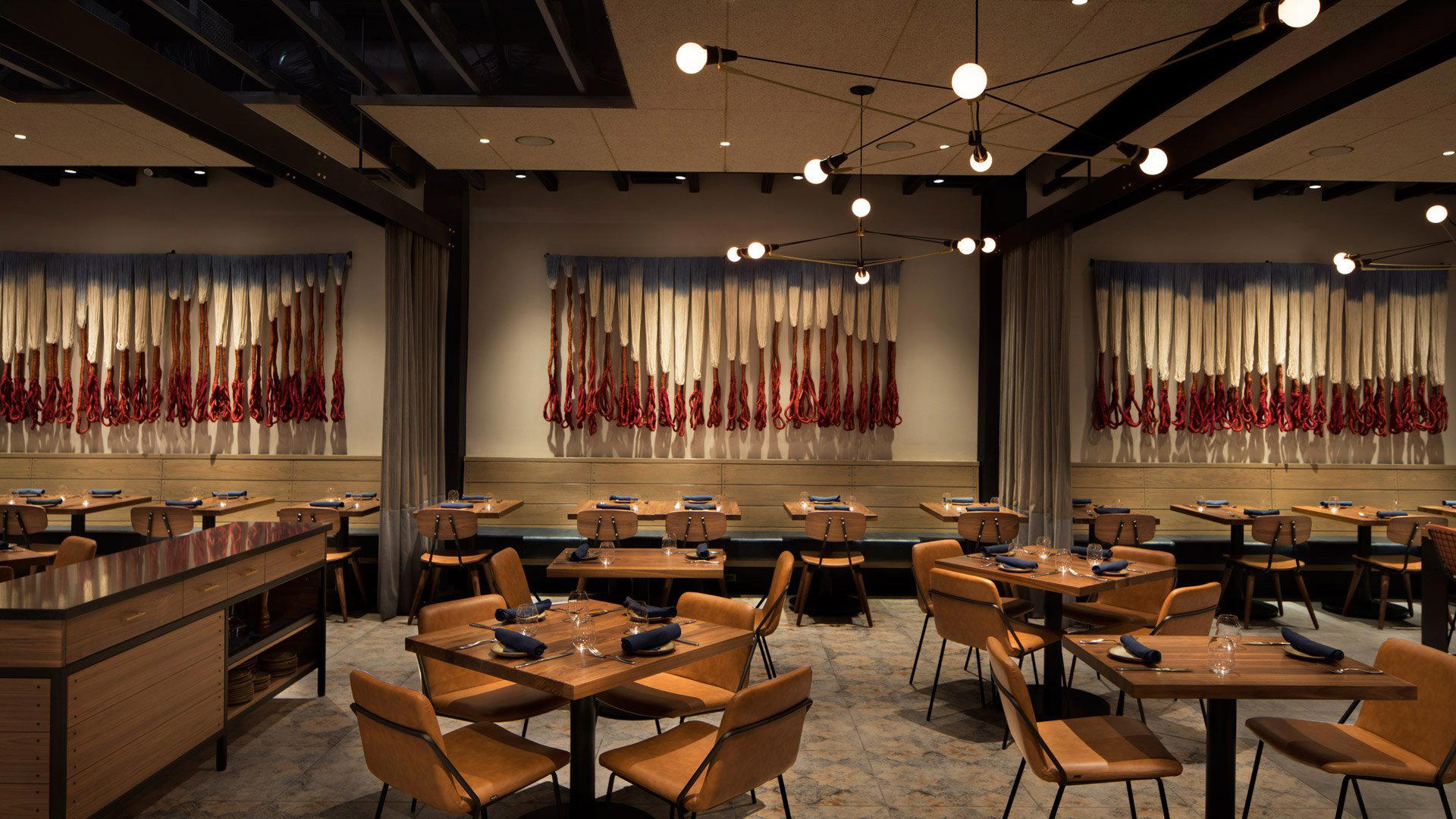
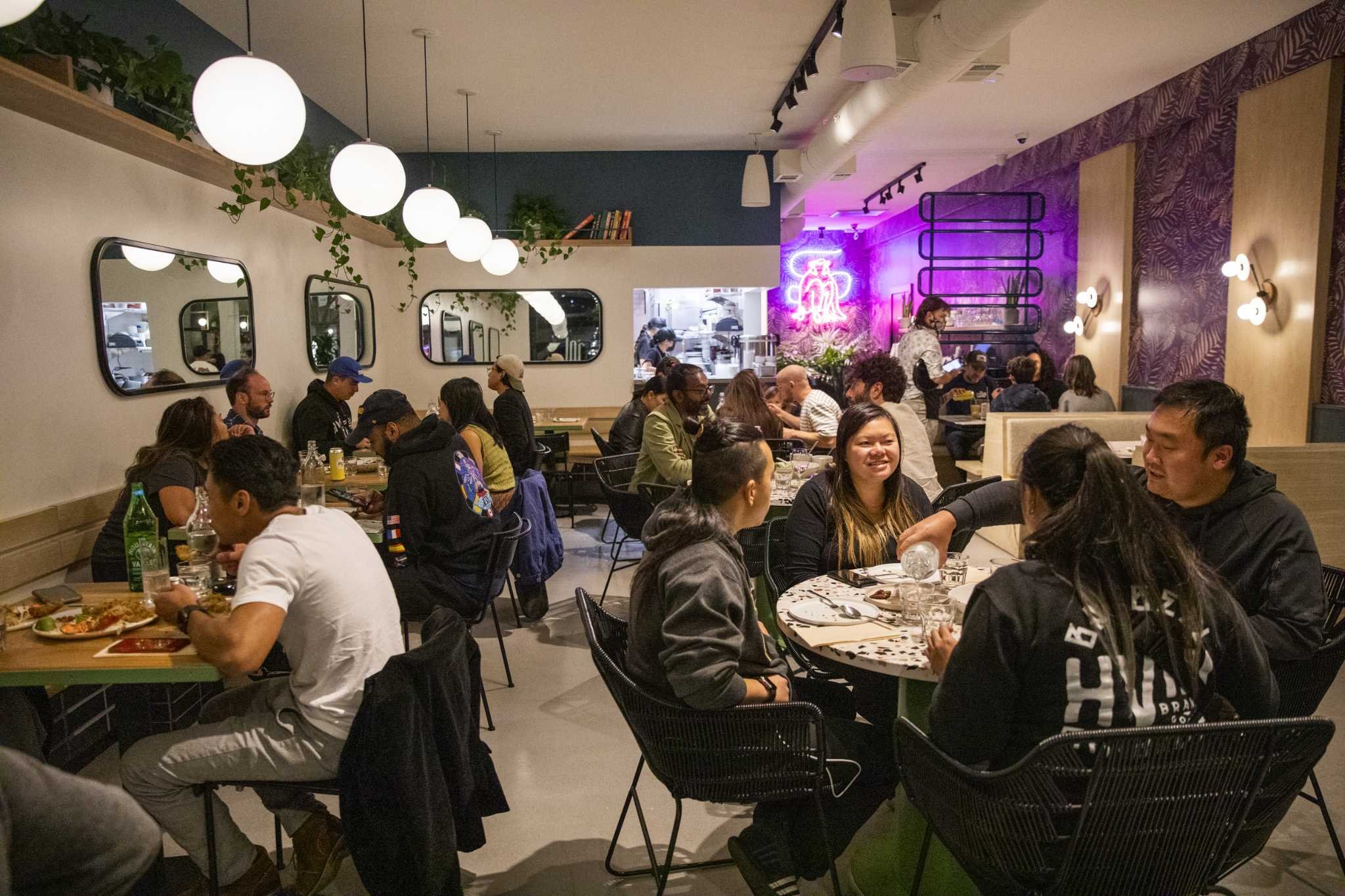
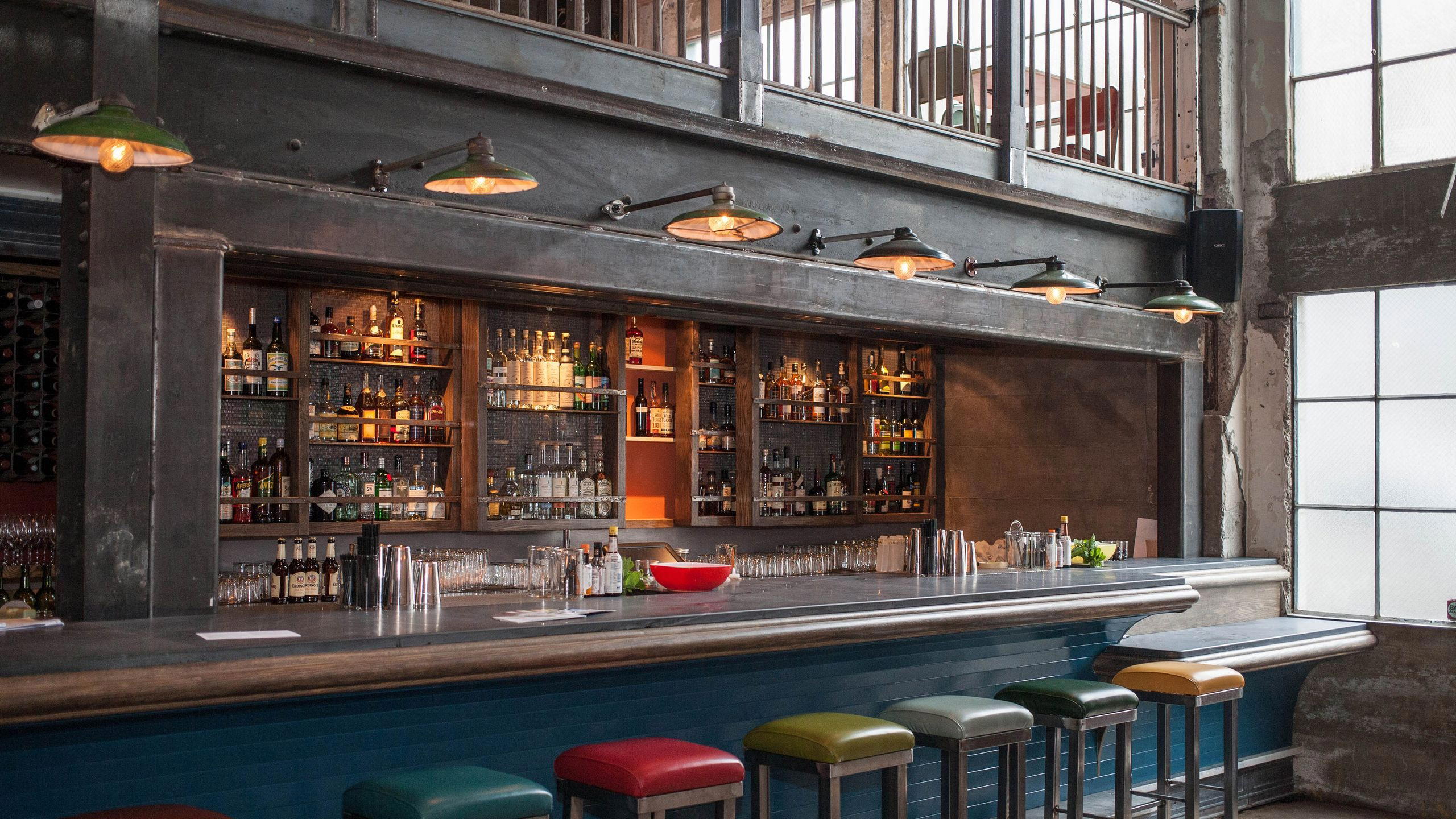
The robata grill, literally meaning "fireside", traces back to the fishing communities of northern Japan, where ingredients were cooked communally over charcoal at low, steady heat. That technique, transplanted to American restaurant contexts, tends to produce a particular kind of dining rhythm: small plates arriving in succession, a strong drinks program running alongside, and an atmosphere that sits somewhere between a serious dinner and a social evening. At Ozumo Santana Row, the format follows that logic, with the physical space designed to accommodate both the counter and table experience that izakaya dining in Japan moves between naturally.
What the Format Signals
The izakaya category in American cities has split into two broad tiers. The first is casual and high-volume, oriented around beer and affordable shared plates. The second is more considered, with a sake and whisky program that takes up as much menu real estate as the food, and a kitchen that treats the robata grill as a primary cooking method rather than a sideshow.
That comparison matters because it shapes what to expect. The drinks list at venues in this tier typically runs deep on sake categories, junmai, ginjo, daiginjo, and on Japanese single malts, which have become a serious reference point for whisky programs across the United States. The food menu, in turn, is structured to function as a complement to a long evening of drinking rather than as a standalone tasting progression. This is a format that rewards guests who approach it the way a well-informed visitor to Osaka or Tokyo's izakaya districts would: with time, appetite for repetition, and willingness to order in rounds.
San Jose's Broader Japanese Dining Context
The South Bay has one of the highest concentrations of Japanese and Japanese-American residents in California, and that demographic reality has shaped the local restaurant market in ways that matter for how venues like Ozumo operate. Cupertino, Mountain View, and San Jose proper all have strong ramen and sushi infrastructure, and diners in this market are generally more familiar with Japanese dining conventions than in cities where Japanese food arrived primarily through fusion channels. That informed local audience raises the baseline expectation for a venue operating in the izakaya format.
It also provides a useful comparison frame when assessing where Ozumo sits in the regional hierarchy. San Francisco's Japanese restaurant scene is deeper and more varied, with a higher density of specialist counters and a more competitive omakase tier. But Santana Row's position as a design-led retail-and-dining corridor means Ozumo operates with a different set of constraints and opportunities than a comparable venue in the Mission or the Richmond District. The audience here skews toward occasion dining and business entertainment, which tends to push programs toward broader accessibility rather than narrow specialism.
For a comparison point on what occasion dining looks like at the highest tier in California, venues like The French Laundry in Napa and Single Thread Farm in Healdsburg define the upper register. Within San Jose itself, Adega holds the most formal fine-dining position, with a tasting menu format and awards recognition that places it in a national peer conversation. Ozumo operates in a different register entirely, more convivial, designed for groups, and structured around a repeatable format rather than a singular tasting experience.
Planning Your Visit
Santana Row restaurants generally benefit from reservations, particularly on Friday and Saturday evenings when the corridor draws a wide catchment area from the South Bay and Peninsula. The outdoor terrace seating along the Santana Row strip fills quickly during warmer months, from late spring through September, and the atmosphere shifts perceptibly between lunch service, early dinner, and late evening. For the robata-focused format, a later seating tends to suit the rhythm of the menu better, allowing time to work through multiple rounds of the grill without feeling rushed toward a specific endpoint.
The address at 355 Santana Row places the venue within walking distance of the Winchester Boulevard parking structures, and the VTA light rail's Santana Row/Ream station provides a car-free option for those coming from downtown San Jose or further north on the corridor. Visitors exploring the broader San Jose dining scene should also consider the city's Portuguese restaurants, Adega (Portuguese) and Alma de Amón represent a different but equally serious side of the city's food culture, as well as Back A Yard Caribbean Grill for a less formal but culturally specific experience. A broader overview of the city's options is available in our full San Jose restaurants guide.
For context on how the robata and Japanese izakaya format compares to other serious American restaurant programs, the range at venues like Le Bernardin in New York City, Alinea in Chicago, Providence in Los Angeles, and Addison in San Diego illustrates how different the izakaya register is from tasting-menu fine dining, a useful frame for calibrating expectations before you arrive.
Frequently asked questions
Where is Ozumo Santana Row located?
Ozumo Santana Row is located at 355 Santana Row, San Jose, CA 95128, San Jose.
How does Ozumo Santana Row compare to other Japanese restaurants in the South Bay?
San Jose and the surrounding South Bay hold one of California's highest concentrations of Japanese and Japanese-American residents, which has produced a dining scene that spans casual ramen counters through to refined kaiseki. Ozumo at Santana Row occupies a distinct tier within that context: a full-service izakaya with a robata-grilled menu and sake list, at a price point and address geared toward the Santana Row mixed-use corridor rather than the neighborhood Japanese spots found in the broader South Bay. That positioning makes it one of the more format-specific Japanese dining options in central San Jose.
What should I order at Ozumo Santana Row?
Ozumo's format centers on robata-grilled dishes and an izakaya-style menu built for sharing, so ordering across multiple categories gives the fullest picture of the kitchen's range. The Santana Row location draws from the same robata-focused playbook as the broader Ozumo concept, which has long positioned grilled skewers and composed small plates as its calling cards. Confirm current menu specifics directly with the restaurant, as seasonal rotations apply.
Is Ozumo Santana Row reservation-only?
Ozumo Santana Row does not operate on a strict reservation-only basis, but Santana Row restaurants as a corridor draw significant Friday and Saturday foot traffic from across the South Bay. Booking ahead for weekend evenings is advisable. Walk-ins are more reliably accommodated at the bar or on weekday evenings.
What is Ozumo Santana Row known for?
Ozumo is recognized for bringing Japanese robata grilling into an upscale izakaya format, positioned at 355 Santana Row within San Jose's most concentrated dining corridor. The concept appeals to the South Bay's substantial Japanese-American dining community as well as the broader Silicon Valley professional crowd. The robata counter and sake program are the two elements most consistently associated with the Ozumo brand.
How does Ozumo Santana Row handle allergies?
Japanese izakaya menus commonly involve soy, wheat, and shellfish across multiple preparations, so guests with dietary restrictions should check the venue's official channels before visiting. Staff can advise on dish composition, though the kitchen's use of shared equipment and marinades means cross-contact risks should be discussed specifically. No allergy protocol details are publicly documented for this location.
Side-by-Side Snapshot
Comparable venues nearby, for context on price, style, and recognition.
| Venue | Cuisine | Price | Awards | Notes |
|---|---|---|---|---|
| Ozumo Santana RowThis venue — the venue you are viewing | Contemporary Japanese Sushi & Izakaya | $50–100 | Not listed | Not listed |
| Sushi Confidential Willow Glen | Modern Sushi | $30–50 | Not listed | Willow Glen |
| Elyse Restaurant | Modern French-Vietnamese Fusion | $50–100 | Not listed | Historic District |
| Pizza Antica | Italian Wood-Fired Pizza | $20–30 | Not listed | Santana Row |
| Eos & Nyx | Mediterranean with California Seasonal Influences | $30–50 | Wine Spectator Award of Excellence | Paseo de San Antonio |
| Curry Pizza House - San Jose | Indian Fusion Pizza | $20–30 | Not listed | Mirassou Vineyards |