Oyster Club

On Water Street in Mystic, Connecticut, Oyster Club sits where the Mystic River meets a town built on maritime trade. The kitchen's sourcing runs close to the water — local shellfish, regional catch, and a menu shaped by what New England's coastline produces season to season. For seafood-focused dining in a town that takes its fishing heritage seriously, it occupies a distinct position in the local roster.
Pearl is the En Primeur Club membership app — saves, bookings, and concierge access live there. Same editors, same standards.
- Address
- 13 Water St, Mystic, CT 06355
- Phone
- +18604159266
- Website
- oysterclubct.com
- Directions
- Get directions
 Saves & bookings on Pearl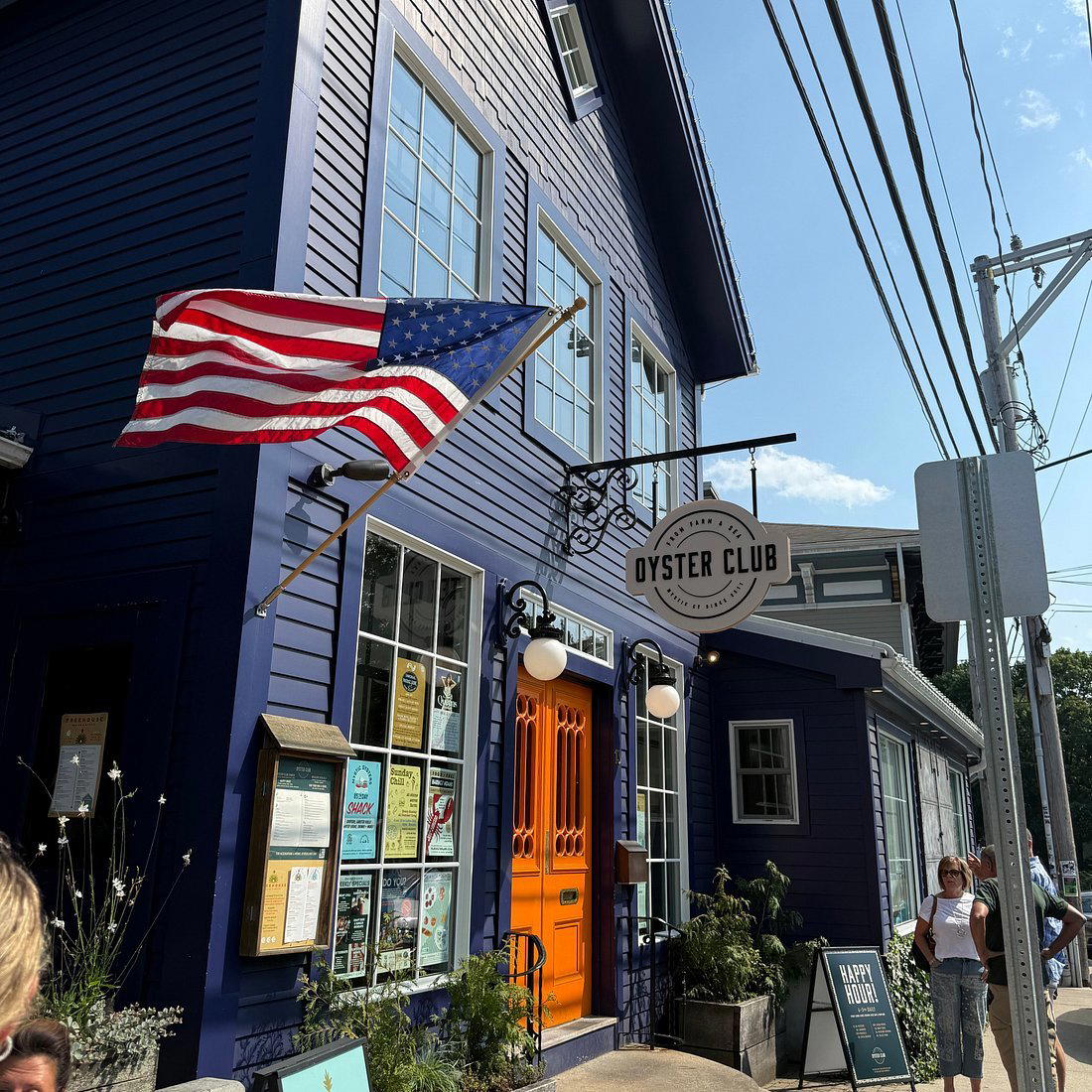
Where the River Defines the Menu
Water Street in Mystic, Connecticut, is one of those addresses where the setting and the food have an argument about which came first. The street runs along the Mystic River, a working waterway that has channeled commerce, fishing fleets, and maritime culture through this corner of southeastern Connecticut for centuries. Restaurants on this strip do not operate in spite of the water — they operate because of it. Oyster Club, at 13 Water St, sits inside that tradition, where proximity to the source is less a selling point than a baseline operating condition.
The broader context matters here. New England's seafood dining scene has split, in recent decades, between two models: the high-volume tourist-facing operation that banks on nostalgia and fried baskets, and the ingredient-led approach that treats the regional catch with the same rigour applied to farm produce in Vermont or Hudson Valley. The latter is a smaller cohort, but Mystic — with its combination of working waterfront heritage and a visitor base that travels specifically for the food, has shown that the model holds at this scale. Oyster Club fits the sourcing-forward half of that divide.
The Logic of Local Shellfish
Oysters in southern New England are not a generic product. The estuaries, salt ponds, and tidal rivers of Connecticut, Rhode Island, and the outer Cape produce shellfish whose flavour profiles shift by growing location, salinity levels, water temperature, mineral content, and tidal exchange all register on the palate. For a restaurant that anchors its identity around bivalves, the sourcing question is not peripheral; it is the menu. Kitchens that work directly with regional growers, pulling oysters from named beds rather than commodity supply chains, carry that provenance into every plate they put down.
This approach aligns Oyster Club with a generation of American seafood restaurants that emerged over the past fifteen years treating shellfish with the specificity that fine dining had previously reserved for protein-heavy tasting menus. Operations like Le Bernardin in New York City and Providence in Los Angeles established the intellectual framework, that seafood sourcing, preparation, and provenance deserve the same sustained attention as any other category. Coastal New England restaurants operating in the years since have absorbed that lesson and applied it at a more accessible register, closer to the water and often without the formality.
Mystic as a Dining Address
Mystic is a small town doing serious food work. The draw for visitors has historically been the Mystic Seaport Museum and the Mystic Aquarium, but a secondary reputation has built around its restaurant scene, which outperforms what a town of this size would typically support. The reason is partly demographic, a mix of weekending New Yorkers, New Haven day-trippers, and a resident population with income and taste expectations, and partly the competitive pressure that a concentrated waterfront dining strip generates.
Within that local cohort, Oyster Club holds a specific position. The Shipwright's Daughter operates in a similar sourcing-driven register, and together the two represent Mystic's commitment to treating New England seafood as a serious culinary subject rather than a coastal convenience. Across town, Nana's Bakery & Pizza covers the daytime and casual end of the spectrum. The full picture of what Mystic eats is mapped in our full Mystic restaurants guide.
The comparison beyond Mystic is also instructive. The sourcing-first ethos that defines the better end of American dining, applied at places like Blue Hill at Stone Barns in Tarrytown, Single Thread Farm in Healdsburg, or The French Laundry in Napa, filters down through the category. Oyster Club operates in that current without the formality or the price ceiling of those rooms. Other regionally specific, ingredient-anchored restaurants across the country offer useful reference points: Bacchanalia in Atlanta, The Inn at Little Washington, and Addison in San Diego all reflect the same underlying conviction that geography should be legible on the plate.
Planning a Visit
Mystic is accessible by train from New York Penn Station via Amtrak's Northeast Regional, with the Mystic station a short walk from the waterfront. From New Haven, the drive runs roughly 50 miles east on I-95. Water Street itself is walkable from most of Mystic's accommodation, which clusters near the downtown bascule bridge. Visitors who plan around peak summer weekends should account for the town's tourist-season capacity pressure, Mystic absorbs a significant weekend influx from June through August, and waterfront restaurants at this quality level fill accordingly. Shoulder season visits, particularly in May and September, offer the same menu quality with considerably less competition for tables.
For readers building a longer itinerary around serious American dining, Oyster Club sits within a Northeast corridor that extends south through Atomix in New York City and Causa in Washington, D.C., and connects to the broader American scene mapped through Lazy Bear in San Francisco, Alinea in Chicago, Brutø in Denver, and Emeril's in New Orleans. For those extending further afield, 8 1/2 Otto e Mezzo Bombana in Hong Kong represents how the ingredient-sourcing conversation plays out at the international end of the spectrum.
How Oyster Club Mystic compares with similar nearby venues.
| Venue | Cuisine | Awards |
|---|---|---|
| Oyster Club | Not listed | James Beard Award Semi Finalist (2025) |
| Nana’s Bakery & Pizza | Bakery & Pizzeria | Not listed |
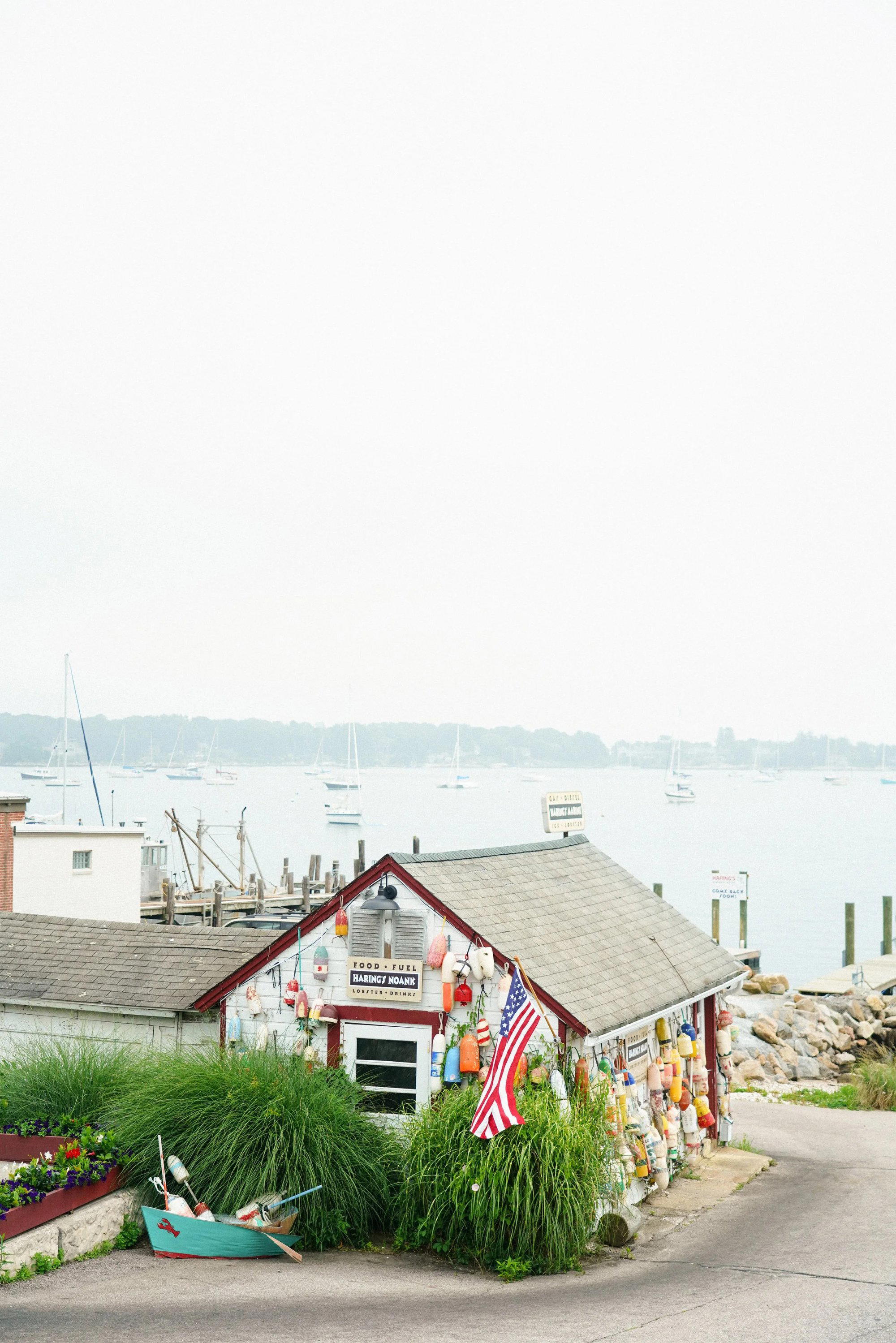
| Haring’s | Seafood | Not listed |
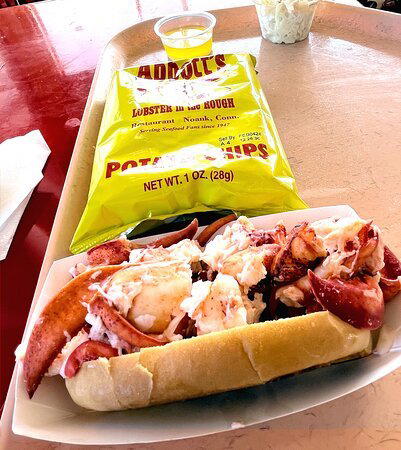
| Abbott’s Lobster in the Rough | Seafood | Not listed |
Recognition history
Dated appearances from independent guides and award organizations, with the underlying list record or original source where available.
James Beard Award Semi Finalist
James Beard Award
Continue exploring
More in Mystic
Restaurants in Mystic
Browse all →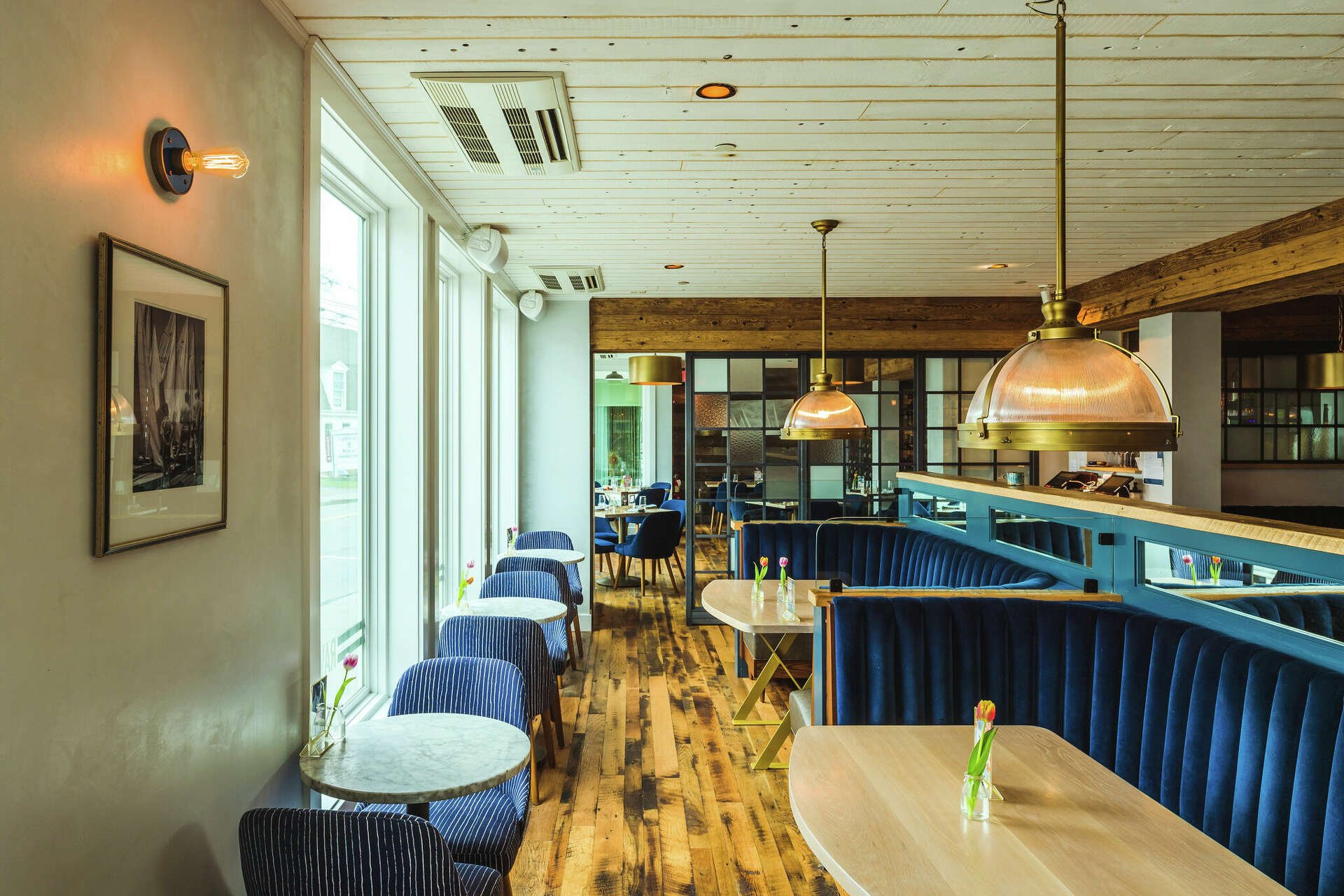
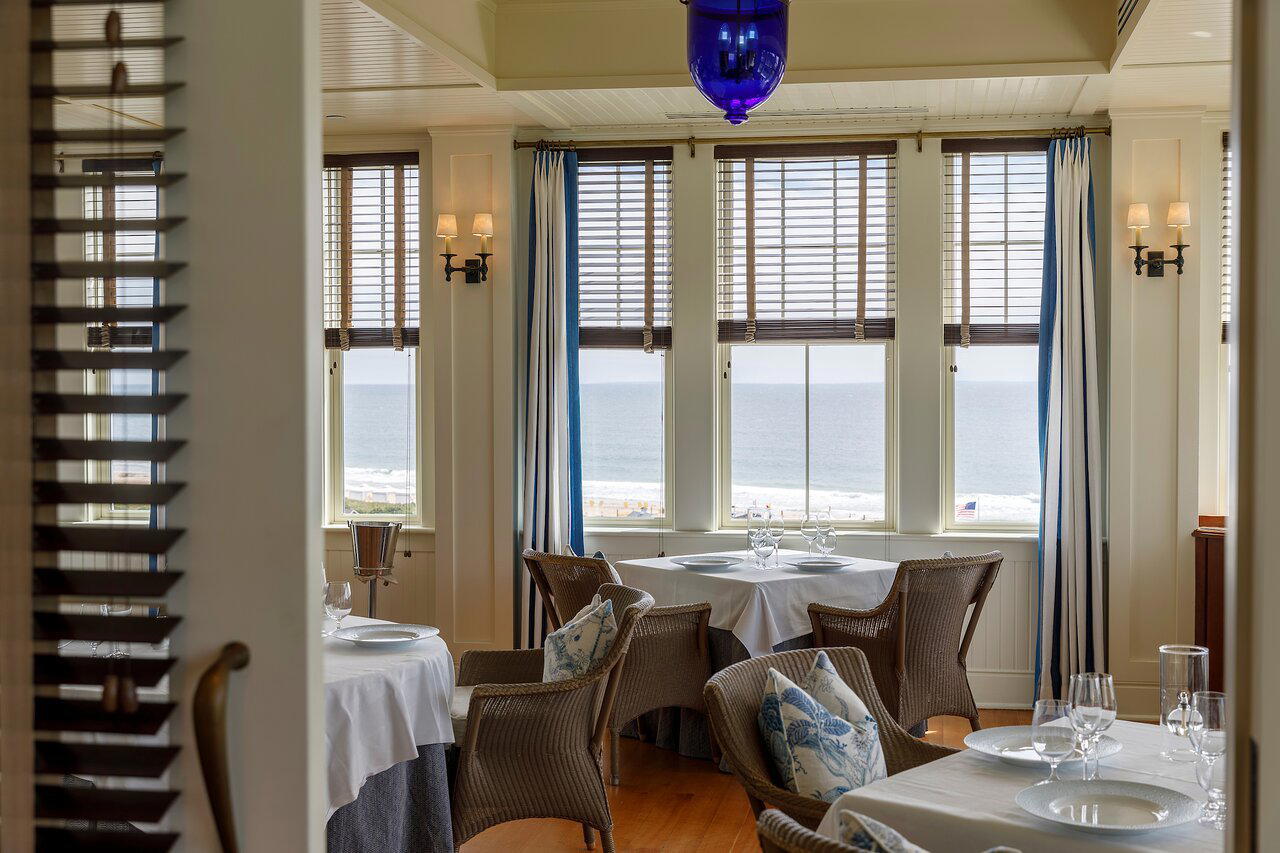
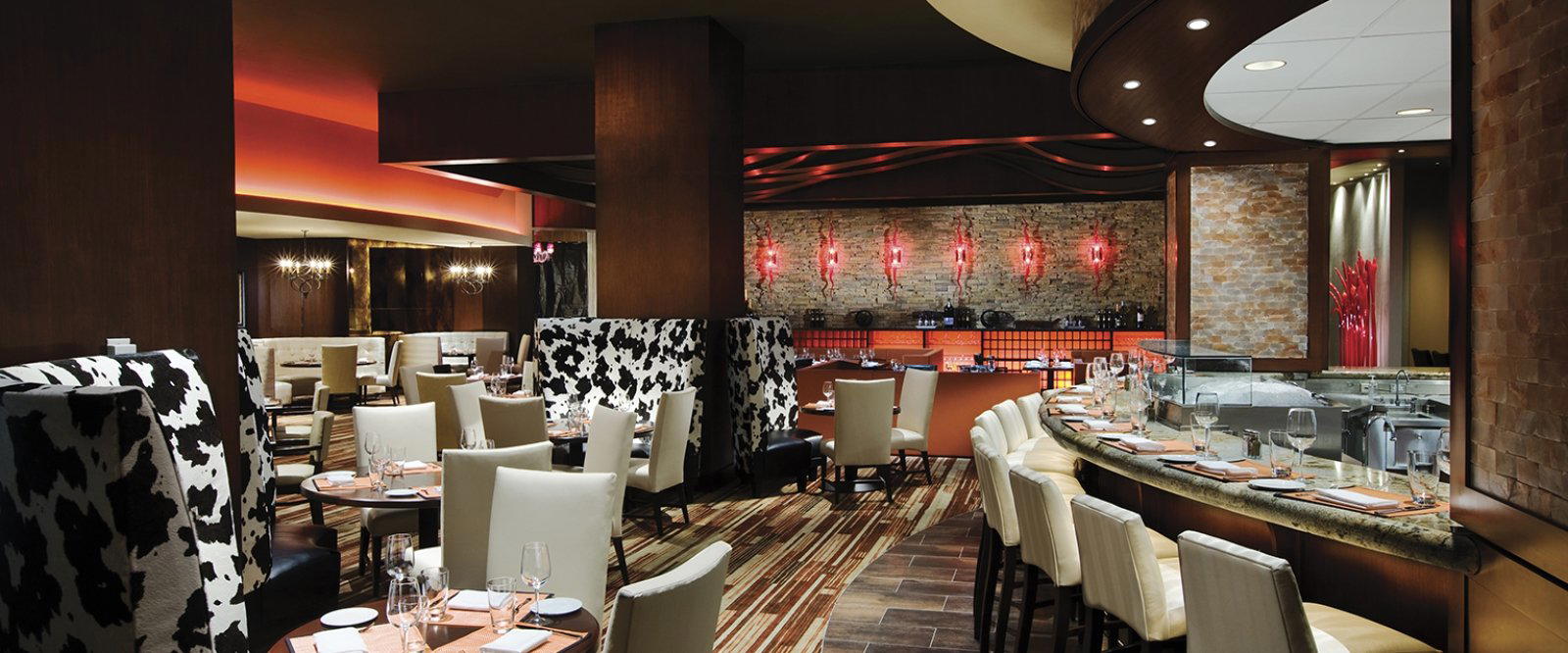
Bars in Mystic
Browse all →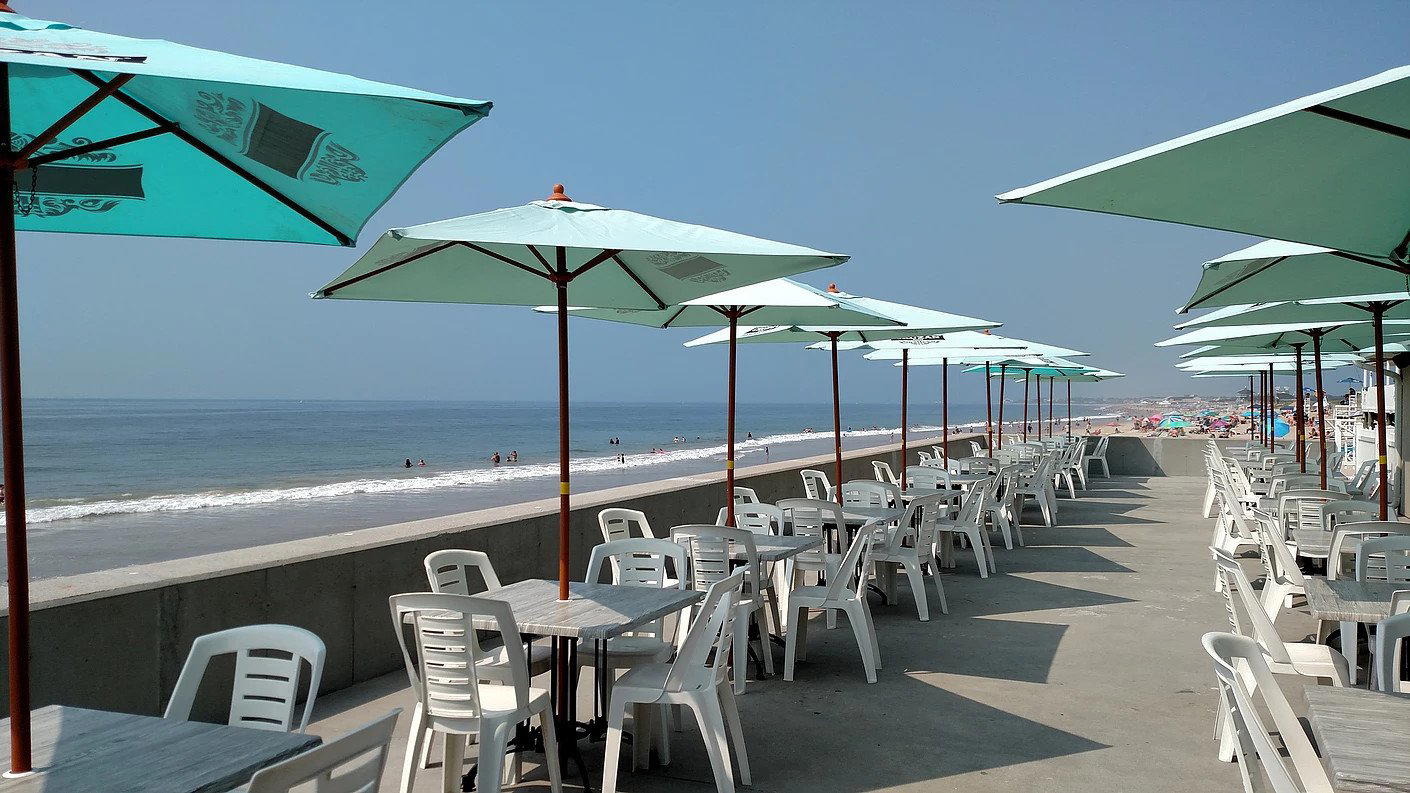
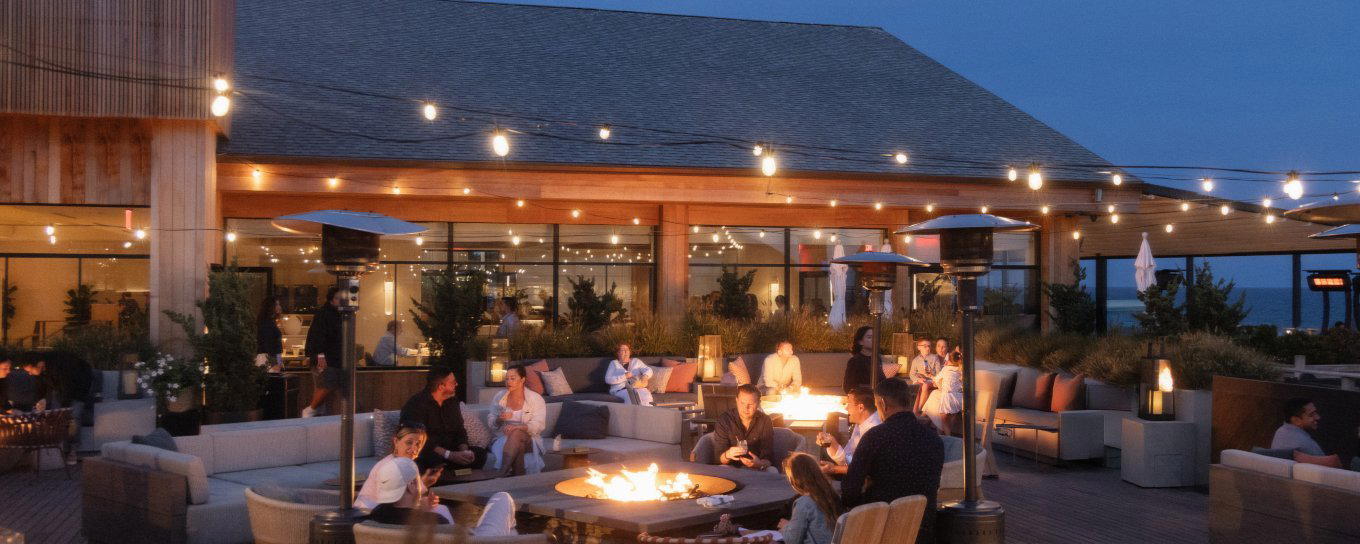
Hotels in Mystic
Browse all →

At a Glance
- Rustic
- Cozy
- Elegant
- Date Night
- Special Occasion
- Open Kitchen
- Craft Cocktails
- Local Sourcing
- Sustainable Seafood
Current opening hours
- Monday
- 4–9 PM
- Tuesday
- 4–9 PM
- Wednesday
- 4–9 PM
- Thursday
- 4–9 PM
- Friday
- 4–9 PM
- Saturday
- 11 AM–2:30 PM, 4–9 PM
- Sunday
- 11 AM–2:30 PM, 4–9 PM
Hours can change for holidays and private events. Last verified .
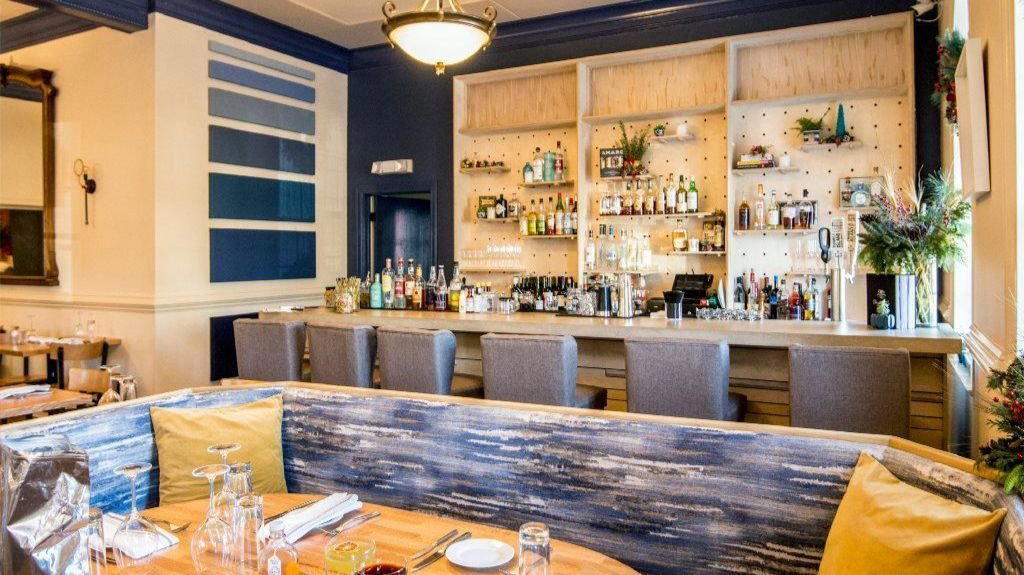
Rustic wood-paneled interior with casually elegant welcoming atmosphere pleasant and pleasingly quiet dining room.
Know Before You Go
- Getting there
- 13 Water St, Mystic, CT 06355