Oto Oto occupies the 7th arrondissement of Lyon, a neighbourhood that sits at a remove from the tourist-facing bouchon circuit and draws a more local, deliberate crowd. The address at 15 Rue d'Aguesseau places it in a residential register that shapes expectations from the moment you arrive. For visitors mapping Lyon's contemporary dining beyond its most-publicised names, Oto Oto is a considered stop.
Pearl is the En Primeur Club membership app — saves, bookings, and concierge access live there. Same editors, same standards.
- Address
- 15 Rue d'Aguesseau, 69007 Lyon, France
- Phone
- +33437378423
- Website
- oto-oto.fr
- Directions
- Get directions
 Saves & bookings on Pearl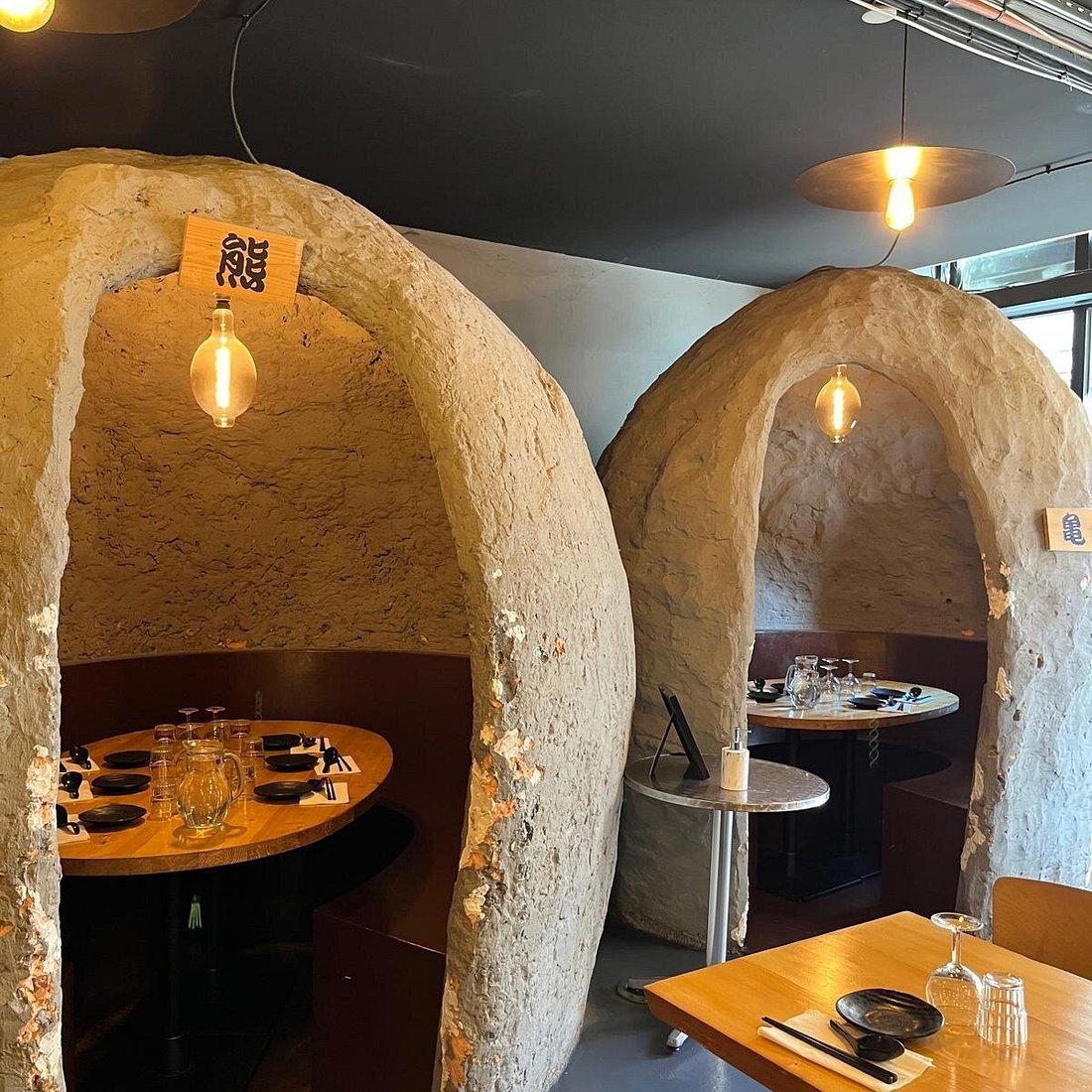
The 7th Arrondissement and the Question of Where Lyon Eats Now
Lyon's dining reputation is built on a paradox. The city that trained more celebrated chefs than arguably any other in France still defines itself publicly through the bouchon, a format rooted in Mères cuisine, communal tables, and calves' head in gribiche. That identity sells well to visitors. But the restaurants where Lyon's own food-engaged population actually eats have migrated, quietly and steadily, toward the 7th arrondissement and adjacent streets south of the Presqu'île. Oto Oto, at 15 Rue d'Aguesseau, sits inside that migration. The address is residential in character, a street where the foot traffic is neighbourhood rather than tourist, and where a restaurant earns its reputation locally before it reaches the guides.
This matters for how you read a place like Oto Oto. Restaurants in this register operate without the scaffolding of heritage branding or major-award positioning. They are judged, week to week, by whether the people who live nearby keep returning. That is a different kind of accountability than a Michelin star creates, and in some respects a harder one to sustain. For context on how Lyon's higher-tier scene is structured, La Mere Brazier and Le Neuvième Art represent the awarded end of the city's contemporary French spectrum, while Takao Takano and Au 14 Février occupy a creative-French niche that draws destination diners. Oto Oto operates at a different register: present in the neighbourhood, oriented toward the table rather than the press release.
What the Address Tells You Before You Sit Down
Approaching a restaurant on a residential street in Lyon's 7th already communicates something about format and intent. There is no boulevard frontage, no terrace designed for visibility. The physical context implies a room that functions as a destination rather than a promenade stop, which in turn implies a certain commitment expected of the guest: you came specifically, not incidentally. This is the kind of address where the dining room is likely compact, the kitchen close, and the distance between what arrives on the plate and who cooked it correspondingly short. Whether that translates into a counter format, a small-tables room, or something between, the neighbourhood itself frames the experience as deliberate rather than casual.
In Lyon's contemporary dining scene, this kind of positioning has become more common as chefs with serious training have moved away from the Presqu'île's commercial pressures toward premises where rent allows for smaller operations, shorter menus, and tighter sourcing. Burgundy by Matthieu is another example of this tendency, operating in the modern-cuisine register at a price point that reflects considered rather than maximalist ambition.
Menu Architecture as the Central Question
In French regional dining at this level, the structure of the menu is itself an argument. A restaurant that offers a single tasting sequence at one price point is making a different claim than one that runs a two- or three-option carte. The former says: the kitchen controls the narrative, and the guest agrees to follow it. The latter says: we trust our sourcing and technique across a wider range, and we let the table decide the scope of the evening. Neither is superior; they describe different relationships between kitchen and guest, and they carry different implications for what the meal will feel like.
Lyon's strongest small restaurants in this register have generally moved toward shorter menus built on supply-chain relationships, where the architecture of the meal reflects what arrived that week rather than what the menu was designed to promise six months ago. That approach has a lineage in French cuisine that runs from the market-driven bistro all the way up to the sourcing philosophies that define houses like Bras in Laguiole and Flocons de Sel in Megève, even if the scale and price tier are entirely different.
What a tight, market-responsive menu reveals about a restaurant is the kitchen's confidence in its own judgment. When you cannot rely on a deep carte to absorb guest preferences, every dish has to carry weight. The sequencing, the pacing, the relationship between courses: these become the actual content of the experience. French diners in Lyon read menus this way instinctively, which is part of why the city's neighbourhood restaurants can sustain formats that might feel under-explained in a more tourist-facing context.
Lyon's Dining Tier and Where Oto Oto Fits
France's fine-dining infrastructure is dense enough that even a mid-tier regional city runs parallel tracks simultaneously. Lyon runs at least three: the legacy bouchon format, the Michelin-tracked contemporary French tier represented by addresses like Le Neuvième Art, and a growing neighbourhood-contemporary tier that operates outside the awards cycle but with comparable technical seriousness. Oto Oto belongs to this third category, which in some ways makes it harder to benchmark quickly but more representative of how the city's own dining culture is evolving.
For reference points beyond Lyon, the restaurant's positioning has loose analogues in how some of France's most respected houses operate at a regional remove from Paris: Auberge de l'Ill in Illhaeusern, Au Crocodile in Strasbourg, and Troisgros in Ouches all demonstrate that serious French cooking has never required a Paris address to find its audience. Oto Oto is operating in a considerably different register from those houses in terms of scale and recognition, but the underlying premise, that a specific address in a specific French city is sufficient context for serious cooking, is shared.
For visitors building a Lyon itinerary that extends beyond the most-publicised names, our full Lyon restaurants guide maps the city's dining tiers across neighbourhoods and price points.
Planning Your Visit
Oto Oto is located at 15 Rue d'Aguesseau in Lyon's 7th arrondissement, reachable from the Presqu'île in under fifteen minutes on foot via the Pont de la Guillotière, or a short ride from Jean Macé metro station. Phone and booking details are not publicly listed in available records; visiting the restaurant directly or checking current listings for reservation access is advisable. Given the neighbourhood-restaurant format and the compact scale implied by the address type, securing a table in advance rather than arriving speculatively is the practical approach, particularly on Thursday through Saturday evenings when the 7th's restaurant trade is at its most active.
Continue exploring
More in Lyon
Restaurants in Lyon
Browse all →
Bars in Lyon
Browse all →
Hotels in Lyon
Browse all →

At a Glance
- Cozy
- Intimate
- Trendy
- Group Dining
- Casual Hangout
- After Work
- Open Kitchen
- Sake Program
Current opening hours
- Monday
- Closed
- Tuesday
- Closed
- Wednesday
- 12–2 PM, 7–10 PM
- Thursday
- 12–2 PM, 7–10 PM
- Friday
- 12–2 PM, 7–10 PM
- Saturday
- 12–2 PM, 7–10 PM
- Sunday
- 12–2 PM, 7–10 PM
Hours can change for holidays and private events. Last verified .
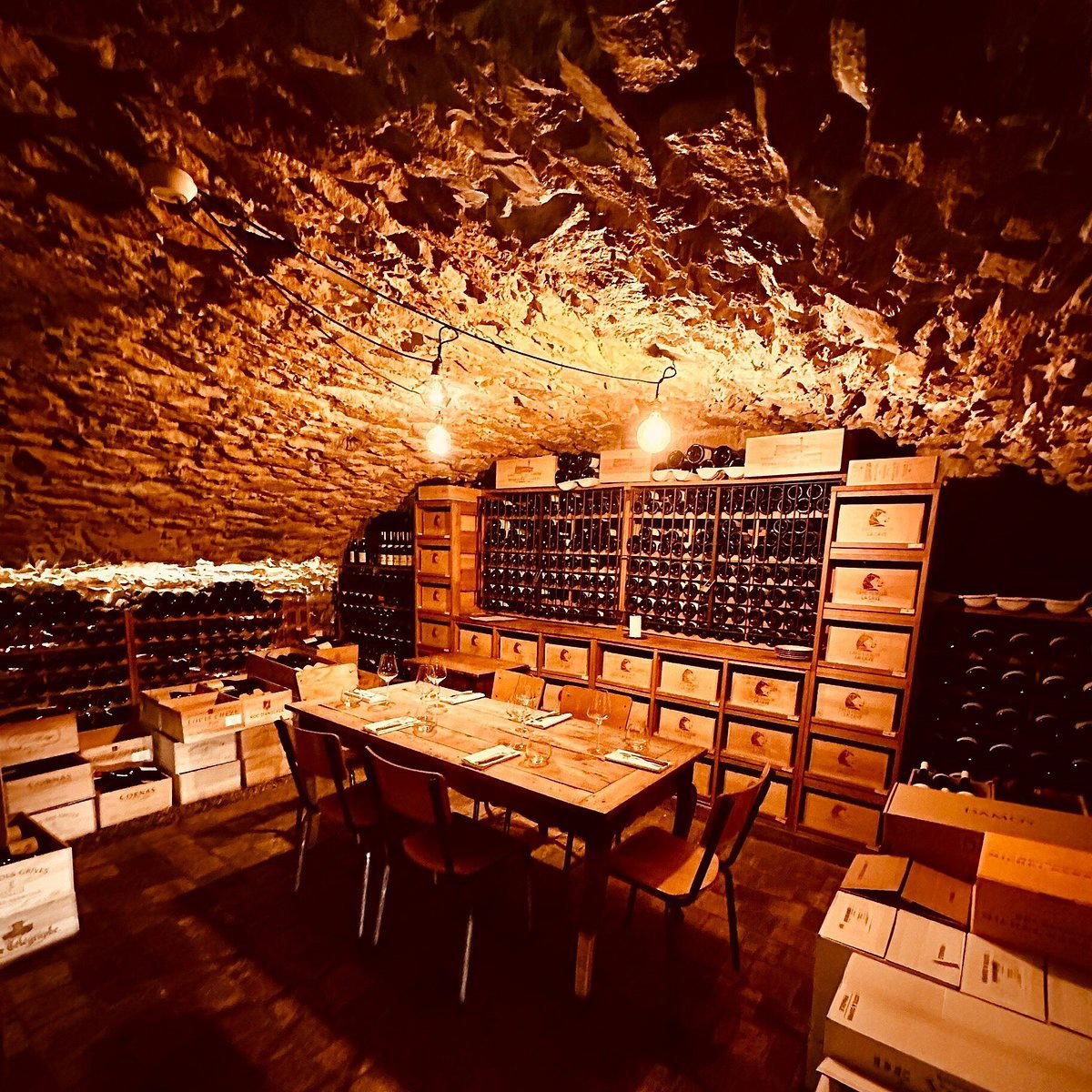
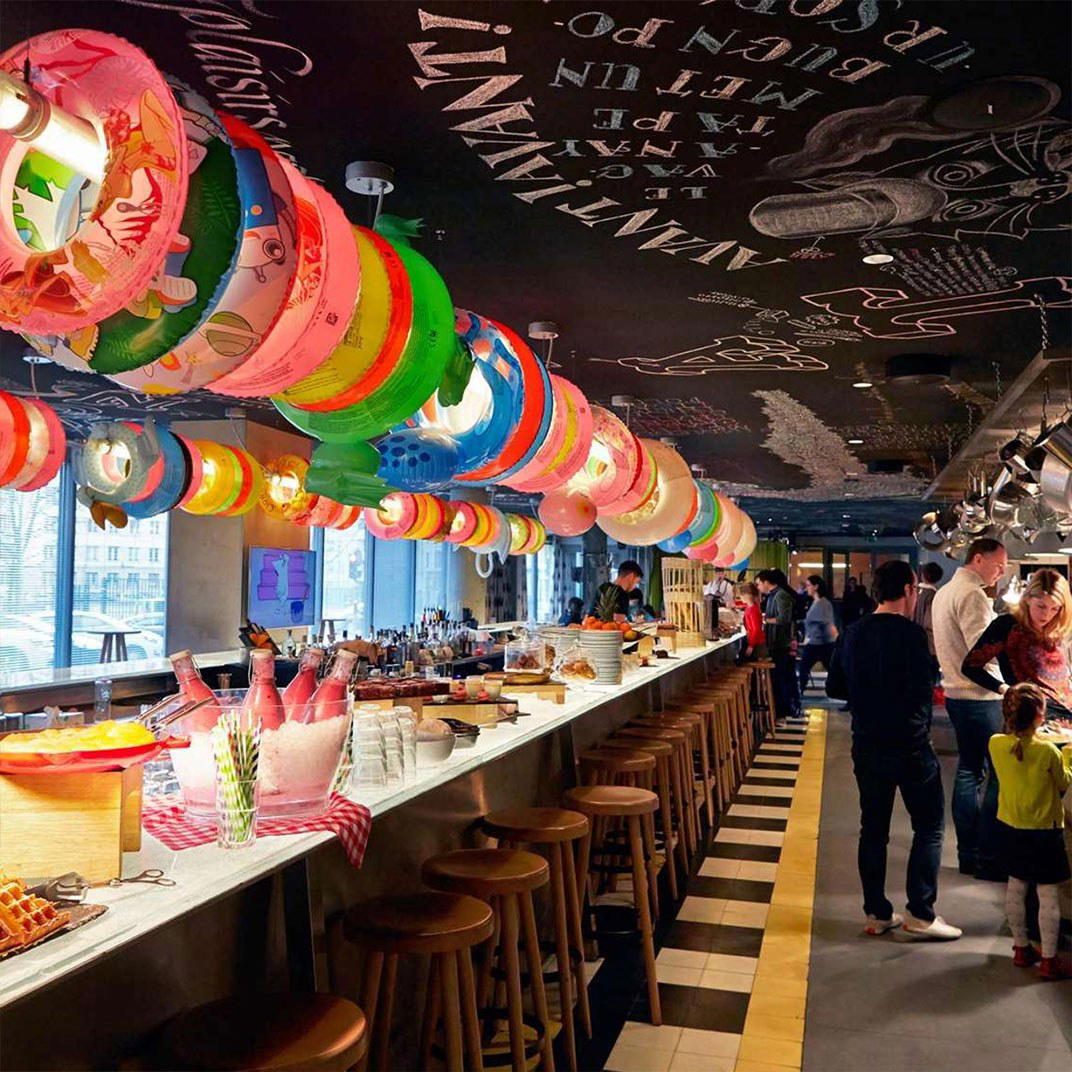
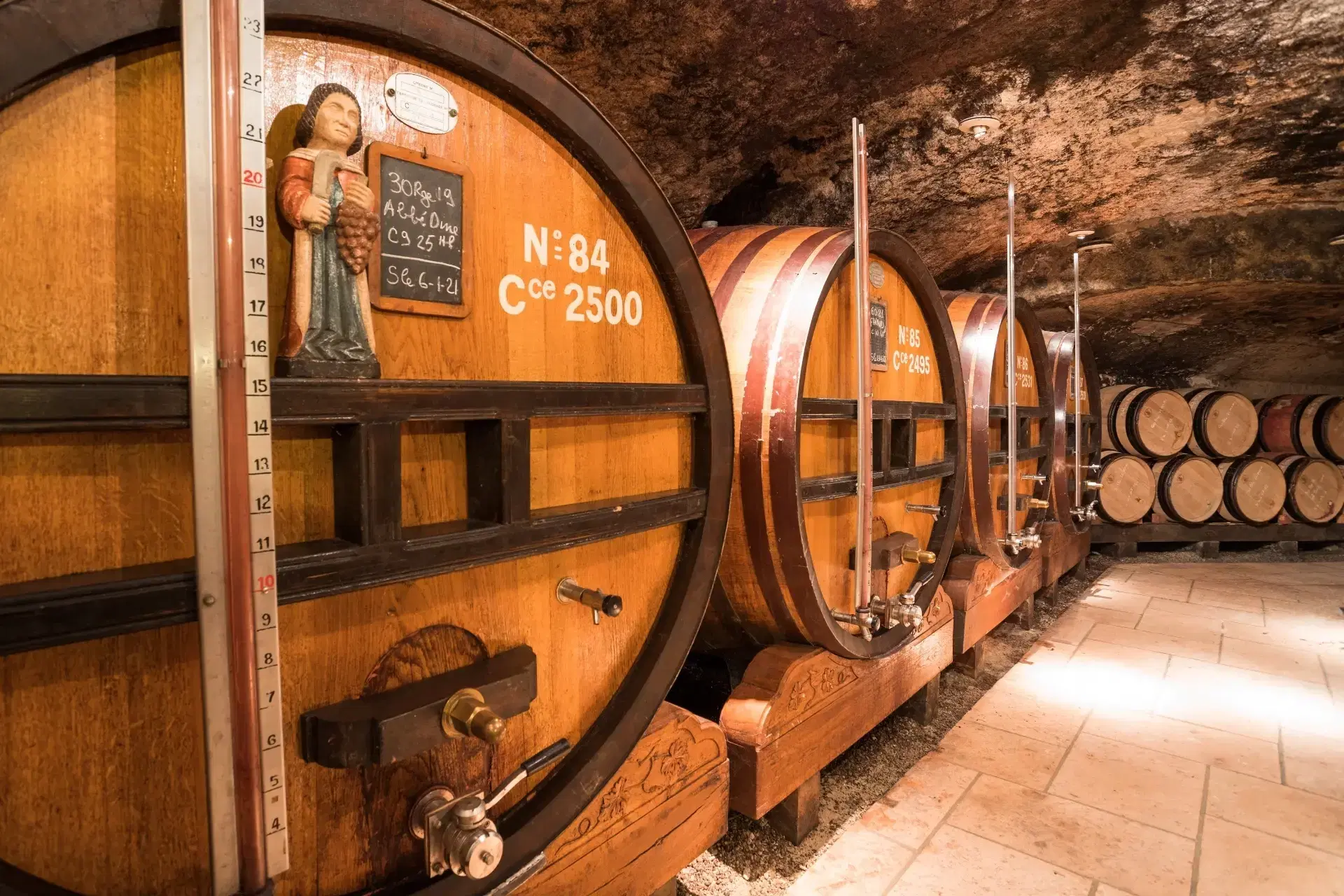
Lively and striking decor with exotic, cozy grottos creating a private, convivial atmosphere.
Know Before You Go
- Getting there
- 15 Rue d'Aguesseau, 69007 Lyon, France