On Rue Duguesclin in Lyon's 3rd arrondissement, Yuzuya occupies a position at the intersection of Japanese precision and French culinary culture, a pairing Lyon handles better than almost any other French city, given its existing appetite for technique-led, produce-focused cooking. The address places it within a residential quarter that rewards those willing to seek it out.
Pearl is the En Primeur Club membership app — saves, bookings, and concierge access live there. Same editors, same standards.
- Address
- 226 Rue Duguesclin, 69003 Lyon, France
- Phone
- +33472609551
- Website
- yuzuya-izakaya-bar-lyon.fr
- Directions
- Get directions
 Saves & bookings on Pearl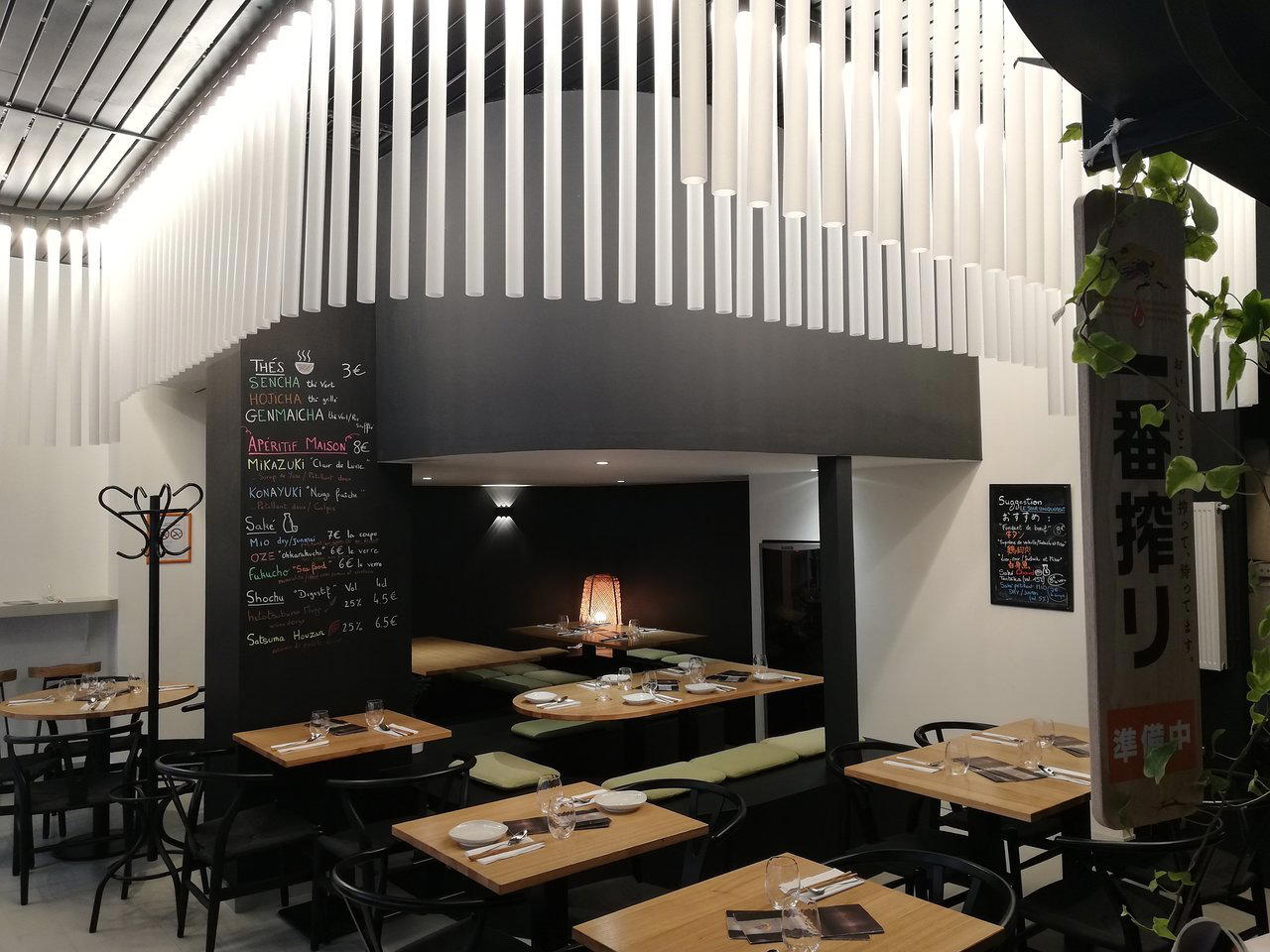
Lyon's Japanese Dining Scene and Where Yuzuya Sits Within It
Lyon's relationship with Japanese cuisine runs deeper than in most French cities outside Paris. The city's obsession with produce quality, its reverence for technique, and its long tradition of small, chef-driven rooms have made it fertile ground for Japanese restaurants that operate on principles the local dining public already understands. Precision cooking, seasonal sourcing, and a preference for restraint over spectacle translate across cultures here with less friction than they might elsewhere.
The 3rd sits east of the Presqu'île, the peninsula where Lyon concentrates its most formally recognised dining, from La Mère Brazier to Le Neuvième Art. Rue Duguesclin is a working street rather than a destination boulevard, which shapes the kind of clientele a restaurant on that stretch attracts: local, repeat, and guided more by word of mouth than by tourist itineraries. That context matters when reading the room at Yuzuya. The neighbourhood does not trade on spectacle, and neither, by all indications, does the restaurant.
Lunch Versus Dinner: How the Two Services Differ
In Lyon's mid-range and upper-mid-range Japanese rooms, the gap between lunch and dinner service often defines the restaurant's real character more clearly than any single dish. Lunch tends to compress the format: shorter menus, faster pacing, a clientele that includes professionals from the surrounding office and residential streets eating on a time constraint. Dinner expands the frame. Pacing relaxes, menu options typically lengthen, and the room shifts toward guests who have chosen the evening deliberately rather than out of proximity or convenience.
For a restaurant on Rue Duguesclin, this divide is likely pronounced. The street's daytime foot traffic skews practical rather than leisurely, which pushes lunch toward value-led formats, set menus at a price point that rewards the local regular rather than the out-of-town visitor. Dinner, by contrast, is where a Japanese restaurant in this tier of the Lyon market has space to show range. The city's dining culture expects evening service to carry more ambition: more courses, more considered wine pairings, and a room that operates at a different register than the brisk efficiency of a weekday midday.
This structural split mirrors patterns visible across Lyon's creative and contemporary dining scene more broadly. At Takao Takano, the Japanese-French hybrid that has become one of Lyon's more closely watched addresses, the distinction between daytime and evening programming is similarly clear. The lunch format functions almost as a calling card, accessible enough to attract first-timers, while dinner is where the kitchen commits fully to its more demanding work. Yuzuya occupies a different category than Takano's formal tasting-menu format, but the same logic about daytime accessibility versus evening depth applies.
What Lyon's French-Japanese Dining Tradition Means in Practice
The broader French-Japanese culinary conversation has been running for decades, with chefs moving between Kyoto and Lyon, between Tokyo and Paris, building a shared vocabulary around dashi and fond, around the knife work that both traditions prize, around the shared reverence for a single notable ingredient treated without distraction. Au 14 Février, another Lyon address that sits at the French-Japanese intersection, demonstrates how that conversation can resolve into a coherent restaurant identity without becoming a novelty act. The challenge for any restaurant in this space is convincing a dining public that the synthesis is genuine rather than calculated.
Lyon's existing framework of high-standard, technique-led cooking, the tradition that runs from Paul Bocuse's L'Auberge du Pont de Collonges through to contemporary addresses like Burgundy by Matthieu, means that a Japanese restaurant here competes in a market that is already sophisticated about what careful cooking looks like. Diners who regularly eat at that level bring calibrated expectations. They notice when mise en place is loose, when temperatures are wrong, when timing between courses breaks down. That competitive pressure is a better environment for a serious Japanese restaurant than a market where the comparison set is less demanding.
France's broader Michelin-starred landscape provides useful context for how seriously the country takes this kind of precision cooking. Addresses like Mirazur in Menton, Flocons de Sel in Megève, and Bras in Laguiole each represent distinct French regional approaches to produce-led, technique-first cooking, the same principles that underpin serious Japanese cuisine. That shared value system is part of why Japanese restaurants in France often find a more receptive audience than they do in markets where the local dining culture is less invested in those ideas.
The Formality Question
Lyon's Japanese restaurants generally operate in one of two registers: the quiet, counter-led omakase format that asks for the guest's full attention and patience, or the more relaxed izakaya-adjacent model where ordering is à la carte and the atmosphere permits a different kind of conversation. The address on Rue Duguesclin, in a residential-commercial strip rather than a high-profile dining quarter, suggests the latter is more likely, a room where formality is calibrated to the neighbourhood rather than performed for an audience of first-time visitors.
That informality at lunch, and the modest step up in seriousness at dinner, is a model that works well in Lyon's 3rd arrondissement. Comparable dynamics play out in restaurants like AM par Alexandre Mazzia in Marseille and, in a different register, at Atomix in New York, where the evening service carries the restaurant's serious intent, and the daytime format (where it exists) functions as a more accessible entry point into the kitchen's thinking.
Comparable Options
Comparable venues nearby, for context on price, style, and recognition.
| Venue | Cuisine | Price | Notes |
|---|---|---|---|
| YuzuyaThis venue — the venue you are viewing | Japanese Izakaya | $$$ | Not listed |
| Bloom Sushi Lyon | Vegan Botanical Sushi | $$$ | Quartier Bas des Pentes Presqu'île |
| Oto Oto | Traditional Japanese Izakaya | $$ | Quartier Guillotière |
| Les Apothicaires | Modern French Bistro with Scandinavian & Brazilian Influences | $$$ | Quartier Saxe Roosevelt |
| BENTOGO | Asian Fusion Bento | $$ | Quartier Guillotière |
| Carré Royal | French Bistronomique | $$$ | Quartier Bas des Pentes Presqu'île |
Continue exploring
More in Lyon
Restaurants in Lyon
Browse all →
Bars in Lyon
Browse all →
Hotels in Lyon
Browse all →
At a Glance
- Cozy
- Intimate
- Date Night
- Group Dining
- Casual Hangout
- Sake Program
Current opening hours
- Monday
- 12–2 PM, 7–9 PM
- Tuesday
- 12–2 PM, 7–9 PM
- Wednesday
- 12–2 PM, 7–9 PM
- Thursday
- 12–2 PM, 7–9 PM
- Friday
- 12–2 PM, 7–9 PM
- Saturday
- Closed
- Sunday
- Closed
Hours can change for holidays and private events. Last verified .
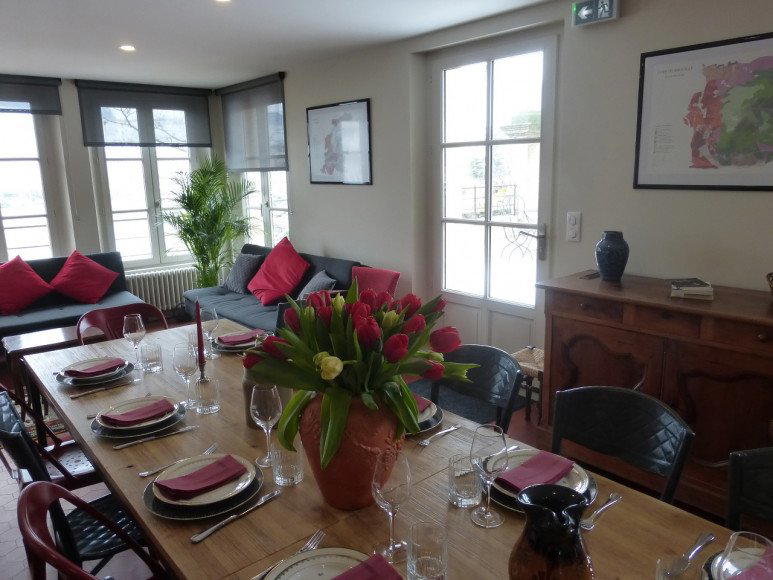
Cozy and intimate atmosphere evoking a Japanese izakaya, ideal for sharing dishes with friends.