
Falstaff Winery - 1 Stars
Klet Krško is a Posavje cooperative cellar in Krško built around Cviček, cave maturation and a grower network rather than a single-estate narrative. Its appeal is strongest for travelers who want Slovenia’s regional wine culture explained through guided cellar context, large Slavonian oak casks and a portfolio that stretches from everyday Cviček to late-harvest Sauvignon Blanc.

Pearl is the En Primeur Club membership app — saves, bookings, and concierge access live there. Same editors, same standards.
- Address
- Krško, Slowenien
- Directions
- Get directions

Klet Krško is best understood through its cellar setting. The picture is not of a generic tasting room, but of a historic cooperative cellar in Krsko, with cool, damp barrel caves, traditional Slavonian oak casks and a rustic, authentic atmosphere. The experience is closely tied to Cviček-focused visits and guided tours, with more modern tasting facilities added to the older cellar environment.
Because the available information is narrow, the strongest way to describe Klet Krško is through place, atmosphere and format rather than through unconfirmed claims about production scale, grape lists, ownership details, awards, exact tours, opening hours or individual wines beyond its Cviček focus. For travelers, that makes the appeal clear but specific: this is a cellar visit rooted in cooperative wine culture, barrel caves and a traditional local setting in Krsko.
Cviček, cooperative scale and the Posavje idea of place
Klet Krško’s confirmed identity centers on a historic cooperative cellar and Cviček-focused experiences. That cooperative context matters because it frames the visit as something broader than a private tasting room. The venue presents wine through the atmosphere of a working cellar tradition: cool caves, damp air, traditional casks and a rustic sense of continuity.
Those specifics should not be treated as confirmed here. What can be said is that the Cviček focus gives the visit a local anchor, while the historic cooperative cellar gives it a setting that feels tied to Krsko rather than to a generic international wine-tourism template.
The cellar’s traditional Slavonian oak casks are part of the confirmed atmosphere. They help define the visual and sensory character of the visit: a barrel-cave environment that feels cool, damp, rustic and practical. Rather than presenting Klet Krško as a luxury lounge or a design-led tasting bar, the reliable description is more grounded: an authentic cooperative cellar with upgraded tasting facilities for guided visitors.
The caves make the tasting format more than a counter pour
The experience is built around guided tours and Cviček-focused tastings. The cellar itself is an important part of that experience. Its cool, damp barrel caves are not just background scenery; they are central to the atmosphere and to the way guests encounter the venue. The traditional Slavonian oak casks reinforce the feeling of a long-established cellar rather than a newly staged visitor attraction.
At the same time, Klet Krško is not described only as an untouched old cellar. The details also note upgraded, more modern tasting facilities. That combination is the useful planning point: visitors can expect a rustic, historic cooperative setting, but with tasting infrastructure that has been modernized for guided experiences.
The safest description is therefore general: Klet Krško offers guided tours and Cviček-focused experiences in a historic cellar environment. Anyone planning a visit should confirm practical arrangements directly before going.
How to place it in a Slovenia wine itinerary
Klet Krško suits travelers who want a cellar-led wine stop in Krsko rather than a purely polished tasting-room experience. The confirmed appeal lies in its historic cooperative identity, its barrel caves, its traditional Slavonian oak casks and its Cviček-focused guided experiences. It is a good fit for visitors who are interested in atmosphere, local wine culture and the feel of an established cellar.
For planning around the city, it is best to think of Klet Krško as a Krsko wine stop with a rustic cooperative character. Other dining, hotel, bar or experience options in Krsko can be considered separately, but no specific nearby venues are here as comparisons. The important distinction is that Klet Krško’s draw is not a named chef, a restaurant program, a published ranking or an award claim. Its draw is the cellar itself.
The editorial case for visiting is therefore direct. Klet Krško offers a historic cooperative cellar atmosphere in Krsko, with cool, damp caves, traditional Slavonian oak casks, guided tours and Cviček-focused experiences. The price level is listed as $$, and the mood is rustic and authentic while still supported by more modern tasting facilities. For travelers looking for a grounded wine experience rather than an embellished luxury narrative, that is the clearest and most reliable reason to put it on the itinerary.
Recognition history
Dated appearances from independent guides and award organizations, with the underlying list record or original source where available.
Falstaff Winery - 1 Stars
Falstaff

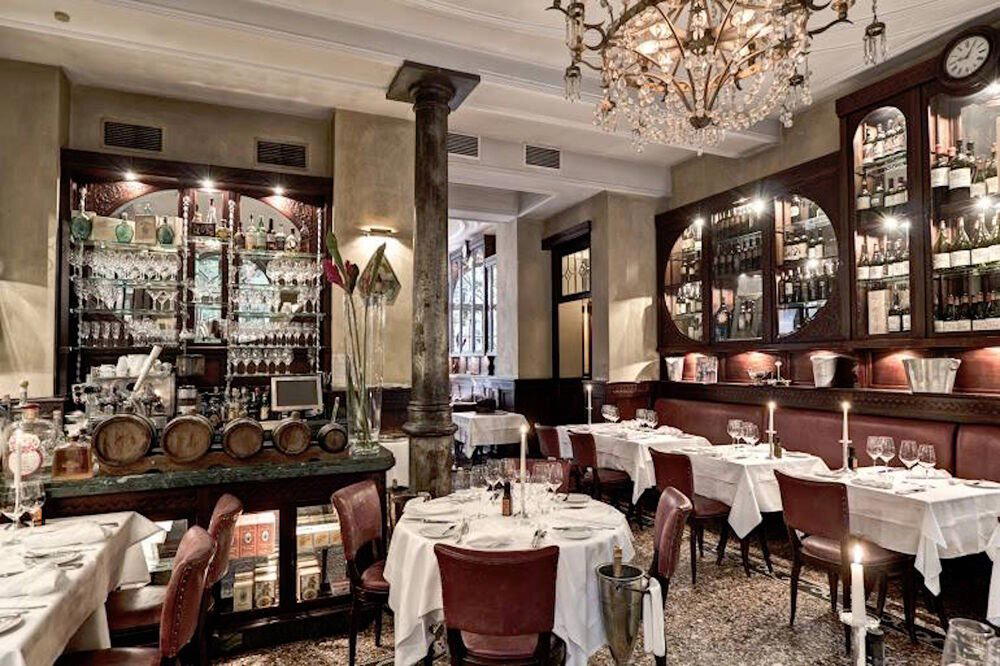
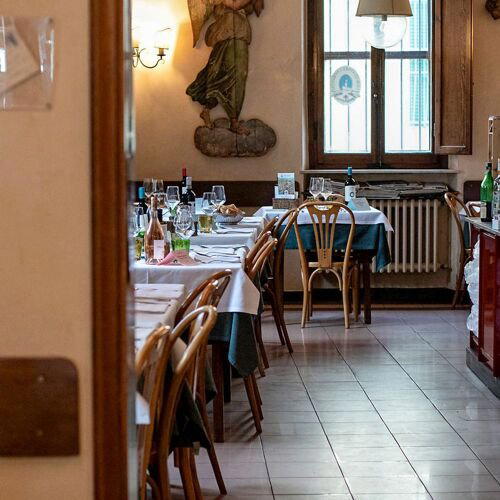
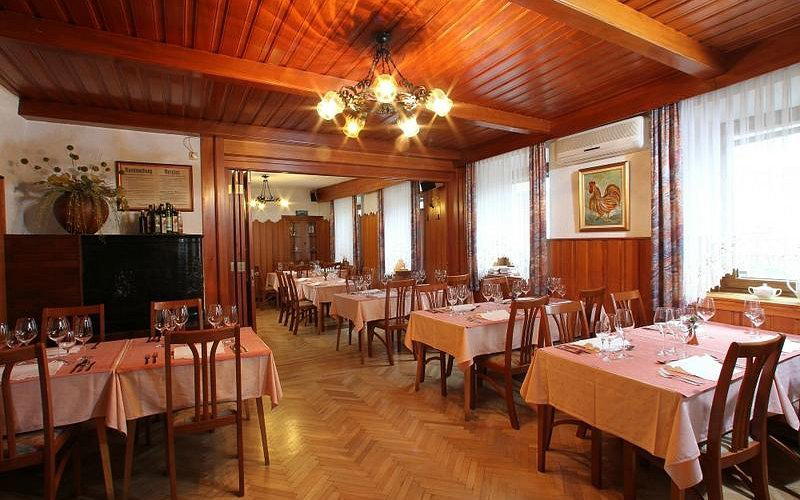
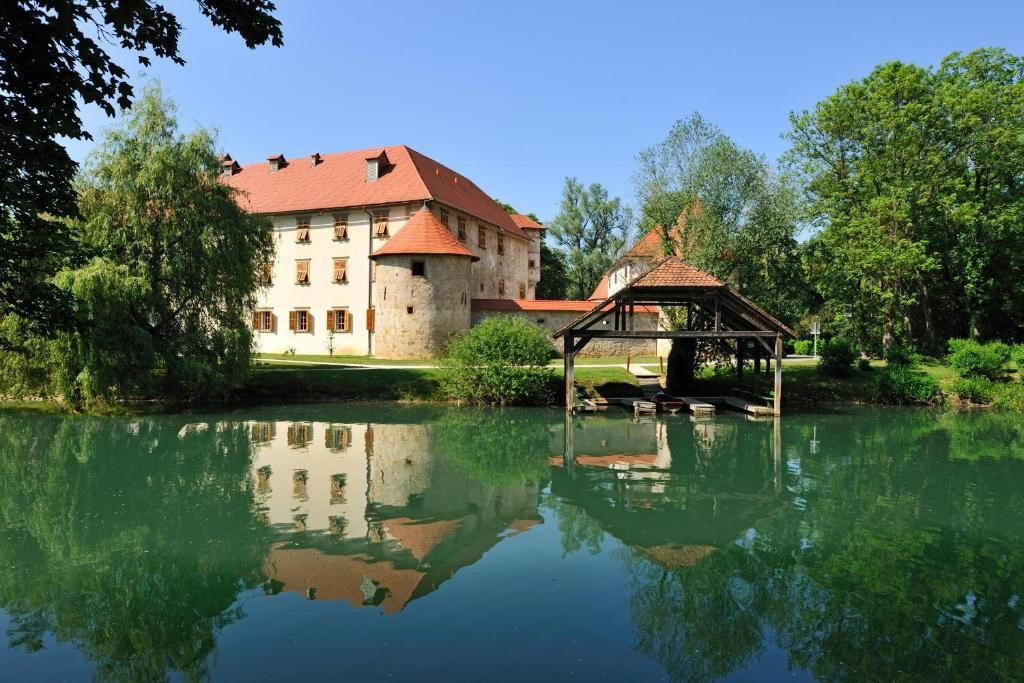
Details
- Rustic
- Classic
- Scenic
- Well Known
- Cozy
- Group Outing
- Wine Education
- Romantic Getaway
- Solo Exploration
- Corporate Event
- Cave Tasting
- Barrel Room
- Historic Building
- Private Tasting
- Vineyard
- Kraljevina
- Modra Frankinja
- Blaufränkisch
- Pinot Gris
- Pinot Blanc
- Sylvaner
- Sauvignon Blanc
- Still Red
- Still White
- Still Rosé
- Sparkling
- Dessert
- Cellar Tour And Tasting
- Guided Group Tasting
- Premium Tasting
- Slovenian
- English
- Chinese
Historic cooperative cellar with cool, damp barrel caves and traditional Slavonian oak casks, combining a rustic, authentic atmosphere with upgraded, more modern tasting facilities for guided tours and Cviček-focused experiences.