Konoba Kostanjac occupies a central address in Karlovac, the inland Croatian city where four rivers converge and the table culture leans toward long, unhurried meals rooted in continental rather than coastal tradition. The kitchen draws from the Kordun and Pokuplje larder, cured meats, freshwater fish, slow-cooked meats, in a format that reads as a working konoba rather than a destination restaurant. It sits within a compact local dining scene alongside Castle Bistro and Kalvarija.
Pearl is the En Primeur Club membership app — saves, bookings, and concierge access live there. Same editors, same standards.
- Address
- Ul. Janka Draškovića 1, 47000, Karlovac, Croatia
- Phone
- +38547613740
- Website
- facebook.com
- Directions
- Get directions
 Saves & bookings on Pearl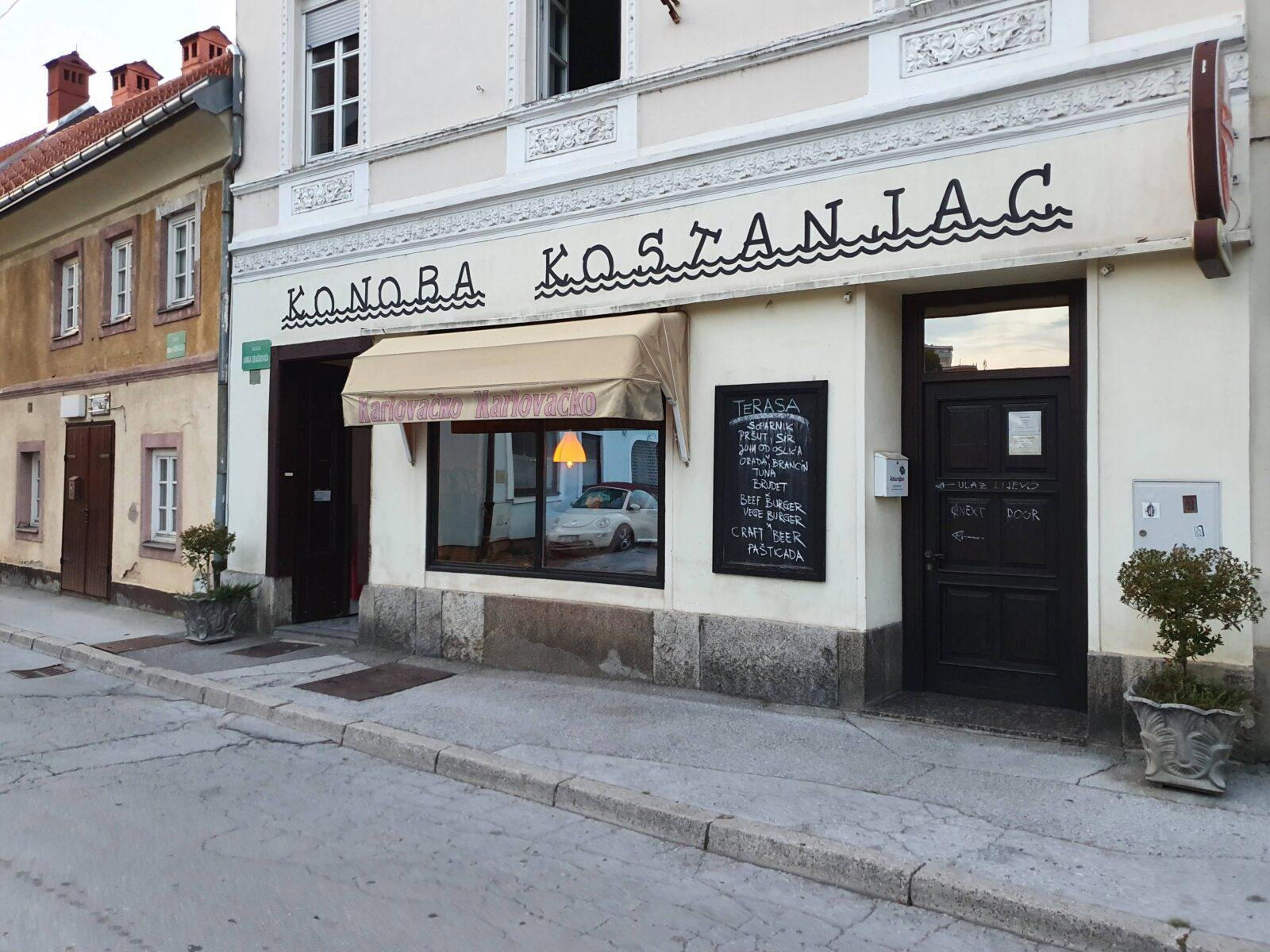
How Karlovac Eats
Karlovac sits at the confluence of four rivers, the Kupa, Korana, Mrežnica, and Dobra, and the city's table culture reflects that inland position more than any coastal influence. Where Dalmatian dining gravitates toward grilled fish, olive oil, and Adriatic simplicity, the interior Croatian tradition is slower, meatier, and rooted in preservation: air-dried meats, freshwater carp and catfish, lard-enriched pastry, and pork cooked across hours rather than minutes. The konoba format exists precisely to serve that kind of eating, generous, unhurried, communal.
The word konoba originally referred to a wine cellar or storage room, and the format that grew around it is defined by informality and abundance rather than precision and sequence. A konoba meal is not meant to be rushed. The pacing is longer, the portions are calibrated for sharing, and the expectation is that bread, spreads, and house wine arrive before anything is decided. In that sense, a konoba operates more like a French auberge de campagne than a contemporary restaurant: the building itself matters, and the meal follows what the kitchen has prepared that week rather than a fixed printed menu.
Where Konoba Kostanjac Sits in the City
Karlovac's dining scene is compact. The city of roughly 46,000 has a small cluster of established restaurants that serve both locals and the occasional traveller passing through on the Zagreb-to-coast corridor. Within that cluster, options tend to split between more formal Continental-style dining rooms and looser konoba or tavern formats that put the emphasis on traditional recipes and informal service. Castle Bistro and Kalvarija represent different points on that spectrum; Lovački rog leans into hunting-lodge tradition with game-forward cooking. Konoba Kostanjac, at Ul. Janka Draškovića 1, occupies a central position in the city and draws from the same inland larder that defines the region's character.
That address places it within walking distance of Karlovac's historic star-fort grid, a Renaissance-era urban plan still legible in the street layout today. The neighbourhood context matters because it frames expectations: this is not the kind of address that aims at destination-restaurant status or competes with Michelin-tracked tables in Zagreb or on the Adriatic coast. It is a working local restaurant whose reference points are regional rather than national.
The Rhythm of the Meal
The konoba dining ritual in inland Croatia tends to follow a recognisable sequence that differs meaningfully from the coastal experience. Coastal Dalmatian meals often start with cold cuts and pršut before moving to fish, with olive oil as the dominant fat throughout. The interior version, as found in Karlovac and the surrounding Kordun region, typically opens with house-cured meats alongside fresh bread and ajvar or similar relish, then moves toward heavier main courses: roasted or braised pork, lamb prepared under a peka (the domed cast-iron bell used for slow cooking over embers), or freshwater fish from one of the nearby rivers.
Peka cooking, in particular, represents one of the more disciplined preparations in Croatian peasant tradition. The dish requires advance ordering, typically several hours ahead or the day before, because the technique demands sustained, controlled heat and cannot be rushed. At restaurants across inland Croatia, regulars understand this and plan accordingly. Walk-in diners who have not pre-ordered will encounter the menu without it. That single logistical detail tells you something about the pacing and commitment the format expects of its guests.
House wine in this context is typically sourced locally or from nearby continental wine regions: Plešivica to the north, or producers from the broader Kontinentalna Hrvatska zone. These are lighter-bodied whites and easy-drinking reds that suit the fat-forward cooking better than Dalmatian plavac mali or Istrian malvazija would. The pairing is instinctive rather than curated, which is consistent with the konoba tradition.
The Broader Croatian Table for Context
Travellers who arrive in Croatia through Dubrovnik, Split, or Rovinj encounter a particular face of the country's dining culture: seafood-centric, Mediterranean-influenced, increasingly polished. Tables like Restaurant 360 in Dubrovnik, Krug in Split, and Agli Amici Rovinj in Rovinj represent the contemporary ambitions of that coastal register. Further along the coast, Pelegrini in Sibenik and LD Restaurant in Korčula sit in the same aspirational tier, while Nebo by Deni Srdoč in Rijeka and Boskinac in Novalja point toward the island and Kvarner Gulf traditions.
Inland Croatia rarely appears in those conversations. Dubravkin Put in Zagreb and Korak in Jastrebarsko are among the more discussed inland addresses, but the broader Continental tradition, slower, earthier, less photogenic, receives a fraction of the editorial attention that Dalmatian cuisine attracts. Konoba formats like Kostanjac operate in that quieter register: they serve a cuisine that is not trending, does not translate easily to social media, and requires the diner to accept the meal's own terms rather than impose contemporary expectations on it. That is, for a certain kind of traveller, precisely the appeal.
For a wider map of what Karlovac's dining scene offers, the full Karlovac restaurants guide covers the city's options in detail. Readers interested in how island and coastal Croatian traditions compare can follow those threads through Alfred Keller in Mali Lošinj, Bodulo in Pag, or BioMania Bistro Bol in Bol, each sits in a different island context but all illustrate how Croatian cooking changes as you move away from the mainland.
Planning a Visit
Konoba Kostanjac is at Ul. Janka Draškovića 1, 47000 Karlovac, a central address reachable on foot from most of the city's historic core. Karlovac is approximately 50 kilometres southwest of Zagreb by road, making it a plausible stop on a drive toward the coast rather than a dedicated detour in most itineraries. Contact details and current hours are best confirmed directly on arrival in the city or through local tourism resources, as they are subject to seasonal adjustment. If you intend to eat peka or another slow-cooked preparation, telephoning ahead is standard practice.
Cuisine and Recognition
Comparable venues nearby, for context on price, style, and recognition.
| Venue | Cuisine | Price | Notes |
|---|---|---|---|
| Konoba KostanjacThis venue — the venue you are viewing | Croatian Seafood & Grill | $$ | Not listed |
| Kalvarija | Croatian Mediterranean | $$ | Vučjak |
| Castle Bistro | Modern Croatian Bistro | $$$ | Dubovac |
| Lovački rog | Croatian Game & European | $$ | Karlovac |
| More | Mediterranean Seafood Grill | $$ | Supetarska Draga |
| Konoba Fiume | Traditional Croatian Seafood | $$ | Rijeka market |
Continue exploring
More in Karlovac
Restaurants in Karlovac
Browse all →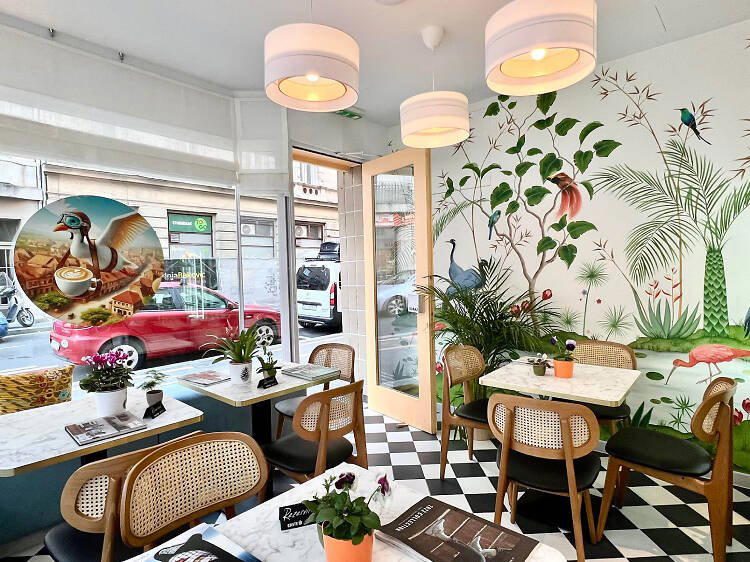
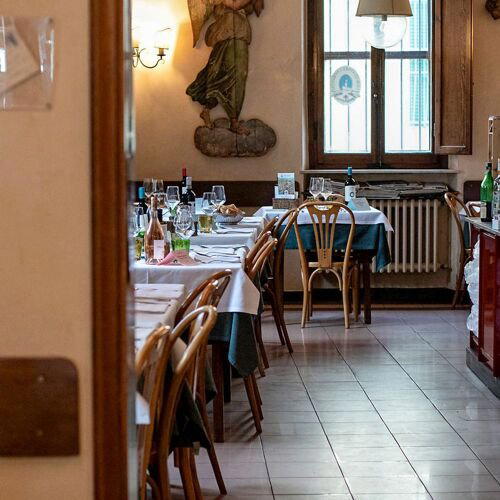
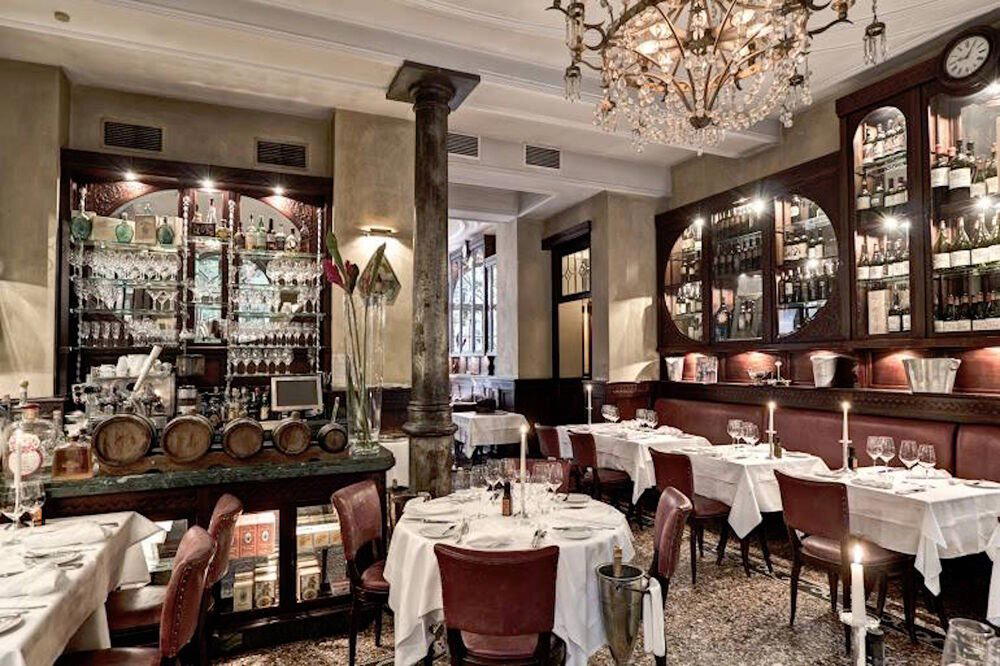
Bars in Karlovac
Browse all →

Hotels in Karlovac
Browse all →

At a Glance
- Rustic
- Cozy
- Lively
- Group Dining
- Family
- Casual Hangout
- Celebration
- Standalone
- Terrace
- Beer Program
- Craft Cocktails
- Local Sourcing
- Sustainable Seafood
Current opening hours
- Monday
- 9 AM–10 PM
- Tuesday
- 9 AM–10 PM
- Wednesday
- 9 AM–10 PM
- Thursday
- 9 AM–10 PM
- Friday
- 9 AM–11 PM
- Saturday
- 10 AM–11 PM
- Sunday
- Closed
Hours can change for holidays and private events. Last verified .
Friendly rustic tavern decorated in Croatian tavern style with cheerful, professional staff; warm and inviting atmosphere ideal for food lovers.